French Toast vs Pancakes vs Waffles: Comparing Breakfast Favorites
Breakfast enthusiasts often find themselves in a delightful dilemma when choosing between French toast, pancakes, and waffles. Each has its own unique charm and flavor profile that can satisfy any morning craving. When it comes to the healthiest option, pancakes stand out with 78% less saturated fat compared to French toast. This makes them a favored choice for those mindful of their fat intake.
French toast offers a simple yet versatile option, making it a great starting point for beginners in the kitchen. Its rich, custardy texture soaked in egg mixture is easy to master and customize with various toppings. Pancakes, on the other hand, provide a wider variety in terms of recipes and taste variations, rewarding those who have a bit more skill and patience.
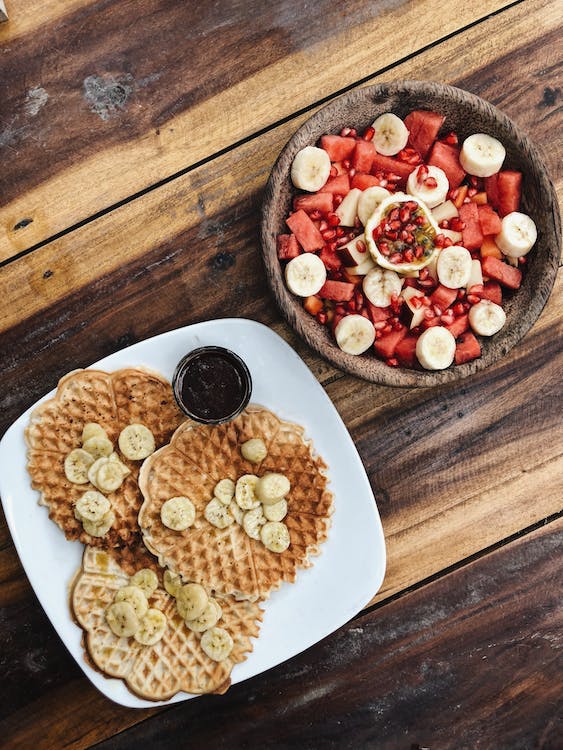
Waffles bring a unique crunch and grid texture that sets them apart from the soft pancake, making them an excellent base for an array of sweet toppings. They can be paired with fruits, ice cream, or whipped cream to create a decadent breakfast experience. Whether you prefer the simplicity of French toast, the health benefits of pancakes, or the crunchy satisfaction of waffles, each option brings something special to the breakfast table.
Historical Origins
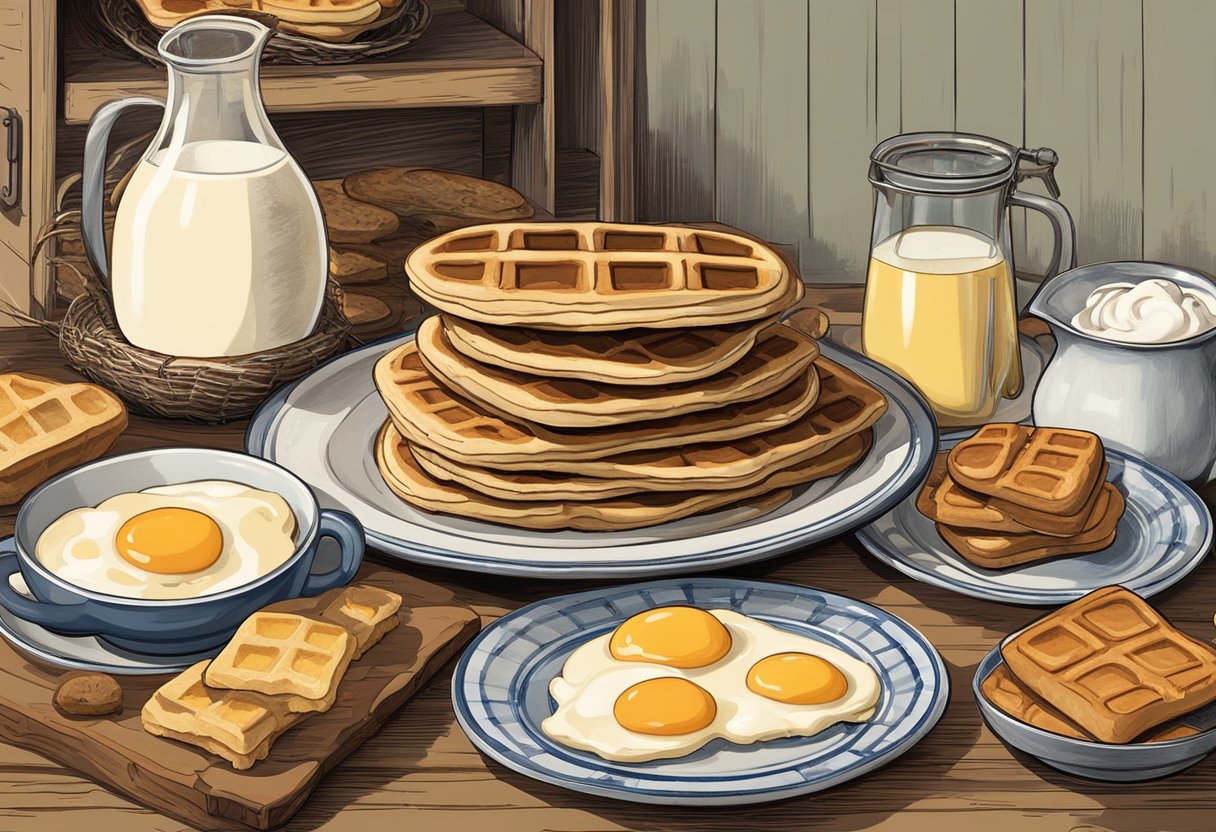
French toast, pancakes, and waffles each have rich and distinct histories, reflecting the culinary traditions of different cultures and time periods.
Origin of French Toast
French toast dates back to ancient Rome. The earliest recorded recipe is in a Roman cookbook called Aliter Dulcia by Apicius. In this recipe, bread was soaked in a mixture of milk and eggs and then fried.
The dish later became known as pain perdu in France, meaning "lost bread." This name reflected the use of stale bread, which would otherwise be thrown away. The French popularized the dish, enhancing its richness by adding spices like cinnamon and nutmeg.
Over time, French toast spread across Europe and eventually to America, where it remains a beloved breakfast dish.
Evolution of Pancakes
Pancakes have been a part of human diets for tens of thousands of years. Early versions were simple mixtures of flour and water cooked on hot stones. Ancient Greeks and Romans enjoyed pancakes made with wheat flour, olive oil, honey, and curdled milk.
In medieval Europe, pancakes evolved to include eggs and milk, creating a fluffier texture. French crepes are thin pancakes made with a runny batter, often served with sweet or savory fillings.
The modern American pancake uses baking powder as a leavening agent, making them thick and fluffy. Pancakes remain a staple breakfast food around the world, each culture adding its own unique twist.
Waffles Through Time
Waffles have roots in the Middle Ages when they were cooked using two metal plates over an open fire. The word "waffle" comes from the Dutch word "wafel," reflecting its origins in the Netherlands and Belgium.
Originally, waffles were baked from dough rather than batter. In the 18th century, leavening agents like yeast were introduced, making waffles lighter. They were often enjoyed with honey or fruit.
The invention of waffle irons in the 19th century revolutionized waffle making, leading to the familiar grid pattern. Today, waffles are enjoyed worldwide, often served with a variety of sweet or savory toppings.
Nutritional Comparison
French toast, pancakes, and waffles each have unique nutritional profiles. Understanding these differences can help you make healthier choices based on your dietary needs.
Nutrient Breakdown
French toast, pancakes, and waffles vary significantly in nutrients.
- Calories: A plate of French toast has the highest calorie count, followed by waffles and pancakes. French toast averages around 380 calories, while waffles have about 300, and pancakes come in at approximately 250.
- Protein: Pancakes are often higher in protein, especially when made with milk and eggs. One serving can contain up to 8 grams, while waffles and French toast typically offer around 6 grams.
- Fat: Waffles contain more fat than pancakes and French toast due to their buttery batter. A serving might have about 12 grams, compared to 6 grams in pancakes and 7 grams in French toast.
- Fiber: French toast usually offers more fiber, around 2 grams per serving, compared to waffles with 1.5 grams and pancakes with 1.2 grams.
- Sugar: Both pancakes and French toast can contain high sugar levels, often exceeding 20 grams per serving. Waffles have slightly less, with about 15 grams.
Health Considerations
When considering saturated fat, cholesterol, and other factors, waffles typically contain more saturated fat due to butter in the batter.
- Cholesterol: French toast can have higher cholesterol levels, especially when whole eggs are used. A serving can have up to 180 mg, while pancakes and waffles have about 70 mg.
- Sodium: French toast generally has the most sodium, nearly 500 mg per serving. Pancakes and waffles have around 450 mg and 400 mg, respectively.
- Sugar: While all three can be high in added sugars, adding fruit or using sugar substitutes can help reduce the overall sugar content.
Dietary Variations
For those with dietary restrictions, there are various options available:
- Gluten-Free: Use gluten-free flour blends to make gluten-free pancakes and waffles. French toast can also be made with gluten-free bread.
- Paleo-Friendly Pancakes: Substitute traditional flours with almond or coconut flour. This variation reduces carbs and maintains a good protein level.
- Quinoa Pancakes: Quinoa flour increases the protein and fiber content, making it a healthier choice.
Choosing specific ingredients can significantly impact the nutritional value of these breakfast favorites. Making mindful choices can support different dietary needs, whether seeking more protein, reducing sugar, or managing cholesterol intake.
Preparation and Ingredients
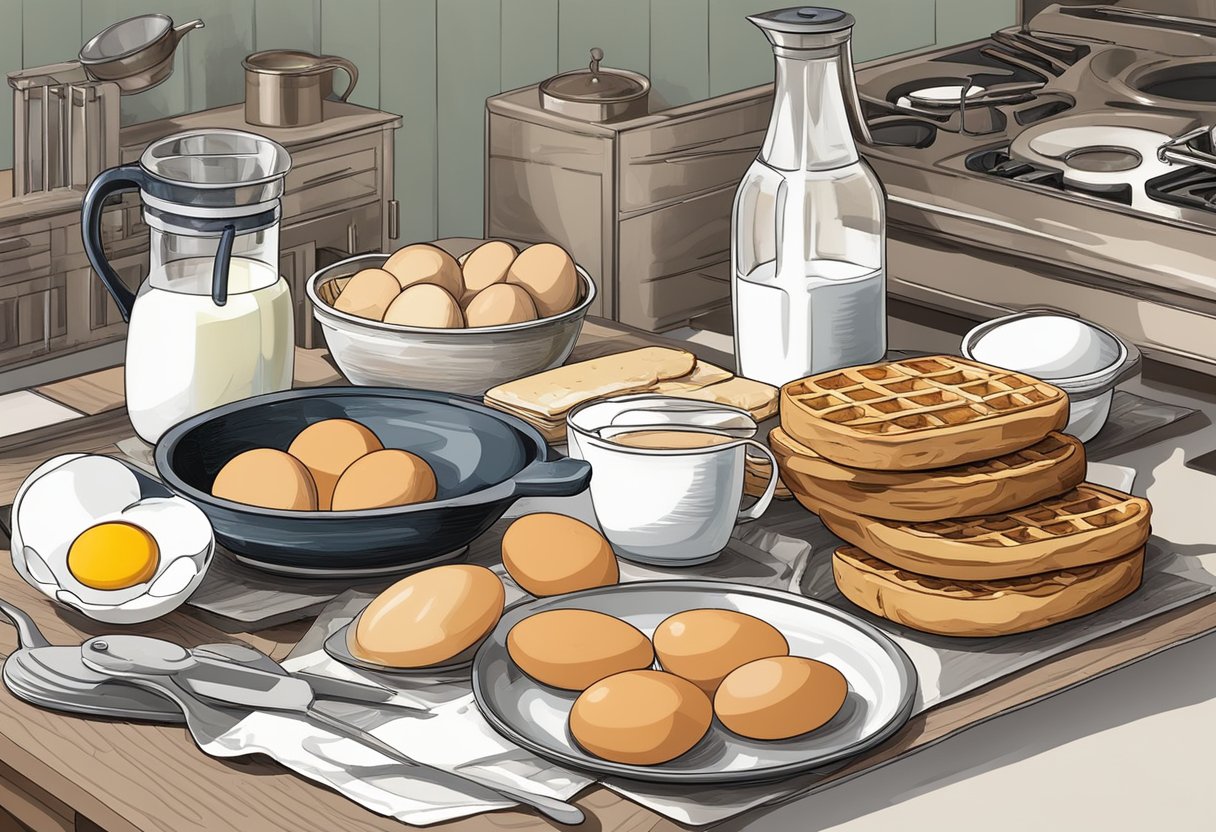
French toast, pancakes, and waffles all use basic ingredients like flour, eggs, and milk, but their preparation methods differ. Each one offers something unique in terms of batter and base, taste and texture, and cooking techniques.
Batter and Base
French Toast: French toast begins with a custard-like mixture made of eggs, milk, and sugar. Bread slices are dipped into this mixture, absorbing the flavors and moisture. It's often flavored with spices like cinnamon or nutmeg.
Pancakes: Pancake batter consists of flour, sugar, eggs, milk, and baking soda. The batter should be smooth and slightly thick. It can also include add-ins like berries or chocolate chips for variety.
Waffles: Waffle batter is similar to pancake batter but typically includes more fat, such as melted butter, to ensure a crispy exterior when cooked. Some recipes also use whipped egg whites for extra fluffiness.
Taste and Texture
French Toast: The texture of French toast is soft and custard-like on the inside with a slightly crispy exterior. The taste heavily depends on the type of bread and additional ingredients like cinnamon or vanilla extract. Sweet toppings like caramelized apples or powdered sugar enhance the flavor.
Pancakes: Pancakes are known for being fluffy and light. The use of baking soda helps them rise. They usually have a softer texture compared to waffles. Pancakes can be flavored with vanilla extract or served with butter and syrup.
Waffles: Waffles have a unique crispy texture on the outside and a fluffy interior. The extra butter or oil in the batter contributes to this crispness. Waffles are versatile and can handle both sweet and savory toppings, making them quite popular.
Cooking Techniques
French Toast: To cook French toast, each bread slice is soaked in the custard mixture, then fried in a butter-greased pan until golden brown. It’s important to cook over medium heat to avoid burning the outside while ensuring the inside is cooked.
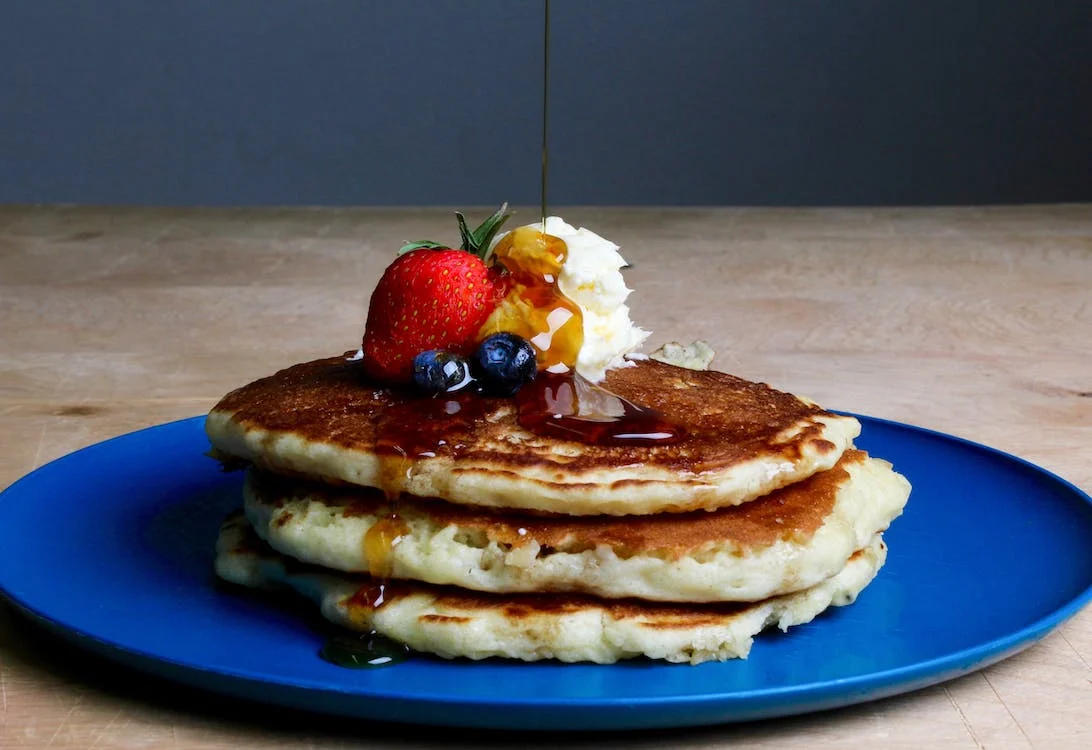
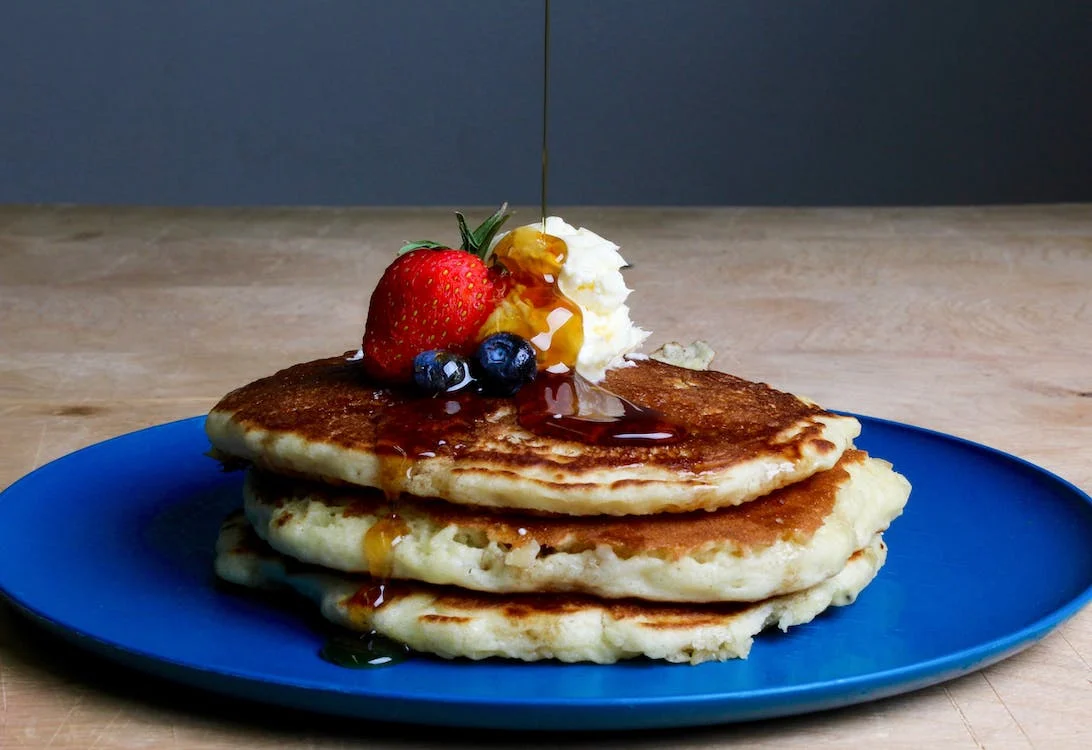
Pancakes: Pancakes are typically cooked on a non-stick griddle or frying pan. The batter is poured into small circles and cooked until bubbles form on the surface, then flipped to cook the other side. The batter should be thick enough to hold its shape.
Waffles: Waffles are made using a waffle iron. The batter is poured into the preheated, greased iron, and cooked until crisp and golden brown. Waffle irons create their distinctive grid pattern, offering pockets for toppings like syrup or whipped cream.
Serving and Toppings
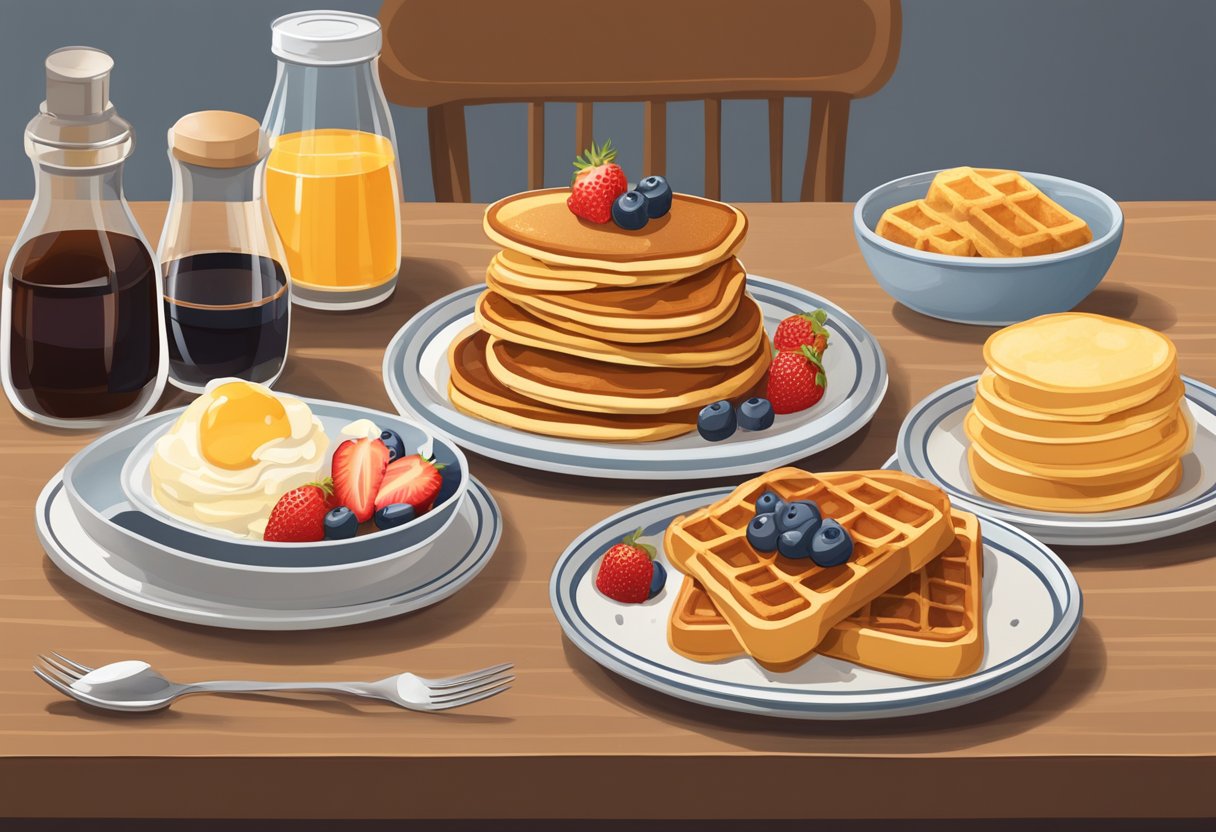
French toast, pancakes, and waffles each offer their own unique possibilities for serving and toppings. From classic options to creative combinations and various syrup varieties, they provide numerous ways to enhance the breakfast experience.
Classic Toppings
Classic toppings are staples that many people enjoy. For French toast, a simple dusting of powdered sugar or a pat of butter can be delightful. Pancakes often feature butter and maple syrup as traditional choices.
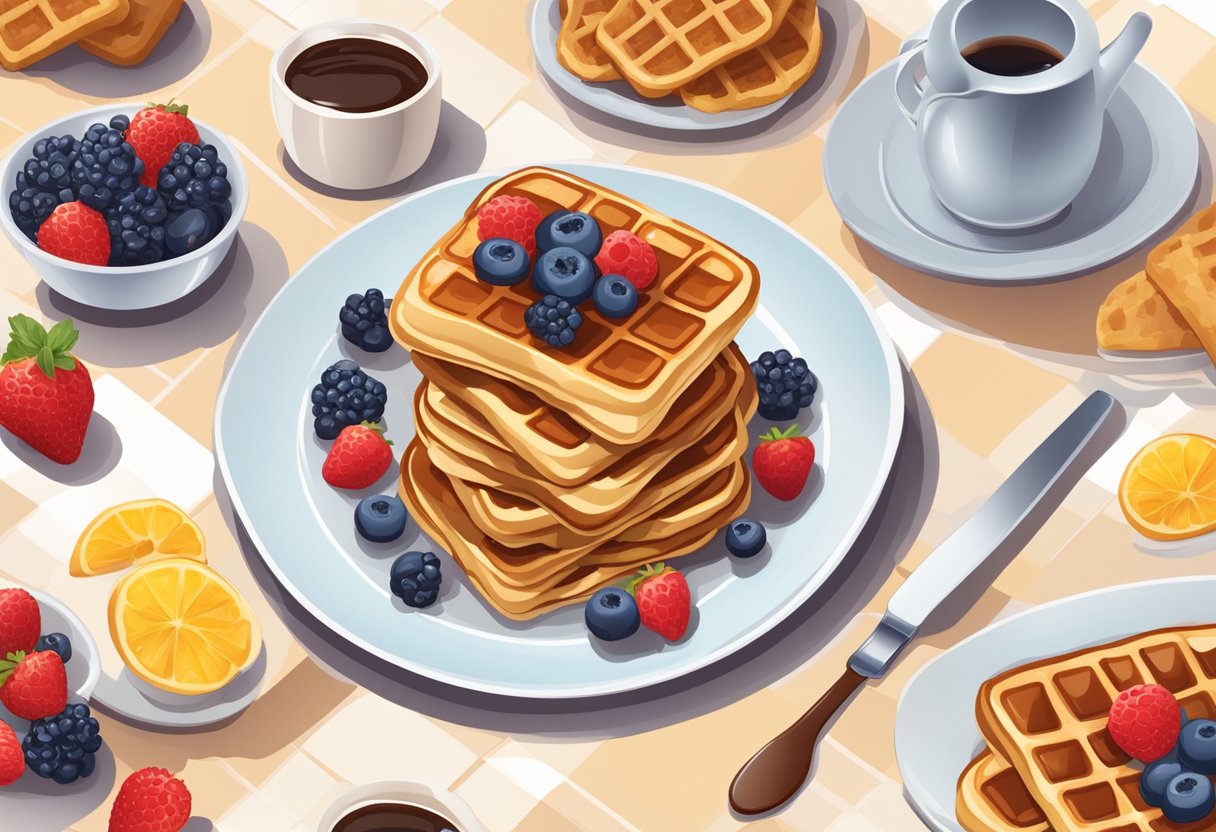
Waffles, with their deep pockets, are perfectly suited for holding pure maple syrup and whipped cream. Adding fresh fruit like strawberries or blueberries can elevate the flavor and add a touch of freshness.
Creative Combinations
Creative combinations push the boundaries beyond traditional toppings. French toast can be enhanced with peanut butter spread and banana slices, making for a hearty and delicious twist.
Pancakes welcome combinations like hazelnut spread with berries, or even a drizzle of rum-infused syrup for a special treat. Waffles pair well with ice cream or yogurt, topped with a mix of nuts like hazelnuts and various fruit.
Syrup Varieties
While maple syrup is a beloved classic, there are plenty of other syrup varieties. Blueberry syrup is a favorite for its fruity taste. Pancakes and waffles can also be served with strawberry syrup for a berry-rich flavor.
French toast might take well to rum-flavored syrup for a more adult breakfast option. Don't forget butter pecan syrup, which adds a nutty, buttery flavor that complements all three dishes splendidly.
These aspects make serving and enjoying these breakfast favorites even more delightful, catering to a wide range of tastes and preferences.
Cultural Impact and Variations
French toast, pancakes, and waffles have unique cultural significance and regional twists. They each play a prominent role in brunch culture and have been adapted by chain restaurants in various ways.
Regional Varieties
- French toast is known by many names across the globe. In France, it's called "pain perdu," translating to "lost bread," and often made with stale bread. In Spain, "torrijas" are similar but typically soaked in wine or milk before being fried.
- Pancakes also vary greatly. In the U.S., they are thick and fluffy, but French crepes are thin and delicate, often filled with sweet or savory ingredients. Swedish pancakes are another variant, lighter and served with lingonberries.
- Waffles have regional varieties too. Belgian waffles are thick with deep pockets, ideal for holding toppings like fruit or syrup. In Hong Kong, egg waffles are a popular street food, crispy on the outside with a soft, eggy interior.
Brunch Culture
Brunch culture has elevated these breakfast items to new heights. Waffles often feature in elaborate presentations with an array of toppings like fruit, whipped cream, or even fried chicken. Pancakes are no longer just a stack with syrup but can include fillings like blueberries or chocolate chips.
French toast is also a brunch favorite, often seen with fancy toppings like mascarpone, fresh berries, or a dusting of powdered sugar. Brunch spots frequently offer variety platters, allowing diners to enjoy mini portions of each breakfast item, showcasing the versatility and appeal of these dishes.
Adaptations in Chain Restaurants
Chain restaurants have adapted these items to suit a wide range of tastes. IHOP, known for its pancakes, offers a plethora of options from classic buttermilk to stuffed pancakes with various fillings.
Waffle House specializes in hearty Belgian waffles, served with numerous toppings. Even fast-food chains have embraced these items, with McDonald's offering McGriddles, incorporating pancake-like buns with their breakfast sandwiches.
French toast sticks are a popular item in many breakfast menus at chain restaurants, providing a portable, easy-to-eat version of the classic dish. These adaptations show the lasting popularity and versatility of french toast, pancakes, and waffles in modern dining.
Comparative Analysis
In this section, we will compare French toast, pancakes, and waffles in terms of their flavor profiles, texture and consistency, and nutritional differences. Each of these breakfast items has unique qualities that cater to different tastes and dietary needs.
Flavor Profiles
French toast, pancakes, and waffles each have distinct flavors. French toast is often made with bread soaked in an egg and milk mixture, then cooked on a griddle. Cinnamon or vanilla is frequently added to enhance its taste, giving it a sweet and rich flavor.
Pancakes are usually fluffier and can absorb a variety of flavors. Common additions include blueberries, chocolate chips, and nuts. Waffles, with their thicker batter, have a slightly more buttery taste and can hold sweet additions like syrup or fruit in their pockets. This makes them particularly versatile.
Texture and Consistency
The textures of French toast, pancakes, and waffles are quite different. French toast is generally crispy on the outside and soft on the inside. The use of stale bread can create a firmer texture, while fresh bread results in a softer bite.
Pancakes are known for being fluffy and light. Their texture largely depends on the amount of baking powder used in the batter. Waffles are crispy on the outside due to the waffle iron, yet they maintain a soft interior. This unique combination makes them stand out.
Nutritional Differences
When it comes to nutrition, each option has its own profile.
- French toast typically has a higher cholesterol content because of the eggs. It is also lower in sodium if prepared with less salt.
- Pancakes tend to have lower cholesterol and fat than French toast. They are often rich in minerals but can be high in carbs and sugar when topped with sweet additions.
- Waffles are higher in polyunsaturated fats but lower in cholesterol. They can also be high in calories, especially when topped with ice cream or whipped cream.
Below is a comparison table for a clearer nutrient breakdown:
| Nutrient | French Toast | Pancakes | Waffles |
|---|---|---|---|
| Cholesterol | High | Lower | Lower |
| Sodium | Lower | Moderate | Similar to Pancakes |
| Polyunsaturated Fat | Low | Moderate | Higher |
| Sugar | Varies | Moderate to High | Moderate to High |
| Carbohydrates | Moderate | Higher | Similar to Pancakes |
This table and the information above highlight how different French toast, pancakes, and waffles can be both in taste and nutrition. Each has its pros and cons, and the choice often comes down to personal preference and dietary needs.
Final Recommendations
When choosing between French toast, pancakes, and waffles, consider your health goals, your love for sweet treats, and your passion for food experimentation. Each breakfast option has unique qualities that might match your preferences and dietary needs.
For Health-Conscious Individuals
French toast, pancakes, and waffles have distinct nutritional profiles. Pancakes often contain fewer fats and are rich in carbs, making them a good choice for some diets. Whole grain pancakes can add extra fiber, magnesium, and B vitamins, benefiting digestion and metabolism.
French toast can be made healthier by using whole grain bread and egg whites. This option provides more protein, vitamin B12, and folate. It's moderately low in sodium and can be enriched with fruit toppings to boost vitamins A and C.
Waffles can be higher in fats and sugars, especially if they contain butter and syrup in the recipe. Opting for yeasted waffles can offer a more balanced option, providing a good amount of potassium, copper, and manganese. Adding nut spreads and fresh fruits can add nutrients without extra carbs.
For the Sweet Tooth
For those with a sweet tooth, waffles might win because of their deep pockets that hold syrup, whipped cream, and fruit toppings. This makes every bite a blend of texture and flavor. Waffles can be seasoned with cinnamon or chocolate chips for extra indulgence.
Pancakes also cater to sweet cravings well, thanks to their soft texture when paired with sugary syrups and fresh fruit. They're versatile and can be customized with fillings like blueberries, chocolate, or bananas, providing natural sweetness.
French toast offers a different kind of sweetness. A rich, custard-soaked bread slice can be enhanced with powdered sugar, honey, or even a layer of jam. Some recipes include spices like nutmeg and cinnamon, enhancing both taste and nutritional content with antioxidants.
For the Food Enthusiast
Food enthusiasts might appreciate the versatility of pancakes as they come in endless varieties. From pumpkin spice to matcha green tea, the possibilities are vast. They can be savory or sweet and offer a canvas for culinary creation.
French toast can be gourmet when made with different breads like brioche or challah. Experimental additions like cream cheese filling or savory herbs create unique brunch experiences. They are also easily adaptable for various dietary restrictions with simple ingredient swaps.
Waffles hold up in the culinary world by being both complex and simple. Whether it's potato waffles for a savory twist or red velvet waffles for a dessert treat, they cater to sophisticated palates. Yeasted waffles, in particular, allow for fermentation that enhances flavor and texture, giving a satisfying crunch.
Use these insights to choose the best breakfast dish that fits your lifestyle and taste preferences.