Waffles Trivia: Fun Facts You Didn’t Know About Pancakes and Their Surprising Similarities
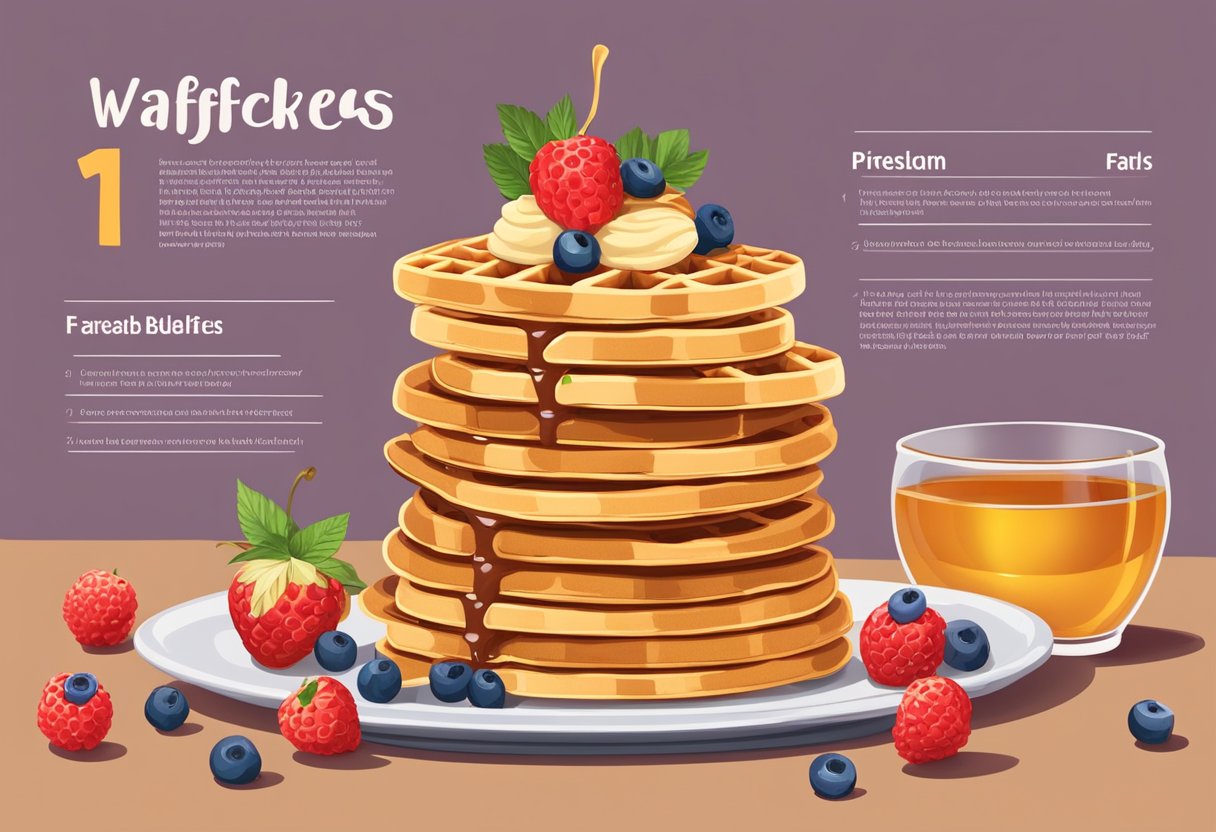
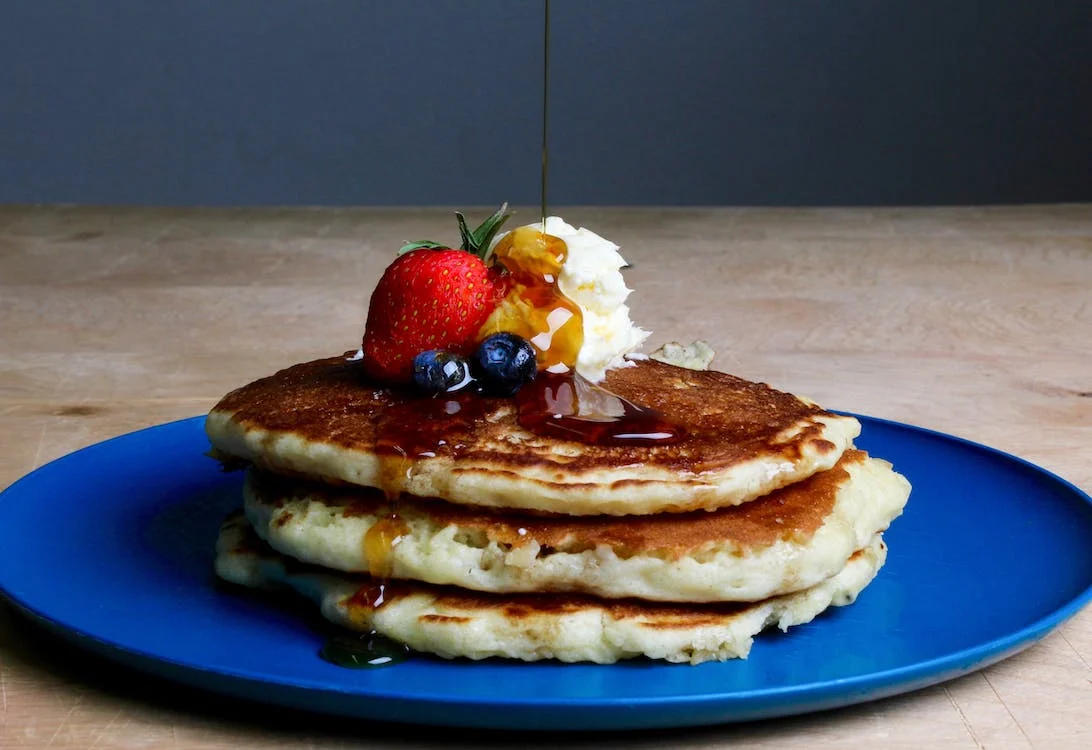
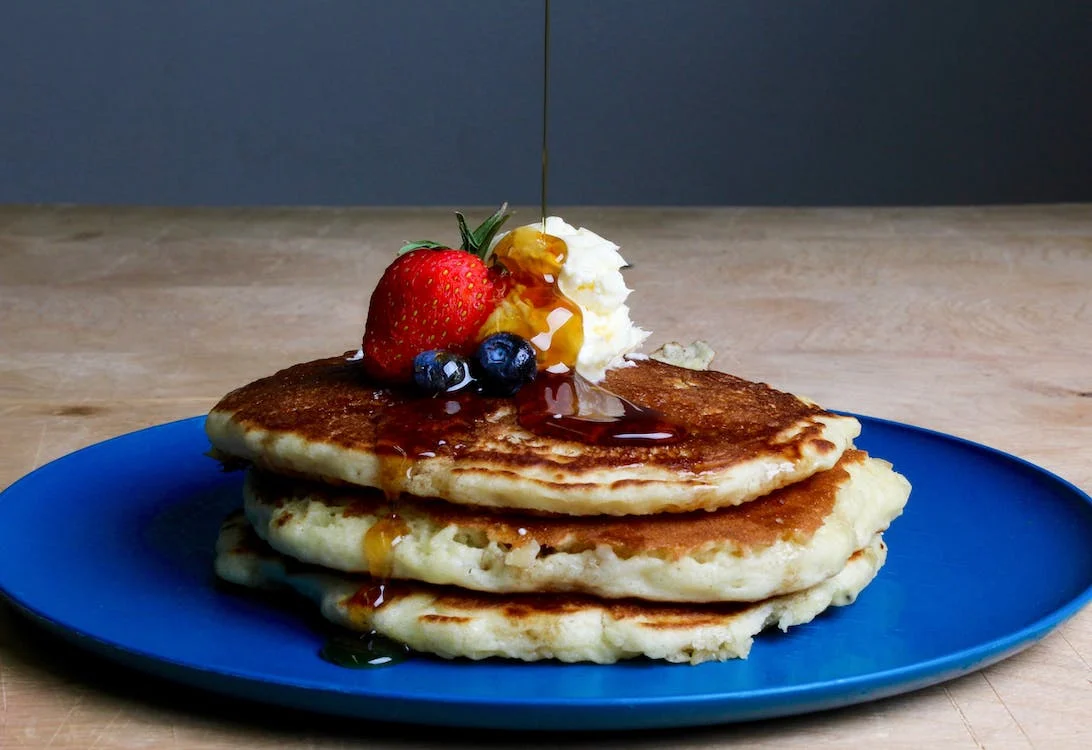
Pancakes have become a beloved breakfast choice for people all around the world. From their ancient beginnings with the Greeks, who made early versions called tagenias, to the fluffy stacks we enjoy today, pancakes have a rich and varied history. They can be tailored to any taste, whether through classic toppings like butter and syrup or creative additions like fresh fruit and chocolate chips.
What makes pancakes even more captivating are the surprising trivia bits. Did you know that pancakes have evolved over the centuries to include many regional variations, each with its own unique twist? For instance, in France, crepes are a thinner, more delicate version of the traditional pancake, often stuffed with savory or sweet fillings.
Exploring the fun facts of pancakes can give you a deeper appreciation for this versatile dish. From their role in different cultures to surprising world records, pancakes are more than just a meal; they tell a story of culinary evolution and innovation.
Historical Evolution of Waffles and Pancakes
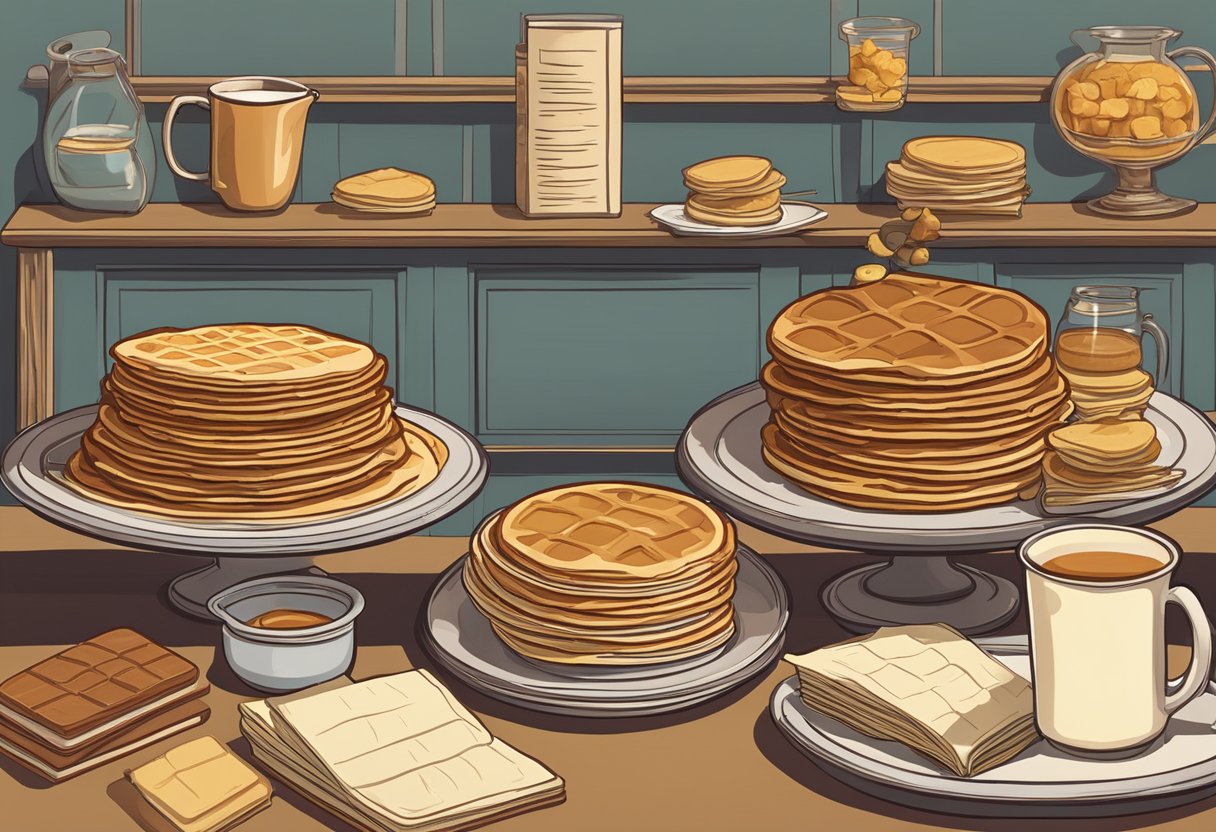
Waffles and pancakes have fascinating histories dating back to ancient civilizations. From their origins in Greece and Rome to their transformations through medieval times and the special celebrations they inspired, these beloved breakfast foods have evolved significantly.
Origins in Ancient Greece and Rome
Waffles and pancakes have roots in ancient Greece and Rome. Greeks cooked early versions of pancakes called tagenites on hot stones. They were made from wheat flour, olive oil, honey, and curdled milk.
Romans developed a similar dish, making their pancakes from spelt flour and topping them with honey and fruits. These early versions of pancakes and waffles were not just breakfast items but were enjoyed during various festivals and ceremonies, reflective of their cultural significance.
Medieval to Modern Transformations
In medieval Europe, pancakes and waffles underwent significant changes. By the 15th century, pancakes, known as flatcakes, were made with ingredients such as milk, eggs, and wine.
Waffles became more popular and were made using special patterned irons that created the beloved grid design. Shakespeare mentioned pancakes in his plays, highlighting their cultural importance in England.
Pancake Day, or Shrove Tuesday, became a tradition where people would use up their eggs and fats before Lent. Belgian and Dutch traditions also introduced their unique waffle varieties, which are still enjoyed today.
The Birth of National Waffle Day
National Waffle Day is celebrated on March 25. This date commemorates the patent for the first U.S. waffle iron, granted to Cornelius Swarthout in 1869.
National Waffle Day originated in Sweden and is known as Våffeldagen. It's a day to enjoy waffles with various toppings and celebrate their history.
In America, waffles became a common breakfast item by the 19th century. Over time, innovations like the Belgian waffle brought by Maurice Vermersch to the 1964 New York World's Fair helped popularize waffles further.
These moments in history reflect the deep-rooted love for waffles and pancakes across different cultures and eras.
Technological Advancements in Waffle and Pancake Making
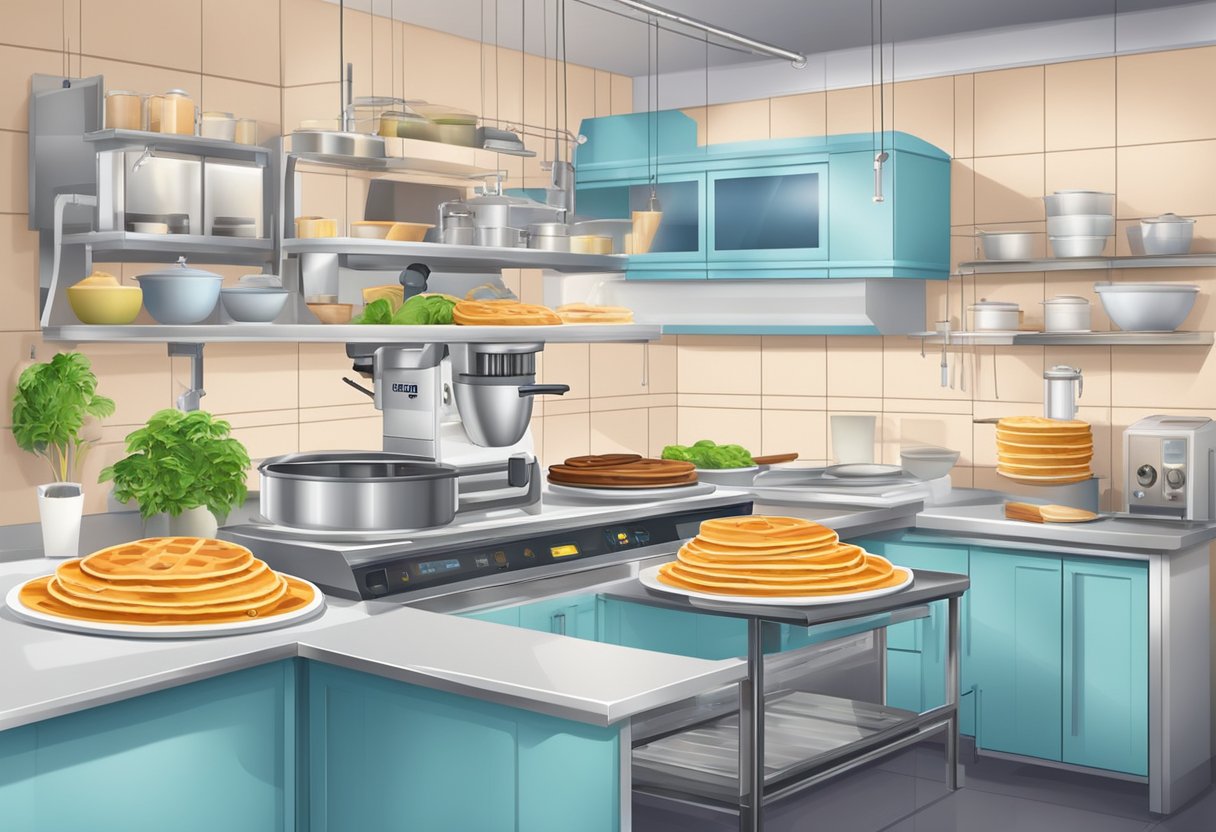
Advancements in technology have greatly improved the way waffles and pancakes are prepared today. These improvements have made breakfast preparation faster, easier, and more efficient.
Invention and Improvement of Waffle Irons
The waffle iron has evolved significantly over the years. Early versions date back to the 14th century when they were made of cast iron and required manual flipping over an open flame.
Thomas Jefferson is credited with bringing one of the first known waffle irons to America after his tenure as Ambassador to France. His iron was made of cast iron and had deep, decorative grids.
Modern waffle makers, which are electrically powered, have changed how waffles are produced. They come with non-stick surfaces, adjustable temperature settings, and timers for precise cooking.
Contemporary waffle makers can quickly cook waffles to the desired crispiness, maintaining consistent texture and flavor. These advancements have made enjoying fresh waffles at home easier than ever.
Culinary Varieties and Ingredients
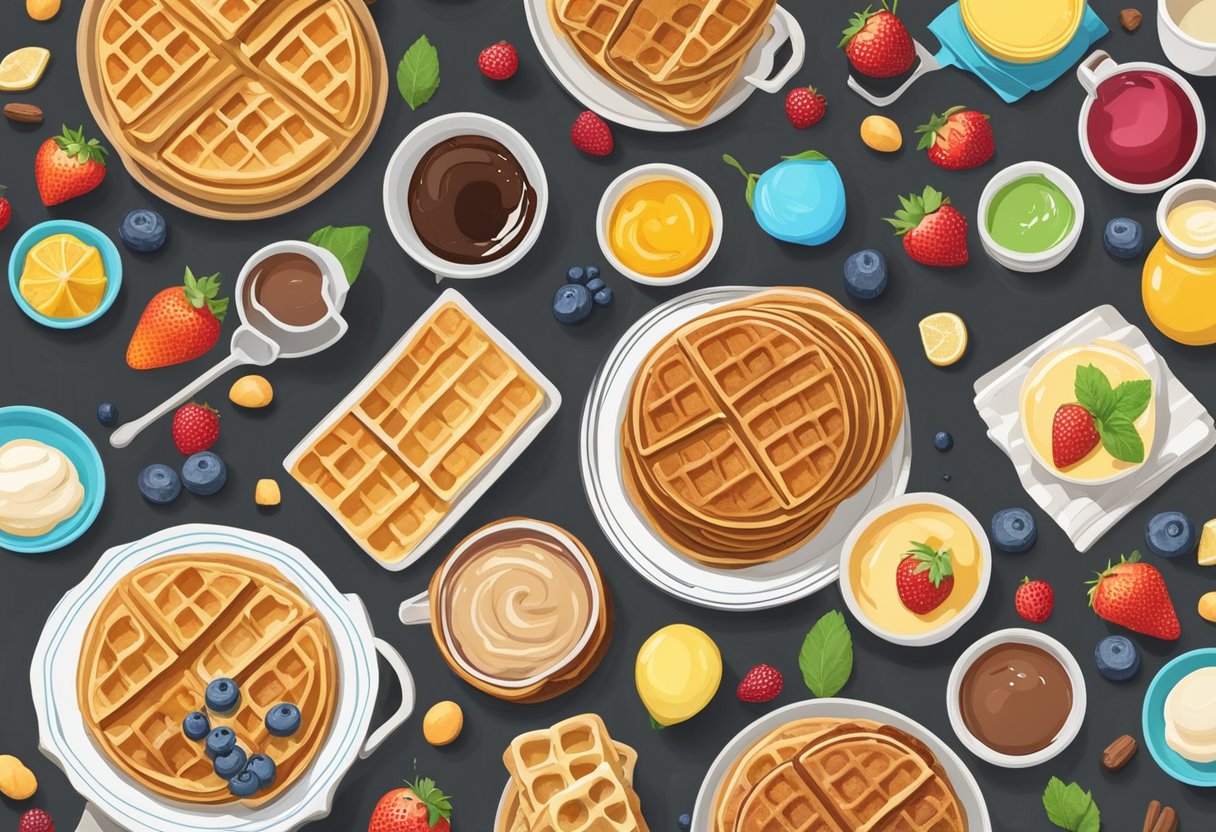
Waffles and pancakes share many ingredients but differ in notable ways. Various cultures have unique twists on these breakfast favorites, and dietary needs have led to inventive modifications.
Key Components and Variations
Waffles and pancakes typically use similar ingredients like flour, eggs, milk, and sugar. For traditional waffles, wheat flour is commonly used, but buckwheat flour offers a hearty alternative. Olive oil is often added to the mix for waffles to ensure a crispy texture.
Belgian waffles stand out due to their lighter, fluffier interior and deeper indentations, making them perfect for holding toppings like syrup, fresh fruit, or whipped cream. Pancakes can include ingredient variations such as chocolate chips or blueberries mixed directly into the batter.
Cross-Cultural Twists on Traditional Recipes
Different cultures add unique flavors and preparation methods to waffles and pancakes. In Sweden, potato pancakes known as raggmunk are popular and typically enjoyed with lingonberry jam. The Dutch serve pannenkoeken, which are larger and thinner than typical pancakes, often with savory toppings.
Indian dosas offer a savory twist. Made from a fermented batter of rice and lentils, dosas are thin and crispy, often served with chutneys and sambar. Belgian waffles, known for their deep pockets, are often enjoyed dusted with powdered sugar or drizzled with honey.
Special Dietary Considerations
For those with dietary restrictions, there are many waffle and pancake options. Vegan recipes replace eggs with ingredients like mashed bananas or flaxseed meal mixed with water. Almond milk or soy milk can be used instead of dairy milk.
Gluten-free versions use alternative flours such as rice flour or almond flour, while low-sugar recipes can utilize natural sweeteners like maple syrup or agave nectar. These adjustments ensure everyone can enjoy waffles and pancakes, regardless of dietary needs.
Cultural Significance and Festivities
Waffles and pancakes are celebrated across many cultures during various holidays and festivals. These breakfast favorites have special roles in traditions from religious observances to national celebrations.
Waffles and Pancakes in Celebration and Tradition
Pancakes play a central role in Shrove Tuesday (also known as Mardi Gras). This day is celebrated before the start of Lent. People traditionally use up rich ingredients like butter, eggs, and milk by making pancakes.
During Hanukkah, some families enjoy waffles as a treat, adding a different twist to the usual fried foods.
National Waffle Day is celebrated in the U.S. on August 24th, marking the anniversary of the waffle iron patent. This day sees many waffle-themed festivities.
In many festivals and special occasions, waffles and pancakes are common. They symbolize comfort and indulgence, making them perfect for celebrations.
Global Industry and Commercial Presence
Waffles and pancakes have a significant presence in both dining establishments and home markets worldwide. Chain restaurants specializing in waffles have become household names, and various products for making waffles and pancakes at home are widely available.
Waffle Houses and Chain Restaurants
Waffle House is a well-known chain in the United States, boasting over 1,900 locations. Known for its 24-hour service, it offers a variety of waffle and pancake options. Other chains like IHOP also feature waffles and pancakes prominently on their menus.
In Europe, chains such as Le Pain Quotidien include both waffles and pancakes, appealing to a broad customer base. The presence of these chain restaurants highlights the global love for these breakfast staples.
Market for Home Waffle and Pancake Products
Eggo is a significant player in the market for frozen waffles. Owned by Kellogg's, Eggo Waffles are convenient for quick breakfasts and snacks. Various flavors cater to diverse tastes, from classic to chocolate chip.
Home waffle makers and pancake griddles are popular kitchen appliances, enabling people to make these treats easily. Brands like Krups and Cuisinart offer high-quality waffle irons, while Bisquick provides ready-made batter mixes, simplifying the cooking process for consumers.
Innovative Serving Styles and Pairings
Creative serving styles can elevate waffles to a new level, making them suitable for more than just breakfast. Pairing waffles with both savory and sweet ingredients offers a range of meal possibilities that can delight any palate.
Savory and Sweet Applications
Savory waffles make a great option for lunch and dinner. Waffle fries are a popular side dish, perfect for pairing with burgers or salads. Belgian waffles can be topped with bacon, cheese, or even caviar for a gourmet twist.
Sweet waffles transform into excellent desserts. Fill a waffle cone with ice cream or Nutella. Top traditional waffles with fresh fruits for a delightful breakfast or dessert. A creative combination of sweet toppings can make any meal special.
Waffles and Pancakes in Popular Culture
Waffles and pancakes have left a notable mark on literature, branding, and record books. They feature prominently in everyday life and culture, offering intriguing facts and achievements.
From Literature to Branding
Waffles and pancakes have popped up in literature and branding in interesting ways. William Shakespeare made mentions of pancakes in some of his plays. This shows they were beloved even in the Elizabethan era.
In modern times, Eggo waffles have become iconic, especially after their appearance in the TV series Stranger Things. Eggo’s popularity soared, and they became a part of pop culture.
Nike's Waffle Trainer was inspired by the pattern of a waffle iron. This innovative sneaker design became legendary in the world of sports shoes. It's a fascinating example of how a simple breakfast item influenced athletic footwear.
Records and Curious Facts
The love for waffles and pancakes is evident in the world records they hold. One notable record is for the most expensive pancake, which was sold for over $1,000 and included luxury ingredients like truffles and gold leaf.
Guinness World Record titles also include the largest waffle, weighing over 110 pounds. Such records showcase the creativity and passion people have for these breakfast items.
Artistic expressions often feature waffles and pancakes, turning them into subjects of paintings and sculptures. Their appealing patterns and textures make them fun to depict in artworks.
Waffles and pancakes continue to inspire and amuse, making them unforgettable parts of our everyday culture.