The Science Behind Perfectly Crispy Waffles: Techniques and Tips

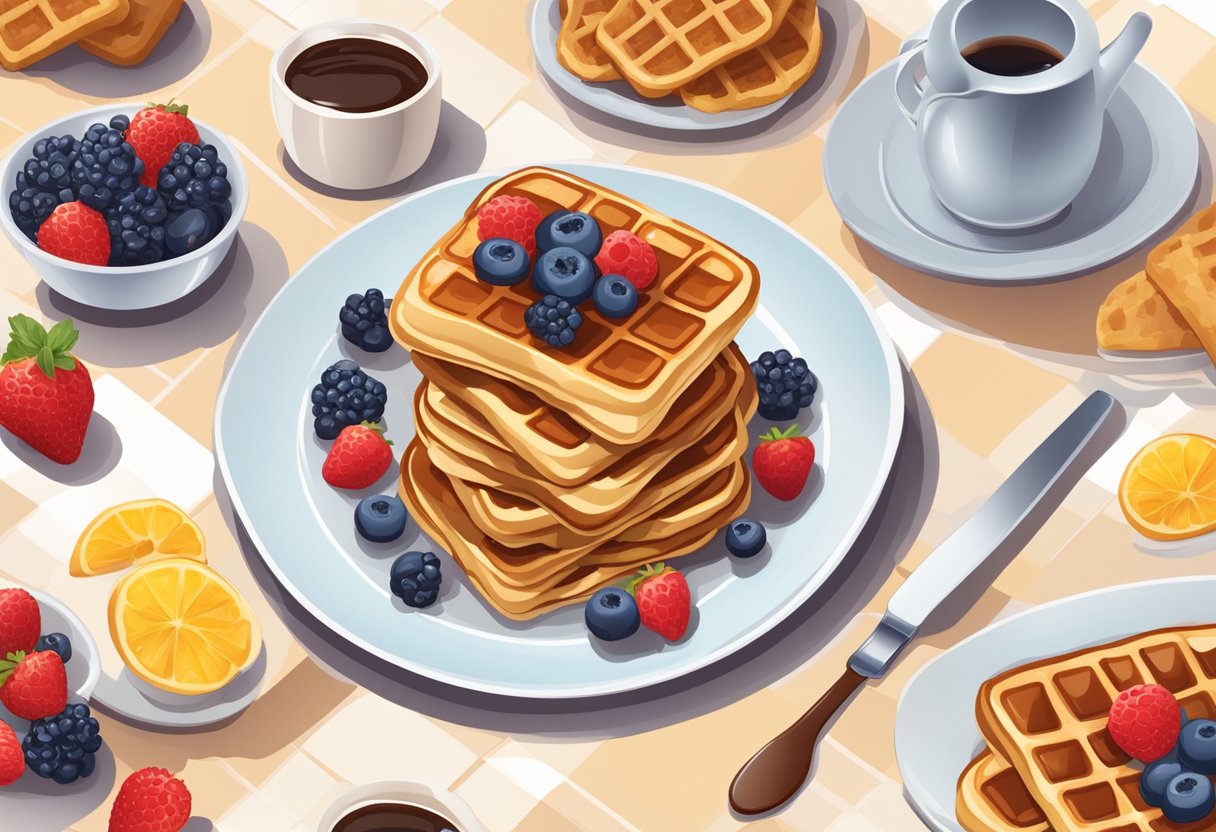
Achieving the ideal crispy waffle is both a science and an art. The perfect waffle balances a crunchy exterior with a fluffy interior, and this delightful texture is the result of precise ingredient combinations and cooking techniques. To make waffles crispy, it's important to use the right amount of sugar in the batter and ensure even heat distribution on the iron.
Crispy waffles rely on chemical reactions triggered by heat. Ingredients like sugar help caramelize the waffle's surface, creating that sought-after crunch. Additionally, the type of waffle iron used can significantly affect the final product.
Timing also plays a crucial role. Cooking waffles for about 4-5 minutes in a preheated iron allows for thorough cooking and maximum crispiness. Keeping waffles warm on a wire rack in a low oven ensures they stay crunchy until served. By understanding these principles, anyone can master the art of making perfect, crispy waffles every time.
The Foundations of Waffle Making
Creating the perfect waffle requires a solid understanding of the core ingredients and how they interact. Key elements include the choice of ingredients and the crucial roles of proteins and gluten.
Choosing the Right Ingredients
Selecting the right ingredients is essential for making delicious and crispy waffles. Flour is the base, and different types can be used, such as all-purpose wheat flour or oat flour. Wheat flour is common due to its balanced gluten content.
- Milk adds moisture and richness. It is important to use fresh milk. Some recipes call for evaporated milk to enhance the sweetness and texture.
- Eggs play a vital role. Egg whites add volume and lightness to the batter, while yolks contribute to the batter’s richness.
- Sugar helps with browning through caramelization. Its quantity must be balanced. Too much sugar can make the waffle too moist and rubbery.
- Butter or oil adds fat, contributing to a tender crumb and aiding in crispiness.
Understanding the Role of Proteins and Gluten
- Proteins, mainly found in egg whites and flour, are fundamental in waffle recipes. Egg white proteins trap air when whipped, creating lightness in the batter.
- Gluten forms when the proteins in flour react with water. This network provides structure. Wheat flour's gluten content is perfect for waffles, offering a balance.
- Sugar plays a role in gluten development. It slows down this process, ensuring the batter doesn’t become too tough.
A perfect waffle requires control over these proteins and gluten. They impact the texture and crispiness, making the balance critical for achieving that perfect bite.
Waffle Batter Science
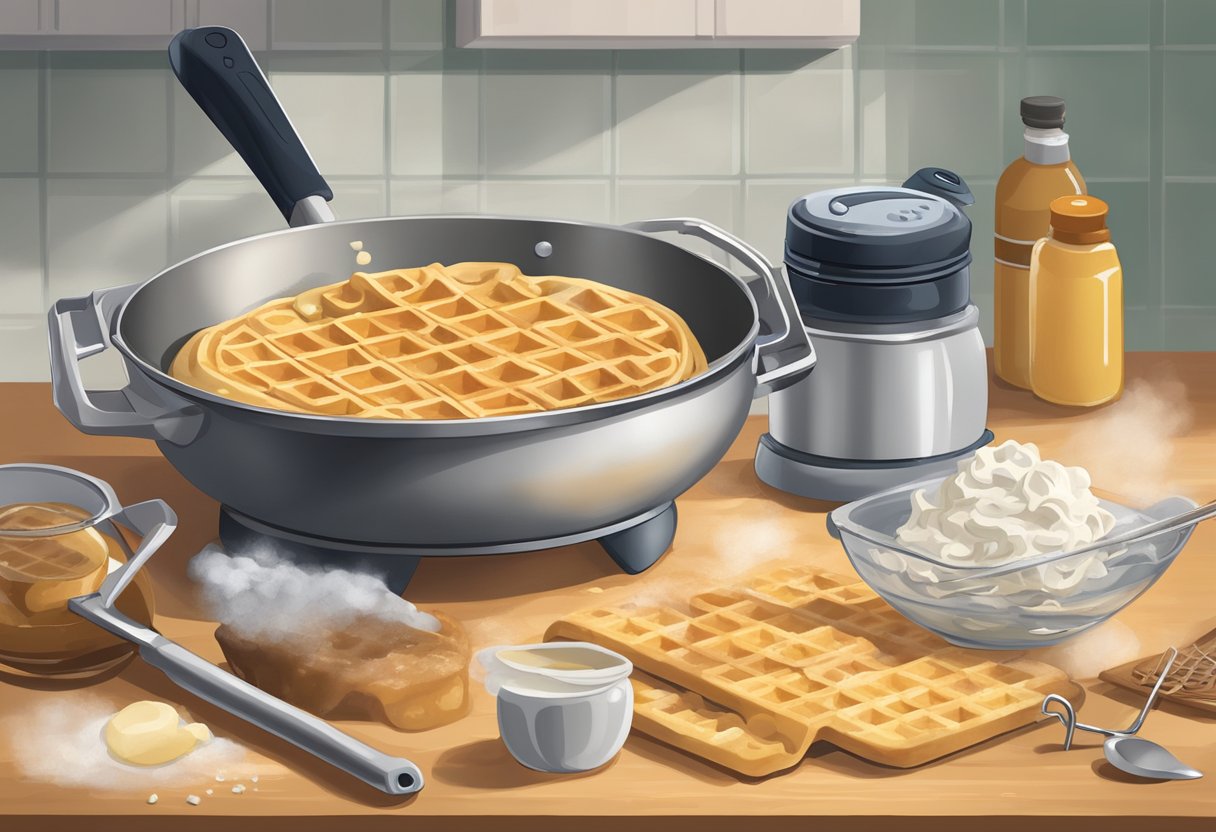
Creating the perfect waffle starts with understanding the components of the batter. The main factors include achieving the right consistency and the role of leavening agents like baking powder and baking soda.
Achieving the Perfect Consistency
The consistency of waffle batter is crucial. Consistency affects the texture of the waffle, determining whether it is light and crispy or dense and chewy. To achieve the perfect consistency:
- Mixing Techniques: Stir the batter just enough to combine the ingredients. Overmixing can cause gluten development, leading to tougher waffles.
- Ingredients Balance: Flour, eggs, milk, and fat proportions should be just right. Too much liquid can make the batter runny and lead to flat waffles, while too little can make it overly thick.
- Egg Whites: Whipping egg whites separately and folding them into the batter can introduce air, making the waffles lighter and fluffier.
The Chemistry of Leavening Agents
Leavening agents are essential for waffle batter. They create bubbles in the batter, which expand during cooking, making the waffle rise and become airy. The two primary leavening agents are baking powder and baking soda:
- Baking Powder: A combination of an acid and a base, it reacts with liquid and heat to produce carbon dioxide gas. This helps the batter rise uniformly.
- Baking Soda: It requires an acidic ingredient (like buttermilk or yogurt). When mixed, it generates carbon dioxide quickly, so it’s important to cook the batter soon after mixing.
Proper amounts of these agents are key. Too much can cause the batter to rise and collapse, resulting in uneven textures. Correctly balanced, they give the waffles the ideal fluffiness and structure.
Heat and Cooking Methods
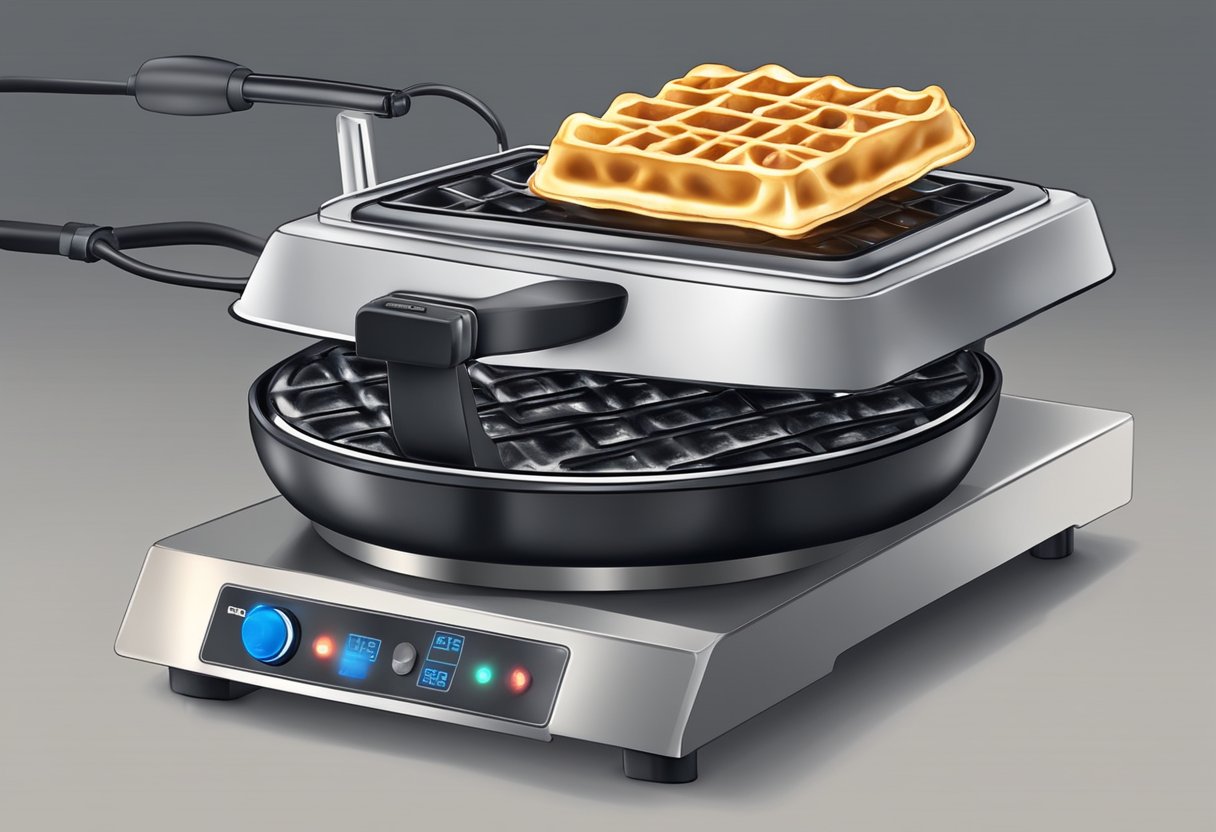
Creating perfectly crispy waffles requires attention to heat and the cooking process. Using high heat and ensuring even heat distribution are key factors. Making adjustments to temperature and cooking time can help achieve that crispy exterior and tender interior.
The Impact of Temperature Control
Temperature control is essential for crispy waffles. High heat helps in forming a crunchy crust. When preheating the waffle iron, it's important to wait until it reaches the right temperature before adding the batter. This ensures that the batter starts cooking immediately.
If the waffle iron isn't hot enough, waffles might become soggy. Heat distribution is also crucial. Irons that can evenly distribute heat prevent hot or cold spots. This means all parts of the waffle cook at the same rate, producing consistent results.
Using a thermometer can help maintain the proper temperature. Some waffle irons come with built-in temperature indicators, which can be very helpful. Regularly checking the temperature and making necessary adjustments ensures the waffle iron remains at the right heat level.
Cooking Waffles to Golden Brown Perfection
Cooking waffles to a golden brown color means they have reached the ideal stage of crispiness. The cooking time and heat settings need to be fine-tuned. Generally, it takes about 5-7 minutes to cook each waffle, but this can vary depending on the specific waffle iron and batter consistency.
Preheating the waffle iron is a must. Start with a high heat setting and adjust as needed. Too little cooking time or using low heat can result in pale, soft waffles. Conversely, too much time can burn the waffles.
Make sure to monitor the waffles closely. Many modern waffle irons have indicator lights or beeps that signal when the waffle is ready. If not, checking visually helps. The waffles should be uniformly golden brown and slightly crisp to the touch.
Regularly cleaning the waffle iron also helps in achieving the best results. Residue or uneven surfaces can affect heat distribution and cooking time. Aim for consistency by sticking to tried and tested heat settings and cooking durations.
Enhancing Waffle Texture
Achieving the perfect waffle involves creating a crispy exterior while maintaining a fluffy inside. Additionally, it's important to prevent the waffles from becoming soggy.
Creating a Crispy Exterior and Fluffy Inside
To get a crispy exterior, set the waffle iron to the right temperature, typically between 375-380 degrees. This high heat ensures that the exterior crisps up quickly. Using egg whites in the waffle batter can add volume and airiness. The proteins in egg whites help in forming a light texture. Whisking egg whites separately before folding them into the batter also introduces more air.
Another key: balance moisture. Using evaporated milk or regular milk can help achieve a lighter, less dense texture. Oil or melted butter in the batter can also help create a crisp finish by frying the exterior as it cooks.
Preventing Soggy Waffles
To prevent sogginess, avoid stacking waffles on top of each other. Stacking traps steam, making the waffles limp. Instead, place freshly cooked waffles directly on the oven rack or a wire rack. This method allows steam to escape, keeping the waffles crispy.
Another effective strategy is to keep the waffles warm in a low oven (around 250F). This also helps to keep the exterior crispy until serving time. Avoid covering waffles with foil as it traps steam and softens the texture.
Flavor Infusions and Additions
Enhancing the flavor of waffles not only makes them delicious but also adds a unique touch to each bite. Sweetness, spice profiles, and mix-ins can elevate your waffle-making game.
Sweetness and Spice Profiles
Adding sugar or honey to the batter can bring out the natural flavors of other ingredients. Sugar helps caramelize the waffle, giving it a beautiful golden color. Honey offers a distinct, richer sweetness compared to regular sugar.
Vanilla and cinnamon are popular spices for waffles. Vanilla adds a fragrant sweetness, while cinnamon gives a warm, spicy note. Both ingredients can transform a basic batter into something more flavorful and aromatic.
A dash of maple syrup can also be mixed into the batter for an earthy sweetness. This adds depth to the flavor and pairs well with a variety of toppings.
Mix-ins and Toppings
Chocolate chips are a classic mix-in, providing bursts of gooey chocolate in each bite. Nuts, such as walnuts or almonds, add a crunchy texture and nutty taste. These can be mixed into the batter or sprinkled on top. Fresh berries and fruit pieces enhance both flavor and nutrition. They add a burst of sweetness and a pop of color. For added indulgence, a dollop of whipped cream or a drizzle of sweet sauces like chocolate syrup or honey can be used as toppings. Maple syrup remains a timeless favorite, adding a smooth, sweet finish to the crispy waffle. Adding these elements thoughtfully can significantly enhance the taste and experience of your waffles.
Advanced Waffle Making Techniques
Achieving perfectly crispy waffles involves understanding the right techniques and scientific principles. Two key areas to master are creating the ideal aroma and texture through specific methods.
The Maillard Reaction and Waffle Aroma
The Maillard reaction plays a crucial role in waffle making. This chemical reaction occurs between amino acids and reducing sugars, enhancing the waffle's aroma and flavor. High heat is essential for triggering the Maillard reaction, so preheating the waffle iron to its highest setting is important.
When the batter hits the hot iron, the reaction begins immediately. This creates a distinct, appetizing aroma and a golden-brown color. Using whipped egg whites in the batter can help. They add air and make the waffles crispier and lighter, aiding the Maillard reaction further.
Innovative Approaches to Waffle Textures
Creating the perfect texture requires attention to methods and ingredients. For crunchy waffles, ensure the iron is very hot before pouring the batter. This starts the cooking process instantly, making the outside crisp while keeping the inside soft.
Whipping egg whites separately and folding them into the batter creates an airy texture. This technique traps extra air in the batter, leading to fluffier waffles. Additionally, consider frying waffles briefly after they come out of the iron. This can enhance their crispiness without overcooking them.
Experiment with different flavor combinations like adding spices or extracts to the batter, which can complement the waffle's texture and aroma. Careful control of these techniques ensures waffles that are consistently crispy and delicious.
Storage and Reheating
Proper storage and reheating methods are crucial to maintain the crispiness and taste of waffles. Using airtight containers, keeping them in a single layer, and reheating correctly can make a big difference.
Keeping Waffles Crispy for Later
To keep waffles crispy, it is important to store them correctly. Once waffles cool to room temperature, place them in an airtight container or a zip-top bag. This helps to prevent moisture from making them soggy. If you plan to enjoy them within a few days, keeping them in the fridge is a good option.
For longer storage, freeze the waffles. Lay them on a baking sheet in a single layer and freeze until solid. Then, transfer to an airtight container or freezer bag. This prevents them from sticking together and helps maintain their texture.
Best Practices for Freezing and Reheating
Freezing and reheating waffles effectively requires some attention to detail. When you're ready to reheat frozen waffles, the toaster or a toaster oven works best for bringing back the crispiness. Set the toaster on medium and heat until they are crisp.
The oven is another good option. Preheat to 350°F and place the waffles on a baking sheet in a single layer. Heat for about 10-15 minutes. If you are in a hurry, a quick reheat in the microwave on high for 1-2 minutes works, though this method may not keep them as crispy.
By following these methods, you can ensure that your waffles remain as delicious and crispy as when they were first made.
Specialty Waffles
Specialty waffles bring unique twists to the classic waffle, making them suitable for various dietary needs or flavor preferences. From gluten-free options to savory delights, these variations add excitement to any meal.
Dietary Alternatives and Substitutions
For those with dietary restrictions or preferences, there are many alternatives and substitutions available. Using whole wheat flour instead of all-purpose flour can add fiber and nutrients, while almond milk or coconut milk can replace dairy milk for a lactose-free version. Some waffle recipes also use buttermilk or evaporated milk to achieve a richer flavor.
Substitute Options:
- Flours: Whole wheat flour, bread flour, cake flour
- Milks: Almond milk, coconut milk, buttermilk
These alternatives ensure everyone can enjoy homemade waffles without compromising taste or texture. Egg replacers can also be used for vegan waffles, while gluten-free flours suit those with gluten sensitivity.
Savory Waffles for Any Time of Day
Savory waffles offer a fun twist on the traditional sweet breakfast treat. By using ingredients like cheese, herbs, and vegetables, one can create satisfying meals suitable for lunch or dinner. Cheddar cheese, chives, and bacon can be mixed into the batter to make a hearty dish.
Popular Savory Add-ins:
- Cheeses: Cheddar, mozzarella, gouda
- Vegetables: Spinach, tomatoes, bell peppers
- Proteins: Bacon, ham, chicken
These variations on homemade waffles provide a balanced meal, pairing well with sides like salads or soups. A waffle topped with smoked salmon and cream cheese is another delightful option for a savory brunch.
Related posts