How Pancakes Became a Breakfast Favorite in America: A History of Morning Delight
Pancakes have been a staple of American breakfasts for generations. Their fluffy texture and versatility have made them a beloved morning treat across the nation. Pancakes became a breakfast favorite in America in part due to the standardization of pancake mix by Aunt Jemima in 1889, bringing a consistent taste to households everywhere. This innovation made it easier for families to enjoy pancakes regularly.
The history of pancakes dates back to ancient times, but it was the addition of chemical leaveners like pearl ash in the 1780s that transformed them into the light and fluffy pancakes we know today. This food evolution coincided with the establishment of traditional pancake days, such as Shrove Tuesday, which further ingrained pancakes into American culture.
Celebrating National Pancake Day and breakfast traditions has kept pancakes in the spotlight. Modern home cooks still cherish this simple yet delightful dish, making it a timeless favorite from coast to coast.
Historical Origins of Pancakes
Pancakes have a rich history that spans thousands of years, starting from the Stone Age and evolving through various cultures. They have journeyed from ancient Greece and Rome to medieval Europe, and finally to the New World, adapting to local tastes and ingredients.
Ancient Beginnings
Pancakes date back to the Stone Age. Otzi the Iceman, who lived around 5,300 years ago, carried with him what seemed to be pancake remnants. These early forms were likely made with simple mixtures of flour and water, cooked on heated stones.
Neolithic people made flat cakes using ingredients like wheat, barley, and cattails. These early pancakes were cooked on hot rocks and were a staple for ancient communities.
From Greece to Rome
The ancient Greeks were among the first to document pancakes in their writings. Greek poet Cratinus mentioned warm pancakes in his work around 600 BCE. These early Greek pancakes were made from wheat flour, olive oil, honey, and curdled milk.
Romans adopted and adapted the Greek recipes. They called them "alita dolcia," meaning "another sweet." Roman pancakes included ingredients like wheat flour, eggs, milk, and spices. They were often served with honey or fruit.
Medieval Transformations
During the Middle Ages, pancakes became a Shrove Tuesday tradition. This day, also known as Pancake Day, was meant to use up dairy before Lent. Medieval pancakes were richer, using ingredients like eggs, milk, and spices, cooked in animal fats.
Buckwheat and cornmeal began appearing in pancake recipes during this era. People across Europe made various versions, adapting to available local ingredients and tastes.
Pancakes in the New World
In America, pancakes evolved into various forms such as johnnycakes and griddle-cakes. Settlers used local ingredients like cornmeal and buckwheat to create these pancakes. These weren't the light, fluffy pancakes we know today but were denser and more substantial.
The term "pancake" became popular in the late 19th century in the U.S. By 1931, the introduction of Bisquick made it easier for home cooks to prepare fluffier pancakes quickly. Maple syrup became the go-to topping during this time.
Evolution of Pancake Ingredients
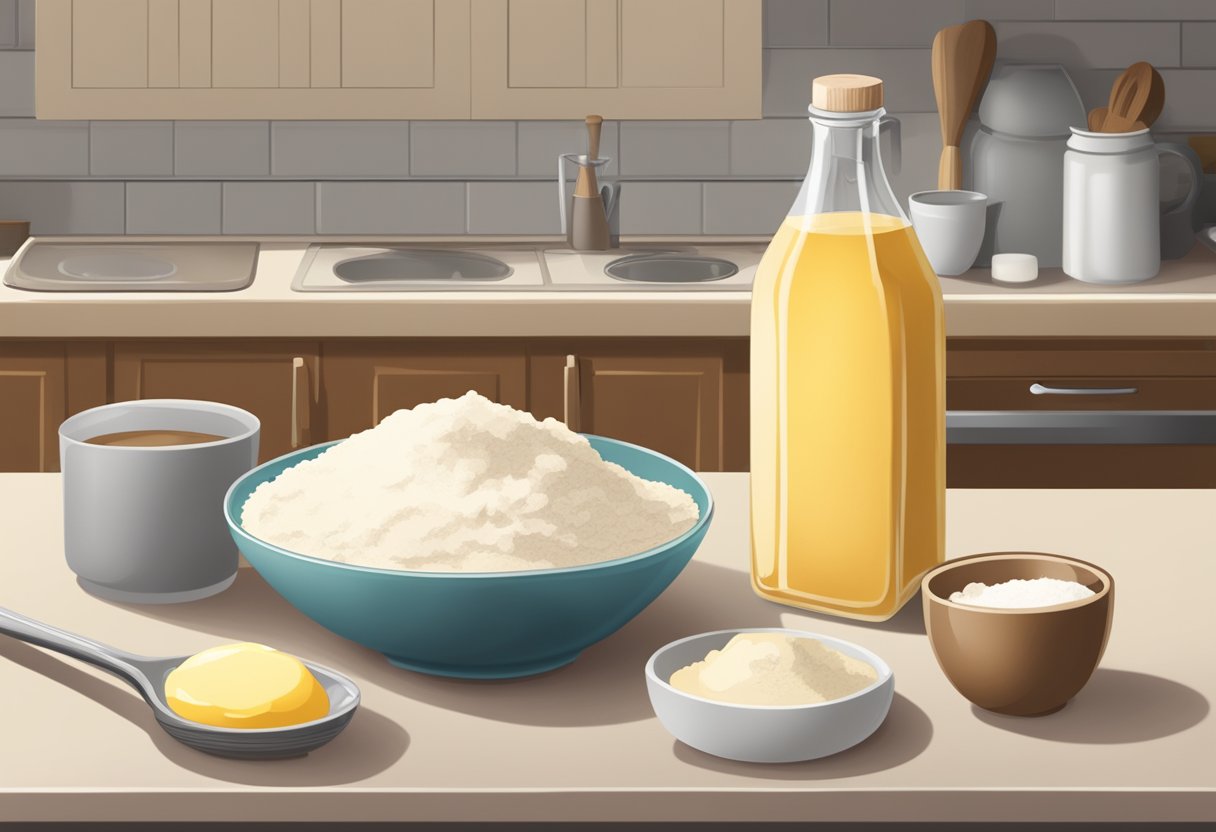
Pancake ingredients have changed over time, adapting to regional ingredients and culinary innovations. This evolution reflects the diverse nature of pancakes, from simple ancient recipes to rich, varied modern versions.
Basic Ingredients and Variations
Traditionally, pancakes began with basic ingredients: flour, milk, eggs, and a pinch of salt. Ancient Greeks used wheat flour, olive oil, honey, and curdled milk to make tagenites, an early form of pancakes.
In Asia, rice flour became a popular base, creating a different texture and taste. Lentils were also sometimes used. This simplicity allowed flexibility in adding or substituting ingredients based on availability and preference. Across cultures, pancakes adapted to local ingredients while maintaining their core components.
Rise of Buttermilk and Leavening Agents
The introduction of buttermilk and leavening agents revolutionized pancake recipes. Buttermilk, with its subtle tanginess, became a favored ingredient in American pancakes. This led to a distinct flavor and fluffy texture.
Leavening agents like baking soda and baking powder provided the rise that made pancakes light and airy. Before these agents, pancakes were denser. The addition of these ingredients marked a significant shift in how pancakes were prepared and enjoyed, making them more appealing as a breakfast staple.
Inclusion of Cornmeal and Buckwheat
Cornmeal and buckwheat introduced additional flavors and textures. In North America, cornmeal was readily available, leading to the creation of johnnycakes. These cornmeal pancakes were hearty and filling, often enjoyed with butter and syrup.
Buckwheat also became a popular ingredient, especially in regions where it was cultivated. Buckwheat pancakes, known for their earthy flavor, were a nutritious alternative to wheat pancakes. These variations expanded the range of pancake recipes, catering to different tastes and dietary needs.
Pancake batter evolved with the inclusion of these grains, showcasing the adaptability of this breakfast favorite.
The Art of Cooking Pancakes
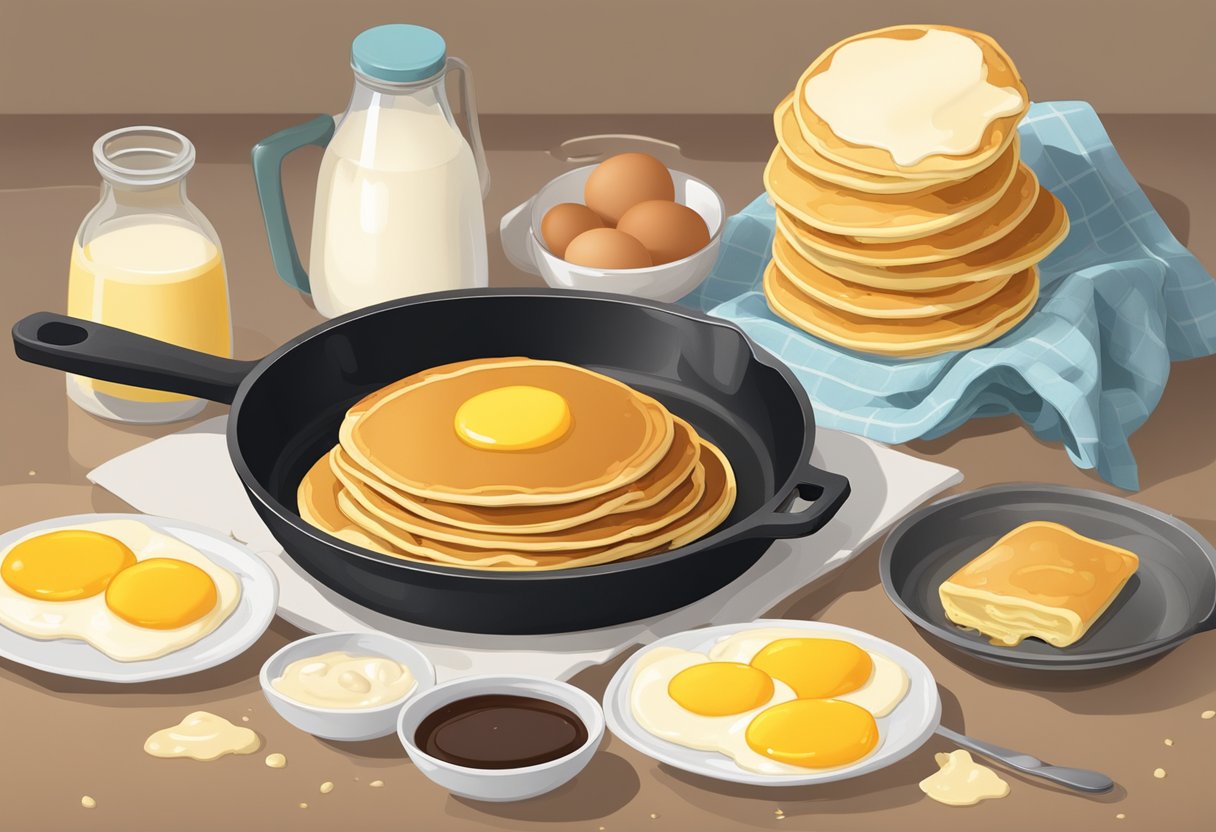
Mastering the art of cooking pancakes involves perfecting griddle techniques and exploring various international styles. Each method and style has unique elements that contribute to the dish's versatility and flavor.
Griddle Techniques
A hot griddle is essential for cooking pancakes evenly. Temperature control is key—about 375°F is ideal. If it's too hot, pancakes burn outside while remaining raw inside. To test, sprinkle a few drops of water on the surface; if they sizzle and evaporate, it's ready.
Batter consistency is crucial. It should be thick but still pourable. Lumps are okay as overmixing leads to tough pancakes. Use a ladle or a measuring cup to pour batter, ensuring uniform sizes.
Flip pancakes when bubbles form on the surface and edges look set, typically two minutes. Cook until the second side is golden brown. Avoid pressing down with the spatula, as it can make them dense.
International Styles
American pancakes are thick and fluffy, often using baking powder for rise. They're usually served with butter and maple syrup. Variations include adding blueberries, chocolate chips, or bananas into the batter.
French crêpes are thin and delicate. The batter includes more eggs and less flour, resulting in a smooth, spreadable consistency. They're filled with both savory and sweet ingredients like ham and cheese or Nutella and strawberries.
Japanese soufflé pancakes are airy and tall. They incorporate beaten egg whites into the batter, creating a light, soufflé-like texture. Cooking these requires rings to hold the shape and a longer, slower cook time.
Russian blini are small, yeasted pancakes. They're traditionally served with savory toppings like smoked salmon and sour cream or caviar. The batter can include buckwheat flour for a distinct flavor.
By mastering these techniques and styles, cooks can enhance their pancake-making skills and enjoy a variety of delicious pancake dishes from around the world.
Pancakes as a Cultural Phenomenon
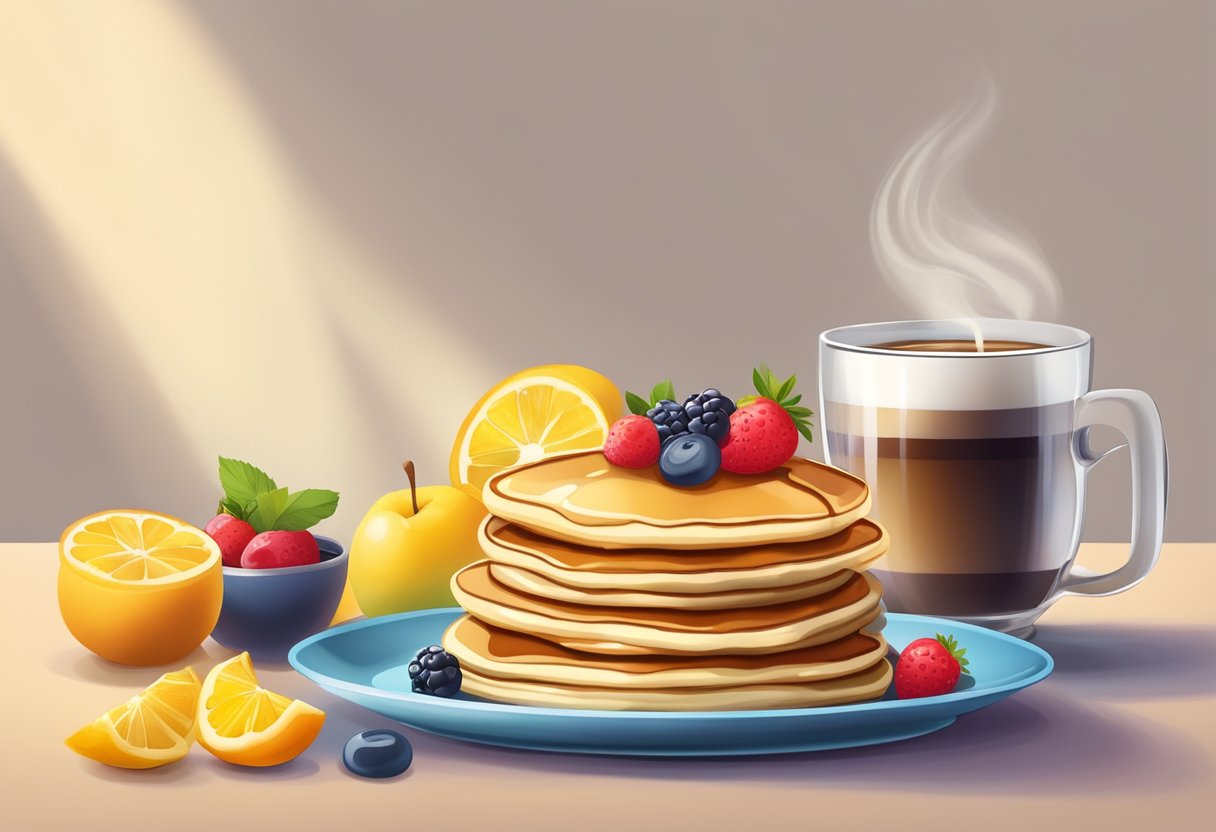
Pancakes have become more than just a popular breakfast food in America. They play a significant role in various cultural festivities, hold symbolic meaning in religious practices, and have a noticeable social impact.
Pancakes in American Festivities
National Pancake Day is celebrated with great enthusiasm across the country. Many restaurants offer free pancakes, inviting families and friends to gather and enjoy a stack together. This celebration boosts local businesses and strengthens community ties.
Mardi Gras, also known as Pancake Day, is another event where pancakes take the spotlight. This festival, held the day before Lent begins, is a time for people to indulge in rich foods like pancakes before a period of fasting.
During Black History Month, pancakes sometimes serve as a means to explore and celebrate African American culinary contributions. Historical recipes and stories are shared, highlighting the cultural significance behind this beloved dish.
Symbolism and Religion
In Christianity, pancakes are closely linked with Shrove Tuesday, the day before Lent begins. Historically, pancakes were made to use up perishable ingredients like eggs and milk before the fasting period. This practice dates back to at least the 12th century and remains an important tradition.
Pancakes also symbolize unity and community. By sharing a meal, people can form stronger bonds and foster understanding across cultural divides. This symbolism extends to various events where pancakes are served, reinforcing their role as a communal food.
Religious rituals often involve pancakes to mark specific occasions, making them a versatile symbol of tradition, celebration, and shared values.
Pancakes and Their Social Impact
Pancakes have played a part in both addressing and highlighting institutional racism and racial stereotypes. Historical and modern discussions around pancakes can reflect broader societal issues.
Pancake breakfasts hosted by community organizations can be a platform for social change, bringing attention to important causes and uniting people from different backgrounds. These events help raise awareness and promote social justice.
Pancakes also have a significant role in breaking down cultural barriers, as they are enjoyed by people of various ethnicities and backgrounds, promoting inclusivity and diversity.
Brands and Commercialization
The commercialization of pancakes led to the creation of iconic brands and pancake mixes that changed how Americans enjoy breakfast. These innovations made pancake preparation quicker and easier.
Rise of Pancake Mixes
In 1889, Aunt Jemima created the first dry pancake mix. This product allowed people to make pancakes quickly without needing to mix ingredients from scratch. Now known as Pearl Milling Company, this brand made a significant impact on breakfast traditions across America.
Bisquick, introduced by General Mills in 1931, added competition in the pancake mix market. It was marketed as a versatile baking mix, not just for pancakes but also for waffles and biscuits. This broadened its appeal and solidified its presence in American kitchens.
These brands played a crucial role in popularizing pancakes as a convenient breakfast option. They also set the stage for other companies to innovate and expand options for consumers.
Expanding the Pancake Palette
American pancakes have evolved from simple stacks to culinary canvases with numerous toppings and savory fillings, appealing to both sweet and savory palate preferences.
Toppings and Fillings Choices
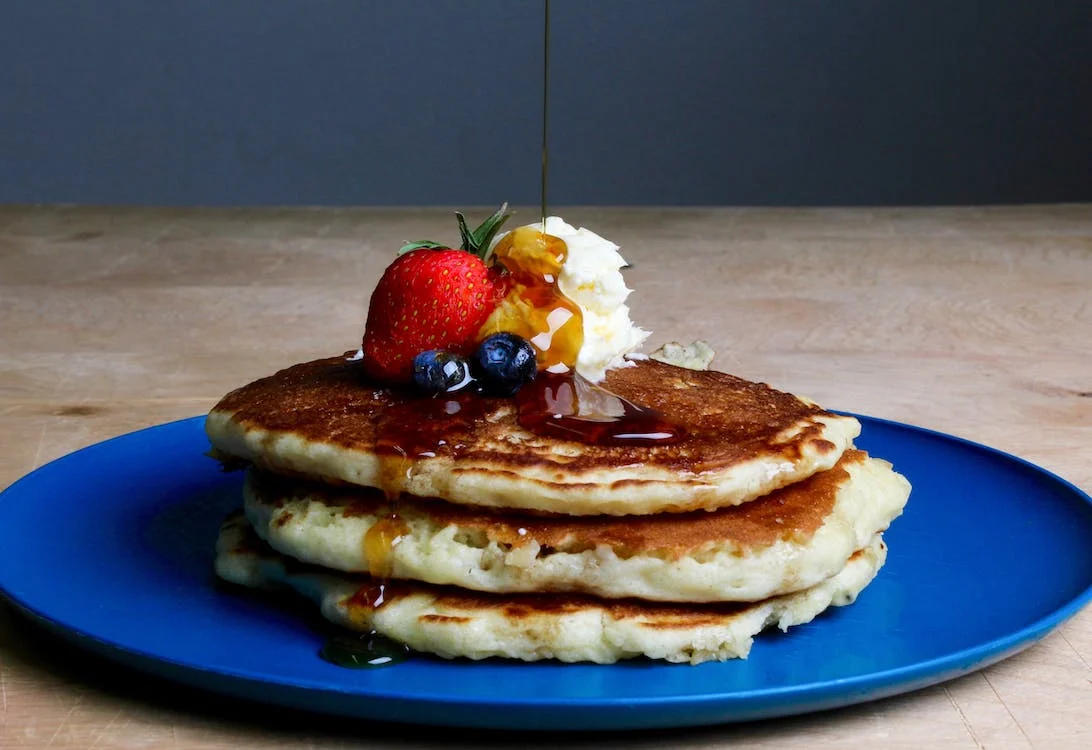
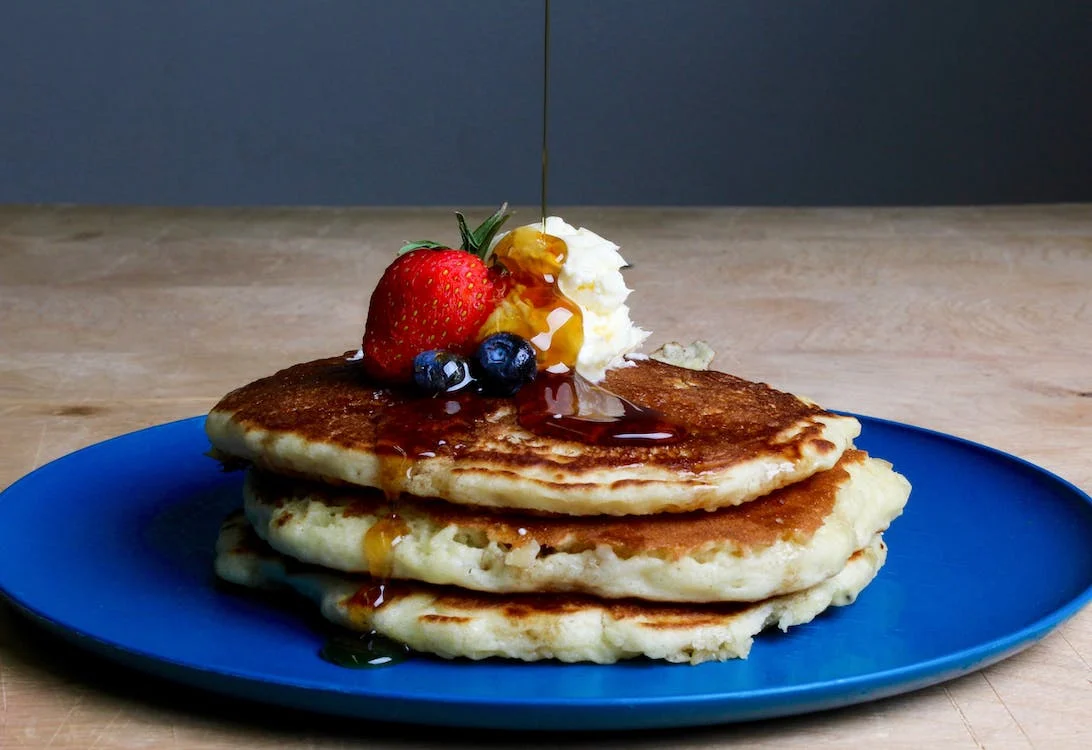
A variety of toppings can transform plain pancakes into a delicious masterpiece. Popular sweet options include chocolate chips, which add rich flavor, and fresh fruit like blueberries or strawberries, providing a natural sweetness and a burst of freshness.
Maple syrup remains a classic favorite, drizzling a smooth sweetness over each bite. For a fruity twist, jam or fruit compotes can be spread on top.
Beyond sweet choices, there are also some savory fillings to explore, such as creamy cheese or tangy sour cream, providing different textures and flavors to the pancakes.
Savory Turns
Pancakes are not limited to sweet flavors alone. They can be made savory by incorporating ingredients like bacon or sausage into the batter, adding a nice crunch and saltiness.
Savory toppings like cheese can also be melted on top or embedded within for gooey consistency. Some variations include adding vegetables like spinach or mushrooms.
Experimenting with spices and herbs like chives or dill can transform pancakes into gourmet delights, perfect for those who prefer a savory breakfast.
Modern-Day Pancakes and Trends
Modern-day pancakes have evolved far beyond the traditional recipes, embracing health-conscious alternatives and reflecting trends in popular culture. Contemporary pancakes continue to delight breakfast lovers with creative twists and new ingredients.
Healthy and Alternative Options
In recent years, the rise of health-conscious eating habits has led to more nutritious pancake recipes. Gluten-free and vegan options are now common, catering to those with dietary restrictions.
Recipes often use alternative flours, such as almond or coconut flour, which cater to gluten-free diets. For vegan pancakes, flaxseed or chia seeds replace eggs, and plant-based milk substitutes dairy.
Protein pancakes have also grown in popularity among fitness enthusiasts. These include added protein powders to support muscle building.
Another trend is the use of natural sweeteners like honey or maple syrup instead of refined sugar.
Pancakes in Popular Culture
Pancakes regularly appear in American media as a beloved breakfast food. From cartoons to movies, they symbolize comfort and family.
The popularity of television cooking shows and social media influencers has led to innovative recipes like chocolate chip pancakes topped with fresh fruit or whipped cream. This creativity keeps pancakes relevant and exciting.
Annual celebrations like National Pancake Day bring communities together and highlight local variations. Pancake mix brands have also capitalized on these trends, offering seasonal flavors and limited-edition batches.
Modern-day pancakes captivate with their versatility and ability to adapt to new trends, making them a staple in households across America.