Famous Artists and Their Breakfast Habits: A Glimpse into Morning Routines

Exploring the breakfast habits of famous artists provides an intriguing glimpse into their creative lives. What these artists chose to start their day with often reflects their unique personalities and work styles. From Vincent Van Gogh's love for coffee to Pablo Picasso's preference for milk and toast, breakfast routines reveal surprising details about these artistic legends.
Many artists had morning rituals that intertwined with their artistic processes. For example, Salvador Dalí was known for his eccentric breakfast choices, sometimes eating sea urchins to spark his imagination. These habits might seem quirky but played a crucial role in their daily inspiration and productivity.
Breakfast, for these artists, was not just a meal but a ritual that set the tone for their day. By examining these habits, one can gain a deeper understanding of how routine and creativity can blend to fuel artistic brilliance. Each morning practice tells a story, providing insight into the minds of history's most creative geniuses.
The Role of Breakfast in Creative Processes
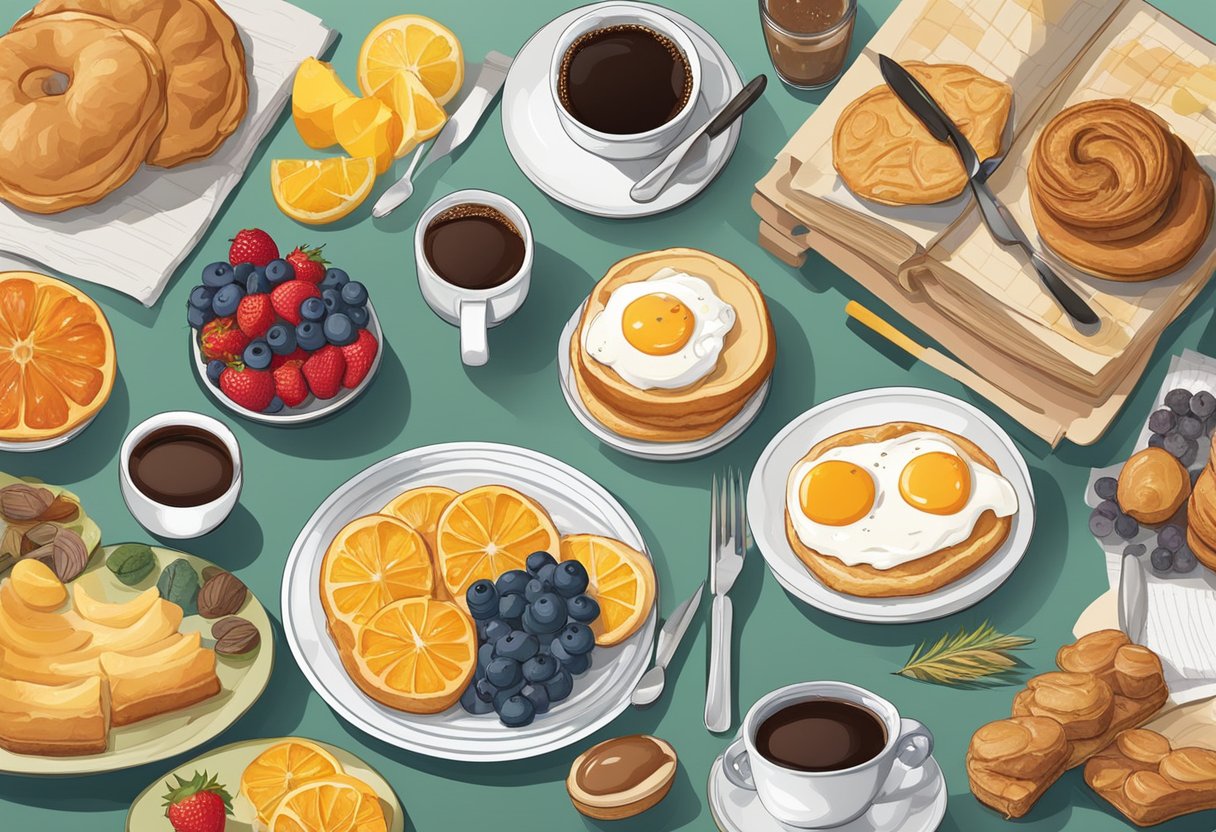
Breakfast plays a vital role in the daily rituals of famous artists, providing them with the necessary energy and focus for their creative work. This section explores how diet impacts creativity and details the morning routines of renowned artists.
Link Between Diet and Creativity
What artists eat for breakfast can impact their creative output. A healthy meal provides essential nutrients that fuel the brain, enhancing mental clarity and focus. Consuming foods rich in protein and vitamins helps in maintaining energy levels and cognitive function.
Artists like Robert Rauschenberg included vitamins and a healthy breakfast in their morning routines. This combination supports brain health, important for complex tasks. Espresso also appears to be a popular choice, offering a quick boost in alertness, as seen in Rauschenberg's routine of drinking a triple, double espresso.
Morning Routines of Renowned Artists
Many famous artists have specific breakfast routines that contribute to their success. Gerhard Richter starts his day by making breakfast for his family and then heads to his studio. By 8:00 AM, he’s ready to work, demonstrating discipline and a structured approach.
Each artist’s routine reflects their personal preferences and needs. This can serve as a blueprint for others looking to enhance their own creative processes. The timing, type of food, and additional habits like exercise all play a crucial role in maintaining productivity and creativity throughout the day.
Analyzing the Breakfast Choices of Prominent Artists
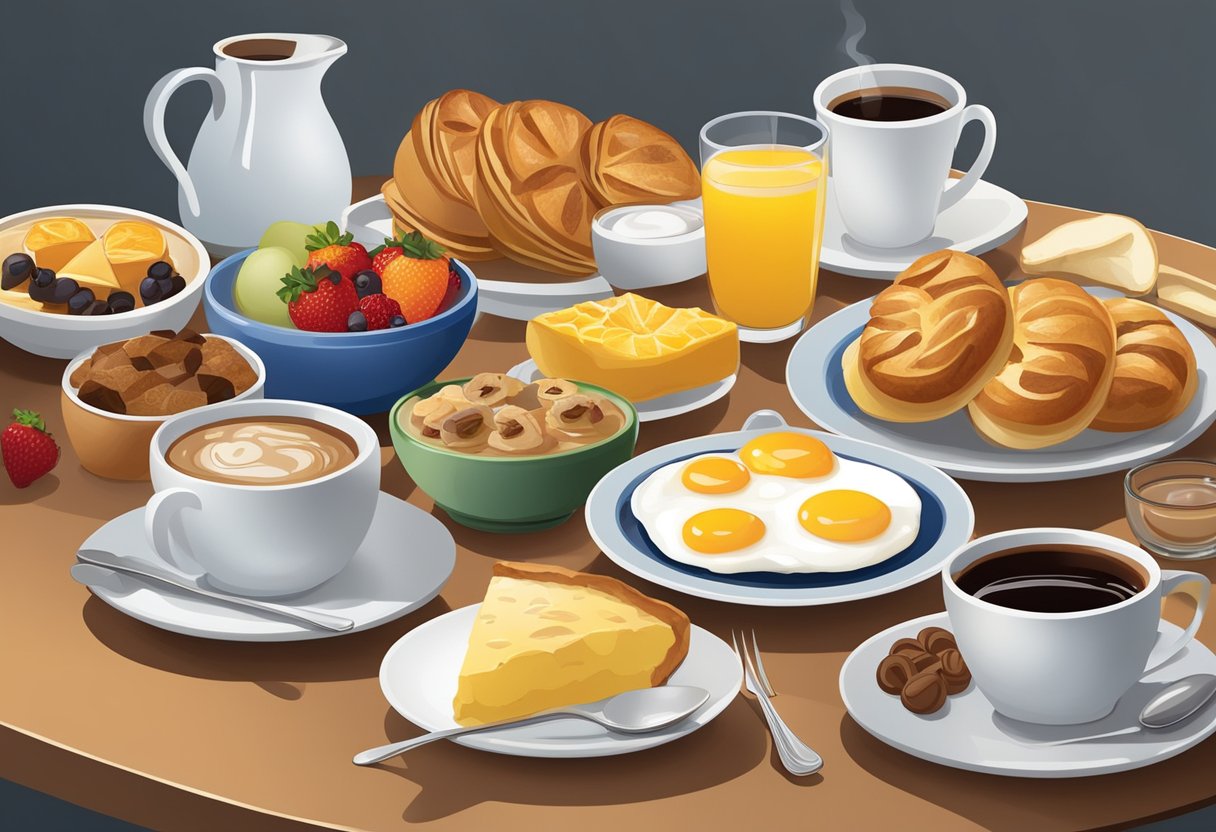
Exploring the breakfast habits of notable artists sheds light on their morning routines and how it influenced their work, from Beethoven's caffeine rituals to Dalí's unique surrealist approach to breakfast.
Beethoven's Coffee and Musical Genius
Ludwig van Beethoven was known for his precise coffee-making routine. He insisted on exactly 60 beans per cup, which he counted himself each morning. This routine might seem overly meticulous, but it reflects his obsessive attention to detail and discipline.
Beethoven’s morning coffee rituals were not just a whim; they were crucial for his creative process. Coffee helped him wake up fully and start composing. Researchers believe that caffeine can enhance cognitive functions, which might explain how Beethoven maintained his sharpness in creating symphonies. The combination of strict routine and the stimulating effects of coffee played a significant role in Beethoven’s ability to focus and compose his masterpieces.
Georgia O'Keeffe's Start to a Painter's Day
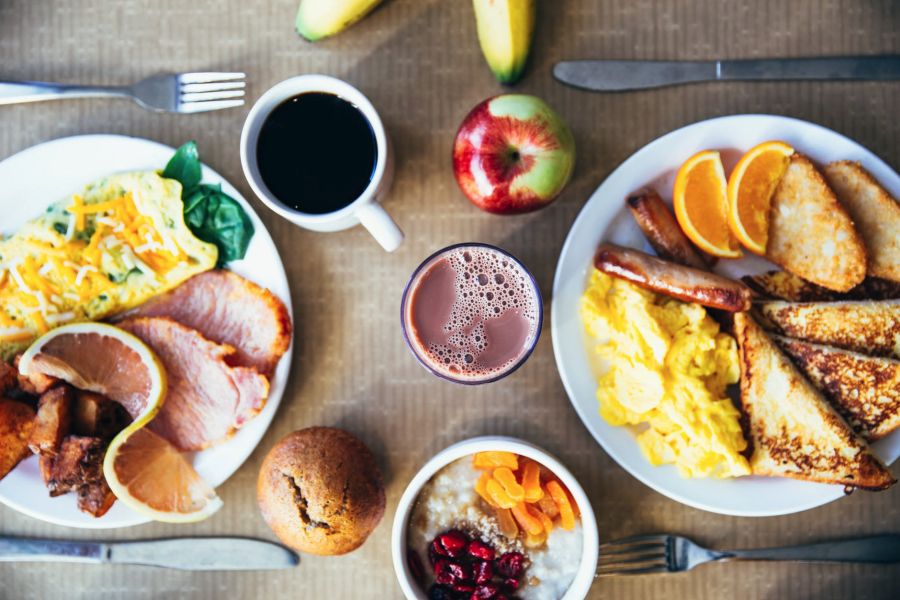
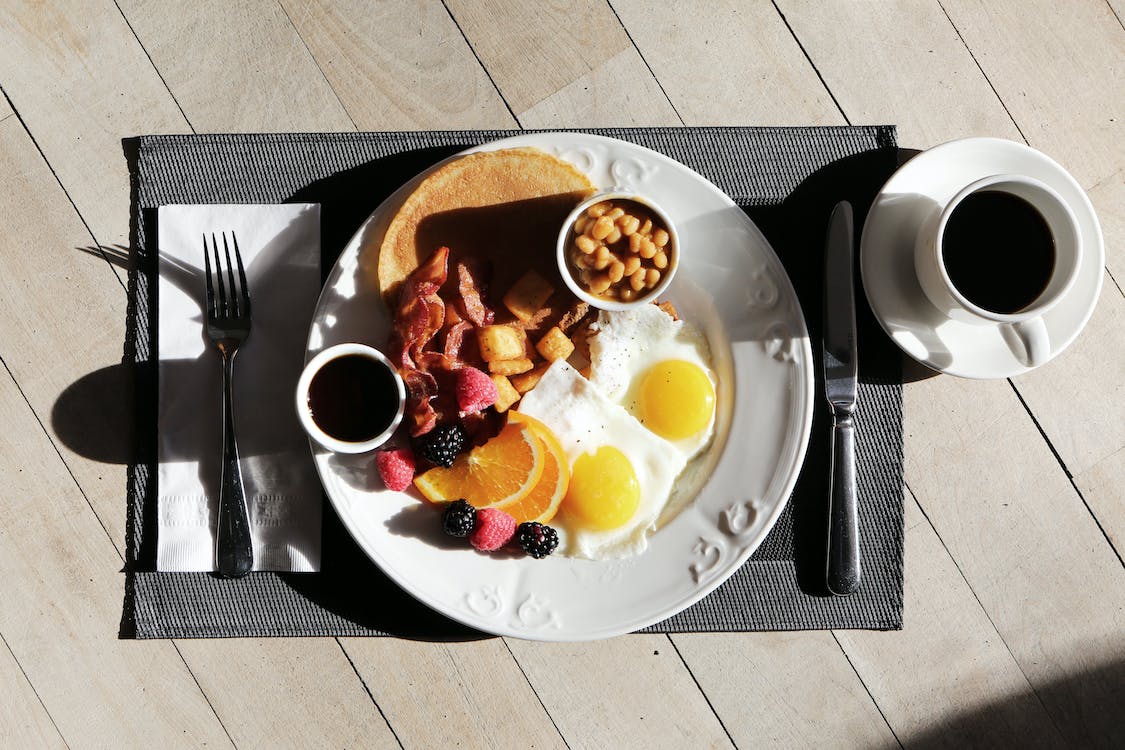
Georgia O'Keeffe, famed for her paintings of flowers and southwestern landscapes, had a simple and wholesome morning routine. She preferred starting her day with a balanced breakfast that often included eggs, toast, and occasionally fresh fruit.
O'Keeffe believed in the connection between physical health and creativity. She often emphasized the importance of eating natural and nutritious foods. Her breakfasts were just as much about nourishing her body as they were about preparing her mind for a day of painting. This healthy start to the day allowed her to maintain her energy and concentration, which was especially vital during the long hours she spent working on her detailed and vivid artworks.
Salvador Dalí's Surrealist Mornings
Salvador Dalí, known for his surrealist art, had a breakfast routine that mirrored his peculiar style. He often favored unusual combinations, such as sea urchins and eggs, reflecting the creativity and unorthodoxy that defined his approach to art.
Dalí believed that breakfast was a sacred time to stimulate his imagination. His unique food choices were not just about taste; they were deeply symbolic, providing inspiration for his elaborate and often bizarre paintings. His surrealist approach to breakfast is just one example of how his personal life and eccentricities bled into his work, allowing him to see the world in a way few others could.
Rising with Picasso: Food for Artistic Thought
Pablo Picasso, a titan of modern art, had a more straightforward approach to breakfast. He often enjoyed toasted bread with tea or coffee, keeping his morning meal simple yet satisfying. For Picasso, the focus on simplicity extended to his food choices, saving his creative complexity for his art.
Picasso’s breakfast choice provided him with the necessary fuel without distraction. He would use his mornings to prepare mentally and physically for the intense creative sessions that characterized his workday. His minimalist morning meals helped clear his mind and allowed his creativity to flow, leading to a prolific output that spanned various styles and periods.
Morning Habits Beyond Breakfast
Many famous artists have morning habits like exercise, reading, and nature walks that contribute to their creativity. These routines are essential for maintaining a balance between mind and body.
Exercise and Movement in Artistic Life
Exercise plays a major role in the morning habits of several well-known artists. Beethoven enjoyed a vigorous walk every day after lunch, occupying much of his afternoon. This physical activity helped clear his mind and inspire his compositions.
Similarly, other artists integrate physical movement into their routines. Some do yoga or stretching exercises, which not only keep them fit but also stimulate their creativity. Regular exercise is a cornerstone for many creative minds, making them more productive and focused.
Reading and Intellectual Stimulation
Engaging with literary works and intellectual material is another morning habit for artists. It helps them stay mentally sharp and opens up new perspectives. The Danish philosopher Kierkegaard prioritized writing and reading in his daily rituals. He believed that intellectual stimulation was crucial for creativity. Many artists adopt similar habits, reading books, articles, or poetry to spark new ideas. This morning reading routine fuels their creative process throughout the day.
Nature Walks and Their Inspiration
Many artists find inspiration through nature walks. Georgia O'Keeffe, for instance, would rise before dawn in New Mexico, sip tea, and watch the sunrise, often followed by a nature walk. This practice connected her deeply with her environment and inspired her vibrant paintings of flowers and landscapes.
Nature walks provide artists with a quiet time for reflection and inspiration. Robert Rauschenberg also valued walking as part of his daily routine. These walks often lead to spontaneous ideas and a fresh perspective on their work. By incorporating these morning habits, famous artists not only stay inspired but also maintain a balanced and fulfilling lifestyle.
The Intersection of Rest, Sleep, and Creativity
Rest and sleep play crucial roles in enhancing artistic creativity and productivity. Many famous artists throughout history have harnessed the power of sleep and naps to boost their creative energy and daily routines.
Significance of Sleep in Artistic Productivity
Sleep directly impacts creativity by improving cognitive processes. It helps in consolidating memories, problem-solving, and generating new ideas. Famous figures like Salvador Dalí and Pablo Picasso valued sleep for its role in refreshing their minds and allowing them to work with renewed energy.
Sleep is not just about duration but also quality. Deep sleep stages are particularly important for cognitive restoration. Artists who maintained consistent sleep routines often reported higher productivity and more vivid imaginations.
Napping Practices of Historical Creatives
Napping was a common practice among many creative minds. Leonardo da Vinci famously practiced polyphasic sleep, taking short naps throughout the day rather than sleeping for long periods at night. This routine allowed him to stay alert and productive for extended hours.
Thomas Edison was another advocate of napping. He believed short naps could recharge his mind, allowing him to think more clearly and innovate better. These brief rest periods were essential parts of his daily life, helping to sustain his high levels of productivity and creativity.
Documenting the Creative Process
Many artists keep detailed records of their creative processes, often using diaries, journals, and letters. These documents provide valuable insights into their daily routines, struggles, and inspirations.
Artists' Journals and Diaries
Artists often use journals and diaries to record daily activities, thoughts, and project ideas. This habit helps them track the progress of their work over time. For example, in Mason Currey's book, Daily Rituals: How Artists Work, he explores how many famous artists documented their routines and challenges.
These personal records can show patterns in their creativity, highlight periods of intense productivity, and describe moments of self-doubt. They often include sketches, drafts, and notes, giving a detailed view of the artist's journey.
Keeping a journal also helps artists reflect on their work and gain new insights into their creative process. By regularly writing down their thoughts and experiences, artists can better understand their successes and setbacks.
Letters and Correspondence
Letters and correspondence between artists and their friends, family, or colleagues are another rich source of information. These communications often reveal the artist's thoughts on their work, personal life, and the art world. They provide context and background that may not be evident from the art itself.
For instance, letters can discuss plans for future works, reactions to critiques, and responses to other artists' work. They offer a window into the artist's network and how these relationships influenced their work. In some cases, letters can also reveal the emotional and psychological states of the artists, helping to understand the deeper motivations behind their creative choices.
The Impact of Discipline and Scheduling
Discipline and scheduling can play a major role in the success of famous creative people. Their daily routines often reflect a blend of rigorous schedules and moments of flexibility, enabling them to achieve their greatest work.
Rigorous Schedules of Successful Artists
Many renowned artists and scholars stuck to strict schedules. Victor Hugo rose at dawn, awakened by the daily gunshot from a nearby fort. His routine was rigid and dependable, allowing him clear blocks of time for writing.
Ben Franklin also believed in early rising. His well-known saying, "Early to bed, early to rise, makes a man healthy, wealthy, and wise" reflects this. Waking at 5 AM, he carefully planned his day, focusing on productivity.
Oliver Sacks, a famous neurologist and author, woke at 5 AM too. He followed a structured routine not out of virtue, but because it fit his natural sleep-wake cycle. This consistency provided a stable foundation for his creative endeavors.
Flexibility and Spontaneity in Creative Routines
In contrast, some artists thrived with flexible routines. Salvador Dalí embraced spontaneity in his work and life. His days were unpredictable, filled with bursts of creative energy whenever inspiration struck.
Andy Warhol also had an adaptable schedule. Though he had certain habits, like starting his day with a quick phone call to a friend or collaborator, he left room for spontaneity. This allowed him to respond to new artistic opportunities as they arose.
Georgia O'Keeffe balanced discipline with flexibility. While she had regular work hours, she adapted her schedule to the needs of her projects. This balance enabled her to maximize both productivity and creativity.
Creative Spaces and Their Influence
The spaces where artists create significantly impact their routines and habits. These environments not only foster creativity but also influence their work processes and daily rituals, including their breakfasts.
The Atelier and Studio Breakfasts
Artists often set up their studios and ateliers in ways that enhance their creativity. Gerhard Richter, for example, starts his day early, making breakfast for his family before heading to his studio by 8:00. This structured routine provides a clear start to his creative workday.
Robert Rauschenberg preferred a healthy breakfast paired with a powerful triple espresso to kickstart his mornings. These choices reflect the balance between nutrition and stimulation, which can be crucial in creative professions.
Painter Ludwig van Beethoven was known to prepare his coffee with precise measures, counting exactly 60 beans for each cup. This meticulous routine might hint at a desire for control and consistency, essential traits for his artistic process. The environment and breakfast routines in an artist's studio are more than habits; they are integral to the creative process, shaping how work is approached and executed.
Influence of Social and Cultural Factors
Artists’ breakfast habits are influenced by social and cultural factors, which shape their daily routines and creative practices. Understanding these influences provides insights into how different environments impact artists' morning rituals.
Cultural Differences in Morning Routines
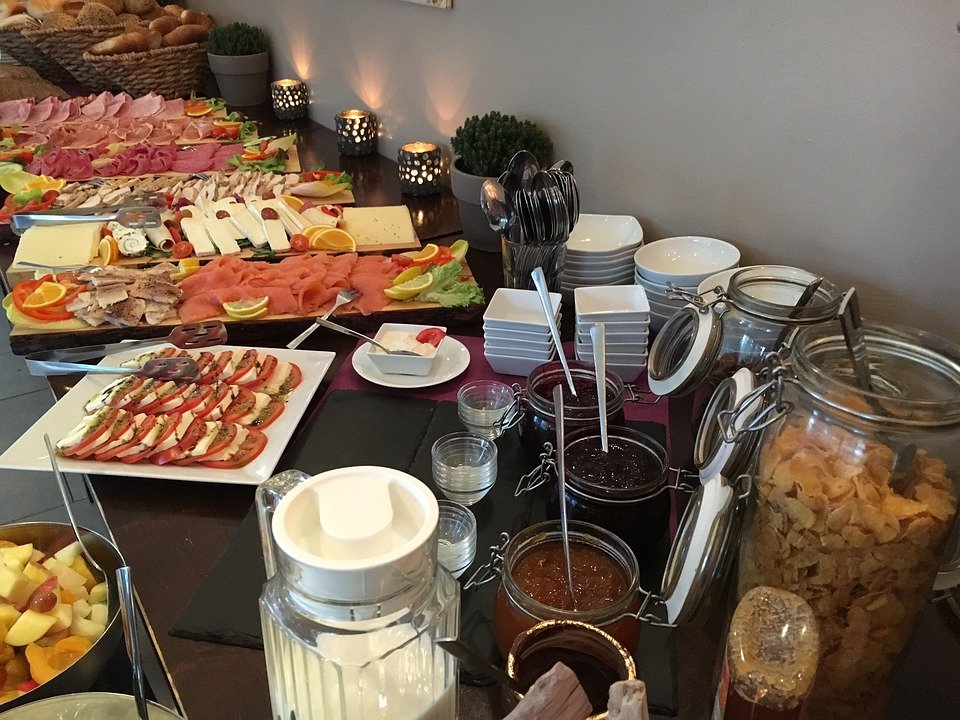
Cultural backgrounds play a significant role in shaping morning routines. For instance, European artists often indulge in leisurely breakfasts with espresso and pastries. In contrast, American artists may opt for quick meals and caffeine boosts like coffee or energy drinks to kickstart their day.
Georgia O'Keeffe, an American artist, was known for her healthy choices, like whole foods and juices. This contrasts with European counterparts like Pablo Picasso, who enjoyed richer, more relaxed breakfasts. These differences reflect broader cultural attitudes towards food and morning rituals.
Historical Shifts in Artists’ Morning Habits
Over time, the morning habits of artists have evolved. In the early 20th century, artists like Claude Monet would have simple, hearty breakfasts followed by long hours in nature, capturing light and landscapes.
Modern artists, however, often incorporate complex routines involving media consumption, vitamins, and specialized diets. For instance, Robert Rauschenberg's ritual included a nutritious breakfast followed by espresso, aligning with contemporary health trends. These shifts highlight how historical context and cultural changes influence artists’ daily routines.
Interactions Between Artists and Their Eras
Famous artists often shaped and were shaped by the times they lived in. Their breakfast routines, whether modern or contemporary, reveal much about their personal habits and the broader artistic movements they were part of.
Varied Breakfast Practices: From Modern to Contemporary Artists
Many influential artists had unique breakfast habits influenced by their creative process. For instance, Andy Warhol was known for his unconventional diet, including an unusual sandwich and lots of caffeine. Georgia O'Keeffe, on the other hand, preferred healthy options like green juice, reflecting her dedication to a restrained lifestyle.
Surrealist Salvador Dali enjoyed eccentric meals, often becoming part of his creative explorations. These breakfast rituals were not just personal quirks; they were integral to the artists' lives and work.
Breakfast Rituals and Artistic Movements
Breakfast habits often mirrored the artistic movements the artists were part of. During the Surrealist era, Dali’s eccentric breakfasts reflected the movement's focus on the bizarre and the dreamlike. In contemporary art, Turner Prize-winning artists like Damien Hirst sometimes embraced modern habits like grabbing a quick coffee, reflecting a fast-paced lifestyle.
Assemblage artists such as Joseph Cornell incorporated found objects into their art, and their breakfasts often included routine and repetitive elements. This interplay between daily routines and artistic expressions shows how closely linked personal habits and creative output can be.
Visions Beyond the Morning: Artists' Wider Daily Routines
Beyond their morning habits, many artists have unique routines that span the entire day, influencing their creativity and productivity.
The Full Day: From Breakfast to Nighttime Rituals
Artists often start their days with rituals that set the tone for their creative work. For instance, Joan Mitchell would begin painting early in the morning after a simple breakfast. Her day was meticulously structured to maximize her time in the studio.
Writers like Mason Currey noted in Daily Rituals that routines vary significantly. Francis Bacon, for instance, would paint in chaos, often surrounded by clutter to inspire creativity. His afternoons were spent socializing, adding different layers to his daily pattern.
In contrast, Mark Twain would write for hours without interruption. His mornings started with a hearty breakfast, followed by long writing sessions. Twain's evenings were often reserved for family and leisure, illustrating a balance between work and relaxation.
Similarly, Georgia O'Keeffe had a disciplined schedule. She dedicated specific hours to painting and used walks in nature to rejuvenate her mind. This balance of discipline and leisure was crucial for her creativity. These examples show how artists crafted their days beyond just the morning. Each had personal rituals that helped channel their creativity efficiently throughout the day.
Eccentric and Unconventional Breakfast Habits
Many famous artists had breakfast routines that were anything but ordinary. These behaviors often reflected their unique personalities and creative processes.
Outliers in Morning Customs and Artistic Outcome
- Ludwig van Beethoven had a peculiar coffee ritual. He counted exactly 60 beans per cup. This precise method showcases his meticulous character and might have contributed to his discipline in composing.
- Robert Rauschenberg started his day with a triple, double espresso. Such an intense caffeine kick was likely both a personal preference and a necessity for his productivity.
- W.H. Auden, the poet, took several pills each morning. These included amphetamines, which were legal at the time, to help maintain his rigorous work schedule and prolific output.
- Joan Miró preferred light breakfasts, often consisting of a simple piece of fruit. His minimalistic approach mirrored his artistic style, which was both direct and abstract.
These breakfast habits varied widely but often aligned with each artist's unique creative needs and lifestyles.