How Waffles Became a Breakfast Staple in America: Historical Insights and Popularity Factors
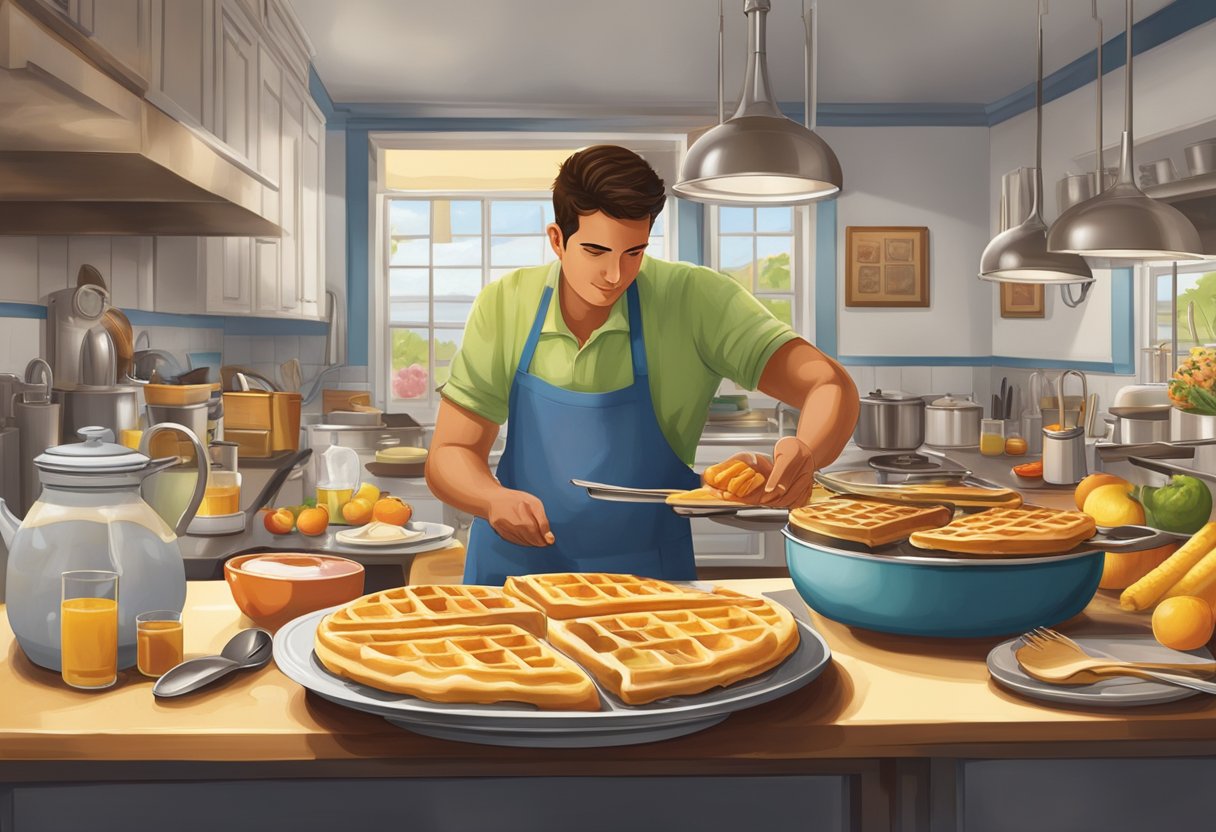
Waffles have become an iconic American breakfast staple, bringing joy to morning tables across the country. Their journey from a sweet fair treat to a breakfast essential is a fascinating tale. Originally, waffles were a popular snack at fairs, such as the 1958 World’s Fair in Brussels, where they were introduced with toppings like whipped cream and powdered sugar.
It was only after arriving in the United States that waffles became a breakfast food and partnered up with maple syrup. This combination caught on quickly. By the 1962 World’s Fair in Seattle, waffles were one of the most popular snacks, and their appeal kept growing. American innovation played a key role in this transformation, with products like the electric waffle iron making them easy to prepare at home.
A family of Californian entrepreneurs further revolutionized the waffle industry in the early 20th century, cementing their place in American breakfasts. Their efforts made waffles not just a rare treat, but a beloved daily option for many.
Origins of Waffles
Waffles have a long history that dates back to ancient civilizations and have played a significant role in different cultures, including religious practices. They evolved from simple flat cakes to the beloved breakfast food we know today.
Ancient Beginnings
In ancient Greece, people prepared flat cakes called obelios, which were cooked between two metal plates. These early forms of waffles were simple, often made from grain flour and water. There is evidence suggesting similar types of flat cakes existed in other ancient civilizations, such as the Romans and Egyptians. These early versions were ancestors to the more refined waffles that would develop in medieval Europe.
Medieval Europe and Religious Significance
Waffles as we recognize them today began to take shape in medieval Europe. In France and Belgium, craftsmen known as waferers made flat cakes called oublies or obloes. These were cooked using intricate molds that often featured biblical scenes or religious symbols.
During this period, waffles gained religious importance, often linked to Christian celebrations. They were sometimes used as a substitute for the Eucharist, due to their resemblance to the holy wafer.
In the Middle Ages, waffles began to spread from France and Belgium to other parts of Europe, influenced by different regional recipes and techniques. This laid the foundation for the diverse array of waffle types and recipes that exist today.
Waffles in American History
Waffles have played a notable role in American culture, particularly through their link to historical figures, social gatherings, and significant events like the Civil War. Below, we explore how waffles made their way into the everyday lives of Americans.
The Impact of Thomas Jefferson
Thomas Jefferson's influence on American cuisine is well-documented, and his love for waffles is part of that legacy. After spending time in France, Jefferson brought back a waffle iron, helping to popularize the treat in the United States. His introduction of the waffle iron made waffles more accessible and fashionable among the American elite.
Jefferson's impact went beyond just owning a waffle iron. He hosted numerous events where waffles were featured, spreading their appeal. His fondness for European cuisine played a significant role in making waffles a beloved food in America.
Waffle Frolics and Social Gatherings
By the 18th century, waffles had become so popular in America that social gatherings called "waffle frolics" were common. These events were not just about food but also about community and celebration. People would gather to enjoy waffles together, creating a social tradition centered around the dish.
Waffle frolics were particularly popular in the pre-Revolutionary period. These gatherings helped to cement waffles’ place in American culture. They were a symbol of conviviality and were often used to mark special occasions and build community spirit.
The Civil War and its Aftermath
The Civil War impacted many aspects of American life, including food. During this time, waffles remained a favored dish. Soldiers and citizens alike enjoyed them, and they were often associated with comfort and home. Post-war, the accessibility of waffle irons and ingredients helped to reestablish them as a staple.
As America moved through reconstruction, waffles continued to hold cultural significance. They were part of the normalization of daily life, offering a sense of comfort and continuity. The post-war years saw the beginning of industrialization in the food sector, which eventually led to the creation of frozen waffles, further embedding them into American food culture.
Technological Advancements in Waffle Making
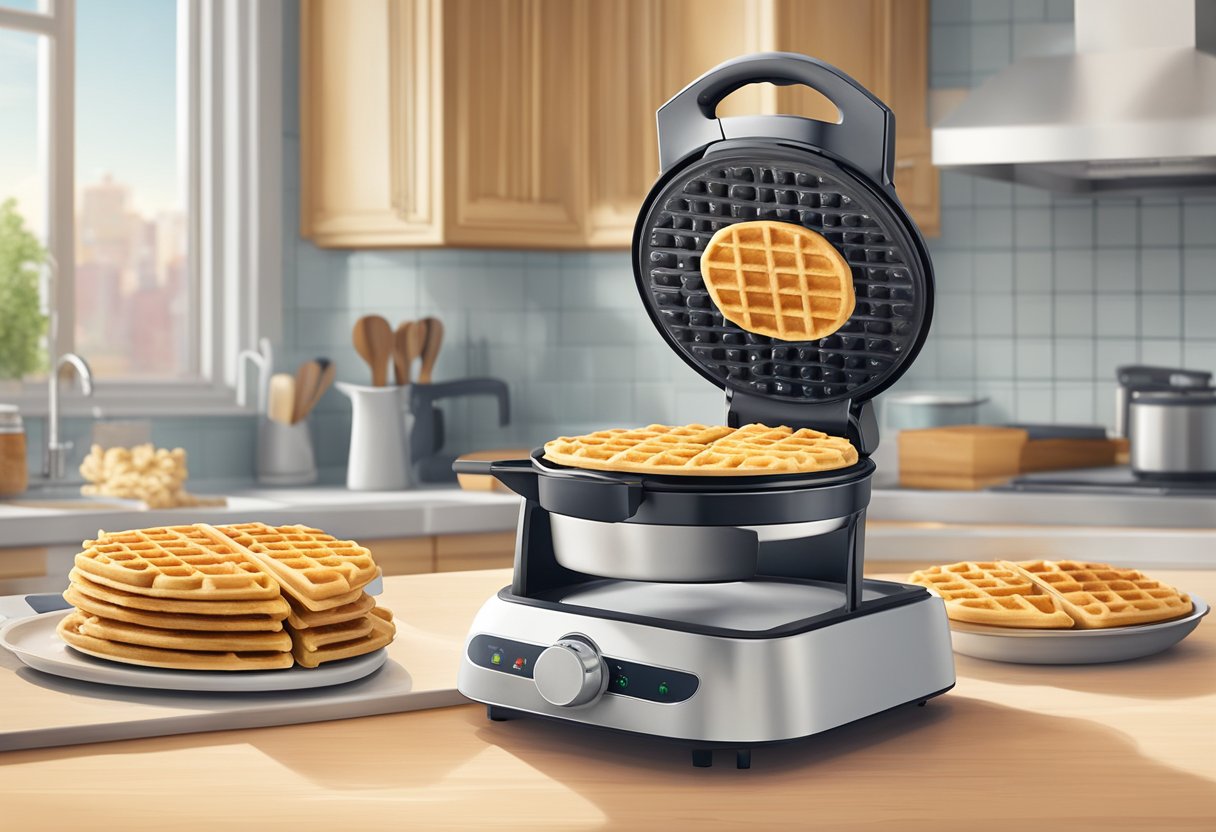
Modern waffle making owes a lot to technological progress. Innovations have transformed waffles from a special treat to a popular, everyday breakfast item in American households.
From Iron to Electric
Waffle making began with simple metal plates, often used over open flames. Cornelius Swartwout patented an early design in 1869. These early waffle irons required manual flipping and consistent heat from a stove.
In 1911, General Electric introduced the first electric waffle iron. Invented by Thomas J. Stackbeck, this device made waffle making easier and quicker. Electric waffle irons soon became common in many American homes by the 1930s.
Electric waffle makers featured non-stick surfaces, adjustable temperature controls, and consistent heating, which improved waffle quality. These advancements meant waffles could be prepared more reliably and efficiently.
The Rise of Pre-Made and Frozen Waffles
Another major shift occurred with the rise of pre-made and frozen waffles. Frank Dorsa, along with his brothers Anthony and Sam, took this convenience to a new level. In the 1930s, they invented a frozen waffle product that could be quickly toasted.
Eggo Waffles, introduced in 1953, became a household name. These frozen waffles eliminated the need for batter preparation. Consumers appreciated the convenience of simply popping a frozen waffle into a toaster.
Eggo food products revolutionized how families enjoyed waffles, making it possible to have a warm breakfast in minutes. The popularity of frozen waffles surged, making them a staple in American kitchens.
Culinary Evolution and Diverse Forms
Waffles have evolved significantly over time, offering a variety of flavors and styles. Each type of waffle brings its own unique twist, from global variations to savory editions.
Belgian Waffles and International Variations
Belgian waffles are perhaps the most well-known waffle type. Originating in Belgium, they are typically lighter, with deeper pockets than their American counterparts. There are two main varieties: Brussels waffles, which are crisp and light, and Liège waffles, which are denser and sweeter.
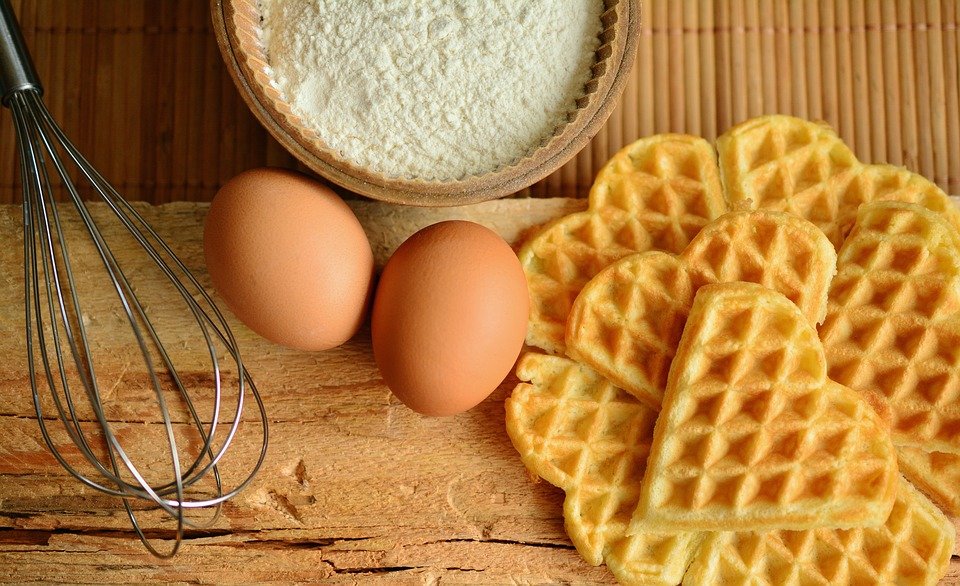
In Europe, other countries also have their distinctive takes on waffles. Dutch stroopwafels are thin and filled with caramel syrup. In Scandinavia, heart-shaped waffles are popular. These international variations highlight the waffle's versatility and adaptability to different tastes and cultures.
Savory Incarnations and Waffle Sandwiches
Waffles are not just a sweet treat; they can also be savory. Ingredients like cheese, herbs, or even vegetables can be added to the batter. Savory waffles pair well with toppings like fried chicken, smoked salmon, or avocado.
Waffle sandwiches have also grown in popularity. These creations use waffles as the bread, filled with ingredients like bacon, eggs, or even burger patties. This transformation from simple breakfast food to a versatile meal option shows waffles' wide-ranging appeal in modern cuisine.
Toppings and Pairings
Waffles can be enjoyed with a variety of toppings and pairings, making them versatile for any meal. They can be paired with sweet or savory toppings to suit different tastes.
Sweet and Savory Combinations
Waffles often come with a host of sweet toppings that enhance their flavor. Maple syrup and whipped cream are classic choices. These toppings add a delightful sweetness and creaminess to the crispiness of the waffle. Strawberries, blueberries, and other fruits also pair well, offering freshness and a balance of tartness.
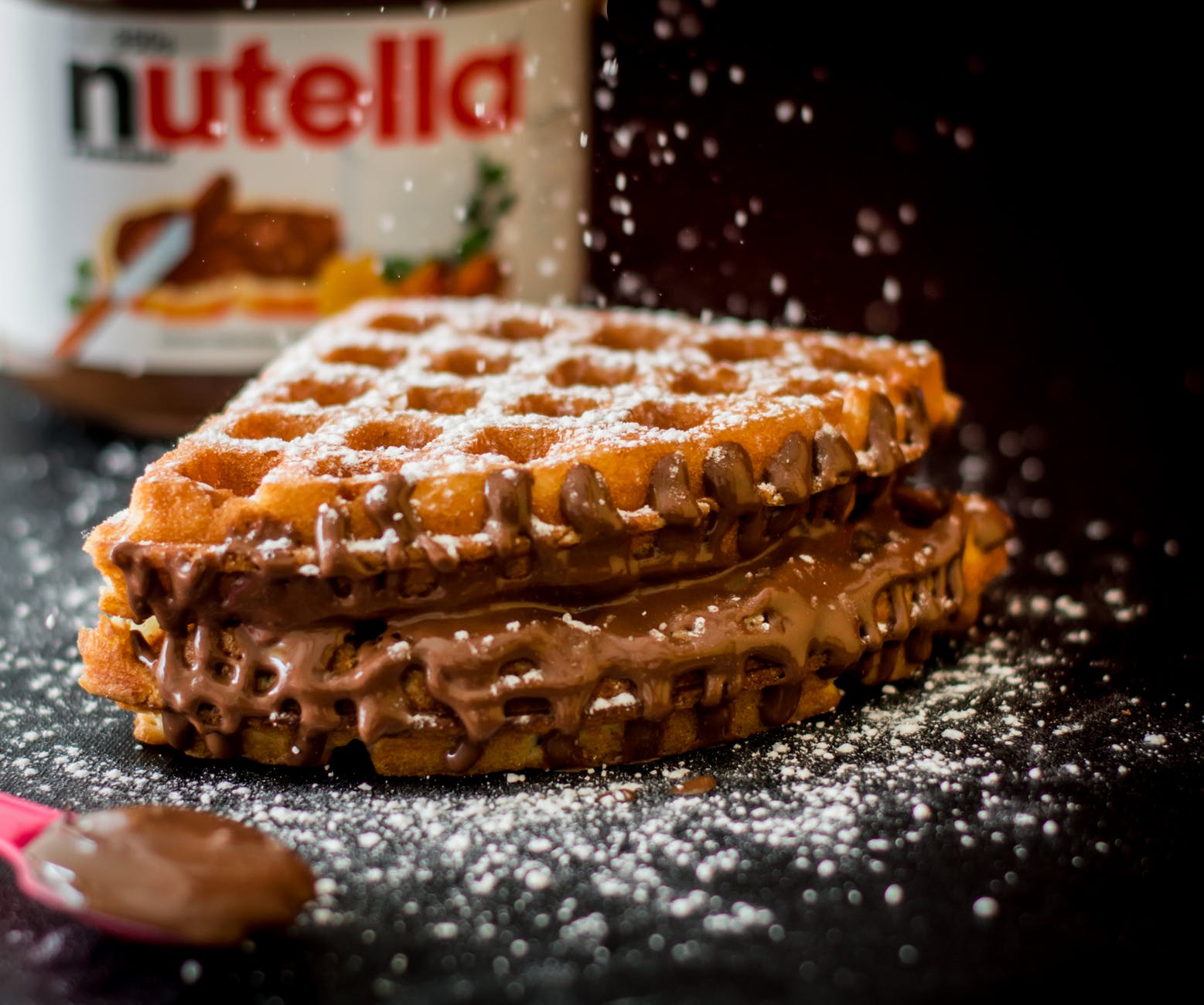
For those with a sweet tooth, chocolate chips and ice cream elevate waffles to a dessert-like treat. Nutella and honey are also popular.
Savory pairings provide a whole different experience. Bacon and sausage bring a salty contrast that works wonderfully with a drizzle of syrup. Waffles can also be served with cheese and herbs for an intriguing combination of flavors.
Iconic Couples: Chicken and Waffles
One iconic pairing is chicken and waffles. This dish combines the crunchy and juicy texture of fried chicken with the crispy, fluffy waffles. Typically served with maple syrup or hot sauce, it balances sweet and savory perfectly.
The pairing originated in the United States, becoming widespread in soul food and Southern cuisine. Restaurants often serve it with butter and extra honey or syrup on the side. The dish's unique blend of flavors makes it a popular choice for brunch or dinner. Chicken and waffles showcase the versatility of waffles, proving they’re more than just a breakfast item.
Cultural Impact and Enduring Popularity
Waffles have become a beloved part of American culture, not just as a household breakfast choice but also through celebrations and media presence. These elements have ensured that waffles remain a staple in American homes.
Festivals and National Waffle Day
Festivals celebrating waffles highlight their cultural significance. Events like the Waffle Day Festival draw large crowds, featuring various types of waffles and toppings. The NY State Fair often includes waffle vendors, attracting waffle enthusiasts from all over.
National Waffle Day on August 24th honors the invention of the waffle iron. Many restaurants and brands, like Aunt Jemima, offer promotions and special menu items. This event consistently boosts sales and reinforces waffles' importance in American culture.
Waffles in Modern Media and Advertising
Waffles maintain a strong presence in media and advertising. Brands like Kellogg's Eggo have popularized frozen waffles, becoming a convenient breakfast option. Their famous tagline, "L'Eggo My Eggo," is instantly recognizable.
Television shows and movies frequently feature waffles, often portraying them as a comforting, family-friendly food. This media representation cements waffles' place in American hearts and homes. Advertising campaigns continue to shape and sustain their enduring popularity, keeping waffles a front-runner in American breakfasts.