French Toast Trivia: Fun Facts You Didn’t Know About Pancakes and Breakfast Classics
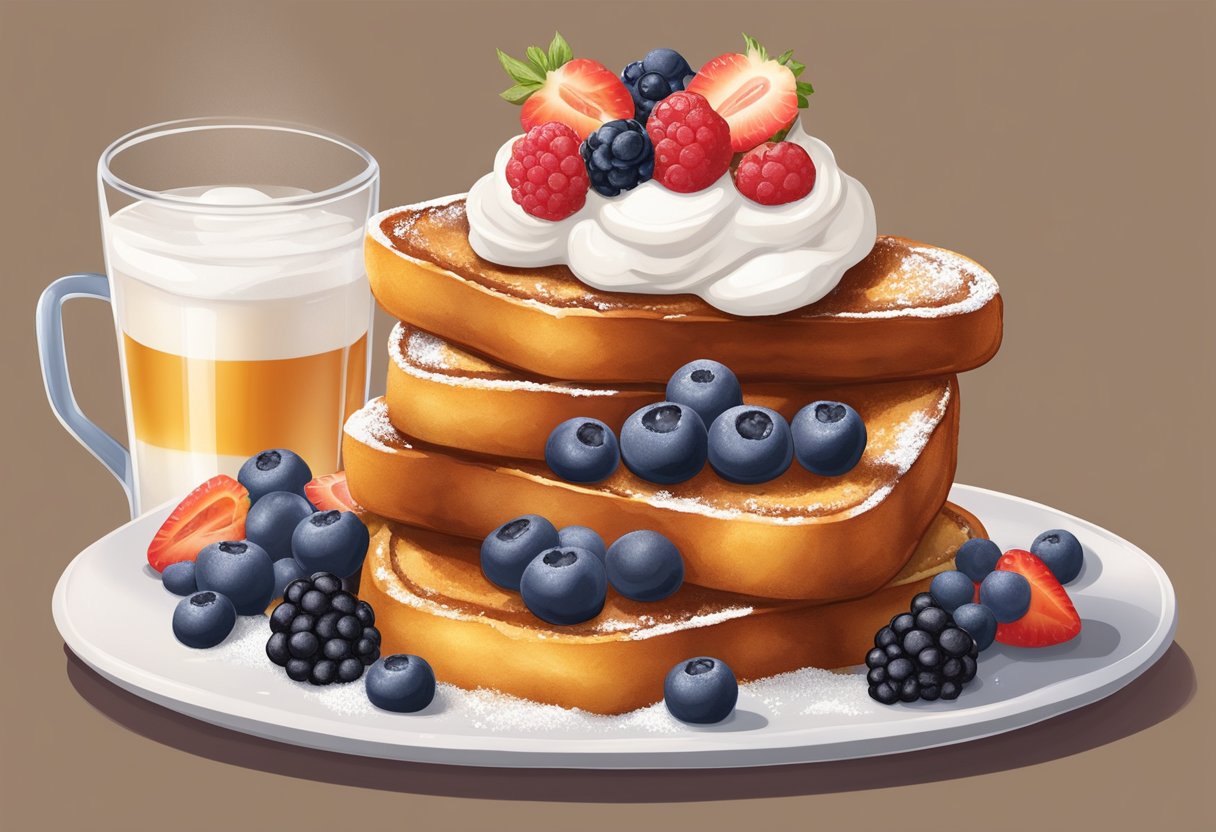
French toast, a beloved breakfast favorite, has an intriguing history and trivia associated with it. Contrary to popular belief, French toast wasn't actually invented in France. It's a dish with roots that go back centuries, even before the modern-day French nation existed. This breakfast treat also goes by many names, including Spanish toast, German toast, and poor knights of Windsor.
It's fascinating to learn that French toast is also known as eggy bread in some regions. The dish is simple yet delightful: sliced bread is soaked in a mixture of eggs and milk, then fried to golden perfection. Variations of this classic dish are found worldwide, each with its unique twist.
Evidence suggests that French toast was even known to the Romans. They called it "pan dulcis," which means sweet bread. Experience the journey of French toast through time as we explore fun and lesser-known facts about this breakfast delight.
The Origin and History of Pancakes
Pancakes have a rich history that traces back to ancient civilizations. From Greece and Rome to modern-day celebrations, pancakes have evolved over centuries and are enjoyed worldwide.
From Ancient Times to Modern Day
Pancakes have been enjoyed since ancient times. The first records of pancakes come from ancient Greeks and Romans. Poet Cratinus mentioned tagenias, a type of flat cake, as early as 500 B.C.E. The ancient Roman recipe for "aliter dulcia" mentioned in Apicius' cookbook, made with a mixture of milk, eggs, and fried in oil, reflects how ancient pancakes were prepared.
Over the centuries, pancakes spread across Europe. In the 15th century, they became popular in England, especially on Shrove Tuesday, also known as Pancake Day. This tradition was a way to use up rich ingredients before Lent. In Olney and Manchester, pancake races became a popular cultural event, still celebrated today. In the American colonies, they were known as hoe cakes, johnnycakes, or flapjacks, often made with buckwheat or cornmeal.
Pancakes in Literature and Records
Pancakes appear in various literary works and historical records. Ancient Greek poets like Cratinus and Magnes referenced pancakes, showing their cultural significance. In England, pancakes are mentioned in literary records dating back to the 15th century.
Another notable reference is Amelia Simmons' "American Cookery," considered the first American cookbook, where pancakes were prominently featured. Pancakes also play a role in religious and cultural traditions. For example, Shrove Tuesday, Pancake Day before Easter, is famous for its pancake feasts and races in towns like Olney and Manchester.
These events and mentions indicate the significance of pancakes throughout history, illustrating their enduring appeal across different cultures and eras.
Cultural Significance and Celebrations
Pancakes hold a special place in various cultures and are often linked to specific celebrations and traditions. These thin, round treats have found their way into many important events and festivals around the globe.
Pancakes Around the World
In France, pancakes, known as crêpes, are a beloved dish, especially popular in the region of Brittany. They are often served with sweet or savory fillings and have become a staple in French cuisine. America celebrates pancakes with national pancake days at restaurants, where dishes are often available for free or at a special price. In England, Ireland, and Canada, Pancake Day, also known as Shrove Tuesday, marks the day before Lent begins. Traditionally, people use up rich ingredients like eggs, milk, and sugar before the fasting period. On the Jewish festival of Hanukkah, it is traditional to eat latkes, a type of potato pancake fried in oil, symbolizing the miracle of the oil that lasted eight days.
Festivals and Traditions
Pancake Day, also called Mardi Gras or Fat Tuesday, is celebrated with much fanfare in Christian communities. In England, pancake races are a popular tradition, where participants race while flipping pancakes in a pan.
In America and Canada, church groups and community organizations often hold pancake breakfasts or suppers as fundraisers during Lent. In France's Brittany region, the Fête de la Crêpe is a festival specifically dedicated to pancakes. Celebrations include music, dancing, and, of course, making and eating crêpes.
Pancakes also play a significant role in Russian culture during Maslenitsa Week, a festival that celebrates the end of winter with activities such as sledding, bonfires, and enjoying plenty of pancakes, known as blini.
Through these various traditions and celebrations, it’s clear how pancakes have been ingrained in cultural practices across the globe, each region adding its own twist and significance to this delightful dish.
Pancake Varieties and Ingredients
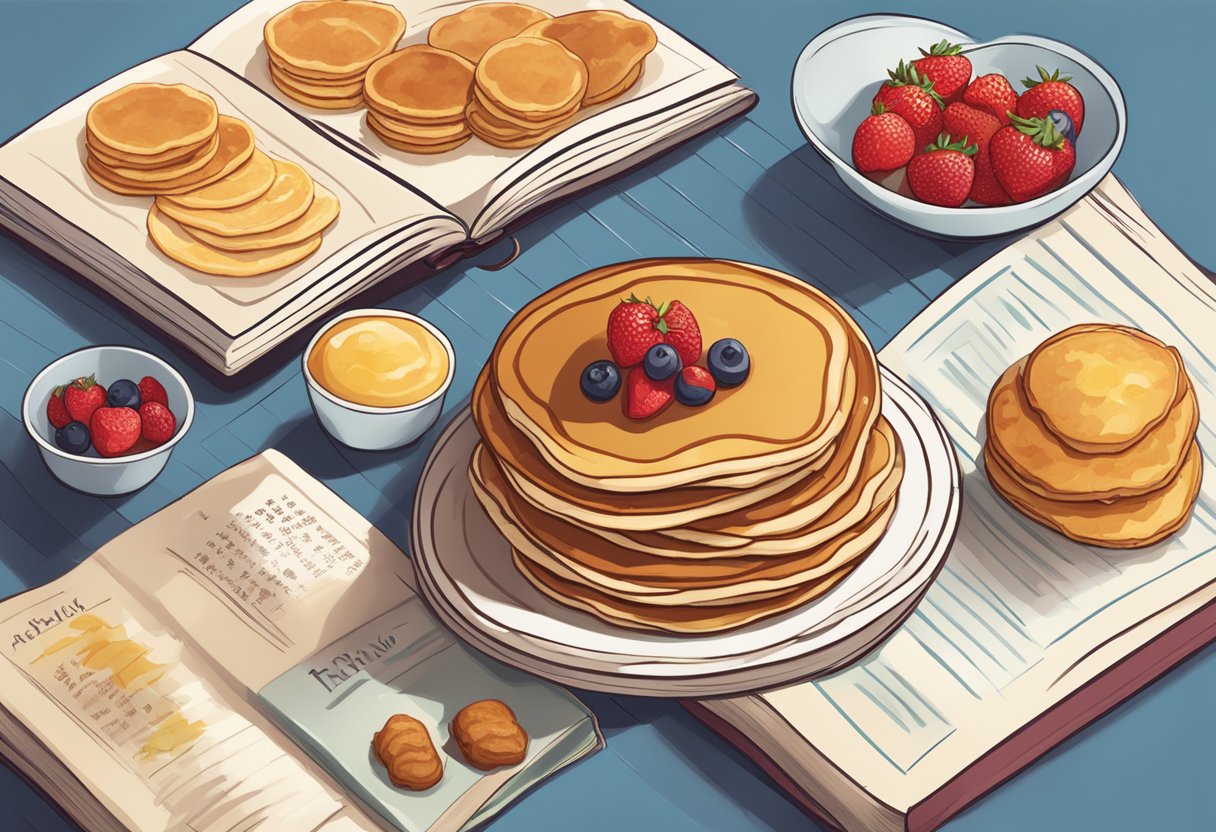
Pancakes come in many forms and are made with diverse ingredients that influence their taste and texture. Here’s a look at some essential aspects, focusing on the composition of the flour and batter as well as unique styles found in different cultures.
Flour and Batter Composition
Pancake batter can vary widely. Traditional recipes use wheat flour, which gives pancakes a fluffy and light texture. Buckwheat flour is another popular choice, especially in buckwheat pancakes, valued for its earthy flavor and gluten-free properties.
Eggs, milk, and butter are key to the batter, providing structure, moisture, and richness. Some recipes use oil instead of butter for a different texture. Elements like cinnamon, vanilla, and other spices often add extra flavor.
Essential Ingredients for a Basic Pancake Recipe:
- Flour (wheat or buckwheat)
- Eggs
- Milk
- Butter or oil
- Salt
- Sugar (optional)
Unique Pancake Styles
Different cultures have developed unique pancake styles. The French crêpe is thin and delicate, often filled with sweet or savory ingredients. In the Netherlands, the pannenkoek is similar but slightly thicker, allowing for heartier toppings like cheese and meats.
Potato pancakes, popular in Eastern Europe, mix grated potatoes with the batter, resulting in a more savory dish. Swedish blodplättar is made using blood, offering a radically different taste experience.
Some Unique Pancake Styles:
- Crêpes (France)
- Pannenkoek (Netherlands)
- Potato Pancakes (Eastern Europe)
- Blodplättar (Sweden)
Pancakes reflect regional preferences and ingredients, making them a versatile and beloved dish worldwide.
Pancakes in Modern Cuisine
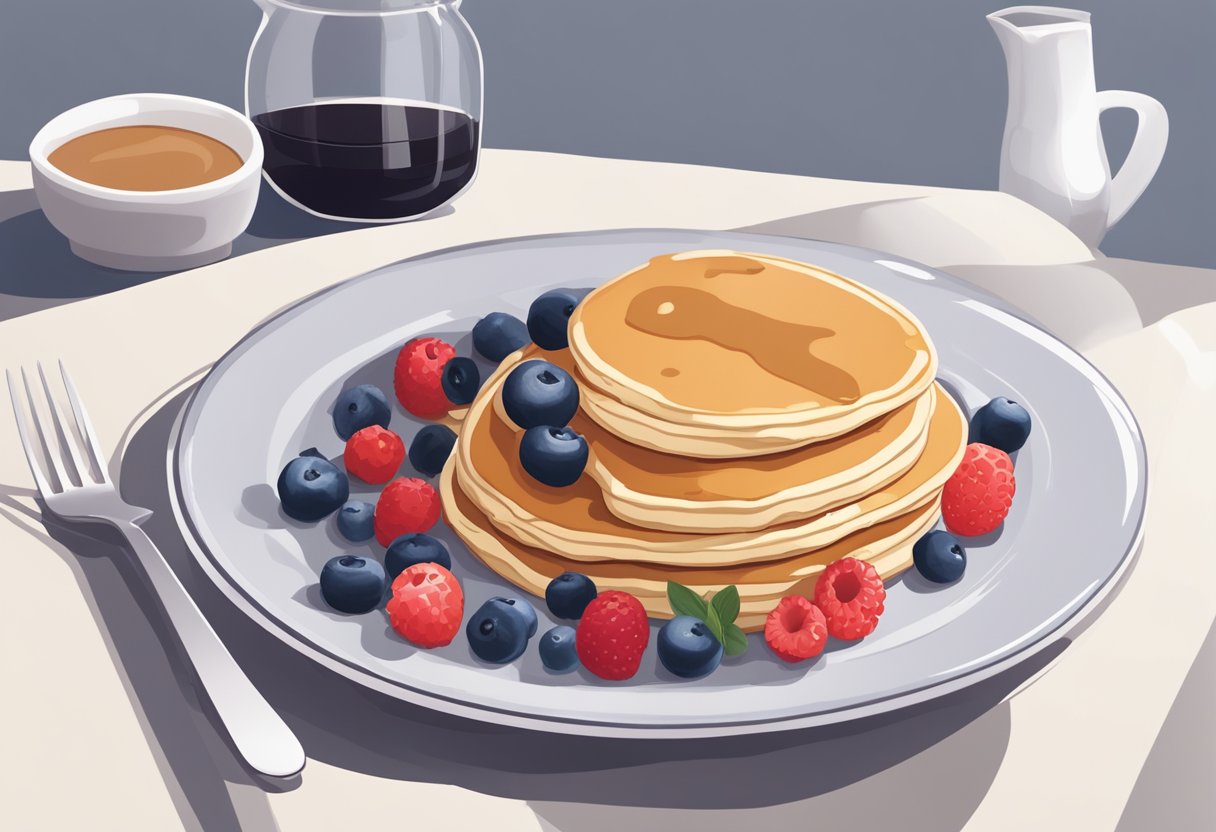
Pancakes have evolved to include both savory and sweet combinations, making them versatile options for any meal. They also appear in gourmet variations, featuring luxurious ingredients that elevate this simple dish.
Savory and Sweet Combinations
In modern cuisine, pancakes aren't just a breakfast staple. Chefs pair them with both sweet and savory ingredients to create unique dishes. Savory pancakes might include toppings like smoked salmon, crème fraîche, and chives. Others could incorporate grated cheese and herbs into the batter.
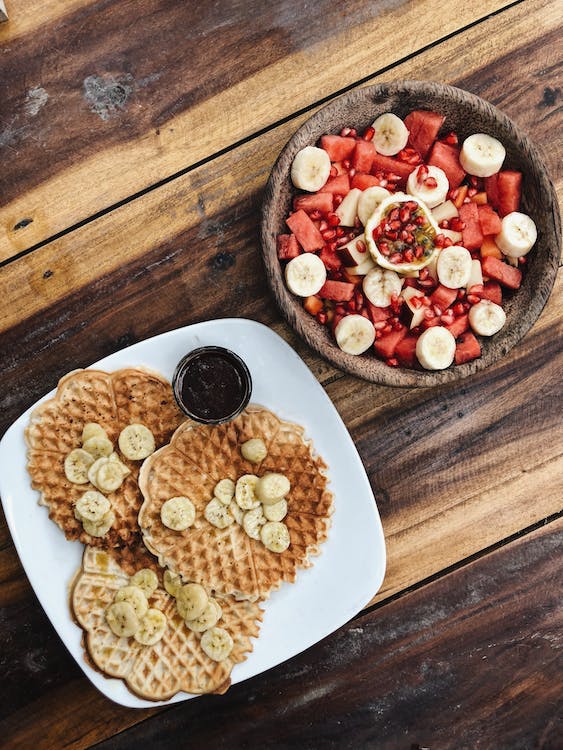
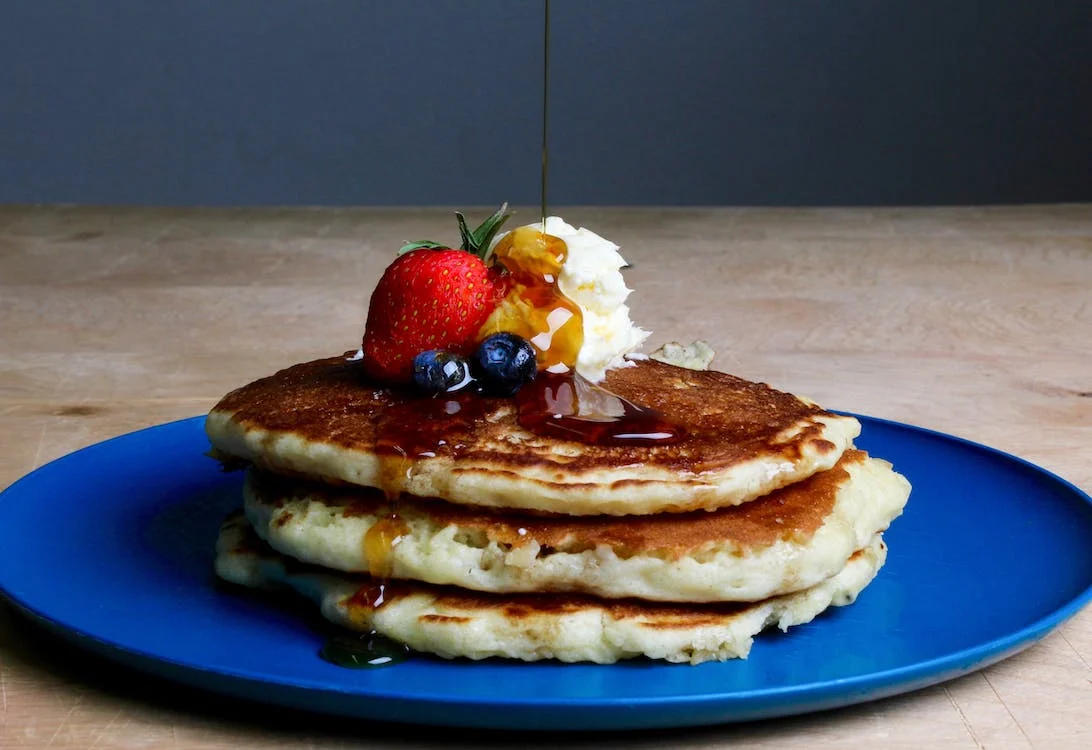
Sweet pancakes remain popular, often served with fruit, maple syrup, and powdered sugar. They might be topped with slices of banana, strawberries, or blueberries. Some even add a drizzle of honey or a sprinkle of cinnamon and nutmeg.
Gourmet and Expensive Variations
Gourmet pancakes introduce high-end ingredients, transforming this humble dish into a delicacy. These might include lobster, caviar, or truffle oil. A famous example is the "Zillion Dollar Griddle" featuring gold leaf, caviar, and lobster.
These expensive pancakes often use premium elements, such as imported sugar or olive oil. The result is a rich, indulgent dish that can cost hundreds of dollars. While not for everyday consumption, these gourmet variations showcase the versatility and creativity in modern pancake cuisine.
Rituals and Records
In the world of pancakes, there are fascinating traditions and impressive records that highlight the fun and excitement surrounding this beloved dish.
Pancake Flipping and Races
Pancake flipping is a common practice where pancakes are tossed in the air as they cook. It's not just about cooking—it's a tradition in many places. One of the notable events is the annual pancake race in Olney, England, where participants run a course while flipping pancakes in frying pans.
These races date back centuries and often occur on Shrove Tuesday. The rules are simple: racers must toss the pancake at least three times, and the first to the finish line wins. Other places have adopted similar traditions, emphasizing skill and speed.
World Records and Notable Events
Many world records revolve around pancakes. The Guinness World Record for the most pancake flips in one minute stands at 140 flips, showcasing incredible dexterity. Another amazing record is for the largest pancake, which measured over 15 meters in diameter and weighed more than three tons. This massive pancake was cooked by the Co-Operative Union in Manchester, UK. There are also records for the highest pancake flip, with the current holder flipping a pancake over 9 meters high. Events like these often draw large crowds and reflect the playful and competitive spirit associated with pancakes.
Preparation and Cooking Techniques
Making pancakes is a mix of tradition and innovation. Mastering the basics is crucial, but adding a modern twist can make pancakes even more delightful.
Traditional Pancake Making
When it comes to making traditional pancakes, following a reliable recipe is key. The basic ingredients usually include flour, eggs, milk, and a bit of sugar, combined to create a smooth batter. Once the mixture is ready, a griddle or frying pan heated over medium heat is perfect for cooking.
Consistency is important. The batter should be thick enough to hold its shape but still pourable. Pour a small amount onto the griddle, about 1/4 cup per pancake, and cook until bubbles form on the surface. This usually takes 2-3 minutes.
Flip with a spatula and cook for another 1-2 minutes until the pancakes are golden brown. Serving immediately with butter and syrup offers the best taste, making it a classic breakfast treat.
Innovations in Pancake Cooking
Innovative techniques have expanded the art of making pancakes. Using different flours like almond or coconut can cater to dietary preferences. Adding fruits or chocolate chips directly into the batter provides extra flavor and texture.
Advanced kitchen gadgets also play a role. Electric griddles with temperature control ensure even cooking, while non-stick pans make the process hassle-free. Experimenting with toppings like whipped cream, nuts, or even savory ingredients can give a modern twist to this classic dish.
Some cooks even experiment with shapes and designs, crafting pancakes in fun, artistic shapes to make breakfast more exciting. These innovations keep the process fresh and engaging, proving that there’s always room to elevate even the simplest recipes.
Health and Nutrition
Eating pancakes can be part of a balanced diet if you consider the ingredients and portion sizes. Be aware of certain health issues like allergies and intolerances that might arise from common pancake ingredients.
Dietary Considerations
Ingredients: Pancakes often include milk, eggs, butter, and wheat flour. These ingredients can contribute to nutritional value but also to calorie and fat intake. For a healthier option, use buckwheat flour instead of wheat flour. Buckwheat is high in fiber and a good source of protein.
Micronutrients: Adding fruits such as berries or bananas can increase the vitamin and mineral content. Substitute regular milk with almond milk or oat milk to lower calorie and fat content.
Dietary Restrictions: For people with lactose intolerance, use lactose-free milk options. Those allergic to gluten should use gluten-free flour varieties. Vegans can substitute eggs with flaxseed or chia seed gel and choose plant-based milk and butter.
Pancake-Related Health Issues
Allergies: Ingredients like eggs, milk, and wheat flour can trigger allergies in some individuals. Pancake syndrome is an allergic reaction that occurs in some people who consume pancakes made with certain flours that might be contaminated with mites.
Blood Sugar: Traditional pancakes made with white flour can spike blood sugar levels. Opting for whole grain or buckwheat flour can help stabilize blood sugar.
Weight Management: Regular consumption of high-calorie pancakes with sugary syrups and toppings can lead to weight gain. Monitoring portion sizes and choosing healthier toppings such as fresh fruit or a spoonful of Greek yogurt can keep the meal balanced.
Nutritional Balance: It’s important to maintain balance by combining pancakes with protein-rich side dishes like eggs or turkey bacon. This helps to keep you fuller for longer and can contribute to a more balanced nutrient intake. Using these tips, you can make pancakes a healthier choice without sacrificing taste.