Breakfast Foods as Seen in Historical Dramas: A Taste of the Past
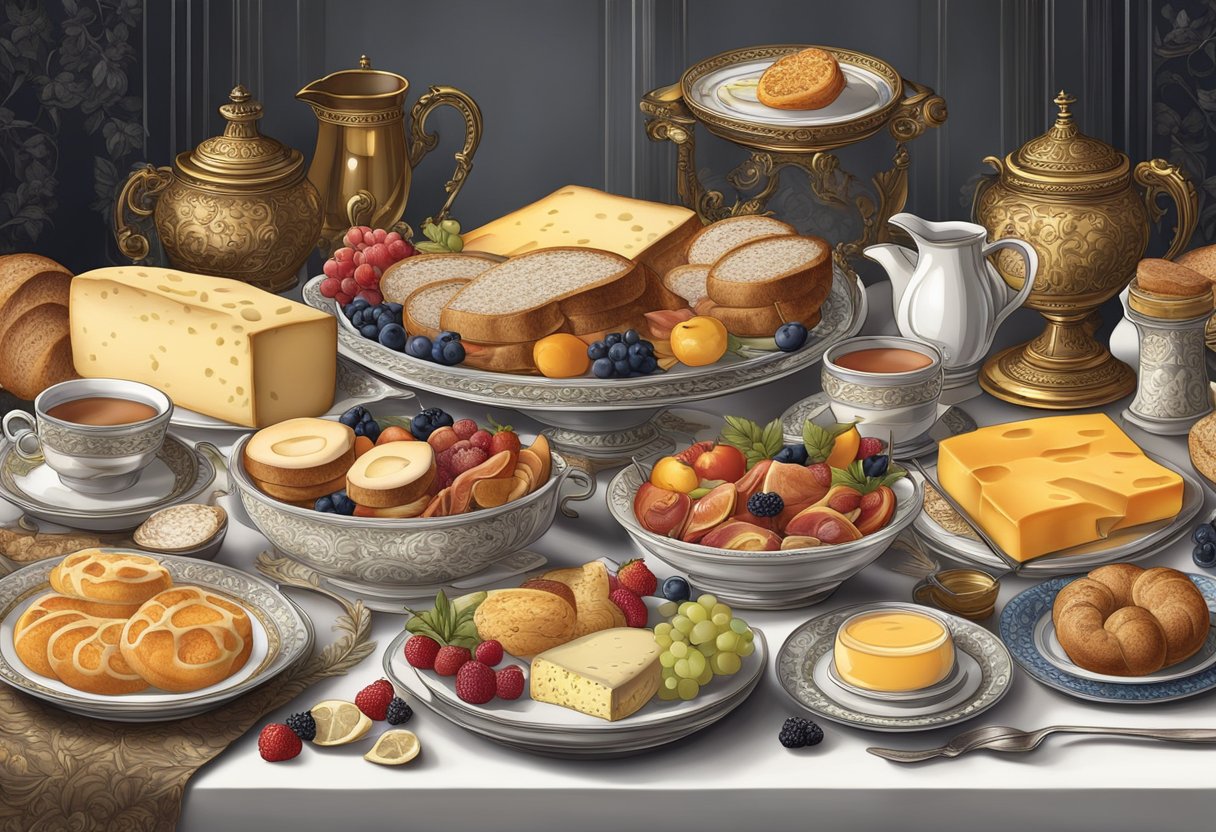
Breakfast has always been an important meal, but its depiction in historical dramas offers a unique glimpse into the daily lives and cultures of past civilizations. These shows often highlight the cultural significance of morning meals, revealing how family and social hierarchies play out around the breakfast table. From the simple yet hearty porridge served in medieval English dramas to the beautifully arranged side dishes in Korean historical series, breakfast foods often reflect societal values and daily routines of various eras.
Historical dramas provide fascinating insights into the importance of breakfast across different cultures. The sight of fresh fruits, such as apples, in Korean sageuks, or the meticulous preparation of rice and tea in Chinese period pieces, showcases the labor and care invested in the first meal of the day. These meals are not just about nutrition but also about bonding and maintaining traditions.
By exploring the morning meals of different eras and regions, viewers gain a deeper appreciation for the culinary habits that have shaped human history. Whether it's the communal breakfasts in Viking sagas or the simple bread and cheese in Renaissance Europe, each depiction serves as a window into the heart of familial and societal relationships.
Historical Context of Breakfast

Breakfast has undergone significant changes throughout history, shaped by cultural, economic, and social factors. From the protein-rich meals of ancient civilizations to the quick, convenient foods of the modern era, the evolution of breakfast reflects broader societal trends.
Ancient Civilizations
In Ancient Egypt, breakfast was simple but energy-rich, often consisting of bread, beer, and occasionally onions or dried fish. Egyptians relied heavily on grains, which were a staple in their diet.
Greece and Rome had breakfast traditions that were slightly more varied. Ancient Greeks typically ate barley bread dipped in wine with olives or figs. The Romans, known for their lavish meals, enjoyed "ientaculum," a protein-packed start with bread, cheese, and sometimes fruit or nuts. Both civilizations emphasized grains and fruit in their morning meals, reflecting their agricultural practices and food availability.
Middle Ages to Industrial Revolution
During the Middle Ages, breakfast was not as standardized. Peasants would eat early in the day to fuel their labor-intensive activities. Their meals mainly consisted of grains, like porridges and breads, supplemented with protein sources such as cheese and eggs.
As time progressed into the Industrial Revolution, the morning meal became more structured. With the rise of factory work, there was a need for a nutritious meal early in the day to sustain long hours of labor. This period saw the integration of protein sources, like bacon and eggs, which were seen as essential for energy. Breakfast habits also varied by class. The wealthy enjoyed elaborate spreads, while the working class stuck to simpler, more practical meals.
20th Century and World Wars
The 20th century saw significant shifts in breakfast habits due to World Wars and changing lifestyles. During World War I and II, food rationing led to simpler breakfasts with limited ingredients. People often consumed grains like oatmeal and bread to stretch their food supplies.
Post-war periods brought innovation. The introduction of convenience foods, such as cereals, changed breakfast dramatically. These items were marketed as healthy and time-saving, aligning with busy, modern lifestyles.
The latter part of the century saw increased awareness of health and nutrition. Breakfast foods became more diversified, including fruits, yogurts, and whole grains, reflecting a shift towards health-conscious eating habits.
Breakfast Depictions in Historical Dramas
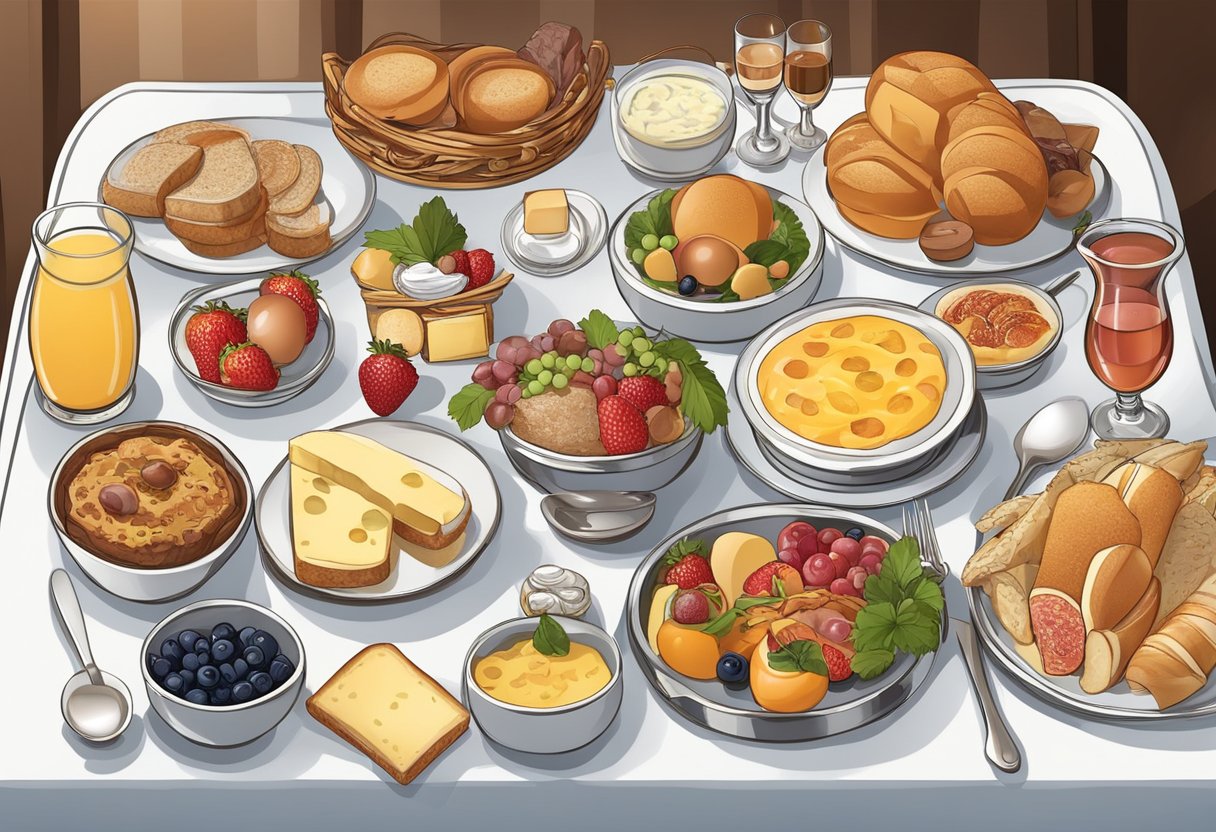
Breakfast scenes in historical dramas can reveal a lot about the era, social classes, and family dynamics. They show how food, rituals, and settings contribute to the storytelling.
Authenticity and Research
Historical dramas often strive for authenticity in portraying breakfast scenes, focusing on detail to reflect the period accurately. Researchers look at archival records, cookbooks, and artwork to recreate dishes. This is crucial in genres involving palace politics and political intrigue where every element underscores historical accuracy. For example, dramas set in the Victorian era, like The Crown, may depict extravagant breakfast spreads with silverware, while those set in medieval times, like The Last Kingdom, might show simpler, rustic meals.
Costumes and props are meticulously chosen to fit the era. The attention to period-appropriate table settings and ingredients showcases the effort put into these scenes, making them believable to audiences. Such dedication ensures the viewers experience the same flavors and moods as the characters.
Breakfast Scenes and Their Significance
Breakfast scenes in historical dramas can serve multiple purposes. They often highlight family dynamics, such as power struggles or alliances, within a household. For instance, in shows like Peaky Blinders, breakfast can be an occasion for intense conversations on political intrigues and family decisions. These scenes can also depict routines and societal structures, helping audiences understand characters’ roles and relationships.
Acting during these moments is pivotal. Facial expressions and body language around the breakfast table can reveal much about the characters' inner thoughts and emotions. Scenes set in grand palaces or humble homes serve to immerse the viewer deeper into the narrative, offering a glimpse into daily life across different eras and social strata.
Common Breakfast Ingredients and Their Symbolism
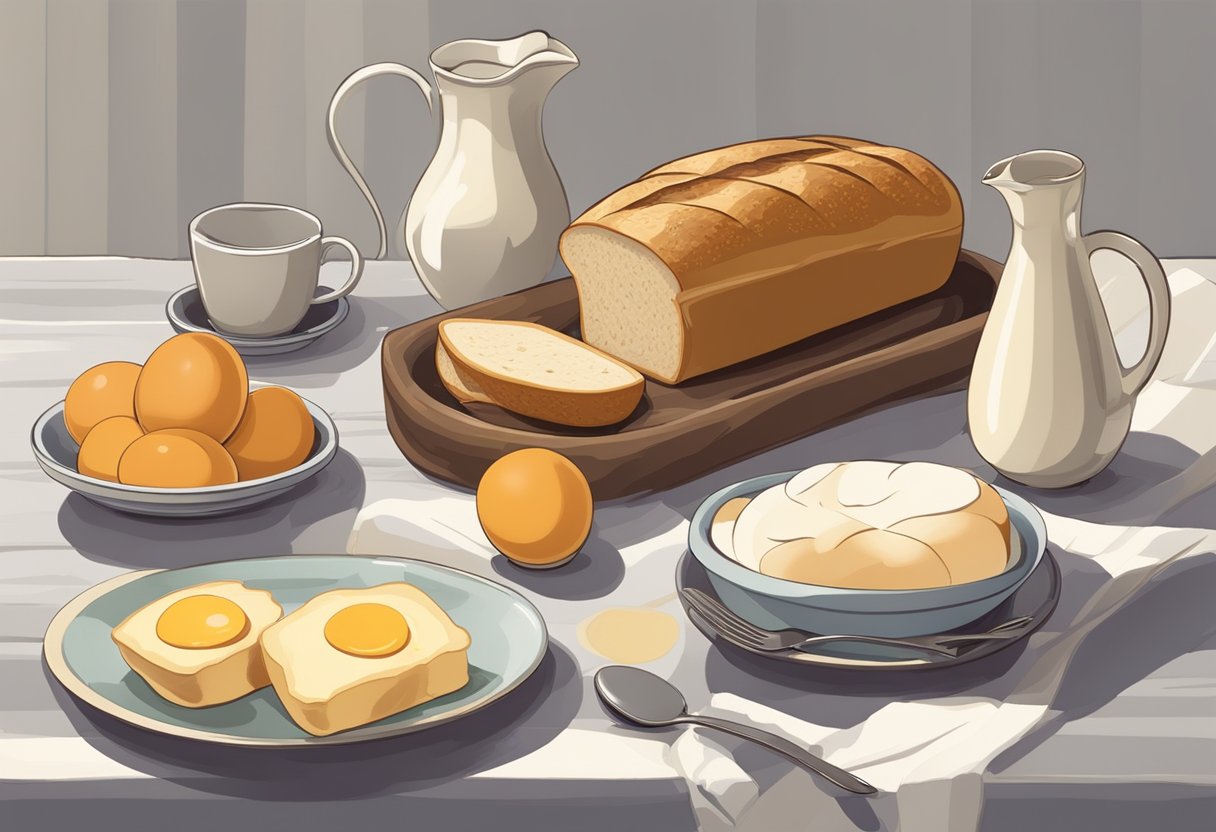
Many historical dramas use specific breakfast ingredients to reflect cultural values, social status, and historical context. By examining these foods closely, one can gain insights into the time period and characters portrayed.
Breads and Grains
Breads and grains have always been staple breakfast items with deep symbolism. Porridge and pottage often appear in historical dramas set in medieval times. These humble dishes symbolize sustenance and the struggle for survival among common folk. On the other hand, toast and cereal are associated with more modern settings and symbolize efficiency and the rise of convenience foods.
Butter and jam spread on bread can signify wealth, showing that characters have access to luxury items. Porridge, made from oats or other grains, indicates simplicity and resilience, often shown in scenes depicting lower-class households or rural settings.
Meats and Proteins
Meats like bacon, mutton, and beef are symbols of affluence and nobility. In many historical dramas, lavish breakfast spreads featuring these meats showcase the wealth and power of the characters. A Victorian-era breakfast might include sausages and mushrooms, suggesting opulence.
Eggs are a versatile ingredient that can symbolize fertility and new beginnings. When combined with mushrooms or beef, eggs often highlight the importance of a hearty meal to start the day, reflecting the hardworking lifestyle of the characters.
Beverages and Sweeteners
Beverages like tea and coffee hold significant cultural and social value. Tea, especially in British dramas, often reflects tradition and social rituals. Characters sharing tea might symbolize diplomacy or familial bonding.
Ale was a common medieval breakfast drink, depicting a time when it was safer to drink than water. Including ale in morning scenes suggests authenticity to the period's daily life.
Sugar and honey are sweeteners that can denote luxury and indulgence. Their presence in various dishes, from bread to porridge, highlights the characters' access to luxury goods. Honey, often seen in historical settings, can also symbolize natural bounty and health. Each of these ingredients plays a crucial role in illustrating the characters' lifestyles and the historical context they inhabit.
Cultural and Social Aspects of Breakfast
The morning meal is not just about sustenance; it reflects familial bonds, community traditions, and even political influences. Historical dramas often highlight how breakfast customs can reveal insights into a society's values and structure.
Breakfast in Domestic Settings
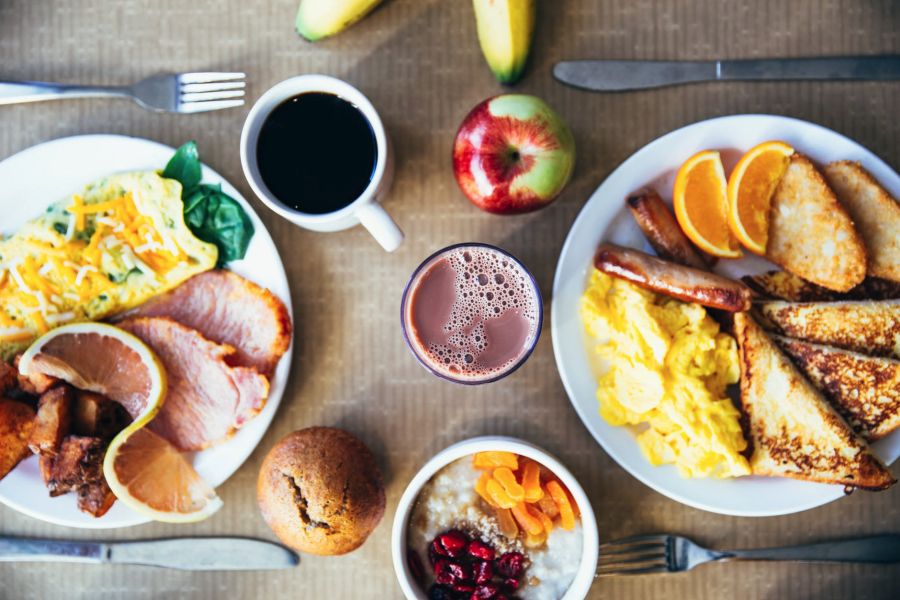
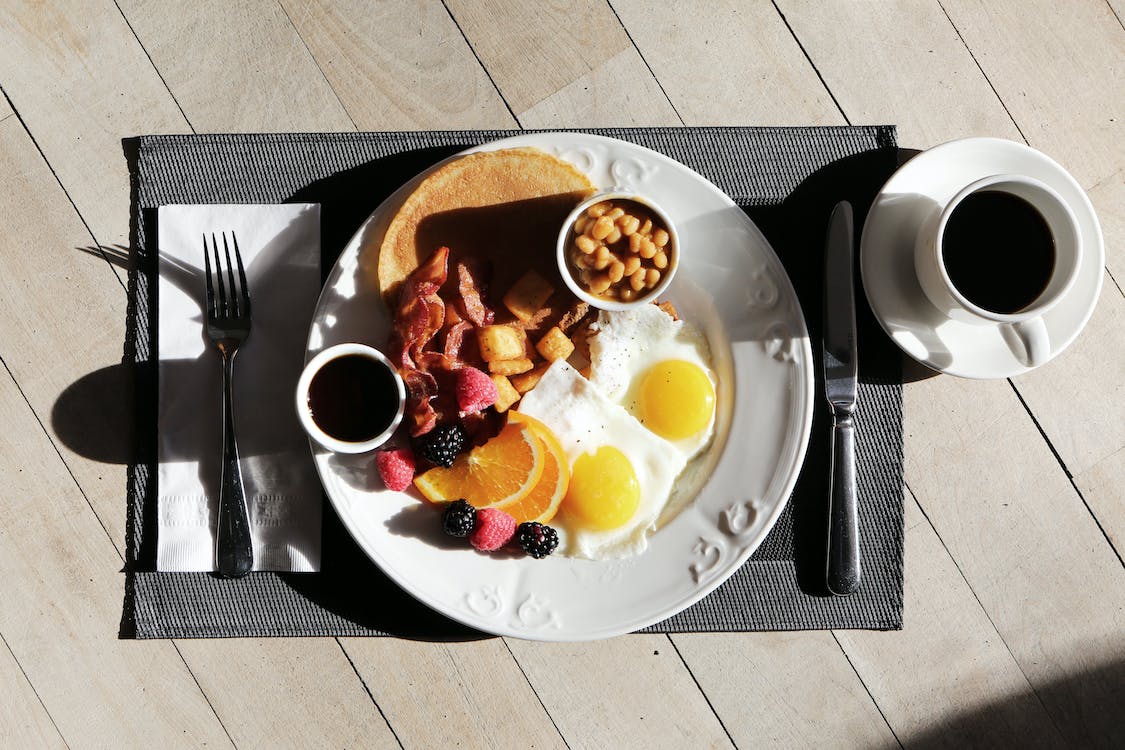
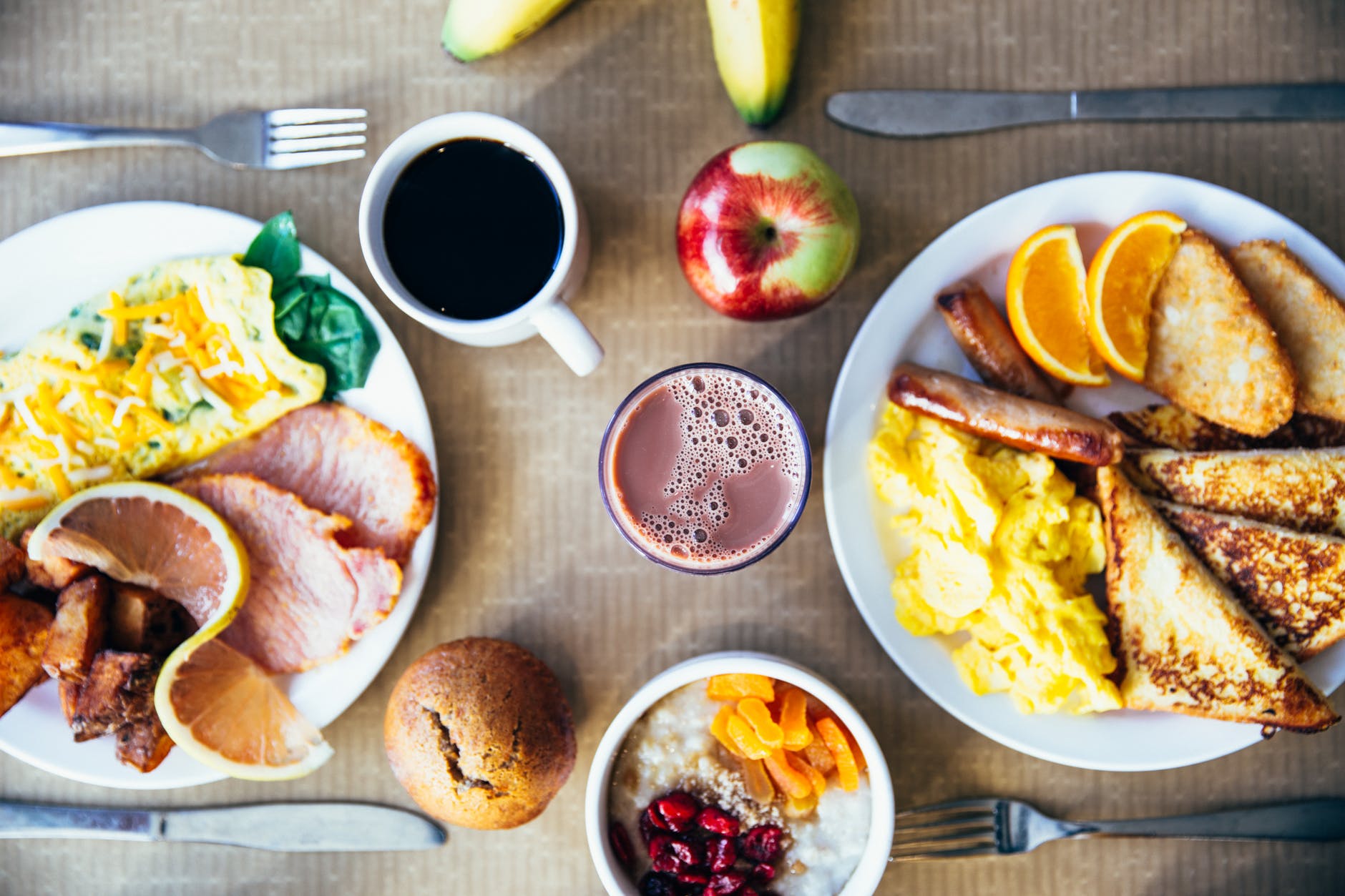
In many cultures, breakfast serves as an important family gathering time. Historical dramas frequently depict households coming together to share a hearty breakfast. Hearty breakfasts typically include foods like eggs, bacon, sausages, and porridge. Sharing this meal allows families to bond and discuss daily plans.
In domestic settings, the type of breakfast often indicates social status. For example, a lavish spread with multiple dishes can signify wealth and status. Meanwhile, simpler fare might be portrayed in more modest households. Children often play a central role, with breakfast also serving to instill cultural values and norms.
Breakfast and Politics
Breakfast customs can also intersect with political life. Historical dramas set in royal courts or political settings often feature breakfast meetings where crucial decisions are made. Politicians and royalty might use breakfast as a strategic time for important discussions.
For instance, a king or a noble might invite key figures for a morning meal to discuss alliances or policy changes. In some dramas, breakfast scenes can highlight power dynamics within a kingdom or between different political factions. The setup and food choices at these meals can subtly convey messages about power, ambition, and influence within the political landscape.
Breakfast Scenes as a Storytelling Device
Breakfast scenes can be a powerful tool in historical dramas, helping to establish the era and develop characters through their food choices and interactions.
Establishing Time and Place
Breakfast scenes, rich with details, can precisely set the historical context. The items on the table, the utensils used, and the customs followed all play a role. For example, a Victorian breakfast table laden with kippers, porridge, and tea highlights Britain in the 19th century.
Cultural Narrative is also depicted through these scenes. In Elyne Mitchell's The Silver Brumby, the depiction of simple bush tucker breakfasts situates the story in the Australian Outback. These details anchor the plot firmly in its setting.
Historical accuracy is crucial. A scene featuring American settlers might include cornbread and coffee, reflecting the time's practices. Such elements not only ground the viewer in the era but also make the narrative credible and immersive.
Character Development Through Cuisine
Characters can be richly developed through their interactions over breakfast. A character's choice of food often reflects their background, status, and personality. In Merchant Ivory films, aristocratic settings often show characters engaging in refined breakfasts, revealing their high societal standing. Fasting, for example, can indicate a character's piety or health issues. In religious contexts, such as in The Name of the Rose, fasting or modest meals reflect monastic life and humility.
A family's dynamic unfolds around the breakfast table. An idyllic breakfast spread in a cozy kitchen versus a solitary meal eaten quickly on the go can speak volumes about the characters' relationships and lifestyle. Through food choices and interactions, audiences gain insight into personal stories and motivations.
Production Aspects of Breakfast Food in Film and TV
The portrayal of breakfast foods in historical dramas involves careful attention to set design and food styling, as well as the seamless integration of costumes and props to maintain historical accuracy.
Set Design and Food Styling
Set design and food styling are crucial in creating authentic breakfast scenes in historical dramas. Productions often emphasize historical accuracy, making sure the set reflects the time period's dining environment.
In historical dramas set in Victorian London or 1930s New York, reproductions of period-specific furniture and utensils are used. For example, tables might feature silverware from the late 19th century or Depression-era glassware.
Food stylists work meticulously to ensure the breakfast foods look authentic. If a scene is set in the Victorian era, the breakfast spread may include items like porridge, boiled eggs, and bread. In contrast, a 1930s New York setting might feature bacon, eggs, and toast.
In any production, visual appeal is important, but for historical dramas, accuracy is key. Fake food is often avoided as it can distract the viewer; instead, real food is prepped and styled to look visually appealing on camera.
Costume and Prop Integration
Costumes and props must integrate seamlessly with the breakfast scenes to maintain the authenticity of historical dramas. Characters' attire often reflects their status and the time period, impacting how they interact with the breakfast setting.
For instance, in a series set in Victorian London, a wealthy character might wear an elaborate morning gown or suit, using fine china and silver. Every small detail, from the napkin rings to the teapot, is selected to match the character's background and the era.
Props like newspapers, spectacles, and period-specific accessories also play a vital role. In scenes from early 20th century New York, items such as old radios or coffee percolators are utilized to enrich the context.
Attention to detail in props and costumes helps sustain the narrative and immerses viewers in the historical period, strengthening the overall entertainment value of the production. By ensuring that every element, including breakfast food, fits the timeline precisely, filmmakers achieve higher levels of credibility and engagement in historical dramas.