American Breakfast Through the Decades
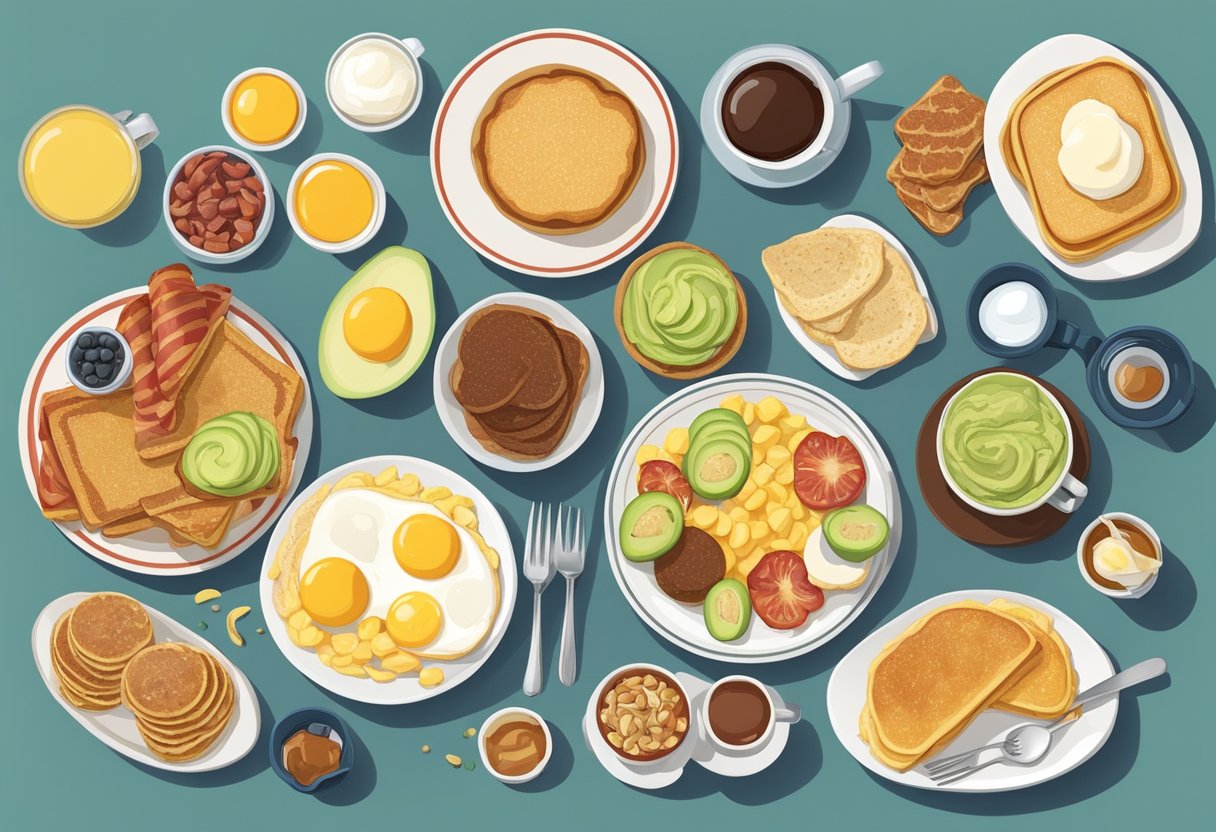
In America, breakfast has undergone significant changes over time. A century ago, elaborate meals like jellied veal were common, while decades later, dishes like Crab Imperial Chesapeake appeared. In more recent history, novelty cereals such as Rainbow Brite and Mr. T were popular among children.
These shifts in popular breakfast foods were influenced by various factors. Socio-economic conditions like wartime food rationing and technological advances such as refrigerators played significant roles. Pop culture also left its mark, with each era adding its unique twist to the traditional American breakfast, making it a diverse and dynamic meal through the decades.
1900s: Rice, Cold Meat, and Jellied Veal
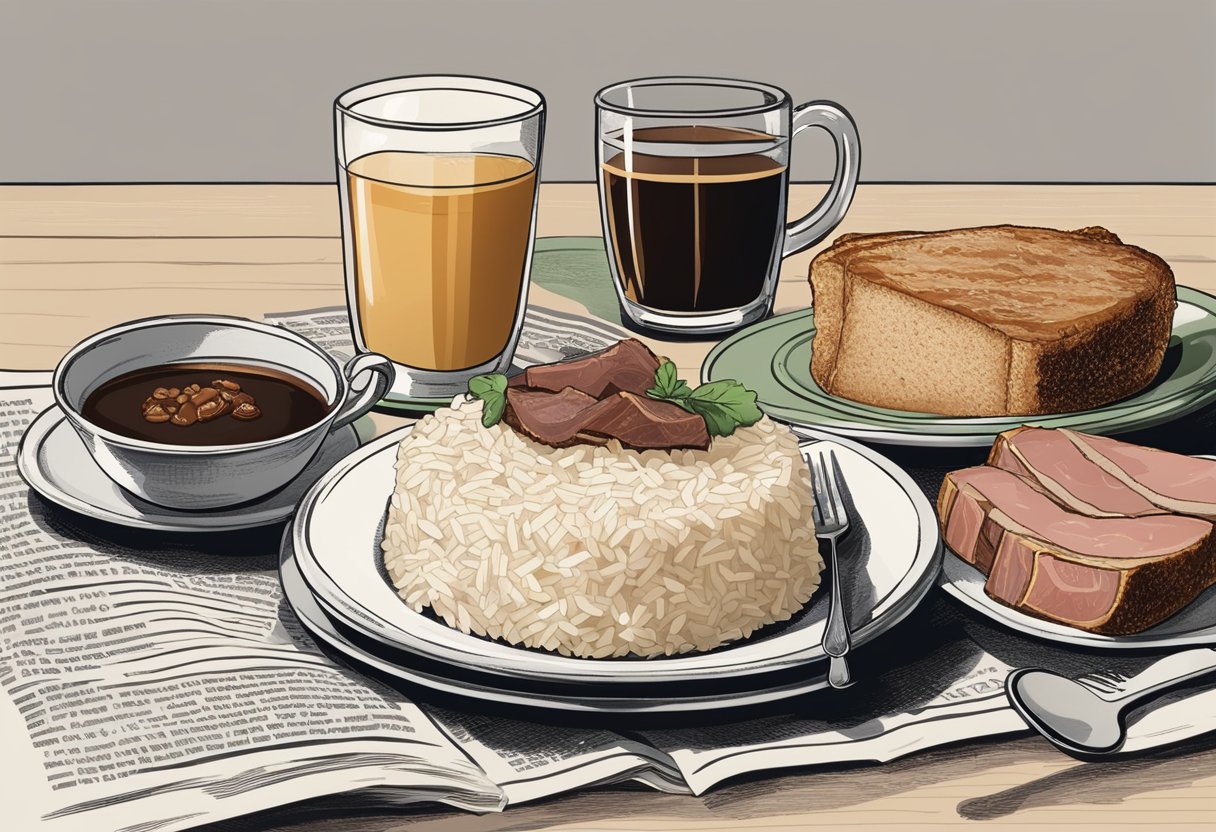
In the 1900s, American breakfasts were vastly different from what many recognize today. Jellied veal was a common sight on breakfast tables. This dish involved setting cooked veal in a gelatin-based substance, creating a savory, jiggly protein option to start the day. It may sound strange now, but it was quite normal back then.
Cold meat was another staple. After a large dinner, leftovers such as chicken or beef would often reappear during the morning meal. This practice minimized waste and ensured that every part of the meal was utilized.
Rice was frequently included in breakfast menus, sometimes paired with meat to make meals more filling. Rice-and-meat croquettes were popular, combining these ingredients into small, fried patties.
Besides these savory options, hot porridge and oatmeal were also eaten regularly. These grain-based dishes provided a warm, hearty start, especially in colder months. Biscuits were another favorite. They could be served plain with butter, but biscuits and gravy quickly became a beloved combination, providing a comforting, indulgent option.
Culinary guides like the Boston Cooking-School Cook Book played a significant role in shaping breakfast trends. They offered recipes and meal suggestions that balanced practicality and nutrition, influencing many households’ daily routines. This period showcased a diverse blend of textures and flavors, reflecting the resourcefulness and dietary habits of the time.
1910s: Canned Fruit, Fried Hominy, and Coffee
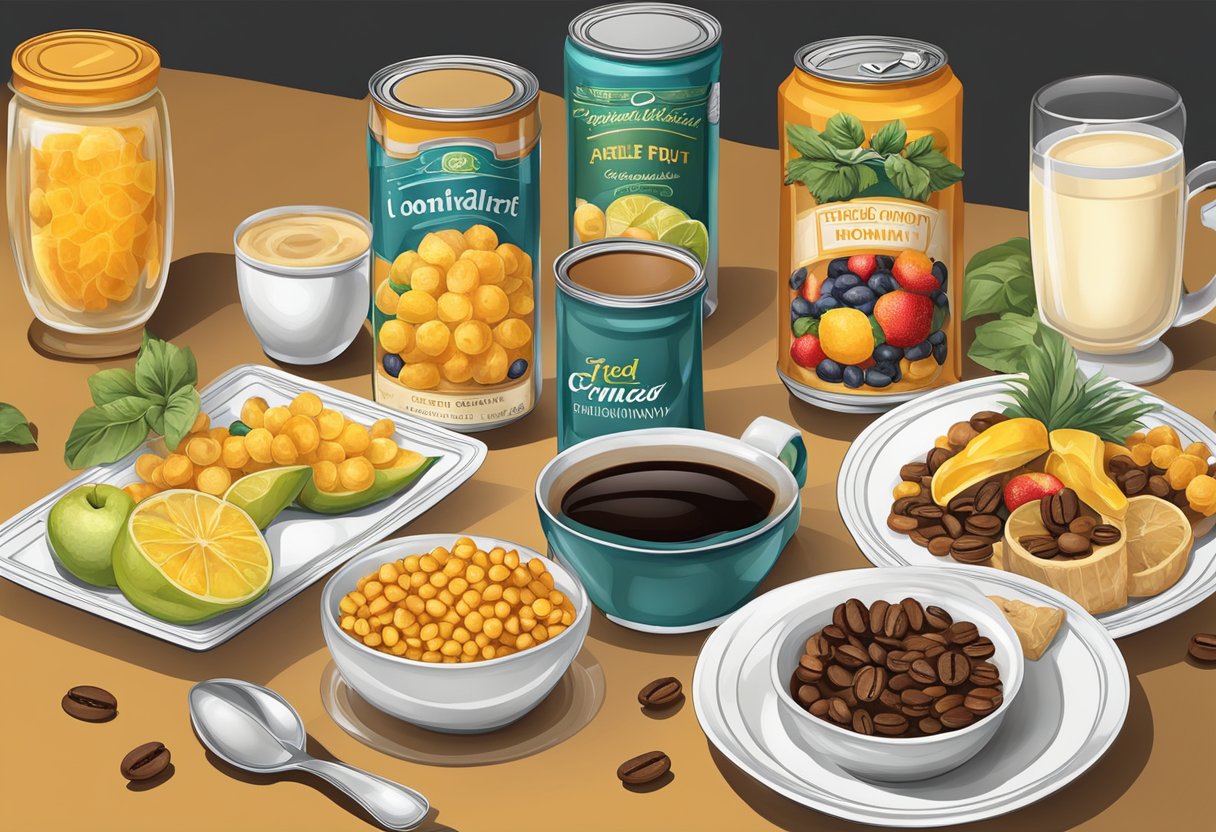
During the 1910s, breakfast in America often featured canned fruit, fried hominy, and coffee. This period saw many households adopting these items due to their convenience and availability.
Canned Fruit: Canned fruit became a staple in the American diet. It was easy to store, lasted longer than fresh fruit, and provided a sweet addition to the morning meal.
Fried Hominy: Hominy, which is made from dried corn kernels treated with an alkali, was commonly served fried for breakfast. It provided a hearty, filling dish that was relatively inexpensive and easy to prepare.
Coffee: Coffee remained a beloved breakfast beverage, providing a boost of energy to start the day. It was typically brewed fresh and enjoyed without much adornment.
Typical Breakfast in the 1910s
| Item | Description |
|---|---|
| Canned Fruit | Convenient and long-lasting preserved fruits |
| Fried Hominy | Hearty dish made from corn, commonly served fried |
| Coffee | Popular morning drink, usually brewed fresh |
This combination of foods reflects the practical and straightforward nature of breakfast during this decade. The meals were designed to be satisfying and easy to prepare, fitting the lifestyle of the time.
1920s: Codfish and Bacon
In the 1920s, American breakfast menus began to evolve, reflecting shifts in cultural and economic landscapes. Codfish had once been considered a luxurious breakfast item. Cod balls were a common sight on breakfast tables, especially in areas with a rich fishing heritage. This period also saw a surge in lighter breakfast options, catering to those engaged in less strenuous occupations.
Bacon became a breakfast staple largely due to a public relations campaign in the 1920s. Before this campaign, bacon wasn't strongly associated with breakfast. The campaign was successful in altering public perception, pairing bacon with eggs and pushing out regional favorites like codfish.
Breakfasts during this decade often included a wide array of items. Alongside codfish and bacon, many households enjoyed maple syrup on pancakes, waffles, or French toast. These choices highlighted the growing variety and sophistication in the American breakfast scene.
Special breakfast cocktails also became popular during this time, adding a touch of elegance to morning meals. Although these cocktails weren't a daily occurrence for everyone, they symbolized a certain level of sophistication and indulgence, characteristic of the roaring twenties.
Here's a comparative glance at two typical 1920s breakfast plates:
| Item | Traditional | Modern Influence |
|---|---|---|
| Protein | Codfish, sausages | Bacon, eggs |
| Sweeteners | Maple syrup | Maple syrup |
| Beverages | Coffee, tea | Cocktails, juice |
| Bread & Grains | Toast, biscuits | Pancakes, waffles |
This combination of new trends and traditional foods marked a significant transitional period for American breakfast culture. The shift from heavy to lighter breakfasts reflected broader societal changes, integrating new tastes and preferences into the morning routine.
1930s: Toast, Coffee, and Bisquick
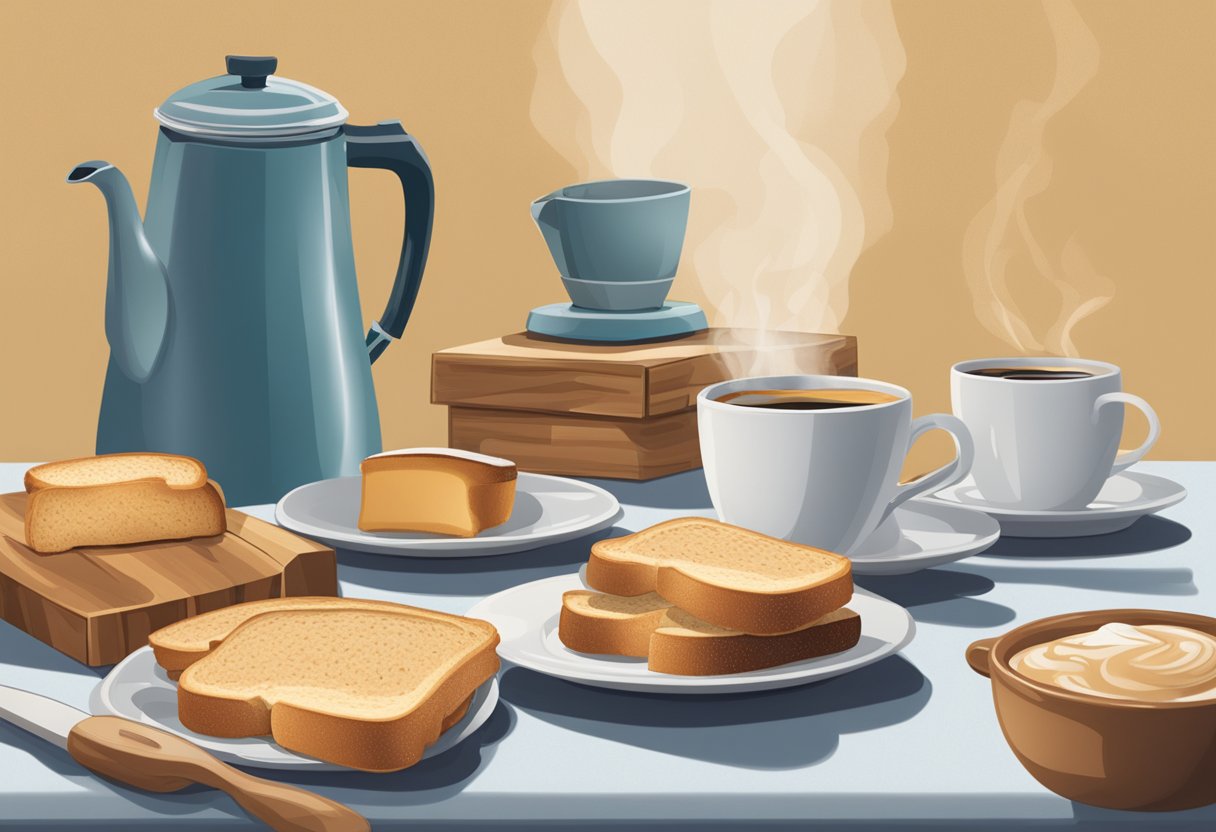
In the 1930s, American breakfast tables often featured simple yet hearty meals. The difficult economic times meant that families turned to affordable and filling options to start their day.
Coffee was a staple in nearly every household. Served hot, it provided a much-needed boost to start the morning. It was usually brewed at home, as coffee shops and cafes were less common.
Toast was another popular choice. Made from slices of bread toasted over a stove or in early electric toasters, it was often spread with butter or jam. This simple food was both versatile and easy to prepare.
Bisquick made its debut in 1931, revolutionizing breakfast cooking. This pre-mixed baking product allowed families to quickly whip up pancakes, waffles, and biscuits without much hassle. It offered convenience during a time when spending hours in the kitchen wasn’t always feasible.
A typical 1930s breakfast might include:
- Eggs: Fried or scrambled
- Bacon or sausage
- Fruit: Stewed or fresh, depending on availability
- Grits or oatmeal
These elements combined for a satisfying and nutritious breakfast to fuel the day ahead.
1940s: Mint, Orange Juice, and Apple Butter
During the 1940s, breakfast in America featured some interesting combinations. Orange juice with a hint of mint became a trendy and refreshing choice to start the day. People enjoyed this vibrant drink for its zesty and invigorating flavor.
Apple butter spread on toast or biscuits was another popular breakfast item. This sweet and spiced spread made from cooked apples provided a comforting taste that many families enjoyed.
With World War II impacting food supplies, many households relied on Victory Gardens to grow their own fruits and vegetables, including items for breakfast. Fresh produce from these gardens often made its way to the breakfast table, ensuring families had wholesome and nutritious options.
Common Breakfast Items of the 1940s:
- Orange juice with mint
- Apple butter on toast or biscuits
- Eggs
- Hot and cold cereals
- Coffee and milk
These elements highlight how the 1940s combined tradition with a few new twists, reflecting both the era's creativity and its resourcefulness.
1950s: Casseroles, Ham and Eggs, and Cocoa
The 1950s saw a rise in casseroles as a staple American breakfast. Homemakers appreciated these dishes for their simplicity, affordability, and ability to stretch ingredients. Common casserole ingredients included leftover meats, vegetables, and starches, all combined into a single, easy-to-prepare dish.
Ham and eggs also became a popular choice. This hearty combination was often served with toast or biscuits and provided a protein-packed start to the day. Eggs were versatile and used in many forms, such as scrambled eggs, eggs Benedict, or just plain fried eggs.
Another breakfast favorite of the decade was cocoa. This warm, chocolatey drink was often enjoyed by both children and adults alike, especially during the colder months.
Bacon and eggs became a go-to morning meal, celebrated for its delicious and satisfying qualities. Families often enjoyed French toast, adorned with toppings like syrup or powdered sugar, which added a dash of sweetness to the meal.
During this time, brands like Aunt Jemima became household names, offering convenient products like pancake mix that fit the busy lifestyle of the era. Recipes for breakfast were often shared in magazines and cookbooks, bringing new ideas to American kitchens.
List of popular 1950s breakfasts:
- Casseroles
- Ham and eggs
- Scrambled eggs
- Eggs Benedict
- Bacon and eggs
- French toast
- Cocoa
These dishes reflect the era's focus on simplicity, economy, and home-cooked comfort.
1960s: Bacon strip pancakes and corn Lorraine
The 1960s saw some unique and memorable breakfast trends in American kitchens. One standout was bacon strip pancakes. This dish cleverly combined two breakfast favorites: bacon and pancakes. To make these, crispy bacon strips were placed on the griddle, then covered with pancake batter. Once cooked, these pancakes offered a savory, sweet taste that became a hit in many households.
Another notable trend during this decade was Corn Lorraine. This recipe was a twist on the traditional quiche Lorraine. It incorporated canned creamed corn and evaporated milk into a pie shell, topped with Swiss cheese and a generous amount of bacon. Though the combination may sound unusual today, it reflects the creative use of convenience foods that was popular during the era.
Both dishes highlight the American ingenuity in the kitchen and the love for combining savory and sweet elements in breakfast foods.
1970s: Chicken livers and Egg McMuffins
The 1970s saw a significant shift in American breakfast traditions. Fast food chains started introducing breakfast menus, transforming how people thought about the first meal of the day. One of the standout items was the Egg McMuffin, launched by McDonald's in 1971. This sandwich, featuring a poached egg, Canadian bacon, and cheese on an English muffin, became an instant hit and helped popularize fast food breakfast items.
Another unique breakfast item from this decade was chicken livers. Often served fried or with eggs, they provided a protein-rich start to the day and offered a distinct flavor that appealed to many.
Quiche also rose to prominence during this period. This savory pie, typically filled with eggs, cheese, and other ingredients like vegetables or ham, became a brunch staple and was beloved for its versatility and richness.
Cinnamon rolls continued to be a comfort food favorite. The warm, gooey rolls, often topped with sweet icing, were a beloved breakfast treat in many American households.
In addition, the breakfast burrito began to gain traction. Originating in the Southwestern United States, these handheld meals, filled with eggs, cheese, and often sausage or bacon, provided a convenient and hearty option for busy mornings.
1980s: Diet Food, Breakfast on the Go, and More Bacon
In the 1980s, the American breakfast landscape saw major shifts, influenced by convenience and health trends. Diet food became a significant focus, with people looking for low-fat and low-calorie options. Margarine was often chosen over butter due to its lower fat content.
Breakfast on the go became more prevalent as busy lifestyles demanded quick and easy meal solutions. Fast food chains and convenience stores began offering breakfast sandwiches, making it simple for people to grab a meal on their way to work or school.
TV dinners also gained traction in this era. Frozen meals, which could be microwaved in minutes, offered a solution for those with little time to cook. These meals often included breakfast options like pancakes and sausage.
Despite the health-conscious trends, there was also a notable love for bacon. This breakfast staple remained popular even as other fatty foods were shunned. The classic combination of bacon and eggs was still a favorite on many tables. Throughout the decade, these trends reflected a balance between the desire for healthier eating and the need for convenience.
1990s: Novelty Cereal and Fun Yogurt
During the 1990s, breakfast options for kids were loaded with creative and playful choices. Novelty cereals took the spotlight with brands like Kellogg's and Post introducing unique flavors and shapes. Popular cereals included Reptar Crunch, Jurassic Park Crunch, and Batman Returns Cereal. These cereals often featured fun shapes and were marketed heavily through colorful packaging and engaging advertising.
Sugary cereals like Lucky Charms and Frosted Flakes continued to be breakfast staples, while new entries like Teenage Mutant Ninja Turtles Cereal captivated the imaginations of young consumers. The cereals weren't just tasty; they were an experience, often tied to popular movies and TV shows of the time.
Yogurt also got a makeover with brands such as YoCrunch and Yoplait embracing the trend. Yogurts started including mix-ins like candy pieces and granola, turning breakfast into a fun event. YoCrunch, for example, let kids stir in toppings like M&M's, making yogurt a sweet treat.
Eggo frozen waffles and Pop-Tarts were another hit, providing easy and quick options for busy mornings. Pop-Tarts came in an array of flavors, including inventive and seasonal options, keeping breakfast exciting for children.
Apart from cereals and yogurt, traditional breakfast items like Kellogg's Corn Flakes and Cheerios retained their presence, but they had to compete with the rising popularity of these novelty options.
Advertising played a crucial role in this era, with brands leveraging television commercials featuring catchy jingles and beloved characters to draw in the younger audience. Quik (known today as Nesquik) often used cartoon mascots to promote its chocolate-flavored drinks, making them a go-to choice for kids.
The breakfast landscape of the 1990s was defined by brand name recognition and an emphasis on fun and flavor, making it a memorable decade for the millennial generation.
2000s and Beyond: Kale, Cupcakes, and More Bacon
In the 2000s, American breakfast began to reflect changing health trends and diverse culinary experimentation. The rise of health-conscious eating led to the popularity of kale, often seen in morning smoothies, breakfast bowls, and omelets. This nutrient-rich vegetable became a staple for those seeking a healthier start to their day.
Granola also saw a resurgence. Packed with nuts, seeds, and dried fruits, it became a go-to option for those looking for a quick and healthy breakfast. Whether served with yogurt or milk, granola provided a convenient and nutritious meal.
Cupcakes found their way into breakfast menus as the trend for sweet morning treats grew. Bakeries and cafes began offering an array of flavors, making these small cakes a popular choice for a quick and indulgent breakfast on the go. This reflected a shift towards more diverse and sometimes decadent breakfast options.
Bacon continued to dominate American breakfast plates, thanks in part to the ongoing popularity of high-protein diets like Atkins and Keto. Despite concerns about cholesterol, bacon’s savory appeal kept it a beloved breakfast item. Even restaurants like IHOP (International House of Pancakes) maintained bacon as a star component in their breakfast offerings, highlighting its enduring place in American breakfast culture.
Restaurants and home cooks alike experimented with new breakfast offerings that combined traditional elements with modern twists. The 2000s and beyond showcased a blend of health trends, indulgence, and a continued love for classic American breakfast foods.