The Rise of Pancake Food Trucks and Pop-Up Shops: A Delicious Trend
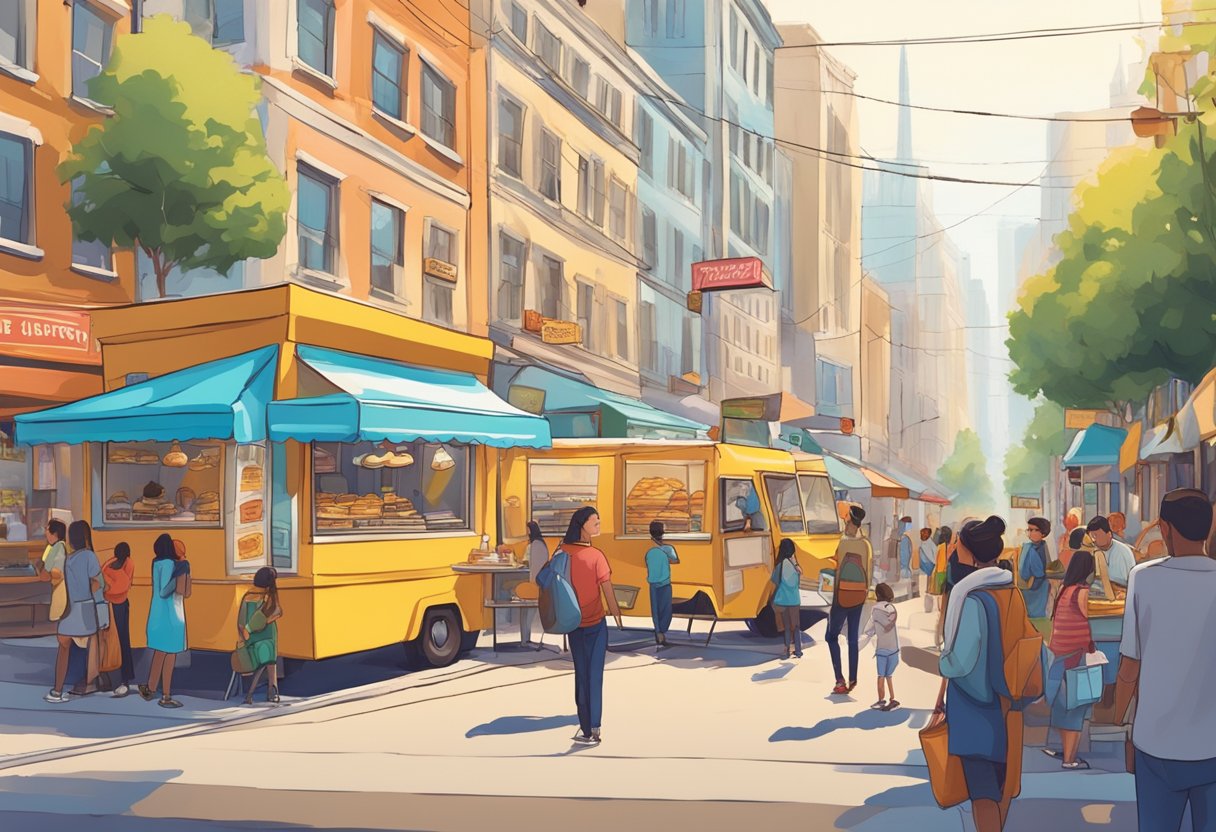
Pancake food trucks and pop-up shops have become a fresh trend in the culinary scene, transforming how people enjoy their breakfast. With the growing popularity of food trucks, many cities are seeing an influx of mobile businesses offering gourmet pancakes and a range of other breakfast delights. This mobility allows vendors to reach different neighborhoods, offering a unique and convenient dining experience.
The rise of pancake trucks and pop-up shops has redefined breakfast culture, making it more accessible and diverse. These mobile kitchens bring innovative flavors and creative presentations directly to customers. From classic buttermilk pancakes to exotic toppings and fillings, there's something to satisfy every palate.
Pop-up shops provide a similar experience but in a temporary and often unexpected location. These short-term establishments allow chefs to experiment with new concepts without the long-term commitment of a permanent restaurant. As a result, food enthusiasts get to experience a variety of culinary delights, often before they become mainstream trends.
Evolution of Mobile Eateries
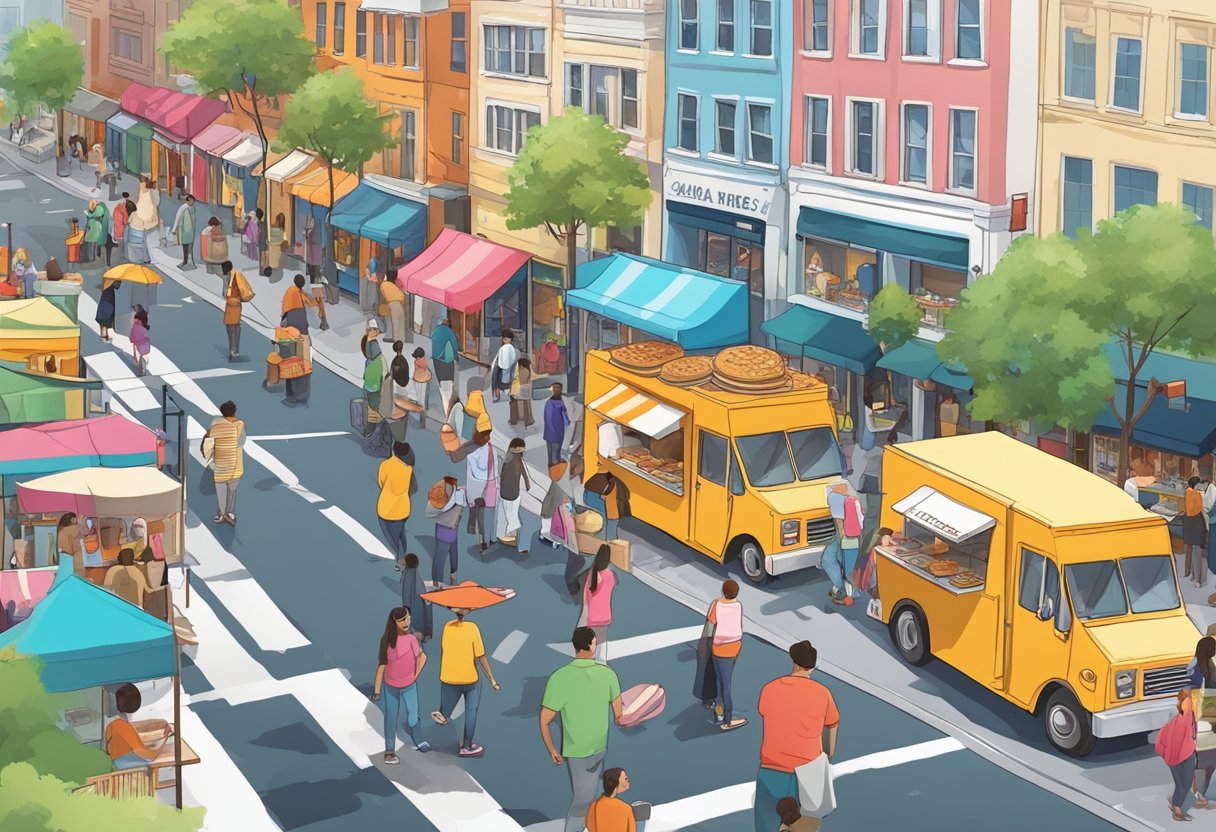
The evolution of mobile eateries has transformed the culinary landscape. From traditional restaurants and fast food outlets to the innovative food trucks and pop-up shops, these changes have enhanced flexibility and exclusivity in dining experiences.
From Traditional Restaurants to Food Trucks
Traditional restaurants have long been the backbone of the food industry, offering a consistent location and menu. Fast food restaurants added convenience with quick service and standardized offerings.
However, food trucks introduced a new level of mobility and diversity. Starting as chuckwagons in the 19th century, they served simple meals to workers. Modern food trucks now offer gourmet options and vibrant culinary experiences.
Food trucks are known for their flexibility. They often change locations, allowing them to reach more customers. They can also adapt their menus to local tastes, creating a unique and dynamic dining experience.
Pop-Up Shops as a Modern Retail Revolution
Pop-up shops have revolutionized retail by creating temporary, exclusive dining experiences. Unlike traditional restaurants or even food trucks, pop-up shops offer a unique selling point: exclusivity. They often appear in unexpected locations and operate for limited times.
This trend allows chefs and restaurateurs to experiment with new menus and concepts without the long-term commitment of a permanent location. Pop-up shops can test new ideas and gather immediate feedback from diners.
The growth of social media has further boosted the popularity of pop-up shops. Announcements of new locations or special events can quickly reach a wide audience, creating buzz and attracting food enthusiasts eager for novel experiences.
Business Model and Strategies
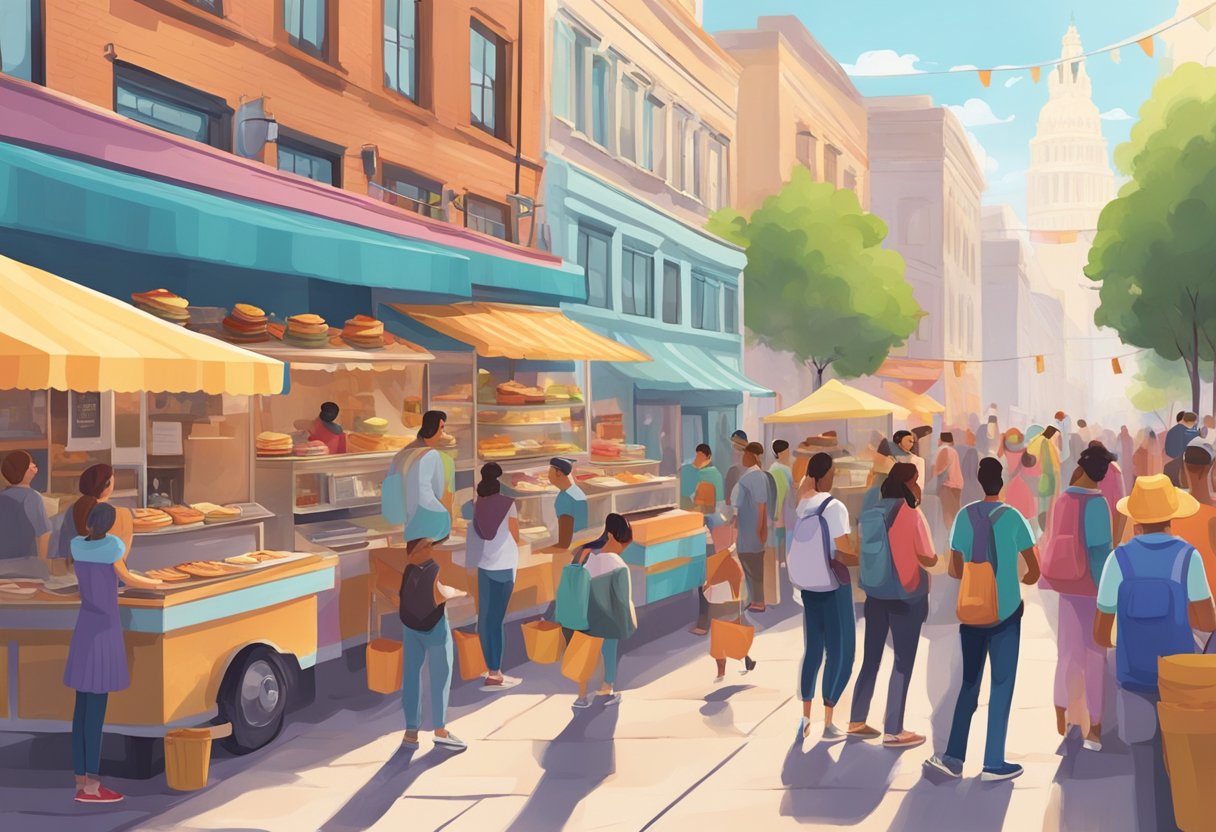
Food trucks and pop-up shops have unique advantages that make them appealing business models. They offer lower overhead costs, greater mobility, and creative branding opportunities.
Operational Advantages of Food Trucks
Food trucks operate from a mobile kitchen, allowing them to move to different locations and reach a diverse customer base. This flexibility can lead to increased revenue, especially during high-traffic events or peak times at various spots.
Operating a food truck involves lower overhead costs compared to a traditional restaurant. There is no need to pay for a full brick-and-mortar space. Additionally, the limited space means fewer staff are required, reducing labor costs.
Mobility also enables food trucks to adapt quickly to customer demand and local events. They can participate in festivals, fairs, and other gatherings, maximizing visibility and sales. With the ability to update the menu regularly, food trucks can experiment with new dishes to keep customers engaged.
Marketing and Branding for Pop-Ups
Pop-up shops leverage their short-term presence to create buzz and urgency. Effective marketing strategies include using social media to announce locations and promotions. Pop-up shops often rely on exclusive, limited-time offers to draw attention.
Brand awareness is crucial for success. Pop-up shops frequently collaborate with influencers and local businesses to build a strong community presence. These partnerships can amplify the reach and credibility of the brand.
Setting up a pop-up requires a clear and appealing brand identity. Eye-catching signage, unique packaging, and memorable customer experiences help create lasting impressions. Using various marketing channels ensures the brand reaches a wide audience and creates excitement around the event.
Menu Innovation and Food Trends
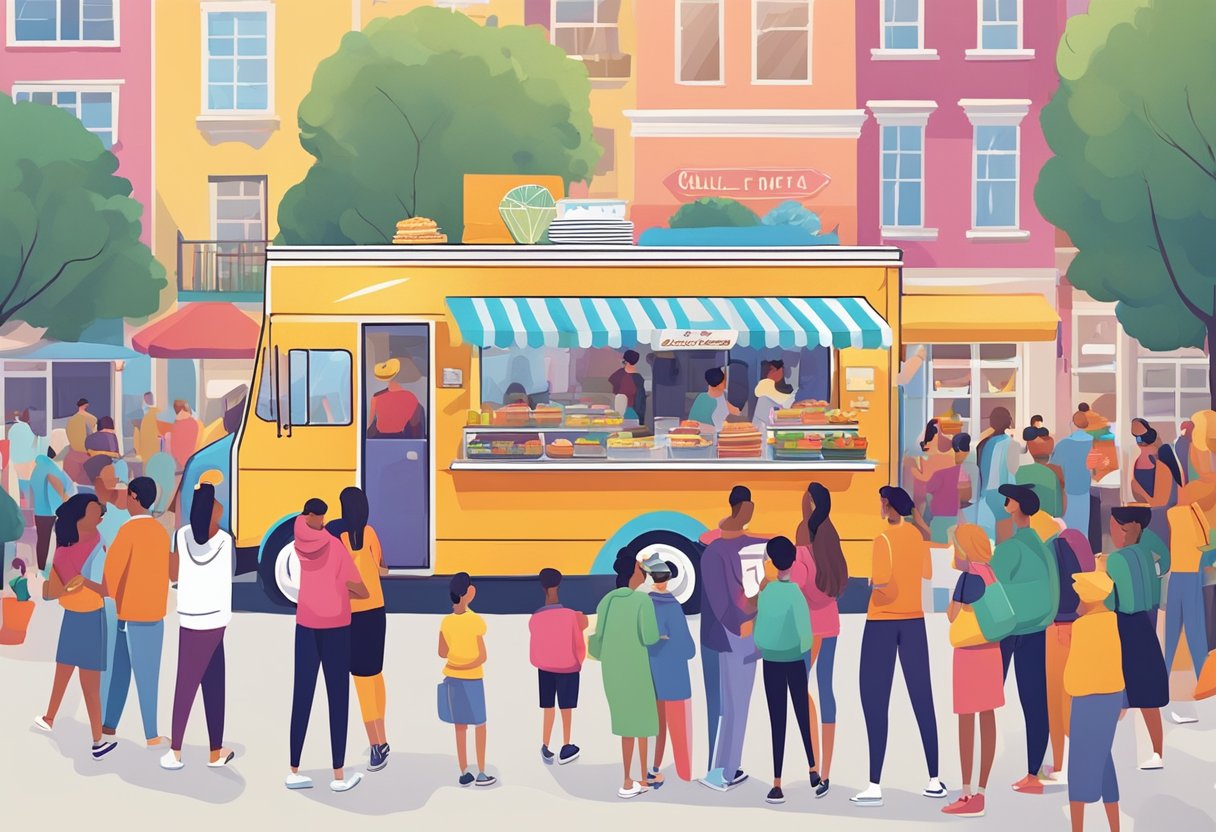
Pancake food trucks and pop-up shops are pushing culinary boundaries. They are introducing unique flavors and catering to various dietary needs.
Spotlight on Pancakes
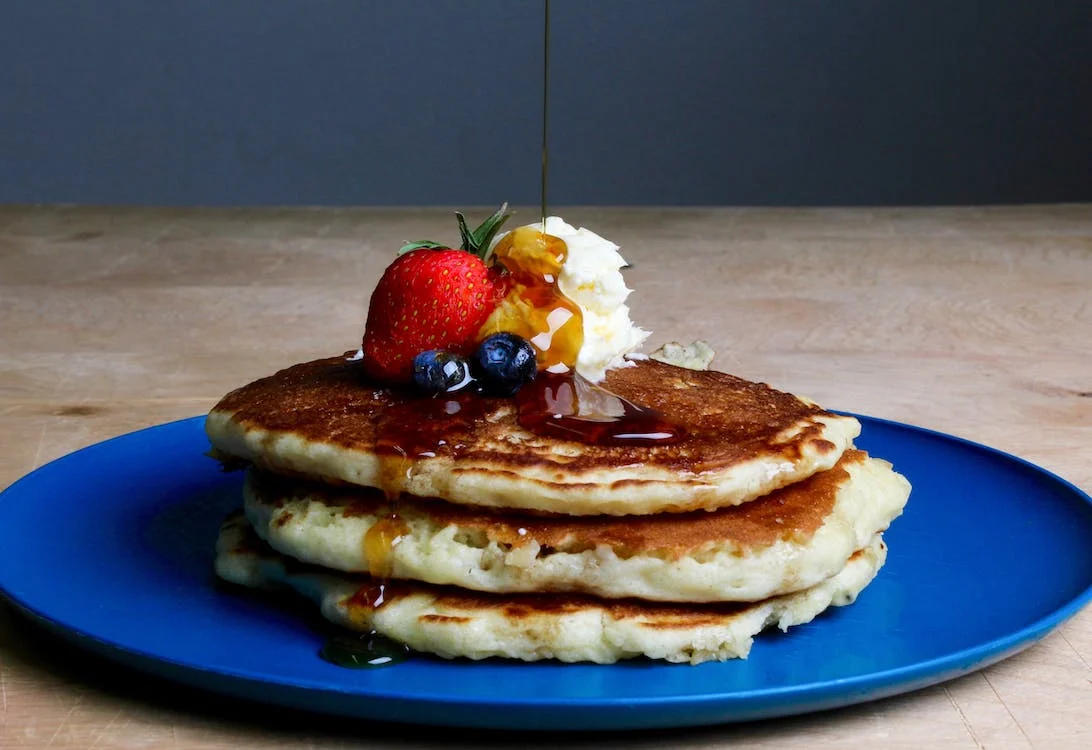
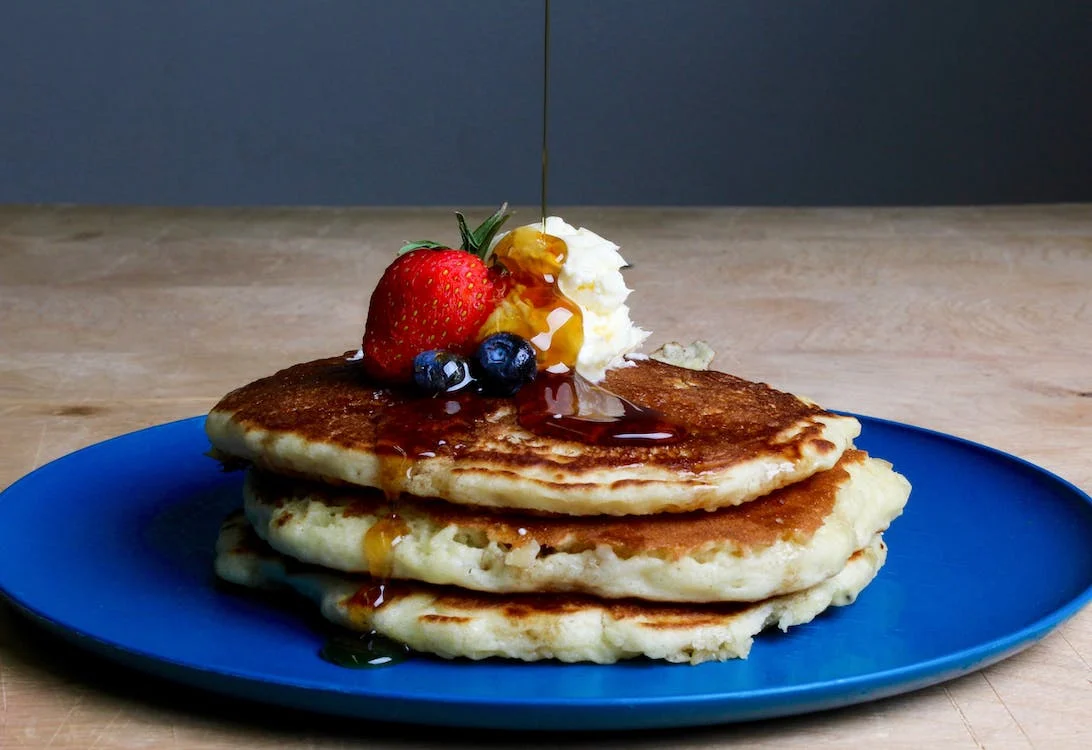
Pancake trucks are not limited to traditional buttermilk pancakes. They experiment with unique ingredients like matcha, pumpkin, and even savory options such as cheese and herbs. Some trucks are offering gourmet toppings like whipped honey butter, citrus mascarpone, and spiced syrups.
Toppings and fillings include:
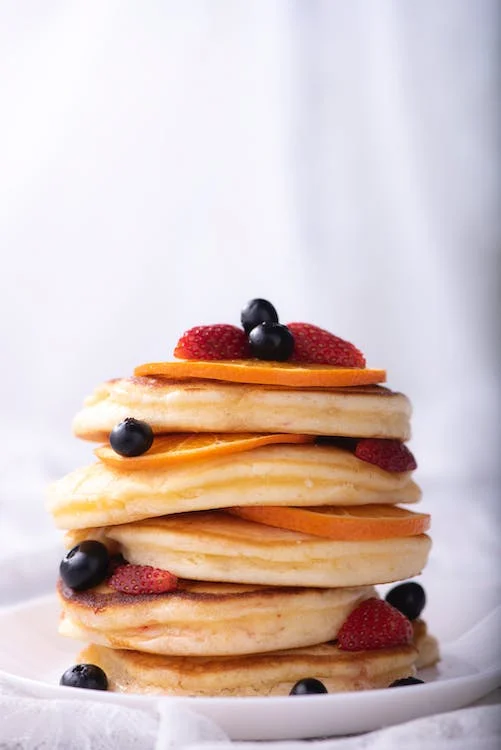
- Fresh Fruit
- Nut Butters
- Artisan Syrups
- Candied Nuts
Innovations also include pancakes made with alternative flours like almond or coconut, which cater to those with dietary restrictions. This allows customers to enjoy gluten-free options without compromising on taste and texture.
Catering to Diverse Tastes
Pancake food trucks are also addressing the growing demand for vegetarian and vegan options. They use substitutes like almond milk or oat milk instead of dairy. Vegan butter and coconut cream are popular alternatives to traditional butter and cream.
Vegan toppings and fillings could include:
- Maple Syrup
- Chia Seed Jam
- Cashew Cream
- Seasonal Fruits
Some trucks even offer high-protein pancakes using plant-based protein powders. This caters to customers looking for healthier choices without sacrificing flavor. This variety helps food trucks attract a broader audience, including those who follow specific diets or prefer healthier options.
Consumer Engagement Tactics
Pancake food trucks and pop-up shops use various tactics to engage with customers effectively. They focus on creating memorable experiences and utilize social media to grow their audience.
Creating Memorable Customer Experiences
Pancake food trucks and pop-up shops aim to leave a lasting impression on customers. Personalization is key. They might offer custom toppings, flavors, or cooking styles based on customer preferences. This makes each visit unique.
They also focus on interactivity. Cooking demonstrations, recipe cards, or even letting customers create their pancakes can enhance the experience. This interactive element keeps customers engaged and excited about their visit.
Environment plays a vital role. These shops often create a warm, inviting atmosphere with appealing decor and friendly staff. A well-designed space encourages customers to stay longer and enjoy the experience more.
Gathering feedback is another important tactic. Asking customers for their opinions on new flavors or services makes them feel valued. This input can help the business improve and shows customers that their thoughts matter.
Utilizing Social Media for Audience Growth
Social media is a powerful tool for pancake food trucks and pop-up shops. They use platforms like Instagram, Facebook, and Twitter to reach and engage a broader audience. Posting high-quality images of their delicious offerings can attract new customers.
They also share customer testimonials and reviews. Positive feedback from happy customers can build trust and attract more people. Engaging with followers by responding to comments and messages helps build a stronger relationship.
They run promotions and giveaways through social media. Contests where customers can win free pancakes or merchandise can boost engagement. Such activities encourage sharing and tagging, expanding the audience. By focusing on these tactics, pancake food trucks and pop-up shops can effectively grow their audience and build lasting customer relationships.
Regulatory Landscape and Zoning
Both food trucks and pop-up shops must navigate complex zoning laws and regulations to operate legally and successfully. The specifics often vary by location and can impact where, when, and how these businesses function.
Zoning Laws Impacting Food Trucks
Food trucks face various zoning laws that restrict where they can operate. Some cities designate specific areas where trucks can park and serve customers. These zones are often chosen to manage traffic and ensure safety. Zoning laws help balance the interests of vendors, local stores, and residents.
Regulations may require food trucks to maintain a certain distance from brick-and-mortar restaurants. This rule aims to protect established businesses from unfair competition. Other common requirements include restrictions on operating hours and proximity to schools or parks.
Local governments may also require food trucks to undergo regular inspections and obtain special permits. These checks ensure trucks meet health and safety standards. Failure to comply with these regulations can result in fines or business closure.
Pop-Up Shops and Regulations
Pop-up shops must comply with various regulatory requirements and zoning laws. These shops usually appear in vacant retail spaces or public areas, and their temporary nature often adds complexity to zoning rules. Zoning districts dictate where pop-up shops can operate, ensuring they align with the intended use of the area.
Permits are often required to set up a pop-up shop. These permits verify the shop's adherence to local health, safety, and building codes. The shop's layout, electrical wiring, and fire safety measures may all undergo inspection before they can open to the public.
Pop-up shops must also consider the zoning laws related to their specific type of merchandise. For instance, selling food or alcohol may involve stricter regulations and additional licenses. Adhering to these rules helps maintain a fair market environment and protects public welfare.
Financial Planning and Investment
Financially planning for a pancake food truck or pop-up shop includes managing costs effectively and deciding where to invest. Entrepreneurs need to understand both the startup and ongoing costs and evaluate the benefits of long-term leases versus short-term pop-up spaces.
Cost Management for Food Trucks
Starting a pancake food truck requires a clear view of startup costs. These often include the price of a truck, kitchen equipment, permits, and initial inventory. Entrepreneurs should also budget for marketing and unexpected expenses.
Ongoing costs like fuel, maintenance, and supplies can be significant. Monitoring these carefully helps keep overhead low. Seasonality can impact revenue, so it's crucial to plan for slow periods. Using financial forecasts can help set realistic sales goals and make informed decisions.
Investing in Pop-Up Retail Spaces
Pop-up shops offer flexibility with short-term leases, often reducing the risk for new businesses. These spaces are prime for testing markets without a long-term commitment. This makes them appealing for entrepreneurs looking to expand their reach without heavy investment.
Location is key for pop-up success, with high foot traffic areas often yielding better results. Established businesses might use these spaces for seasonal promotions or to gauge new products. Balancing the costs of rent, setup, and staff is critical to ensure that the investment pays off. Understanding these elements ensures that both food trucks and pop-up shops maximize their potential and profitability.
The Role of Location and Mobility
Location and mobility play crucial roles in the success of pancake food trucks and pop-up shops, allowing businesses to strategically position themselves for maximum visibility and customer engagement.
Choosing Prime Spots for Food Trucks
Selecting the best location can make or break a food truck business. In cities like New York, Chicago, and Los Angeles, prime spots often include busy areas with high foot traffic. Popular areas include parks, business districts, and event venues.
Visibility is key. Positioned near crowded places, a pancake food truck is more likely to attract customers. For example, placing a truck near sports events or concerts can lead to high sales. Additionally, weekends and lunch hours are crucial times to target.
Mobility allows food trucks to shift locations based on demand. In Texas, food trucks often rotate between festivals and fairs, ensuring they reach diverse audiences. This flexibility helps in capturing peak times and maximizing exposure.
Pop-Up Shops in Urban Retail Spaces
Urban retail spaces provide unique opportunities for pop-up shops. Setting up in places like malls and shopping centers allows pancake makers to tap into the existing customer base. These locations are ideal due to consistent foot traffic and shopping culture.
Pop-up shops benefit from the established infrastructure of retail spaces. Temporary setups are often seen in major retail hubs in cities like New York and Los Angeles. These spaces provide necessary amenities, making it easier to serve customers efficiently.
Engagement with local businesses also boosts visibility. Collaborating with stores enhances credibility and attracts more visitors. In Chicago, for instance, pop-up pancake shops inside malls help draw shoppers looking for a quick, delicious snack.
Expansion and Scalability Prospects
Pancake food trucks and pop-up shops provide unique opportunities for growth. These ventures can expand into traditional brick-and-mortar stores or use pop-up events as a stepping stone for broader brand recognition.
Growing from Food Trucks to Brick-and-Mortar
Many food truck owners see the transition to a brick-and-mortar store as the next logical step. This move offers stability and the ability to serve more customers consistently. Food trucks typically have lower startup costs, making it easier to build a loyal customer base before investing in a physical location.
A brick-and-mortar store allows for more extensive menus and seating, which can attract different customer demographics. Additionally, a permanent location can lead to more predictable revenue. A successful truck can gather vital data on customer preferences that can inform the restaurant's menu and marketing strategies.
Pop-Ups as a Stepping Stone for Brands
Pop-up shops offer flexibility and low-risk opportunities to test new markets. They can create buzz and excitement, attracting media attention and customer interest without the commitment of a long-term lease. Brands can use these temporary setups to gauge market interest, experiment with new menu items, and build brand recognition.
Operating pop-ups in various locations can help businesses identify the best markets for future expansion. They allow interaction with customers and understanding of local preferences. Pop-ups invite collaboration with local events and festivals, providing exposure to potentially untapped audiences.
Case Studies: Success Stories and Challenges
Pancake food trucks and pop-up shops have become increasingly popular, driven by the entrepreneurial spirit and a keen focus on customer preferences. These businesses show significant success, but also face notable challenges in market adaptation and regulatory hurdles.
Pioneering Brands in the Mobile Dining Scene
Several pioneering brands in the pancake food truck industry have made notable impacts. For example, Flipping Out Pancakes, run by experienced restaurateur Garrett, has garnered attention with its creative pancake offerings such as red velvet and s'mores pancakes. Their strategic locations at busy downtown spots and festivals ensure high foot traffic and visibility.
Another success story is Pancake Heaven, which has leveraged social media effectively for their marketing campaigns. By using data-driven approaches, they tailored their menu and promotions to customer feedback, enhancing their market presence and reach.
Adapting to Market Shifts and Customer Feedback
Pancake food truck ventures often face significant challenges such as regulatory compliance and market shifts. They need to adapt quickly to changing tastes and seasonal demands. For instance, Mr. Cypher's food truck pivoted during the pandemic by introducing new menu items like Vietnamese banh mi pancakes, which appealed to a broader audience.
Using customer feedback is crucial. Pancake Paradise regularly collects feedback through online surveys and social media. This insight helps them adjust their offerings and improve customer satisfaction. Being flexible and responsive to customer needs is key for longevity and continued success in the mobile dining industry.
Visual Merchandising and Store Design
Effective visual merchandising and store design can transform pancake food trucks and pop-up shops into unique shopping experiences. They aim to attract customers through appealing design and thoughtful decor, enhancing the overall experience.
Food Truck Design and Layout
Food trucks need a strategic design and layout to optimize space and functionality. Counters should be positioned for easy customer access. Signage is crucial, often placed above the service window to attract attention.
Colors play a significant role. Bright, eye-catching hues can draw in customers and create a lively atmosphere. The design should also allow for efficient workflow, ensuring staff can move and work comfortably.
Menu displays should be clear and concise, ideally placed where customers can quickly scan options as they wait. A well-placed seating area nearby can also improve the overall dining experience.
Innovative Pop-Up Shop Decor
Pop-up shops require innovative decor to stand out in various locations. Themed decorations can enhance the shopping experience, whether it’s rustic, modern, or vintage.
Lighting is essential. Well-placed lights can highlight products, making them more appealing. Temporary walls or partitions can be used for creating different sections within a small space.
Interactive elements like sample stations or photo booths can engage customers more effectively. Custom signage and unique decor elements further contribute to a memorable shopping experience.
Conclusion
Pancake food trucks and pop-up shops are transforming the retail and culinary landscapes. These ventures offer unique experiences. They blend the convenience of food trucks with the innovation of pop-up shops. Future Growth: They are expected to grow as they meet consumer demand for novelty and flexibility. Strategy for Retailers: Retailers can adopt these models to test new products and reach new markets quickly. Marketing Strategy: Creative marketing strategies, such as limited-time offers, help attract customers and create buzz. Beneficial for Landlords: Landlords can benefit by offering short-term leases, creating vibrant community hubs. This dynamic trend shows significant potential for continued success in the evolving market.