
The History of Eggs in Popular Culture: A Timeless Symbol
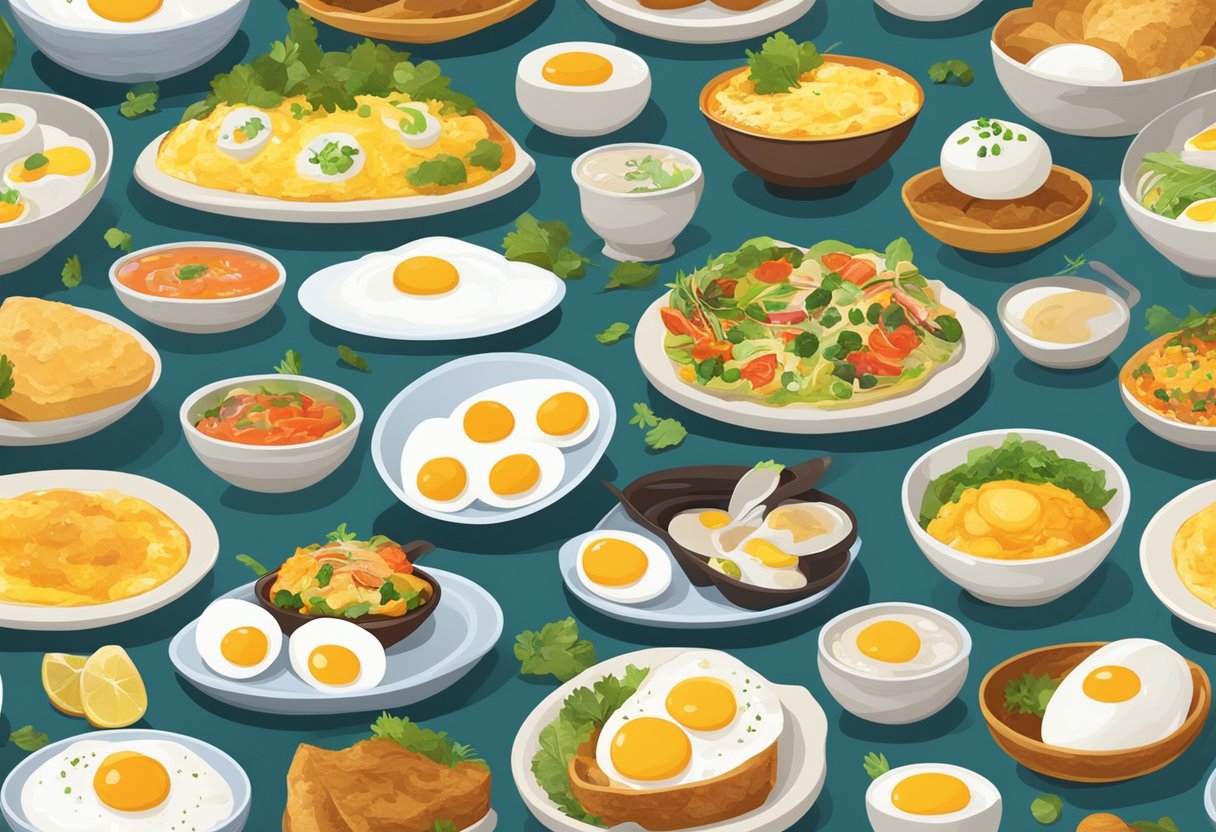
Eggs hold a unique place in popular culture, symbolizing new beginnings and life itself. Throughout history, eggs have been celebrated in various traditions and culinary practices. From ancient times when chickens were first domesticated, to the elaborate egg hunts during Easter, their cultural significance has only grown.
In the Middle Ages, eggs were not just a dietary staple but a central part of medieval feasts and festivals. They provided a vital source of nutrition and were even used in religious rituals, emphasizing their importance in daily life and spiritual practices.
Today, eggs continue to be a versatile food, frequently featured in recipes worldwide. They have maintained their place in popular culture, visible in occasions like Easter, where they are decorated and hidden during egg hunts, embodying a timeless symbol of renewal and festivity.
Eggs in Prehistory and Ancient Civilizations
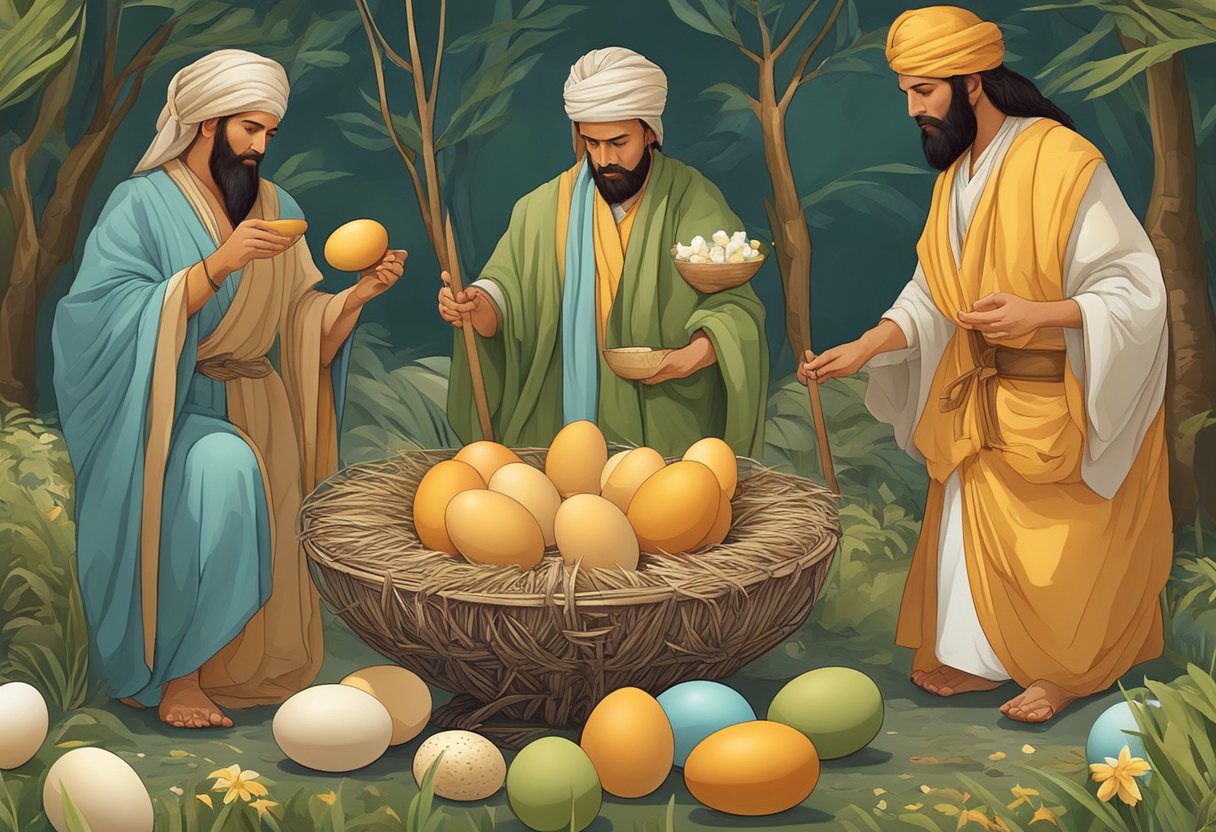
Eggs have been an essential part of human diet and symbolism for thousands of years. They played a significant role in early domestication practices and were embedded in various myths and legends.
Early Domestication and Use
Eggs from wild birds were gathered by prehistoric humans as a valuable food source. The domestication of the red junglefowl in Southeast Asia around 7500 BC marked the earliest use of chicken eggs by humans. Ancient Egyptians and Sumerians also included eggs in their diets.
In these early societies, eggs were not only food but also symbols of fertility and rebirth. Paintings in ancient Egyptian tombs show people collecting eggs from bird nests around 1400 BC. The mass production of chicken eggs in the United States began much later, in 1878, showcasing how important local domestication was during prehistory.
Eggs in Myths and Legends
Eggs have been central to many creation myths and legends across various cultures. In ancient Egypt, the deity Ra was believed to have emerged from a cosmic egg, symbolizing the sun and life itself. Ra's association with the cosmic egg highlights the egg's significance in Egyptian mythology as a symbol of creation and rebirth.
In Greek mythology, the primordial god Phanes was said to have hatched from a world egg, representing the origin of existence. Ancient Romans also valued eggs, incorporating them into their culinary and religious practices, demonstrating their importance in daily life and spiritual beliefs.
These myths illustrate how eggs were more than just food; they were a profound symbol reflecting the mysteries of life's beginning and the universe's creation.
Eggs through the Medieval and Renaissance Periods
During the Middle Ages and the Renaissance, eggs played a crucial role in both daily life and special occasions. Their versatile nature made them a staple in various dishes, influencing both feasting traditions and economic practices.
Eggs in Feasts and Famine
In medieval Europe, eggs were a significant food source, especially during times of feast and famine. Wealthy families often featured elaborate egg dishes in their feasts. Omelettes and poached eggs were popular among the wealthy. During Lent, eggs were prohibited by the Church, leading families to find creative ways to use them before the fasting period.
In times of scarcity, eggs provided needed nutrition for the common folk. Peasants relied on eggs for protein, which was less expensive than other sources. Preservation techniques, like pickling, were used to ensure eggs lasted longer. This practice became essential as fresh food availability varied seasonally.
Egg Trading and Economy
Egg production and trading became pivotal to the economy of medieval Europe. Poultry farming expanded, making eggs more accessible. Chickens were easy to maintain and provided a constant food source. As a result, egg consumption increased among different social classes.
Markets and fairs often featured egg trading. Eggs were even used as a form of currency in some areas, showing their economic importance. Renaissance culinary art further refined egg use, with dishes like custards and quiches showcasing their versatility. This period saw eggs being integrated into both savory and sweet dishes, reflecting their ongoing value in European cuisine.
Evolution of Egg Farming Practices
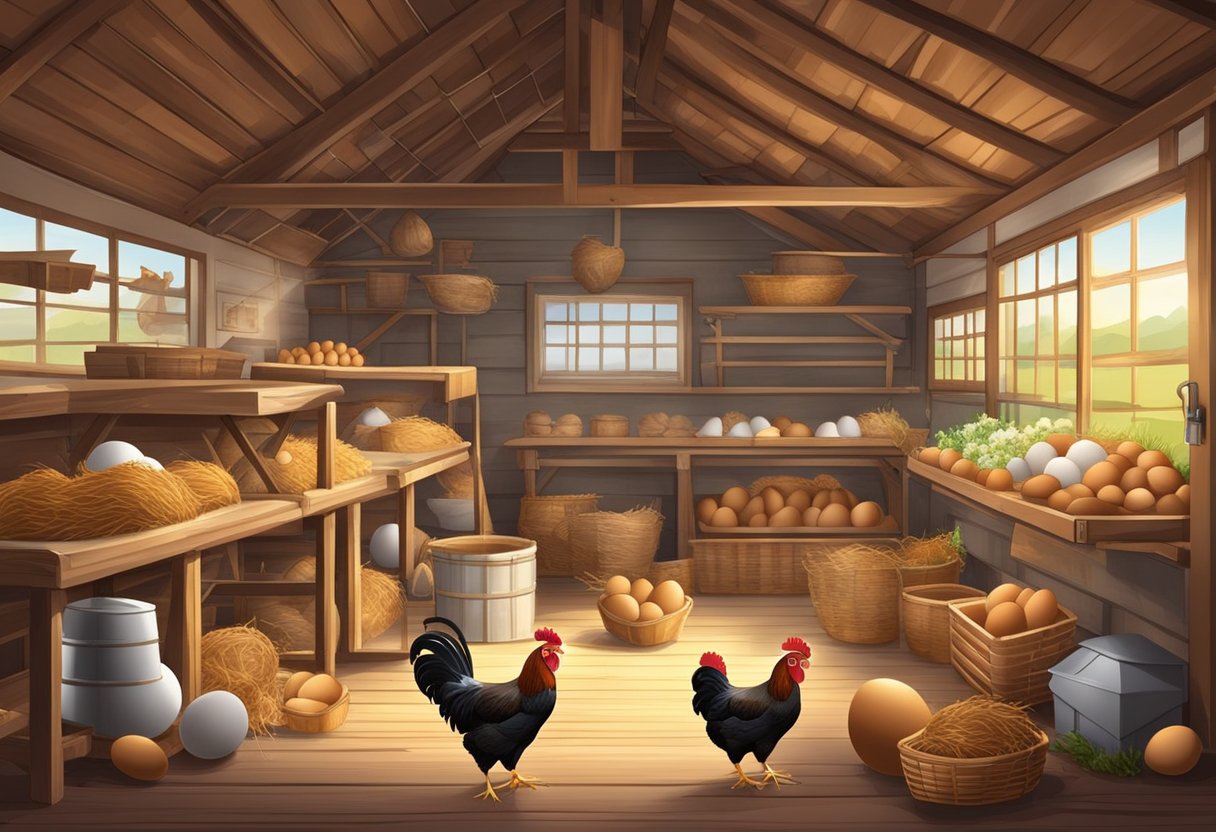
Egg farming has evolved significantly from simple backyard setups to large-scale industrial farms. In recent years, there's been a growing focus on ethical egg production, emphasizing animal welfare and sustainable practices.
From Backyard Hens to Industrial Farms
In the early 1900s, many families kept small numbers of hens in their backyards. These hens roamed freely, providing eggs for the household. By the 1920s and 1930s, some farmers began to increase their flocks, selling surplus eggs at local markets. The hens still had access to outdoor spaces and were not confined.
Mass production of eggs started in 1878 in the United States. With the advent of better technology like artificial incubators in 1876, egg farming became more efficient. By the mid-20th century, industrial farms emerged, housing thousands of hens. These farms aimed to meet the growing demand for eggs, but often at the expense of the animals' living conditions. Hens were kept in cages to maximize space and efficiency.
The Rise of Ethical Egg Production
In response to concerns about animal welfare, many consumers started to demand cage-free, free-range, and organic eggs. Cage-free systems allow hens to move more freely within enclosed barns. Free-range systems provide access to the outdoors, giving hens the ability to roam and forage.
Organic farming practices go a step further, avoiding synthetic pesticides and fertilizers. These farms adhere to strict regulations that promote environmental sustainability and animal welfare.
Efforts to improve egg production practices have led to better living conditions for hens. Farmers are now adopting more humane methods, ensuring that the demand for ethical eggs is met while still maintaining efficiency in production.
Technological Advancements in Egg Production
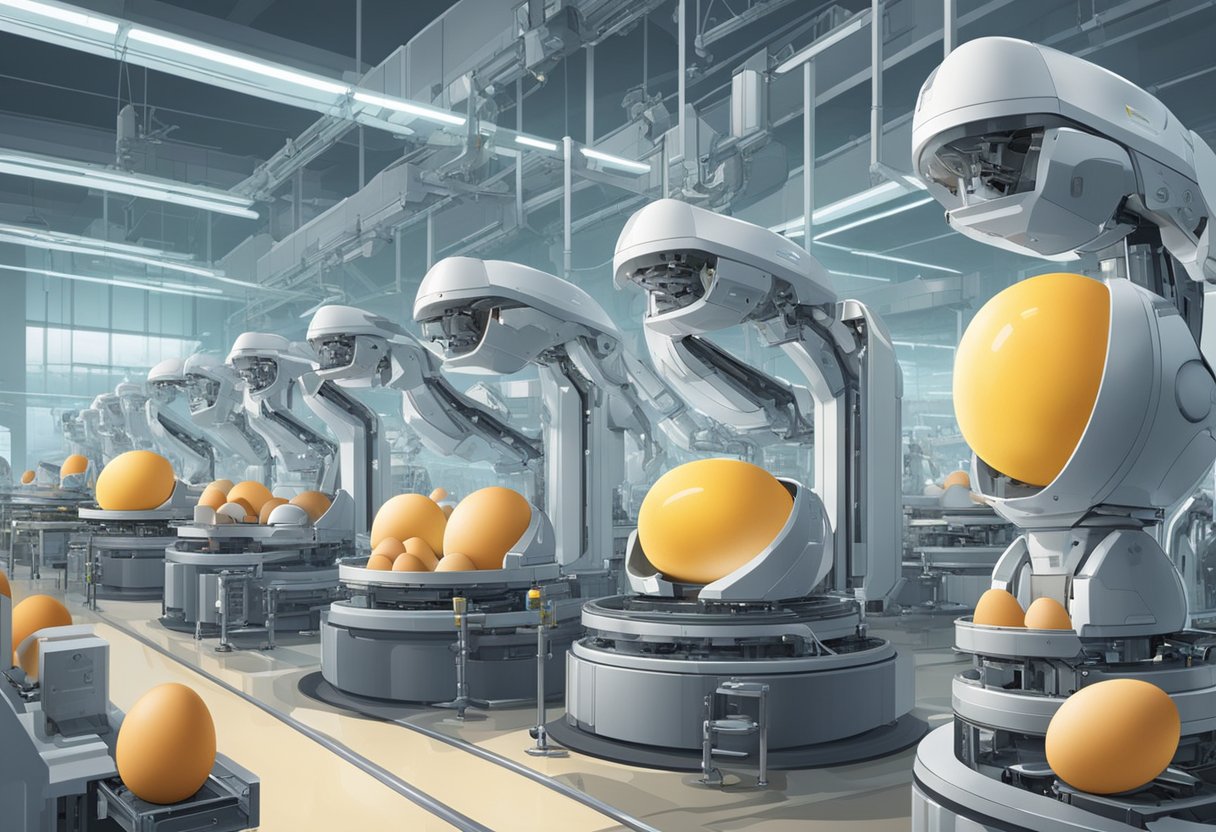
Egg production has seen incredible technological advancements over the years, focusing on sorting, packaging, preservation, and transportation. These innovations have made the process more efficient and reliable.
Innovations in Sorting and Packaging
Modern egg farms use advanced technologies like automatic sorting machines and candling systems.
Candling involves using a bright light to inspect eggs for quality and defects. With the help of automation, this process has become faster and more accurate. These machines can detect cracks, blood spots, and other imperfections.
Grading systems then classify eggs based on size and quality.
The invention of the egg carton by Joseph Coyle in 1911 made transporting eggs safer. Today's high-tech packaging lines can handle thousands of eggs per hour. These systems reduce human error and improve productivity, ensuring that consumers receive fresh, unbroken eggs.
Preservation and Transportation
Refrigeration has been crucial in ensuring the freshness of eggs during transportation.
Cold storage keeps the eggs fresh longer, from farm to grocery store. Logistics chains have also evolved, using specialized trucks and tracking systems to monitor temperatures and conditions.
Further innovations include modified atmosphere packaging (MAP), which controls the gases around the eggs, extending shelf life.
Robotics and advanced monitoring systems have streamlined the transportation process, ensuring eggs maintain their quality and nutritional value until they reach the consumer. This combination of refrigeration and modern logistics has revolutionized how eggs are distributed globally.
Eggs in Global Cuisine
Eggs play a vital role in various culinary traditions worldwide. From breakfast favorites to essential baking ingredients, eggs bring richness, texture, and flavor to countless dishes. Their diverse applications in cooking highlight their versatility and importance in global cuisine.
Traditional Egg Dishes across Cultures
Traditional egg dishes vary widely, reflecting regional ingredients and cooking techniques. In Europe, omelets are a breakfast staple, filled with cheese, vegetables, or meats. France is famous for its delicate quiche, a savory pie made with eggs, cream, and fillings like spinach or bacon.
In the Middle East and North Africa, shakshuka is a popular dish. It features poached eggs in a spicy tomato sauce, often flavored with peppers and onions. Southeast Asia offers dishes like Balut, a fertilized duck egg that is boiled and eaten from the shell, popular in the Philippines and Vietnam.
America celebrates eggs in various forms, with dishes like deviled eggs as party favorites and eggs Benedict, a brunch classic with poached eggs, ham, and hollandaise sauce.
Eggs as an Ingredient in Baking and Cooking
Eggs are indispensable in baking and cooking, serving as binders, leaveners, and enrichers. In baking, they help create the structure and texture of cakes, cookies, and bread. Classic recipes like Yorkshire pudding rely on eggs to achieve their airy texture.
In cooking, eggs are used in sauces like hollandaise and custards, adding richness and stability. They act as emulsifiers in dressings and mayonnaise. The technique of tempering eggs prevents curdling, essential in dishes like carbonara.
Eggs also play a vital role in desserts. Meringues, made from whipped egg whites, are light and airy. Crème brûlée relies on egg yolks for its creamy, smooth texture. These examples show how eggs elevate both savory and sweet dishes around the world.
Eggs and Nutrition
Eggs are a nutrient-dense food, providing a variety of essential nutrients in a relatively low-calorie package. They are a good source of protein, vitamins, and minerals, making them a valuable part of many diets.
Health Benefits and Concerns
Eggs are rich in protein, which is essential for muscle repair and growth. One large egg contains about 6 grams of protein.
They also contain several important vitamins, including Vitamin B12, Vitamin D, and riboflavin. Vitamin D is crucial for bone health, and few foods naturally contain it.
In terms of minerals, eggs provide iron, which helps in the formation of red blood cells. This is particularly vital for maintaining energy levels.
Cholesterol is a significant concern for many. One large egg has about 186 mg of cholesterol, primarily found in the yolk. Current research suggests that moderate egg consumption does not significantly impact cholesterol levels in most people.
Eggs are also relatively low in calories, with one large egg having approximately 70 calories. This makes them suitable for various dietary needs, whether for weight management or maintenance.
When considering their nutritional value, it's clear eggs offer a range of benefits but should be consumed as part of a balanced diet to maximize health advantages.
Note: It's always best to consult a healthcare provider for personalized dietary advice, especially concerning cholesterol and overall heart health.
Eggs in Art and Symbolism
Eggs have long been used in art and symbolism, representing various concepts and ideas. Their presence can be seen in different cultural and historical contexts, making them a significant symbol in various forms of expression.
Eggs as Symbolic Objects
Eggs symbolize new life, fertility, and creation myths across many cultures. In Christianity, the Easter egg represents Jesus Christ's resurrection and new life. In ancient mythology, eggs often symbolize the origins of the universe, such as in Finnish and Hindu creation myths where the world is created from an egg.
Artists also use eggs to convey purity and loss of innocence. White eggshells symbolize purity and are often linked with traditional wedding dresses. In contrast, cracked eggs can depict loss or transformation, representing tainted integrity.
Eggs in popular culture continue to serve as powerful symbols in holidays like Easter, where they embody rebirth and hope. They are decorated and hidden in egg hunts, emphasizing their role in festive celebrations.
Depictions of Eggs in Fine Arts
Eggs appear in many famous paintings and art pieces, emphasizing their importance in fine arts. Artists like Salvador Dalí and Hieronymus Bosch incorporated eggs in their works to illustrate themes of fertility, creation, and even surrealism.
Dalí's painting "The Metamorphosis of Narcissus" uses an egg to symbolize birth and transformation. Similarly, Bosch's "The Garden of Earthly Delights" features eggs as a symbol of the human lifecycle and moral consequences.
Modern artists also explore eggs' cultural significance. For example, Marina Abramović's performance art often uses eggs to address themes of fragility and strength. This continues to highlight the egg’s versatility in communicating complex human experiences through art.
Modern Egg Consumption and Trends
Egg consumption today reflects both nutritional awareness and culinary experimentation. Whether as a staple for protein or a feature in trendy brunch dishes, eggs hold a prominent place in modern diets.
The Role of Eggs in Contemporary Diets
Eggs are a popular protein source, providing important nutrients like iron and riboflavin. In light of health-conscious trends, many people in urban areas such as New York include eggs in their daily meals. Vegetarians often rely on eggs to meet their protein needs without consuming meat.
Nutritionists highlight the benefits of eggs, as they contain essential amino acids. They are versatile and fit into various diet plans, from keto to paleo. Eggs are also appreciated for their affordability and accessibility, making them a common household item.
Eggs in the Foodie Movement
The foodie movement has embraced eggs in both traditional and innovative ways. Eggs Benedict, for instance, has become a brunch staple in cities like New York. Food enthusiasts experiment with egg dishes, creating unique takes such as avocado toast topped with poached eggs.
Restaurants and cafes often feature eggs prominently on their menus, reflecting their popularity among diners. The trend has also sparked interest in locally-sourced and organic eggs, appealing to those seeking high-quality ingredients. The enduring appeal of eggs in modern cuisine is evident in their continuous presence on dining tables and in culinary trends.
Future of Eggs in Culture and Society
In the future, eggs will play a crucial role in sustainable practices and technological advancements in food production. Innovations in alternative proteins and science will reshape how eggs are produced and consumed.
Sustainable Practices and Egg Alternatives
Sustainability is a growing concern. To address this, many are exploring egg alternatives. Plant-based substitutes like chickpea flour or mung bean protein offer similar textures and nutritional benefits. These alternatives reduce the environmental impact of traditional egg production.
Lab-grown eggs are another emerging trend. Scientists are developing methods to produce eggs without hens, which could decrease the footprint of egg farming. This involves bioreactor technology to create egg proteins, aiming to meet the demand with fewer resources.
Regenerative farming also has potential. Farmers are adopting practices that restore ecosystems, improve soil health, and reduce carbon emissions. These methods aim to create a more eco-friendly way to produce traditional eggs.
Eggs in Science and Technology
Technological advancements are transforming how eggs are used in science and industry. Researchers are utilizing egg proteins in medical fields, including drug delivery and regenerative medicine. Eggs contain unique proteins that can be harnessed for therapeutic purposes.
In the tech sphere, genetic engineering is enabling scientists to produce eggs with enhanced nutritional profiles. This includes eggs with higher levels of omega-3 fatty acids or reduced cholesterol. These innovations promise to provide healthier options for consumers.
Automation and data analytics are further shaping the industry. Modern farms are employing smart tech to monitor hen health and optimize egg production. These tools help farmers enhance efficiency and sustainability, ensuring eggs remain a vital part of the global food system.