The History of Breakfast in Advertising Campaigns: Evolution and Impact

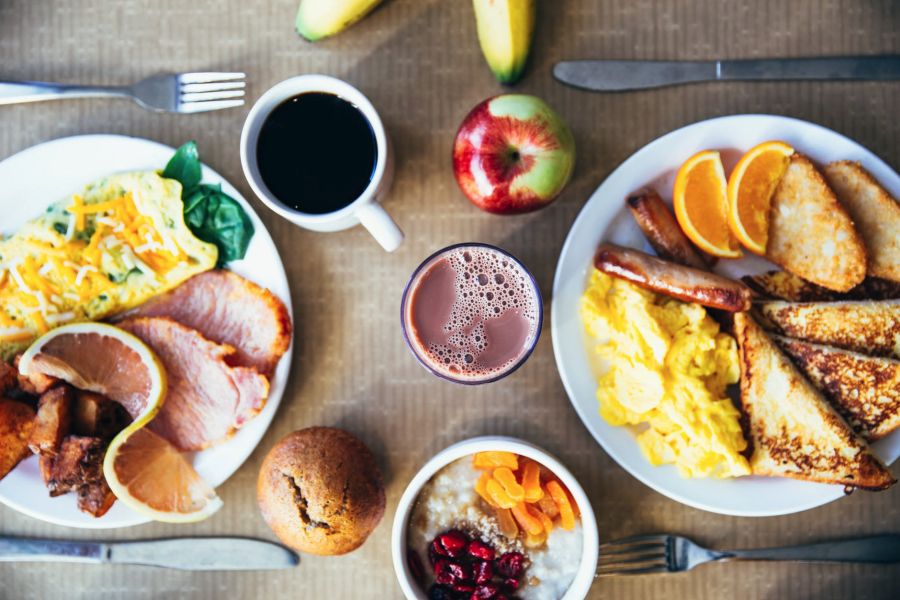
Breakfast as we know it today owes much of its importance to successful advertising campaigns over the past century. The idea that breakfast is the most important meal of the day was largely created by marketing efforts aimed at increasing sales of various breakfast foods. From cereal to bacon, the meals people enjoy each morning have been heavily influenced by these campaigns.
In the 1940s, an ad campaign declared breakfast essential to good health, popularizing cereal. This shift wasn't just about promoting a product; it was about altering public perception. Before this, many people ate light morning meals or even skipped breakfast altogether. The rise of bacon and eggs as a staple breakfast was similarly manufactured, thanks in part to the work of Edward Bernays, a pioneer in public relations.
These advertising efforts have not only shaped eating habits but have also played on the idea of health and well-being. By associating certain foods with health benefits, marketing campaigns have successfully embedded the concept of a hearty breakfast into daily life. They transformed simple, often overlooked foods into "must-haves" for a productive day.
Early Advertising: Health Claims and Moral Virtues
Early advertising campaigns played a crucial role in shaping the breakfast habits of people. Advertisers used health claims and moral virtues to promote breakfast as an essential meal for good nutrition and well-being.
Rise of Health Foods in Marketing
In the late 1800s, health food became a popular focus for advertising. Pioneers like John Harvey Kellogg introduced granula, the precursor to granola, which was marketed for its health benefits.
Granula contained baked and crumbled whole grains, promising to aid in digestion and provide essential nutrients. C.W. Post, inspired by Kellogg, created Postum, a cereal beverage marketed as a healthier alternative to coffee.
Physicians often endorsed these products, adding credibility to the health claims. Ads highlighted the scientific and nutritional benefits, convincing people to change their breakfast habits.
Beech-Nut Packing Company and Edward Bernays
The Beech-Nut Packing Company’s partnership with Edward Bernays, known as the "father of public relations," marked a significant shift in advertising tactics. Bernays, who worked with Beech-Nut in the 1920s, focused on promoting bacon and eggs as the ideal American breakfast.
He used physicians to endorse this meal, claiming it provided the necessary energy and health benefits. Ads emphasized the moral virtues of starting the day with a hearty meal. Bernays' campaign was successful, making bacon and eggs a staple breakfast in American households.
John Harvey Kellogg and Corn Flakes
John Harvey Kellogg, a physician and nutritionist, invented Corn Flakes in the late 19th century. His goal was to create a healthy, ready-to-eat cereal to improve digestion and overall health. Kellogg’s advertisements highlighted the nutritional benefits of Corn Flakes.
Kellogg believed that a simple, bland diet could prevent certain diseases. He promoted Corn Flakes as a wholesome, nutritious breakfast option. The marketing of Corn Flakes reinforced the idea that a healthy breakfast was crucial for physical and moral well-being. This section left a legacy of breakfast advertising that combined health claims and moral undertones.
Breakfast Foods and Their Promotion

Breakfast foods have come a long way, shaped by clever marketing strategies. These campaigns have altered how Americans view their morning meals, emphasizing convenience and health.
Eggs and Bacon: An American Breakfast Staple
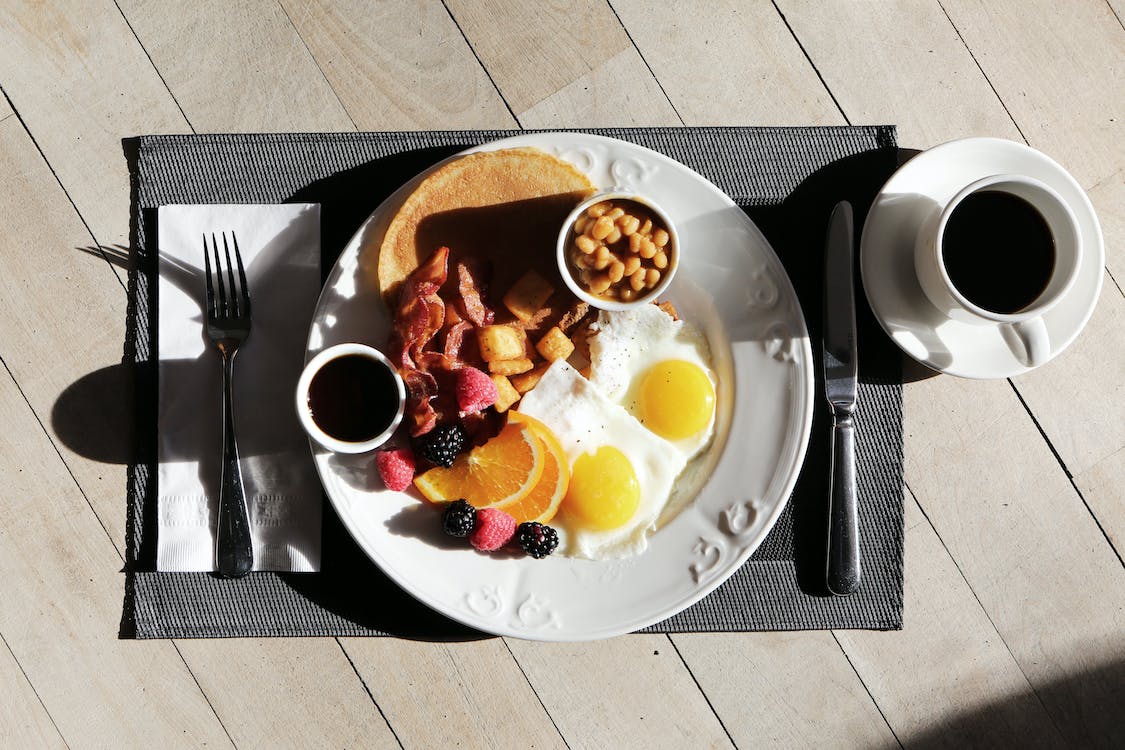
Eggs and bacon became a staple of the American breakfast thanks to savvy marketing tactics. In the 1920s and 1930s, bacon companies saw a dip in sales. To counter this, they launched campaigns that stressed the need for a hearty breakfast, using slogans like "Start your day strong with bacon and eggs."
Doctors were even brought in to support these claims, saying that a protein-rich breakfast was essential for health. This strategy worked wonders, and eggs and bacon became a symbol of a wholesome American breakfast.
Cereal: A Convenient Start to the Day
Cereal's rise to fame began in the late 19th century. Early cereals were marketed as health foods that could improve digestion and overall well-being. One notable campaign was by General Foods in 1944, which popularized the phrase "Breakfast is the most important meal of the day."
They advertised directly to mothers, promoting cereal as a quick and nutritious option for their children. The cereal industry also promoted the convenience of cereal. With busy urban lifestyles, pouring a bowl of cereal was far easier than cooking breakfast from scratch.
Beyond the Bowl: The Evolution of Breakfast Products
Over time, breakfast foods evolved beyond just traditional options like eggs and cereal. Companies introduced a variety of products such as yogurt, breakfast bars, and muffins. Yogurt gained popularity for its health benefits and convenience. Marketing campaigns highlighted its probiotics, positioning it as a healthy choice.
Meanwhile, muffins were marketed both as a tasty and quick breakfast. The rise of on-the-go lifestyles led to the popularity of breakfast bars, combining health and convenience. Another essential element of breakfast became orange juice, advertised as a way to obtain essential vitamins. Coffee, too, was promoted as a must-have morning drink, completing the modern breakfast experience.
Breakfasts Around the World: Cultural Variations in Advertising
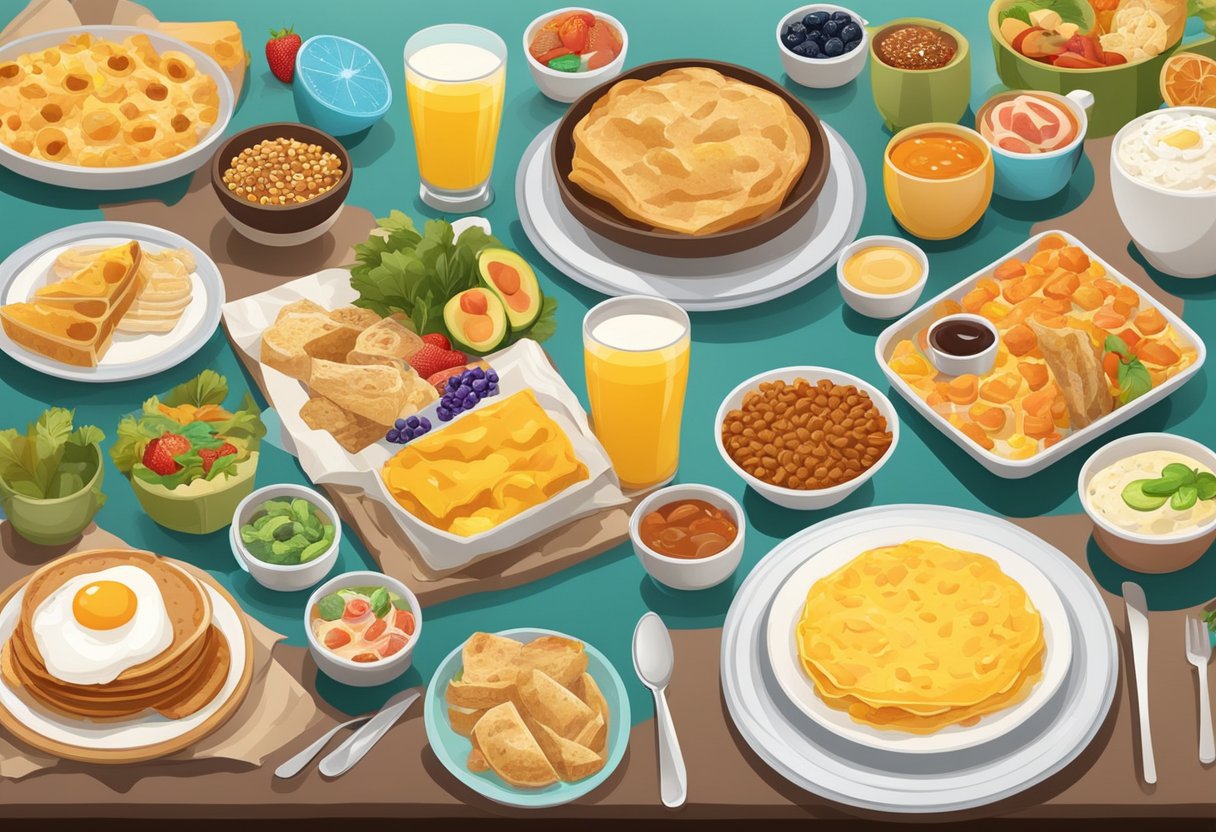
Breakfast advertising around the world highlights different cultural habits and foods. These ads often reflect historical eating patterns and unique regional ingredients.
Historical Breakfast Habits: From Ancient Rome to Medieval Europe
In Ancient Rome, breakfast was called "ientaculum" and often included bread, cheese, and leftovers from the previous day. This simple meal was promoted as a necessary start to the day, emphasizing the importance of nourishment.
Medieval Europe saw a shift with breakfasts incorporating more meat and grains. Advertising from this period, though sparse, focused on hearty foods that provided energy. Porridge and bread were central, often depicted in illuminated manuscripts.
Rice, unlike in Europe, was not a breakfast staple historically. It became significant in later periods in Asia, influencing advertising themes that promoted rice-based dishes as healthy and convenient morning meals.
The Global Influence: Rice, Cake, and Beyond
In Asian countries, rice features prominently in breakfast ads. In Japan, ads often highlight "teishoku" breakfasts with rice, fish, and miso soup. These are portrayed as balanced, traditional meals.
In Scandinavian countries, ads often showcase breakfast with "quark" cheese, emphasizing its protein content. Cakes and pastries are popular in many European adverts, showcasing sweet treats alongside coffee or tea.
Native American breakfast foods are less frequently advertised but are gaining interest. Corn-based dishes and lean meats are sometimes featured, reflecting traditional diets. Overall, breakfast ads illustrate the diversity of morning meals across cultures and how these meals are marketed differently around the world.
Target Audiences and Market Segmentation

Breakfast advertising has often used different strategies to appeal to various target audiences. This has included tailored messages and campaigns focused on children, women and mothers, and working professionals, each with distinct needs and preferences.
Focusing on Children: Mascots and Sweetened Cereals
Cereal companies have long targeted children by creating colorful, engaging mascots like Tony the Tiger and Toucan Sam. These friendly characters captivate young viewers and create a sense of fun around breakfast.
Sweetened cereals are particularly designed to appeal to a child's preference for sugary flavors. Advertisements often emphasize the sweet taste and exciting colors. Additionally, commercials usually air during children’s TV programs, ensuring that the right audience sees them.
Brands also include prizes in cereal boxes, providing an extra incentive for kids. These tactics have proven effective in creating loyal, young customers who favor branded, sugary cereals for their morning meals.
Women and Mothers: The Caretakers' Choice
Mothers and women have traditionally been positioned as the primary breakfast preparers in many households. Advertising campaigns often emphasize nutrition and family well-being to appeal to this demographic.
Brands like Quaker Oats and Kellogg's have marketed their products as healthy and wholesome options. Mothers are portrayed selecting these items because they provide balanced nutrition and energy for their families.
Commercials frequently highlight breakfast foods as simple yet nourishing choices that women can feel good about giving their children. This connection between care and meal preparation aims to build trust and loyalty among women and mothers.
Working Professionals: The Convenience of Quick Breakfast Options
Fast food chains and breakfast product manufacturers have paid special attention to the busy schedules of working professionals. Products like the Egg McMuffin and breakfast bars are promoted for their convenience and time-saving benefits.
Advertisements highlight the ease and speed of these options. For example, fast food breakfast items can be grabbed on the go, fitting perfectly into a hectic morning routine. Marketing often targets working mothers too, showcasing how these quick options help save time while still providing a nutritious start to the day. Convenience and practicality are core messages, underlining the value of these breakfast solutions for busy professionals.
Advertisement Strategies and Public Relations
Breakfast advertising has evolved through clever use of psychology, notable campaigns, and the influence of regulations. Exploring these elements reveals how breakfast has been shaped into what many consider the most important meal of the day.
The Role of Psychology in Breakfast Advertising
Advertisers often use psychology to influence consumers' breakfast choices. They tap into emotions like virtue and guilt to promote certain foods. For instance, consuming a wholesome breakfast may represent a virtuous behavior, whereas skipping it might induce guilt.
Edward Bernays, the "father of public relations" and nephew of Sigmund Freud, played a significant role in using psychological tactics. His campaigns for bacon linked the food to health and strength, making it a breakfast staple.
Understanding human psychology allows marketers to create emotional connections to breakfast foods. Ads suggest that starting the day with specific products leads to better health and productivity. This emotional appeal often results in higher sales.
Campaigns That Changed the Game
Several marketing campaigns have greatly impacted what people eat for breakfast. In 1944, cereal makers coined the phrase "Breakfast is the most important meal of the day" to boost cereal sales, embedding the notion deeply into culture.
Bernays' work with bacon set a precedent for other breakfast foods. His PR campaign suggested that a hearty breakfast including bacon was a healthy choice and induced a sense of strength and vigor.
Orange juice became a morning staple due to another successful campaign. Marketers positioned it as a refreshing and essential part of breakfast, leveraging its perceived health benefits. These campaigns showcase how advertising can transform everyday foods into household essentials.
Regulatory Impact on Breakfast Advertising
Regulations have influenced how breakfast foods are marketed. Guidelines and rules have been put in place to protect consumers from misleading information and unhealthy products. For example, in recent years, the GDPR (General Data Protection Regulation) ensures that advertisers respect consumer data privacy. This regulation has changed the way digital ads target individuals, impacting breakfast food promotions online.
Additionally, growing concerns about obesity have led to stricter rules regarding health claims in advertising. Companies must now provide accurate information about the nutritional content of their products, which influences their marketing strategies.
The Science of Nutrition and Its Impact on Advertising
Advertisers often use nutritional claims to appeal to consumers. These claims can shape how people perceive the health benefits of breakfast foods.
Nutritional Science: Protein, Vitamins, and More
Nutritional science examines components like protein, vitamins, and other essential nutrients. Products rich in protein can help maintain muscle mass and promote a feeling of fullness. Vitamins, such as vitamin C, support the immune system and skin health.
Nutrient content claims are common in breakfast food ads. They highlight ingredients that are important for daily health. For example, cereals often emphasize their vitamin and mineral content. This can make them seem more appealing as a healthy option.
Balancing Taste and Health in Ad Campaigns
Advertising strives to balance taste and health. Ads often show delicious-looking products while mentioning their health benefits. This dual approach can attract a wider audience. Health claims are strategically used to create a positive image of the product without sacrificing its taste appeal.
Advertisers use phrases like "low in fat" or "high in fiber." These health claims can influence consumer choices. They help create the belief that the product is both tasty and nutritious. This balance is crucial in making healthy foods more appealing.
Debunking Myths: Responding to Scientific Criticism
Ads sometimes face scientific criticism for misleading health claims. Many ads exaggerate benefits or downplay unhealthy aspects. Companies must respond to this criticism by adjusting their messages to be more accurate.
For instance, while some ads tout high vitamin C content, they might ignore high sugar levels. To avoid this, advertisers need to present balanced information. Transparency in advertising helps maintain trust and ensures that consumers are well-informed.
By staying informed about nutritional science, advertisers can create campaigns that are both appealing and truthful. This approach not only benefits the consumers but also builds a reputable brand image.
Influence of Technological and Social Changes
Technological and social changes have greatly impacted how breakfast is represented in advertising. From the industrial revolution altering eating habits to the rise of digital marketing and online advertising, each era has left its mark.
The Industrial Revolution and the Alteration of Eating Habits
The Industrial Revolution in the 18th and 19th centuries transformed society, leading to rapid urbanization. People moved to cities for factory jobs, and traditional meal schedules changed. Breakfast evolved from a heavy meal to a quicker, simpler affair since workers had less time in the morning.
Marketing targeted these new lifestyles. Companies like Kellogg's introduced ready-to-eat cereals, making breakfast fast and convenient for urban dwellers. Advertisements shifted focus to highlight the benefits of quick, nutritious breakfasts, reflecting the busy lives of city workers.
Digital Marketing and the Shift to Online Advertising
In the late 20th and early 21st centuries, the internet revolutionized advertising. Companies could reach global audiences, and online advertising became crucial. Social media platforms like Facebook and Instagram became key tools for breakfast brands to engage customers.
Digital marketing allowed for targeted ads, making campaigns more efficient. Brands created interactive content and influencer partnerships to appeal to modern consumers. Online advertising emphasized healthy ingredients and convenience, aligning with contemporary health trends and busy lifestyles.
Case Studies in Breakfast Advertising
This section explores how companies like Postum, Kellogg's, and McDonald's used innovative advertising campaigns to shape breakfast culture.
Postum's Marketing Success with Grape Nuts
In 1944, General Foods launched a campaign for Grape Nuts, a cereal brand under Postum. They focused on promoting Grape Nuts as the key to a strong, energetic start to the day. Advertisements emphasized the cereal's health benefits, such as its high nutritional value.
The campaign featured slogans like "Breakfast is the most important meal of the day." These ads were effective in creating a lasting impression that breakfast, and particularly Grape Nuts, was essential for a productive day.
Dr. John Harvey Kellogg and the Creation of a Health Movement
Dr. John Harvey Kellogg was instrumental in the rise of the health food movement in the late 19th and early 20th centuries. He promoted breakfast cereals as part of a healthier diet. His work at the Battle Creek Sanitarium helped popularize granola and corn flakes.
Kellogg's marketing efforts included health claims that appealed to the growing public interest in nutrition and well-being. By associating his products with a healthy lifestyle, Kellogg successfully turned breakfast cereals into a staple of the American diet.
McDonald's Egg McMuffin: Innovating the Quick Breakfast
McDonald's introduced the Egg McMuffin in 1971. This product was marketed as a convenient and quick breakfast option for people on the go. The Egg McMuffin offered a hearty, tasty, and portable breakfast solution in a fast-food format.
The success of this product came from its clever marketing and the changing lifestyle of Americans who were increasingly seeking quick meals. McDonald's used targeted advertising to highlight how the Egg McMuffin fit into busy, modern schedules, making it a popular choice for a fast and satisfying breakfast.