Pop Culture Pet Peeve: TV Characters Don't Eat Their Breakfast - Why It Bothers Us
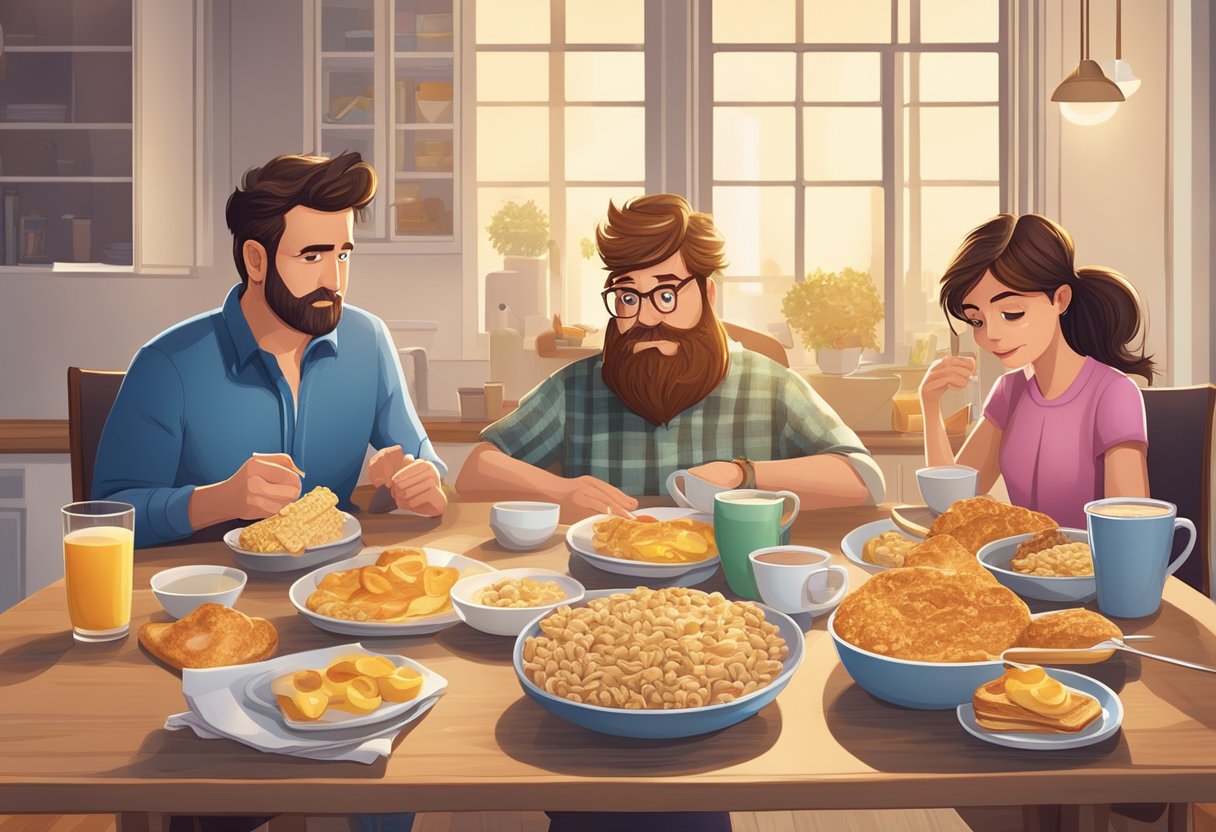
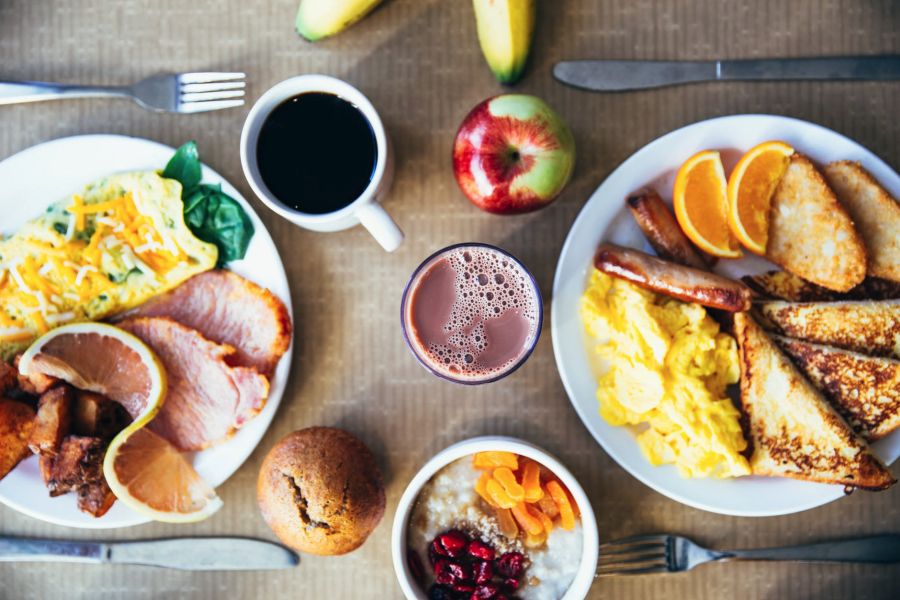
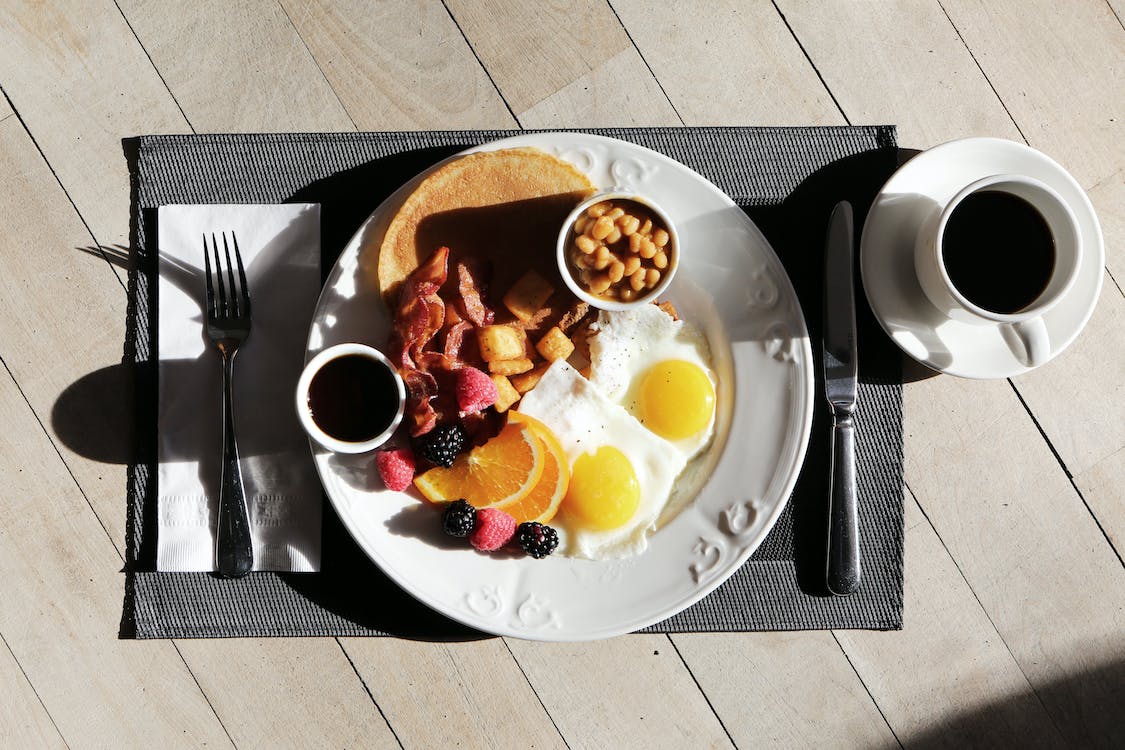
Television often presents characters with a variety of breakfast scenes, showcasing everything from simple eggs and toast to lavish, spread-out feasts. One notable example is the show Breaking Bad, where breakfast is not just a background detail but a part of the narrative. In the pilot episode, the family sits together, fully engaged in their meal of eggs and toast. This level of attention to eating breakfast is rare on TV and adds a sense of realism to the characters' lives.
In contrast, many other TV shows feature characters barely touching their breakfast. In Trophy Wife, for instance, there's a scene where Kate and her friend Meg, both experiencing hangovers, are offered runny eggs by Warren. Rather than eating, this interaction is used for comedic effect, and the plate is removed, suggesting a preference for grabbing something on the way instead of enjoying a prepared meal.
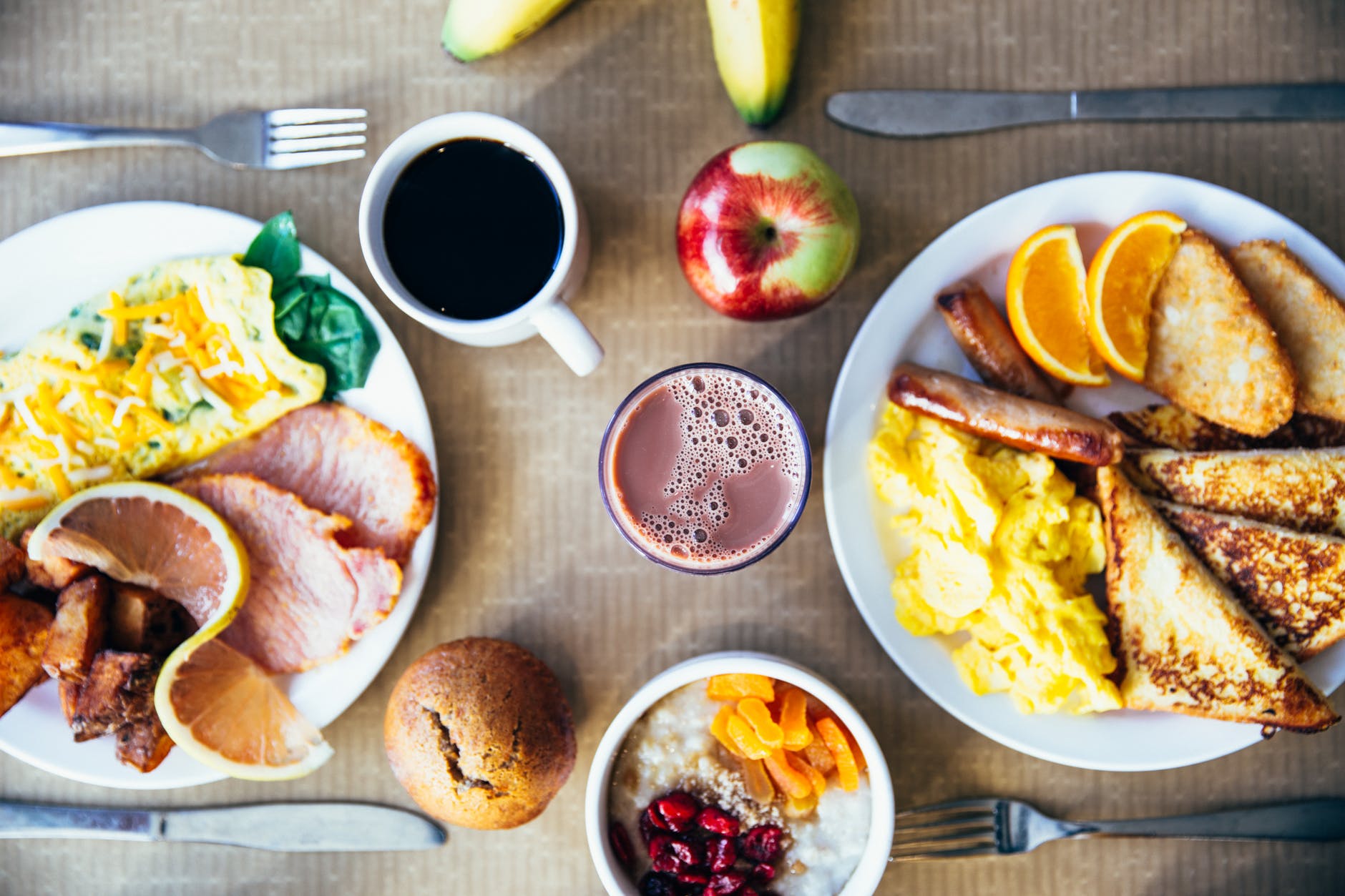
Gossip Girl often portrays grandiose breakfast spreads, especially in the affluent Van Der Woodsen household. These displays, including crepes, yogurt parfaits, and Bloody Mary pitchers, are rarely consumed. The elaborate settings underline the family's wealth but also highlight a lack of engagement with the food prepared. A scene from season 6 exemplifies this, where Serena and her boyfriend Steven sit in front of stacks of pancakes. Rather than enjoying the meal, Steven leaves without taking a bite, emphasizing a disconnect with the prepared food.
Similarly, in Modern Family, Phil's efforts to make a hearty breakfast for his children often go unappreciated. In one episode, he prepares pancakes, eggs, and bacon, but his kids, Luke and Alex, fail to engage with the food. Alex is preoccupied with her studies, while Luke simply ignores his plate, leaving the food untouched. This common trope in TV shows can be frustrating for viewers who appreciate the value of a good breakfast.
Multiple shows use breakfast scenes to show normal family routines, but the meals themselves frequently remain uneaten. This portrayal might be intended to depict the characters' busy lives and priorities. However, it conflicts with the portrayal of meal importance in a family setting, creating a visual dissonance for the audience.
Examples of Breakfasts in TV Shows:
| Show | Scene Description | Characters | Breakfast Items | Engagement with Meal |
|---|---|---|---|---|
| Breaking Bad | Family sits together, eating breakfast | Walter, Skyler, Walt Jr. | Eggs, toast | High |
| Trophy Wife | Characters avoid eating due to hangovers | Kate, Meg, Warren | Runny eggs | None |
| Gossip Girl | Lavish spread barely touched | Serena, Steven | Pancakes, various items | Low |
| Modern Family | Hearty breakfast disregarded | Luke, Alex | Pancakes, eggs, bacon | Low |
Breakfast scenes in TV can serve multiple functions—they show normalcy, create a connection with viewers, and sometimes advance the storyline. Nevertheless, the consistent theme of disregarded meals raises questions about their role and significance. It's clear that while breakfasts can be visually captivating and add a touch of reality, they often fall short of being integrated meaningfully into the characters' lives.
This recurring theme is noticeable across various television genres. In family dramas, breakfast foods are used to signify togetherness and routine but are seldom portrayed as genuinely enjoyed by the characters. In comedies, breakfast meals often serve as props for jokes or character development, rather than nourishment.
The portrayal of breakfast in TV shows paints a picture of modern life where routines are depicted, but the actual consumption of food is overlooked. It might suggest a society where the idea of structured meals is becoming more ceremonial than practical. While it can be argued that skipped meals or uneaten breakfasts reflect the hurried pace of life, for viewers, it occasionally breaks the suspension of disbelief.
For audiences, the repeated depiction of abandoned meals can be disconcerting. It challenges the expectation that prepared food will be eaten and appreciated, especially when characters are shown in environments where food abundance is a given. This portrayal may not reflect the values of all viewers, particularly those who see meals as an essential part of family and daily life.
Breakfast scenes across TV shows often illustrate broader trends and attitudes. They simultaneously highlight familial routines and underscore the rush or distractions of modern life. While some shows, like Breaking Bad, successfully integrate these meals into their storytelling, others frequently leave plates full, rendering these scenes more as visual fillers than meaningful contributions to the narrative.