How Breakfast Has Been Celebrated in Art: A Historical Perspective

Breakfast has long been a source of inspiration for artists, capturing the simplicity and intimacy of this daily ritual. From the detailed paintings of Jean-Etienne Liotard's "The Lavergne Family Breakfast" to the modern-day interactive experiences created by innovators like Zolty of BREAKFAST, the meal symbolizes both routine and community. Artistic representations of breakfast provide a glimpse into different cultures, time periods, and the everyday lives of people.
Historical works like those of Elin Danielson-Gambogi and Edouard Vuillard showcase breakfast scenes from the late 19th and early 20th centuries, depicting moments of domestic life. These pieces often intimate a sense of calm and connection, as families gather around the table. Through these artworks, viewers can understand the universality of breakfast as a cherished tradition across various eras and settings.
In contemporary art, the theme of breakfast has evolved. Artists such as those involved in the BREAKFAST project blend technology and design to create interactive art that engages viewers in new ways. This modern approach not only honors the meal itself but also redefines how we perceive and interact with art. By examining breakfast in art, we can see how this everyday activity transcends mere nourishment, highlighting broader social, cultural, and technological narratives.
Historical Depictions of Breakfast in Art
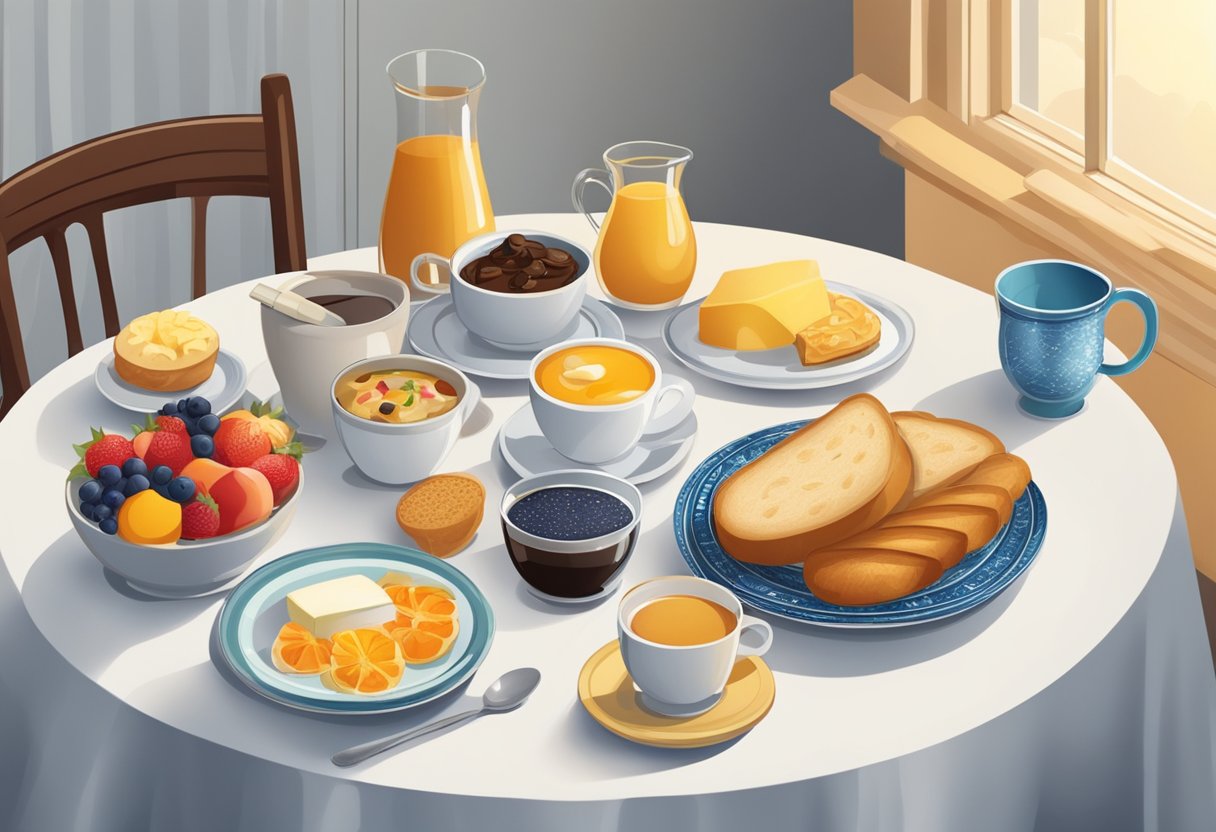
In art history, breakfast has been represented in ways that reflect the cultural and social contexts of the time. This section explores two significant periods where breakfast themes appear prominently: the luxurious elegance of the eighteenth century and the stark realism of the Depression era.
Eighteenth Century Elegance
Artists in the eighteenth century often depicted breakfast scenes to highlight wealth and sophistication. Jean-Etienne Liotard's The Lavergne Family Breakfast (1754) is a prime example. His painting captures a tender moment shared among family members, surrounded by fine china and sumptuous food. The elegant attire and intricate details illustrate the luxurious lifestyle of the period.
Liotard’s work demonstrates the emphasis on family and refinement, contrasting starkly with later depictions of meals. Breakfasts in this era were not just about the food but also about showcasing social status and connections.
Depression Era Realism
During the Depression era, breakfast scenes shifted to reflect the harsh realities of daily life. Artists began to show simpler, more modest meals as symbolic of resilience and hope. These paintings often highlighted the struggle and perseverance of ordinary people facing economic hardship.
The emphasis was less on luxury and more on survival. Breakfast items were often depicted as minimal, underscoring the scarcity experienced during this time. Art from this period focuses on the fortitude required to endure tough conditions, presenting breakfast as a comforting, grounding ritual in times of adversity.
Both these periods illustrate the evolving role of breakfast in art, showing its capacity to convey broader societal narratives through depictions of this simple, yet essential, meal.
Iconic Breakfast Paintings and Their Artists
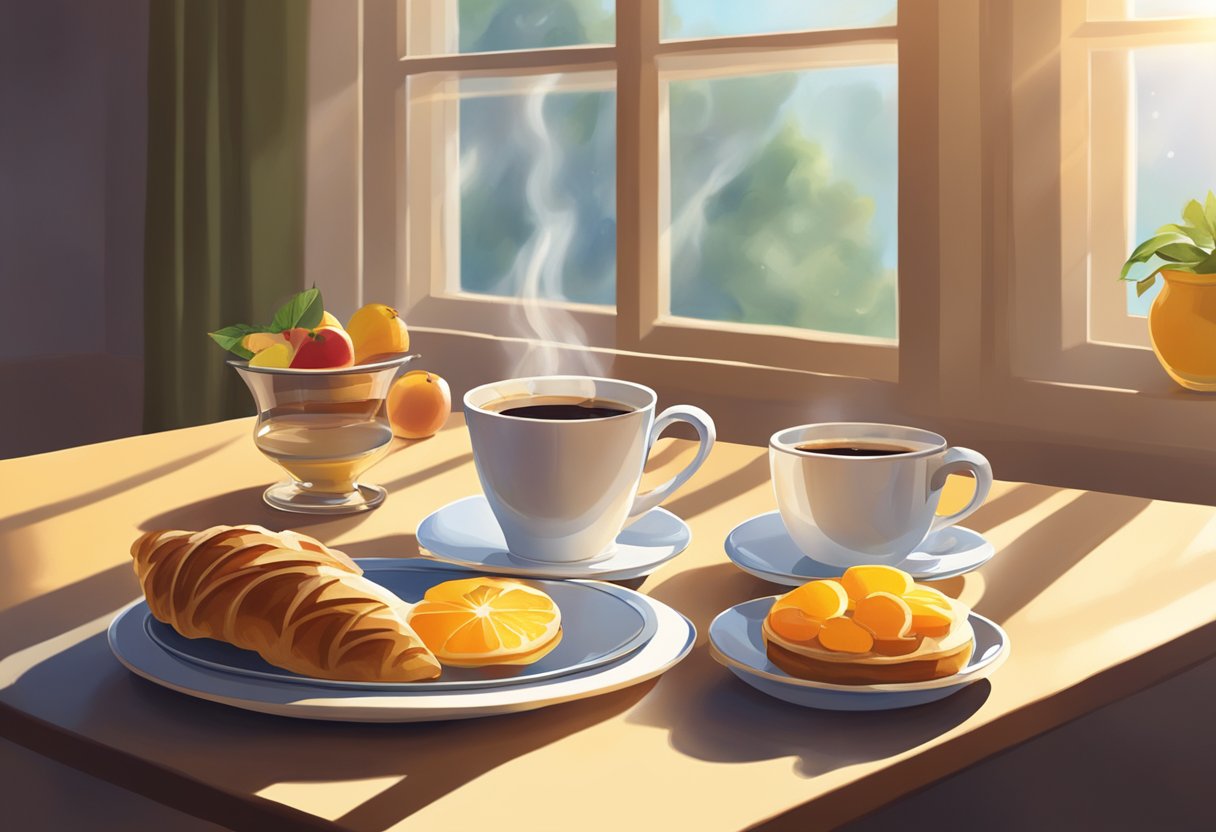
Art has captured the essence of everyday moments, and breakfast scenes are no exception. These works reflect a range of styles and perspectives, showcasing the creativity and cultural significance of the meal through the eyes of different artists.
Jean-Étienne Liotard's Lavish Portrayals
Jean-Étienne Liotard, a Swiss painter from the 18th century, is known for his detailed and vivid breakfast paintings. One of his well-known pieces is "The Lavergne Family Breakfast" from 1754. This portrait captures a family meal with intricate details, from the elegant table setting to the expressions on the family members' faces. Liotard's use of color and texture brings a sense of luxury and realism to the scene, making viewers feel as though they are part of the moment.
Laurits Andersen Ring and Domestic Realism
Laurits Andersen Ring, a Danish artist, is celebrated for his realistic depictions of everyday life. His breakfast paintings often reflect domestic interiors, portraying the quiet, serene moments of the morning meal. Ring's attention to detail and his ability to capture light and shadow add a depth of realism to his work. He often depicted figures engaged in simple, daily routines, bringing a sense of relatability and warmth to his compositions.
Hanna Hirsch's Intimate Perspectives
Swedish artist Hanna Hirsch is renowned for her intimate and personal portrayals of breakfast scenes. Her works often focus on individuals or small groups, capturing the quiet and introspective moments of the morning. Hirsch's use of soft colors and gentle brushstrokes creates a calming and intimate atmosphere. Her portraits often highlight the subtle details of the participants' emotions and the cozy, inviting settings they inhabit. These elements make her breakfast paintings uniquely personal and touching.
These artists, through their different approaches and styles, have all contributed to the rich tapestry of breakfast in art. Their works continue to inspire and captivate viewers, offering a glimpse into the simple yet profound act of sharing a morning meal.
The Art of Breakfast Still Lifes
Breakfast still lifes have long been celebrated in art for their ability to capture everyday scenes with intricate detail and symbolic depth. Artists use these compositions to blend visual appeal with rich meaning, focusing on both the layout of the items and the deeper messages conveyed through common breakfast foods.
Elements of Still-Life Composition
In breakfast still lifes, artists often arrange items like bread, cheese, and fruit on a table to form visually pleasing compositions. Willem Claesz. Heda and Pieter Claesz are among the notable painters who mastered this.
These artworks typically feature both horizontal and vertical elements. Plates, tables, and tablecloths serve as anchors, guiding the viewer's eye. Exquisite vessels, such as glassware and silver pieces, add elegance and complexity.
Just like a photograph, these still lifes might seem spontaneous. Yet, every object is carefully placed to create harmony and balance. Artists often include natural light, highlighting textures and surfaces to add depth and realism.
The Symbolism in Breakfast Food Items
Food items in breakfast still lifes hold significant symbolism. For instance, the overturned roemer (a type of wine glass) and extinguished pipes often represent the fleeting nature of life, a concept known as "vanitas."
Eggs and bread can symbolize nourishment and sustenance. Fruit, like grapes and peaches, might indicate both abundance and the passage of time due to their perishability. Even simple items like nuts or fish can carry deeper meanings, reflecting themes of prosperity or spiritual sustenance.
Through these symbols, the artists remind viewers about themes like transience, mortality, and the beauty of everyday life. Elements like smoldering fuses or half-peeled lemons serve as visual metaphors, emphasizing that life is temporary but can still be relished. The balance between visual appeal and deep meaning makes breakfast still lifes a unique and enduring subject in art history.
Breakfast in Modern Art Forms
Modern art has approached breakfast in various ways, through photography, sculpture, and print, each bringing unique perspectives and techniques to depicting the morning meal.
Photography's Role in Capturing the Morning Meal
Photography has become a powerful tool in modern art for capturing everyday moments like breakfast. Renowned photographers often focus on the details, such as the texture of toast or the sheen on a cup of coffee. Artists like Cindy Sherman have used breakfast settings in their works to explore identity and domestic life.
In social media, food photography has made breakfast a popular subject. Platforms like Instagram showcase countless images of breakfast dishes, turning them into visual art. These photos, styled to perfection, reveal cultural trends and personal narratives.
Breakfast Representations in Sculpture and Print
Sculpture and print have also played significant roles in representing breakfast in modern art. Sculptors such as Claes Oldenburg have turned ordinary breakfast items into giant, whimsical pieces. His oversized sculptures of food bring a playful yet critical perspective on consumer culture.
In print art, breakfast scenes continue to evolve. Artists like Juan Gris, with his collage "Breakfast," have combined everyday materials to represent the morning meal. These works blend different textures and media to create intricate, layered pieces that capture the essence of breakfast. Using these mediums, modern artists depict breakfast not just as a meal but as an expression of culture and personal identity.
Material and Techniques
Artists from various periods have used different materials and techniques to depict breakfast scenes. These choices have influenced the texture, depth, and feel of their work.
The Evolution of Artistic Medium
Canvas: Painters like Pierre Bonnard often used canvas for its durable texture. Oil on canvas allows for rich, layered coloring that captures the realism and warmth of breakfast scenes.
Porcelain and Silverware: Early artists painted breakfast scenes that included fine china and silverware, highlighting the luxurious aspect of dining. These items added a shine and reflective quality to the work.
Wet Pastel: Some modern artists experiment with wet pastel, which provides a softer, more blended effect. It can create a sense of light and motion in breakfast illustrations.
Dimensional Reflections: Artists like Leonardo da Vinci used reflective surfaces in works like "The Last Supper" to add depth. Reflective items on the breakfast table serve the same purpose, enhancing the scene.
Glossy Surfaces: Many 20th-century artists, such as those inspired by Andy Warhol, use glossy surfaces to give a modern feel to their breakfast artwork. Glossiness makes aspects of the painting stand out and look almost photographic.
Thick Applications: Techniques involving thick paint applications create a three-dimensional texture. This can be seen in works where the texture of the breakfast items themselves is emphasized, giving a tactile feel to the painting.
Cultural Significance of Breakfast Scenes
Breakfast scenes in art often highlight cultural routines and social dynamics that provide insights into different societies. These depictions capture the daily rituals and interactions, showcasing unique aspects from various regions and historical periods.
Breakfast Routines Across the West and East
In Western art, breakfast scenes often portray lavish spreads and intricate table settings. For instance, 17th-century Dutch still-life paintings commonly feature detailed arrangements of food and drink. These scenes highlight the importance of the meal as a moment of indulgence and comfort. Artists like Pieter Claesz specialized in capturing these sumptuous displays, emphasizing the wealth and status of the subjects.
In contrast, Eastern representations of breakfast may focus on simplicity and tradition. Japanese ukiyo-e prints, for example, often depict modest meals with rice and miso soup, reflecting cultural values of simplicity and balance. These artistic portrayals emphasize the importance of maintaining harmony and health through breakfast rituals.
The Social Aspect: From Camaraderie to Servitude
Breakfast scenes also reveal the social dynamics within various cultures. In many Western artworks, breakfast can be a social affair, highlighting camaraderie and interaction among family members or friends. Paintings from the Victorian era often show communal breakfasts where conversation and bonding take place, indicating the social importance of sharing meals.
Conversely, some works, like those from William Hogarth, depict servants working in the background, emphasizing social hierarchies. In "Marriage à la Mode," the servant cleans up after the wealthy couple, highlighting class distinctions. This contrast between the leisure of the upper class and the labor of the servants offers a critical view of societal structures and the role of service in daily life.
Representation of Gender and Class
Art often reflects societal norms and values, and depictions of breakfast scenes are no exception. These scenes highlight the roles and expectations of different genders and social classes during the morning meal.
Elegantly Dressed Women and Their Morning Routines
In many artworks, elegantly dressed women are often shown enjoying a serene breakfast. These depictions emphasize grace and sophistication. For example, a woman dressed in fine clothing may be portrayed sipping tea or nibbling on a light pastry, highlighting a leisurely start to her day. Intricate details in her attire and surroundings underscore her status and lifestyle.
Such scenes often convey the idea that women of higher social classes had the luxury of time and comfort. These images might also suggest a domestic ideal, where a calm and beautifully prepared breakfast symbolizes proper home management and refined taste.
Depictions of Family and Relatives at Breakfast
In other artworks, breakfast scenes include not only the women but also their families and relatives. Paintings of the Lavergne family illustrate this well, showcasing interactions between parents and children during the morning meal.
These scenes often feature a little girl being doted upon by parents, reinforcing traditional family roles. The setting might depict a well-appointed dining room with family members gathered around a table filled with food.
These works aim to capture the essence of familial bonds and the importance of shared meals. The presence of different generations, including grandparents or other relatives, reinforces the theme of unity and continuity within the family. Such artworks serve as powerful reminders of the societal values placed on family togetherness and support.
Art Exhibitions Featuring Breakfast Scenes
Breakfast scenes in art have a unique charm, capturing the intimacy and simplicity of early mealtimes. Various exhibitions have highlighted this theme, offering viewers a glimpse into how artists across different eras and regions portray breakfast.
Influential Exhibitions and Prominent Displays
Several exhibitions have placed a spotlight on breakfast scenes. ARTnews highlights an exhibition that showcased paintings from different eras, where breakfast is a central theme. These works explore the cultural importance of the meal and its representation in art history.
Detroit's Fine Arts Breakfast Club offers another significant contribution. They recently featured breakfast scenes in their new exhibition at the Marygrove Conservancy. This exhibit includes works from local artists as well as renowned figures, celebrating breakfast as more than just a meal, but a cultural symbol.
Breakfast Elements in Other Art Forms
Breakfast has been depicted in various art forms beyond just paintings. These depictions in theater and literature provide unique insights into social customs and daily life.
Theatrical and Literary Breakfasts
Breakfast plays a key role in many theatrical and literary works. In literature, breakfast scenes often highlight character relationships and social settings. For example, in Charles Dickens' Great Expectations, various breakfast scenes reveal the complexities between Pip and other characters.
In theater, breakfast can be a setting for pivotal conversations. Tennessee Williams’ A Streetcar Named Desire includes tense breakfast scenes that deepen the narrative's emotional tension. Breakfast in these forms reflects cultural norms, character traits, and plot development, offering rich layers of meaning. Through careful placement and dialogue, these scenes enhance storytelling and engage audiences.