
The Science of Egg Freshness: How to Store and Handle Breakfast Eggs
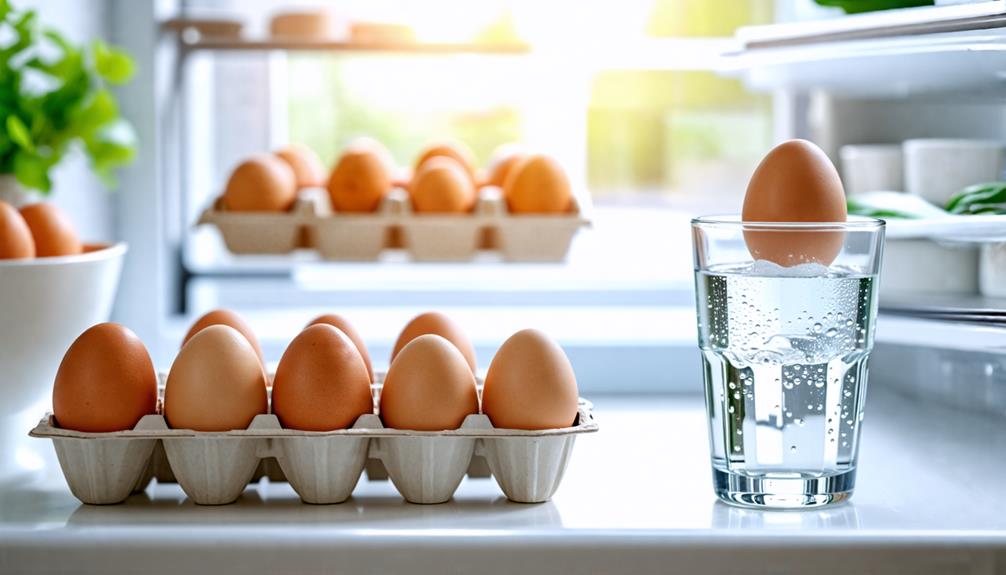
Proper storage and handling of breakfast eggs are essential for taste and safety. Simply placing them in the refrigerator isn't enough. Eggs can absorb fridge odors and may go bad if not stored correctly. Keep them in their original carton and maintain the refrigerator temperature at or below 40°F.
To check for freshness, use the water test. Place the egg in a bowl of water. If it sinks and lies flat on its side, it is fresh. If it stands upright or floats, it's time to discard it. Do not wash eggs before storing them. Washing can remove the protective layer, making them more susceptible to bacteria. By following these guidelines, you can ensure your eggs stay fresh and safe to eat.
Understanding Egg Composition
Understanding egg composition is essential for cooking. An egg has three main parts: the yolk, the thick white (albumen), and the thin watery white. The yolk makes up about 75% of the egg's calories and is rich in proteins and fats. The yolk's color can vary based on the hen's diet, but its nutritional value stays the same.
The thick egg white, or albumen, contains key proteins such as ovalbumin, ovomucin, and ovotransferrin. These proteins are important in cooking, especially for foaming and emulsifying. Cooking temperature significantly affects the egg's texture. At 140°F, eggs have a custard-like consistency. At 180°F, they become firm and bouncy.
Fresh eggs have tightly held whites and centered yolks. As eggs age, they become more alkaline. This change results in looser whites and flatter yolks, which can impact their use in recipes. For dishes that need firm whites and stable yolks, fresh eggs are preferable.
Understanding these elements helps you store and use eggs effectively for the best culinary results.
Egg Sizing and Grading
Understanding egg sizing and grading is essential for choosing the right eggs for your cooking needs. The USDA defines six egg sizes: Jumbo (2.5 oz), Extra Large (2.25 oz), Large (2 oz), Medium (1.75 oz), Small (1.5 oz), and Peewee (1.25 oz). Most recipes call for large eggs, making them the standard choice in the kitchen.
The USDA classifies eggs into three quality grades:
- Grade AA: These eggs have firm whites and centered yolks, ideal for poaching and frying.
- Grade A: Similar to Grade AA but with slightly less firm whites. They are suitable for most uses.
- Grade B: These eggs have thinner whites and flatter yolks, often used in baking or processed products.
About 60% of U.S. eggs are graded under USDA standards, which ensure high quality through mandatory washing and sanitizing. Both brown and white eggs are nutritionally identical. The shell color is determined by the hen's breed.
Freshness Standards
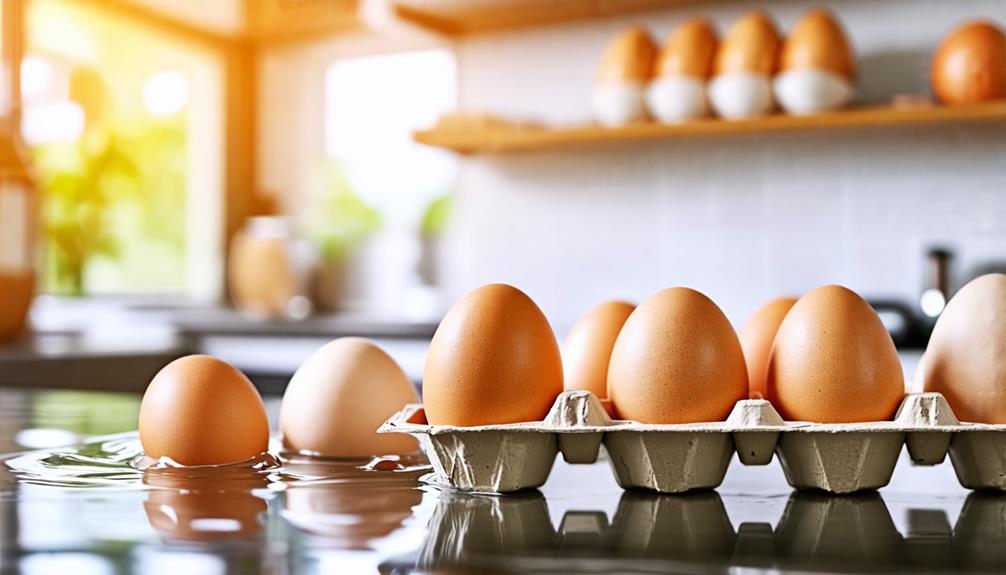
To ensure your eggs are fresh, check for tight whites and centered yolks. Older eggs will have looser whites and flatter yolks. Store your eggs in the refrigerator to extend their shelf life, which can often reach up to 60-70 days. A simple water test can help you determine freshness: fresh eggs lie flat, while older ones stand or float, indicating they should be discarded.
Egg Freshness Indicators
To determine egg freshness, consider these key indicators:
- Water Test: Place the egg in a bowl of water. Fresh eggs lie flat at the bottom, while older eggs stand upright or float due to a larger air cell.
- Appearance of Egg Whites: Fresh egg whites are thick and slightly opaque. Watery and clear whites indicate the egg is losing freshness.
- Odor: A strong sulfur smell signals spoiled eggs. This odor can sometimes be detected through the shell if the egg is very old.
- Yolk Shape: Fresh eggs have bright yellow or orange yolks that hold a rounded shape. Older egg yolks tend to flatten out.
- USDA Grading System: The USDA grades eggs based on quality. Grade AA eggs are the best, with firm whites and high, round yolks.
Optimal Storage Methods
Storing your eggs correctly ensures they stay fresh and safe to eat. To maintain freshness and meet food safety standards, keep your eggs in the coldest part of your refrigerator, ideally at 40°F or below. Avoid placing them in the door, where temperature fluctuations are common. Keeping eggs in their original carton protects them from absorbing odors and reduces the risk of breakage, helping them retain moisture and freshness longer.
Here's a quick guide to ideal egg storage methods:
| Storage Method | Details |
|---|---|
| Refrigeration | Store eggs at 40°F or below, in their original carton. |
| Avoid Door Storage | Place eggs in the main fridge compartment, not in the door. |
| Carton Storage | Keep eggs in their original carton to prevent odor absorption and breakage. |
| Freezing Whole Eggs | Beat yolks and whites together before freezing; use within one year. |
| Freshness Test | Submerge eggs in water; fresh eggs will sink and lie flat on the bottom. |
Shelf Life Duration
Knowing how long your eggs stay fresh is as important as understanding how to store them. Fresh, packaged eggs can last about 3 to 5 weeks beyond their pack date when refrigerated. The USDA advises consuming eggs within 4 to 5 weeks of packaging for the best freshness and quality.
To maximize your eggs' shelf life, store them correctly. Keep them in the coldest part of your refrigerator to maintain their Grade A quality for up to 15 weeks. Eggs can still be safe to eat beyond their sell-by date, as long as they show no signs of spoilage and pass freshness tests.
Here's a quick guide:
- Fresh eggs: Last 3 to 5 weeks beyond the pack date when refrigerated.
- USDA recommendation: Consume within 4 to 5 weeks of packaging.
- Cold storage: Maintains Grade A quality for up to 15 weeks.
- Sell-by date: Eggs are safe if no signs of spoilage.
- Hard-cooked eggs: Consume within 1 week after cooking.
Storage and Handling
Proper storage and handling of eggs are crucial to maintaining their freshness and preventing contamination. Always store eggs in their original carton in the refrigerator at 40°F or below. This helps maintain freshness, protects them from absorbing odors, and prevents breakage. Avoid the introduction of harmful bacteria by not washing eggs before storing them; their natural protective coating keeps bacteria out. Wash them only right before use, if necessary.
Before using an egg, check for cracks or slimy surfaces, as these can indicate spoilage or contamination. For cooked eggs, handle them properly as well. Consume hard-cooked eggs within one week of cooking and refrigerate them promptly. If you have leftover cooked egg dishes, refrigerate them and reheat to 165°F before serving to ensure any harmful bacteria are killed.
To check egg freshness, place the egg in water. Fresh eggs will sink, while older eggs will stand upright or float, indicating it's time to discard them. Following these steps will help keep your eggs safe and delicious.
Labeling and Nutrition

When choosing eggs, terms like "Cage-Free" and "Certified Organic" tell you about hen welfare but not egg quality. Brown and white eggs are nutritionally the same; shell color depends on the hen's breed. Focus on yolk color, which can show a hen's diet. Eggs offer high protein and vital vitamins, so look for these nutritional benefits.
Understanding Egg Labels
Navigating the labels on egg cartons can be confusing, but understanding them is crucial for making informed choices. Egg labels provide insights into how the hens were raised and the quality of the eggs. For example, "Certified Organic" eggs must meet USDA standards. This means the hens are fed organic feed and have some outdoor access. However, terms like "Natural" and "Farm-Fresh" don't guarantee any specific quality or production standard.
Key points to consider:
- "Cage-Free," "Free-Range," and "Free-Roaming" suggest better living conditions but lack strict space and outdoor access requirements.
- "Certified Organic" follows USDA rules, guaranteeing organic feed and some outdoor access.
- Brown and white eggs have no nutritional difference; shell color depends on the breed.
- Yolk color varies with diet; pastured hens produce deeper orange yolks.
- The American Egg Board provides guidelines, but terms like "Natural" and "Farm-Fresh" are not standardized.
Understanding these labels helps you make better choices at the store. Don't be swayed by marketing terms; look for specific certifications and standards to ensure you're getting what you expect.
Egg Welfare Standards
Egg welfare standards significantly affect both the hens' quality of life and the nutritional value of the eggs. Choosing eggs labeled "Cage-Free," "Free-Range," or "Certified Organic" means you are supporting better animal welfare. These labels indicate that hens are raised in more humane conditions, improving their well-being and the quality of your breakfast.
One of the most reliable labels is "Certified Humane." This certification involves third-party audits to ensure superior animal welfare practices. It appeals to consumers who prioritize ethical sourcing and want to make informed choices.
| Label | Animal Welfare Assurance | Nutrition Impact | Ethical Sourcing |
|---|---|---|---|
| Cage-Free | Moderate | Standard | Fair |
| Free-Range | High | Standard | Good |
| Certified Organic | Very High | Standard | Excellent |
| Certified Humane | Superior | Standard | Outstanding |
When shopping for eggs, look for these labels to make ethical and informed choices.
Nutritional Content Overview
Understanding the nutritional content of the eggs you eat is key to making healthier choices. Eggs are packed with nutrients that support overall health. Each large egg contains about 6 grams of protein, essential for muscle repair and growth. They are also rich in vitamins like Vitamin B12 and Vitamin D, important for cognitive function and bone health.
Here's a quick overview of what you get from a large egg:
- Protein: About 6 grams, which helps with muscle repair and growth.
- Calories: Around 70, making eggs a low-calorie, nutrient-dense food.
- Fats: 5 grams, including healthy fats that are good for heart health.
- Vitamins and Minerals: High in Vitamin B12, Vitamin D, and choline.
- Amino Acids: Contains all nine essential amino acids, making eggs a complete protein source.
The nutritional content of eggs can vary based on the hens' diets. For example, pastured or omega-3 enriched eggs have higher levels of beneficial nutrients. By understanding the nutritional profile of your eggs, you can make informed choices that improve your health.
Cooking Techniques
When cooking eggs, mastering the right techniques is crucial. For scrambled eggs, use fresh eggs to ensure a thick, creamy texture. Fresh egg whites should be thick and slightly opaque. For a custard-like texture, cook your eggs at 140°F. If you prefer a firmer texture, cook them at 180°F. These temperatures affect the proteins in eggs, influencing the final texture.
Experimenting with presentation can also improve your egg dishes. Poaching and frying fresh eggs from farmers markets often result in better texture and flavor. Additionally, using cream of tartar can stabilize meringues made with older eggs, which tend to create looser foams due to their increased alkalinity.
Here's a quick reference table for your egg-cooking:
| Technique | Temperature | Result |
|---|---|---|
| Scrambled Eggs | 140°F | Creamy, custard-like |
| Scrambled Eggs | 180°F | Firm, bouncy |
| Meringues | Add cream of tartar | Stabilized foam |
These tips will help you achieve the best results in your egg-cooking endeavors.