The Role of Eggs in Classic Breakfast Dishes Across Cultures
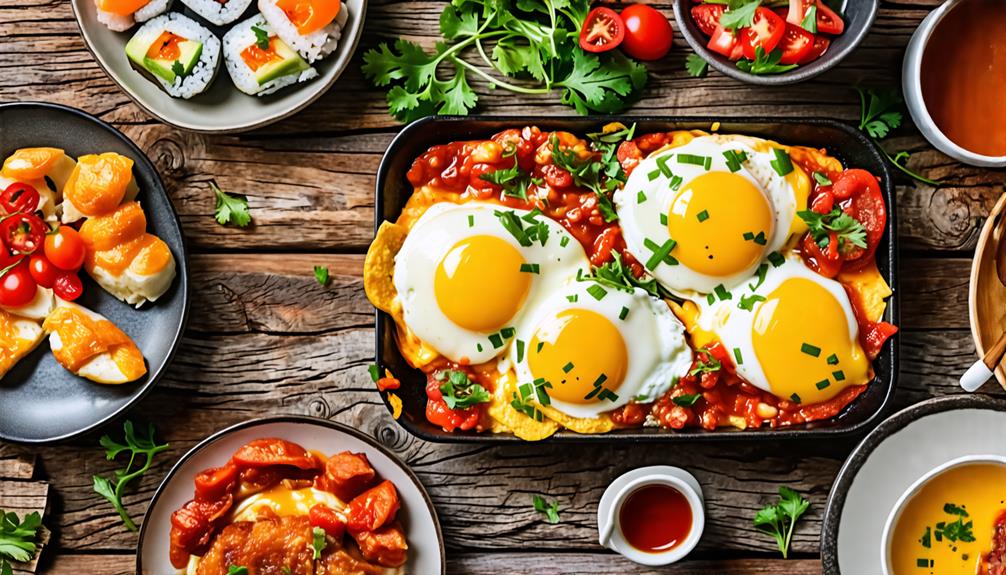
When you think about breakfast, eggs likely come to mind as a staple ingredient in many dishes worldwide. Whether it's a French omelette, an Italian frittata, or a spicy Indian masala omelette, eggs are essential in morning meals everywhere. They are not only versatile but also rich in protein and nutrients, making them a popular choice for a healthy start to the day. Have you ever considered how egg preparation methods differ across cultures and what that reveals about regional culinary traditions? Let's explore how these techniques transform eggs from simple to extraordinary.
- French Omelette: To make a classic French omelette, whisk eggs until smooth. Pour the mixture into a heated, buttered pan. Stir gently and fold when slightly set. The result is a soft, creamy texture.
- Italian Frittata: For an Italian frittata, beat eggs and mix with vegetables, cheese, or meats. Pour the mixture into a pan and cook slowly. Finish by baking in the oven until fully set. This method creates a thick, hearty dish.
- Indian Masala Omelette: To prepare an Indian masala omelette, whisk eggs with chopped onions, tomatoes, and spices. Pour the mixture into a hot, oiled pan. Cook until golden brown on both sides. This gives the omelette a spicy, flavorful twist.
Each method highlights unique regional flavors and techniques, showing how simple ingredients like eggs can be transformed. Try these methods to bring variety to your breakfast table.
Egg Preparation Methods
Eggs are a versatile ingredient, perfect for various breakfast dishes. Whether you prefer scrambled eggs or poached eggs, there's a method to match your taste. Scrambled eggs are a breakfast staple. They're quick to make and highly customizable. You can add cheese, vegetables, or spices for different flavors. To make perfect scrambled eggs, cook them gently to ensure they remain soft and creamy.
Poached eggs offer a delicate texture and a rich, runny yolk. They may seem challenging, but with practice, you can master the technique. Use fresh eggs and create a gentle whirlpool in simmering water before adding the egg. This method results in a beautifully poached egg, great for dishes like eggs Benedict or shakshuka.
These methods show the versatility of eggs in breakfast dishes. Whether scrambling or poaching, experimenting with these techniques can enhance your breakfast and introduce new flavors and textures.
Egg Dishes From Asia
Asian breakfast dishes featuring eggs offer diverse and flavorful options. In Japan, tamagoyaki is a sweet rolled omelette commonly found in bento boxes and enjoyed for breakfast. This dish varies regionally in sweetness and preparation methods, making it a versatile breakfast choice.
In Korea, gyeran jjim is a soft steamed egg custard. It is garnished with sesame seeds and scallions, often served as a side dish during breakfast or as part of a larger meal. Its light texture and delicate flavor make it a soothing start to your day.
India offers the spicy masala omelette, which is loaded with onions, tomatoes, and green chilies. This dish reflects the country's preference for spicy and robust breakfast choices.
Key Dishes:
- Tamagoyaki from Japan: Sweet rolled omelette
- Gyeran jjim from Korea: Soft steamed egg custard
- Masala omelette from India: Spicy, flavorful omelette
In China, congee topped with century eggs showcases the cultural significance of eggs in breakfast dishes. In Thailand, khanom jeen nam ya combines boiled eggs with rice noodles and a spicy fish-based curry, highlighting the versatility of eggs in Asian cuisine.
European Breakfast Eggs
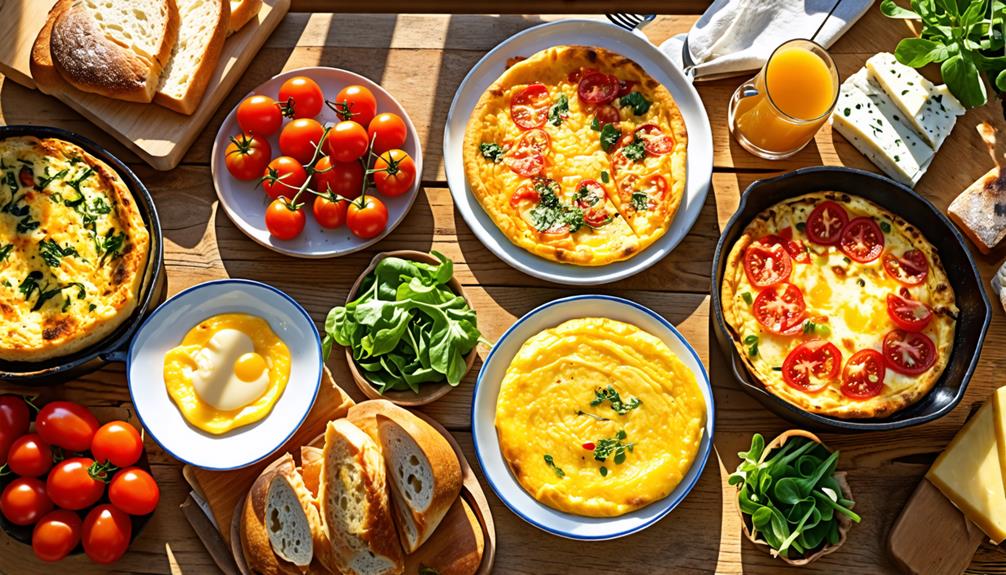
European breakfast tables often feature a variety of egg dishes that highlight the continent's culinary traditions. In the UK, try Eggs Benedict. This dish includes poached eggs on English muffins, topped with ham and hollandaise sauce. It shows the British talent for turning simple ingredients into something special.
In France, eggs are central to dishes like omelettes and quiche. An omelette is versatile and allows for different fillings, while quiche offers a savory pie experience that can be sweetened for dessert. These dishes showcase French skills in blending technique with flavor.
Spain's Tortilla Española is a thick potato omelette with onions. It can be served warm or cold. This dish is often part of tapas culture, which emphasizes communal eating and strong flavors.
Italy offers the frittata, an egg dish filled with vegetables, meats, and cheeses. It is hearty and can be customized to your taste, making it a favorite breakfast option.
In Eastern Europe, breakfast is simple with soft-boiled eggs, buttered bread, and pickled vegetables. These dishes highlight the region's straightforward yet satisfying approach to breakfast.
African Egg Delicacies
Across Africa, eggs are a key ingredient in breakfast dishes that reflect the continent's rich culinary traditions. From Ghana to Morocco, you will find unique and flavorful ways eggs are served to start the day.
In Ghana, boiled eggs are a popular street food, often paired with a spicy pepper mixture. This simple yet flavorful combination highlights the eggs' importance in local cuisine. In Tanzania, you will encounter Chipsi Mayai, an omelette filled with French fries. This dish blends familiar ingredients in creative ways, showcasing East African breakfast offerings.
Highlights:
- Ghana: Boiled eggs with a spicy pepper mixture.
- Tanzania: Chipsi Mayai, an omelette with French fries.
- Ethiopia: Doro Wat with hard-boiled eggs.
Ethiopian cuisine includes Doro Wat, a spicy stew with hard-boiled eggs. This dish shows how eggs are integrated into traditional and festive meals. In South Africa, breakfasts often feature "Braai," where eggs are cooked alongside grilled meats, demonstrating their versatility in hearty meals. In Northern Africa, Moroccan breakfasts may include Msemen, a flaky pancake often served with eggs, illustrating the diverse preparation methods across the continent. Each dish shows how eggs are not just an ingredient but a cornerstone of African breakfast culture.
American Egg Favorites
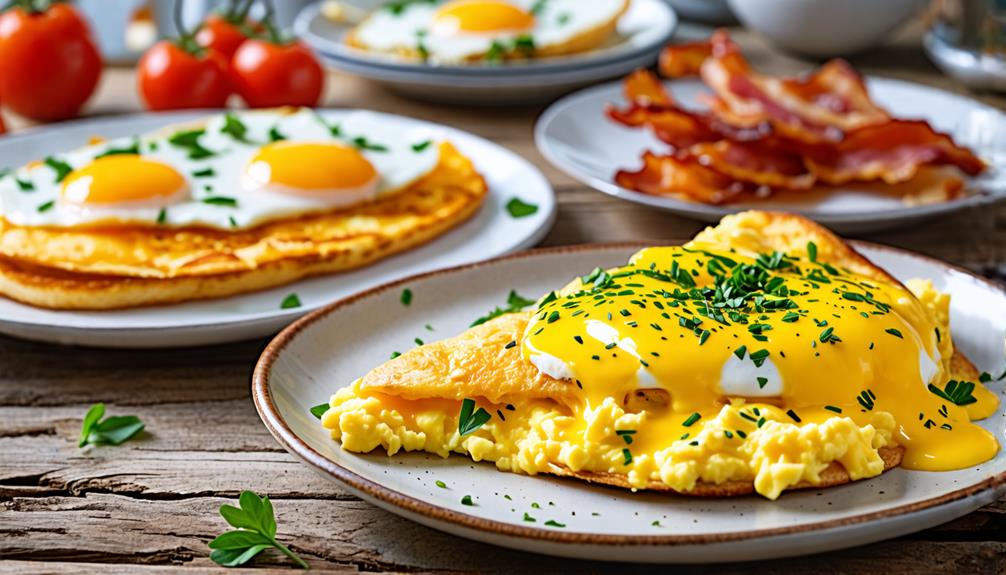
American breakfast favorites showcase the adaptability and popularity of eggs. You'll often find eggs prepared in various forms: scrambled, fried, or made into omelets. Each method highlights the egg's role as a cornerstone of morning meals.
One iconic dish is Eggs Benedict. It features poached eggs, Canadian bacon, and hollandaise sauce on an English muffin. This dish exemplifies the fusion of flavors and textures in American breakfast culture. Fast food chains have also popularized egg dishes. For example, the Egg McMuffin brought the convenience of egg-based breakfasts to the masses.
Breakfast burritos blend American and Mexican culinary influences. They are filled with scrambled eggs, cheese, and assorted toppings, showcasing the egg's adaptability. According to the USDA, the average American consumes about 279 eggs per year, with a significant portion eaten at breakfast. Eggs offer substantial nutritional value, providing protein and vital nutrients. Regardless of whether you're enjoying a classic dish or a fast-food favorite, eggs remain a staple of the American breakfast table.
Middle Eastern Egg Dishes
In Middle Eastern cuisine, eggs are essential, especially in breakfast dishes. They help create meals that showcase the region's rich flavors and spices.
- Shakshuka: Poach eggs in a spicy tomato sauce with cumin and paprika. Serve with bread for dipping.
- Menemen: A Turkish dish with scrambled eggs, tomatoes, and green peppers. It's both colorful and flavorful.
- Fattet Hummus: A Lebanese dish with layers of crispy pita, chickpeas, and tahini, topped with poached or fried eggs and olive oil.
Shakshuka combines poached eggs with a spicy tomato sauce, making it hearty and satisfying. Menemen, popular in Turkey, mixes scrambled eggs with tomatoes and green peppers, making it a breakfast staple.
In Israel, eggs often come with fresh salads and pita, focusing on fresh ingredients. The Lebanese dish Fattet Hummus features crispy pita, chickpeas, and tahini, topped with eggs, showing the region's love for layered dishes. These breakfast meals are often enjoyed in communal settings, highlighting their cultural importance.
Egg-Based Street Foods

Let's explore how eggs are used in street foods around the world. In the Philippines, try kwek kwek, deep-fried quail eggs coated in an orange batter. Tunisia offers brik, a thin pastry filled with egg and other ingredients, then fried. Tanzania's chipsi mayai combines french fries and eggs in a simple, hearty omelet.
Hong Kong features egg waffles, a popular snack with a crispy exterior and soft interior. In India, spicy egg bhurji is a quick stir-fry made with scrambled eggs, onions, tomatoes, and spices. These dishes demonstrate the versatility of eggs in fast, flavorful meals.
Global Egg Delicacies
Egg-based street foods offer a practical glimpse into the culinary traditions of different cultures. These dishes transform a simple ingredient into tasty meals, showcasing unique flavors and textures that make them popular breakfast options and common street foods.
- Kwek kwek: In the Philippines, kwek kwek features quail eggs coated in orange batter and deep-fried. They are typically served on a stick with a tangy vinegar-based dipping sauce.
- Brik: In Tunisia, brik is a savory pastry that combines a whole egg, tuna, and herbs, deep-fried to perfection. Its crispy exterior contrasts with the soft, runny interior.
- Egg hoppers: Sri Lanka offers egg hoppers, bowl-shaped rice flour pancakes with a fried egg in the center. They are often served with sambol or curry for added flavor.
In Tanzania, chipsi mayai merges an omelette with French fries, creating a filling breakfast dish often accompanied by a spicy tomato salad called kachumbari. Hong Kong's gai daan jai, or egg waffles, is a popular street snack with a crispy exterior and soft, fluffy interior, enjoyed as a sweet treat or dessert. Each of these dishes highlights the versatility and global appeal of eggs in street food.
Unique Street Preparations
Exploring street markets worldwide, you'll find a variety of interesting egg-based dishes, each reflecting the local culture. These dishes show how versatile eggs can be, making your meal an enjoyable experience.
In Tanzania, try Chipsi Mayai. This dish combines omelettes with French fries and often includes a spicy tomato salad called kachumbari. It's a filling option for any meal. In the Philippines, look for kwek kwek. Quail eggs are battered, deep-fried, and served on sticks, making them perfect for a quick snack. Tunisia offers Brik. This dish wraps a whole egg and tuna in thin dough, then deep-fries it to a crispy finish. In Hong Kong, gai daan jai, or egg waffles, are made from a sweet batter cooked in a special mold, resulting in a crispy outside and chewy inside. In India, street vendors serve Egg Bhurji. This dish is spicy scrambled eggs mixed with onions, tomatoes, and spices, usually enjoyed with bread or parathas.
| Country | Dish |
|---|---|
| Tanzania | Chipsi Mayai |
| Philippines | Kwek kwek |
| Tunisia | Brik |
| Hong Kong | Gai daan jai |
| India | Egg Bhurji |
These egg-based street foods are essential stops on any global food journey.
Sweet Egg Treats
Sweet egg treats showcase the versatility of eggs in desserts. From flaky pastries to creamy custards, eggs excel in both sweet and savory dishes. Egg yolks, in particular, are key in many popular desserts. For example, Portugal's Pastéis de nata features a rich egg custard inside a flaky pastry shell. Baked until golden and blistered, these tarts highlight the magic of egg yolks.
Consider these delightful examples:
- Pastéis de nata: Flaky pastry filled with rich egg custard, baked to perfection.
- Flan and Crème Brûlée: Creamy, rich desserts that rely on eggs for texture and flavor.
- Sponge cakes: Light and airy, thanks to whipped egg whites.
In Korea, Gyeran jjim is a steamed egg custard that balances savory and sweet flavors. It is often garnished with sesame seeds and scallions. Spanish flan and French crème brûlée show how eggs create luscious, creamy textures essential to these desserts. Globally, eggs are crucial in making ice creams and custards, proving their versatility in sweet treats enjoyed year-round.
Nutritional Benefits of Eggs
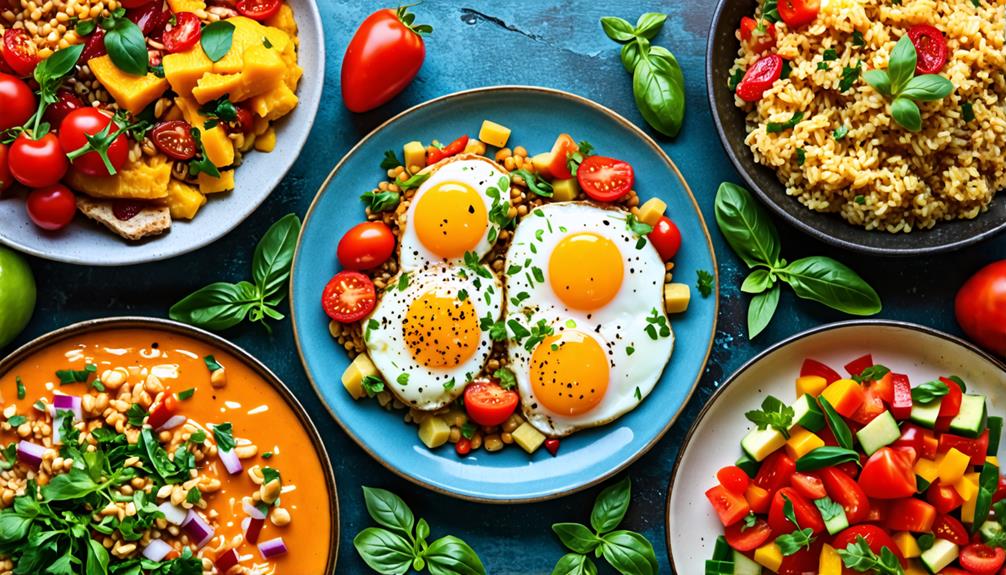
Among many breakfast choices, adding eggs to your morning meal can boost your nutritional intake. Each egg contains about 6 grams of high-quality protein and all nine essential amino acids that your body needs. Starting your day with a whole egg provides not just protein but also important nutrients.
Whole eggs are rich in vitamins B12 and D, biotin, choline, and omega-3 fatty acids. These nutrients support overall health and energy. With around 70 calories each, eggs are a low-calorie and satisfying option that can aid weight management. Studies show that eating eggs for breakfast may help you lose up to 65% more weight compared to eating high-carbohydrate foods like bagels.
Regularly eating eggs can also raise HDL (good) cholesterol levels without negatively impacting LDL (bad) cholesterol in about 70% of people, making eggs a heart-healthy choice. So, consider starting your day with eggs for significant health benefits.
Cultural Significance of Eggs
Eggs are not just nutritious; they hold cultural significance as well. They symbolize nourishment and are often featured in communal meals and family breakfasts, highlighting their role in social gatherings.
Here are some ways eggs are significant in different cultures:
- Regional Dishes: Middle Eastern shakshuka and Mexican huevos rancheros use eggs as central ingredients, showcasing local flavors and cooking techniques.
- Cultural Celebrations: Easter egg hunts in Christian communities and century eggs in Chinese festivities highlight the symbolic importance of eggs in special occasions.
- Cultural Identity: In Ghana, the fondness for eggs shows how food connects with cultural identity and social interactions.
Eggs' versatility makes them a staple in traditional breakfasts worldwide. They are not just food but a means for communal bonding. Whether for a family breakfast or a festive celebration, eggs play a crucial role.