
The Role of Breakfast in Classic Westerns: An Essential Morning Ritual
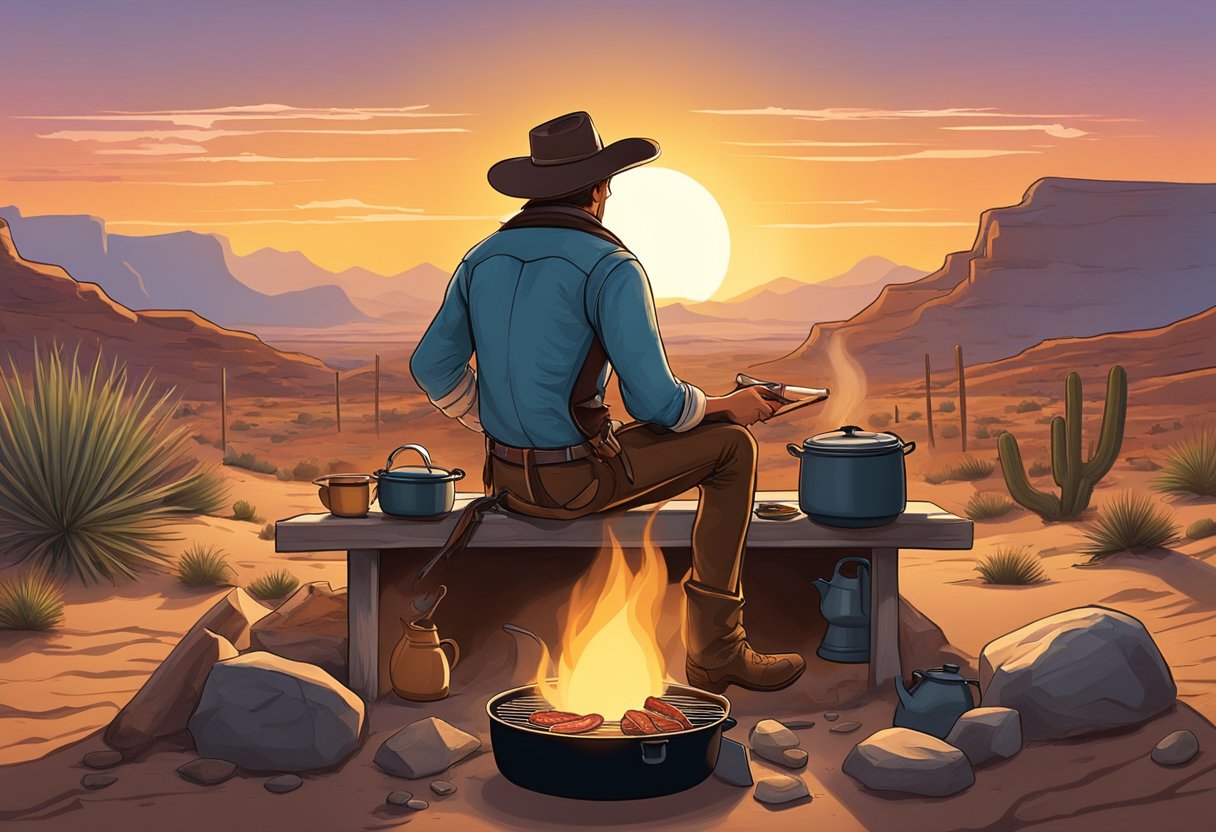
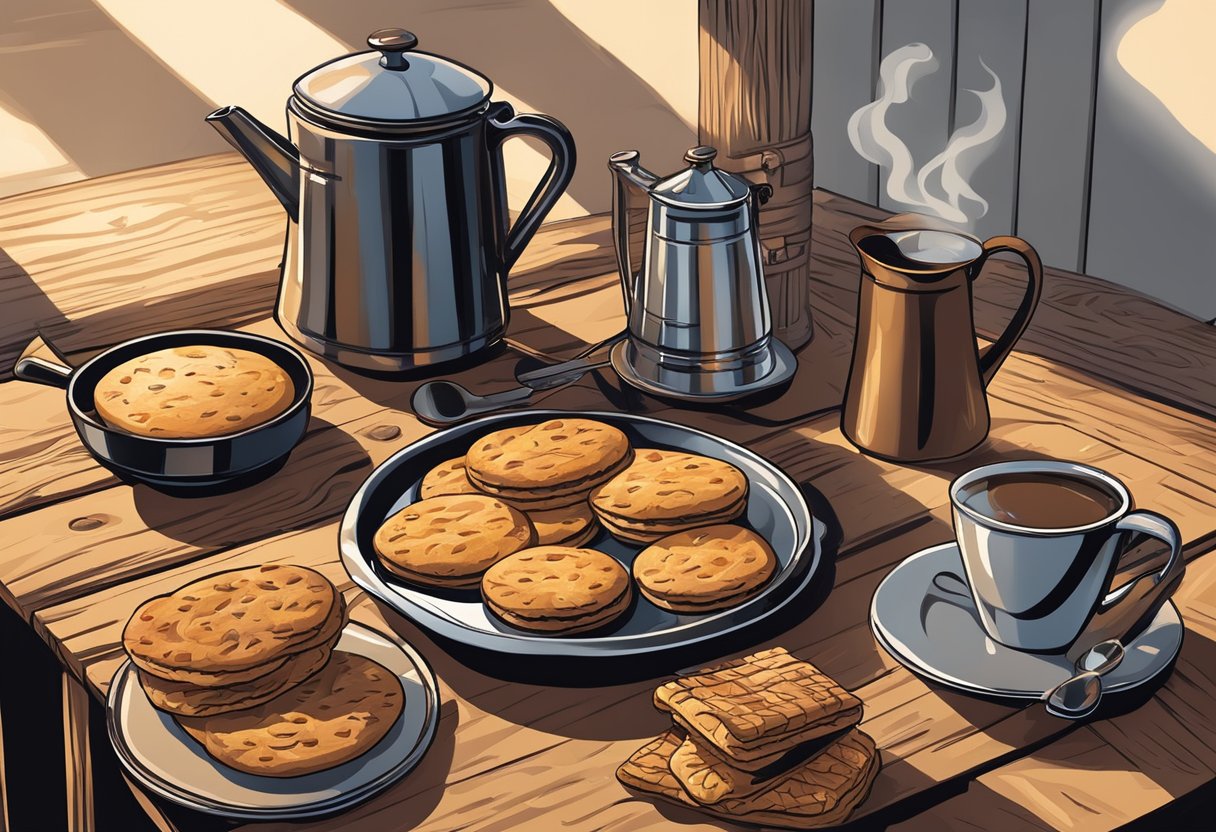
The rugged landscapes of classic Western films are often painted with scenes of hearty breakfasts, fueling cowboys before a day of hard work or adventure. Breakfast, with its hearty staples like biscuits, gravy, and strong coffee, plays a crucial role in setting the tone for the day in these stories. Whether it’s a lone cowboy at a campfire or a bustling saloon, the morning meal is a time for characters to gather, plan, and prepare for the challenges ahead.
In classic Westerns, the breakfast table symbolizes community and survival. Meal scenes often showcase the camaraderie among cowboys, highlighting the bonds formed over shared food. Simple, hearty dishes, such as steak and eggs or flapjacks, reflect the resourcefulness and self-sufficiency of the frontier lifestyle.
Moreover, the portrayal of breakfast underscores the authenticity of Western life. From the cook’s early morning preparations to the depicted flavors of the Old West, each element adds realism and depth. This connection between food and daily life allows audiences to immerse themselves in the gritty, yet warm, atmosphere of the classic Western genre.
The Genesis of Westerns
Westerns trace their origins to the American frontier, drawing from tales of cowboys and the rugged landscapes of the Old West. Hollywood's embrace of the genre marked a significant era in cinema history.
The Emergence of The Cowboy
The cowboy became a central figure in Westerns, embodying the spirit of independence and adventure. Influenced by real-life events and folklore, these characters often represented bravery and justice.
Iconic cowboys like Billy the Kid and Wyatt Earp became legends. Their stories were romanticized, showcasing duels, cattle drives, and life in the untamed Wild West. These films typically depicted a clear division between good and evil, with the cowboy standing as a symbol of moral righteousness.
Hollywood's Golden Age
Hollywood's Golden Age saw an explosion in the production of Westerns, especially from the 1930s to the 1950s. During this period, the genre dominated the box office. Directors like John Ford and stars like John Wayne became synonymous with Westerns. Their collaboration resulted in classics such as Stagecoach and The Searchers.
The sweeping landscapes and thrilling plots captivated audiences, establishing the Western as a staple of American cinema. The genre's popularity began to wane in later decades, but its impact on Hollywood remains significant.
Iconic Figures of Westerns
The world of Westerns is defined by its legendary actors and visionary directors who brought unique styles to their films. These figures shaped the genre with their performances and creative visions, making a lasting impact on cinema.
Legendary Actors and Their Legacy
Clint Eastwood is often seen as a symbol of the Western genre. His roles in films like The Good, the Bad and the Ugly and Unforgiven made him an icon. Eastwood's stoic presence and rugged looks captured the essence of the cowboy spirit. John Wayne, known as "The Duke," dominated Westerns for decades. His strong, towering figures in movies such as Rio Bravo and The Searchers set a standard for the Western hero.
Lee Marvin and Henry Fonda also contributed to the genre with their distinct performances. Marvin's gritty characters in movies like The Man Who Shot Liberty Valance stood out. Fonda's work in films such as Once Upon a Time in the West added depth and complexity to Western storytelling.
Visionary Directors and Cinematic Style
John Ford is one of the most influential directors in the history of Westerns. His film Stagecoach elevated the genre, and his long collaboration with John Wayne produced numerous classics. Ford's use of vast landscapes and innovative camera techniques set a new benchmark for visual storytelling.
Sergio Leone brought a different, more stylistic approach to Westerns. His Spaghetti Westerns, including A Fistful of Dollars, redefined the genre with their unique music scores and intense close-ups.
Directors like Sergio Leone and John Ford crafted a unique visual style that continues to influence filmmakers. They combined wide scenic shots with tightly framed action scenes, creating an immersive experience that brought the American West to life. Together, these actors and directors transformed the Western genre, leaving an enduring legacy that continues to captivate audiences.
Themes and Motifs in Westerns
Westerns often explore themes of lawlessness and justice, reflecting the tension between untamed wilderness and emerging order. These stories frequently highlight the moral struggles and gritty resolve of their characters.
The Lawless Frontier
The American frontier, with its vast and untamed landscapes, forms the backdrop for many Westerns. This setting symbolizes the wild, lawless environment where survival demands toughness and grit.
Conflicts often arise from the absence of structured law, with characters like the lone cowboy stepping in to restore a sense of order. The lack of legal systems allows for violence to be rampant, as seen in films like "Unforgiven."
Characters navigate a world where the lines between right and wrong blur, reflecting personal codes of conduct. These themes mirror the era's real struggles, including race relations and manifest destiny, which shaped the region's history.
Justice, Honor, and Morality
Justice and morality are central to Western narratives. The hero often embodies a personal code of honor, standing against lawlessness. Movies like "The Good, the Bad and the Ugly" showcase this intricate dance of good versus evil, where characters wrestle with ethical decisions. Justice is not always black and white, making for rich storytelling.
Honor and justice are often depicted through duels or stand-offs. These moments highlight the hero's resolve to do what's right, despite the high stakes. The portrayal of morality in Westerns provides insights into human nature and the pursuit of justice in a chaotic world.
Evolution of the Genre
The Western genre has transformed dramatically over the years, expanding beyond its classic roots to include diverse subgenres. This evolution includes blending with other genres, resulting in unique and innovative storytelling.
The Blend of Western with Other Genres
Revisionist Westerns emerged in the late 60s and 70s, challenging the idealized narratives of classic Westerns. These films, like The Wild Bunch and Unforgiven, offered more critical perspectives on themes like violence and morality.
Spaghetti Westerns also redefined the genre, most famously through Sergio Leone's work. Movies like The Good, the Bad, and the Ugly became iconic for their stylistic approach and complex characters, often straying from the classic good-versus-evil formula.
Sci-fi Westerns, such as Westworld, merged futuristic elements with traditional Western settings. This hybrid genre explored new themes and settings while maintaining the Western's sense of adventure.
Western comedies added humor to the genre. Films like Blazing Saddles used satire to critique and celebrate Western tropes, offering a lighthearted take on familiar themes.
These innovations have kept Western movies fresh and relevant, allowing the genre to continuously captivate audiences.
Cultural Impact
Breakfast scenes in classic Westerns contribute significantly to the genre's influence on American culture and its nuanced depiction of race relations. These scenes are not just about food; they symbolize larger societal themes.
Westerns and American Identity
Western films have always been more than just action and adventure. By depicting cowboys around the breakfast table, these movies reflect and shape ideas about American identity. The rugged individualism and self-reliance of cowboys enjoying simple meals in the untamed West embody the American spirit.
Breakfast rituals in these films often highlight themes of freedom, simplicity, and self-sufficiency. Cowboys share their morning meals around campfires or in small, unpretentious homes, symbolizing a connection to the land and a straightforward way of life. These scenes reinforce a nostalgic view of America where resilience and hard work are core values.
Race Relations and Representation
Classic Westerns have had a complicated history with race relations. Breakfast scenes often underscore these tensions. Movies from the mid-20th century usually showed an all-white cast at breakfast, reflecting the racial dynamics of the time. Native Americans and other minorities, if depicted, were often sidelined or shown in stereotypical roles.
In some films, the breakfast scenes serve to highlight social hierarchies and racial divides. For instance, Native Americans or other non-white characters might be depicted as servants or outsiders, subtly reinforcing racial boundaries. As Westerns evolved, later films began to challenge these stereotypes, offering more nuanced portrayals of race relations and the contributions of minorities to the American frontier.
Iconography and Symbolism
Classic Westerns have a rich tapestry of symbols and imagery that elevate the narrative. Landscapes and costumes are especially significant in these films, representing ideals and realities of the Old West.
The Significance of Landscapes
Wide-open landscapes in Westerns are more than just backdrops; they symbolize freedom and the untamed frontier. Scenes showing vast deserts and rugged mountains accentuate the isolation of the characters and the challenges they face.
Stagecoaches moving across these expansive lands highlight the adventurous yet dangerous undertakings of traveling through the Wild West. In many films, the terrain also creates a visual metaphor for the emotional and physical journey of the characters.
Costumes, Props, and Firearms
In Westerns, the attire and props of characters play a crucial role. The typical gunslinger outfit, complete with hat, vest, and spurs, is instantly recognizable and often indicates a character's role and moral alignment.
Firearms are not just tools; they symbolize power and survival. The type and condition of the weapon can reveal a lot about a character’s status. The horse, an essential prop, signifies freedom and mobility, often deeply reflecting the bond between the rider and their steed.
Filmography That Shaped The Breakfast Scene
Exploring the role of breakfast in classic Westerns reveals how this simple meal was used to set the scene and develop characters. Notable films often depicted breakfast to highlight themes of survival and community in the Old West.
Iconic Breakfast Scenes in Western Films
In Two Mules for Sister Sara, Clint Eastwood and Shirley MacLaine's characters share a tense meal in the rugged wilderness. This scene underscores their uneasy alliance and mutual dependence. Breakfast here is a moment of reprieve before they continue their dangerous journey, reflecting the harsh realities of frontier life.
Over in Paint Your Wagon, the breakfast scenes often take place within the bustling mining camp. These moments of communal eating provide insight into the camaraderie among miners and the burgeoning sense of community in the chaos of the Gold Rush.
Meanwhile, High Plains Drifter and Pale Rider also feature breakfasts that emphasize isolation and survival. In High Plains Drifter, Clint Eastwood's enigmatic drifter shares a sparse morning meal that underscores his solitary nature and the rough conditions of his life on the frontier. Similarly, in Pale Rider, Eastwood's preacher character partakes in simple breakfasts that highlight his ascetic lifestyle and connection to the struggling townsfolk he aids.
Food as a Symbol in the Old West
Breakfast in Western films often symbolizes more than just a meal. In many movies, food represents survival, community, and even power dynamics. For example, in Two Mules for Sister Sara, sharing a meal symbolizes the characters' reluctant alliance and mutual reliance in a hostile environment.
In Paint Your Wagon, the shared breakfasts among miners reflect the transient yet close-knit communities that sprang up during the Gold Rush. These scenes subtly exhibit how food can unite individuals toward common goals amidst the madness.
High Plains Drifter and Pale Rider use breakfast scenes to show the stark realities of frontier life. Simple meals in these films underscore themes of solitude, struggle, and the endurance of spirit necessary to survive the rugged conditions of the Old West. Meals are utilitarian, reflecting the no-frills existence of the characters.
Character Archetypes and Roles
Classic Westerns feature a variety of character archetypes, each playing a distinct and important role in the story. From the stoic hero to the loyal sidekick, these characters are essential to creating the iconic atmosphere of the Wild West.
The Stoic Hero and the Ruthless Villain
The hero in Westerns is often a stoic figure, embodying courage and morality. Clint Eastwood’s characters, like Josie Wales and William Munny, exemplify this archetype. These heroes typically face off against ruthless villains who challenge their values.
The villain is equally important, serving as the foil to the hero’s righteousness. Villains in Westerns tend to be merciless and driven by greed or power, creating a stark contrast with the hero's honorable nature. This dynamic tension between the hero and villain drives the narrative forward, making their confrontations memorable.
Sidekicks and Supporting Characters
Sidekicks and supporting characters provide depth and diversity to Westerns. Tonto, the loyal companion to the Lone Ranger, is a well-known sidekick who offers assistance and wisdom. These characters often highlight the hero’s qualities by providing contrast or complement.
Supporting characters can also include members of the community like the blacksmith or the shopkeeper, who help ground the story in a recognizable social framework. They add layers to the plot and enrich the storytelling with their unique perspectives and interactions.
Westerns in Modern Media
Modern Westerns have evolved, transitioning from traditional films to influential television series, while also shaping contemporary cinema with rich narratives and classic themes.
The Transition to Television Westerns
The Western genre's shift to television began with shows like Rawhide in the 1950s. These series brought the grit and adventure of the Wild West into people's living rooms. Rawhide, featuring a young Clint Eastwood, stood out with its strong characters and ongoing narratives.
Television provided a new platform for Western storytelling, influencing later shows. The serialized format allowed for deeper character development and extended plots. This transition helped sustain the genre's popularity through decades when classic film Westerns became less common.
Although Hollywood delivered fewer big-budget Western films, TV series kept the spirit alive. Shows like Gunsmoke and Bonanza maintained large fanbases, proving that television was a viable home for Westerns.
Influence on Contemporary Cinema and Series
Western elements are evident in many of today's films and series. Directors like Clint Eastwood, known for Hang 'Em High and The Outlaw Josey Wales, continue to produce movies with a Western influence. His recent films like Cry Macho reflect this enduring legacy.
Modern series often borrow themes and aesthetics from classic Westerns. The "Dollars Trilogy" by Sergio Leone also left a lasting impact. It's not just about landscapes and gunfights; contemporary works incorporate the moral complexities and rugged individualism that defined the genre.
While traditional Westerns like Unforgiven remain revered, new interpretations bring fresh perspectives to the genre. Current cinema and streaming services often explore Western motifs through dramas and science fiction, demonstrating the genre's versatility and enduring appeal.
The Legacy of Westerns
Classic Westerns have left a lasting legacy on film and pop culture. These movies shaped the portrayal of the American frontier, cowboys, and the wild west. They continue to influence modern films and TV shows.
Buffalo Bill was one of the earliest figures to bring the west to entertainment. His Wild West shows introduced many to cowboy culture and adventure stories.
Roy Rogers, known as the "King of the Cowboys," starred in numerous films and TV shows. His influence made Westerns a staple in American households.
Actors like Hugh O’Brian and Tyrone Power also left a mark. O’Brian’s role in "The Life and Legend of Wyatt Earp" made him a Western icon. Power’s work included period Westerns that showcased the drama and excitement of frontier life.
Davy Crockett, played by Fess Parker in the 1950s, became a cultural legend. Parker’s portrayal captured the spirit of exploration and bravery associated with Western heroes.
Modern filmmakers such as Kevin Costner continue to draw inspiration from classic Westerns. His films, like "Dances with Wolves," honor the genre's traditional themes while adding contemporary perspectives.
Key Figures and Their Contributions:
| Figure | Contribution |
|---|---|
| Buffalo Bill | Branded the Wild West in shows and entertainment |
| Roy Rogers | Made Westerns popular in mainstream media |
| Hugh O’Brian | Iconic role as Wyatt Earp |
| Tyrone Power | Starred in dramatic Western films |
| Fess Parker | Iconic portrayal of Davy Crockett |
| Kevin Costner | Brought a modern touch to classic Western films |
These icons and their works maintain the charm and allure of the Western genre, preserving its place in the history of cinema. The legacy continues to inspire new generations of filmmakers and audiences.