
The History of Eggs as a Breakfast Food
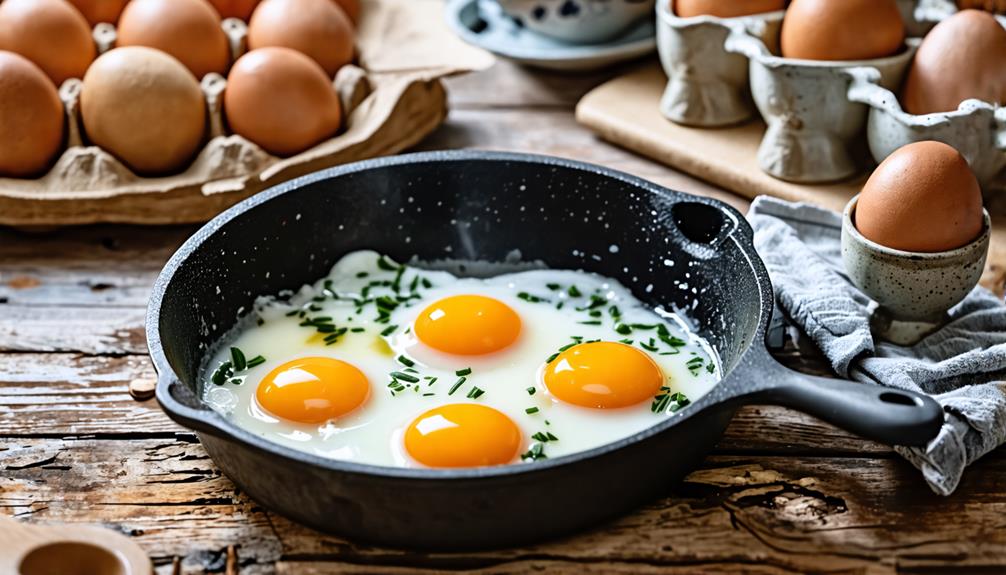
The history of eggs as a breakfast staple begins with ancient civilizations like Egypt and Greece. These cultures valued eggs for their nutrition and versatility. During the Industrial Revolution, eggs became a key part of the morning meal. By the late 19th century, eggs had cemented their place on the American breakfast table. This was due to a mix of cultural evolution and culinary innovation.
Ancient Origins of Breakfast
The term "breakfast" was coined in 15th-century Europe, but the practice of eating a morning meal goes back to ancient times. The Ancient Egyptians, for instance, had a morning meal that included eggs, bread, soup, and beer. This meal shows they understood the nutritional value of eggs, incorporating them into their diet for a healthy start to the day.
During the Middle Ages, many people did not consider breakfast necessary. However, eggs became more popular, especially among the wealthy. People began to appreciate the nutritional benefits of eggs, and they were often included in the morning meal for those who could afford them. This shift marked the beginning of eggs being seen as an important part of a nutritious breakfast.
Eggs in Early Civilizations
Eggs played a significant role in early civilizations. Ancient Egyptians often had eggs with bread and beer for breakfast. Greeks paired eggs with barley bread and figs. The domestication of hens in China and the Roman ientaculum, or morning meal, also show how important eggs were in daily diets.
Ancient Egyptian Breakfasts
Ancient Egyptian breakfasts often included eggs, highlighting their nutritional importance. They ate eggs with items like soup, bread, and beer. This meal was practical, based on what was available at the time. The Ancient Egyptians valued eggs for their protein and essential nutrients.
Hens were first domesticated around 5,400 B.C. in China, and this practice spread to Egypt. This made eggs more accessible and a regular part of daily diets. By including eggs in their breakfasts, the Ancient Egyptians influenced future civilizations. They showed the importance of eggs, not just as food but as a reliable source of nourishment.
Their use of eggs demonstrated an understanding of their efficiency and benefits. These choices affected how later cultures viewed and used eggs in breakfast meals. So, when you have an egg for breakfast, remember this tradition goes back thousands of years to the Ancient Egyptians.
Greek and Roman Mornings
Greek and Roman Mornings
Both the Greeks and Romans valued eggs in their morning meals, building on the dietary habits of the Ancient Egyptians. In Ancient Greece, breakfast was simple, usually consisting of barley bread, eggs, wine, figs, or olives. This meal focused on natural and accessible foods.
In Roman society, breakfast, called ientaculum, often included leftovers. Typical items were cold meats, cheese, bread, and eggs. However, not everyone considered breakfast necessary. Many Romans saw it as a meal primarily for children and the elderly.
Despite varied opinions, eggs held historical significance in Greek and Roman breakfasts. They remained recommended morning foods in later centuries. For example, in 1620, Tobias Venner wrote that eggs were an ideal breakfast choice, showing a shift in the perception of morning meals.
As culinary practices evolved, eggs became more common in breakfasts, paving the way for their prominent role in European morning rituals by the 17th century.
Domestication of Hens
The domestication of hens began around 5,400 B.C. in China, where people started farming chickens mainly for their eggs. This practice soon spread beyond China. By the 7th century B.C., it had reached Europe, changing local diets and culinary traditions in many ancient civilizations.
The ancient Egyptians were early adopters of eggs in their diet. They ate eggs along with bread and beer, highlighting eggs' important role in their meals. Domesticated hens provided a steady supply of eggs, which were valuable for their nutrition. This consistent source of morning food helped establish breakfast as a key meal in these early societies.
Medieval Breakfast Traditions
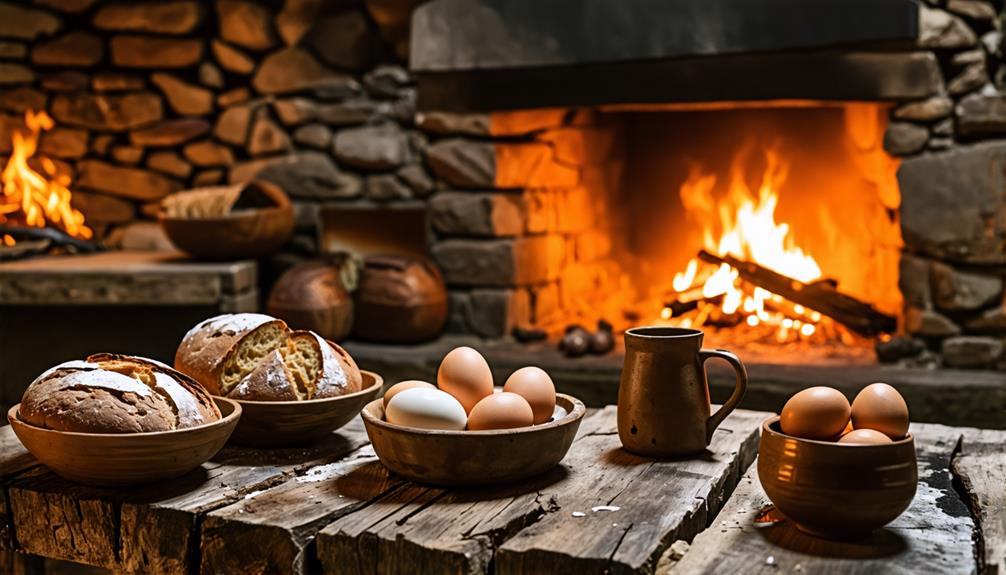
In the Middle Ages, breakfast was not common and was mainly for the elderly, sick, children, and laborers. Eating breakfast foods like eggs in the morning was often seen as unnecessary. However, by the late Middle Ages, wealthier people started to eat breakfast, which led to a wider variety of foods. This change meant eggs became a regular part of morning meals.
| Social Class | Common Practices | Breakfast Foods |
|---|---|---|
| Elderly | Regular breakfast | Eggs, porridge |
| Sick | Prescribed breakfasts | Broths, soft foods |
| Children | Morning meals encouraged | Bread, milk, eggs |
| Laborers | Needed energy for work | Bread, cheese, ale |
In the 13th century, philosopher Thomas Aquinas criticized breakfast as gluttonous, reflecting common views of the time. Despite this, breakfast became more accepted among the wealthy, and poached eggs became a staple food. The first English cookbook, published in 1669, recommended eating two poached eggs each morning. This shows the growing importance of eggs in breakfast traditions.
Industrial Revolution and Eggs
During the Industrial Revolution, the demand for hearty breakfasts increased as laborers needed more energy for long work hours. Protein-rich foods like eggs became essential. Eggs symbolized energy and sustenance.
The rise in poultry farming made eggs more accessible and affordable. Once a luxury for the wealthy, eggs became common on breakfast tables across different social classes. Dishes like omelets and frittatas gained popularity because they were quick to prepare and full of protein. An egg-based breakfast could be made swiftly, which was ideal for the busy mornings of the Industrial Revolution.
Marketing also played a role in promoting eggs. Advertisements highlighted their nutritional value and versatility, encouraging their inclusion in daily breakfasts. Eggs were marketed as essential for a productive day. So, next time you have eggs for breakfast, remember their historical significance and their role in fueling industrial progress.
Eggs in American Breakfasts

In Colonial America, breakfast mainly featured cornmeal dishes. By the mid-19th century, eggs began to take center stage in morning meals. This change marked a turning point in American breakfast habits. The emergence of Eggs Benedict in the late 19th century, often linked to New York City, showed the rising popularity of eggs. By the 1920s, the classic combination of bacon and eggs had become a staple, thanks to marketing campaigns by figures like Edward Bernays. His influence helped make this pairing an American breakfast icon.
After World War II, advancements in poultry farming led to a significant increase in egg consumption. Fast food chains capitalized on this trend, popularizing egg dishes like the Egg McMuffin. This became a breakfast favorite. However, the 1970s health movement caused a temporary decline in egg consumption due to cholesterol concerns. Despite this, eggs eventually regained their status as an essential part of a balanced diet.
From the Colonial period to modern times, eggs have become an integral part of the American breakfast experience. Whether it's a simple scramble or an elaborate Benedict, eggs continue to hold a special place on the breakfast table.
Nutritional Benefits of Eggs
Eggs are a popular breakfast choice due to their versatility and taste. Beyond that, they're packed with nutritional benefits. Each egg contains about 6 grams of high-quality protein, which is crucial for muscle repair and growth. They are also rich in vitamins and minerals like vitamin B12, vitamin D, choline, selenium, and phosphorus, all of which support general health.
For those watching their weight, eggs can be helpful. Studies show that eating eggs for breakfast can improve satiety, aiding in weight management. Eating eggs might lead to a 65% greater weight loss compared to eating bagels. Additionally, eggs are low in calories, averaging around 70 calories each, making them a good option for a balanced breakfast without overloading on calories.
Eggs also support eye health. They contain antioxidants like lutein and zeaxanthin, which help reduce the risk of age-related macular degeneration, keeping your vision sharp as you age. So, when planning your next breakfast, remember that eggs offer many nutritional benefits.
Modern Egg Breakfast Trends

Egg dishes are now a key part of modern breakfast trends. Eggs, known for their high protein and versatility, are a favorite for health-conscious consumers. Avocado toast with poached eggs is a popular choice. Brunch culture has also boosted egg dishes, with creative options like shakshuka and gourmet eggs benedict now common in restaurants.
Plant-based diets have led to egg alternatives made from mung beans and chickpeas. These vegan options mimic the texture and flavor of traditional eggs, offering nutritious and cruelty-free choices.
Breakfast meal kits and pre-packaged egg products are also popular. They cater to busy lifestyles, providing quick and nutritious solutions.
Social media platforms have helped popularize visually appealing egg dishes. Hashtags like #EggsBenedict and #Shakshuka are trending, inspiring many to try gourmet egg variations at home. Whether it's a classic recipe or a new twist, eggs dominate modern breakfast trends.