Pancake Trivia: Discover Fun Facts and Surprising History
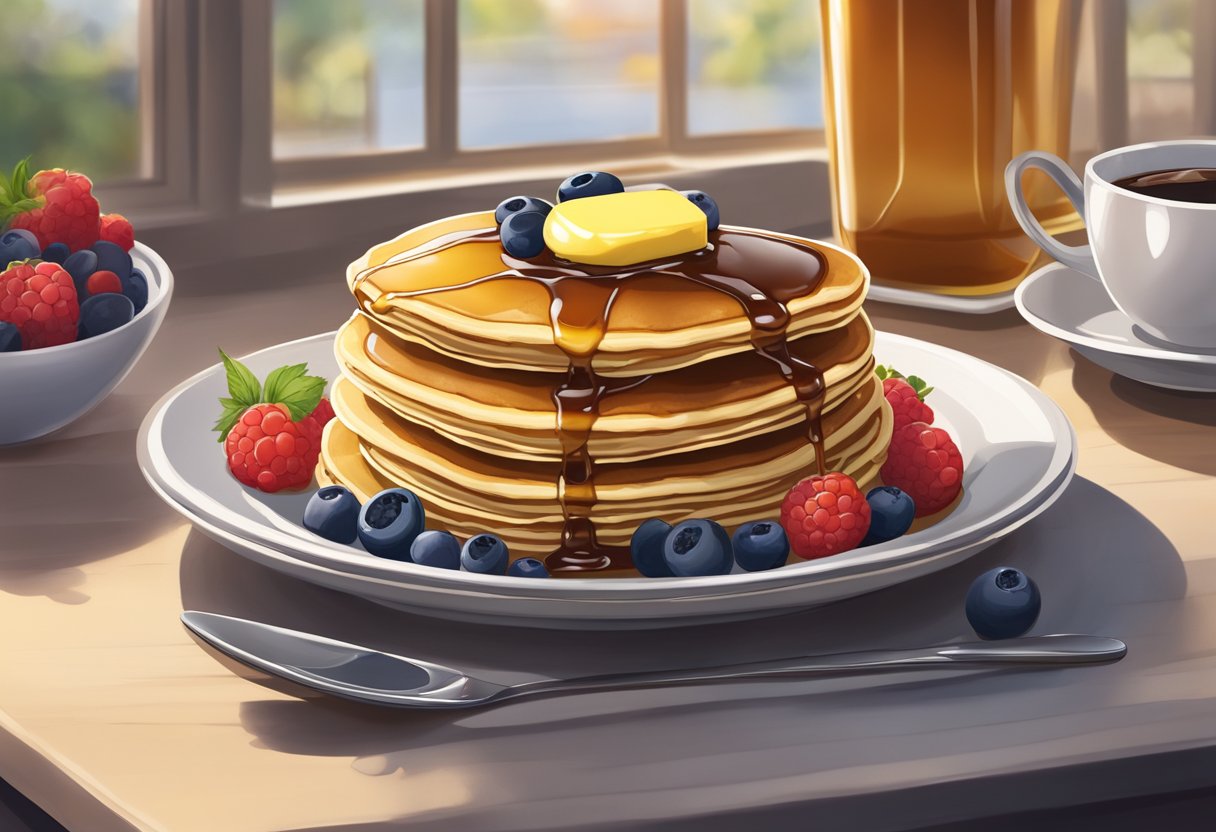
Pancakes have been a beloved breakfast staple for centuries. These flat cakes, made from a starch-based batter, can come in various shapes, sizes, and flavors. Whether you prefer them fluffy or thin, sweet or savory, there’s something fascinating about this breakfast treat.
Did you know the Ancient Greeks made pancakes called τηγανίτης (tēganitēs)? They were simple but delicious and similar to the pancakes enjoyed around the world today. From heart-shaped pancakes on Valentine's Day to dinosaur-shaped ones for kids, pancakes can even add a fun twist to your morning meal.
Pancakes hold a special place in the hearts and stomachs of people across cultures, whether it’s the thin, crepe-style favorites in France or the fluffy stacks in the United States. The versatility of pancakes is matched only by the interesting trivia and records surrounding them, such as the biggest pancake ever made weighing 3 tons. Get ready to flip through some intriguing pancake facts you might not have known!
Historical Origins of Pancakes
Pancakes have a rich and diverse history, tracing back thousands of years. Their evolution reflects various cultural significances and adaptations across different periods and regions.
From Ancient Beginnings to Modern Day
Pancakes date back to ancient times. The Greeks made early versions called tagenites with wheat flour, olive oil, honey, and curdled milk. These were often breakfast items.
The Romans also enjoyed similar fare, known as alita dolcia or "another sweet." These early "pancakes" contained simple ingredients and were cooked on hot stones or griddles.
By the 15th century, pancakes had made their way into many European recipes. An English cookbook from this period includes instructions for making them, highlighting their growing popularity.
William Shakespeare also made references to pancakes in his plays, indicating their presence in daily life. The evolution of pancake varieties continued through the centuries, leading to the diverse forms we enjoy today.
Cultural Significance Through the Ages
Pancakes have held cultural importance for centuries. In Ancient Greece and Rome, they were often part of religious and ceremonial events. In Medieval Europe, they were a common food during Shrovetide, a festival before Lent.
In England, "Pancake Day" or Shrove Tuesday became a tradition, with households using up perishable ingredients before fasting. Pancakes symbolized indulgence and celebration.
Crossing over to America, pancakes became a breakfast staple, especially famous during the 19th and 20th centuries. They adapted to local ingredients and tastes, further embedding themselves in cultural traditions.
Today, pancakes are enjoyed worldwide, from fluffy American stacks with syrup to thin French crêpes filled with sweet or savory fillings. Each variation reflects historical influences and cultural significance.
Pancake Day and Religious Traditions
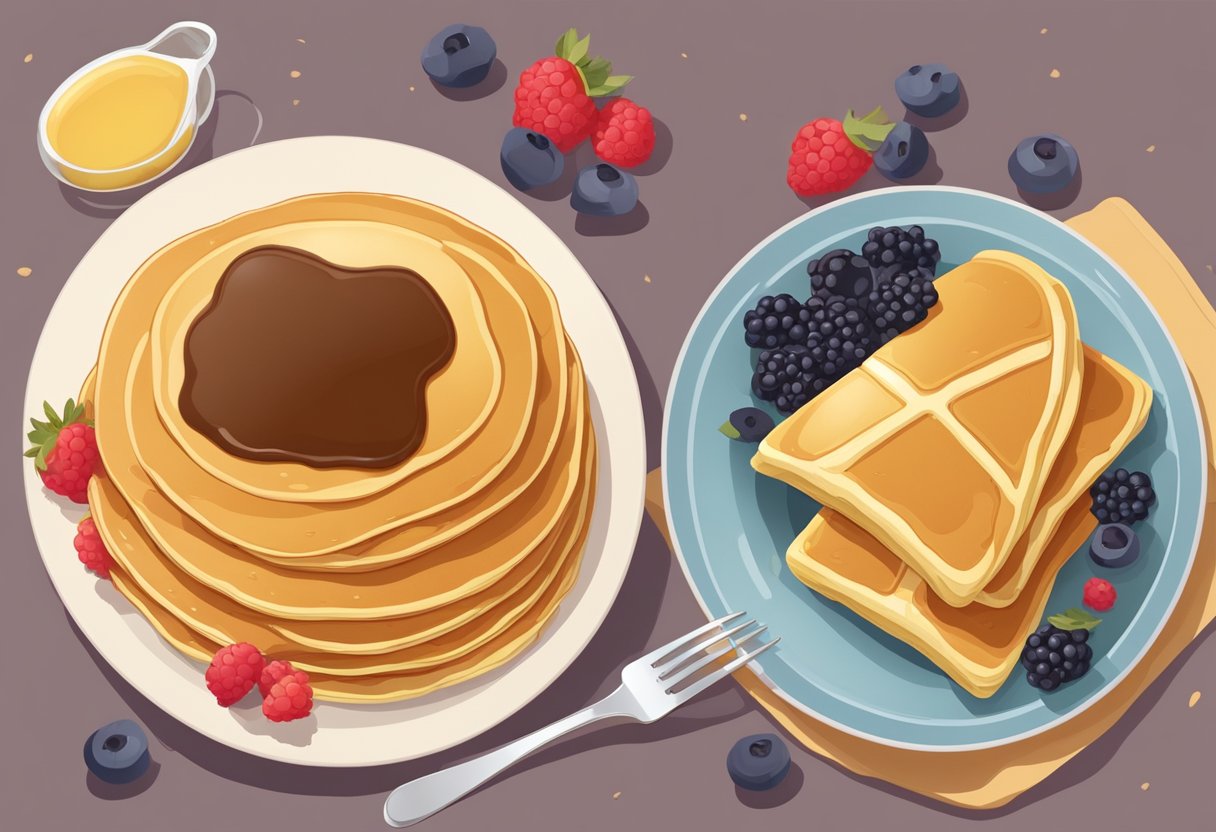
Pancake Day, also known as Shrove Tuesday or Mardi Gras, is a special time with deep religious roots and rich traditions celebrated around the world. It's linked to the Christian practice of Lent preparation.
Shrove Tuesday and Lent
Shrove Tuesday marks the day before Lent begins on Ash Wednesday. Many Christians use this day to confess sins (being "shriven") and prepare for Lent, a period of fasting and penance.
In the past, households would use up rich ingredients like eggs, milk, and butter, which were forbidden during Lent. Pancakes became a popular way to use these foods, creating the tradition of Pancake Day.
Lent lasts 40 days, leading up to Easter, and involves giving up certain luxuries. Thus, Pancake Day represents a last opportunity to enjoy certain treats.
Traditions Around the World
Pancake Day is celebrated in various ways globally. In the UK, the town of Olney hosts a famous pancake race, where participants run while flipping pancakes in a pan. This tradition dates back centuries.
In the United States, Pancake Day aligns with Mardi Gras, which means "Fat Tuesday" in French. Mardi Gras features parades, masks, and festivities, particularly in places like New Orleans.
Other countries have unique customs. In Finland, people enjoy laskiaispulla, a cream-filled bun, while in Sweden, semla is a similar treat. Each culture adds its own twist to Shrove Tuesday, contributing to a rich tapestry of traditions.
Varieties and Styles
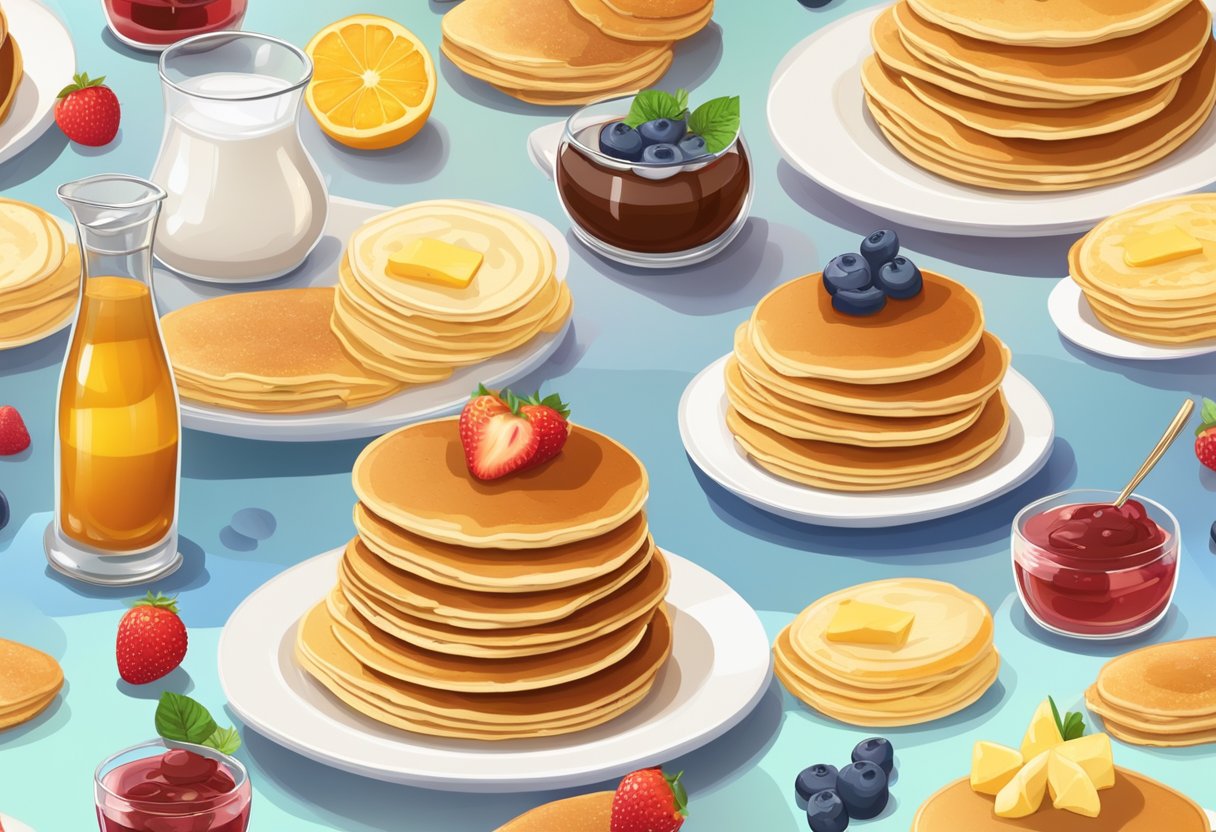
Pancakes come in many forms and flavors around the world. Each variation has its own unique ingredients, preparation methods, and cultural significance.
Global Pancake Types
Different regions have their own special pancake styles.
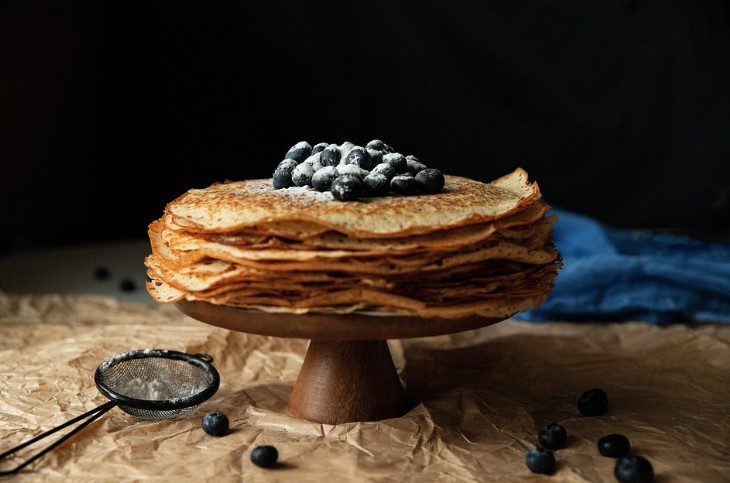
Crêpes from France are thin and delicate, often filled with sweet or savory ingredients. In Russia, blinis are small and typically made with buckwheat flour, perfect for appetizers with toppings like caviar.
Pannenkoek, a Dutch version, is larger and thinner than American pancakes but thicker than crêpes. It can be sweet or savory, and common toppings include apples and cheese.
Australia’s pikelets are smaller, thicker, and often served with jam and cream. In the United States, fluffy pancakes are usually served with syrup and butter.
Sweet, Savory, and Special Diets
Pancakes can be either sweet or savory. Sweet versions may include fruits, chocolate chips, or even whipped cream. Savory pancakes might incorporate vegetables, meats, or herbs into the batter.
Potato pancakes, or latkes, are a savory option made from grated potatoes, often served during Hanukkah. Another example is Asian-style scallion pancakes, seasoned with green onions.
For those with dietary restrictions, there are pancakes made from various flours like buckwheat or almond to cater to gluten-free diets. Vegan pancakes avoid animal products and might use ingredients like bananas or applesauce instead of eggs.
The Science and Technique of Pancake Making
Understanding pancake science can help you achieve fluffy and delicious pancakes. Key factors include the role of ingredients and the mechanics of flipping pancakes.
Key Ingredients and Their Role
Flour is the backbone of any pancake recipe. It provides structure and texture. Gluten in the flour helps to hold the pancakes together.
Milk adds moisture and enhances tenderness. It also helps dissolve dry ingredients and creates a smooth batter.
Eggs contribute to the structure and richness. They add flavor and help bind the ingredients. The yolks add fat, making the pancakes tender.
Baking powder and/or baking soda are leavening agents. They release carbon dioxide gas, which causes the batter to rise and become fluffy.
Balancing these ingredients is crucial. Too much flour or too little milk can make the pancakes dense. Using beaten egg whites can create extra fluffy pancakes by incorporating more air into the batter.
Perfecting Flip Mechanics
Flipping pancakes might seem easy, but technique matters. First, wait until bubbles form on the surface of the pancake and the edges look set. This is your cue to flip.
Use a frying pan with a non-stick surface or add a small amount of oil or butter. This prevents sticking and ensures even cooking.
The size and flexibility of your spatula are important. A wide, thin spatula helps lift the pancake smoothly. Slide the spatula completely under the pancake before flipping to avoid tearing.
The ideal pancake flip is quick. Lift the pancake about 2 inches off the pan and turn your wrist to flip. Practice makes perfect, and getting the hang of the pancake toss can make for a fun and impressive breakfast activity.
Pancake Records and Competitions
From record-breaking pancakes to community events, pancakes have a special place in both world records and local traditions.
Guinness World Records and Astonishing Feats
Pancakes have inspired various world records. One notable record includes the largest pancake ever made, measuring a massive 49 feet and 3 inches in diameter and weighing around 6,614 pounds. This impressive feat was achieved in Rochdale, Manchester.
Another exciting record is the highest pancake toss, where the pancake reached a height of 31 feet, 1 inch. The most expensive pancake ever sold was packed with extravagant ingredients, like lobster and caviar, costing a whopping $1,350.
The University of Sheffield also holds a unique record for the most people simultaneously flipping pancakes, gathering about 890 participants in total. These records highlight the creativity and enthusiasm surrounding pancakes.
Community Events and Pancake Races
Local communities around the globe celebrate pancakes in lively events. One well-known tradition is the pancake race held on International Pancake Day. Participants run while flipping pancakes in a race to the finish line.
In the UK, pancake races are a common sight during Shrove Tuesday. Competitors, often in fancy dress, race through the streets with their frying pans.
In Kansas, the towns of Liberal and Olney have held a unique transatlantic competition since 1950, challenging each other to pancake races. These events often bring communities together and add a fun, competitive twist to pancake celebrations.
Ingredients and Toppings
Pancakes can be tailored to a range of tastes, from traditional ingredients to creative toppings. They are easy to customize, allowing for both classic flavors and gourmet twists.
From Traditional to Gourmet Toppings
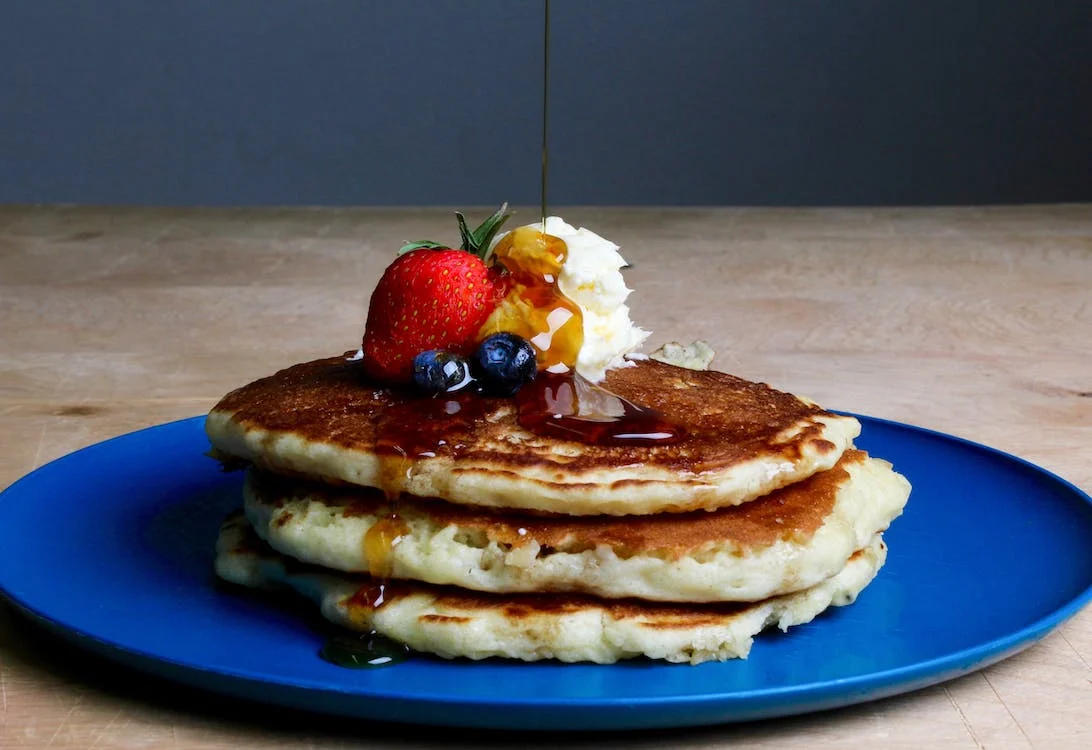
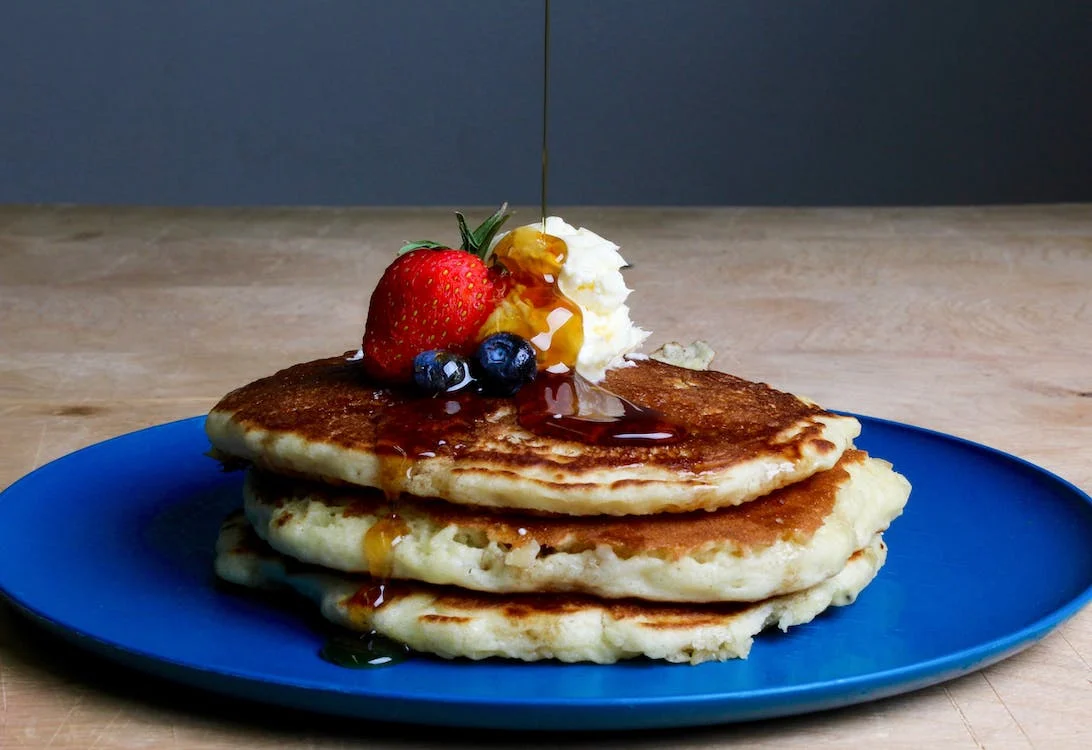
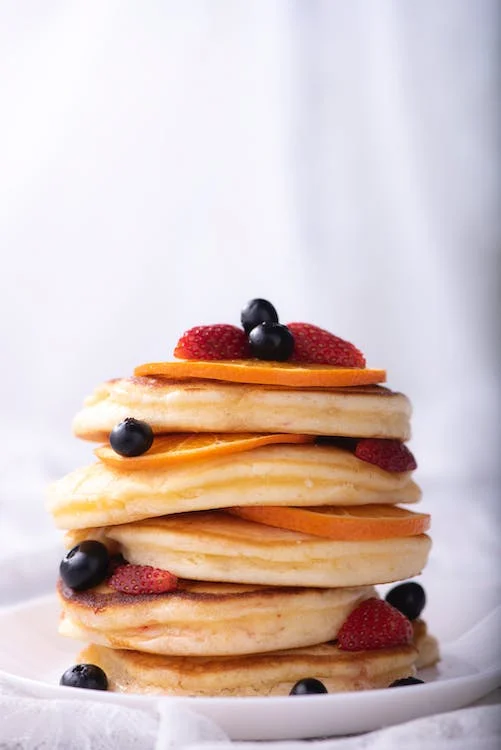
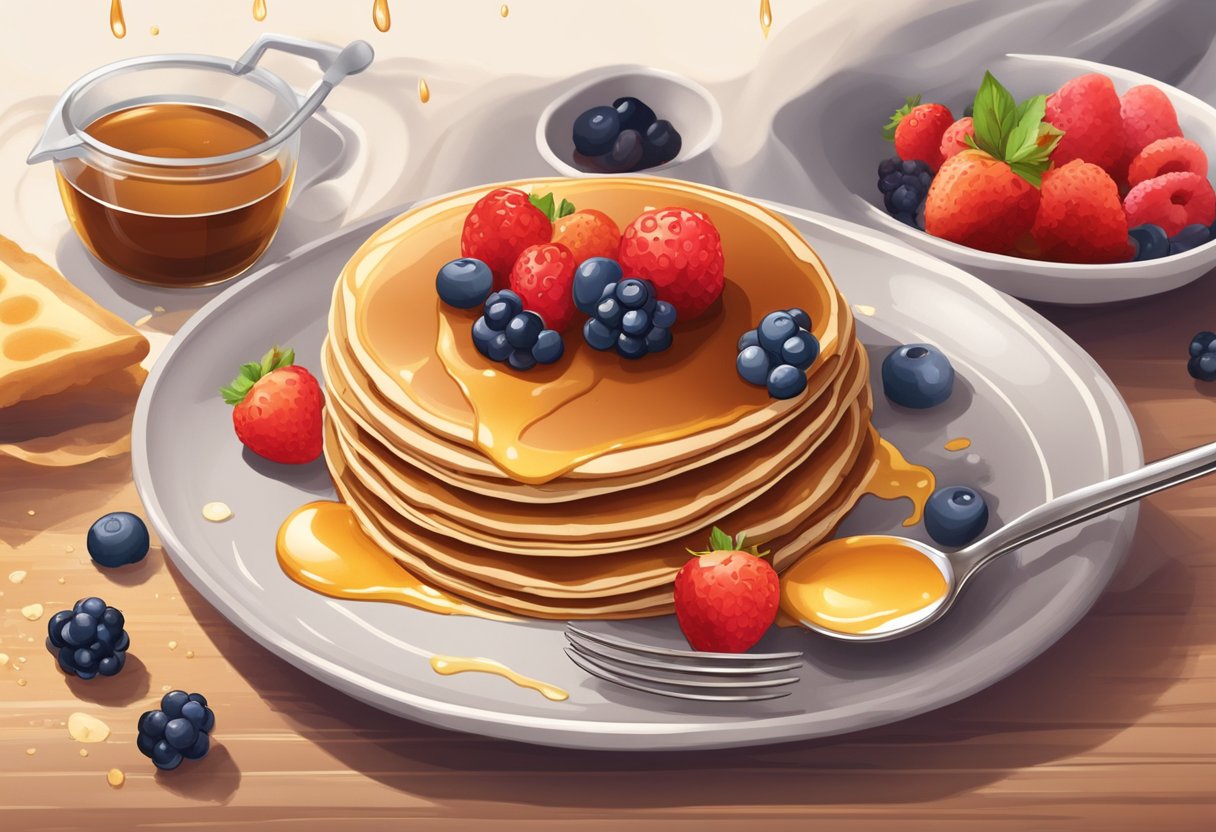
Pancake toppings can range from simple to elaborate. A popular classic is maple syrup, drizzled generously over a stack. Fruit, such as strawberries, blueberries, and bananas, adds a fresh, sweet flavor. Jam and honey are also common, offering a fruity and floral sweetness.
For a savory twist, people use ham and cheese. These provide a rich, salty bite that contrasts well with the neutral pancake taste. Another intriguing option is lingonberry sauce, popular in some European countries for its tart flavor.
Additionally, some opt for more gourmet ingredients like olive oil and exotic fruit combinations. This allows for a sophisticated and unique pancake experience, making the dish versatile for all occasions.
Cultural and Commercial Impact
Pancakes have played a significant role both culturally and commercially. From household recipes to commercial pancake mixes, they have left their mark globally.
Pancakes in Pop Culture and Literature
Pancakes have been mentioned in literature and pop culture for centuries. In ancient Greece, poets like Cratinus and Magnes referred to preparations similar to pancakes. Over the years, pancake day traditions, such as Shrove Tuesday in England and Pancake Day in Ireland, highlight their cultural significance. In France, thin crêpes are celebrated, particularly in Brittany, symbolizing love and simplicity in many French homes.
In modern times, pancakes have appeared in children’s books, cartoons, and movies, making them a beloved breakfast food worldwide. For instance, the phrase "pancake day" in Manchester signifies a festive day where people come together to make pancakes.
The Pancake Industry and Economic Influence
The commercial impact of pancakes began notably with the introduction of mass-produced pancake mix by Aunt Jemima in 1889 in Kansas. This innovation made breakfast more convenient and increased pancake mix sales, influencing the breakfast food industry.
In America and Canada, pancake houses and diner chains have turned pancakes into a popular menu item, contributing significantly to restaurant profits. Hotels like Radisson Blu Edwardian also serve gourmet pancakes, attracting tourists.
In South Africa and Australia, pancake syndrome, a peculiar health concern, involves an unusual reaction to pancakes. Despite this, pancakes remain a breakfast staple in many countries, including Sweden and France, driving both local and international food markets.
Pancake Trivia and Fun Facts
This section dives into interesting trivia about pancakes, exploring historical anecdotes and the language surrounding this beloved breakfast staple.
Surprising Pancake Lore
Pancakes have been enjoyed for centuries. The Ancient Greeks made early versions called tagenites using wheat flour, olive oil, honey, and curdled milk. Today, people around the world celebrate pancakes with different traditions.
Fun Fact: The biggest pancake ever made was 49 feet in diameter and weighed over 6,615 pounds. It was cooked in 1994 in Manchester, UK.
Pancakes are often involved in quirky events. In the UK, they have a pancake-tossing marathon. In Sweden, blood pancakes known as blodplättar are a unique dessert.
The most expensive pancake sold was adorned with 24-carat gold, costing $1,350. National Pancake Day in the US has people enjoying free pancakes, celebrating this versatile dish.
The Language of Pancakes
The phrase "flat as a pancake" is common to describe something very flat, showing how iconic this food is. Different languages and cultures have their own terms for pancakes.
In France, pancakes are called crêpes, usually made with wheat flour or buckwheat flour. Cornmeal pancakes, often called johnnycakes, are popular in parts of the United States.
Pancake Day, also known as Shrove Tuesday, is a day before Lent where people use up rich ingredients like eggs and milk by making pancakes. This tradition has been celebrated for hundreds of years.
By understanding the history and language of pancakes, one can appreciate this popular dish even more.
Nutrition and Health Considerations
Pancakes are a beloved breakfast favorite, but their nutritional content and potential dietary restrictions are important to consider. Whether enjoyed occasionally or frequently, understanding their impact on health is key.
Pancakes in a Balanced Diet
Pancakes can be a part of a balanced diet when made with healthier ingredients. Traditional pancakes made with white flour are high in calories and low in nutrients. Choosing whole grain flours can boost fiber content and improve overall nutrition. Adding nuts, fruits, or seeds can also increase vitamins and minerals.
Using low-fat milk or plant-based alternatives can reduce calories and saturated fat. Toppings like fresh fruit or yogurt are healthier options compared to syrup or whipped cream, which are high in sugars.
Allergies and Dietary Restrictions
Pancakes often contain ingredients that can cause allergies, such as gluten and dairy. Gluten-free options are available using flours like almond, coconut, or gluten-free blends. These alternatives can make pancakes accessible to those with celiac disease or gluten intolerance.
For those with dairy allergies, using dairy-free milk or yogurt alternatives can be a solution. Egg-free recipes can also be made using substitutes like applesauce or flaxseed. Being aware of these options allows everyone to enjoy pancakes safely without compromising their dietary needs.