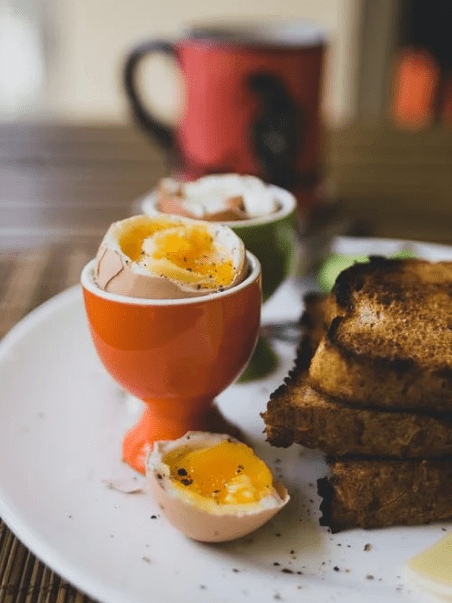
How Eggs Became a Breakfast Staple Around the World
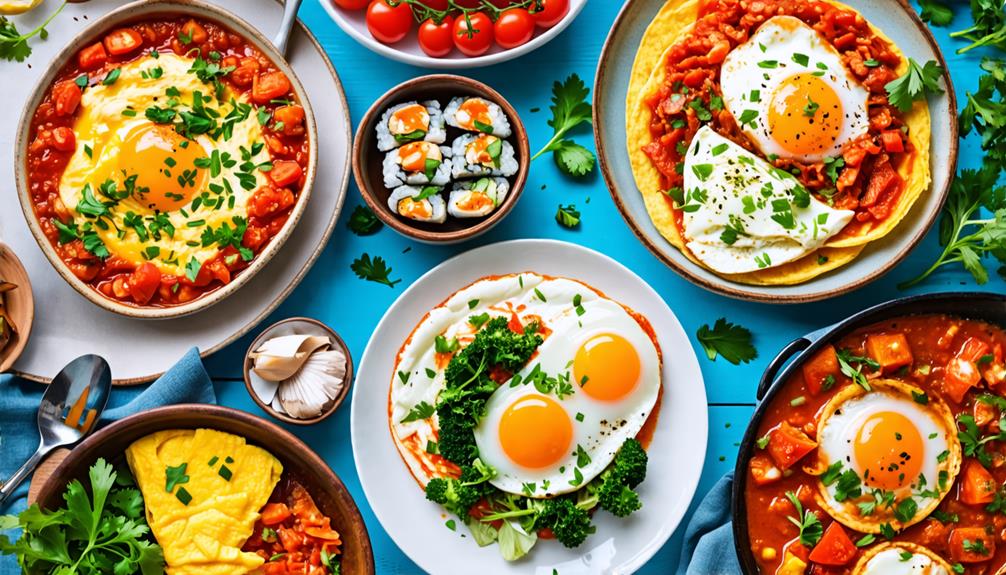
Eggs have become a universal breakfast staple, found on plates from Tokyo to New York. This journey began with ancient civilizations like the Egyptians and Chinese, who first recognized their nutritional value. As fowl domestication spread from India to Europe and beyond, eggs transitioned from a luxury to a daily necessity, especially during the Industrial Revolution. Each culture then added its own twist, creating dishes like Japanese tamagoyaki and American bacon and eggs. How did these culinary practices evolve over the centuries?
Ancient Egyptians and Chinese valued eggs for their nutrition. As domestication spread, eggs became more accessible. By the Industrial Revolution, they were a daily necessity. Cultures worldwide developed unique egg dishes.
Early Consumption of Eggs
Humankind has been fascinated with eggs for around 6 million years, even before we domesticated birds. Initially, our ancestors foraged for eggs in wild bird nests. Ancient civilizations, like the Egyptians and Chinese, were eating eggs as early as 1400 B.C. They understood the nutritional value of eggs and included them in their diets long before eggs became the breakfast food we know today.
Around 3200 B.C., the domestication of jungle birds in India changed everything. This led to a more reliable supply of eggs, solidifying their role in daily consumption. By ancient Roman times, regional preferences emerged: Romans enjoyed peafowl eggs, while the Chinese preferred pigeon eggs.
Eggs arrived in North America in 1493, making them more accessible. By the early 20th century, improved farming and distribution techniques made eggs a common sight on breakfast tables worldwide. Thus, the evolution of egg consumption from ancient times to modern breakfast staples was set in motion.
Domestication and Spread
The domestication of jungle fowl in India around 3200 B.C.E. marked a crucial moment in the history of egg production. This early domestication made eggs a dietary staple and led to their spread to other regions, including China and Egypt by 1400 B.C.E. By the 7th century B.C.E., hens had reached Europe, integrating eggs into many culinary traditions.
Here are key points to understand the impact of egg domestication and spread:
- Ancient Romans and Chinese valued different types of eggs, such as those from peafowl and pigeons, adding variety to their diets.
- The introduction of domesticated fowl to North America in 1493 changed egg consumption in the New World.
- By the 1940s, the U.S. had standardized the classification and grading of eggs, showing their importance in global diets.
The spread of domesticated fowl and their eggs is more than a historical note; it shows how integral eggs have become in our diets. The variety in egg types, appreciated since Ancient Roman times, highlights the long-standing diversity in egg consumption.
Eggs in Ancient Civilizations
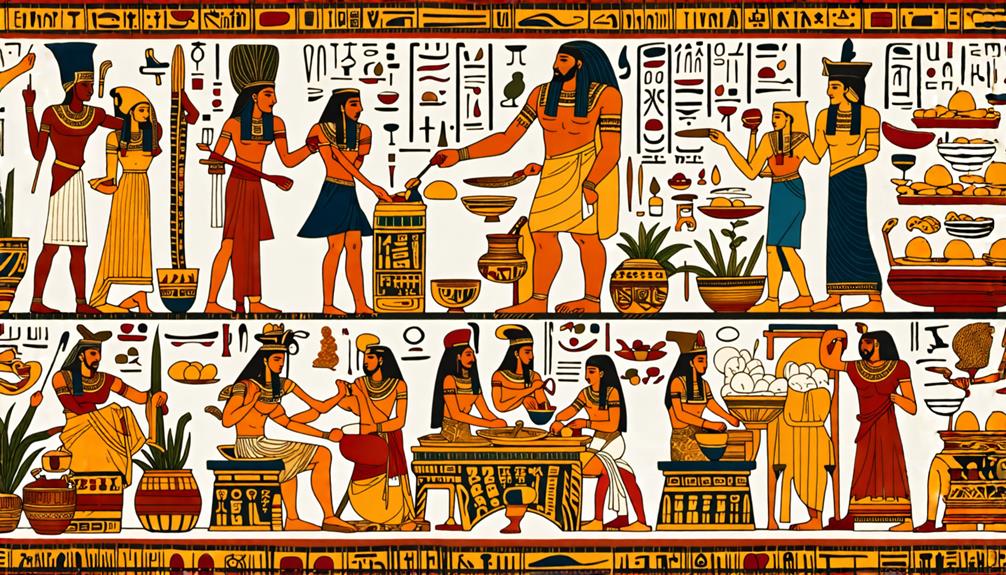
Humans have been consuming eggs for thousands of years. Ancient civilizations like Egypt and China were eating eggs as early as 1400 B.C.E. The domestication of jungle fowl in India around 3200 B.C.E. made eggs a reliable food source. This influenced culinary practices in Rome, where peafowl and pigeon eggs were popular. In the Far East, eggs were considered a luxury, reflecting the dietary habits and social structures of that time.
Early Domestication Practices
Imagine yourself in ancient India around 3200 B.C., where people began domesticating jungle fowl to improve egg production. These practices marked a shift for ancient civilizations, introducing organized egg-laying systems. The nutritional value of eggs became clear, and chickens started playing an essential role in daily diets.
By 1400 B.C., in ancient Egypt, eggs were already part of their diet. They understood the benefits of eggs and made them a key food source. By the 7th century B.C., this practice had spread to Europe, making chickens common and important in various cultures.
- Ancient Romans enjoyed exotic eggs, like those from peafowl.
- European settlers brought domesticated fowl to North America in 1493.
- Eggs were valued for their nutritional content in ancient civilizations.
- Chicken domestication spread widely by 7th century B.C.
These milestones show how early domestication practices set the stage for eggs to become a global staple. From ancient times to today, the egg's journey reflects its lasting nutritional value and versatility in human diets.
Culinary Uses in Antiquity
Picture the bustling markets of ancient Egypt, where vendors sold fresh eggs along with spices and grains. In these markets, eggs were a valued commodity, thanks to domestication practices from around 3200 B.C.E. in India. Ancient Egyptians and Romans used eggs in various culinary ways, not just for breakfast. They were key in making bread, cakes, and sauces, serving as binding and thickening agents.
In ancient Rome, peafowl eggs were especially prized, reflecting regional preferences. In China, pigeon eggs were more popular, showing how different cultures valued different eggs. Despite these differences, poultry domestication made eggs a staple in many ancient diets.
In the Far East, eggs were considered a luxury. Over time, they became more common in Western diets as poultry farming developed. When domesticated fowl were brought to North America in 1493, it changed how eggs were used in new culinary traditions.
Evolution in European Breakfasts
Eggs have played a vital role in the evolution of European breakfasts. From Medieval times to the Industrial Revolution, eggs appeared in various historical dishes and became a staple in modern cuisine. Here's a look at how these egg dishes evolved and continue to shape today's breakfast tables.
In Medieval times, eggs were often cooked with herbs and grains. During the Industrial Revolution, the rise of urban living and factory work made quick, nutritious breakfasts essential. Eggs became a go-to option due to their versatility and nutritional value.
Today, eggs remain a breakfast favorite. To incorporate eggs into your breakfast routine, try these methods:
- Boiled Eggs: Simple and quick to prepare. Boil eggs for 7-10 minutes for a firm texture. Serve with toast or salad.
- Scrambled Eggs: Beat eggs with a little milk, then cook in a non-stick pan over medium heat. Stir frequently until they form soft curds.
- Omelets: Whisk eggs and pour into a heated pan. Add fillings like cheese, vegetables, or ham before folding the omelet in half.
- Poached Eggs: Crack eggs into simmering water with a splash of vinegar. Cook for 3-4 minutes until the whites are set but the yolks are runny.
These methods are simple, nutritious, and adaptable to various tastes. Eggs have stood the test of time in European breakfasts and remain a versatile choice for modern meals.
Historical European Egg Dishes
Eggs have played an important role in European breakfasts, becoming a staple by the 17th century. In 1669, an English cookbook recommended eating two eggs each morning, indicating a shift in breakfast habits. Though Thomas Aquinas considered breakfast gluttonous in the 13th century, by the 1600s, eggs were central to the European breakfast.
Their versatility made eggs a favorite across Europe. Common preparations included poaching and scrambling, leading to various iconic breakfast dishes. Notable examples include:
- Spanish tortilla: Combines eggs and potatoes.
- French omelette: Light and fluffy, highlighting French culinary skills.
- Italian frittata: Filled with vegetables and meats, reflecting regional flavors.
- English scrambled eggs: Simple and rich, often served with toast.
Eggs in Modern Cuisine
Modern European breakfasts have embraced eggs in many forms, showcasing both tradition and innovation. Eggs have been a breakfast staple since the 17th century, known for their nutritional value and versatility. Whether you like them poached, scrambled, or fried, eggs are an essential part of European breakfasts, reflecting regional culinary styles.
By the 1920s, American breakfasts made eggs and bacon popular, thanks to effective marketing campaigns that promoted their health benefits. This trend crossed the Atlantic and influenced European morning meals. Today, eggs paired with bacon are common in many European countries, blending American and European traditions.
Modern European breakfasts also highlight the versatility of eggs in dishes like frittatas and omelets. These dishes cater to various tastes and dietary needs. Whether you opt for a classic Spanish frittata or a French omelet, eggs offer a nutritious and tasty start to your day. They continue to be a staple in the ever-evolving world of breakfast cuisine.
Eggs in American Breakfast Culture

In American breakfast culture, the early 20th century saw a major change. Edward Bernays' marketing campaign promoted bacon and eggs as the ideal morning meal, making them a staple on breakfast tables across the nation. This idea fit well with the emerging 9-to-5 work culture. Bernays' campaign emphasized that a hearty breakfast was essential for starting the day right, and eggs quickly became a morning essential.
By the 1920s, bacon and eggs had become more than just food—they were a tradition. Eggs' versatility further reinforced their status. Dishes like Eggs Benedict, introduced in the mid-19th century, added sophistication to breakfast menus. After World War II, the increase in poultry farming made eggs affordable and common, even though concerns about cholesterol in the 1970s temporarily reduced their popularity. Today, eggs are back in favor, valued for their nutrition and versatility.
Here's why eggs are so integral to American breakfast culture:
- Marketing by Edward Bernays: Made bacon and eggs a breakfast staple.
- 9-to-5 work culture: Established breakfast as a daily routine.
- Versatile dishes: Examples include Eggs Benedict.
- Affordable and nutritious: Increased poultry farming post-World War II lowered costs.
Global Breakfast Traditions With Eggs
Breakfast traditions with eggs differ widely around the world, reflecting each culture's culinary heritage. In Japan, start your day with tamagoyaki, a sweet and savory omelet. Serve it with rice, miso soup, and grilled fish for a balanced meal.
In India, try a spicy egg curry or pair eggs with parathas. These dishes show the versatility of eggs in regional cuisines. In Nordic countries, breakfast often includes open-faced sandwiches with boiled or poached eggs. This emphasizes fresh ingredients and simplicity.
In the Middle East, shakshuka is popular. Eggs are poached in a spicy tomato sauce, making for a hearty dish that highlights communal meals. In America, the classic combination of bacon and eggs became a staple in the early 20th century due to marketing campaigns promoting it as nutritious.
These traditions illustrate how eggs adapt to local tastes and practices globally.