How Breakfast Foods Became Part of Comfort Culture and Online Food Trends
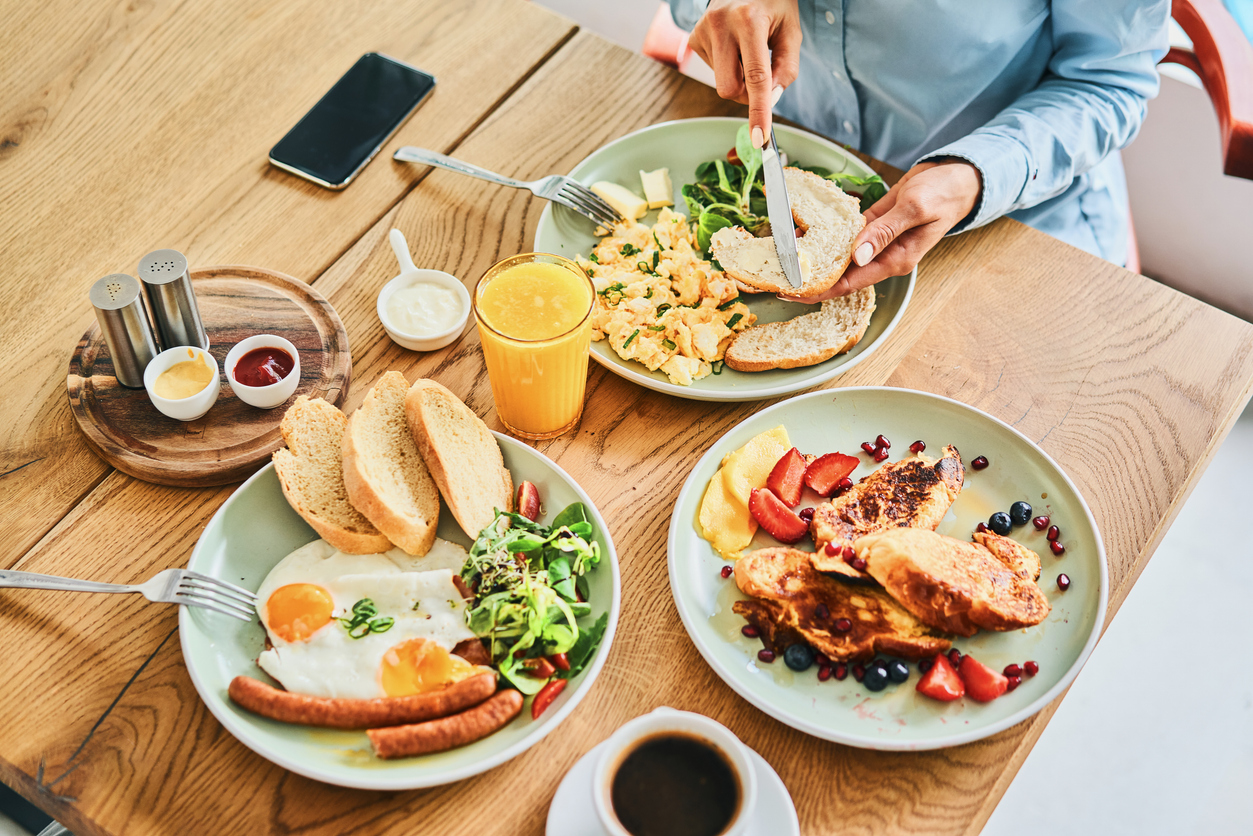
Breakfast has always been more than the first meal of the day. Across different cultures and generations, morning foods have reflected changing lifestyles, work routines, family traditions, and even economic conditions. What people eat for breakfast has evolved alongside society, yet many classic dishes have remained remarkably familiar despite changing tastes and technologies. The journey from practical morning fuel to internet sensation reveals how history, psychology, marketing, and popular culture continue shaping the foods people enjoy every day. Breakfast remains one of the few meals that successfully balances nostalgia with innovation, allowing familiar classics to constantly find new audiences.
How the Industrial Revolution Turned Breakfast Into a Daily Habit
Before the Industrial Revolution, breakfast habits varied widely depending on occupation, income, and location. Rural families often ate whenever work demanded it rather than following a strict schedule. Meals were built around whatever ingredients were available, and there was little expectation that everyone should begin the day with the same type of food. Industrialization gradually changed those routines. Factory workers needed dependable meals before long shifts, encouraging families to establish more regular morning eating habits. Bread, porridge, tea, and simple cooked foods became practical choices because they provided energy while fitting into increasingly structured daily schedules. Breakfast slowly transformed from an occasional necessity into an expected part of everyday life. As cities expanded and work hours became more standardized, breakfast developed into a recognizable social routine rather than simply a source of calories. Coffee and tea also became fixtures of the morning, helping workers prepare for long days while reinforcing the idea that breakfast marked the official beginning of daily life. Those habits continue influencing modern routines, even as today's breakfasts look very different from those of the nineteenth century.
The Working-Class Foods That Built the First Breakfast Traditions
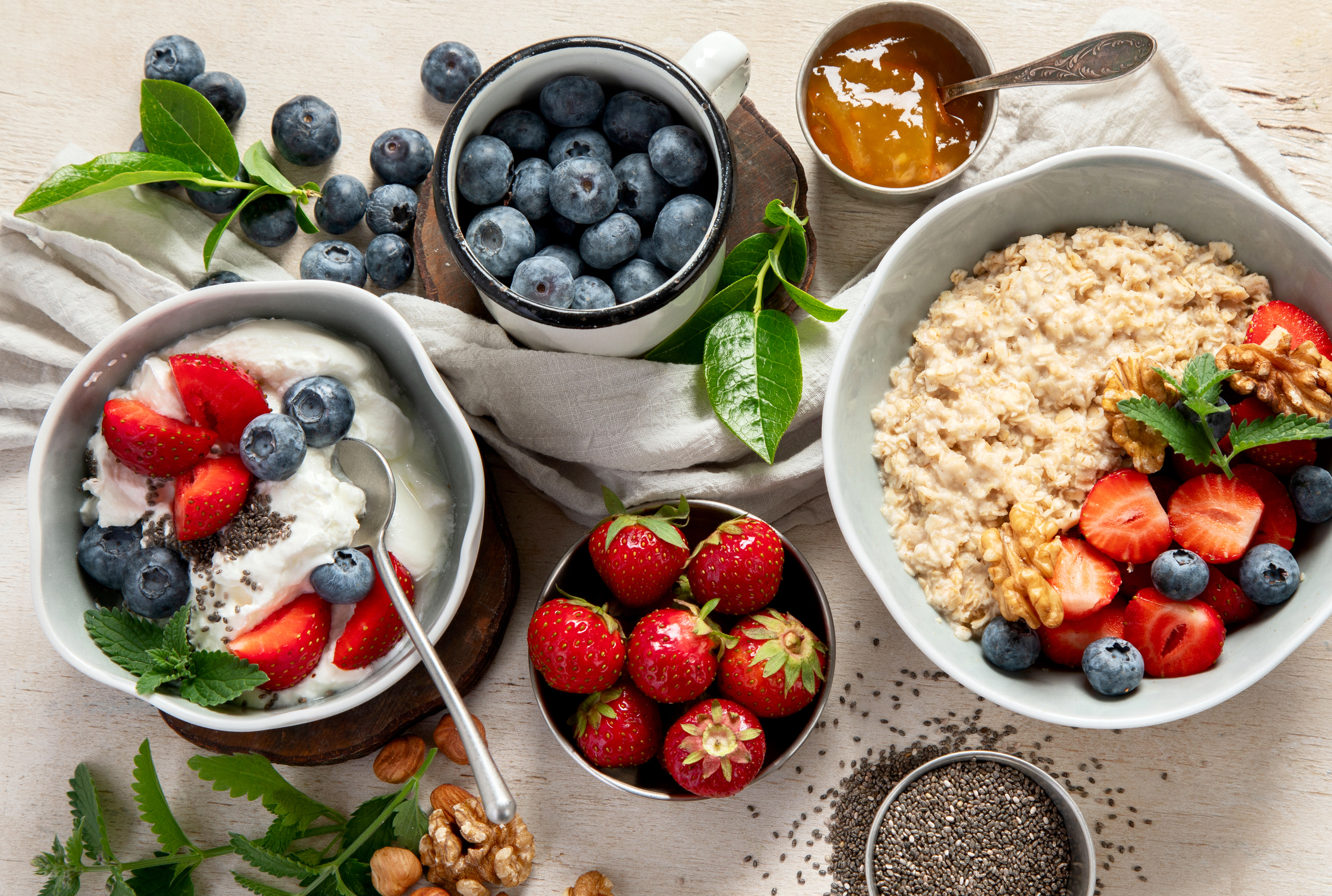
Long before breakfast became associated with cafés and carefully plated social media photos, it was built around practicality. Working-class families depended on inexpensive, filling foods that could sustain them through physically demanding jobs. Bread, porridge, potatoes, dripping, and leftover meats appeared regularly because they were affordable and widely available. These meals reflected necessity more than preference. Coal miners, factory workers, and agricultural laborers often began work before sunrise, leaving little time for elaborate cooking. Simple eggs, hearty grains, and whatever remained from the previous evening's meal provided dependable nourishment that helped families make the most of limited resources. Over time, these humble breakfasts became familiar traditions passed from one generation to the next. Many foods that once symbolized survival eventually became symbols of comfort. Toast with butter, warm oatmeal, fried eggs, and homemade biscuits now evoke feelings of home because families prepared them repeatedly over decades. Their emotional significance developed through daily repetition, transforming practical meals into some of the most recognizable comfort foods in modern culture.
How Kellogg and the Health Movement Made Cereal a Morning Staple
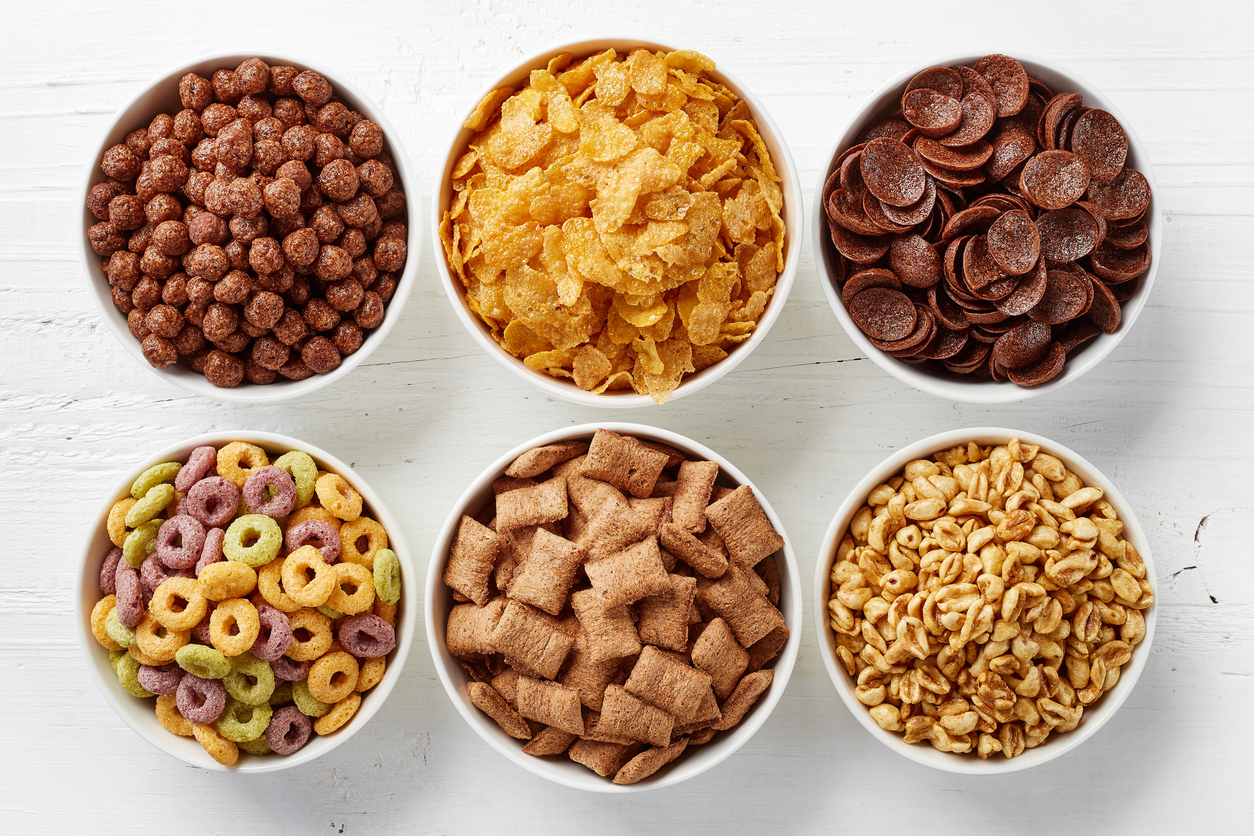
As breakfast habits became more established, new ideas about nutrition began influencing what people considered a healthy start to the day. During the late nineteenth century, physician John Harvey Kellogg promoted cereal as a lighter alternative to heavy meat-based breakfasts. His work reflected broader health reform movements that encouraged moderation, digestion, and cleaner eating habits. The cereal industry quickly expanded beyond its original health message. Companies introduced attractive packaging, memorable mascots, and nationwide advertising campaigns that presented cereal as both convenient and nutritious. Families embraced products that required little preparation, allowing busy households to serve breakfast within minutes. The combination of convenience and consistent marketing helped cereal become a permanent fixture in kitchens around the world. Breakfast cereals also became closely tied to popular culture. Saturday morning cartoons introduced generations of children to colorful cereal mascots, promotional toys, and collectible prizes hidden inside boxes. Characters such as Tony the Tiger, Toucan Sam, and Cap'n Crunch became entertainment icons in their own right, demonstrating how breakfast foods and media grew increasingly connected throughout the twentieth century.
Why Advertisers Decided Breakfast Was the Most Important Meal
Advertising played a major role in shaping public attitudes toward breakfast. Throughout the twentieth century, companies and nutrition campaigns promoted the idea that breakfast was the "most important meal of the day," encouraging families to make it a daily priority. This simple message became one of the most successful food marketing campaigns ever created. Food manufacturers reinforced that idea by connecting breakfast with productivity, health, and family life. Television commercials frequently showed cheerful families gathered around the breakfast table before school or work, presenting the meal as an essential part of a successful morning routine. These images became deeply embedded in popular culture, influencing how generations viewed the first meal of the day. Although nutrition research has continued to evolve, the cultural influence of these campaigns remains strong. Many people still associate breakfast with starting the day responsibly, even as modern eating habits become more flexible. The combination of advertising, convenience, and family tradition helped establish breakfast as far more than just another meal—it became part of everyday identity and routine.
How Postwar Convenience Rewired the Morning Routine
After World War II ended, shortages and shifting home life didn't just change what you ate for breakfast—they changed how you thought about preparing it. As suburban neighborhoods expanded and more people returned to work, speed and convenience became priorities. Like TV dinners reshaped evening meals, new breakfast products rewired morning routines around toasters, coffee makers, and ready-to-eat foods that fit increasingly busy schedules. This shift introduced a wave of products designed to simplify breakfast:
- Sliced bread and toasters made hot breakfasts faster than ever.
- Instant coffee replaced slower brewing methods in many households.
- Pre-sugared cereals turned breakfast into a quick pour-and-eat habit.
- Frozen waffles and instant oatmeal reduced the need for stovetop cooking.
Convenience soon became an expectation rather than a luxury. Families embraced foods that saved time while still delivering familiar flavors, allowing them to get out the door more quickly each morning. Today, digital tools continue that evolution, showing how apps changed meal planning by making it easier to organize grocery lists, discover recipes, and prepare breakfasts ahead of time.
The Comfort Food Psychology Behind Classic Breakfast Dishes
Convenience changed how breakfast was prepared, but it did not replace the emotional connection people have with classic morning foods. Pancakes, eggs, toast, oatmeal, and warm pastries often remind people of family traditions, quiet weekends, or childhood mornings before school. These repeated experiences allow breakfast foods to become closely tied to feelings of comfort and stability. Much of this emotional connection comes through the senses. The smell of butter melting on toast, the sound of bacon sizzling, or the aroma of freshly brewed coffee can immediately trigger memories from years earlier. Researchers have long noted that smell and taste are closely connected to memory, helping explain why familiar breakfast foods often feel reassuring during stressful or uncertain times. Because these dishes carry emotional meaning as well as nutritional value, they remain popular across generations. New recipes may appear every year, but classic breakfasts continue returning because they offer something trends alone cannot provide. They remind people of home, family, and familiar routines that remain comforting even as daily life changes.
Why Eggs, Toast, and Pancakes Trigger Such Strong Nostalgia
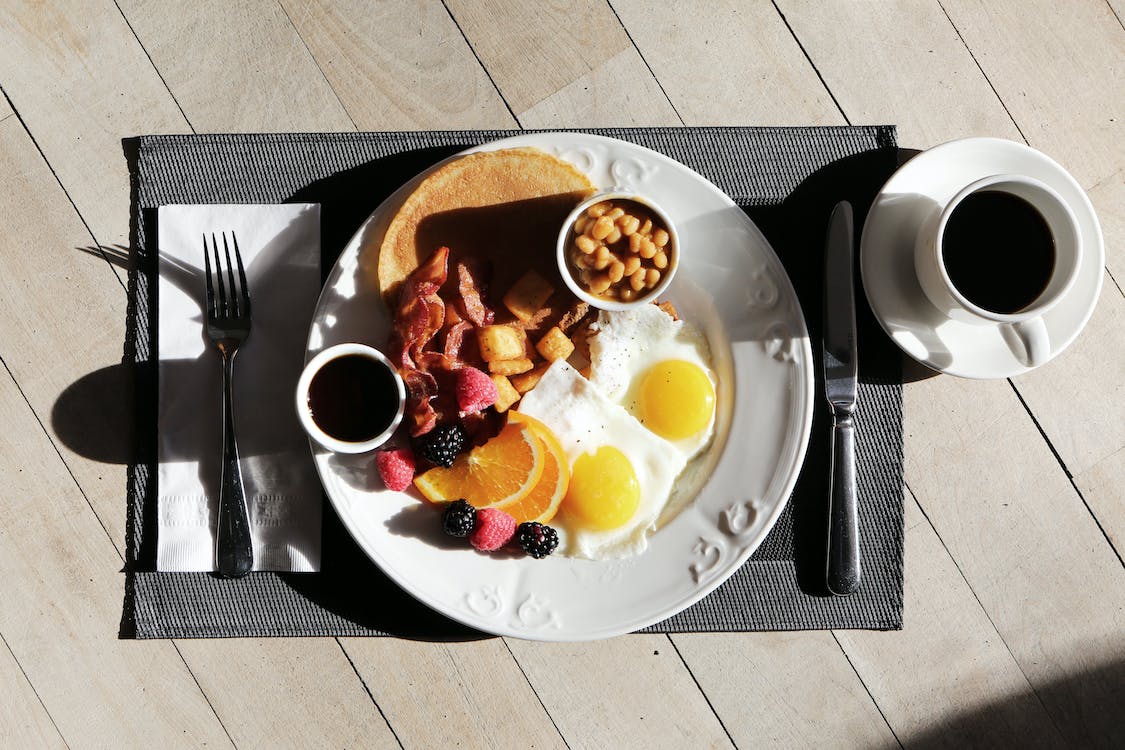
Few breakfast foods inspire nostalgia as consistently as eggs, toast, and pancakes. These dishes appear regularly during family breakfasts, holiday mornings, sleepovers, and weekend gatherings, creating positive memories that many people carry into adulthood. Their simplicity also allows them to adapt to different cultures while remaining instantly recognizable. Each food carries its own emotional associations. Toast represents everyday routine and reliability, while eggs symbolize home cooking and versatility. Pancakes often feel more celebratory, appearing during birthdays, vacations, or leisurely weekends when families have extra time together. Because these experiences repeat over many years, the foods themselves become powerful reminders of those moments. This emotional familiarity explains why classic breakfasts rarely disappear from restaurant menus or home kitchens. Even when people experiment with new recipes or healthier alternatives, they often return to these traditional favorites because they provide both comfort and continuity. Their popularity reflects not only good taste but also the lasting memories attached to every bite.
How Social Media Made Breakfast a Lifestyle Trend
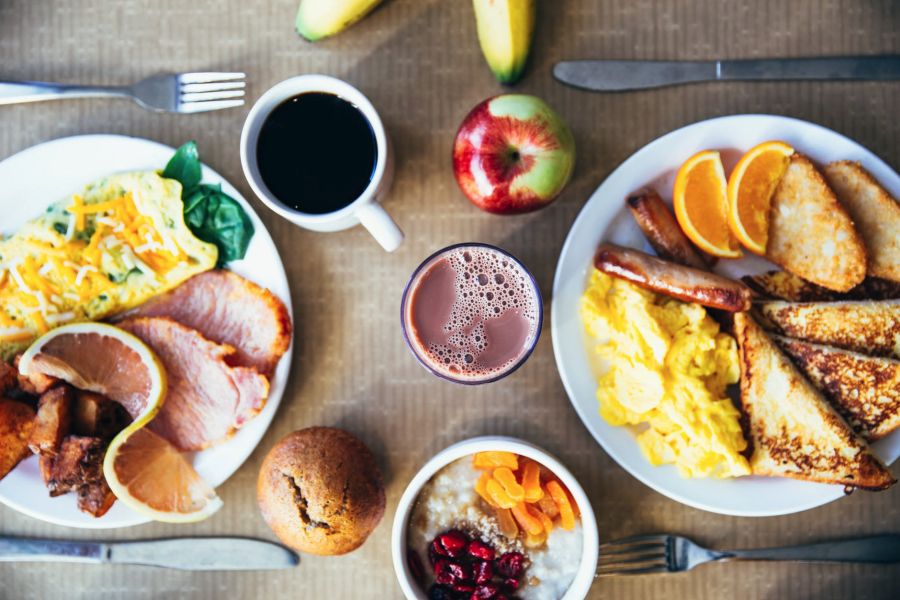
Breakfast has found an entirely new audience through social media. Platforms like TikTok, Instagram, and YouTube have transformed ordinary morning meals into highly visual content, with creators sharing colorful smoothie bowls, beautifully arranged avocado toast, café-style coffee drinks, and creative egg recipes. A simple breakfast can now inspire millions of views within hours. Many of these posts focus on more than the food itself. Morning routines, kitchen organization, coffee preparation, and healthy lifestyle habits have become popular content categories that encourage viewers to recreate the same experiences at home. Influencers often combine recipes with wellness tips, home décor, and productivity advice, making breakfast part of a broader lifestyle rather than an isolated meal. This trend has also encouraged creativity in home cooking. People experiment with presentation, ingredients, and seasonal flavors because visually appealing dishes perform well online. Following the top social media trends for 2025 also helps explain why breakfast recipes, café aesthetics, and morning routines continue reaching millions of viewers across digital platforms.
The Rise of Breakfast Sandwiches and Portable Morning Formats
As modern schedules became increasingly busy, breakfast evolved to fit life on the move. Many people no longer have time to prepare or enjoy a leisurely morning meal at home, creating demand for portable options that combine convenience with familiar flavors. Breakfast sandwiches, wraps, burritos, and handheld pastries have become practical solutions for commuters, students, and busy professionals alike. Restaurants and coffee chains have embraced this shift by expanding their breakfast menus with portable choices that appeal to different tastes. Egg sandwiches, breakfast burritos, croissant sandwiches, and protein-packed wraps offer quick meals without abandoning traditional breakfast ingredients. Around the world, local variations have emerged as well, from breakfast bao buns in Asia to savory breakfast flatbreads in the Middle East and Latin American breakfast wraps. Despite their modern presentation, these portable meals still rely on familiar comfort foods. Eggs, cheese, bread, potatoes, and breakfast meats remain at the center of many recipes, proving that while breakfast formats continue evolving, the flavors people associate with comfort remain remarkably consistent.
Why Brunch Became a Pop Culture Phenomenon
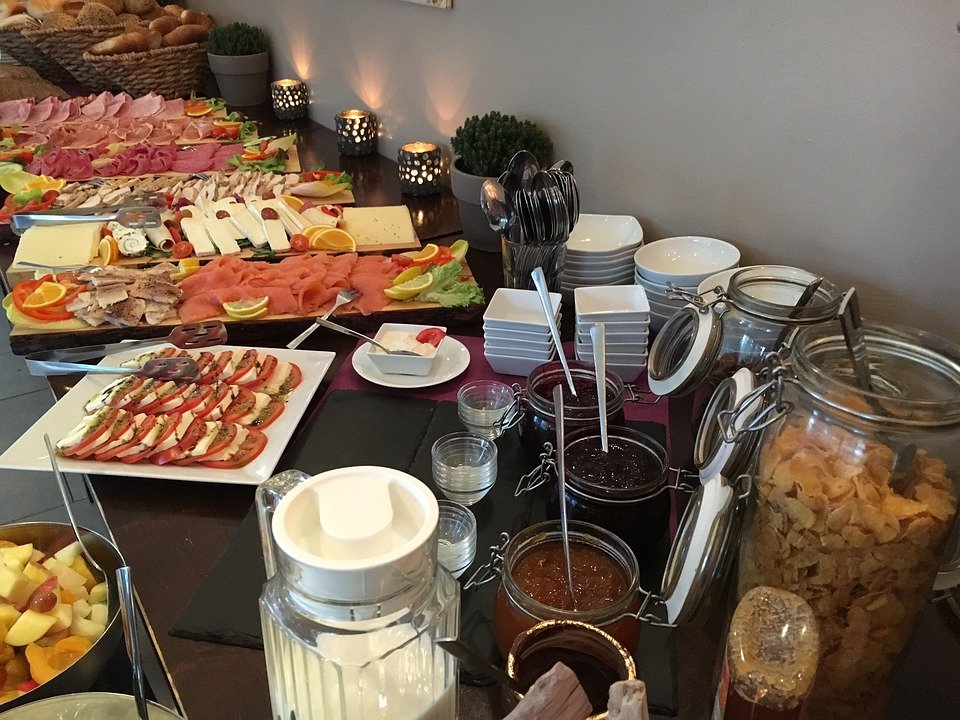
Breakfast culture expanded even further with the growing popularity of brunch. Originally viewed as a relaxed weekend meal, brunch has become a social event centered on conversation, cafés, and shared experiences. Friends and families gather over pancakes, eggs Benedict, waffles, pastries, and specialty coffee, turning breakfast foods into the centerpiece of leisurely mornings rather than hurried routines. Social media played a significant role in this transformation. Stylish cafés, beautifully plated dishes, colorful beverages, and elegant interiors became popular backdrops for Instagram posts and travel content. Signature brunch items such as avocado toast, stacked pancakes, mimosa flights, and artisan coffee drinks quickly became recognizable symbols of modern dining culture. Today, brunch represents much more than a combination of breakfast and lunch. It reflects changing lifestyles that value experiences alongside good food. Whether celebrating a special occasion or simply enjoying a slow weekend morning, brunch has become one of the most recognizable ways breakfast continues shaping contemporary food culture.
Conclusion
Breakfast has come a long way from its origins as a practical meal designed to fuel long days of physical work. Industrialization, advertising, convenience foods, and changing lifestyles have all shaped how people begin their mornings. At the same time, classic dishes have remained part of everyday life because they offer familiarity, comfort, and traditions that span generations. Whether it's a simple bowl of oatmeal, a stack of pancakes, a breakfast sandwich on the go, or a beautifully presented brunch shared online, breakfast continues bringing people together through taste, routine, and shared experiences. Its lasting appeal lies in its ability to evolve with every generation while remaining one of the most comforting and recognizable meals of the day.