Pancake and Waffle Recipe Conversions for Better Breakfasts
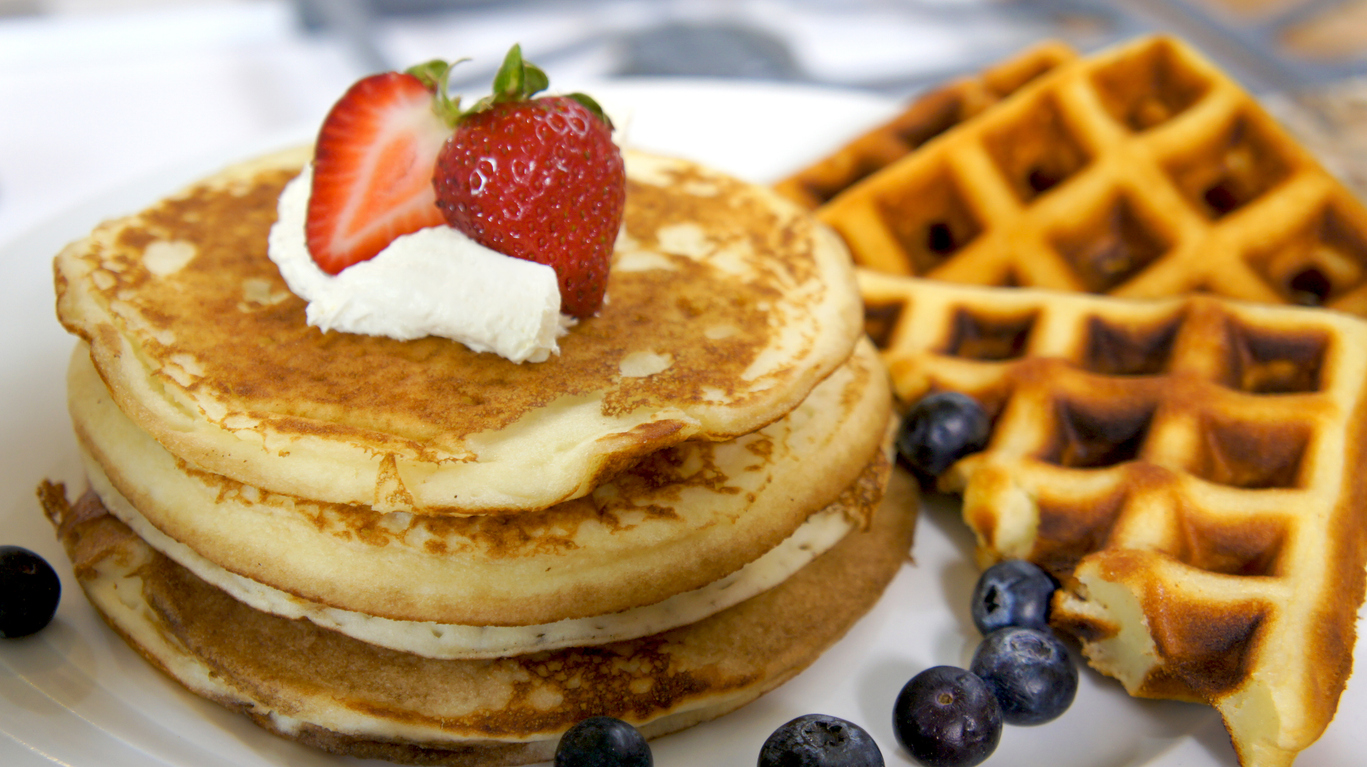
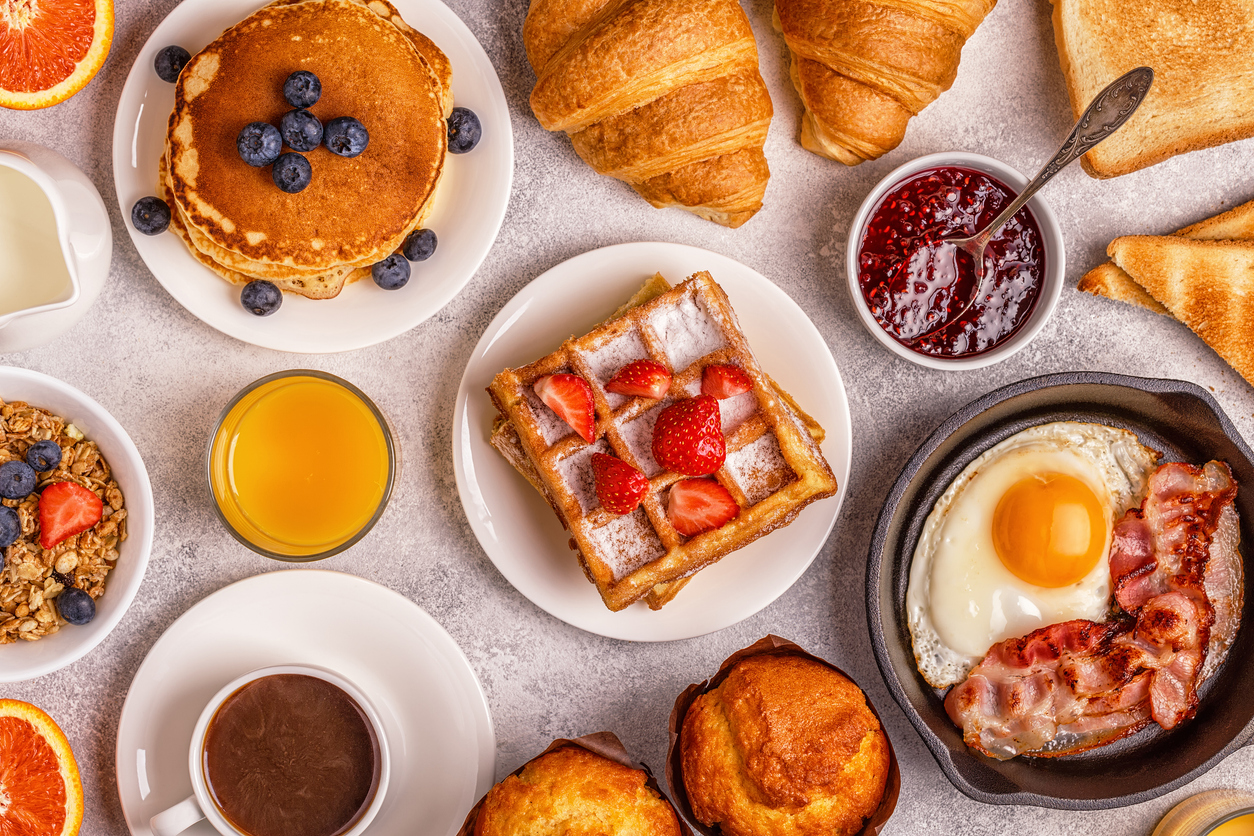
Pancakes and waffles may begin with many of the same ingredients, but they create two very different breakfast experiences. One is soft, fluffy, and perfect for soaking up syrup, while the other is crisp on the outside with deep pockets designed to hold butter, fruit, and toppings. Understanding how to convert one batter into the other gives you more flexibility in the kitchen without needing separate mixes for every breakfast. Whether you're preparing a weekend brunch, feeding a busy family, or experimenting with recipes inspired by social media, knowing a few simple ingredient adjustments can dramatically improve your results. With the right balance of fat, eggs, and texture, you can easily transform pancake batter into crispy waffles or turn waffle mix into tender pancakes while still enjoying delicious homemade breakfasts.
What Actually Makes Waffle Batter Different From Pancake Batter
Pancake batter and waffle batter share many of the same basic ingredients, including flour, eggs, milk, baking powder, and butter or oil. The difference lies in the proportions. Waffle batter typically contains more fat, slightly less liquid, and often an additional egg, creating a richer mixture that browns beautifully inside a hot waffle iron. Pancake batter, by comparison, stays lighter and more pourable so it spreads evenly across a flat griddle. The cooking method also influences how each batter is designed. Pancakes cook on an open surface where moisture can escape gradually, producing a soft, fluffy texture. Waffles cook between two heated plates that surround the batter from both sides. The additional fat encourages browning while helping create the crisp exterior that waffles are known for. A thicker batter also prevents excessive spreading and allows the waffle to hold its signature grid pattern. Air plays an important role as well. Some waffle recipes recommend separating the eggs and folding whipped egg whites into the batter to create a lighter interior without sacrificing crispness. While this extra step isn't necessary for everyday breakfasts, it demonstrates how even small adjustments can change the final texture. Understanding these differences makes recipe conversions much easier and produces more consistent results.
Why Waffles Need More Fat and an Extra Egg
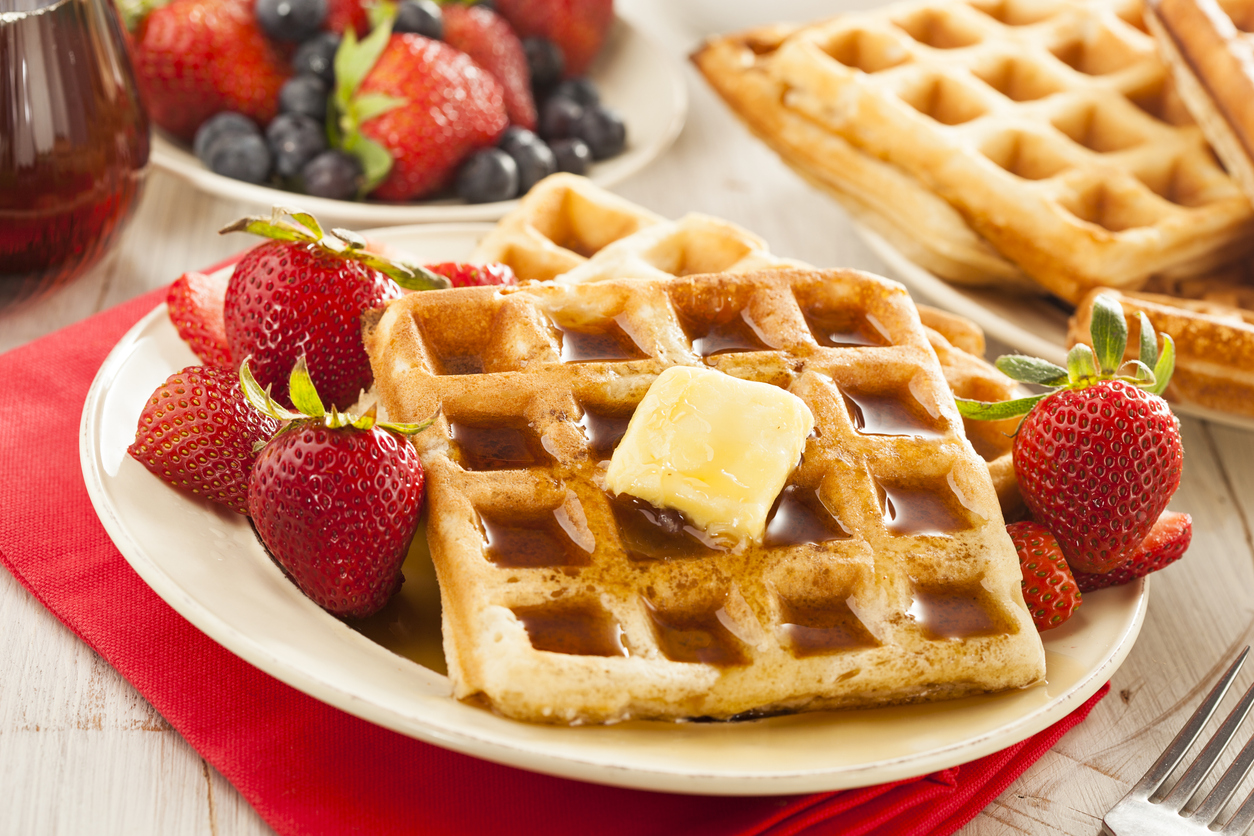
One of the biggest differences between waffle batter and pancake batter is the amount of fat it contains. Butter or oil helps conduct heat more efficiently inside the waffle iron, encouraging the rich golden color and crisp exterior that make waffles so distinctive. At the same time, the added fat locks in moisture, ensuring the inside stays light and tender instead of becoming dry. Adding an extra egg further improves both texture and flavor. The yolk contributes richness while helping bind the batter together, and the proteins in the egg provide additional structure as the waffle cooks. This combination allows the batter to rise properly while remaining sturdy enough to hold its signature pockets without collapsing. Here's what each addition contributes:
- Extra fat creates the contrast between a crisp exterior and a soft, fluffy interior.
- An extra egg yolk adds richness and strengthens the batter for better structure.
- Fat and egg together help retain moisture while producing waffles that are light inside and beautifully crisp outside.
When these ingredients are balanced correctly, waffles develop the texture most people expect from a great breakfast. Reducing either the fat or the egg won't necessarily ruin the recipe, but the finished waffles will likely resemble thick pancakes rather than achieving the crisp, golden finish that sets them apart.
How to Convert Pancake Mix Into Waffle Batter
Before adding the extra ingredients, make sure you're working with the correct measurements. If you're doubling a recipe or adjusting the serving size, a cooking conversion calculator can help you scale the ingredients accurately while maintaining the proper balance of fat, liquid, and leavening. For every cup of dry pancake mix, add approximately two tablespoons of oil or melted butter, one extra egg, and the amount of liquid recommended on the package. Many home cooks also substitute whole milk or buttermilk for water to create a richer flavor and more tender interior. After mixing the ingredients, avoid overworking the batter. Stir only until the dry ingredients are incorporated, leaving a few small lumps behind. Overmixing develops gluten, which can make waffles tougher instead of light and crisp. Allowing the batter to rest for five to ten minutes before cooking also gives the flour time to absorb moisture and helps produce more even results. When cooking, always preheat the waffle iron completely before adding batter. A properly heated iron begins crisping the exterior immediately, reducing the chance of sticking while creating better browning. Avoid opening the iron too early, as waffles continue releasing steam while they cook. Waiting until the steam slows significantly usually produces a crispier, more evenly cooked waffle.
Leavening and Cornstarch Tricks for Crispier Waffles
Once you've adjusted the fat and egg content, a few additional ingredient changes can make an even bigger difference in the final texture. Leavening agents help waffles rise while cornstarch reduces gluten formation, allowing the exterior to become crisp without making the inside dry. These small adjustments are easy to make but can noticeably improve homemade waffles. Try these simple techniques:
- Adjust your leavening — Combine baking powder with a small amount of baking soda when using acidic ingredients like buttermilk. This encourages better browning while creating a lighter, airier texture.
- Replace some flour with cornstarch — Substituting about 20% of the flour with cornstarch helps produce a thinner, crispier crust while maintaining enough structure to hold the waffle together.
- Enhance the flavor naturally — A splash of vanilla extract or a pinch of cinnamon adds depth without relying on extra sugar, which can cause waffles to brown too quickly.
These adjustments work best alongside proper cooking techniques. A fully preheated waffle iron and a batter that isn't overmixed will help you get the most from these ingredients, producing waffles with a crisp exterior, a light interior, and consistent results every time.
How to Cook Pancakes and Waffles for the Best Results
Even the best batter can produce disappointing results if it's cooked improperly. Taking a little extra time to prepare your cooking surface makes a noticeable difference. Preheat your skillet or waffle iron thoroughly, and lightly grease it if necessary to prevent sticking while encouraging even browning. For pancakes, use about one-quarter cup of batter for each serving to maintain a consistent size. Resist the temptation to press pancakes down with your spatula after flipping, as this forces out the air that creates a soft, fluffy interior. Waffles benefit from a similar hands-off approach. Once the batter is in the iron, allow it to cook undisturbed until the steam slows or the appliance indicates that cooking is complete. If you're preparing breakfast for several people, keep finished pancakes or waffles warm in a 200°F (95°C) oven while the remaining batches cook. Arrange them in a single layer on a baking sheet rather than stacking them, which helps preserve their texture. These simple techniques ensure every serving reaches the table warm and ready for toppings.
Why Pancakes and Waffles Became Brunch Favorites
Pancakes and waffles have grown far beyond everyday breakfast foods to become staples of modern brunch culture. Restaurants, cafés, and weekend diners frequently feature them as centerpieces of brunch menus because they are both comforting and highly customizable. Whether served with fresh fruit, whipped cream, fried chicken, or smoked salmon, they easily adapt to both sweet and savory tastes. Weekend brunch has also become an important social tradition. Friends and families gather over leisurely meals where pancakes and waffles provide a familiar, crowd-pleasing option. Their versatility allows restaurants to create seasonal specials featuring local fruit, flavored syrups, specialty butters, or creative toppings that encourage customers to return throughout the year. This popularity has helped pancakes and waffles become recognizable parts of food culture around the world. From neighborhood breakfast cafés to upscale brunch restaurants, these classic dishes continue evolving while maintaining the comforting qualities that have made them favorites for generations.
How Social Media Made Breakfast More Creative
Social media has transformed breakfast into one of the internet's most visually appealing food categories. Platforms like Instagram, TikTok, Pinterest, and YouTube are filled with colorful pancake stacks, perfectly crisp waffles, elaborate brunch boards, and creative breakfast recipes that inspire millions of home cooks. A beautifully plated breakfast can quickly become as popular online as an elaborate dinner. Food creators regularly introduce new twists on traditional recipes. Mini pancake cereal, stuffed waffles, colorful ube pancakes, protein-packed batters, and decorative pancake art have all gained popularity through short videos and recipe tutorials. These trends encourage people to experiment with ingredients and presentation while showing that familiar breakfasts can still feel fresh and exciting. Beyond entertainment, social media has also made cooking more accessible. Step-by-step recipe videos, cooking tips, and troubleshooting guides help beginners improve their skills with confidence. As a result, pancakes and waffles continue attracting new generations of home cooks who enjoy combining classic recipes with modern techniques and creative presentation.
Mix-Ins That Add Flavor Without Wrecking the Batter
Mix-ins are one of the easiest ways to customize pancakes and waffles, but adding them correctly helps preserve the texture of the batter. Fold ingredients into the batter only after the wet and dry ingredients have been combined. This gentle mixing prevents overdeveloping the gluten, which can make pancakes chewy and waffles less tender. Classic choices like blueberries, chocolate chips, chopped bananas, and cinnamon remain popular because they add flavor without dramatically changing the consistency of the batter. You can also experiment with shredded coconut, toasted pecans, citrus zest, pumpkin spice, or even finely diced apples for seasonal variations. For savory recipes, shredded cheese, cooked bacon pieces, fresh herbs, or chopped scallions create delicious alternatives that pair well with eggs or breakfast meats. Keep the quantity of mix-ins moderate so the batter cooks evenly. Too many additions can weigh down pancakes or prevent waffles from becoming crisp. If you're using larger fruits or chocolate chunks, scatter some directly onto the batter after pouring it onto the griddle or waffle iron instead of mixing everything into the bowl. This simple technique helps distribute ingredients more evenly and creates consistent results.
Popular Toppings From Around the World
One reason pancakes and waffles have remained breakfast favorites is their ability to pair with countless toppings from different cuisines. In North America, maple syrup, butter, fresh berries, and whipped cream continue to be timeless choices. Belgium is famous for serving waffles with powdered sugar, strawberries, chocolate sauce, or whipped cream, while Scandinavian breakfasts often feature berries and fruit preserves. Around the world, local ingredients have inspired creative variations that reflect regional food traditions. Japanese soufflé pancakes are known for their exceptionally airy texture and are often served with fresh fruit and cream. In the Philippines, ube-flavored syrups and spreads add vibrant color and sweetness, while many cafés incorporate matcha, red bean paste, or black sesame into modern breakfast menus. Chicken and waffles have also become a beloved comfort food that combines savory and sweet flavors in a single meal. These global influences continue inspiring restaurants and home cooks alike. Seasonal fruits, flavored syrups, artisan honey, yogurt, nuts, and homemade fruit compotes all provide simple ways to personalize breakfast while introducing flavors from different culinary traditions. The endless variety of toppings ensures that pancakes and waffles remain both familiar and exciting.
Conclusion
Pancakes and waffles may share many of the same ingredients, but understanding the small differences in fat, eggs, liquid, and cooking techniques allows you to create the texture and flavor you're looking for every time. Whether you're converting pancake mix into crispy waffles or turning waffle batter into fluffy pancakes, a few thoughtful adjustments can produce consistently delicious results. Just as importantly, these breakfast classics continue evolving through brunch culture, creative toppings, and social media inspiration. Their versatility allows home cooks to honor traditional recipes while experimenting with new flavors from around the world, ensuring that pancakes and waffles remain comforting favorites for both everyday breakfasts and special weekend gatherings.