Eggs in Literature: Breakfast References in Classic and Modern Works
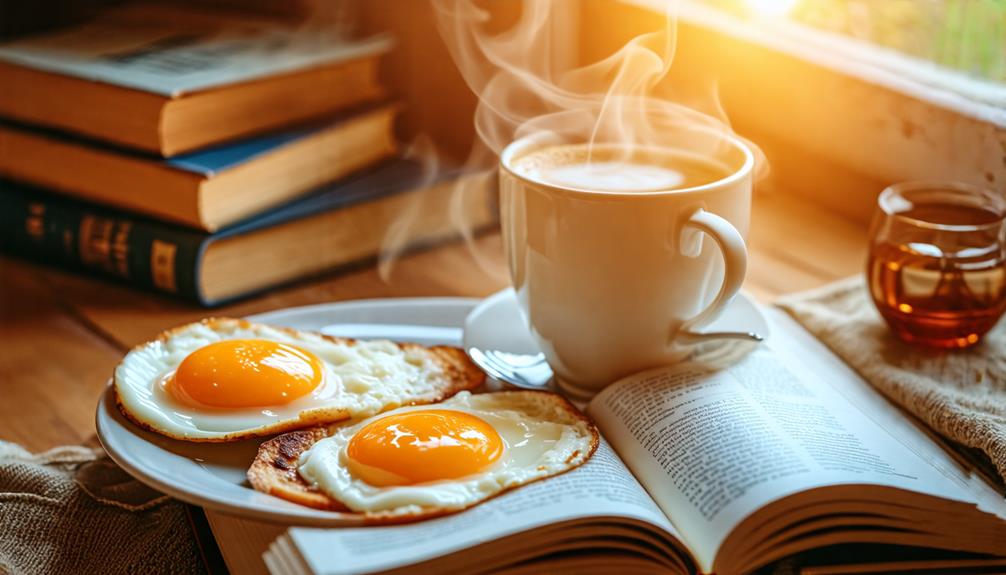
When discussing breakfast scenes in literature, eggs often symbolize more than just a meal. In classic works by authors like Jane Austen and Charles Dickens, poached eggs can indicate luxury and social dynamics, providing insights into a character's status and relationships. In modern narratives, eggs delve deeper, exploring emotional depths and family ties. Consider how a simple egg can carry significant narrative weight. Breakfast references often hold more meaning than one might initially think.
Eggs as Literary Symbols
In literature, eggs often symbolize potential and fragility, representing themes of rebirth and new beginnings. This symbolism is vividly portrayed in Sherwood Anderson's "The Egg," where eggs embody the dreams and vulnerabilities of the characters. In fairy tales and fables, eggs frequently appear as symbols of life and creation, reinforcing their cultural significance across diverse narratives.
Eggs also serve as powerful culinary metaphors, illustrating character traits and social commentary. In British fiction, dishes like omelets and scrambled eggs highlight class distinctions. How characters interact with eggs can reflect societal norms and expectations, prompting you to consider how food choices signify deeper social structures.
Additionally, the historical accessibility of eggs as a protein source is often woven into narratives. This showcases dietary habits that reflect the socio-economic conditions of characters, providing insight into their daily lives and struggles. It emphasizes the role of food in shaping identity.
Lastly, eggs can evoke nostalgia and personal memories, illustrating the emotional connections characters have with food. These connections highlight how something as simple as an egg can resonate deeply, enriching stories with layers of meaning.
Historical Breakfast Scenes
Many classic literary works feature breakfast scenes that highlight the importance of eggs, especially in British cuisine. These scenes often show eggs as symbols of nourishment and comfort. Early novels depict characters enjoying omelets or scrambled eggs, reflecting their social status and food preferences.
| Scene | Description |
|---|---|
| Simple Breakfast | A single boiled egg, symbolizing scarcity |
| Family Gathering | Multiple egg dishes, showcasing abundance |
| Intellectual Breakfast | Eggs with toast, reflecting thoughtful conversations |
| Upper-Class Dining | Elaborate egg preparations, highlighting luxury |
| Comfort Meal | Scrambled eggs, evoking warmth and familiarity |
In Peter De Vries' novels, breakfast foods like eggs are linked to intellectualism and societal norms, showing the cultural significance of morning meals. Eggs often appear in literary narratives as symbols of comfort and familiarity. They add emotional depth to characters' routines and interactions, connecting past and present.
Breakfast scenes in literature have evolved, from simple egg dishes to elaborate feasts. This change reflects shifting societal values and culinary practices, making eggs a consistent element in literary breakfast depictions.
Poached Eggs in Classic Works
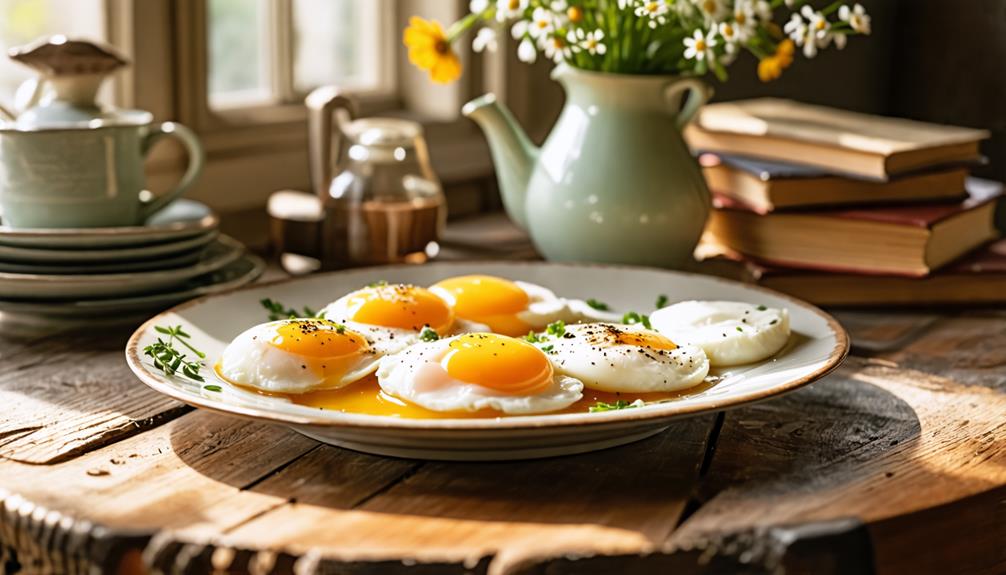
Poached eggs often appear in classic literature as symbols of luxury and refinement, reflecting the societal status of characters who enjoy them. In Jane Austen's novels, breakfast scenes frequently feature poached eggs. These scenes provide a rich setting for social interactions and character development, revealing much about the characters' lives and their places within society.
Charles Dickens also uses poached eggs in his works. He contrasts the upper class's opulence with the lower class's simple diets, using poached eggs as a symbol of privilege. For example, a breakfast with poached eggs can highlight the disparity between characters' lives, emphasizing broader themes of social inequality.
Poached eggs also symbolize comfort and domesticity. They often evoke nostalgia for simpler times and familial bonds, reinforcing the importance of shared meals. The careful preparation and enjoyment of poached eggs reflect the ritualistic nature of breakfast, underscoring themes of routine and togetherness.
In classic literature, poached eggs serve as more than just food. They reflect societal norms, character status, and the value of shared, everyday rituals.
Modern Breakfast References
Modern literature often uses breakfast scenes to reveal characters' emotions. These moments can show tension or comfort. For example, Gary Shteyngart uses cereal to symbolize how characters accept or reject American culture. In Susan Sontag's works, the smell of bacon brings up nostalgia, linking characters to their past.
Eggs are very versatile in these stories. Scrambled eggs, quiches, and omelets can show a character's lifestyle and social class. Haruki Murakami takes this further, using breakfast to explore identity. A simple plate of scrambled eggs can become a deep, philosophical journey.
Contemporary novels also use breakfast foods to challenge norms. They show diverse culinary practices, reflecting global influences on dining habits. These scenes are not just about eating; they are rich with symbolism and character development.
| Author | Breakfast Item | Symbolism |
|---|---|---|
| Gary Shteyngart | Cereal | American culture |
| Susan Sontag | Bacon | Nostalgia, personal memories |
| Haruki Murakami | Scrambled eggs | Identity, existence |
Cultural Significance of Eggs
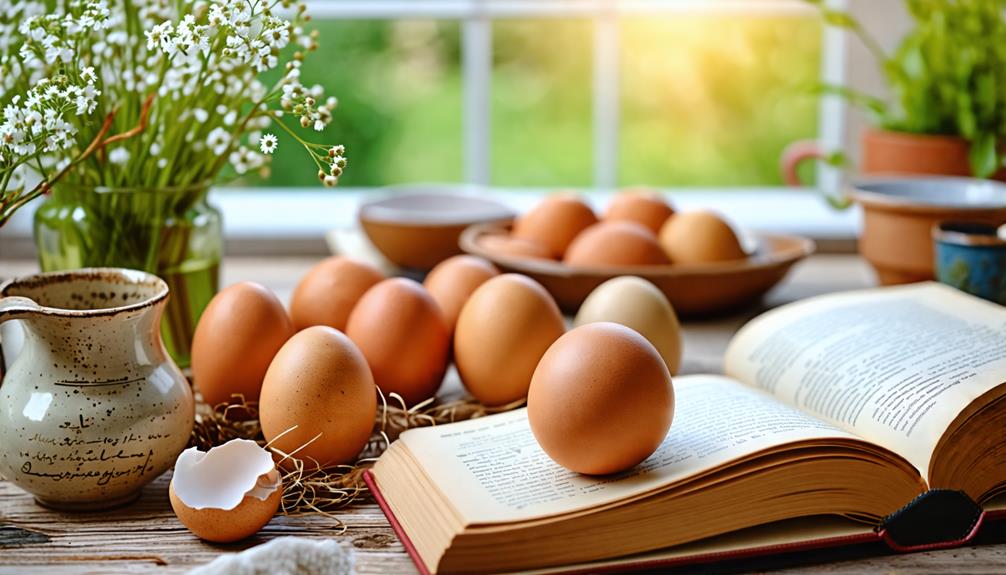
Eggs have significant cultural importance, symbolizing fertility, rebirth, and creation in many traditions. For example, in Christianity, Easter eggs represent Jesus' resurrection, symbolizing new life. In British cuisine, eggs were a staple during tough times, showing their role as an affordable protein source. Eating eggs connects you to a tradition that spans centuries and continents.
In American culture, eggs are often a quick and convenient meal. Globally, eggs are central to traditional breakfast practices, especially in regions like the subcontinent. In literature, such as Sherwood Anderson's "The Egg," eggs symbolize fragility and potential, reflecting their delicate and life-giving nature.
Cultural practices involving eggs, like decorating them during Easter or exchanging them in Iranian weddings, highlight their lasting significance. So, when you eat eggs, you're not just having a meal; you're engaging with a rich tapestry of cultural meanings and traditions.
Eggs in Film and Art
In film and art, eggs often symbolize themes of fragility, transformation, and potential. For example, the chestburster scene in "Alien" uses the egg to represent vulnerability and the transformation of life. This moment highlights the dramatic potential of eggs in horror.
In visual arts, Lucian Freud's still life paintings often include eggs. These works encourage you to see beauty in everyday objects, turning something as simple as a fried egg into a subject for reflection. In animation, eggs are frequently used for comedic effect. Whether it's a character slipping on a fried egg or an egg hatching into something unexpected, these moments add humor and whimsy to the story.
Eggs appear in various art forms, from traditional paintings to mixed media, showing their universal appeal. Their presence in film and art enhances the narrative, offering commentary on themes like fragility and potential. Next time you see an egg in art, consider its symbolic power.
Personal Stories and Preferences
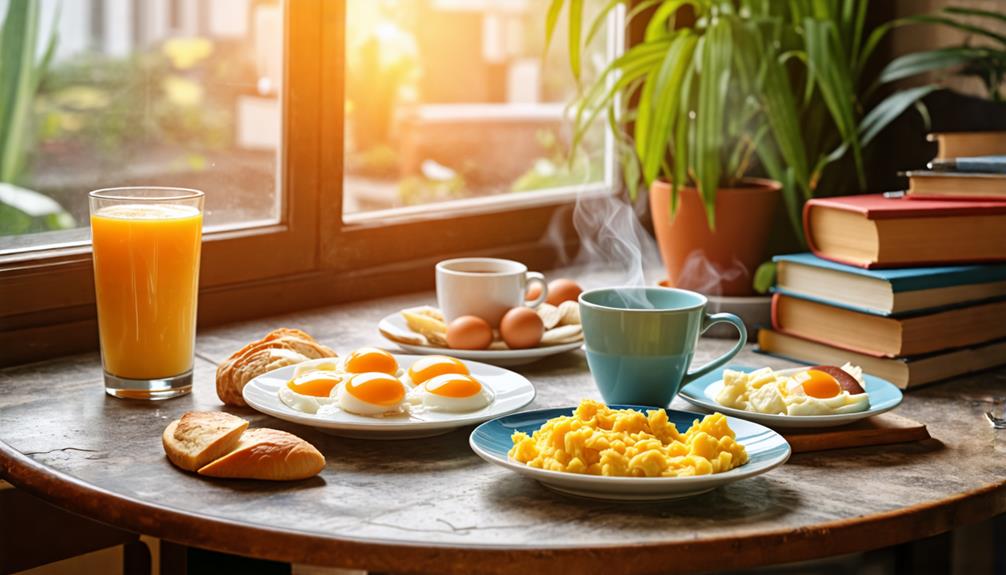
Think about those nostalgic breakfast moments that bring you back to childhood, when a simple egg dish could provide warmth and comfort. You might have tried unusual morning meals or enjoyed cultural breakfast favorites that tell stories of heritage and tradition. These personal connections with eggs are common and often reflected in literature, where characters' breakfasts reveal deeper aspects of their lives and cultures.
Nostalgic Breakfast Moments
Breakfast often stands out as a comforting ritual from childhood, filled with nostalgia. Many people remember the familiar sight of egg whites sizzling in the pan during Sunday morning omelets with family. These moments at the breakfast table symbolize warmth and security.
Dishes like quiche or egg-based casseroles aren't just food; they remind us of special gatherings and family traditions. You might recall the joy of biting into a perfectly soft-boiled egg or the excitement of egg-in-a-basket on a lazy weekend morning. These simple preparations often evoke powerful emotions, connecting you to loved ones and cherished times.
Cultural variations in breakfast preferences also shape these nostalgic moments. Traditional American breakfasts, often featuring eggs, can feel like home. More eclectic global morning meals may reflect personal or regional identity. Literature often captures this emotional resonance, with characters finding joy or reflection over familiar dishes.
Ultimately, the eggs in your childhood breakfasts are more than just food. They are touchstones of comfort, bonding, and nostalgia, enriching your personal story.
Unusual Morning Meals
Exploring unconventional morning meals shows that eggs can go beyond traditional breakfast dishes. Some people enjoy eggs for dinner 7-10 times a month, demonstrating their flexibility. Imagine using a frying pan in the evening to make a Scotch Woodcock, enjoying its rich, savory taste that breaks the usual breakfast routine.
Figures like Thomas Hardy also challenge standard meal norms with their unique morning choices. Hardy's preference shows how personal tastes can change what we consider a "breakfast" dish. It's about the comfort and satisfaction the meal provides, not just the time of day.
Key Points:
- Nostalgia: Many people have childhood memories of eggs as a central part of breakfast.
- Variety: Eggs can be prepared in many ways, such as quiches or scrambled eggs, reflecting different personal and cultural influences.
- Versatility: Regular consumption of eggs outside breakfast hours highlights their adaptability.
- Tradition: Dishes like Scotch Woodcock showcase eggs in unexpected yet delightful ways.
Your morning meal can be as unique as your preferences. Eggs in the frying pan offer a versatile and creative option for any time of the day.
Cultural Breakfast Favorites
Eggs are a versatile and convenient breakfast staple used in many American households. Preparing dishes like quiches, scrambled eggs, or omelets 7-10 times a month is common. Eggs offer both nutritional value and ease of preparation.
Breakfast choices often reflect local customs and preferences, showing how cultural variations shape morning meals. In some regions, savory egg dishes are popular, while others prefer sweeter options. Here's a look at how different regions use eggs:
| Region | Savory Preference | Sweet Preference |
|---|---|---|
| America | Scrambled Eggs | Egg Custard |
| France | Quiche Lorraine | Pain Perdu (French Toast) |
| Japan | Tamagoyaki (Rolled Omelet) | Castella (Egg Sponge Cake) |
| Mexico | Huevos Rancheros | Arroz con Leche (Rice Pudding) |
| Italy | Frittata | Zabaione (Egg Dessert) |
Eggs also appear in classic literature, often in breakfast scenes that enrich character development and comment on social norms. These references can evoke personal memories, connecting you to family meals and childhood experiences. Eggs are more than just food; they are a link to your past.