Breakfast Foods in Mythology and Folklore: Ancient Traditions and Legends

Breakfast foods have always held a special place in mythology and folklore, serving not just as sustenance but as symbols and offerings. In various cultures, food consumed at the start of the day often carried deep meanings, embodying divine blessings or bridging the human and supernatural realms. For example, in ancient Greek myths, certain foods like figs and honey would be part of morning rituals to honor the gods and ensure prosperity.
In Celtic legends, breakfast foods also played a significant role. Fairies were believed to feast on freshly baked bread and creamy butter left out by villagers as a ritual to earn their favor and protection. These stories highlight how fundamental morning meals were in binding the everyday lives of people with their spiritual beliefs and practices.
The intersection of breakfast foods with mythology isn’t limited to Western cultures. In many Asian traditions, rice, a staple breakfast item, is considered a divine gift. Rituals involving early morning rice offerings are meant to honor ancestors and deities, reflecting the belief that the day's first meal is sacred and powerful. These fascinating tales from diverse cultures show how breakfast foods transcend mere nutrition to become powerful symbols of faith and tradition.
Historical Significance of Breakfast Foods in Mythology
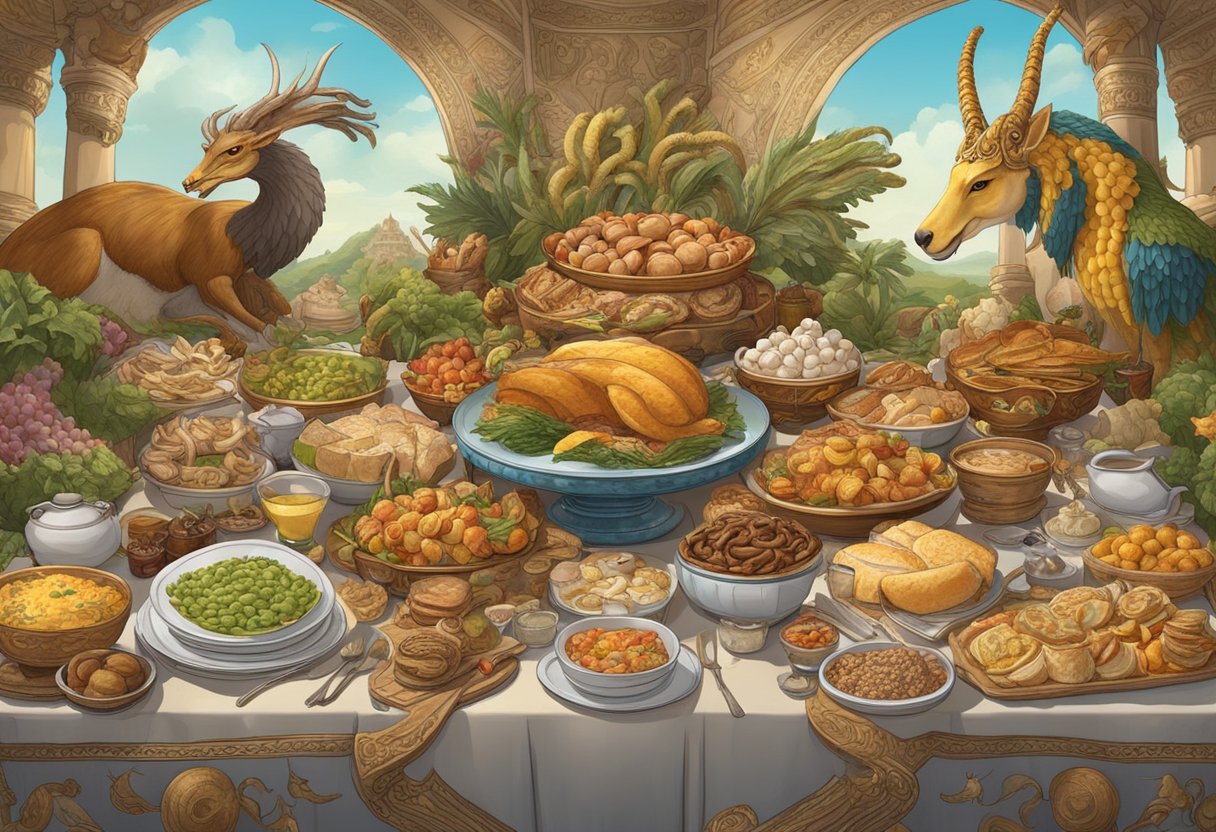
Breakfast foods have been part of many legends and traditional stories. They often symbolize divine sustenance, abundance, and magical qualities, serving as metaphors in various cultural tales.
Nectar and Ambrosia: Food of the Gods
In Greek mythology, nectar and ambrosia symbolize divine sustenance. The gods and goddesses of Mount Olympus, such as Zeus and Hera, are believed to consume these sacred foods. Nectar is often depicted as a sweet drink that grants immortality, while ambrosia is a food that provides eternal life and youthful vitality.
These mythical substances emphasize the importance of divine nourishment in ancient cultures. Consuming nectar and ambrosia was reserved for deities, highlighting the separation between gods and mere mortals. The concept of such foods underlines how crucial divine favor was in these societies.
Cornucopia: Symbol of Abundance and Nourishment
The Cornucopia, a symbol of plenty, originates from Greek and Roman mythology. It's often depicted as a horn overflowing with fruits, grains, and other foods. In myths, it is associated with deities such as Demeter, the goddess of harvest, and Dionysus, the god of wine.
The Cornucopia represents fertility, nourishment, and endless supply. It was believed to provide an unending supply of food and sustenance, ensuring that those who possessed it would never face hunger. This symbol has permeated various cultures, representing abundance and prosperity in rituals and artistic depictions.
Fairy Food in Celtic Lore
In Celtic mythology, especially within Irish folklore, fairy food holds considerable significance. Food shared by fairies, often in the form of enchanted feasts, could exert magical influences on those who ate it. Tales from Ireland, Scotland, and England describe how consuming fairy food could trap a mortal in the fairy realm.
These tales underline the mystical and sometimes dangerous allure of otherworldly sustenance. They reflect the deep-rooted belief in the magical attributes of food. Fairy feasts often included simple foods like bread and milk, but their magical nature made them special, emphasizing how everyday items could have extraordinary power in folklore.
Cultural Context of Morning Rites and Foods
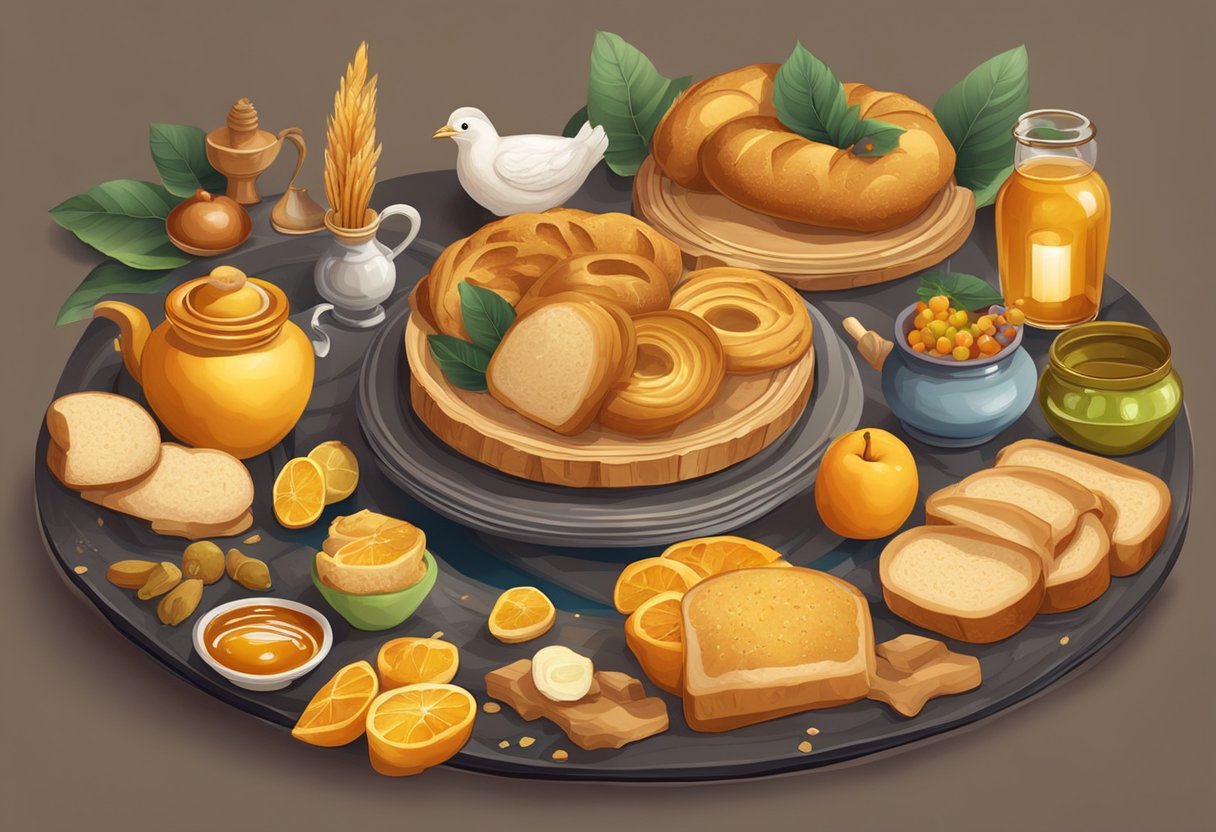
Morning rituals involving breakfast foods play a vital role in various cultures and their mythological stories. These practices often connect deeply with beliefs, rituals, and offerings to deities.
Indian Breakfast Rituals in Mythology
In Indian mythology, breakfast and morning rituals hold significant cultural value. The Ramayana, a key epic, describes how tea and simple foods like rice cakes or fruits are offered to deities at dawn. These offerings are meant to seek blessings for the day.
Hindu rituals often include prayers and food offerings known as prasadam. These offerings, made during morning prayers, symbolize gratitude and religious devotion. Foods such as milk, ghee (clarified butter), and honey are integral, signifying purity and nourishment.
Morning tea is a common ritual, believed to cleanse the body and mind. The ceremonial preparation and consumption of tea can be observed as a daily practice, reflecting both spiritual and practical aspects of life.
Aztec Morning Food Traditions
Aztec culture placed great importance on morning food traditions. Maize was a staple, often consumed as atole, a maize-based drink, to start the day. This drink, along with tamales, was part of daily rituals to honor gods and sustain the community.
Morning food offerings were commonly made to the sun god Huitzilopochtli. The Aztecs practiced rituals involving the offering of food at dawn to seek divine favor and ensure agricultural success.
Tea and cocoa were also significant. Cocoa drinks, often mixed with chili or vanilla, were considered gifts from the gods and consumed during morning rituals. These practices highlight the integration of food and spirituality in Aztec morning routines.
Diety-Specific Eatables and Drinks
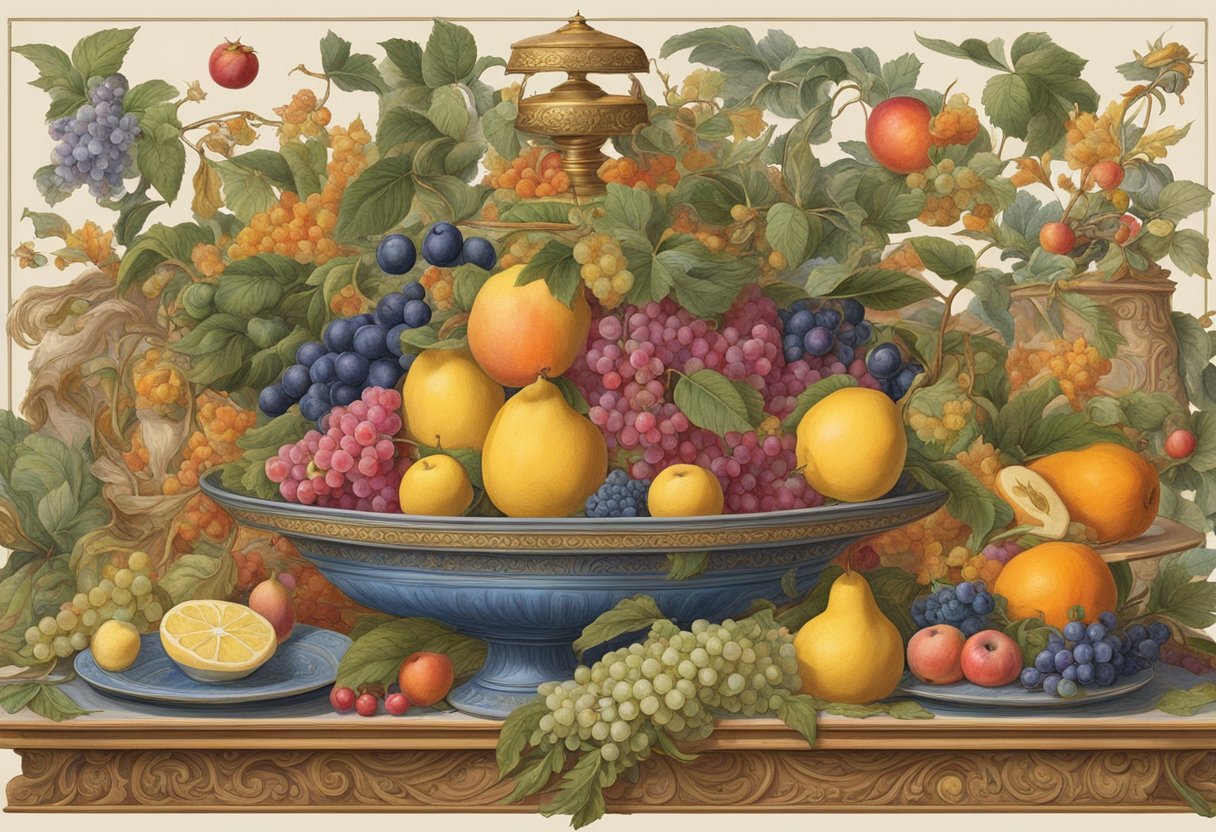
Different gods and goddesses in mythology are associated with specific foods and beverages that hold symbolic importance. These divine consumables often reflect the deities' roles and attributes in their respective mythologies.
Ale and Mead: Beverages of the Norse
In Norse mythology, ale and mead were highly significant. Ale was a common drink in daily life, while mead, made from honey, was more esteemed and often used in feasts and ceremonies among the gods. The god Odin was closely linked to mead, symbolizing wisdom and poetry. Mead has notable cultural significance. It was believed to grant poetic inspiration and wisdom, known as the Mead of Poetry. This mead was guarded by the giant Suttung and later stolen by Odin.
Soma, linked to the Vedic gods including Lord Shiva, was a ritual drink consumed to achieve immortality and spiritual ecstasy. In Hindu mythology, it holds divine attributes and was thought to confer strength and vigor. These beverages not only highlight the deities' significance but also their connection to human practices, such as feasting and ritualistic ceremonies.
Rituals of Preparation and Consumption
Breakfast foods play important roles in various cultural myths and rituals. This section explores how butter and bread, among other items, are prepared and used in religious ceremonies and festivals.
Churning Butter: From Mortal to Celestial
Churning butter is a common practice in several cultures. In Hinduism, the process symbolizes the churn of life, connecting the mortal world with the celestial. Ghee, a type of clarified butter, is often used in rituals for its purity.
Ancient Vedic rituals mention the use of churned butter in various religious ceremonies. These rituals often involved chanting and offerings to gods. The act of churning butter was believed to invite divine blessings and prosperity.
In some European folklore, churning butter was seen as a magical act. It was thought to bring luck and protect families from harm. Special churns were often passed down as family heirlooms, symbolizing continuity and tradition.
Bread and Cakes: Offerings in Ritual Ceremonies
Bread and cakes hold significant roles in many religious and cultural rituals. In Christianity, bread symbolizes the body of Christ during the Eucharist. This sacred ceremony involves consecrated bread shared among believers.
In Pagan traditions, bread and cakes are used in festivals like Lammas. This festival celebrates the first wheat harvest. Offerings of bread and cakes are made to honor the gods and ensure a bountiful harvest.
Similarly, in some African cultures, bread is offered during rituals to connect with ancestors. These ceremonies seek guidance and blessings. Cakes, often made with special ingredients, serve as celebratory offerings in various religious contexts.
These practices highlight the profound connection between food preparation and consumption in cultural and religious rites. The act of making these foods is not just about sustenance but also a spiritual experience deeply rooted in tradition.
Symbolism of Ingredients in Folklore
Many everyday ingredients have deep roots in folklore, symbolizing various essential aspects of human life, including wealth, fertility, preservation, and life itself. Exploring these symbols helps in understanding how different cultures valued and interpreted food.
Honey and Gold: Symbols of Wealth and Fertility
In many cultures, honey is more than just a sweetener. It symbolizes wealth and fertility. Ancient Egyptians used honey as an offering to their gods and in burial rituals for protecting the dead.
Gold, with its enduring luster and rarity, is often linked with honey. Both represent abundance and richness. In Hindu mythology, honey and gold are offerings to deities, symbolizing the divine and earthly wealth. Honey also stands for fertility due to its natural origin and sweet, nourishing qualities.
Folk beliefs often connected honey with love and romance. In certain cultures, newly married couples were given honey to ensure a fruitful marriage. This belief ties honey to the idea of an abundant life and prosperous future.
Salt and Bread: The Essence of Preservation and Life
Salt has been a symbol of preservation and life across various cultures. In ancient Rome, salt was so valuable it was used as currency. The term "salary" stems from "sal," Latin for salt. Salt was believed to preserve the soul, just as it preserved food.
Bread symbolizes life and sustenance in many traditions. In Christian rituals, bread represents the body of Christ, embodying spiritual nourishment. In Russian and Slavic cultures, bread and salt are offered to guests as a sign of hospitality and trust.
Salt and bread together signify a promise or covenant. In Jewish tradition, dipping bread in salt during the Sabbath meal sanctifies the food, linking it to divine preservation and life's essential needs. The combination signifies a bond of trust and community. These examples show how simple ingredients carry deep meanings, connecting people to their cultural myths and rituals.
Mythical Creatures and Their Associated Fare
Many cultures have enchanting tales about mystical beings who enjoy specific foods. These creatures often influence the culinary practices of the regions where they are revered.
Brownies and Cream: The Farmstead Guardians
Brownies, small house spirits from British folklore, are known for their fondness for cream. They are thought to help with chores around the farm or home at night. In return, they are left small offerings of cream or milk. Milk and cream-based treats are key because they ensure continued help from these benevolent spirits. Leaving out these treats is also said to keep the brownies from becoming mischievous or leaving altogether. This practice demonstrates the belief in a give-and-take relationship between humans and these mythical helpers.
Sacred Cows and Dairy Foods in Hindu Traditions
In Hindu traditions, the cow is considered sacred and is closely associated with Lord Krishna and Lord Ram. Dairy products like milk, butter, and ghee have significant spiritual importance. Lord Krishna, often depicted as a cowherd, is particularly associated with butter, which he loved as a child. During religious festivals, offerings of dairy products are made to honor these gods and celebrate their stories. Cows also symbolize non-violence and reverence for life, further enhancing dairy’s sacred status. Dairy farming and the care of cows are seen as acts of devotion, deeply rooted in Hindu culture.
Supernatural Abilities and Food
In various myths and legends, certain foods are believed to have magical properties. These foods often grant supernatural abilities, bringing good fortune, or connect the human world with the divine.
The Enchantment of Fairy Food Offerings
Fairy food offerings are often depicted as incredible feasts with pure, natural foods. Consuming these offerings can bestow magical abilities or eternal youth. In Irish folklore, eating food from fairies can cause humans to become enchanted or spellbound. This food typically includes mead, honey, and fruits, and is believed to bring good fortune. However, accepting food from fairies can also trap one in the fairy realm, adding a layer of risk and mystery to these magical meals.
Divine Sweets and Their Celestial Powers
In Greek mythology, gods and goddesses often consume ambrosia and nectar, sweet substances that grant them immortality. Ambrosia is considered a divine confection that has the power to heal and rejuvenate. These sweets are symbolic of the gods' connection to heavenly powers and their separation from mortal beings. Consuming ambrosia and nectar reinforces their divine status and supernatural abilities.
Similarly, other cultures have mythical foods that are said to grant special powers or enhance one's spiritual state when consumed. These foods often represent a link between the human and the divine, showcasing their unique role in folklore and mythology.
Impact of Mythological Foods on Today's Culture
Mythological foods have a significant role in modern culture, influencing both traditional recipes and contemporary celebrations. These foods are woven into various festivals, often carrying rich symbolic meanings.
Modern Interpretations of Ancient Foods
Ancient mythological foods have found their way into today’s kitchens. Many traditional recipes are inspired by foods mentioned in folklore. For instance, honey cakes are linked to offerings for gods in Greek mythology and are still popular in Greek cuisine. The Indian practice of offering sweets like laddus to deities continues, showing the deep connection between food and spiritual rituals.
Similarly, the concept of the Fountain of Youth influences modern diets that emphasize longevity and health. Foods like berries and nuts, often associated with eternal youth in myths, are now considered superfoods. This reflects how mythological ideas shape today's food trends.
Festivals and Contemporary Celebrations
Festivals play a big role in preserving the connection between food and mythology. In India, festivals like Diwali and Navratri involve preparing and sharing mythological foods as part of the celebrations. Families make special dishes like kheer (a type of rice pudding) that are offered to gods and then enjoyed by everyone.
Oktoberfest in Germany has roots in traditions connected to harvest celebrations from ancient times. Beer, with its legendary links to various mythologies like Mesopotamian, remains central to these festivities.
In Mexico, the Day of the Dead festival features foods like sugar skulls, which have mythological significance related to honoring ancestors. This shows how mythological foods remain integral in contemporary cultural practices, bridging past and present traditions.