What Not to Do When Making Pancakes: Common Mistakes to Avoid for Perfect Flapjacks
Pancakes are a beloved breakfast treat, but making them can be trickier than it seems. Many home cooks struggle to achieve that perfect golden-brown stack of fluffy, delicious pancakes. Common mistakes can turn this simple dish into a disappointing meal.
Avoiding key errors like overmixing the batter, using the wrong pan temperature, and flipping too soon can make a big difference in pancake quality. These missteps often lead to tough, flat, or unevenly cooked pancakes that fall short of expectations. By being aware of what not to do, cooks can improve their pancake game and consistently produce tasty results.
Learning the right techniques can transform pancake-making from a hit-or-miss experience to a reliable success. With some simple adjustments, anyone can master the art of cooking light, fluffy pancakes that will impress family and friends at the breakfast table.
Choosing the Right Ingredients
Picking the best ingredients is key for tasty pancakes. Good choices make a big difference in how your pancakes turn out.
Selecting Quality Dry Ingredients
Start with fresh flour. All-purpose flour works well for most pancake recipes. Check the expiration date to make sure it's not old. Old flour can make pancakes taste bad. Sugar adds sweetness. White sugar is common, but brown sugar can give a nice flavor too. Don't use too much or your pancakes might burn.
Salt is important. It brings out other flavors. Use regular table salt or fine sea salt.
Understanding the Role of Buttermilk
Buttermilk makes pancakes soft and tangy. It reacts with baking soda to help pancakes rise. If you don't have buttermilk, mix regular milk with a bit of lemon juice or vinegar. For thick pancakes, use full-fat buttermilk. Low-fat works too, but pancakes might be less rich.
Let buttermilk warm up a bit before using. Cold buttermilk can make the batter lumpy.
The Importance of Leaveners
Baking powder and baking soda make pancakes fluffy. They create bubbles in the batter. Most recipes use both. Baking powder works on its own. Baking soda needs acid, like buttermilk, to work.
Check that your leaveners are fresh. Old ones won't make pancakes rise well. To test, put a bit in water. It should fizz right away. Use the right amount. Too much can make pancakes taste bitter. Too little will make them flat.
Preparing the Pancake Batter
Making great pancakes starts with the batter. The key is getting the right consistency, mixing carefully, and letting the batter rest.
Achieving the Perfect Consistency
A good pancake batter should be smooth but not too thin. Add liquid slowly to dry ingredients. Stop when the batter coats the back of a spoon but still drips off easily. Too thick? Add a splash more milk. Too thin? Mix in a bit more flour. Adjust in small amounts.
For extra fluffy pancakes, use cold water instead of milk. This helps create more air bubbles in the batter.
Avoiding Over-mixing
Over-mixing pancake batter is a common mistake. It leads to tough, flat pancakes. Mix just until the wet and dry ingredients are combined. A few small lumps are okay. They will cook out and won't show in the finished pancakes.
Gentle folding is better than vigorous stirring. This keeps air in the batter, making for lighter pancakes.
Resting the Batter
Letting pancake batter rest is an important step many people skip. Give it 5-10 minutes to sit after mixing. This rest time lets the flour absorb the liquid. It also allows gluten to relax, making for more tender pancakes.
As a bonus, resting helps bubbles form in the batter. These bubbles lead to fluffier pancakes when cooked. Cover the bowl with a cloth while the batter rests. This prevents a skin from forming on top.
Heating the Cooking Surface
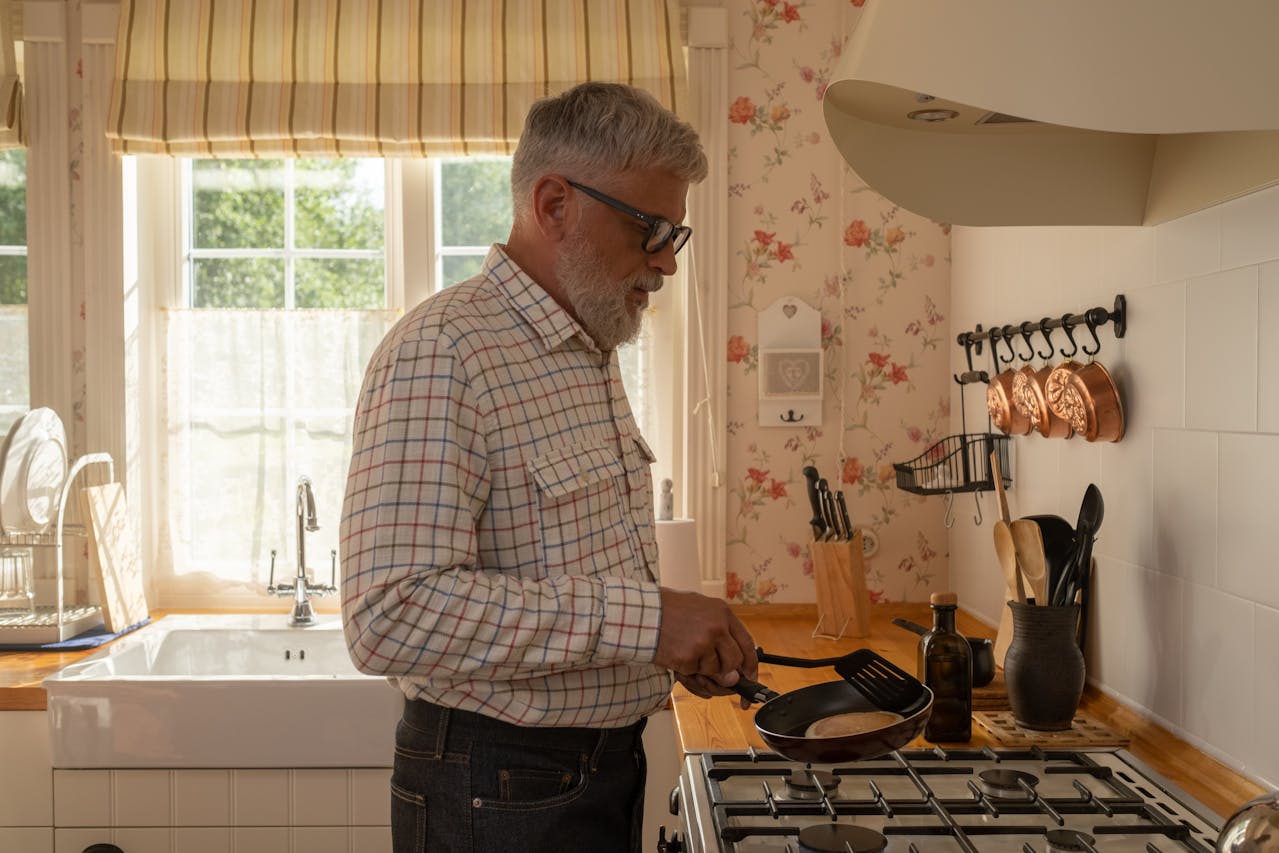
Getting the right temperature for your cooking surface is key to making great pancakes. The type of pan and heat level can make a big difference in how your pancakes turn out.
Selecting the Appropriate Pan or Griddle
A flat griddle or skillet works best for pancakes. Non-stick surfaces make flipping easier. Electric griddles can keep a steady temperature. Cast iron pans heat evenly but need careful seasoning.
For home cooks, a large non-stick skillet is often ideal. It heats up fast and lets you cook several pancakes at once. Some cooks prefer a special pancake griddle with a wide, flat surface.
Choose a pan that fits your stove and cooking needs. Make sure it's big enough to fit the number of pancakes you want to make at one time.
Optimal Temperature for a Hot Pan
The right heat is crucial for perfect pancakes. Too hot, and they'll burn. Too cool, and they'll be soggy.
Medium heat works best for most stoves. Let the pan heat up for a few minutes before adding batter. To test if it's ready, sprinkle a few drops of water on the surface. The drops should sizzle and dance.
For electric griddles, set the temperature to about 375°F (190°C). This gives pancakes a golden-brown color and crispy edges.
Don't rush the heating process. A properly heated pan cooks pancakes evenly from edge to center.
Mastering the Cooking Process
Making perfect pancakes takes practice and attention to detail. Focus on these key steps to get fluffy, golden-brown pancakes every time.
Determining the Right Amount of Batter
Use a measuring cup to pour the right amount of batter for each pancake. A 1/4 cup works well for medium-sized pancakes. Pour the batter in the center of the pan and let it spread naturally. Don't add too much - overfilled pancakes are hard to flip and may not cook evenly.
For consistent pancakes, wait until bubbles form on the surface before adding more batter to the pan. This helps prevent overcrowding and ensures each pancake has enough space to cook properly.
Perfecting the Flip
Timing is crucial when flipping pancakes. Look for bubbles forming on the surface and edges starting to look dry. This usually takes about 2-3 minutes. Use a thin spatula to gently lift the edge and peek underneath.
When ready, slide the spatula all the way under the pancake. Lift it slightly and quickly flip it over in one smooth motion. Don't flip too early or your pancake may fall apart. If you wait too long, it might burn.
Cooking to a Golden Brown
After flipping, cook the second side for about 1-2 minutes until golden brown. The second side often cooks faster than the first. Keep an eye on the heat - if pancakes are browning too quickly, lower the temperature.
Use the spatula to peek under the pancake and check its color. A perfect pancake should be evenly golden brown on both sides. Remove from the pan when done and serve warm.
For best results, clean the pan between batches and add a small amount of fresh butter or oil. This prevents leftover batter from burning and gives each pancake a nice, crisp edge.
Enhancing Flavors and Textures
The right fats and add-ins can take pancakes from basic to amazing. Smart choices boost taste and texture without ruining the batter.
Utilizing Fats Correctly
Butter adds rich flavor to pancakes. Melt it first for even mixing. Use unsalted butter to control salt levels. Clarified butter works well too. It has a higher smoke point, so pancakes won't burn as easily.
Brush melted butter on the griddle before cooking. This gives pancakes a golden-brown crust. Add a pat of butter on top of hot pancakes. It melts into every bite. Oil can replace butter for dairy-free options. Coconut oil gives pancakes a subtle tropical taste. Neutral oils like canola work for plain flavors.
Incorporating Additives and Toppings
Mix-ins boost pancake flavors. Add chocolate chips for a sweet twist. Berries bring natural sweetness and color. Frozen berries work well too. Just toss them in flour first to prevent sinking.
Sprinkle cinnamon into the batter for warmth. It pairs well with apple chunks. Nuts add crunch. Chop them finely so they don't tear the pancakes.
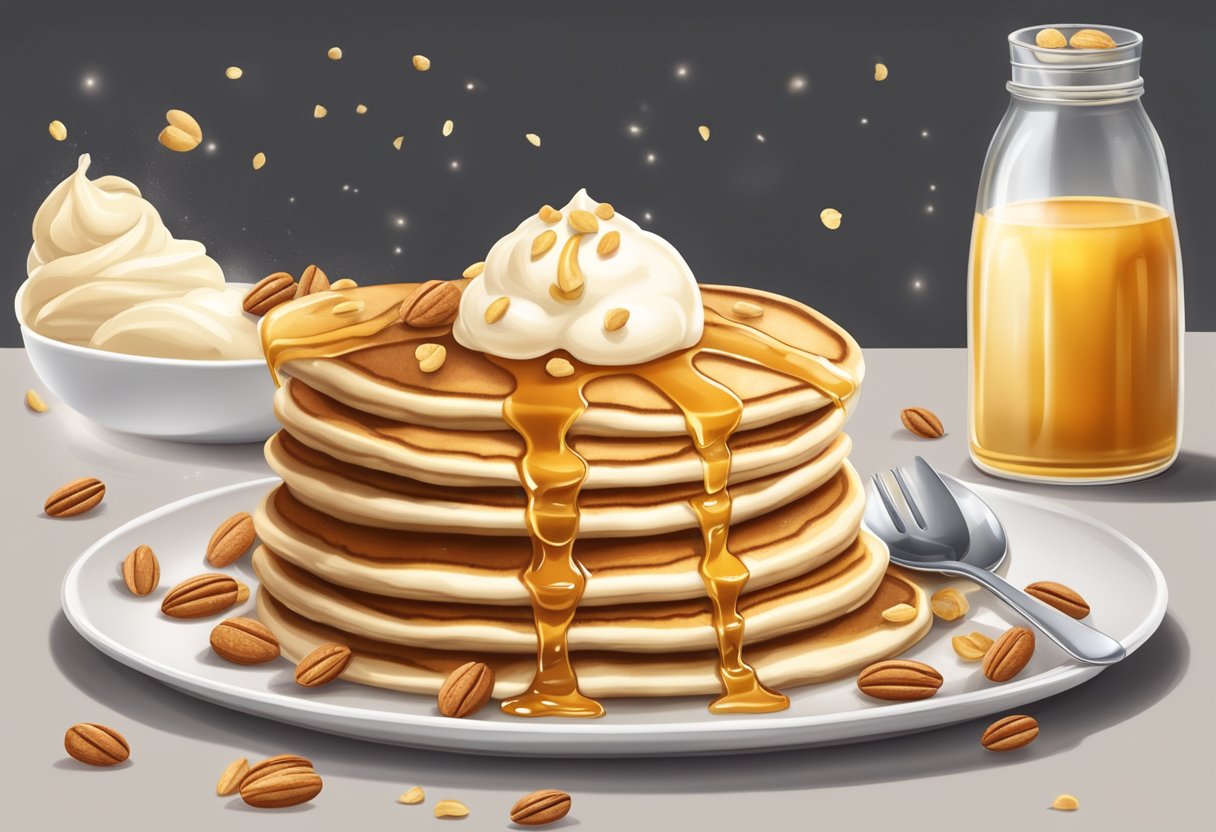
Top cooked pancakes with classic syrup. Warm it slightly for better flavor. Whipped cream makes pancakes feel fancy. Add fresh fruit for a healthier option. Try nut butters or jam for variety.
Be careful not to overmix when adding ingredients. Fold them in gently to keep pancakes fluffy.
Avoiding Common Pancake Mistakes
Making perfect pancakes takes practice. Two key areas often trip up home cooks: measuring ingredients and handling the first pancake. Getting these right can make a big difference in your results.
Measuring Ingredients Accurately
Precise measurements are crucial for fluffy pancakes. Use proper measuring cups for dry and wet ingredients. Level off dry ingredients with a knife. For liquids, check at eye level.
Don't eyeball measurements. This can throw off the batter consistency. Too much flour makes pancakes tough. Too much liquid creates thin, runny pancakes.
Sift dry ingredients to remove lumps. This helps create a smoother batter. Whisk wet and dry ingredients separately before combining. Mix just until combined - lumps are okay. Overmixing leads to tough pancakes.
Knowing When to Discard the First Pancake
The first pancake is often a test run. It helps you gauge the pan temperature and batter consistency. If it's not perfect, don't worry. Adjust as needed for the next ones.
Check your pan temperature. It should be medium-hot. A drop of water should sizzle and evaporate quickly. If too hot, pancakes burn outside but stay raw inside. Too cool, and they absorb too much oil.
Use just enough vegetable oil to lightly coat the pan. Too much makes greasy pancakes. Wait for the edges to look dry and bubbles to form on top before flipping. This ensures even cooking.
Unique Pancake Variations
Pancakes can be transformed with creative ingredients and techniques. Try new flavors and textures to make exciting breakfast treats.
Experimenting with Different Flours and Mixes
Switch up your pancake game by using unique flours. Almond flour gives a nutty taste and gluten-free option. Coconut flour adds tropical flair. Buckwheat flour creates hearty, earthy pancakes.
Mix in whole grains like oats or cornmeal for added texture. Protein powders can boost nutrition. Spice blends like pumpkin pie or chai tea add warmth and depth. For a twist, try savory pancakes. Add herbs, cheese, or veggies to the batter. Corn and cheddar make tasty lunch pancakes. Spinach and feta work well for brunch.
Creating Signature Pancake Recipes
Develop your own pancake recipes by mixing flavors. Add fruit purees like banana or pumpkin to the batter. Stir in chocolate chips, nuts, or dried fruit for extra taste and crunch.
Make cream cheese pancakes for a rich, tangy flavor. Blend cream cheese with eggs, sweetener, and vanilla. Cook like regular pancakes for a creamy treat. Try Austrian-style kaiserschmarrn. Make a thick pancake, then tear it into pieces while cooking. Serve with fruit compote or powdered sugar.
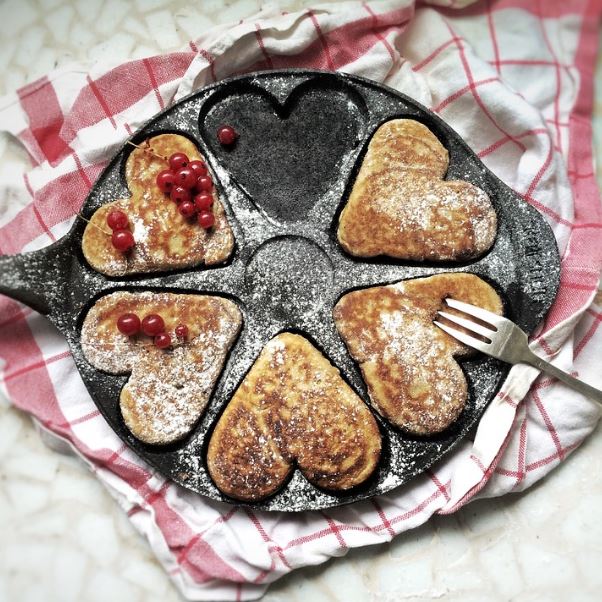
For fun shapes, use cookie cutters or squeeze bottles. Make pancake art with colored batters. Kids love pancake pops - small pancakes on lollipop sticks.