What are the advantages of eating pancakes? Nutritional and culinary benefits explored

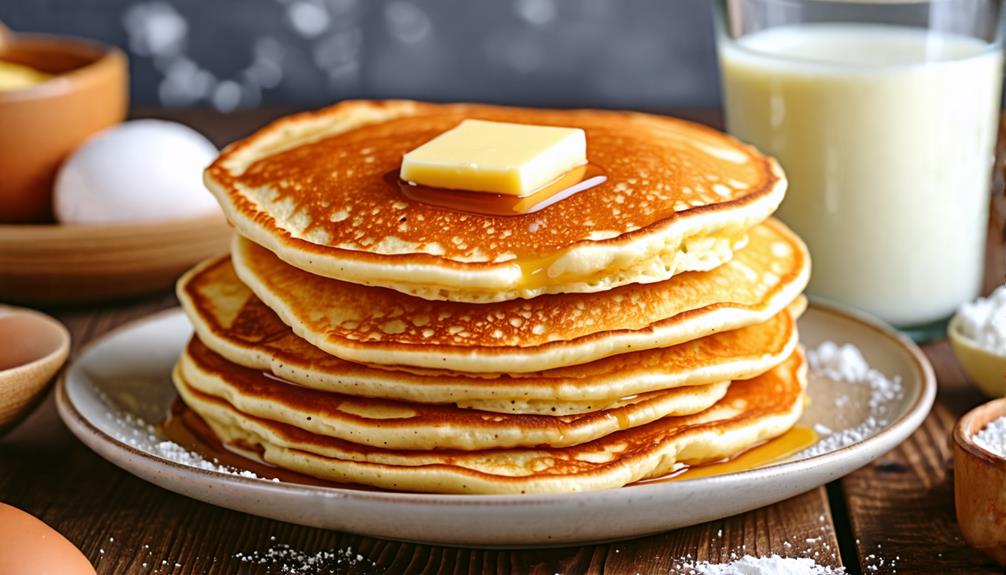
Pancakes are a beloved breakfast staple enjoyed by many around the world. These fluffy, golden discs offer more than just a tasty start to the day. They can be a nutritious choice when made with the right ingredients.
Pancakes provide essential nutrients like calcium, protein, and carbohydrates to fuel your morning. A serving of whole-wheat pancakes contains about 250 milligrams of calcium, which is roughly a quarter of the daily recommended intake. This mineral helps build strong bones and teeth.
Pancakes are also versatile. They can be topped with fresh fruits like berries, adding fiber and disease-fighting nutrients to your meal. Berries have been linked to a lower risk of type 2 diabetes, heart attacks, and dementia. By choosing whole-grain flour and adding healthy toppings, pancakes can be a smart and satisfying breakfast option.
Historical Significance of Pancakes
Pancakes have a rich history dating back thousands of years. Archaeological findings in Iraq suggest humans enjoyed early versions of pancakes as far back as 70,000 years ago. Ancient civilizations made flat cakes from ground grains and water. These proto-pancakes were cooked on hot stones, marking the beginnings of griddle cooking.
In medieval Europe, pancakes became linked to religious traditions. People ate them to use up rich foods before Lent began. The pancake's versatility allowed it to spread across cultures. Different regions developed their own unique styles, like thin French crepes or fluffy American pancakes.
Pancakes played a role in American history too. Native Americans made cornmeal pancakes, while European settlers brought their own recipes. In 1889, the introduction of Aunt Jemima pancake mix changed breakfast in America. It made pancakes easier to prepare at home, boosting their popularity.
Today, pancakes remain culturally significant. Many countries have pancake-related celebrations, like Pancake Day races in England or Shrove Tuesday feasts.
Nutritional Components of Pancakes
Pancakes contain a mix of macronutrients and micronutrients that contribute to their nutritional profile. The exact amounts can vary based on ingredients and preparation methods.
Macronutrients in Pancakes
Pancakes are mainly a source of carbohydrates. A medium 5-inch pancake has about 15 grams of carbs. Larger pancakes contain more - up to 30 grams for a 7-inch pancake. Protein content is modest. A medium pancake provides 2 grams of protein, while a large one has 4 grams. Using whole wheat flour or adding eggs can boost protein.
Fiber content is low in regular pancakes. Whole grain versions offer more fiber. Sugar amounts range from 2-5 grams per pancake. Fat content varies. Plain pancakes are low in fat, but toppings like butter increase it.
Vitamins and Minerals Present
Pancakes contain several vitamins and minerals. Calcium is a key nutrient, with 18-20% of daily needs in a serving. Phosphorus is another mineral found in pancakes. It helps build strong bones and teeth. Buttermilk pancakes are a good source of riboflavin. This B vitamin aids energy production in the body.
Some pancake mixes are fortified with iron and folic acid. These support blood health and cell growth. Vitamin D may be present if fortified milk is used. This vitamin helps calcium absorption.
The exact amounts of these nutrients depend on the recipe and ingredients used.
Health Benefits of Pancakes
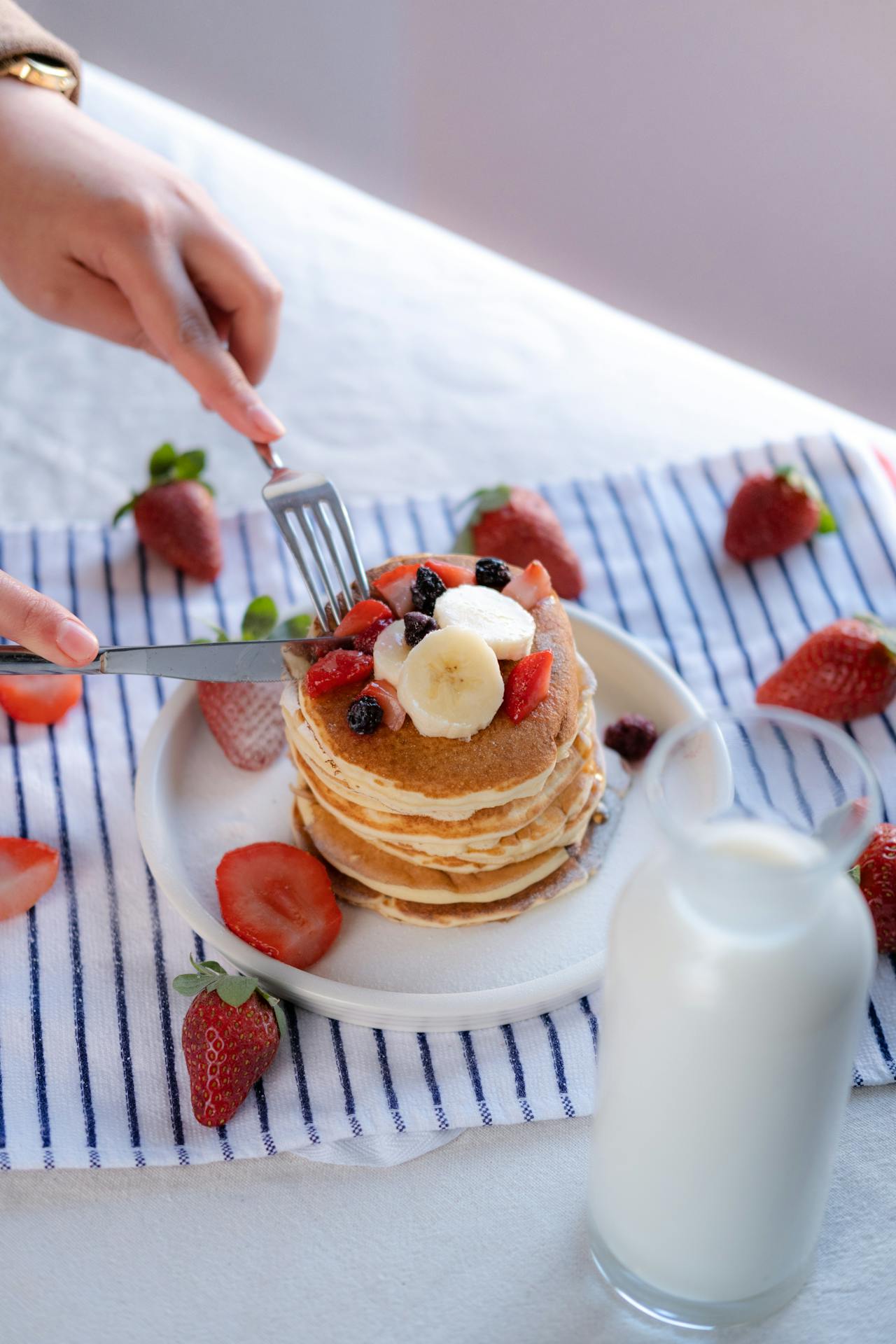
Pancakes can offer several nutritional benefits when prepared with wholesome ingredients. They provide energy and nutrients to start the day.
Advantages of Whole Grain Pancakes
Whole grain pancakes pack more nutrition than those made with refined flour. They contain more fiber, which aids digestion and helps you feel full longer. Whole grains also provide B vitamins, iron, and other minerals. These nutrients support energy levels and overall health. Pancakes made with whole wheat flour have a lower glycemic index. This means they cause a slower rise in blood sugar compared to white flour pancakes.
Whole grain pancakes can be part of a heart-healthy diet. The fiber and plant compounds may help lower cholesterol levels.
Contributing to a Balanced Diet
Pancakes can fit into a nutritious breakfast when topped wisely. Fresh fruit adds natural sweetness, fiber, and antioxidants. Nuts or seeds boost protein and healthy fats. Greek yogurt provides protein and calcium. A modest amount of real maple syrup offers minerals and antioxidants.
Eggs in pancake batter increase protein content. This helps build muscle and keeps you satisfied. Pancakes made with milk provide calcium for strong bones and teeth. Using plant-based milk can add nutrients like vitamin D.
By choosing nutrient-rich toppings and ingredients, pancakes can be part of a balanced diet and enjoyable breakfast.
Considerations for Healthier Pancakes
Pancakes can be made more nutritious by selecting better ingredients and adjusting preparation methods. These changes can boost the health benefits of this popular breakfast food.
Selecting Healthier Ingredients
Whole wheat flour is a great substitute for refined flour in pancake recipes. It adds fiber and nutrients to the mix. Using egg whites instead of whole eggs cuts down on cholesterol and fat. For a dairy-free option, try almond or oat milk.
Protein-rich Greek yogurt can replace some of the liquid in the batter. This adds protein and makes the pancakes more filling. Nut butters like almond or peanut butter can also boost protein and healthy fats.
Adding ground flaxseed or chia seeds to the batter increases omega-3 fatty acids. These tiny seeds pack a big nutritional punch without changing the taste much.
Reducing Added Sugars and Fats
Cut back on sugar in the batter by using mashed banana or unsweetened applesauce. These natural sweeteners add flavor without extra calories. If using syrup, choose pure maple syrup and use it sparingly.
Replace butter with healthier oils like coconut or olive oil. These fats are better for heart health. Use non-stick cooking spray on the griddle to reduce the need for added fats when cooking. Skip pre-made pancake mixes, which often contain added sugars and preservatives. Making pancakes from scratch allows better control over ingredients.
Incorporating Fruits and Vegetables
Add fresh berries, sliced bananas, or diced apples to the batter. This boosts fiber and vitamins while adding natural sweetness. Frozen fruits work well too and are often more affordable. Grated carrots or zucchini can be mixed into the batter. These veggies add moisture and nutrients without changing the taste much. Pumpkin puree is another great addition, especially in fall.
Top pancakes with fresh fruit instead of sugary syrups. A mix of berries, sliced peaches, or diced mango adds color and nutrition. Greek yogurt makes a protein-rich topping that's lower in sugar than syrup.
Role in Diet-Related Health Conditions
Pancakes can affect various diet-related health conditions. Their ingredients and preparation methods influence their impact on the body.
Impact on Obesity and Heart Disease
Pancakes made with refined flour and topped with sugary syrups can contribute to weight gain. These ingredients are high in calories but low in nutrients. Excess weight puts strain on the heart. Regular pancake consumption may raise the risk of obesity. This can lead to heart disease over time. The high sodium content in some pancake mixes can also increase blood pressure.
To lower risks, choose whole grain flour for pancakes. Use fruit toppings instead of syrup. This adds fiber and nutrients while cutting calories.
Pancreatic Health and Diabetes
Pancakes can cause quick spikes in blood sugar. This is due to their high carbohydrate content. Frequent blood sugar swings may stress the pancreas. Over time, this could raise the risk of type 2 diabetes. The body may struggle to produce enough insulin to handle these sugar spikes. Healthier pancake options can help. Adding protein-rich ingredients like eggs or Greek yogurt slows digestion. This leads to a more steady rise in blood sugar.
Portion control is key. Eating smaller servings of pancakes as part of a balanced meal can reduce negative health impacts.
Cooking Techniques and Variations
Pancakes can be cooked using different methods and tools. A frying pan or griddle are common choices. Heat the pan over medium heat before adding oil or butter.
Pour batter onto the hot surface. Small circles work best for even cooking. Wait for bubbles to form on top before flipping. Cook until golden brown on both sides.
Recipes vary widely. Basic pancakes use flour, eggs, milk, and baking powder. Buttermilk pancakes add tangy flavor and extra fluffiness. Whole-wheat pancakes boost fiber content.
Try these mix-ins for tasty variations:
- Fresh berries
- Chocolate chips
- Nuts
- Banana slices
Toppings can transform plain pancakes:
- Maple syrup
- Whipped cream
- Fruit compote
- Peanut butter
For healthier options, use whole grain flour or add Greek yogurt to the batter. This increases protein and nutrients without sacrificing taste. Pancakes are versatile and easy to customize. Experiment with different ingredients to find your perfect recipe. The possibilities are endless, from savory to sweet versions.
Pancakes in a Global Context
Pancakes are enjoyed around the world in many different forms. Traditional pancakes vary widely between cultures, reflecting local ingredients and cooking methods. In France, thin crepes are popular for both sweet and savory dishes. They're cooked on a special flat griddle called a billig.
American-style pancakes are thick and fluffy, often served with maple syrup and butter. These are typically cooked on a flat griddle or skillet. Russian blini are thin pancakes made with yeasted batter. They're often topped with savory ingredients like smoked salmon or caviar.
In Japan, savory okonomiyaki pancakes contain shredded cabbage and various mix-ins. These are cooked on a flat iron griddle called a teppan. Indian dosa are thin, crispy pancakes made from fermented rice and lentil batter. They're cooked on a flat griddle and often served with chutneys.
Chinese scallion pancakes are flaky and layered, containing green onions. These are pan-fried to create a crispy exterior. Each culture's unique take on pancakes showcases the versatility of this simple yet beloved food. From sweet to savory, thin to thick, pancakes adapt to local tastes and ingredients worldwide.