How to not overmix pancake batter: Tips for perfectly fluffy results
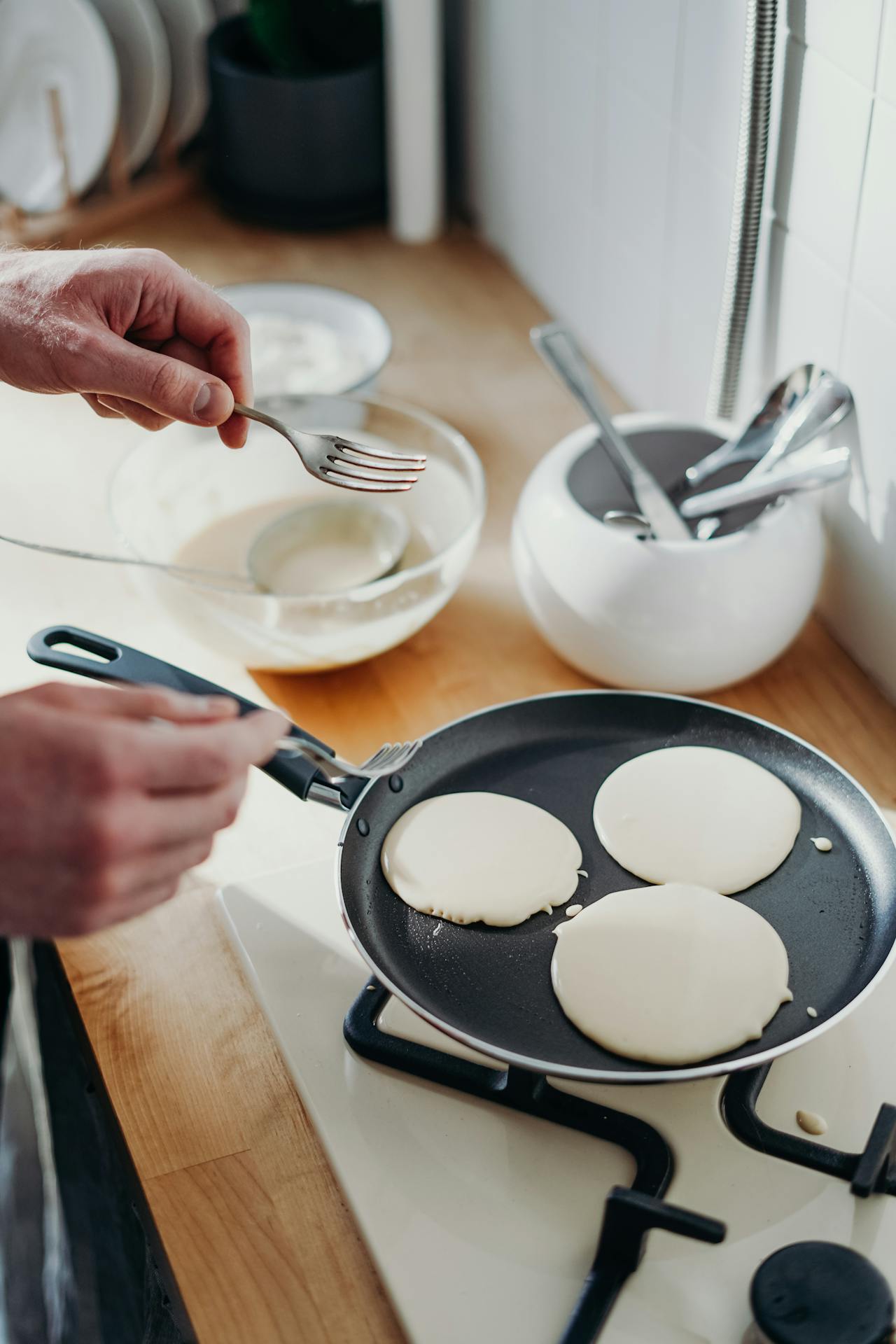
Making perfect pancakes starts with getting the batter just right. Many home cooks struggle with overmixing, which can ruin the texture of these breakfast favorites. The key is to mix the batter only until the wet and dry ingredients are just combined, leaving some small lumps. This gentle approach helps create light and fluffy pancakes.
Overmixing activates too much gluten in the flour, leading to tough, rubbery pancakes. It's tempting to stir until the batter is smooth, but resist this urge. A few lumps in the batter are actually good - they'll disappear during cooking. For best results, use a fork or whisk and mix with a light hand, stopping as soon as no dry flour is visible.
If you accidentally overmix the batter, don't worry. Let it rest for 10-15 minutes before cooking. This allows the gluten to relax a bit, which can help improve the pancake texture. Remember, practice makes perfect when it comes to pancake batter. With a little attention to mixing technique, you'll be flipping up stacks of delicious, fluffy pancakes in no time.
Understanding Pancake Batter
Pancake batter consistency and mixing technique play key roles in the final texture. The right balance creates fluffy, tender pancakes.
Significance of Batter Consistency
Pancake batter should be smooth but still have small lumps. These lumps help create light, airy pancakes. A perfectly mixed batter looks slightly thick with a few bumps.
Overmixed batter becomes thin and runny. It makes flat, tough pancakes. Undermixed batter has large flour clumps. This leads to dry spots in the cooked pancakes.
The goal is to mix just until the wet and dry ingredients combine. Stop when you still see a few small lumps. This prevents tough pancakes.
Gluten Development and Texture
Gluten forms when wheat flour mixes with liquid. More mixing means more gluten. Too much gluten makes pancakes chewy and dense.
Gentle mixing limits gluten formation. This creates tender pancakes. The batter should look a bit lumpy, not perfectly smooth.
Resting the batter for 5-10 minutes helps. It lets the flour absorb liquid and relaxes any gluten that formed. This step improves pancake texture.
Pancakes need some gluten for structure. But too much leads to a tough, chewy texture. The key is finding the right balance through careful mixing.
Ingredients and Their Roles
Pancake batter ingredients work together to create the perfect texture and flavor. Each component plays a key part in making fluffy, tasty pancakes.
Function of Baking Powder and Soda
Baking powder and baking soda are leavening agents that make pancakes rise. Baking powder reacts with liquid and heat to create bubbles. This gives pancakes their light, airy texture. Baking soda needs an acid like buttermilk to work. It makes pancakes extra fluffy.
Some recipes use both for the best results. Too much can make pancakes taste bitter. Too little leads to flat, dense pancakes. The right amount is crucial for perfect pancakes.
Egg Whites and Their Effect on Fluffiness
Egg whites add structure and fluffiness to pancakes. They trap air bubbles when mixed into the batter. This results in lighter, more tender pancakes.
For extra fluffy pancakes, separate the eggs. Whip the whites until stiff peaks form. Then fold them gently into the batter. This method creates very light and airy pancakes.
Whole eggs work well too. They bind ingredients and add richness. But using just whites can make pancakes extra fluffy.
Role of Buttermilk and Melted Butter
Buttermilk makes pancakes tender and adds a tangy flavor. It reacts with baking soda to create lift. This helps pancakes rise and become fluffy. Regular milk can work, but buttermilk gives better results.
Melted butter adds flavor and richness. It also helps create a crisp edge on pancakes. Some recipes use oil instead. But butter gives a better taste and texture. The fat in both buttermilk and butter helps keep pancakes moist. This prevents them from drying out while cooking.
The Mixing Process
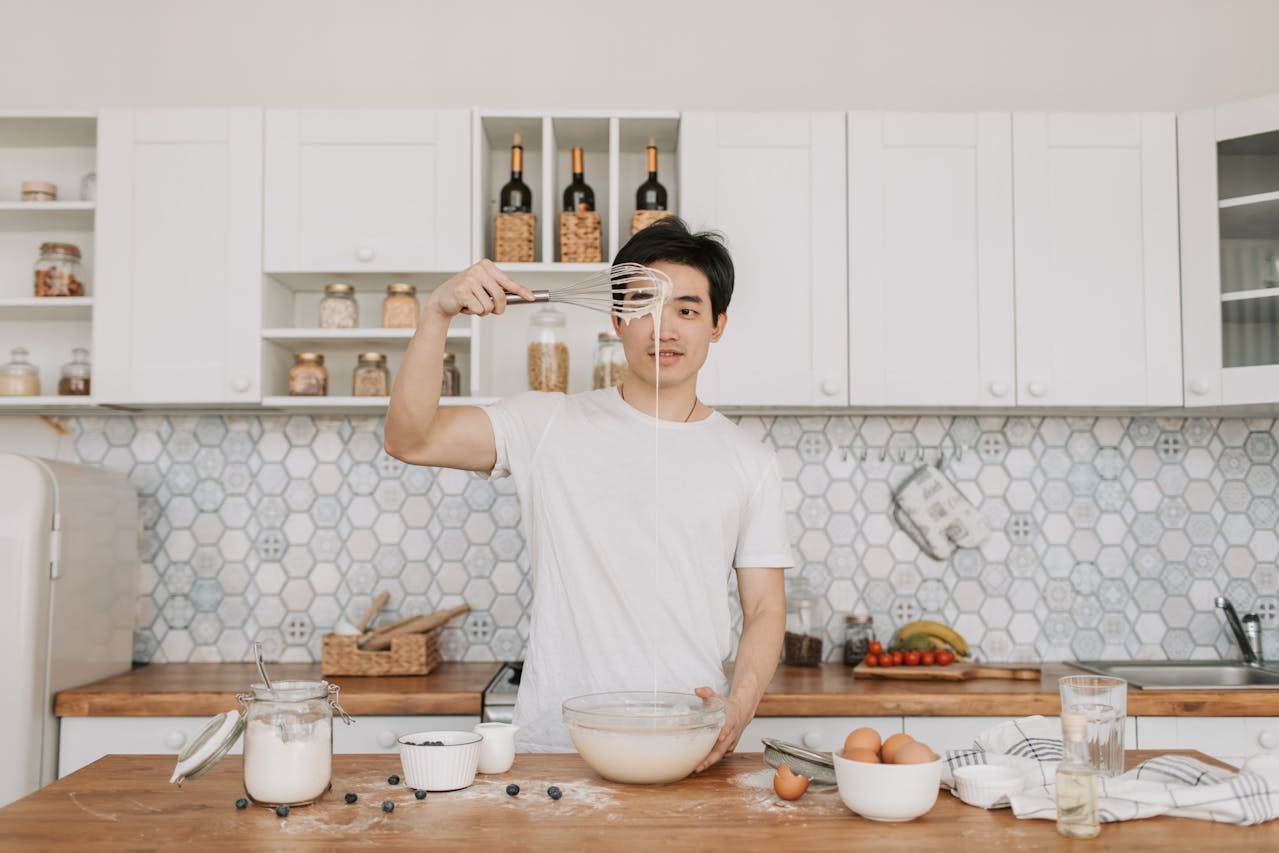
Mixing pancake batter is a key step that affects the final texture of your pancakes. The right technique ensures fluffy, tender results.
Technique for Combining Ingredients
Start by mixing dry ingredients in one bowl and wet ingredients in another. Pour the wet into the dry. Use a spatula or wooden spoon to gently fold the mixtures together. Make slow, circular motions from the bottom up. Stop when you see a few small lumps remaining. The batter should look slightly uneven.
Avoid using a whisk or electric mixer. These tools can easily overmix the batter.
Identifying Overmixed Batter
Overmixed batter looks smooth and uniform. It may have a slight sheen or appear stretchy. Small bubbles might form on the surface. The pancakes will come out flat and tough if the batter is overmixed. They may have a chewy texture and lack the light, airy quality of properly mixed pancakes.
To test, lift your spoon or spatula. The batter should fall in thick ribbons, not a steady stream.
Effect of Mixing Time
Aim to mix pancake batter for about 10-20 seconds. This is often enough to combine ingredients without overdeveloping gluten. Longer mixing times lead to tougher pancakes. The proteins in flour form gluten when mixed with liquid and agitated. More mixing means more gluten.
For extra-fluffy pancakes, let the batter rest for 5-10 minutes after mixing. This allows the flour to absorb liquid and the gluten to relax.
Visual and Tactile Cues
Knowing how to spot properly mixed pancake batter can make a big difference in the final result. Look for key signs in the batter's appearance and feel to get it just right.
Spotting Perfect Batter Consistency
Good pancake batter should be slightly lumpy. A few small lumps are normal and even desirable. The batter should flow smoothly when poured, but not be too thin or runny. It should coat the back of a spoon lightly.
If the batter looks very smooth with no lumps at all, it may be overmixed. This can lead to tough, rubbery pancakes. On the other hand, large dry lumps of flour indicate undermixing.
The color should be even throughout, with no streaks of unmixed flour. A gentle stir with a spoon or whisk should be enough to blend ingredients without overworking the batter.
Assessing Quality Through Air Bubbles
Air bubbles are a good sign in pancake batter. They help create light, fluffy pancakes. Look for small bubbles on the surface of the batter after mixing. These show that the leavening agents are working.
Too many large bubbles may mean the batter is overmixed. This can cause flat, dense pancakes. A few larger bubbles mixed with smaller ones is ideal.
Let the batter rest for a few minutes after mixing. This allows more bubbles to form and helps the flour absorb the liquid. Don't stir again before cooking, as this can pop the helpful air bubbles.
Resting the Batter
Resting pancake batter is a simple yet effective technique. It improves both texture and flavor. After mixing, let the batter sit for 10 to 30 minutes. This resting period allows the flour to absorb liquid fully.
During rest time, gluten strands relax. This results in more tender pancakes. The baking powder also starts working. It creates tiny air bubbles that make pancakes fluffy.
For best results, cover the bowl and leave it at room temperature. If resting overnight, place the batter in the fridge. Rested batter may look thicker. This is normal and good for making pancakes.
Before cooking, give the batter a gentle stir. Don't mix too much, or you'll lose the benefits of resting.
Resting times can vary:
- 10-15 minutes: Slightly more tender pancakes
- 20-30 minutes: Fluffier pancakes
- Overnight: More developed flavor
Try different rest times to find your perfect pancake texture.
Recipe Variations and Enhancements
Pancakes offer endless options for customization and flavor upgrades. Try these tips to elevate your pancake game and create tasty new variations.
Classic Pancake Recipe Refinement
Start with a basic pancake recipe and make small tweaks for big improvements. Use buttermilk instead of regular milk for extra tang and tenderness. Replace some all-purpose flour with whole wheat for a nuttier taste and more fiber.
Add a touch of vanilla extract or a pinch of cinnamon to boost flavor. For fluffier pancakes, separate the eggs and whip the whites before folding them in. This adds air to the batter.
Let the batter rest for 5-10 minutes before cooking. This allows the flour to absorb liquid and results in more even cooking.
Adding Flavors and Toppings
Mix in fresh blueberries, chocolate chips, or banana slices for fruity or sweet pancakes. Fold in chopped nuts like pecans or walnuts for crunch. Try adding lemon zest and poppy seeds for a bright, citrusy flavor. For savory pancakes, mix in herbs, cheese, or cooked bacon bits.
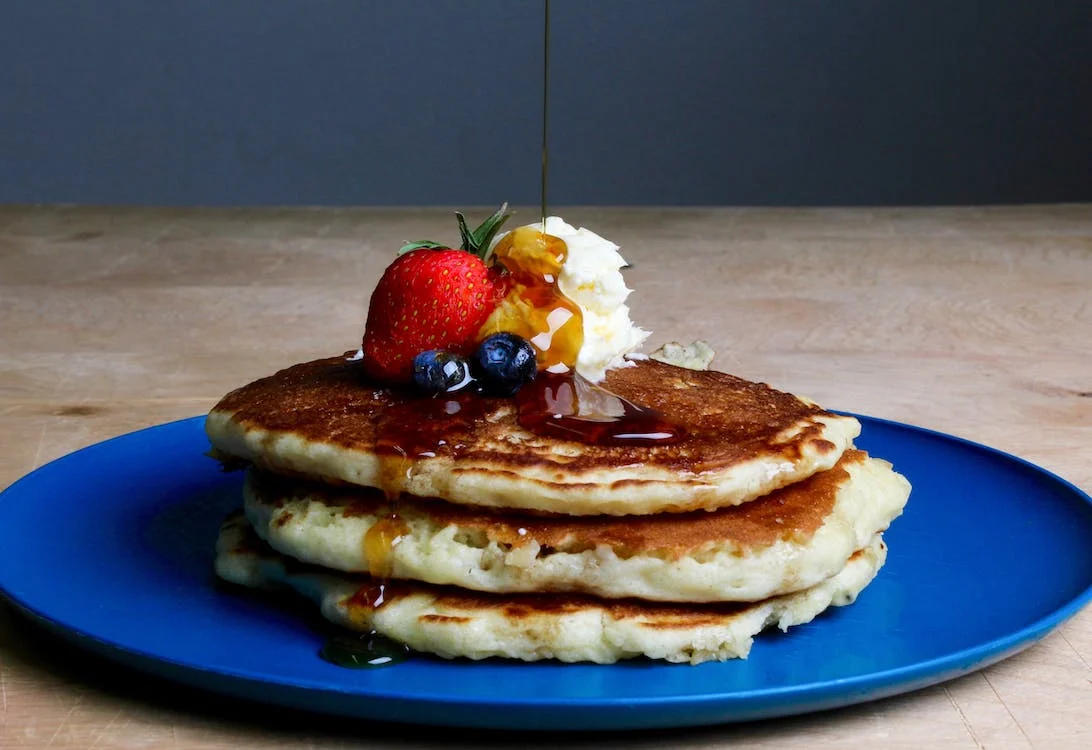
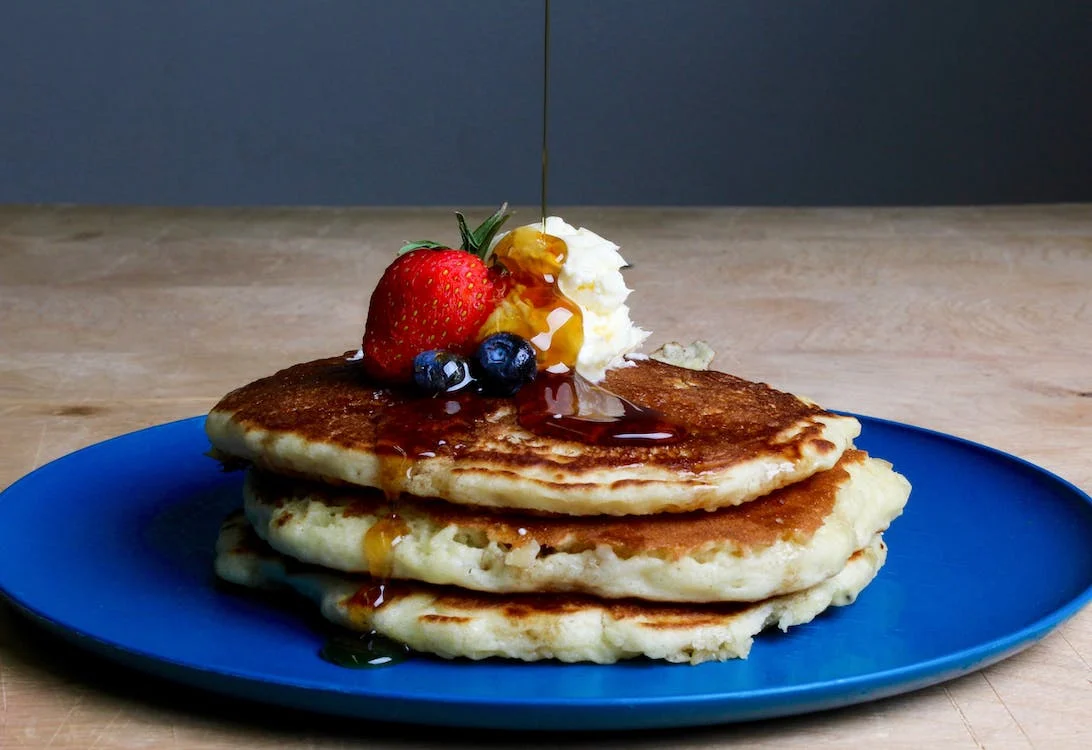
Top cooked pancakes with butter and warm maple syrup. Or try fresh fruit, whipped cream, or fruit compote. Dust with powdered sugar for a classic finish. Make a pancake bar with different toppings so everyone can customize their stack. Include options like sliced strawberries, banana, and warm Nutella.
Common Pancake Mistakes to Avoid
Many people make mistakes when cooking pancakes. Knowing what to avoid can help you make better pancakes.
Over-mixing the batter is a big mistake. It creates chewy pancakes instead of light and fluffy ones. Mix the batter just until the dry and wet ingredients come together. Some lumps are okay.
Using the wrong temperature for cooking is another error. If the pan is too hot, pancakes burn on the outside but stay raw inside. If it's too cool, they become dry and tough.
Not letting the batter rest is a common oversight. Giving the batter 5-10 minutes to rest allows the flour to absorb the liquid. This makes for more even cooking. Adding too many mix-ins can weigh down pancakes. Use a light hand with fruits, nuts, or chocolate chips. Too many add-ins make pancakes dense and hard to flip.
Flipping pancakes too early or too late affects their texture. Wait for bubbles to form on top before flipping. Flipping too soon leads to messy, uncooked pancakes. Using old baking powder is a mistake that results in flat pancakes. Check that your baking powder is fresh for the best rise.
Alternatives and Comparisons
Pancake batter comes in different forms, each with its own mixing needs. Other baked goods have similar concerns about overmixing.
Pancake Mix vs. Homemade Batter
Pancake mix offers a quick solution for busy mornings. It needs less mixing than homemade batter. Most mixes just need water or milk added. Stir until wet, but don't worry about small lumps.
Homemade batter gives you more control over ingredients. It needs careful mixing to avoid gluten formation. Combine wet and dry ingredients separately first. Then mix them gently until just combined.
Both types can make great pancakes. The key is not to overmix. Stop stirring as soon as the flour is wet. Lumps are okay and will cook out.
Pancakes in Relation to Other Baked Goods
Pancakes are part of a family of quick breads. This group includes muffins, biscuits, and some cakes. All these foods can suffer from overmixing. Cookie dough is different. It often needs more mixing to cream butter and sugar. But even cookies can get tough if mixed too much after adding flour.
Pizza dough and bread need lots of mixing. This builds gluten for a chewy texture. But for soft pancakes and muffins, less mixing is better. Flapjacks, another name for pancakes, follow the same rules. Light mixing makes them fluffy. Too much stirring makes them flat and tough.