
Eggs and Breakfast: The Role of Backyard Chickens in Urban Farming
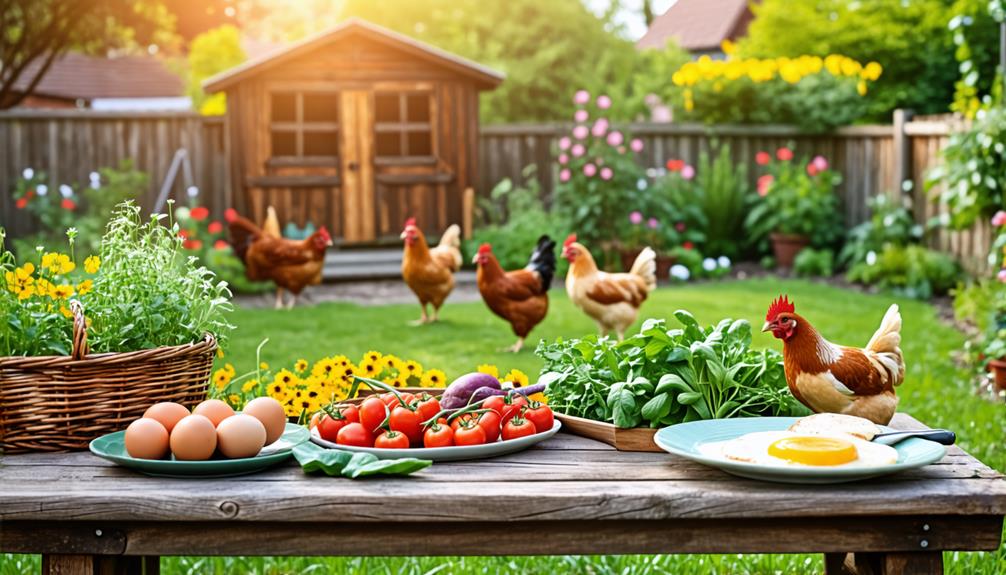
Start your day with fresh eggs from your backyard chickens. Beyond taste and nutrition, keeping urban chickens can boost local food security and strengthen community ties. To enjoy these benefits, you must first navigate city regulations, choose suitable breeds, and set up a proper coop. Daily care and feeding are crucial, too. Here's how to manage it all while keeping your neighbors happy and ensuring your chickens stay healthy.
- Check City Regulations: Before getting chickens, review local laws. Some cities have limits on the number of chickens or require permits.
- Select Suitable Breeds: Choose breeds that are known for being quiet and good egg-layers. Research breeds like Rhode Island Reds or Australorps.
- Set Up a Proper Coop: Your coop should provide shelter from weather and predators. Ensure it is spacious enough for your flock, has good ventilation, and is easy to clean.
- Daily Care Routine: Chickens need daily feeding, fresh water, and egg collection. Clean the coop regularly to prevent disease.
- Feeding Practices: Provide a balanced diet with commercial feed, grains, and occasional treats like vegetables. Ensure they always have access to clean water.
- Keep Neighbors Happy: Minimize noise and odors by maintaining a clean coop and selecting quieter breeds. Share eggs as a goodwill gesture.
By following these steps, you can successfully raise backyard chickens, enjoy fresh eggs, and contribute to your community.
Benefits of Urban Chickens
If you're considering adding chickens to your urban farm, you'll find they offer many advantages. Urban chickens provide fresh eggs that are richer in nutrients than those from factory farms. These eggs have 25% more vitamin E and 75% more beta carotene, making your meals healthier. Additionally, backyard chicken eggs have 50% less cholesterol, which is better for heart health.
Having backyard chickens also helps reduce waste. They eat kitchen scraps, turning what would be landfill waste into part of their diet. This minimizes waste and ensures your chickens have a varied and healthy diet, improving egg production.
Urban chickens also benefit the community. When you have extra eggs, you can share or trade them with neighbors, boosting local food security and building stronger community bonds. Raising chickens in urban areas also promotes biodiversity by creating habitats for pollinators and reducing the carbon footprint associated with commercial egg production.
City Regulations for Chickens
Before starting your backyard flock, it is essential to understand local ordinance requirements and permit processes. For example, San Francisco allows up to four hens without a permit. However, regulations and approval processes can vary widely. Always check your city's specific rules online. Be prepared to present your plans to the city council if required.
Local Ordinance Requirements
Understanding local ordinances is essential if you plan to keep backyard chickens in an urban area. Regulations for chicken keeping can differ greatly from city to city. For example, San Francisco permits up to four hens without a permit but prohibits roosters. These regulations help maintain good relations between chicken owners and their neighbors.
Before building a coop or buying chickens, check your local ordinances. Many cities require chicken coops to be set at least 20 feet away from homes to minimize noise and odor issues. Not following these rules can lead to fines or having to remove your chickens. Your local animal control office is a good source for accurate information on these regulations.
| City | Hens Allowed | Roosters Allowed | Coop Distance Requirement |
|---|---|---|---|
| San Francisco | Up to 4 | No | 20 feet |
| Los Angeles | Up to 6 | No | 35 feet |
| Chicago | No Limit | Yes | 25 feet |
| New York City | No Limit | Yes | 15 feet |
Research your local laws thoroughly. The movement for urban farming rights is growing, so staying informed is key. Understanding these regulations will help you have a successful and compliant experience with keeping chickens.
Permit and Approval Process
Navigating the permit and approval process for keeping backyard chickens can be straightforward if you know where to start. First, check your city's local regulations online. City ordinances on urban farming can vary widely, so it's crucial to know what's allowed in your area. For example, in San Francisco, you can keep up to four hens without a permit, as long as they are at least 20 feet away from human dwellings.
Next, contact your local animal control for the most accurate and detailed information. They often have a better understanding of specific regulations than general city officials. This step ensures you are fully informed and compliant with all local laws.
In some cities, a formal approval process may be necessary. This could involve presenting your case to the city council. Understanding your city's governance structure can make this less intimidating. Advocacy for urban farming is growing, so you might find support among council members and the community.
Choosing Chicken Breeds
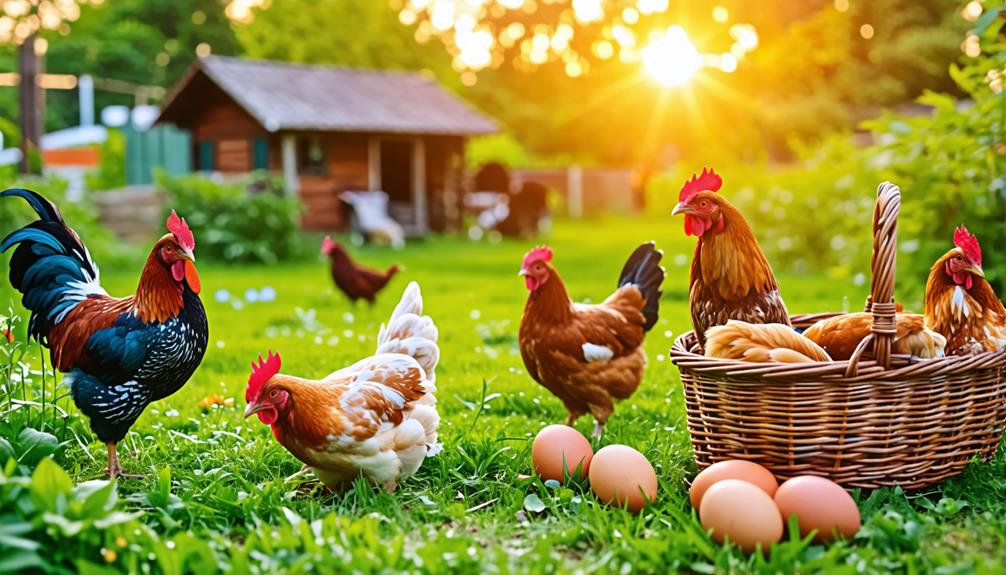
When choosing chicken breeds for your urban farm, prioritize climate suitability and egg production rates. Breeds like Buff Orpingtons and Dominiques are hardy and family-friendly. Ameraucanas and Cuckoo Marans offer colorful and diverse eggs. Use online breed selectors to find the best match for your needs. This ensures your chickens thrive and produce efficiently.
Consider Climate Suitability
Selecting the right chicken breeds for your urban farm involves understanding how well they can adapt to your local climate. Climate suitability is vital, especially if you're raising chickens for eggs. In colder regions, choose cold-hardy breeds like Dominiques and Buff Orpingtons. These breeds withstand harsh winters, ensuring your egg layers stay productive even in the cold.
In family-friendly urban settings, docile breeds such as Ameraucanas and Cuckoo Marans are a good choice. These chickens are friendly and interact well with children and neighbors, making your backyard farm a harmonious part of the community. Heritage breeds like Rhode Island Reds and Plymouth Rocks offer additional benefits. They are robust, adapt well to different climates, and provide a range of beautiful egg colors that can improve the appeal and marketability of your eggs.
Use online breed selector tools to identify breeds that match your specific climate and urban living conditions. Understanding the hardiness of your chosen breeds is fundamental to maintaining a thriving flock, especially in areas with severe winters where less resilient breeds like Cochin and Welsummer might struggle.
Egg Production Rates
To choose the best chicken breeds for ideal egg production on your urban farm, start by examining egg production rates. Breeds like the Gold Sex Link are known for their consistent output, averaging between 200 to 250 eggs annually. This equates to about 4-5 eggs per week during their peak laying years. Ameraucanas, on the other hand, are valued for their colorful eggs, adding a unique touch to your breakfast table.
Laying hens typically begin producing eggs around 5 months of age, though some may start earlier. Be aware that seasonal changes and molting periods can affect how often hens lay eggs. For example, extreme weather conditions may reduce egg production.
If you plan to free-range your chickens, note that hens usually have an average lifespan of about five years. However, many urban farmers choose to cull them after two years when egg production declines.
For variety, consider breeds that lay dark brown eggs to diversify your egg basket. Careful breed selection will ensure a steady supply of fresh eggs for your urban farm.
Setting Up the Coop
Setting up the coop is a crucial step to ensure your backyard chickens are healthy and productive. Allocate 2-4 square feet per hen inside the coop and 10-15 square feet for the run area. This space allows for comfortable movement. Visit your local feed store for supplies like wood shavings for bedding, which should be partially replaced every three months to maintain cleanliness.
Nest boxes should be 12x12 inches and placed in a quiet, accessible area to encourage egg-laying. Proper ventilation is essential to maintain air quality and temperature, protecting your hens from heat stress and respiratory issues. Install roosting bars made from rounded 2x4s, 24 inches above the floor, for comfortable perching at night.
Visualize:
- Coop and run: A spacious area for hens to roam.
- Nesting box: A quiet spot for egg-laying.
- Wood shavings: Fresh bedding to keep the coop hygienic.
With careful planning and the right materials, your chickens will thrive in their new home.
Daily Care Routine
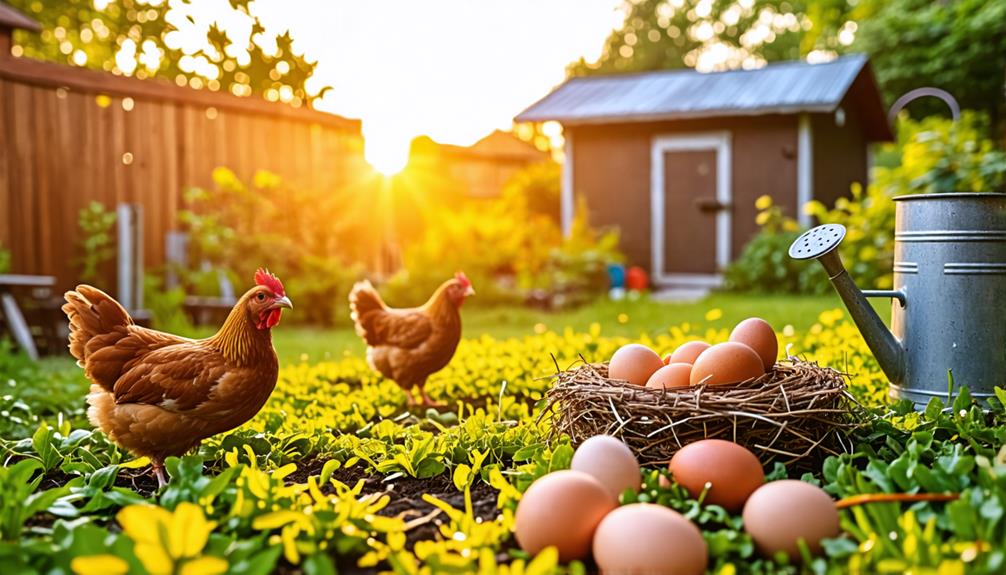
Daily care for your backyard chickens requires consistency and attentiveness. Begin each day by providing high-quality organic feed. A 50-pound bag costs about $25-$30 and lasts around two months for four hens. Ensure your chickens have access to fresh water daily. Use raised waterers or automatic drinking cups set at least 12 inches off the ground to keep the water clean.
Regular egg collection is essential. Hens usually start laying eggs at around five months old, producing 4-5 eggs per week at their peak. Collecting eggs daily helps maintain their quality and encourages the hens to keep laying.
Check the bedding in the coop regularly. Clean the bedding a couple of times a week, using materials like pine shavings to maintain hygiene. Perform a deep cleaning every three to six months to ensure a healthy environment for your flock.
Conduct regular health checks to monitor for signs of illness or distress. Keeping an eye on your chickens' health ensures they remain productive and continue to provide high-quality eggs. Consistent daily care will keep your backyard chickens happy and healthy.
Feeding and Watering
Feeding and watering your backyard chickens are essential tasks for their health and productivity. Ensure a consistent and clean water supply by placing raised water sources 12 inches above ground. This helps prevent contamination from dirt, ensuring your hens have access to fresh, uncontaminated water.
Maintaining feed cleanliness is equally important. Use a galvanized hanging feeder, also set 12 inches above ground, to keep feed clean and reduce waste. A 50-pound bag of organic feed costs between $25 and $30 and usually lasts around two months for four hens. This works out to a feed cost of about $0.77 per week per hen, or roughly $40 annually per mature bird.
To provide a balanced diet, supplement the organic feed with kitchen scraps and garden greens like kale. This improves egg quality and gives the hens extra nutrients.
- Clean water supply: Raised water sources prevent contamination, ensuring fresh hydration.
- Proper feed setup: Galvanized hanging feeders keep feed clean and reduce waste.
- Balanced diet: Organic feed, supplemented with kitchen scraps and garden greens, boosts nutrition.
Egg Production Insights
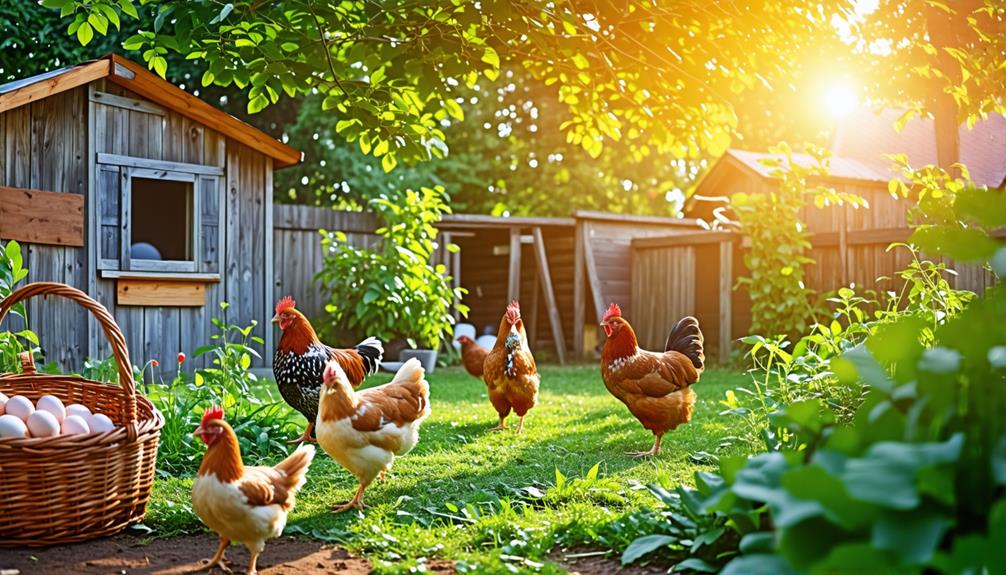
With your hens well-fed and hydrated, let's explore egg production. Chickens usually start laying eggs at around 5 months old. A healthy hen, especially egg-laying breeds like Ameraucanas and Cuckoo Marans, can produce between 200-250 eggs per year. One hen can significantly boost your household's egg supply.
Here's a quick comparison between backyard eggs and store-bought ones:
| Aspect | Backyard Eggs | Store-Bought Eggs |
|---|---|---|
| Vitamin E | 25% more | Standard |
| Beta Carotene | 75% more | Standard |
| Egg Whites | Firmer | Less firm |
| Yolks | Richer | Less rich |
Feeding one hen costs about $40 per year. Over 2.5 years, the value of her eggs can be around $256, resulting in a net profit of approximately $161. This makes backyard eggs both healthier and economically beneficial. Plus, they offer better flavor and nutrition compared to store-bought eggs. Raising chickens ensures a steady supply of fresh eggs, enhancing your household's nutrition and finances.
Health and Safety Practices
Caring for your backyard chickens involves more than just feeding them and collecting eggs. Ensuring their health and safety daily is crucial. Regular care includes feeding, watering, and cleaning bedding to maintain hygiene and prevent disease. Clean the bedding a couple of times weekly and perform a deep clean twice a year.
Store feed in galvanized metal trash cans to keep it clean and pest-free. Monitor your chickens' diet closely, and avoid giving them harmful foods such as spoiled food, avocado skin, and rhubarb leaves, which can be toxic.
Chickens need natural dust baths to stay clean and control pests like fleas. Ensure they have access to bare ground for dust bathing. Use natural pest control methods and maintain a clean coop to reduce disease and pests, boosting your flock's health and productivity.
Key practices to follow:
- Feed storage: Use galvanized metal trash cans to keep feed clean and pest-free.
- Cleaning bedding: Regularly clean bedding and perform deep cleans to prevent disease.
- Monitor diet: Avoid toxic foods to maintain your chickens' health.
Community and Neighbor Relations

Ensuring your chickens' health is just one part of urban farming; maintaining strong community and neighbor relations is equally important. Inform your neighbors about your plans to keep chickens early on. This step can foster goodwill and show your commitment to following local urban farming laws. Offering fresh eggs from your backyard hens can also improve relationships with your neighbors, creating a sense of community.
Building rapport with your neighbors, especially in urban settings, can lead to collaborative efforts. You might work together on shared tasks, like setting up a co-op coop. Keeping open communication is critical. Discuss your chicken care routines and address any concerns your neighbors might have. This transparency helps maintain a peaceful environment and reduces potential conflicts.
Engage with local support networks and online communities. They can offer valuable advice on managing regulations and share experiences related to urban chicken keeping. By fostering a sense of community and maintaining open lines of communication, you'll ensure that your urban chicken farming experience is positive for everyone involved.