Eggs and Breakfast: a Look at Traditional Vs. Modern Diets
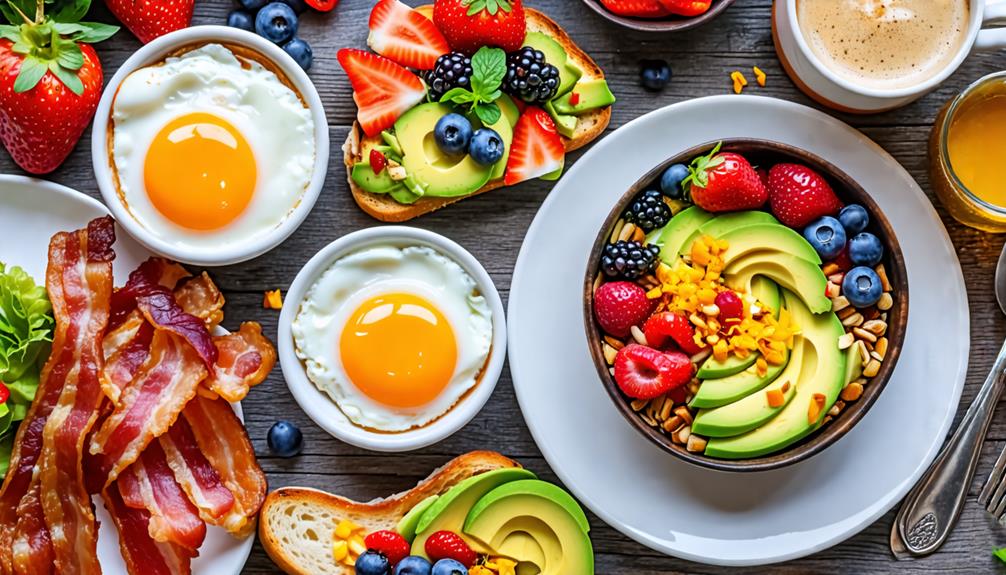
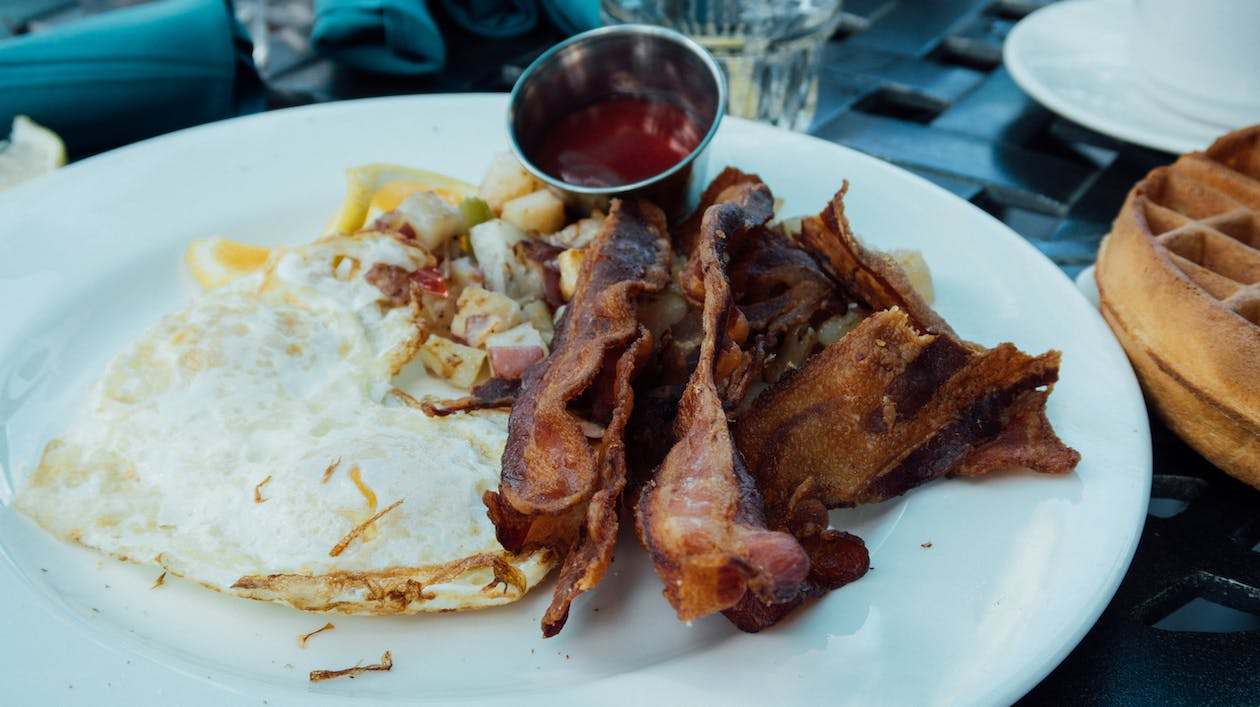
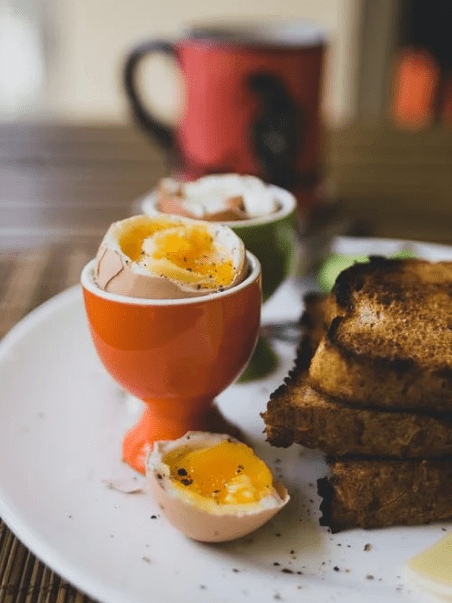
When you think about breakfast, eggs probably come to mind, whether it's a classic omelet or a poached egg on avocado toast. Historically, eggs have been a cornerstone of morning meals, providing essential nutrients for the day ahead. As lifestyles evolved, breakfast choices shifted from hearty, protein-rich dishes to lighter, quicker options. Despite these changes, eggs remain a staple, connecting traditional and modern diets. How did these changes come about, and what does it mean for your breakfast today? Let's explore.
- First, recognize the nutritional value of eggs. They are rich in protein, vitamins, and minerals. Including eggs in your breakfast can help you feel full and energized.
- Second, consider how you prepare your eggs. Traditional methods like boiling or scrambling are quick and easy. Modern recipes, like poached eggs on toast, can add variety.
- Third, balance your meal. Pair eggs with other nutrient-rich foods like vegetables or whole grains. This ensures a well-rounded breakfast.
By understanding the history and adapting to contemporary trends, you can make informed choices for a nutritious start to your day.
Ancient Breakfast Traditions
Breakfast traditions in ancient times varied widely across different cultures, with each emphasizing the need for morning nourishment. Civilizations like Egypt, Greece, and Rome had distinct breakfast options based on their daily needs and resources.
In ancient Egypt, a typical breakfast included bread, fruits, and beer. This meal provided the energy required for labor-intensive activities. The Egyptians made sure their morning meal was both nutritious and sufficient for their demanding routines.
In ancient Greece, the morning meal was called akratisma. It usually featured barley bread, cheese, and olives. This balanced meal helped promote overall well-being, combining essential nutrients.
The Romans had a meal called Ientaculum, which included bread, cheese, and honey. This simple and nourishing breakfast satisfied their hunger and influenced future European breakfast traditions.
During the Middle Ages, breakfast remained hearty, with foods like bread, cheese, and porridge made from oats or barley. This was especially important for laborers who needed a robust start to their day.
These historical breakfasts highlight the universal need for a nutritious morning meal to fuel daily activities.
Medieval Morning Meals
In medieval times, breakfast was essential for maintaining energy throughout the day. Meals often included bread, cheese, butter, and various meats. Porridge, sweetened with honey or spices, along with fresh fruits like apples and pears, provided important nutrients and flavors. However, the complexity of breakfast varied by social class. The wealthy enjoyed more elaborate meals, while the lower classes had simpler fare.
Common Medieval Breakfast Foods
Medieval breakfast foods were hearty and designed to fuel a demanding day ahead. In medieval times, breakfast was an important meal, especially for laborers. They needed to pack in calories to sustain their physically demanding tasks. Common breakfast items included porridge made from oats or barley, often sweetened with honey or spiced for flavor. This staple was both nourishing and filling.
Bread was another cornerstone of medieval breakfasts. Paired with cheese or butter, it provided much-needed sustenance. Meats like ham and sausages were commonly included, adding a protein boost to the morning meal. These foods were essential for maintaining energy levels throughout the day.
Fruits like apples and pears were also incorporated into breakfast, adding sweetness and crucial nutrients. The lower classes, in particular, relied on these hearty meals to meet their caloric needs. In contrast, the wealthy often skipped breakfast, opting for elaborate spreads later in the morning. This practice highlighted the class distinctions in meal consumption during medieval times. Overall, breakfast was a key part of daily life, especially for those with grueling physical tasks.
Nutritional Value and Energy
A well-rounded medieval breakfast was designed to fuel the demanding tasks of the day. People didn't start their mornings with eggs. Instead, they chose hearty foods like bread, cheese, and meats. These items were vital nutrient sources, providing the energy needed for daily labor. Porridge, made from oats or barley and often flavored with honey or spices, was a staple, offering a balanced and nutritious start to the day.
Adding fruits like apples and pears wasn't just for flavor. These fruits provided vitamins and natural sugars, important for sustaining energy levels throughout the morning. This combination of foods ensured a mix of carbohydrates, fats, and proteins. Although eggs weren't a primary breakfast food, the meats included in the meal served as a significant protein source, essential for muscle repair and general strength.
Breakfast was about preparing for the day's challenges. The nutritional habits from medieval times emphasized energy-dense foods, a principle that still applies to modern breakfast choices.
Industrial Breakfast Shifts
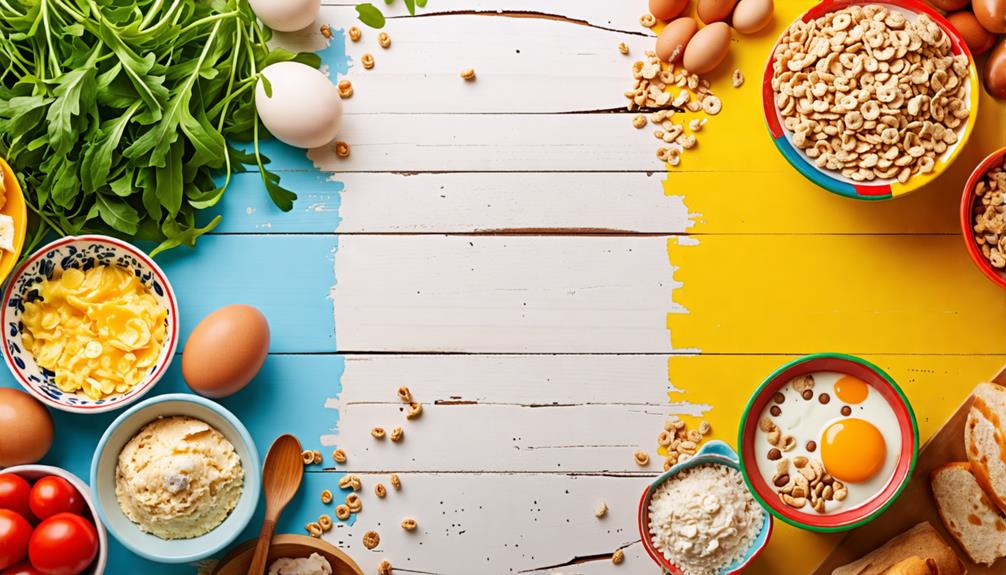
The Industrial Revolution changed breakfast consumption significantly. Advancements in technology allowed for the mass production of convenient foods like cereals. During this period, traditional breakfast foods such as bacon and eggs became less common. The main reason was the need for quick and easy breakfast options for busy factory workers. As a result, breakfast cereals and other convenience foods became household staples.
Food shortages during the World Wars also influenced this change. With limited availability of traditional breakfast foods, alternatives like porridge and bread became more common. This phase focused on efficiency and convenience, setting the stage for modern breakfast trends.
Today, the influence of the Industrial Revolution is still evident in breakfast habits. Quick-to-prepare options are often prioritized over traditional sit-down meals. If you grab a bowl of cereal before heading out the door, you are continuing a long-standing tradition of convenience that began over a century ago. This shift has shaped not only our diets but also our daily routines.
Wartime Breakfast Changes
During the World Wars, breakfast options changed significantly due to food shortages and rationing. Staples like bacon, eggs, and milk became scarce. People adapted by using alternatives such as porridge, bread, and margarine. Packaged and processed breakfast foods also became more common, offering convenience and influencing future breakfast habits.
To adjust your breakfast during a similar situation, follow these steps:
- Substitute scarce items with more available options. For example, use porridge instead of bacon and eggs.
- Incorporate bread and margarine as regular breakfast items.
- Look for packaged and processed foods that can provide convenience.
These changes can help you maintain a nutritious breakfast routine during times of shortage.
Food Shortages Impact
Food shortages during World Wars I and II significantly changed breakfast routines. Families had to adapt to the lack of traditional staples like bacon and eggs. Porridge, bread, and margarine became common alternatives. These wartime experiences led many to prefer simpler, more economical choices, influencing dietary habits both during and after the wars.
Packaged and processed breakfast foods also became popular during these times. These convenient options emerged as a direct response to the scarcity of traditional items. The impact of food shortages wasn't just temporary; it shaped lasting changes in how people approached their morning meals. Even after the wars ended, many continued to choose these simpler, more accessible options, forming the basis of modern breakfast habits.
Understanding how food shortages influenced breakfast routines highlights the importance of accessibility and affordability in food choices. The shift towards simpler breakfast options during wartime played a key role in the evolution of today's breakfast preferences.
Rationed Breakfast Staples
During World Wars I and II, rationing forced people to rethink their breakfast routines. Traditional staples like bacon, eggs, and milk were scarce, making it hard to enjoy the usual morning fare. With limited eggs per day, you had to get creative with alternative food sources. Porridge, bread, and margarine became common rationed breakfast staples, providing a simpler yet nutritious start to the day.
Due to these changes, breakfast became more adaptable. Instead of relying on high egg consumption, you turned to foods that were more readily available and compliant with rationing guidelines. This shift ensured you had enough to eat and introduced new health benefits by diversifying your diet.
Adapting to wartime restrictions fundamentally altered how you approached breakfast. The need to find new food sources and rationed staples highlighted the importance of flexibility in your dietary habits. Even after the war, many continued to favor these simpler, more accessible options. This period's impact on breakfast habits was significant, showing that even in challenging times, you could maintain a balanced and nutritious diet.
Processed Food Rise
During the wars, you had to adapt to rationed breakfast staples. Bacon, eggs, and milk were hard to find due to food shortages. Breakfast became simpler, often just porridge and bread. This need for convenience led to the rise of processed foods, changing breakfast habits significantly.
| Era | Breakfast Staples | Influences |
|---|---|---|
| Pre-War | Bacon, Eggs, Milk | Traditional, Hearty |
| Wartime | Porridge, Bread | Rationing, Food Shortages |
| Post-War | Processed Cereals | Convenience, Industry Growth |
| Modern Diets | Ready-to-Eat Options | Influence of Wartime Changes |
Advances in technology and transportation during the Industrial Revolution made it easier to mass-produce and distribute processed cereals. These cereals became common in many households after the war. Breakfast shifted from tradition to convenience, a change that continues today. Many people prefer quick, ready-to-eat options over traditional, cooked breakfasts. This shift shows how historical events can shape dietary habits for generations.
Global Breakfast Variations
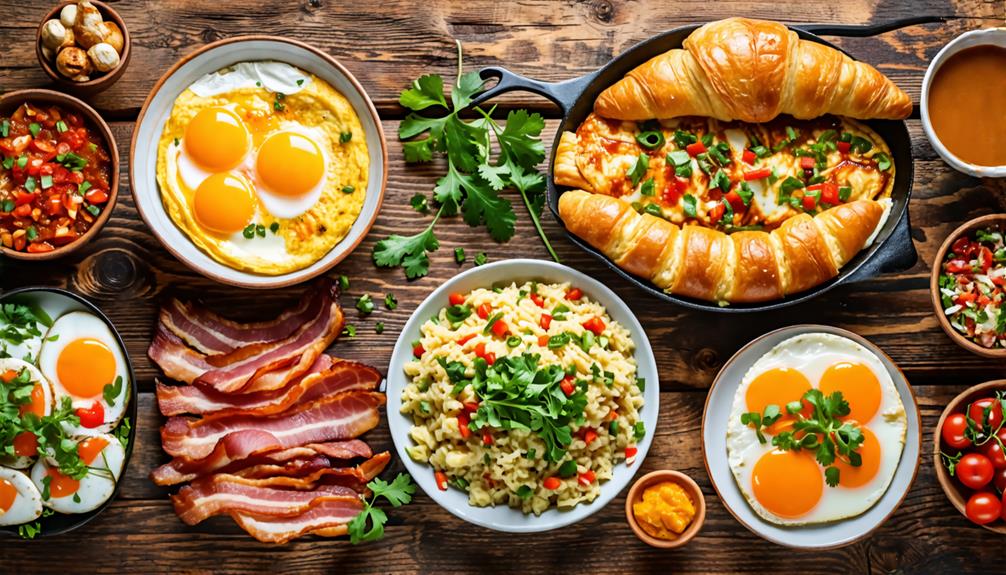
Breakfast traditions worldwide offer a fascinating look at culinary diversity and cultural priorities. The morning meal has evolved to include various foods that reflect local flavors and ingredients.
In Japan, a balanced breakfast often includes rice, fish, and miso soup. This provides a nutrient-dense start to the day. In the UK, the full English breakfast is popular. It typically features eggs, bacon, sausage, and baked beans.
In Mexico, chilaquiles and huevos rancheros are staples. These dishes use tortillas and eggs, highlighting the country's rich culinary heritage. In the Nordic countries, open-faced sandwiches with soft cheeses and cured fish are common, focusing on fresh, local ingredients.
Traditional Indian breakfasts like puri and aloo ki sabji showcase the region's love for spices and diverse flavors. In the Philippines, breakfast is the largest meal. Dishes like tapsilog—dried meat, fried egg, and rice—emphasize the importance of a substantial morning meal.
Nutritional Benefits of Breakfast
Starting your day with a nutritious breakfast sets a positive tone. Breakfast is considered the most crucial meal for good reason. It helps you meet your daily nutritional needs and improves concentration and performance. Including high-quality protein, like eggs, in your breakfast is beneficial. Eggs are versatile and packed with protein, promoting satiety and aiding in weight management by reducing total caloric intake.
In addition to protein, incorporate whole grains and fruits into your breakfast. These foods provide sustained energy and essential vitamins and minerals. They contribute to overall health and help stabilize blood sugar levels, supporting energy and cognitive function throughout the morning.
Research shows that people who regularly eat breakfast are more likely to meet their daily nutritional needs compared to those who skip it. By starting your day with a balanced meal that includes various food groups, you set yourself up for steady energy and improved cognitive performance. Don't skip this crucial meal; make breakfast a priority to support your well-being.
Modern Breakfast Trends
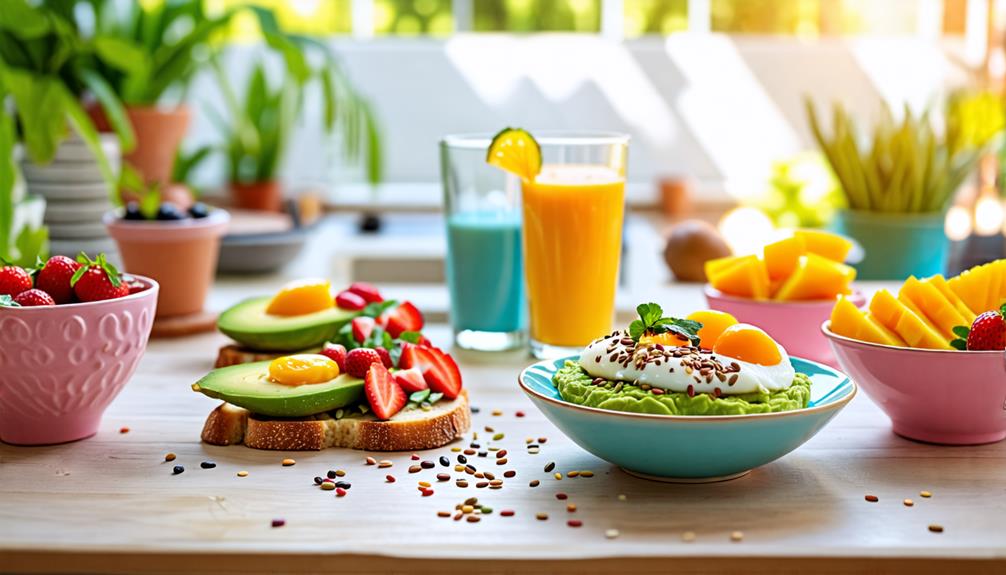
Modern breakfast trends now focus on healthier and more creative options. You'll see more fruits, yogurt, and smoothies, showing a health-conscious approach to the first meal of the day. People are more aware of dietary preferences and restrictions, leading to more plant-based and gluten-free choices.
Here are some popular modern breakfast trends:
- Avocado Toast: This option is rich in healthy fats. It's often topped with poached eggs, tomatoes, or smoked salmon.
- Smoothie Bowls: These bowls blend fruits, vegetables, and protein sources like nuts and seeds. They make a nutrient-packed meal.
- Gluten-Free Options: From pancakes to muffins, many gluten-free items cater to those with gluten sensitivities or celiac disease.
- Meal Prepping: Preparing breakfast ahead of time saves time and ensures you have nutritious meals even on busy mornings.
The rise of brunch culture has expanded breakfast hours, blending breakfast and lunch into various offerings. Whether you prefer a quick smoothie or a gourmet breakfast, there's something for everyone in today's breakfast landscape.
Eggs in Contemporary Breakfasts
Including eggs in your breakfast routine highlights their versatility and nutritional benefits. Whether you like them scrambled, poached, or in an omelet, eggs fit many dietary needs, making them a popular choice worldwide. With a focus on healthier eating, high-protein breakfasts are becoming more popular, and eggs are essential in this trend. Each egg has about 6 grams of protein, which helps with weight management and muscle maintenance.
Despite the increase in plant-based and gluten-free options, eggs remain a breakfast staple. They are rich in vitamins and minerals like B12, D, and choline, making them a nutritious addition to any meal, especially in the morning when your body needs nourishment.
Current breakfast trends feature gourmet egg dishes that combine traditional flavors with modern culinary creativity. Examples include avocado toast with poached eggs and shakshuka. These dishes not only taste good but also align with health-conscious eating habits.
In the United States, the average person consumes 285 eggs per year. This statistic highlights the crucial role eggs play in contemporary breakfasts, confirming their status as a beloved breakfast component.