Are pancakes healthier than waffles? Comparing breakfast favorites

Breakfast lovers often debate the merits of pancakes versus waffles. Both are popular morning treats, but which one is the healthier choice? Pancakes tend to be slightly healthier than waffles due to their simpler ingredients and preparation method.
Pancakes are typically made with basic ingredients like flour, eggs, and milk. They're cooked on a flat griddle, which requires less oil or butter. Waffles, on the other hand, often have more sugar and fat in their batter. The waffle iron also needs to be greased, adding extra calories.
The nutritional differences between pancakes and waffles are small. Both can be part of a balanced breakfast when topped wisely. Adding fresh fruit, a dollop of Greek yogurt, or a drizzle of pure maple syrup can boost the nutritional value of either choice. The key is moderation and pairing these treats with protein and fiber for a well-rounded meal.
Nutritional Comparison
Pancakes and waffles have different nutritional profiles. Let's look at their calorie content, macronutrients, and key vitamins and minerals.
Caloric Content
Pancakes typically have fewer calories than waffles. A plain pancake has about 20% fewer calories than a plain waffle of similar size. This is partly due to the cooking method. Pancakes are cooked on a flat surface, while waffles are made in an iron that creates deep pockets.
- Pancakes: 90-100 calories per 4-inch pancake
- Waffles: 110-120 calories per 4-inch square waffle
The exact calorie count can vary based on the recipe and added ingredients.
Macronutrients
Both pancakes and waffles contain carbs, protein, and fat, but in different amounts.
- Carbs: Waffles often have more carbs due to their crispy texture.
- Protein: The protein content is similar in both, around 2-3 grams per serving.
- Fat: Waffles usually have more fat because of the extra oil used in waffle irons.
Fiber content is generally low in both, unless whole grain flour is used.
Sugar levels depend on toppings and added sweeteners in the batter.
Vitamins and Minerals
Waffles tend to have a slight edge in some vitamins and minerals.
Selenium: Waffles provide about 57% more selenium than pancakes.
Iron: Waffles contain more iron than pancakes.
B vitamins: Waffles have higher amounts of vitamin B1 (thiamin) and B2 (riboflavin).
Both pancakes and waffles can be good sources of:
- Calcium
- Phosphorus
- Magnesium
- Zinc
The exact amounts vary based on the recipe and ingredients used. Whole grain versions of both will offer more nutrients than those made with refined flour.
Impact on Health
Pancakes and waffles can affect health in different ways. Their ingredients and preparation methods play a role in how they influence weight, blood sugar, and heart health.
Weight Management
Pancakes and waffles are both high in calories. A typical serving of two pancakes has about 180 calories. Two waffles can have up to 220 calories. Adding butter and syrup can raise the calorie count to over 500.
These foods are often low in fiber. Fiber helps people feel full. Without it, you may eat more than needed. This can lead to weight gain over time. To make them healthier, try whole grain flour. It adds fiber and nutrients. Top with fresh fruit instead of syrup to cut calories and add vitamins.
Blood Sugar Control
Pancakes and waffles are high in carbs. They can cause quick spikes in blood sugar. This is because they have a high glycemic index. Waffles often have more sugar in the batter than pancakes. This can make blood sugar rise even faster.
To help control blood sugar:
- Choose whole grain options
- Add protein like eggs or Greek yogurt
- Use less syrup or try sugar-free alternatives
These changes can slow down how fast your body breaks down the carbs.
Heart Health
The fats in pancakes and waffles can affect heart health. Both often contain saturated fats from butter or oil. Too much saturated fat can raise bad cholesterol levels. Waffles usually have more fat than pancakes. A typical waffle has about 10 grams of fat. A pancake has around 4 grams.
Sodium is another concern. Some mixes are high in salt. This can raise blood pressure in some people.
To make heart-healthier choices:
- Use cooking spray instead of butter on the griddle
- Pick low-sodium mixes or make your own batter
- Add nuts or seeds for healthy fats
Culinary Aspects
Pancakes and waffles differ in taste, texture, and cooking methods. These factors impact their flavor profiles and how they pair with various toppings.
Taste and Texture
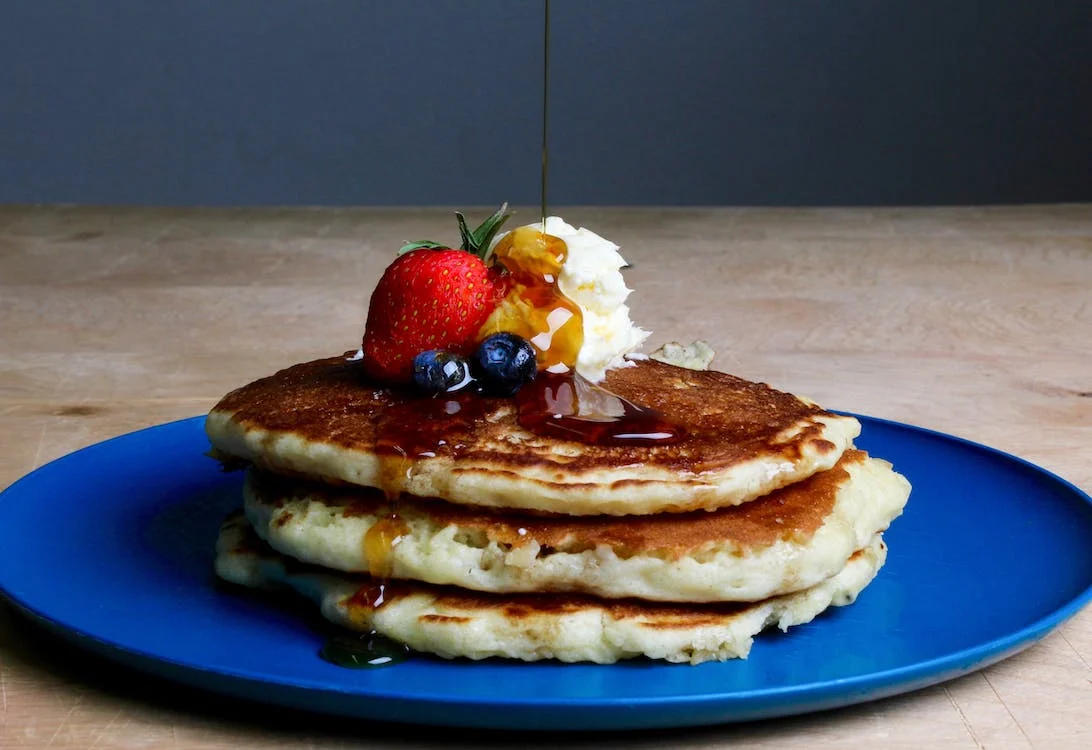
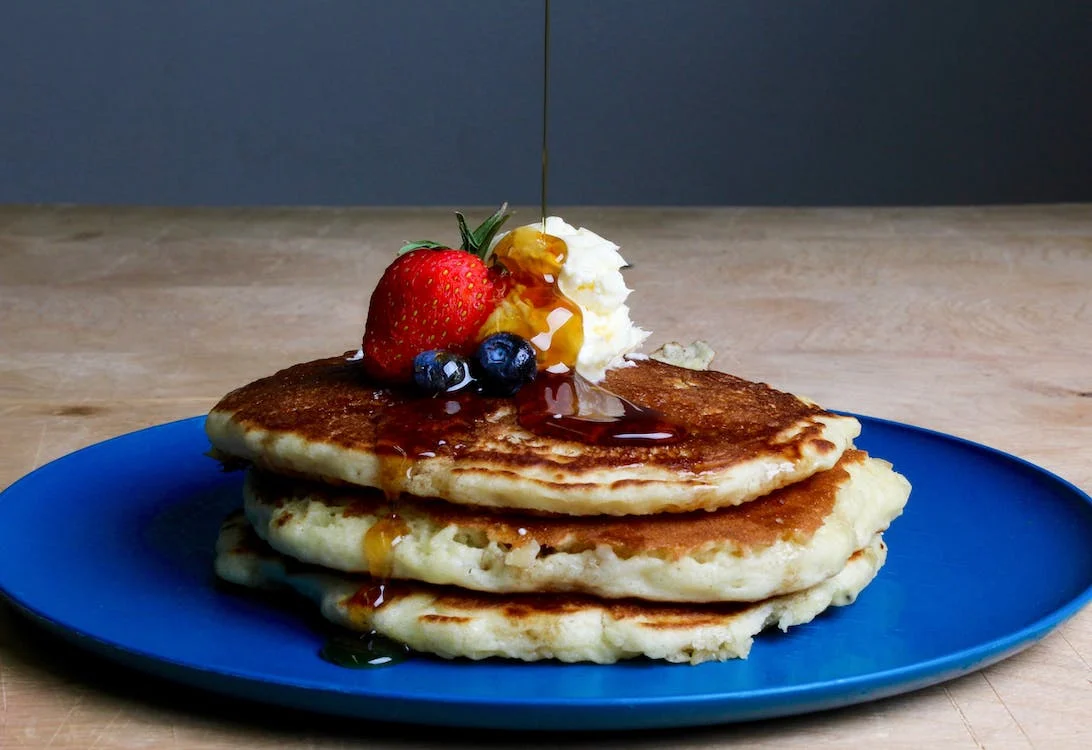
Pancakes have a soft, fluffy texture. They are light and spongy, soaking up syrups and sauces well. Pancakes often taste slightly sweet, with a hint of buttermilk in some recipes.
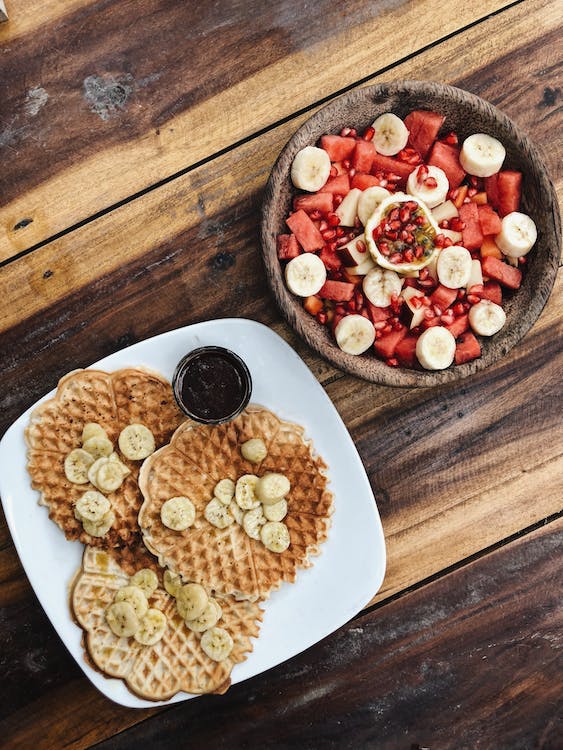
Waffles have a crispy exterior and a soft interior. Their unique shape creates pockets that hold toppings. Waffles tend to be sweeter than pancakes due to added sugar in many recipes.
Both can be made sweet or savory. The choice between them often comes down to personal preference for texture.
Common Toppings and Variations
Pancakes and waffles pair well with many toppings. Popular sweet options include:
- Maple syrup
- Fresh berries
- Sliced bananas
- Whipped cream
- Chocolate chips
- Nuts
Savory toppings are also tasty. Some choices are:
- Bacon
- Cheese
- Fried eggs
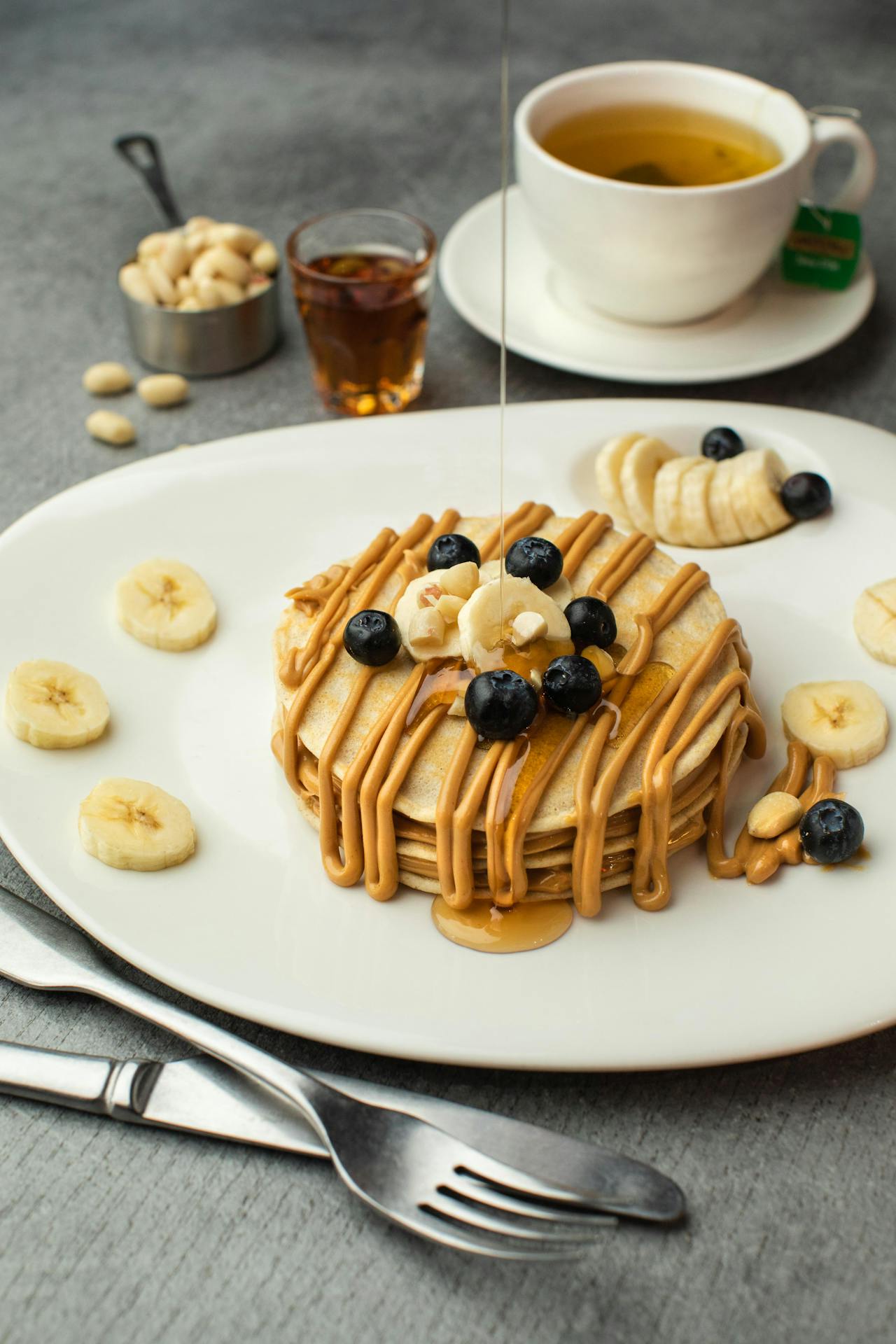
- Peanut butter
Variations exist for both. Thin pancakes become crepes. Belgian waffles are a thicker, fluffier waffle type.
Cooking Techniques
Pancakes cook on a flat griddle or pan. They need flipping to cook both sides. Making pancakes takes some skill to get the right thickness and cook time. Waffles require a special waffle iron. The batter cooks between two hot plates, creating the classic grid pattern. Waffle irons are easy to use but take up more storage space.
Both foods can be made from scratch or with boxed mixes. Homemade versions allow for more control over ingredients and flavors.
Dietary Considerations
Pancakes and waffles can be made to fit many dietary needs. Both can use different flours and ingredients to cater to various health requirements and food preferences.
Gluten-Free and Alternative Flours
Many people need or choose to avoid gluten. Buckwheat flour is a popular gluten-free option for pancakes and waffles. It has a nutty flavor and is rich in fiber. Almond flour is another choice. It's low in carbs and high in protein.
Rice flour and coconut flour work well too. These can be used alone or mixed for better texture. Gluten-free oat flour adds fiber and a mild taste. When using these flours, extra liquid or binding agents may be needed.
Here's a quick comparison of alternative flours:
| Flour Type | Gluten-Free | High Protein | Low Carb |
|---|---|---|---|
| Buckwheat | Yes | Yes | No |
| Almond | Yes | Yes | Yes |
| Rice | Yes | No | No |
| Coconut | Yes | Yes | Yes |
Vegetarian and Vegan Options
Both pancakes and waffles can be made vegetarian or vegan. Traditional recipes often use eggs and milk. But these can be replaced with plant-based options.
For eggs, mashed banana or applesauce can work as binders. Ground flaxseed mixed with water forms a gel-like "egg." Commercial egg replacers are also available.
Plant milks like almond, soy, or oat milk can replace dairy milk. These often add unique flavors to the batter. Vegan butter or oil can be used instead of regular butter. Toppings can be adjusted too. Maple syrup is naturally vegan. Fruit, nut butters, and coconut whipped cream are tasty vegan choices.
Allergens and Sensitivities
Common allergens in pancakes and waffles include eggs, dairy, and nuts. But recipes can be adapted to avoid these. For egg allergies, the replacements mentioned earlier work well. Those with dairy allergies can use plant-based milks and butters. Nut allergies require careful ingredient checking. Avoid nut flours and nut-based milks.
Some people are sensitive to corn. In this case, baking powder (which often contains corn starch) can be replaced with baking soda and an acid like vinegar.
It's important to read labels carefully. Cross-contamination can occur in manufacturing. For severe allergies, making pancakes or waffles from scratch with known safe ingredients is best.
Cultural Significance
Pancakes and waffles hold special places in many cultures around the world. They appear in various forms and are eaten for different occasions beyond just breakfast.
Pancakes and Waffles in Different Cuisines
Pancakes come in many forms across cultures. Russian blini are thin pancakes often served with savory toppings. Jewish latkes are potato pancakes eaten during Hanukkah. Asian cuisines feature pancakes like Chinese scallion pancakes and Korean pajeon.
Waffles have strong ties to Belgium. Belgian waffles are known for their larger size and deeper pockets. They're often topped with fruit, whipped cream, or chocolate.
In the U.S., chicken and waffles is a popular dish that blends sweet and savory flavors. Some places serve chicken and pancakes as a twist on this combo.
Breakfast Staples and Traditions
Pancakes and waffles are breakfast staples in many countries. In the U.S., they're common weekend breakfast treats. Many families have traditions of making pancakes or waffles together on lazy Sunday mornings.
In the UK, pancakes are linked to Shrove Tuesday, also known as Pancake Day. People eat pancakes to use up rich foods before Lent. Some towns hold pancake races on this day.
Waffles are often seen as a more special breakfast item. Their crispy texture and deep pockets for holding syrup make them a favorite for many. Some people prefer waffles for their ability to hold toppings better than flat pancakes.
Consumer Preferences
Pancakes and waffles both have loyal fans. People enjoy these breakfast staples for different reasons. Let's look at how versatile they are and what current trends show about their popularity.
Versatility in Meals
Pancakes offer more flexibility in shape and size. Cooks can make them small for finger food or large for a hearty meal. Pancakes work well with many toppings and mix-ins. Fruit, nuts, and chocolate chips can go right in the batter.
Some people like savory pancakes too. They might add cheese, herbs, or veggies to the mix. Carrot cake pancakes are a tasty twist on the classic. Waffles have a set shape due to the iron. But their crispy texture and deep pockets hold toppings well. Syrup, butter, and fruit fit nicely in the squares.
Both can be part of lunch or dinner. Chicken and waffles is a popular combo. Pancakes can be folded around fillings for a breakfast burrito style meal.
Popularity and Trends
Pancakes have been around longer, but waffles have gained attention in recent years. Waffle irons make it easy to create unique designs at home. This has led to fun food trends on social media.
Healthier versions of both are becoming more common. People use whole grains, add protein powder, or swap in alternative flours. Vegan and gluten-free options are now widely available.
Restaurant menus often feature both. Pancake houses might offer a few waffle choices. Waffle spots usually have pancakes too. This shows both remain popular breakfast foods.
Some folks prefer one over the other based on texture. Pancakes are soft and fluffy. Waffles are crisp outside and tender inside. Personal taste plays a big role in which one people choose.
Conclusion
Pancakes and waffles both have pros and cons nutritionally. Pancakes tend to be lower in calories and fat. They also usually contain less sugar. Waffles often have more selenium and iron. Their crispy texture may be more satisfying to some people.
Neither option is definitively healthier. The nutritional value depends on ingredients and preparation methods. Homemade versions can be made healthier than store-bought mixes. Toppings play a big role in the overall nutrition. Fresh fruit adds vitamins and fiber. Nut butters provide protein and healthy fats. Syrup and whipped cream add calories and sugar.
For a balanced breakfast, pair either pancakes or waffles with eggs or yogurt. This adds protein to keep you full longer. A side of fruit increases nutrients and fiber.
Moderation is key. Enjoy pancakes or waffles as an occasional treat rather than a daily meal. Focus on whole grains, lean proteins, and produce for regular healthy breakfasts.