10 Ways to Use Eggs Beyond the Kitchen
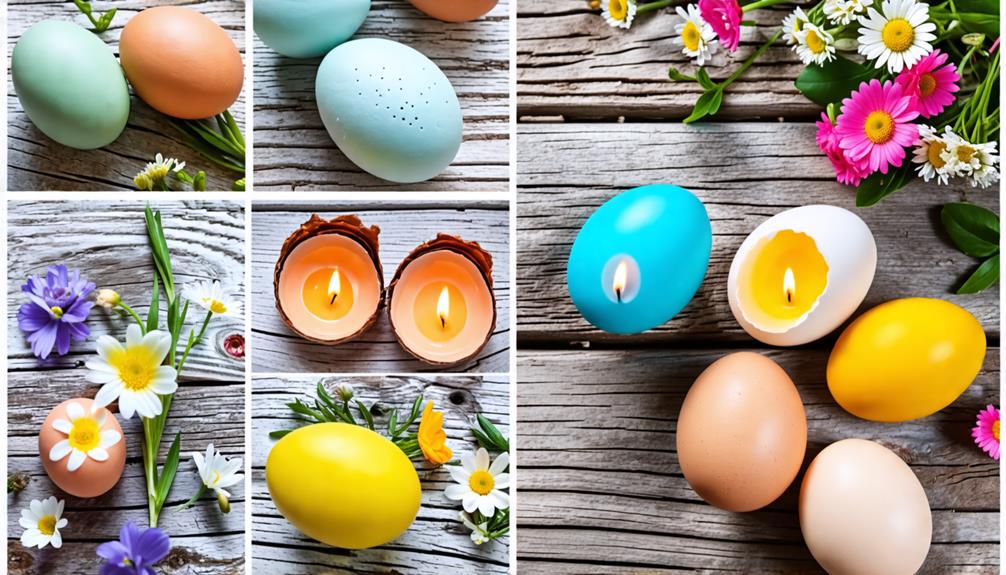
Eggs are a kitchen staple, but their uses extend far beyond cooking. From beauty routines to gardening solutions, eggs offer practical applications that can simplify your life. For instance, you can use egg whites as a natural facial mask to tighten your skin, or crush eggshells to enrich your garden soil. Curious about other ways to repurpose this common ingredient? Here are some practical tips to make the most out of eggs and uncover their true versatility.
- Facial Mask: Apply egg whites to your face and let it sit for 15 minutes to tighten and tone your skin.
- Hair Treatment: Mix egg yolks with olive oil and apply to your hair. Leave it on for 20 minutes before rinsing for a natural conditioner.
- Fertilizer: Crush eggshells and sprinkle them in your garden to add calcium to the soil.
- Cleaning Agent: Use crushed eggshells with soapy water to scrub pots and pans.
- Pest Repellent: Scatter eggshells around plants to deter slugs and snails.
- Craft Material: Use eggshells for DIY art projects, like decorating frames or making ornaments.
- Laundry Whitener: Add crushed eggshells in a mesh bag to your washing machine to help whiten clothes.
- Seed Starters: Use eggshell halves as biodegradable seed starters. Fill them with soil and plant seeds.
- Glue Substitute: Mix egg whites with flour to create a natural adhesive for lightweight projects.
- First Aid: Apply an eggshell membrane to small cuts to speed up healing.
By exploring these uses, you can maximize the benefits of eggs and make your home more efficient.
Egg Whites for Beauty
Egg whites can be a valuable addition to your beauty routine. When you whisk egg whites and apply them as a face mask, you can benefit from their skin-tightening properties. These properties help reduce puffiness and minimize pores, giving your skin a smoother and more youthful appearance.
Egg whites are rich in proteins and vitamins that nourish the skin, making them an effective anti-aging treatment. To use, whisk the egg whites until frothy and spread a thin layer over your face. Allow it to dry completely, then rinse off with warm water. You will notice an immediate improvement in the firmness and tone of your skin.
The natural stickiness of dried egg whites also makes them useful for lifting away impurities and dead skin cells. When you peel the mask off, your skin feels fresh and clean.
For best results, use this mask once a week. Always ensure you are not allergic to egg whites before applying them to your face.
Egg Yolks for Hair Care
Egg yolks are rich in vitamins A, D, E, and fatty acids, making them excellent for nourishing and moisturizing hair. When combined with olive oil, they create a powerful hair conditioner that hydrates dry and damaged hair, leaving it soft and manageable. To use, mix one egg yolk with a tablespoon of olive oil, apply the mixture to your hair, and let it sit for 20-30 minutes before rinsing.
Applying egg yolks to the scalp can also stimulate hair growth. The protein in egg yolks helps build and repair hair structure, promoting healthier and stronger hair. Regular use of egg yolk treatments can improve hair elasticity and reduce breakage, making it a popular natural remedy for hair health.
Here's a quick reference table for using egg yolks in hair care:
| Benefit | Ingredient | Application Time |
|---|---|---|
| Hydration | Egg yolk | 20-30 minutes |
| Deep conditioning | Egg yolk + olive oil | 20-30 minutes |
| Hair growth stimulation | Egg yolk | 20-30 minutes |
| Improved elasticity | Egg yolk | 20-30 minutes |
| Reduced breakage | Egg yolk | Regular use |
Incorporate egg yolks into your hair care routine and observe the benefits yourself.
Eggshells in Gardening
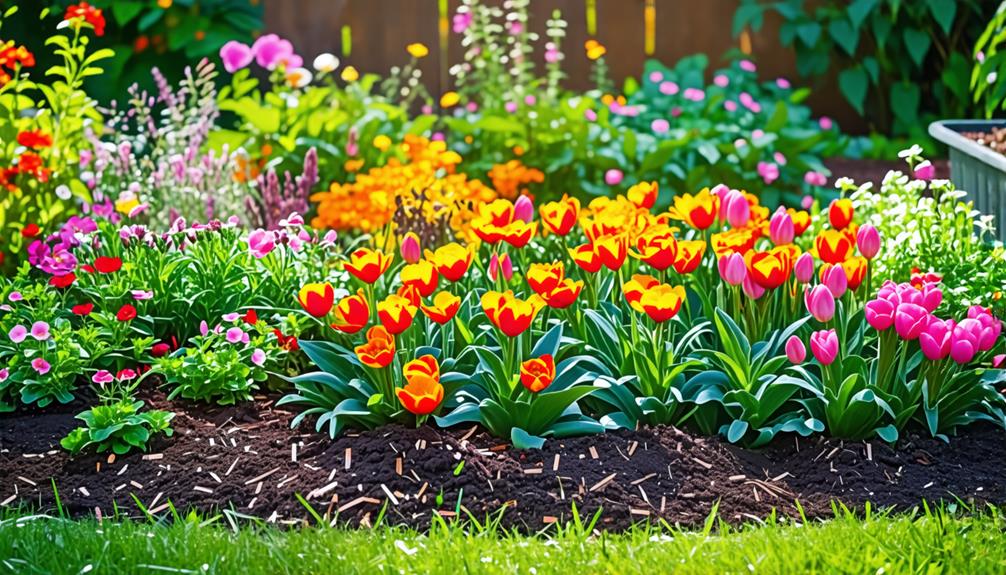
Crushed eggshells can significantly benefit your garden by adding essential calcium to the soil, which enhances plant health. Their sharp edges also serve as a natural deterrent for pests like slugs and snails, protecting your plants. Using eggshells is an eco-friendly method to recycle kitchen waste into valuable gardening material.
Soil Enrichment Benefits
Eggshells offer significant benefits for gardeners looking to improve soil health. By adding crushed shells to your garden, you provide a rich source of calcium, which is crucial for strong plant growth. This extra calcium helps prevent problems like blossom end rot in tomatoes and peppers, leading to a better harvest.
Mixing crushed shells into your compost can also enhance soil drainage. Improved drainage results in healthier root systems and reduces the risk of waterlogging, which can hinder plant growth. The rough texture of the shells helps break up compacted soil, making it easier for roots to access nutrients.
Using eggshells in your garden is also a sustainable practice. Repurposing kitchen scraps like eggshells reduces waste and supports eco-friendly gardening. Additionally, eggshells can serve as small seed holders. Fill them with soil, plant your seeds, and you'll have a nutrient-rich environment for seedlings. Once ready, you can transplant them directly into your garden, shells and all, providing extra calcium where it's needed most.
Natural Pest Deterrent
Many gardeners might not realize that crushed eggshells can be an effective natural pest deterrent. The sharp edges of eggshells make it uncomfortable for slugs and snails to traverse, protecting your plants from these common pests. To use this method, collect, rinse, and dry your eggshells. Then, crush them and spread a layer around the base of your plants.
Here's a quick guide to the benefits and methods of using eggshells in your garden:
| Benefit | Method |
|---|---|
| Deterring Pests | Spread crushed eggshells around plants |
| Strengthening Plants | Mix crushed eggshells into the soil |
| Protecting Seedlings | Apply a protective eggshell barrier |
| Enriching Soil | Allow eggshells to decompose naturally |
| Promoting Sustainability | Use as an eco-friendly alternative |
Using eggshells not only protects your plants but also enriches the soil with calcium, which strengthens plant cell walls. This eco-friendly approach promotes sustainable gardening by reducing reliance on chemical pesticides. To enhance effectiveness, ensure your eggshells are thoroughly dried before crushing and spreading them. This small step can make a significant difference in maintaining a healthy, pest-free garden.
Eggshells for Cleaning
Crushed eggshells can be an effective natural abrasive cleaner for scrubbing pots and pans. They help remove tough stains without scratching surfaces. To ensure safety, pasteurize the eggshells by boiling or baking them before use.
Natural Abrasive Cleaner
Crushing eggshells into a natural abrasive cleaner provides an eco-friendly and effective way to tackle tough cleaning jobs around your home. By using crushed eggshells, you adopt a sustainable alternative to harsh chemical cleaners.
To start, rinse and dry your leftover eggshells thoroughly. Once dry, crush them into small pieces. These crushed eggshells work well on pots, pans, and surfaces, effectively removing stuck-on food without scratching. Sprinkle the crushed shells onto the area needing cleaning, add a bit of water or dish soap, and scrub. The rough texture of the shells provides the abrasive quality needed to lift grime and residue.
Eggshells are also excellent for removing tarnish from silverware. Create a paste using vinegar and crushed eggshells, then apply it to your tarnished items. After scrubbing, rinse them off to enjoy the restored shine.
Additionally, the calcium carbonate in eggshells helps neutralize odors. Place some crushed eggshells in your refrigerator or garbage disposal to keep unpleasant smells at bay.
Adopt this versatile, eco-friendly cleaning solution and make the most of your eggshells.
Stain Removal Aid
Crushed eggshells serve as a natural abrasive cleaner and are effective for removing stains. They can scrub tough stains from pots and pans without scratching their surfaces. To use them, rinse the eggshells thoroughly, let them dry, and crush them into small pieces.
The rough texture of crushed eggshells is ideal for tackling stuck-on food particles and grime. Mix the crushed shells with a bit of dish soap to create a powerful, eco-friendly cleaning solution. This mixture can handle even the most stubborn stains on your cookware.
You can also use crushed eggshells to clean glass surfaces. Mix the crushed shells with water and gently scrub your glass items. This will leave them with a streak-free shine.
For a sustainable cleaning practice, add the used eggshells to your compost bin. They will break down and improve the nutrient content of your compost, benefiting your garden.
Egg Whites as Glue
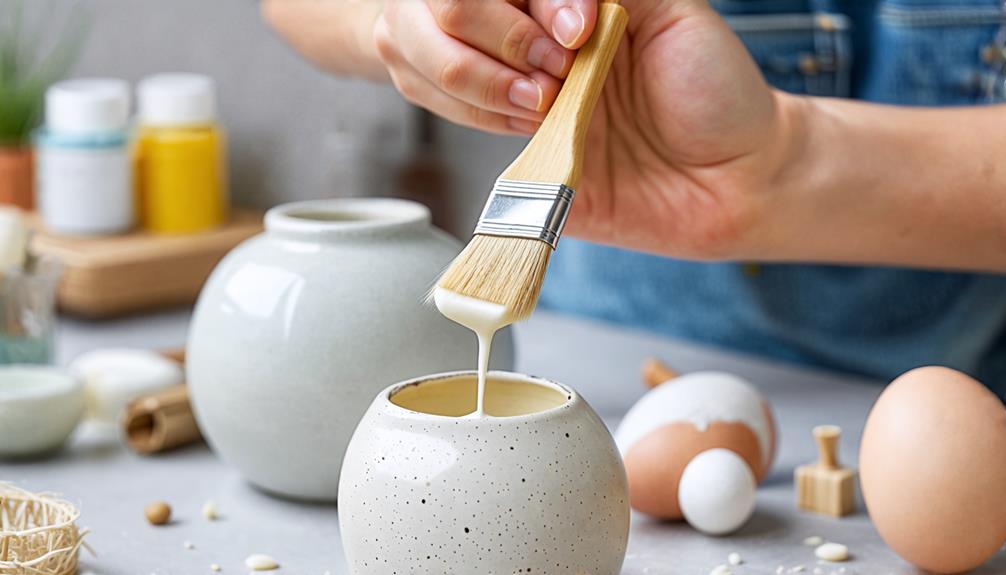
Egg whites are not just for cooking; they can also be used as a natural adhesive for light paper and cardboard projects. Their sticky properties make them ideal for crafting and DIY tasks. When dried, egg whites form a strong bond that effectively holds materials together.
To use egg whites as glue, whisk them until frothy and apply a thin layer to the surfaces you want to bond. This method is particularly useful for temporary projects, as the adhesive can be easily removed with water. Additionally, egg white glue is non-toxic, making it safe for children's crafts and eco-friendly projects.
Here's a quick comparison of egg white glue with commercial adhesives:
| Feature | Egg White Glue | Commercial Glue |
|---|---|---|
| Toxicity | Non-toxic | May be toxic |
| Ease of Removal | Easy with water | Difficult |
| Eco-friendliness | High | Variable |
Whether you're working on a child's school project or an eco-friendly craft, egg whites can provide a safe and effective bonding solution. Next time you need glue, consider using egg whites from your fridge.
Eggshells in Crafts
Eggshells offer versatile and eco-friendly options for crafting. Start by crushing eggshells to use as a natural abrasive for cleaning. They are perfect for scrubbing pots and pans, removing tough stains without scratching surfaces. For seasonal celebrations like Easter, decorated eggshells make stunning ornaments. Paint or dye them with natural colorants to create beautiful, sustainable decorations.
In gardening, transform eggshells into seed holders. Fill them with soil and seeds to start seedlings. As the seedlings grow, plant the whole shell in the ground, where it will decompose and enrich the soil. For a hands-on craft project with kids, mix crushed eggshells with glue to create textured art pieces. This medium encourages creativity and results in unique, tactile artwork.
Additionally, ground eggshells can be used in homemade beauty treatments. Incorporate them into facial scrubs for gentle exfoliation and to benefit from their high calcium content. Whether you're cleaning, decorating, gardening, or crafting, eggshells provide numerous ways to engage in eco-friendly and creative activities.
Egg Water for Plants
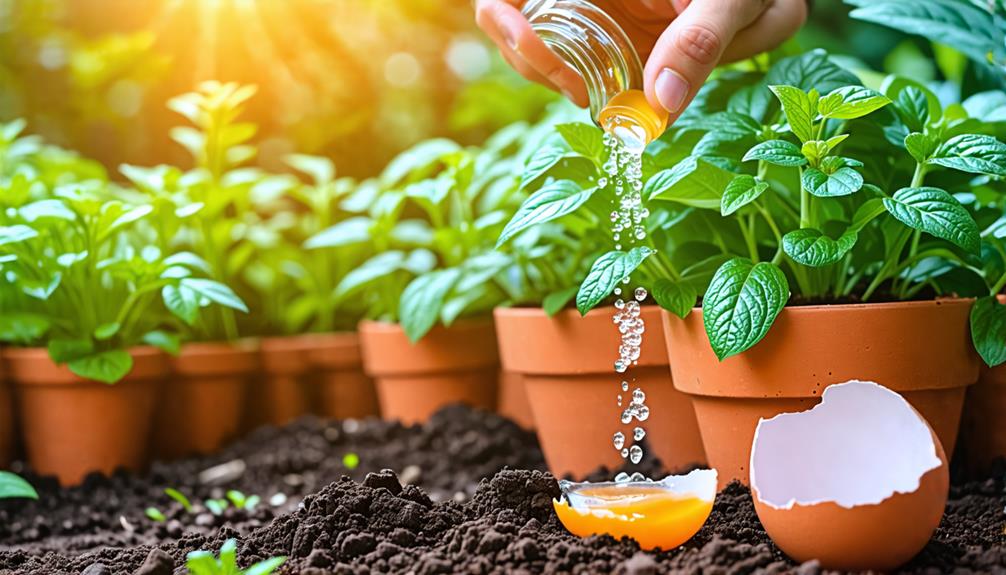
Boiling eggs creates nutrient-rich water that can benefit your plants. This simple byproduct contains essential nutrients like calcium and potassium, which support plant health and growth. After boiling your eggs, let the water cool completely to avoid any heat damage to your plants.
Once cooled, pour the egg water directly onto the soil. This will hydrate your plants and enrich the soil with key minerals, promoting sturdy growth. Using egg water is a simple way to enhance your plants' nutrition while reducing kitchen waste, making your gardening more sustainable.
Incorporating egg water into your plant care routine is easy and cost-effective. It turns a basic cooking task into an opportunity to support your garden. The next time you boil eggs, remember that the leftover water is a valuable resource for your plants. Try it and see the difference in your garden!
Egg Yolks in Art
Artists have discovered various ways to use egg yolks in art beyond cooking. One interesting use is as a natural paint for decorating pastries and Easter eggs. To do this, mix yolks with natural colorants. This creates beautiful, edible art.
In traditional Japanese art, known as "Nihonbashi," egg yolks are used to dye silk. This method results in vibrant, long-lasting colors. Additionally, yolks are an excellent binding agent for homemade tempera paints. Mix yolks with pigments to produce rich, durable paint that enhances both texture and durability.
Egg yolks also play a role in creating traditional glazes for ceramics. These glazes give a glossy finish and deepen the colors of your ceramic pieces. Furthermore, making an egg yolk emulsion is essential for producing gilding mediums. This emulsion allows precise application of gold leaf in fine art restoration, providing a high-quality, long-lasting finish.
Eggshells for Pest Control
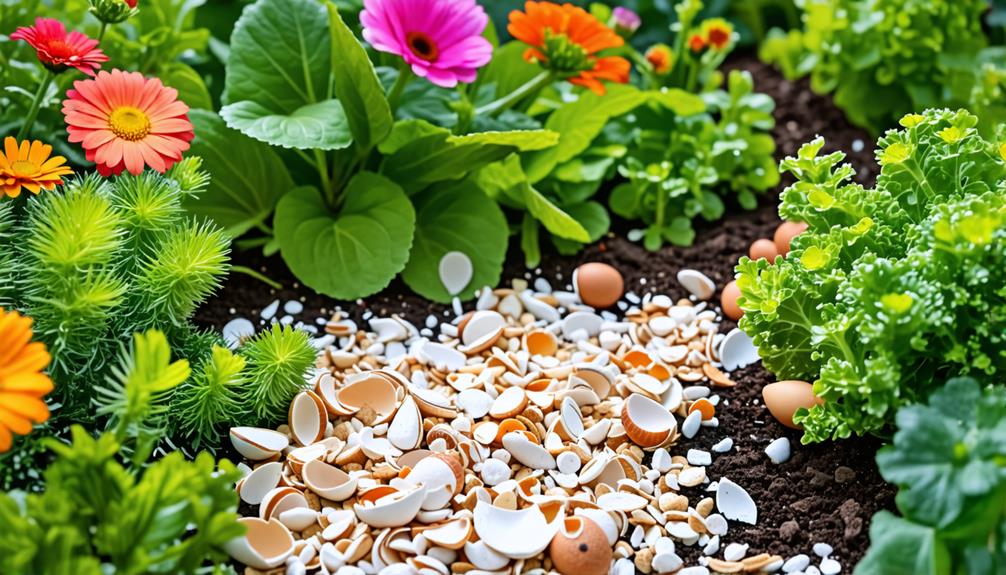
Crushed eggshells can be an effective, natural pest control method for your garden. The sharp edges of the shells deter slugs and snails. Additionally, the calcium in the shells helps strengthen plant cell walls. This eco-friendly practice reduces the need for chemical pesticides and promotes healthier plant growth. Collect eggshells, rinse them to remove any residue, and allow them to dry. Once dry, crush the shells into small pieces and scatter them around the base of your plants. Reapply as needed to maintain a protective barrier.
Crushed Shells as Deterrent
Crushed eggshells can be a gardener's tool to combat slugs and snails. Sprinkle crushed eggshells around your garden to create a rough barrier that these pests find hard to cross. It's a natural, chemical-free solution that is both effective and sustainable.
The calcium in crushed eggshells does more than deter pests. Mixed into the soil, it enriches it, promoting healthier plant growth. To maximize effectiveness, let the eggshells dry in the sun before spreading them around your plants. This increases their abrasive quality, making them more effective at keeping slugs and snails away.
Remember to regularly add more crushed shells around your plants to maintain their pest-repelling properties throughout the gardening season. This ensures continuous protection for your plants. By using crushed eggshells, you're choosing an eco-friendly method that benefits both your garden and the environment. So next time you crack an egg, save those shells and put them to good use in your garden.
Natural Slug Repellant
Eggshells can be an effective natural slug repellent. When crushed and spread around your garden, their sharp texture makes it uncomfortable for slugs and snails to crawl over, keeping these pests away from your plants. Studies show that barriers made of crushed eggshells can significantly reduce slug populations.
To use eggshells effectively:
- Rinse and Dry: Rinse the eggshells thoroughly and let them dry completely.
- Crush into Small Pieces: Crush the dried eggshells into small, jagged pieces to enhance their effectiveness.
- Spread Around Plants: Scatter the crushed eggshells around the base of vulnerable plants to create a protective barrier.
In addition to repelling pests, eggshells enrich your garden soil with calcium, promoting healthier plant growth when added to compost. Using eggshells as a natural pest deterrent reduces the need for chemical pesticides, supporting sustainable gardening practices. Next time you're cooking with eggs, save the shells to keep your garden healthy and slug-free.
Eco-Friendly Pest Control
Repelling pests in an eco-friendly way is simple and effective. Using crushed eggshells can keep slugs and snails away from your garden. The sharp edges of the shells create a natural barrier that these pests find difficult to cross. This method protects your garden without harmful chemicals.
Crushed eggshells not only deter pests but also enrich your soil with calcium. This nutrient promotes healthy plant growth and keeps unwanted visitors away. Sprinkle a layer of shells around your plants to create a rough surface that discourages pests.
You can also add crushed eggshells to your compost. As they break down, they add crucial nutrients to the soil, enhancing its pest-repelling properties. This dual benefit makes eggshells a valuable addition to any compost pile, supporting sustainable gardening practices.
Using eggshells for pest control is an eco-friendly alternative to traditional pesticides. It protects your plants and contributes to a healthier environment. So, next time you crack an egg, save those shells—they're a natural, sustainable solution for keeping your garden pest-free.
Egg Whites for Leather
Egg whites can be an excellent, all-natural leather cleaner. If you want a non-toxic alternative to chemical cleaners, egg whites are a good option. The proteins in egg whites nourish and protect leather, restoring its natural sheen and luster without causing damage.
To use egg whites for cleaning leather, follow these steps:
- Whisk the egg whites until they are frothy.
- Apply the froth to the leather surface with a soft cloth.
- Wipe gently to ensure even coverage.
This method works well for cleaning leather shoes, bags, and furniture.
Here are three benefits of using egg whites for leather care:
- Nourishment: The proteins in egg whites help restore the leather's natural oils, keeping it supple.
- Sheen: Egg whites bring back the leather's natural sheen, making it look almost new.
- Protection: They create a protective barrier that can extend the leather's lifespan by preventing moisture absorption.
Using egg whites for leather cleaning keeps your items looking great and offers a sustainable, eco-friendly solution. Give it a try and see the difference for yourself!