What is the secret to good pancakes? 5 Key Tips for Fluffy Perfection
Pancakes are a beloved breakfast staple enjoyed by many. The quest for the perfect pancake has led home cooks and chefs alike to experiment with various techniques and ingredients. While some may think it's all about the recipe, there are key steps in the cooking process that can make a big difference.
The secret to good pancakes lies in letting the batter rest before cooking. This simple step allows the flour to fully absorb the liquid ingredients, resulting in a smoother texture and more even cooking. Additionally, using a dry pan without any oil or butter can help achieve that golden-brown color across the entire surface of the pancake.
Another important factor is the temperature of the pan. A medium-low heat is ideal for cooking pancakes, as it allows them to cook through without burning on the outside. Flipping the pancake at the right moment - when bubbles form on the surface and the edges start to look dry - is also key to getting that perfect texture. With these tips in mind, anyone can make delicious pancakes at home.
Ingredients Selection
Choosing the right ingredients is key to making delicious pancakes. Quality components and proper measurements lead to fluffy, flavorful results.
Flour Fundamentals
All-purpose flour is the most common choice for pancakes. It provides a good balance of protein and starch. For a lighter texture, use cake flour. Whole wheat flour adds nutrition but makes denser pancakes.
Mix different flours to find your ideal blend. Sift the flour to remove lumps and add air. This helps create a smoother batter. Measure flour carefully. Too much leads to dry, tough pancakes. Too little results in thin, runny batter.
Milk and Milk Substitutes
Milk adds moisture and richness to pancakes. Whole milk creates a tender texture. Low-fat milk works too, but pancakes may be less rich. Buttermilk is a popular choice. It reacts with baking soda to make fluffy pancakes. It also adds a tangy flavor.
For dairy-free options, try almond milk, soy milk, or oat milk. These can change the taste and texture slightly. Thin the batter with more milk if it's too thick. Add flour if it's too runny.
Eggs: The Binding Choice
Eggs bind ingredients and add structure to pancakes. They also contribute to flavor and color. Use large eggs at room temperature. This helps them mix more easily with other ingredients.
For fluffier pancakes, separate the eggs. Beat the whites until stiff, then fold them into the batter. One egg per cup of flour is a good rule of thumb. Adjust based on your recipe and preferences.
Leaveners for Lift
Baking powder and baking soda make pancakes rise. They create bubbles in the batter, resulting in light, airy pancakes. Baking powder is more common. It works on its own to create lift. Use about 1 teaspoon per cup of flour. Baking soda needs an acid to work. It's often used with buttermilk or yogurt. Use 1/4 teaspoon per cup of flour.
Don't mix up these two! Too much baking soda can leave a soapy taste.
Sweetness and Flavor
Sugar adds sweetness and helps brown the pancakes. Use white sugar for a neutral taste. Brown sugar adds a caramel note. Honey is a natural sweetener option. It adds moisture and a distinct flavor. Use less liquid if you choose honey. Vanilla extract enhances the overall flavor. A little goes a long way - 1/2 teaspoon per batch is enough.
Salt balances the sweetness. Don't skip it! A pinch improves the taste of your pancakes. Add spices like cinnamon or nutmeg for extra flavor. Start with small amounts and adjust to taste.
Consistency and Texture
The consistency and texture of pancakes can make or break your breakfast experience. Getting the right balance is key to creating pancakes that are both delicious and satisfying.
Batter Consistency
Pancake batter should be smooth but not too runny. Mix wet ingredients first, then add dry ingredients. Stir until just combined - small lumps are okay. Overmixing can lead to tough pancakes. Let the batter rest for 5-10 minutes before cooking. This allows the flour to absorb liquid and results in more even pancakes.
A good test for consistency is the "ribbon test." Lift your spoon or whisk above the bowl. The batter should fall in a ribbon that holds its shape for a moment before melting back into the mix.
If the batter is too thick, add a little milk. If it's too thin, sprinkle in some extra flour.
Achieving Fluffy Pancakes
For fluffy pancakes, use fresh baking powder or a mix of baking powder and baking soda. These leavening agents create bubbles in the batter, making pancakes light and airy.
Don't press down on pancakes while cooking. This squishes out air bubbles. Flip only once when bubbles form on top and edges start to look dry. For extra fluffiness, try separating eggs. Mix yolks into the batter as usual. Beat egg whites until stiff, then fold gently into the batter just before cooking.
Using buttermilk instead of regular milk can also boost fluffiness. The acid in buttermilk reacts with baking soda to create more lift.
Variations for Thinner Pancakes
Some prefer thinner pancakes. To achieve this, use more liquid in your batter. Add an extra 1/4 cup of milk to your regular recipe. Reduce or remove leavening agents for flatter pancakes. Less baking powder means fewer bubbles and a denser texture.
For very thin pancakes like crepes, use a batter with no leavening at all. A basic crepe batter includes flour, milk, eggs, and a pinch of salt. Thin pancakes cook faster. Watch closely and flip when edges start to curl up slightly. They're done when both sides are lightly golden.
Cooking Techniques
Making great pancakes requires mastering a few key cooking techniques. The right griddle temperature and flipping skills can transform your pancakes from mediocre to magnificent.
The Perfect Griddle Temperature
A griddle at 375°F (190°C) is ideal for pancakes. Test it by sprinkling a few drops of water on the surface. They should dance and evaporate quickly. Too hot, and pancakes will burn outside but stay raw inside. Too cool, and they'll be pale and soggy.
Use a heavy pan or electric griddle for even heat. Brush it lightly with oil or butter. Pour batter when the oil shimmers but doesn't smoke. Let pancakes cook until bubbles form on top and edges look dry. This takes about 2-3 minutes. Don't rush this step.
Flip Like a Pro
Flipping pancakes takes practice. Use a wide, thin spatula. Slide it under the pancake when edges are set but center is still wet. Lift the edge slightly to check the color. It should be golden brown. Flip with a quick, confident wrist motion.
Cook the second side for 1-2 minutes. It will cook faster than the first side. Don't press down on the pancake. This makes them dense. Use a cookie scoop or 1/4 cup measure for uniform pancakes. This helps them cook evenly and look better on the plate.
Recipes and Variations
Pancake recipes come in many tasty forms. From classic to buttermilk to fruit-filled, each type offers a unique twist on this breakfast favorite. Let's explore some popular pancake variations and how to make them.
Classic Pancake Recipe
To make classic pancakes, mix 1 cup flour, 2 tablespoons sugar, 2 teaspoons baking powder, and 1/2 teaspoon salt in a bowl. In another bowl, whisk 1 egg, 1 cup milk, and 2 tablespoons melted butter. Combine wet and dry ingredients, stirring just until mixed. Small lumps are okay.
Heat a griddle to 325°F or a skillet over medium heat. Pour 1/4 cup batter for each pancake. Cook until bubbles form on top, then flip and cook the other side until golden brown.
Serve with butter and maple syrup. This recipe makes about 8-10 pancakes.
Buttermilk Pancakes
Buttermilk pancakes are known for their tangy flavor and fluffy texture. To make them, replace regular milk with buttermilk in the classic recipe. Add 1/2 teaspoon baking soda to the dry ingredients.
Mix the batter gently, leaving small lumps. This helps create light, airy pancakes. Cook on a hot griddle until bubbles form, then flip. For extra-fluffy pancakes, separate the egg. Mix the yolk with the wet ingredients, then fold in the beaten egg white at the end. This adds more air to the batter.
Blueberry Pancakes
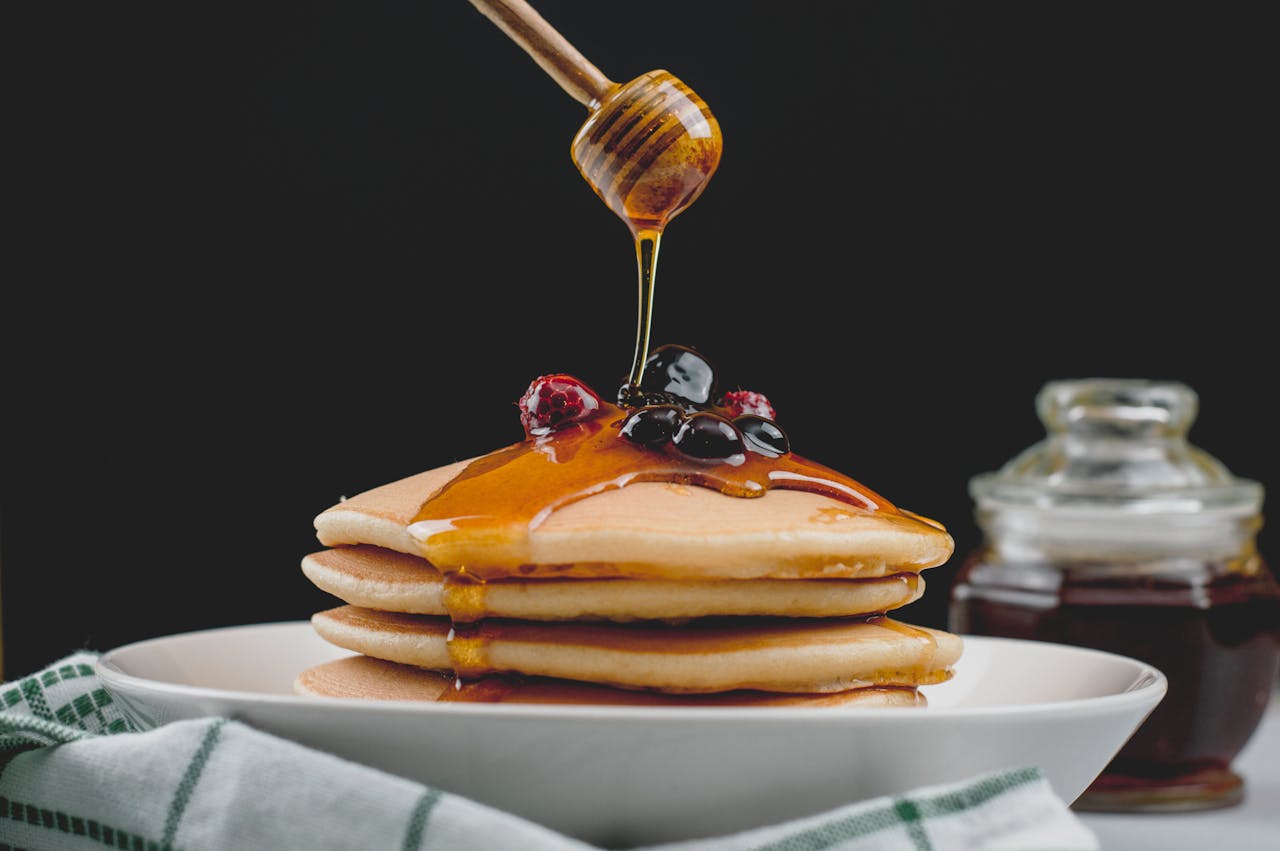
Blueberry pancakes are a fruity twist on the classic. Start with the basic pancake recipe, then gently fold 1 cup of fresh or frozen blueberries into the batter. Pour the batter onto the griddle. Place a few extra blueberries on top of each pancake before flipping. This ensures even berry distribution.
Cook until golden brown on both sides. Serve with butter and warm maple syrup. For variety, try other berries like raspberries or strawberries.
Serving Suggestions
Great pancakes deserve great accompaniments. The right toppings and side dishes can take your pancake experience to the next level.
Toppings and Syrups
Maple syrup is a classic pancake topping. Warm it up for the best flavor. Try different grades of maple syrup for varied tastes. Honey is a sweet alternative to syrup. It adds a unique flavor to pancakes. Some people like to mix honey with butter for a tasty spread. Sugar and cinnamon make a simple but delicious topping. Sprinkle them on warm pancakes and watch the sugar melt.
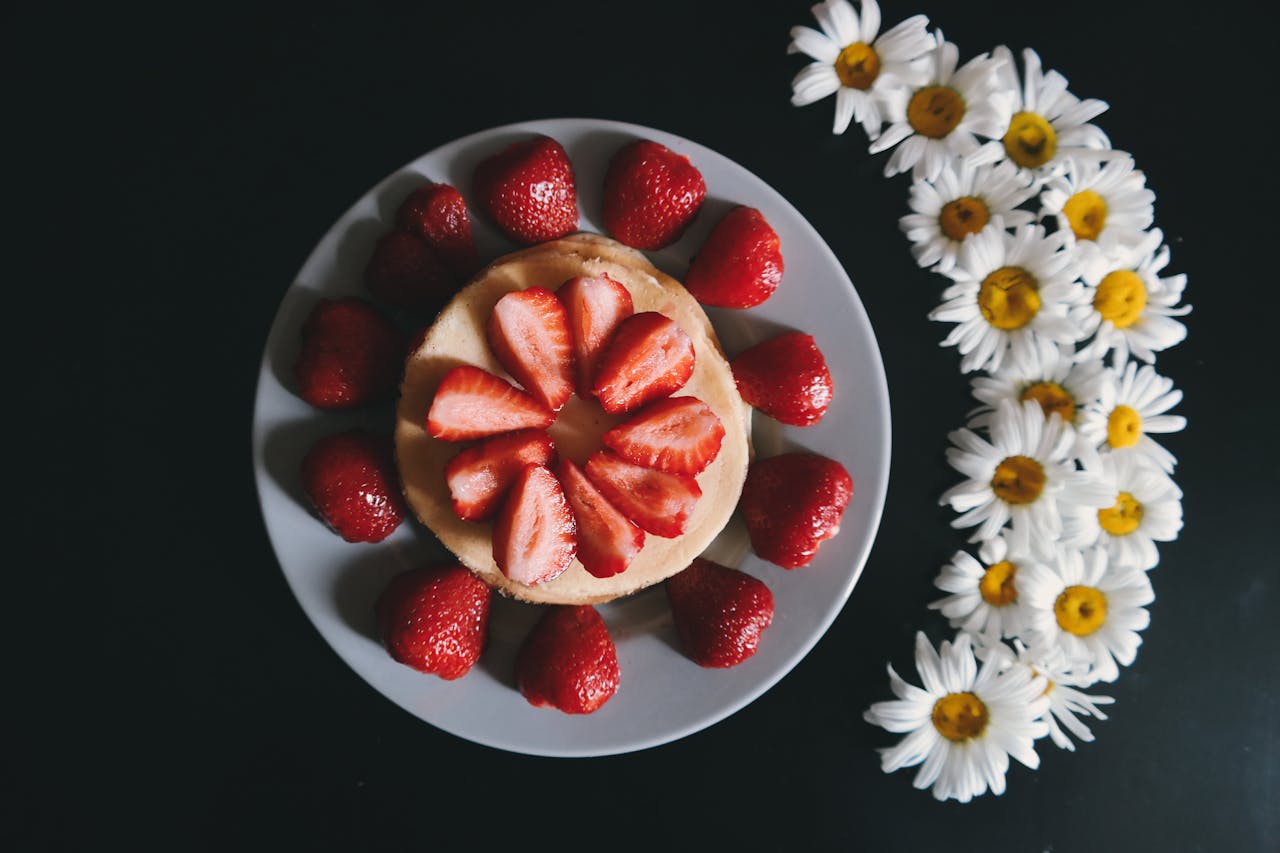
Fresh fruits are healthy and colorful toppings. Berries, sliced bananas, or diced apples work well. They add natural sweetness and nutrients. Whipped cream is a fun treat for special occasions. It's especially good with chocolate chip pancakes.
Side Dishes
Bacon or sausage are popular savory sides. Their saltiness balances out sweet pancakes. Cook them until crispy for the best texture. Scrambled or fried eggs add protein to the meal. They turn pancakes into a full breakfast. Try making an egg sandwich using two small pancakes as the "bread."
Hash browns or home fries are tasty potato sides. They add a crispy element to contrast with soft pancakes. Fresh fruit salad is a light, refreshing option. It complements sweeter pancake toppings well. Mix different fruits for varied flavors and textures.
A scoop of vanilla ice cream can turn pancakes into dessert. It's great for special treats or birthday breakfasts.