What is the healthiest way to eat pancakes? Nutrient-rich toppings and whole grain options
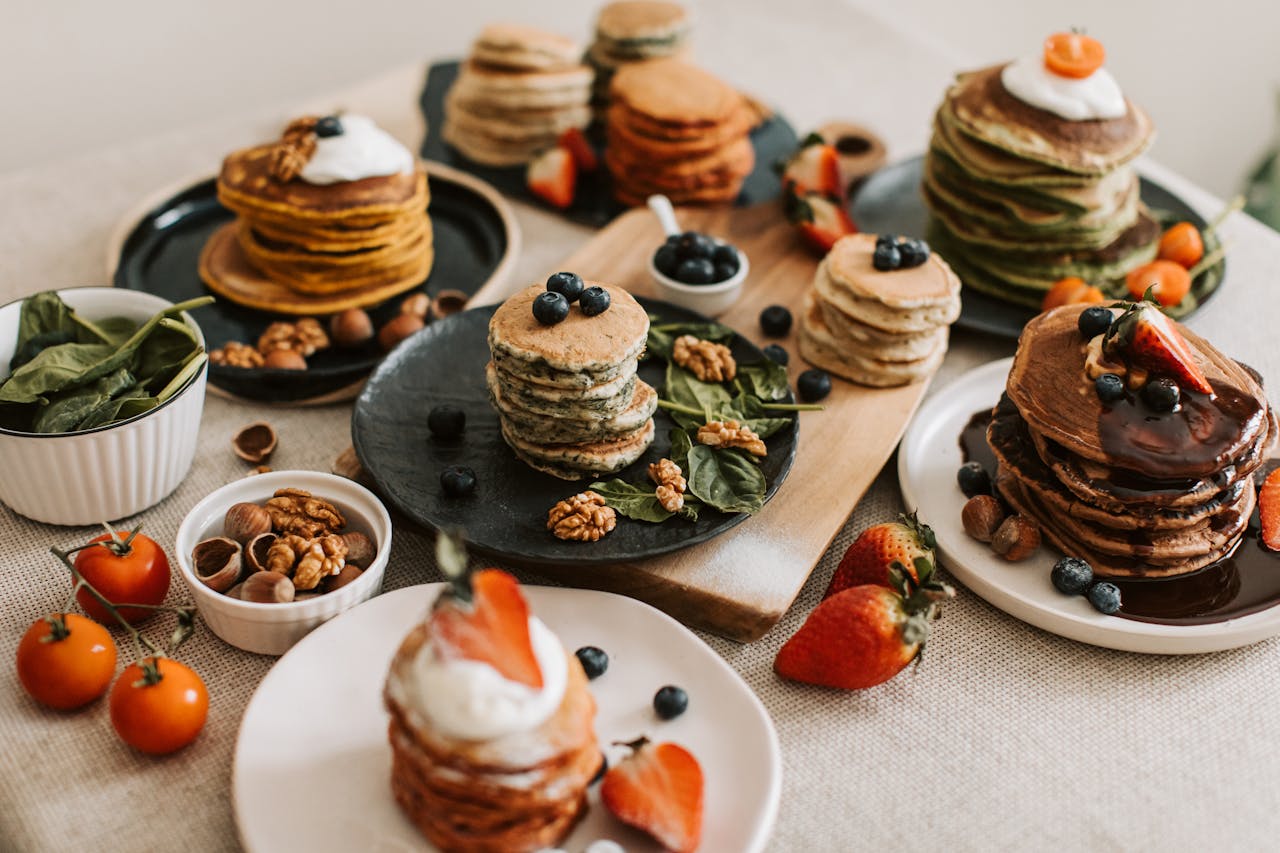
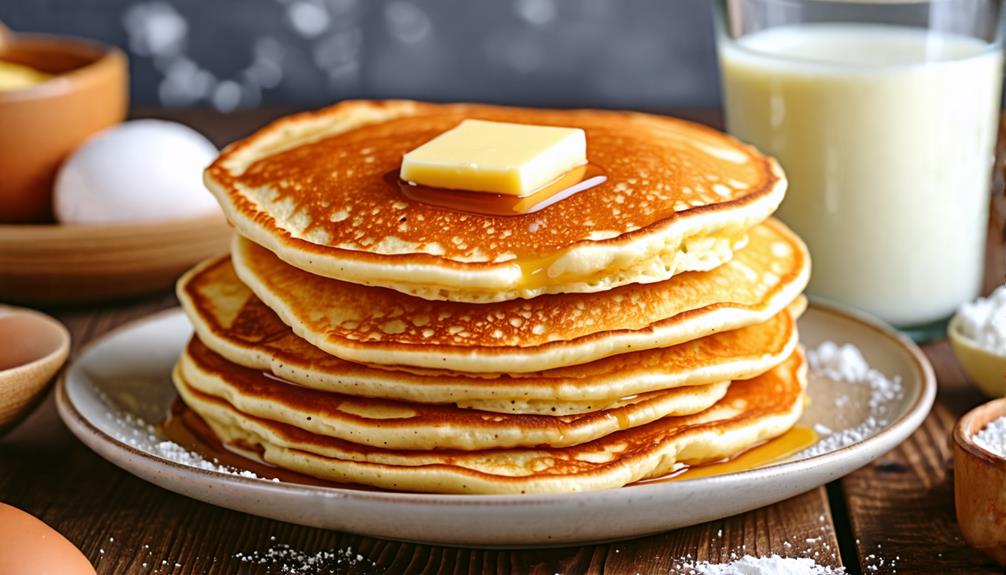
Pancakes are a beloved breakfast staple, but many wonder if they can be part of a healthy diet. The good news is that with some simple tweaks, pancakes can become a more nutritious meal option. The healthiest way to eat pancakes involves using whole grain flour, adding protein-rich ingredients, and topping them with fresh fruits instead of sugary syrups.
Making pancakes at home allows for better control over ingredients. Swapping refined white flour for whole wheat or oat flour boosts fiber content. Adding mashed bananas, Greek yogurt, or chia seeds to the batter increases nutrients and moisture without extra sugar. Sprinkling in nuts or seeds provides healthy fats and extra protein.
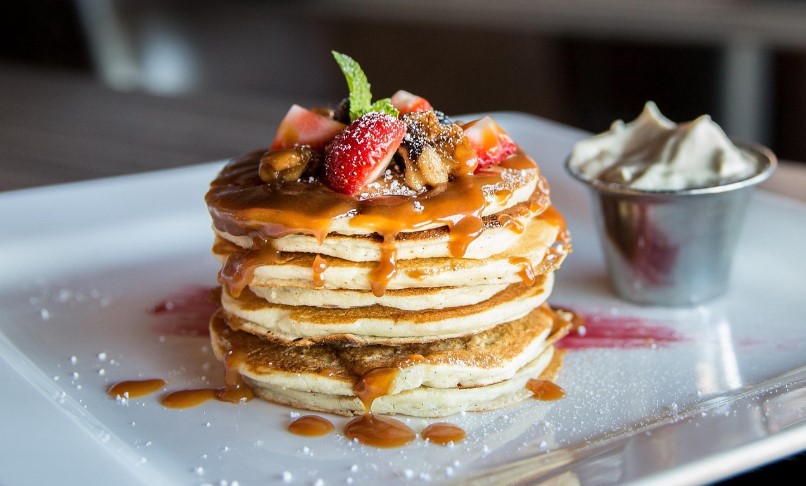
Topping choices play a big role in pancake nutrition. Fresh berries, sliced apples, or peaches offer natural sweetness and vitamins. A dollop of plain yogurt adds protein and calcium. For those who enjoy syrup, using a small amount of pure maple syrup or honey is better than artificial options. These simple changes can transform pancakes from an occasional treat into a more balanced breakfast choice.
Understanding Healthy Pancakes
Healthy pancakes can be tasty and nutritious. They use wholesome ingredients to boost fiber, protein, and other key nutrients.
Defining Health-Conscious Ingredients
Healthy pancake recipes often use whole wheat flour or other whole grain flours. These provide more nutrients than refined white flour. Almond flour and quinoa flour are good options for gluten-free pancakes.
Many recipes add oats, flaxseed, or chia seeds. These boost fiber and healthy fats. Protein powder or Greek yogurt can increase protein content.
Fresh fruits like berries or bananas add natural sweetness and vitamins. Using less sugar or natural sweeteners like maple syrup in small amounts is best.
Benefits of Whole Grains in Pancakes
Whole grain pancakes offer more nutrients than those made with refined flour. They contain the entire grain kernel - bran, germ, and endosperm.
Whole grains provide fiber, B vitamins, iron, magnesium, and other minerals. The fiber helps you feel full longer. It also aids digestion and may lower cholesterol.
White whole wheat flour is a good choice for picky eaters. It has a milder taste than regular whole wheat but keeps the nutritional benefits.
Role of Protein and Fiber
Adding protein and fiber to pancakes makes them more filling. This can help control portion sizes and prevent overeating later.
Protein supports muscle health and helps maintain steady blood sugar. Good sources include Greek yogurt, eggs, and protein powder.
Fiber aids digestion and promotes gut health. It also slows down the absorption of sugars. Oats, flaxseed, and chia seeds are great fiber sources for pancakes.
Balancing protein and fiber with healthy carbs creates a more complete breakfast. This combo provides lasting energy to start your day.
Choosing the Right Flours
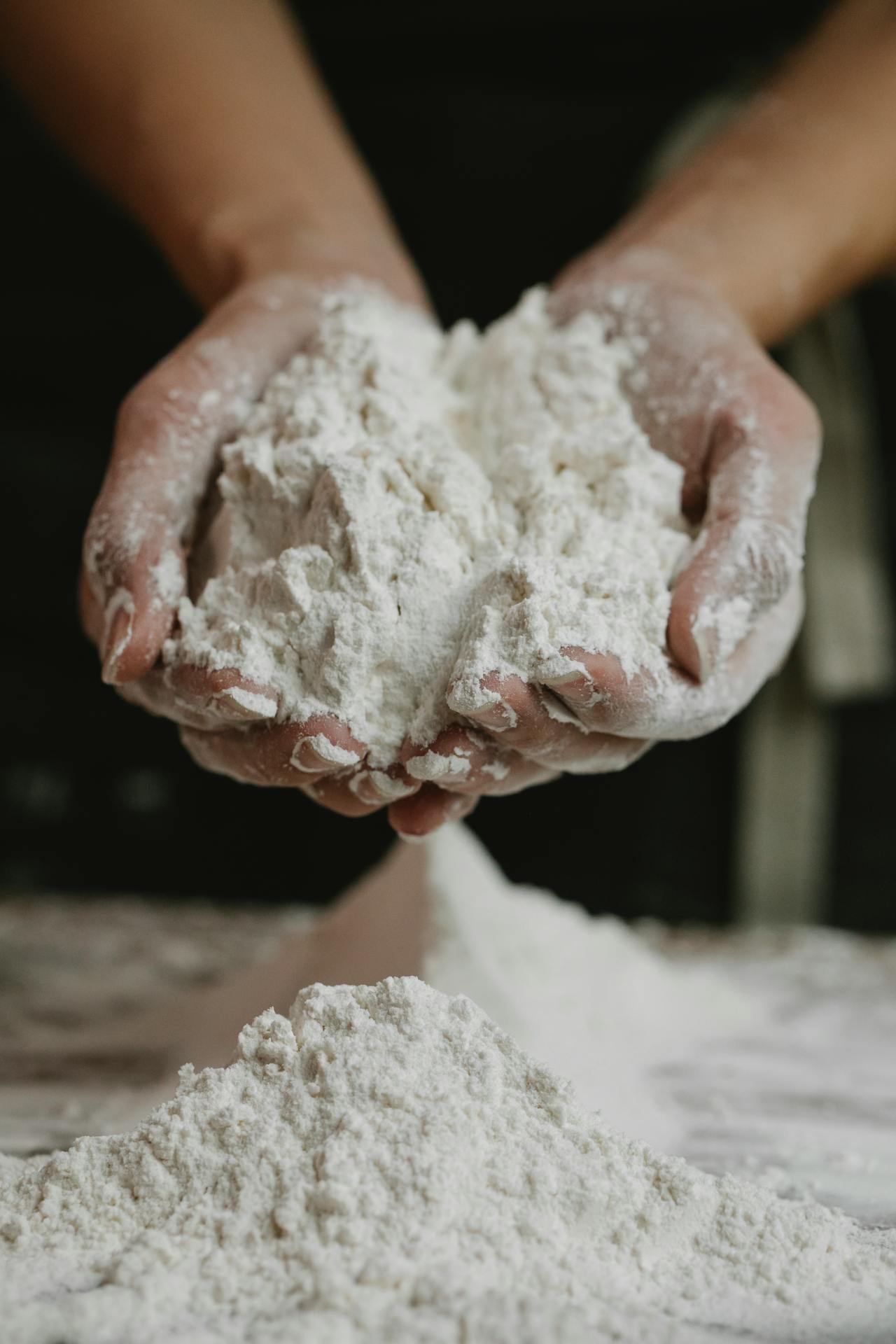
The type of flour you use can make a big difference in your pancakes. Some flours are healthier than others. Let's look at the best options.
Whole Wheat vs. All-Purpose Flour
Whole wheat flour is a healthier choice than all-purpose flour. It has more fiber and nutrients. This can help you feel full longer and give you more energy.
White whole wheat flour is a good middle ground. It's milder than regular whole wheat but still has the health benefits. It makes pancakes that are light and fluffy.
All-purpose flour is common, but it's not the healthiest. It's been refined, which removes some good stuff. If you use it, mix it with whole wheat flour for better nutrition.
Gluten-Free and Alternative Flour Options
For those who can't eat gluten, there are many other flours to try. Almond flour is high in protein and healthy fats. It makes pancakes that are moist and tasty.
Coconut flour is another good choice. It's high in fiber and low in carbs. But it soaks up a lot of liquid, so you'll need to adjust your recipe.
Quinoa flour is packed with protein and minerals. It can make your pancakes more filling. Mix it with other flours for the best taste and texture.
These alternative flours often need different amounts of liquid. You may need to experiment to get the right pancake batter.
Incorporating Natural Sweeteners
Natural sweeteners can add flavor to pancakes without the drawbacks of refined sugar. These options provide nutrients and often have a lower glycemic impact.
Maple Syrup and Honey
Pure maple syrup is a classic pancake topping. It contains minerals like manganese and zinc. Use about 1-2 tablespoons per serving.
Honey is another tasty choice. It has antibacterial properties and antioxidants. Drizzle 1-2 teaspoons over pancakes.
Both maple syrup and honey are calorie-dense. Use them in moderation as part of a balanced diet.
Fruit-Based Sweeteners
Fruits offer natural sweetness and fiber. Mashed bananas work well in pancake batter. Use 1/2 cup to replace sugar.
Unsweetened applesauce is another option. It adds moisture and subtle sweetness. Try 1/4 cup in place of oil or sugar.
Top pancakes with fresh berries. Blueberries and strawberries are packed with vitamins and antioxidants. A 1/4 cup serving provides flavor without excess calories.
Fruit compotes made from simmered berries or stone fruits offer concentrated sweetness. Use 2-3 tablespoons as a topping.
Enhancing Nutrition with Add-Ins
Pancakes can be made healthier with nutritious add-ins. These ingredients boost protein, fiber, and other key nutrients.
Protein Powerhouses
Greek yogurt adds protein and a tangy flavor to pancakes. Mix 1/2 cup into the batter for extra creaminess. Cottage cheese pancakes pack a protein punch too. Blend 1 cup cottage cheese with eggs and flour for a high-protein base.
Nut butters like peanut or almond butter provide healthy fats and protein. Stir 2-3 tablespoons into the batter. Protein powder works well too. Add 1-2 scoops of a favorite flavor to amp up the protein content.
For a lower-carb option, try almond flour or coconut flour pancakes. These flours have more protein and fiber than regular wheat flour.
Fruit and Nut Varieties
Fruit adds natural sweetness and nutrients to pancakes. Mashed banana makes pancakes moist and adds potassium. Use 1 mashed banana per cup of pancake mix. Blueberry pancakes burst with antioxidants. Fold in 1/2 cup fresh or frozen blueberries.
Nuts add crunch and healthy fats. Chop almonds, walnuts, or pecans and sprinkle into the batter. For omega-3 fatty acids, add ground flaxseed or chia seeds. Use 1-2 tablespoons per batch of pancakes.
Pineapple gives a tropical twist. Mix in 3/4 cup crushed pineapple for vitamin C and flavor. Fresh berries work great as toppings too.
Healthy Pancake Recipes and Techniques
Healthy pancakes can be delicious and nutritious. With the right ingredients and cooking methods, you can enjoy this breakfast favorite guilt-free.
Classic Healthy Pancake Recipe
Mix 1 cup whole wheat flour, 1 teaspoon baking powder, and a pinch of salt in a bowl. In another bowl, whisk 1 egg, 3/4 cup milk, and 1 tablespoon honey. Combine wet and dry ingredients, stirring gently.
Heat a non-stick pan over medium heat. Pour 1/4 cup batter for each pancake. Cook until bubbles form on top, then flip and cook the other side.
These pancakes are fiber-rich and lower in sugar than traditional recipes. Top with fresh fruit for added nutrients and natural sweetness.
Innovative Pancake Variations
Try oatmeal pancakes for extra fiber. Blend 1 cup rolled oats, 1/2 cup Greek yogurt, 2 eggs, 1/4 cup milk, and 1 teaspoon vanilla. Cook as usual.
For vegan options, use mashed banana or sweet potato as egg replacements. Mix with plant-based milk and whole grain flour.
Pumpkin pancakes are perfect for fall. Add 1/2 cup pumpkin puree to your batter with cinnamon and nutmeg for flavor.
Lemon ricotta pancakes offer a protein boost. Mix 1 cup ricotta with lemon zest, then fold into your regular batter.
Cooking Methods for Optimal Health
Use cooking spray or a small amount of coconut oil to grease the pan. This reduces excess fat compared to butter.
Cook pancakes on medium-low heat to ensure they cook through without burning. This prevents the formation of potentially harmful compounds.
Make silver dollar pancakes for built-in portion control. Use 2 tablespoons of batter per pancake.
Let the batter rest for 5-10 minutes before cooking. This allows the flour to absorb liquid, resulting in fluffier pancakes.
Experiment with alternative cooking methods like baking pancakes in the oven for a hands-off approach.
Smart Toppings and Portions
Choosing healthy toppings and managing portion sizes are key to enjoying pancakes as part of a balanced diet. These strategies can boost nutrition while keeping calories in check.
Choice of Wholesome Toppings
Fresh fruit is a top pick for pancake toppings. Berries, sliced bananas, or diced apples add natural sweetness and fiber. Nut butters like almond or peanut butter offer protein and healthy fats. A dollop of Greek yogurt adds protein and calcium.
For a touch of sweetness, try a light drizzle of pure maple syrup or honey. Cinnamon is a great spice to sprinkle on top. It adds flavor without calories.
Skip high-calorie toppings like whipped cream and chocolate chips. These add extra sugar and fat without much nutrition.
Managing Serving Sizes
Portion control is key when eating pancakes. Stick to 2-3 medium-sized pancakes per serving. Use a smaller plate to make the portion look bigger.
Measure toppings carefully. Use 1-2 tablespoons of nut butter or yogurt. For fruit, aim for about 1/2 cup. If using syrup, limit it to 1-2 teaspoons.
Fill half your plate with fruit to boost nutrition and feel fuller. This helps balance the meal and control caloric intake. Pair pancakes with a protein source like eggs or turkey bacon for a more satisfying meal.
Special Considerations for Dietary Restrictions
Many people have dietary needs that require adjustments to traditional pancake recipes. These changes can still result in tasty and nutritious pancakes.
Dairy-Free and Vegan Alternatives
Pancakes can be made without dairy or animal products. Instead of cow's milk, use plant-based milk like almond milk. Replace eggs with mashed bananas or flax eggs. For butter, try coconut oil or vegan margarine.
Vegan pancake mixes are available in stores. These often use whole grains and plant proteins. To make pancakes fluffier without eggs, add a bit of apple cider vinegar to the batter.
Top dairy-free pancakes with fresh fruit, maple syrup, or nut butter. For a creamy topping, try whipped coconut cream.
Low-Carbohydrate and High-Protein Mixes
For those watching carbs or wanting more protein, there are options. Almond flour or coconut flour can replace wheat flour. These flours are lower in carbs and higher in protein and fiber.
Protein powders can boost the protein content of pancakes. Whey, pea, or hemp protein work well. Egg whites also add protein without extra carbs.
Greek yogurt or cottage cheese can replace some of the liquid in recipes. This adds protein and creates a creamy texture. Top low-carb pancakes with berries or sugar-free syrup to keep carbs low.
Serving and Storing Healthy Pancakes
Proper serving and storage of pancakes can boost their nutritional value and keep them fresh. The right techniques help create a fun breakfast while maintaining a balanced diet.
Best Practices for Freshness
To keep pancakes fresh, let them cool completely before storing. Place them in an airtight container or resealable plastic bag. Store in the fridge for up to 3 days. For longer storage, freeze pancakes for up to 2 months.
To freeze pancakes, lay them flat on a baking sheet and freeze until solid. Then stack them with parchment paper between each pancake. Put them in a freezer bag and remove excess air.
Reheat refrigerated pancakes in a toaster or microwave. For frozen pancakes, thaw in the fridge overnight or use the defrost setting on your microwave.
Serving Suggestions for a Nutritious Breakfast
Pair pancakes with protein-rich foods for a balanced meal. Try Greek yogurt, eggs, or lean turkey bacon. Add fresh berries or sliced bananas for extra vitamins and fiber.
Instead of syrup, try natural nut butters or mashed avocado for healthy fats. A small drizzle of honey or pure maple syrup can add sweetness without excess sugar.
Serve pancakes with a green smoothie or a side of mixed fruit for added nutrients. For a twist on traditional pancakes, try savory toppings like smashed chickpeas or hummus.
Remember to watch portion sizes. Aim for 2-3 small pancakes as part of a nutritious breakfast or brunch.