The Science of Fluffy Pancakes: Proven Tips for Perfect Results
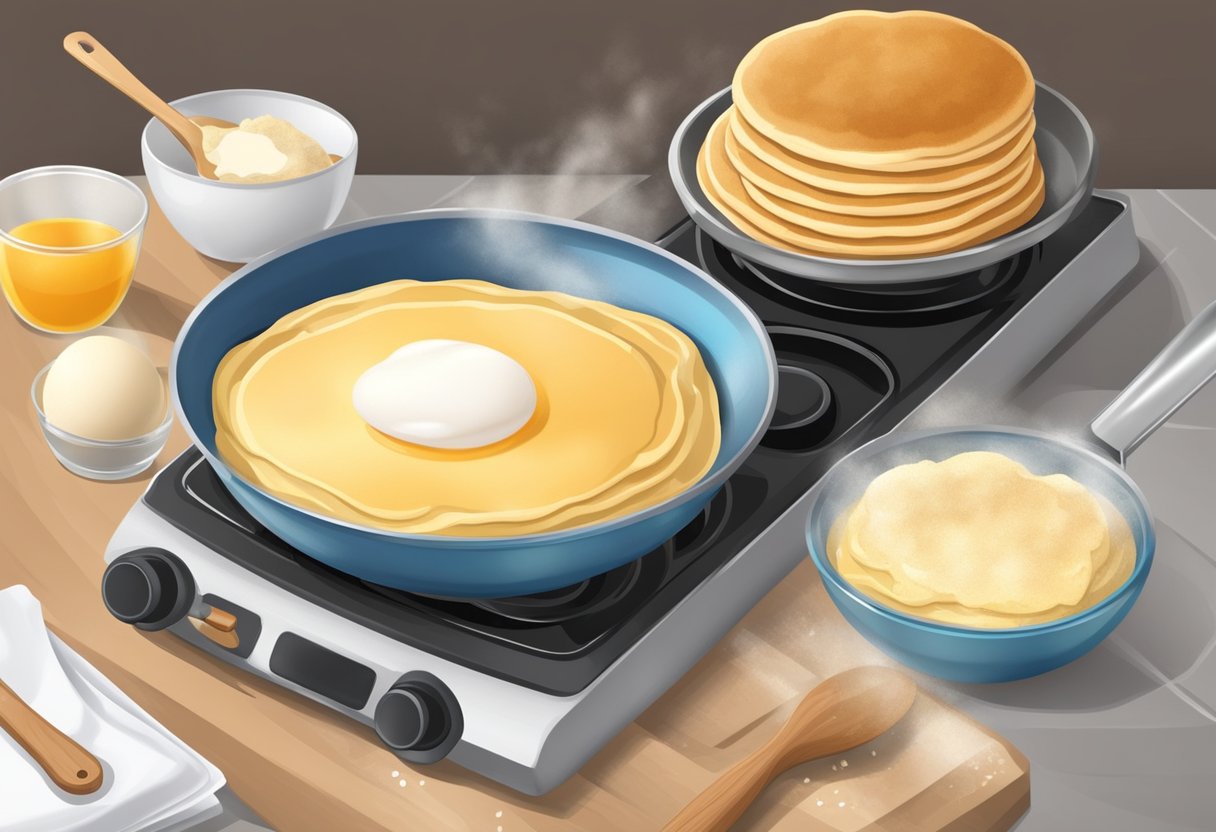
Fluffy pancakes are the quintessential breakfast staple, adored by many for their light and airy texture. Achieving this perfect texture involves a combination of ingredients and techniques. From carefully separating and whipping egg whites to resting the batter, each method plays an essential role in ensuring the pancakes rise beautifully on the griddle.
One of the key tricks is to whip the egg whites to stiff peaks before gently folding them into the batter. This step incorporates air into the mix, creating fluffy, delicious homemade pancakes. Additionally, letting the batter rest after mixing allows the flour to hydrate and form small air pockets, contributing even more to the perfect texture.
Adding a bit of fat, like substituting cream for milk, can also make your pancakes denser but still tender. It's all about balancing the ingredients and understanding the science behind them to create that perfect breakfast treat.
Understanding Pancake Basics
Fluffy pancakes rely on a perfect mix of ingredients and the right leavening agents to create their light and airy texture.
Essential Ingredients for Pancake Batter
A basic pancake batter includes flour, milk, eggs, and a leavening agent. Flour gives structure, while milk hydrates and combines the ingredients.
Eggs add richness and help bind the batter. Sugar not only sweetens but also aids in browning. Salt enhances flavor and controls gluten development, preventing the pancakes from becoming too chewy.
Fat (like melted butter) makes the texture tender by shortening the gluten strands. For a fluffier result, using ingredients like buttermilk or cream thickens the batter, which helps create a lighter texture when cooked.
Role of Leavening Agents
Leavening agents are crucial for fluffy pancakes. Baking powder and baking soda create bubbles in the batter. These bubbles expand when cooked, making the pancakes rise and become fluffy. Baking powder is a common choice, as it's a complete leavening agent, containing both an acid and a base. When mixed with wet ingredients, it reacts and produces carbon dioxide gas. Baking soda requires an acidic ingredient, like buttermilk or lemon juice, to activate. Too much of either can lead to an off taste, so balance is essential. Properly using these leavening agents ensures that pancakes are light, airy, and delicious every time.
Mixing Techniques for Optimal Fluffiness
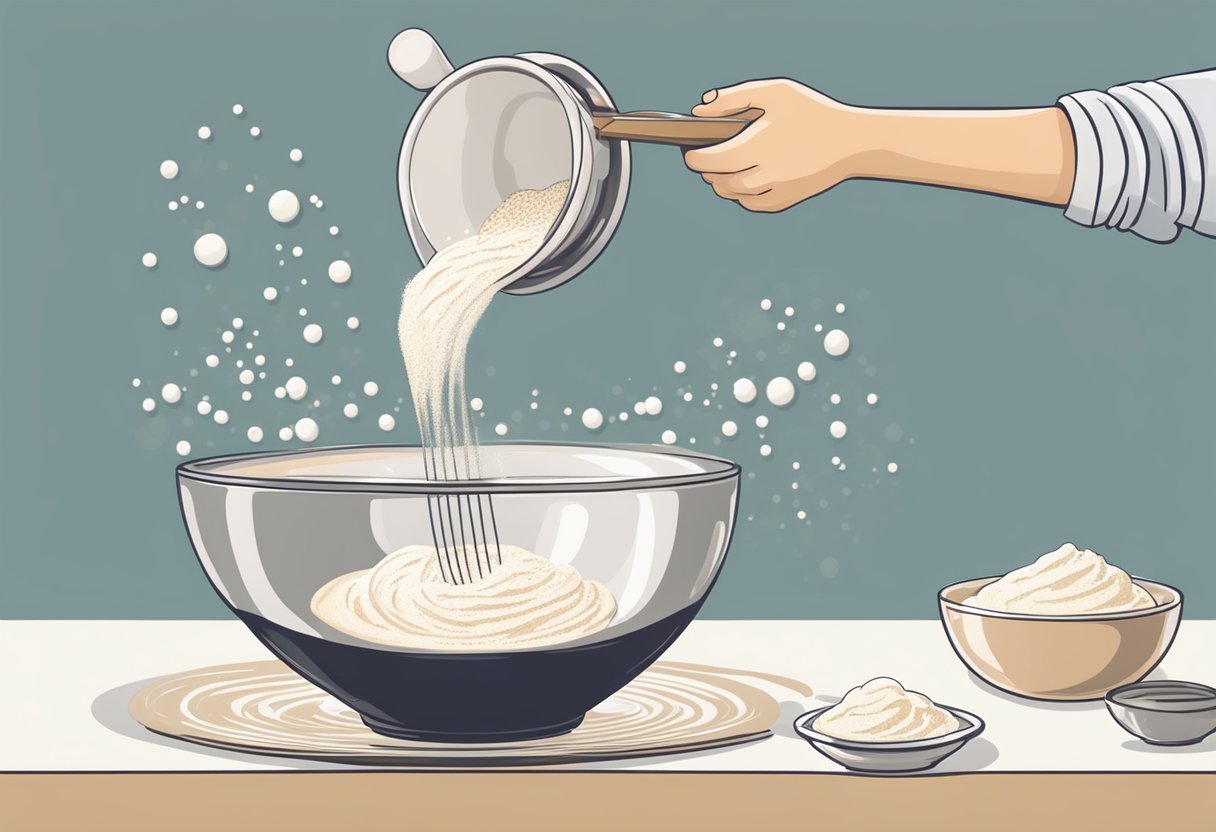
Ensuring fluffy pancakes starts with the proper mixing techniques. It's important to manage the consistency of the batter and incorporate air to create lightness and texture.
Achieving the Right Consistency
Keeping the pancake batter at the right thickness is essential. Start by mixing the dry ingredients, such as flour, sugar, baking powder, and salt. Gradually add wet ingredients like milk and eggs to avoid lumps.
Lumps in the batter can cause uneven cooking. The batter should be smooth but not watery. A thicker batter holds air pockets better, making the pancakes fluffy. Mix until the dry ingredients are just incorporated, without overmixing, to keep the desired consistency.
Incorporating Air into the Batter
Air pockets in the batter make pancakes rise and become fluffy. One method is to whip the egg whites separately until stiff peaks form. Carefully fold the whipped egg whites into the batter. This introduces extra air and helps create bubbles that expand during cooking.
Avoid overmixing the batter after adding the whipped egg whites. Overmixing can deflate the air pockets, making the pancakes dense and flat. Mixing should be gentle to keep the air bubbles intact, ensuring a light and fluffy texture.
The Science of Cooking Pancakes
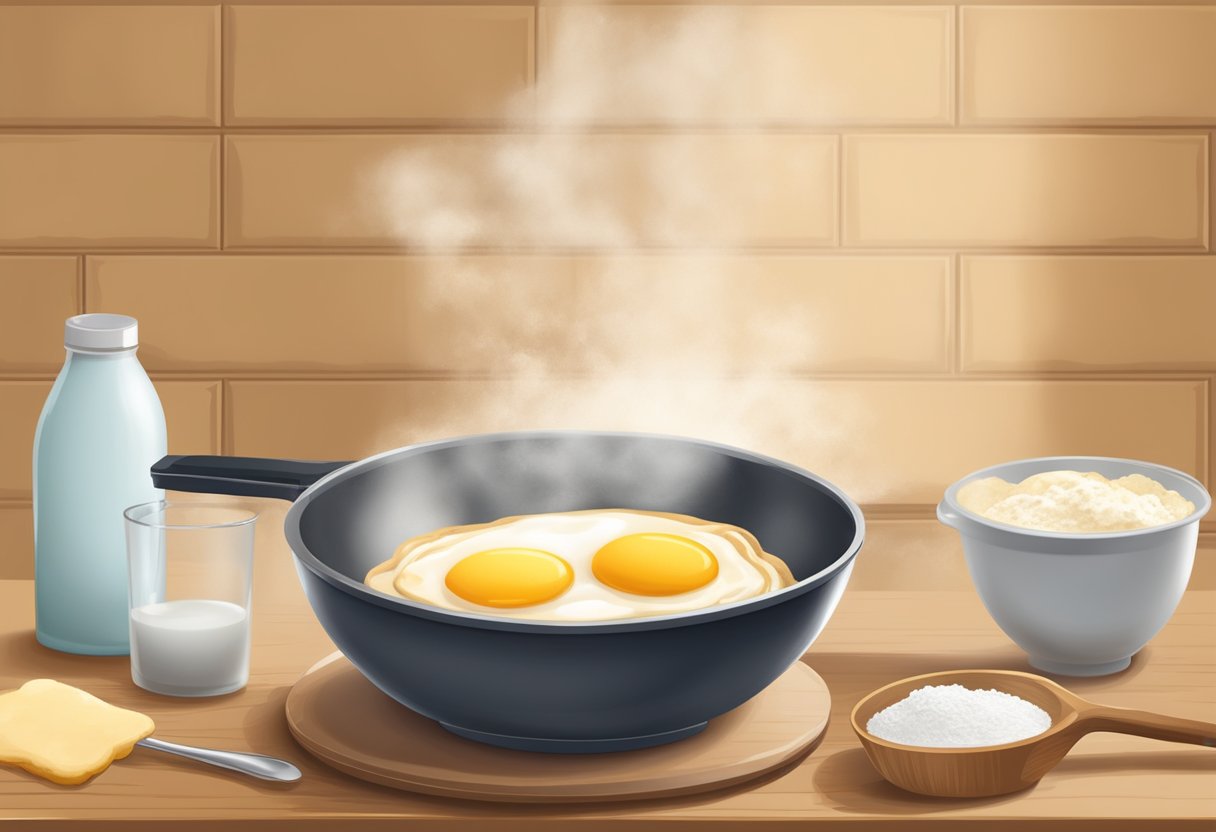
Getting pancakes to be light and fluffy involves careful control of heat and choosing the right cooking surface. Both factors play a critical role in achieving the perfect texture and flavor.
Heat and Temperature Control
The temperature at which you cook pancakes is crucial. Medium heat is usually ideal. Too high, and the outside will burn before the inside cooks through. Too low, and they become pale and heavy.
Flipping pancakes at the right time is key. Look for bubbles on the surface and edges that start to set. When the bubbles burst and leave holes, it's time to flip. Always use a gentle motion to prevent flattening the pancakes.
Precision can be achieved with a griddle or skillet that maintains a consistent heat. These surfaces offer great control, making it easier to achieve that golden-brown color with crispy edges. Preheating the cooking surface for a few minutes before pouring the batter helps in evenly cooking the pancakes.
Cooking Surface Choices
Choosing the right cooking surface affects how evenly your pancakes cook. A non-stick skillet or griddle is typically preferred. Non-stick surfaces reduce the need for excessive oil, helping to keep the pancakes light and not greasy. A cast-iron skillet can also be a good choice if well-seasoned. It retains heat well, creating a consistent cooking environment.
Using a small amount of oil or butter helps create crispy edges and prevents sticking. Ensure the oil is hot before adding the batter. This approach also helps in achieving the desired golden-brown finish. Each type of cooking surface has its own benefits, but the key is ensuring it is properly heated and prepared to handle the batter without sticking or burning.
Enhancing Pancake Recipes
Enhancing pancake recipes can make your breakfast even more enjoyable. By trying different flours, adding interesting ingredients, and adjusting for dietary needs, anyone can create a delicious stack of pancakes.
Using Alternative Flours
Almond flour, wheat flour, cake flour, and all-purpose flour all bring unique textures and flavors to pancakes. Almond flour offers a nutty taste and is great for gluten-free pancakes.
Wheat flour provides a hearty texture perfect for more rustic pancakes. Cake flour creates a tender, airy pancake due to its lower protein content. All-purpose flour is versatile, but mixing it with cake flour can give fluffier results.
Experimenting with different flours allows for new flavors and textures, giving a twist to traditional recipes.
Incorporating Sweet and Savory Add-Ins
Adding chocolate chips, blueberries, and nuts to pancake batter can significantly enhance flavor and texture. Chocolate chips melt and create pockets of gooey sweetness.
Blueberries add bursts of tartness and moisture. Nuts like pecans or walnuts add crunch and depth. For a savory twist, you can add cheese, herbs, or even cooked bacon bits.
By incorporating these ingredients, pancakes become more than just breakfast—they become a canvas for culinary creativity.
Adjusting Recipes for Dietary Restrictions
For those with dietary needs, pancakes can be adjusted to include ingredients like buttermilk or yogurt for extra moisture and tang. For vegans, replacing eggs with flaxseed or chia seed "eggs" and using plant-based milks ensures delicious vegan pancakes.
Gluten-free options like almond flour or a gluten-free all-purpose flour blend can be used in place of traditional flour. Removing or substituting ingredients doesn't mean sacrificing taste or texture; it means embracing inclusivity in cooking. Making these adjustments allows everyone to enjoy pancakes, no matter their dietary needs.
Techniques for Enhancing Fluffiness
To achieve the fluffiest pancakes, key techniques involve ensuring perfectly whipped egg whites, balancing ingredients carefully, and allowing the batter to rest.
Secrets to Perfectly Whipped Egg Whites
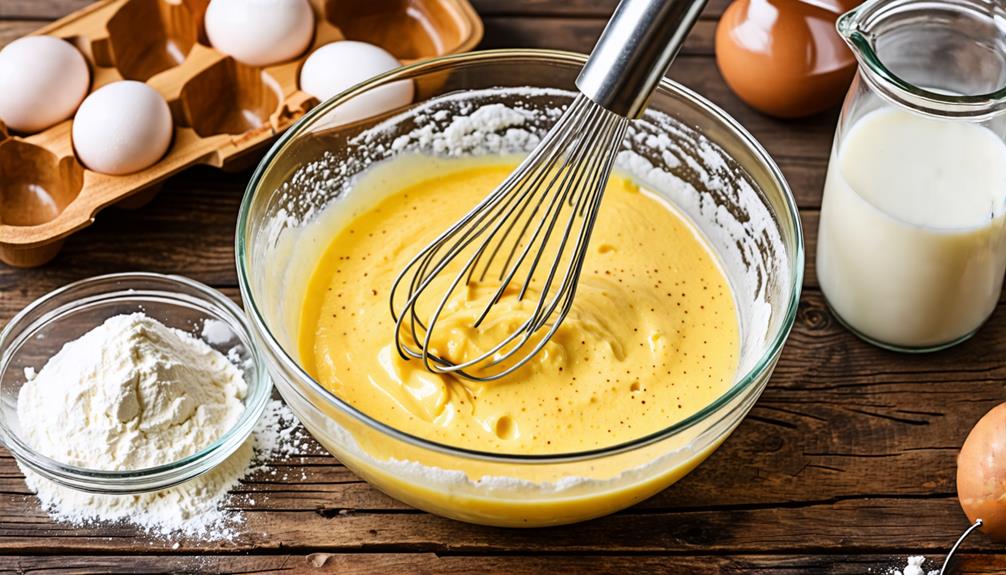
Whipping egg whites to stiff peaks is crucial for airiness. Start by separating the yolks from the whites. Ensure the bowl and whisk are clean and free from oil; even a tiny amount can prevent proper whipping. Beat the egg whites until they form stiff peaks, meaning they hold their shape firmly.
Adding a pinch of salt or cream of tartar can stabilize the egg whites. Carefully fold the whipped egg whites into the batter to avoid deflating them. This step traps air, creating bubbles that expand during cooking, making the pancakes fluffier.
Balancing Wet and Dry Ingredients
Balancing wet and dry ingredients ensures a batter that is neither too thick nor too runny. A typical pancake batter includes flour, baking powder, salt, and sugar for the dry ingredients and buttermilk, eggs, and melted butter for the wet ingredients. Using buttermilk instead of regular milk adds acidity, which reacts with baking powder to produce carbon dioxide bubbles, contributing to fluffiness.
Avoid overmixing the batter as it can develop gluten, resulting in dense pancakes. Mix until the ingredients are just combined, allowing some lumps to remain. This prevents overworking the batter and helps in creating tender, fluffy pancakes.
The Importance of Resting the Batter
Letting the batter rest after mixing is a key step often overlooked. Resting allows the flour to fully hydrate and the carbon dioxide produced by the leavening agents to disperse evenly throughout the batter.
A resting period of about ten to fifteen minutes is sufficient. This process results in a slightly thicker batter, which helps the pancakes rise better during cooking. The rest time also allows for the development of better texture and enhances the final fluffiness of the pancakes. Following these techniques, you can improve your pancake-making skills and consistently produce the fluffiest pancakes.
Serving and Topping Pancakes
Choosing the right toppings and pairing them with syrups and sauces can elevate the pancake experience. The right combinations can bring an array of textures and flavors to your breakfast table.
Selecting Toppings for Texture and Flavor
Toppings are key to adding character to pancakes. Fresh fruit like strawberries, blueberries, or bananas can add a burst of flavor and moisture. Whipped cream is a classic choice, providing a light, airy texture that complements dense pancakes.
Nuts add crunch and a rich flavor. Try almonds, walnuts, or pecans. Sprinkling a little powdered sugar can give your pancakes a sweet finish without overwhelming them. For a bit of tang, a drizzle of lemon juice works wonders.
Pairing with Syrups and Sauces
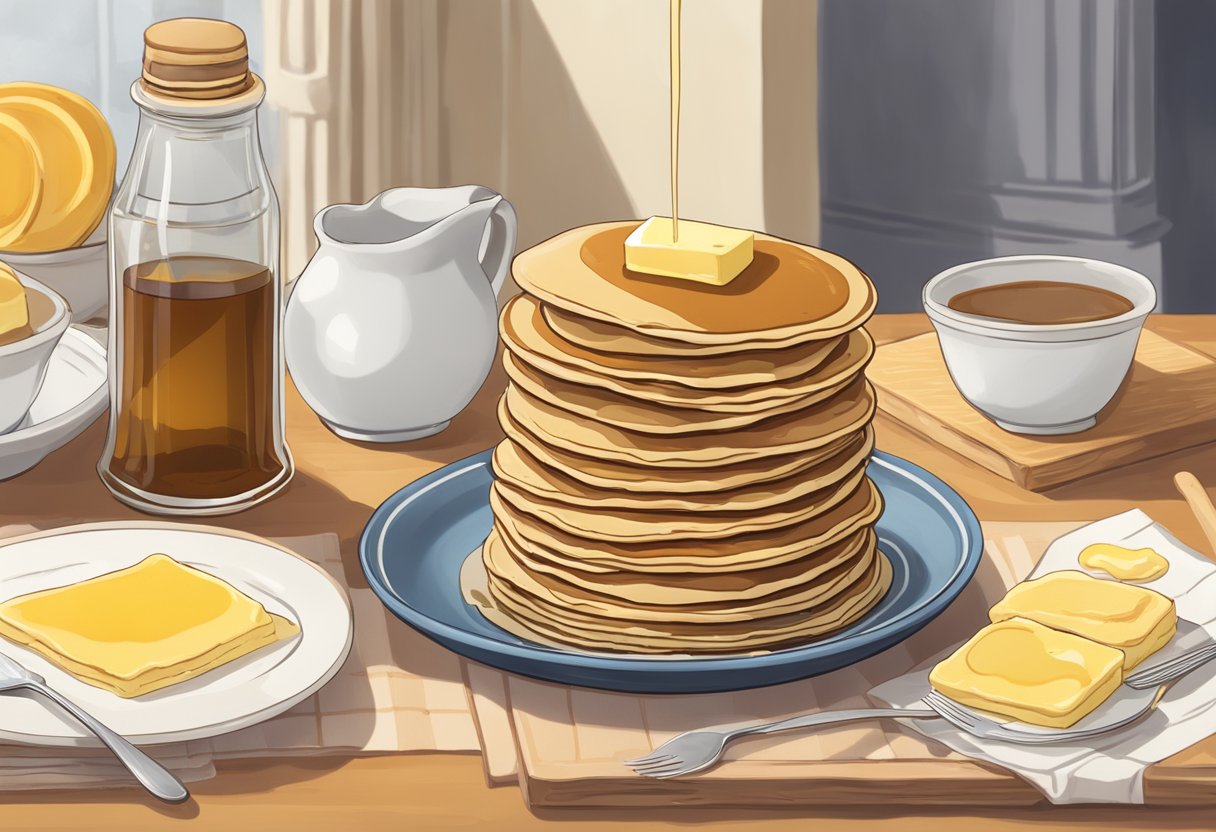
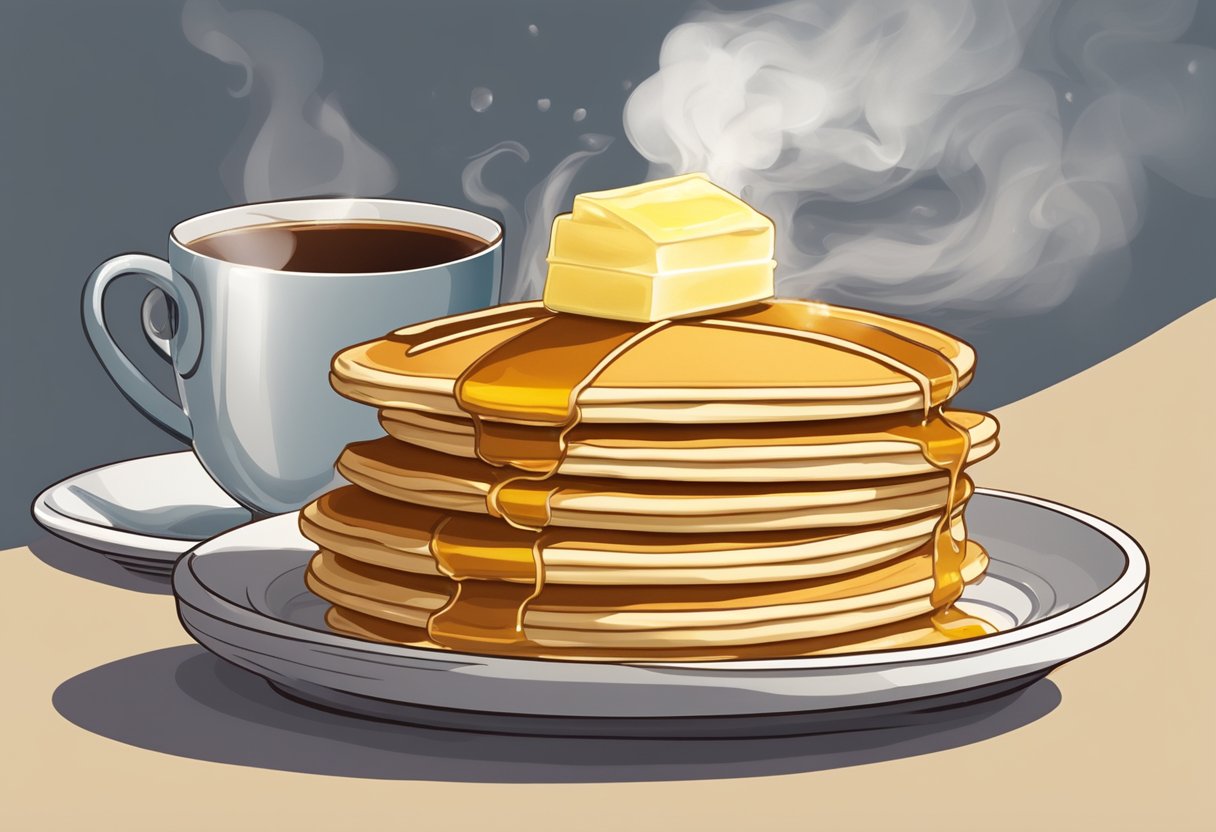
The right syrup or sauce can tie everything together. Maple syrup is a traditional favorite, offering a rich, sweet flavor. Honey is another good option, bringing a natural sweetness that’s less overpowering than syrup.
For those looking for something different, try fruit-based sauces. Blueberry or strawberry sauce can add a fruity punch. Chocolate syrup or caramel can turn pancakes into a dessert-like treat. Combining these elements thoughtfully ensures that each bite of pancake is a delightful mix of taste and texture.
Key Considerations for Perfect Pancakes
To achieve the perfect fluffy pancakes, several factors need to be taken into account. These include avoiding common pancake mistakes and the importance of timing and preparation, especially when making larger batches.
Avoiding Common Pancake Mistakes
Overmixing the batter is a common mistake. This leads to the development of gluten, resulting in rubbery pancakes. Tip: Aim for a lumpy batter, which helps retain air bubbles and results in fluffier pancakes. Using the right amount of fat is crucial. Fat shortens gluten strands, making pancakes more tender. Choose ingredients like melted butter or oil.
Salt regulates gluten formation and enhances flavor. Too much can stiffen the batter, while too little will result in bland pancakes. Eggs contribute to the pancake’s structure. Separating the yolks from the whites and beating the whites until stiff can make pancakes extra fluffy. Incorporate the yolks into the wet ingredients and gently fold in the beaten whites.
Timing and Preparation Tips for Larger Batches
Preparing the pancake batter in advance can save time, but it’s essential to store it properly. Keep the batter in an airtight container in the fridge. When cooking large quantities, use multiple pans or a griddle. This allows for more pancakes to be cooked simultaneously, keeping them fresh and warm. Preheat the cooking surface to ensure even cooking. If the pan is too cold, the pancakes will spread too much and become dense. If too hot, the outside will burn before the inside cooks through. Keep cooked pancakes warm by placing them in a preheated oven at a low temperature (around 200°F). This prevents them from becoming soggy while you finish cooking the rest of the batch.