Should I cook pancakes in oil or butter? Comparing the best options for perfect pancakes
Pancakes are a beloved breakfast staple enjoyed by many. The debate over whether to cook them in oil or butter has been ongoing for years. Both options have their merits, but the choice often comes down to personal taste and dietary needs.
Butter is the preferred option for cooking pancakes due to its rich flavor and ability to create a golden-brown color. It adds a delicious taste that enhances the overall pancake experience. Oil, on the other hand, can result in lighter and crispier pancakes. Some people prefer this texture, especially if they're looking for a less indulgent breakfast option.
For those who want the best of both worlds, a combination of oil and butter can be used. This method allows for the flavor of butter while taking advantage of oil's higher smoke point. Regardless of the chosen cooking fat, the key to perfect pancakes lies in proper heat control and careful flipping technique.
Understanding Fats: Oil and Butter in Cooking
Cooking fats play a key role in making delicious pancakes. Oil and butter have different properties that affect taste, texture, and cooking behavior.
Properties of Cooking Oils
Vegetable oils like canola, sunflower, and grapeseed are popular for cooking pancakes. These oils have a neutral flavor that lets the pancake taste shine through.
Oils have high smoke points, meaning they can handle higher heat without burning. This helps create an even, golden-brown surface on pancakes.
Some oils, like coconut oil, add a subtle flavor to pancakes. They also stay liquid at room temperature, making them easy to mix into batter.
Oils are 100% fat, so they create a crisp exterior on pancakes. They also help prevent sticking to the pan.
Characteristics of Butter
Butter gives pancakes a rich, creamy flavor. It contains milk solids that brown during cooking, adding depth to the taste.
Butter has a lower smoke point than most oils. It can burn if the pan gets too hot, so cooks need to watch the temperature closely.
As butter melts, it separates into fat and milk solids. This can lead to uneven browning on pancakes.
Clarified butter or ghee removes milk solids, raising the smoke point. This makes it easier to cook with at higher temps.
Butter is about 80% fat and 20% water. The water content can make pancakes slightly less crispy than those cooked in oil.
Preparing Your Pancake Batter
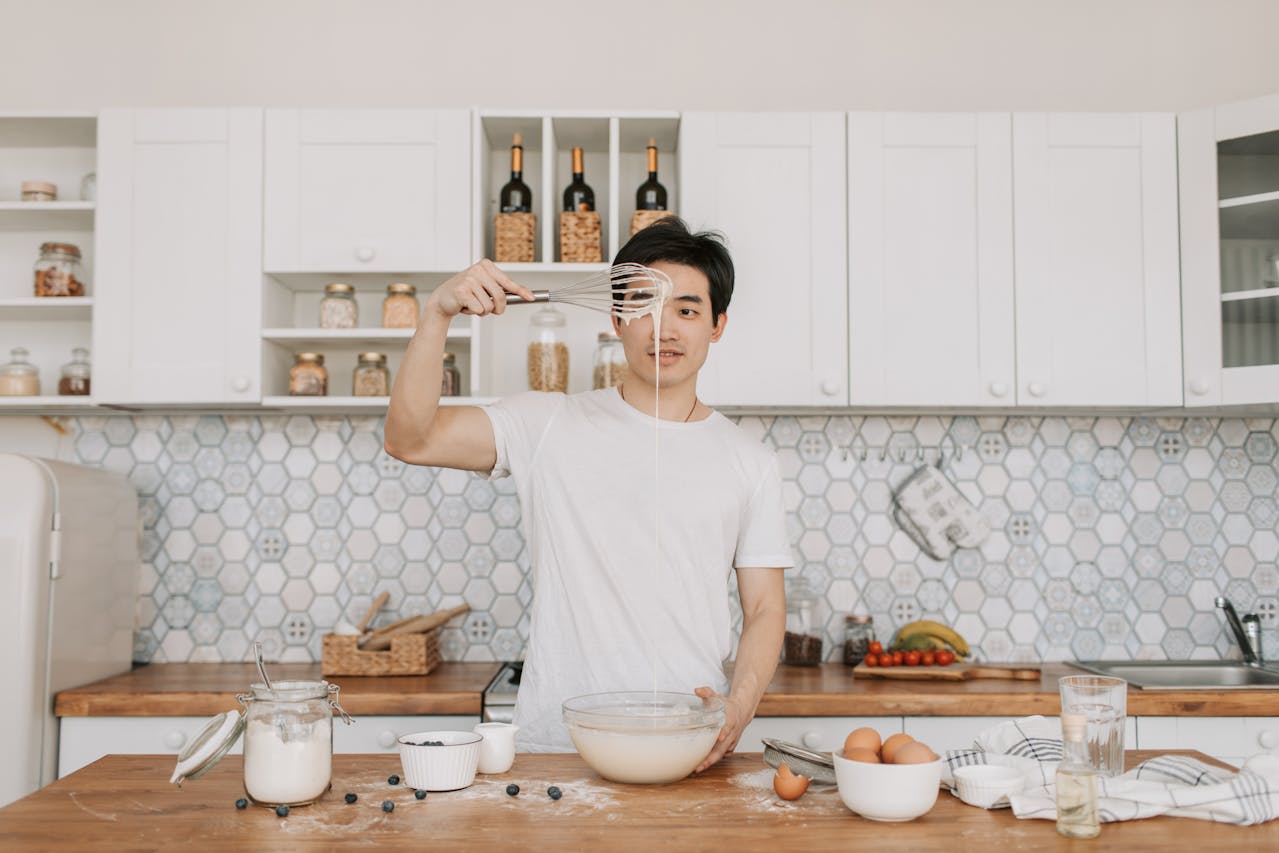
The key to great pancakes starts with the batter. A well-made batter balances flavor and texture while avoiding common pitfalls.
Ingredients for Optimal Texture
For fluffy pancakes, use all-purpose flour as the base. Add a pinch of salt and sugar to enhance flavor. Baking powder helps pancakes rise. Mix in eggs for structure and richness.
Dairy plays a big role. Milk adds moisture, while buttermilk gives tang and tenderness. For extra fluffiness, try separating the eggs. Beat the whites until stiff, then fold them in last.
Measure ingredients carefully. Too much liquid makes thin, flat pancakes. Not enough creates dense, dry ones. Follow recipes closely at first.
Here's a basic recipe to start with:
- 1 1/2 cups flour
- 3 1/2 teaspoons baking powder
- 1/4 teaspoon salt
- 1 tablespoon sugar
- 1 1/4 cups milk
- 1 egg
- 3 tablespoons melted butter
Avoiding Overmixing
Overmixing is a common mistake that leads to tough pancakes. Mix dry ingredients first. Then add wet ingredients all at once. Stir just until combined. Small lumps are okay.
Stop mixing as soon as no dry flour is visible. The batter will look slightly lumpy. This is good. Lumps help create light, fluffy pancakes.
Let the batter rest for 5-10 minutes before cooking. This allows the flour to absorb the liquid. It also lets the gluten relax, making for more tender pancakes.
Don't whisk or beat the batter. Use a spatula or wooden spoon instead. Fold gently to combine ingredients without developing gluten.
The Role of Fat in Achieving Perfect Pancake Texture
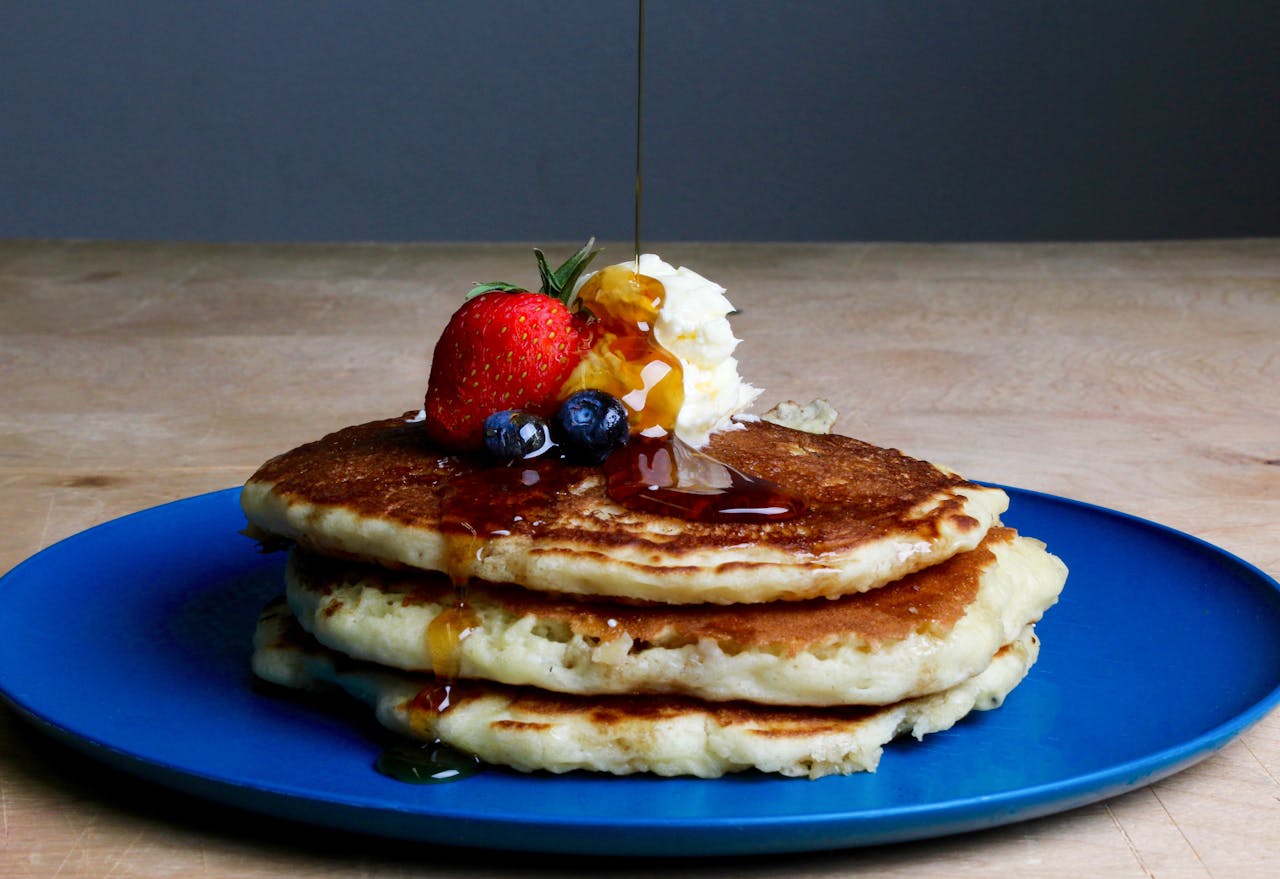
Fat plays a key part in creating ideal pancake texture. It affects both the fluffiness and crispiness of pancakes.
The Impact of Butter
Butter adds richness and moisture to pancakes. It helps create a soft, tender texture inside. Butter also gives pancakes a golden-brown color when cooked. The milk solids in butter can lead to more browning. This creates a slightly crispy exterior. Melted butter mixed into batter makes pancakes more flavorful.
For extra fluffy pancakes, try using clarified butter. It has less water, so pancakes rise higher. Butter's low smoke point means it can burn easily. Use medium-low heat when cooking with butter.
How Oil Affects Texture
Oil creates a different pancake texture than butter. It leads to a lighter, less dense pancake. Oil-based pancakes often have a crispy exterior. Vegetable oil or canola oil work well for basic pancakes. They don't add much flavor, letting other ingredients shine. Coconut oil can give pancakes a subtle tropical taste.
Oil helps prevent pancakes from sticking to the pan. This makes flipping easier. Oil also distributes heat more evenly than butter. For extra crispy pancakes, use a bit more oil in the pan. Cook on medium heat to achieve a golden-brown exterior. Oil's higher smoke point allows for slightly higher cooking temperatures.
Cooking Pancakes: Techniques and Tips
Making perfect pancakes requires skill and attention to detail. The right methods can transform your breakfast experience.
Using the Right Cooking Surface
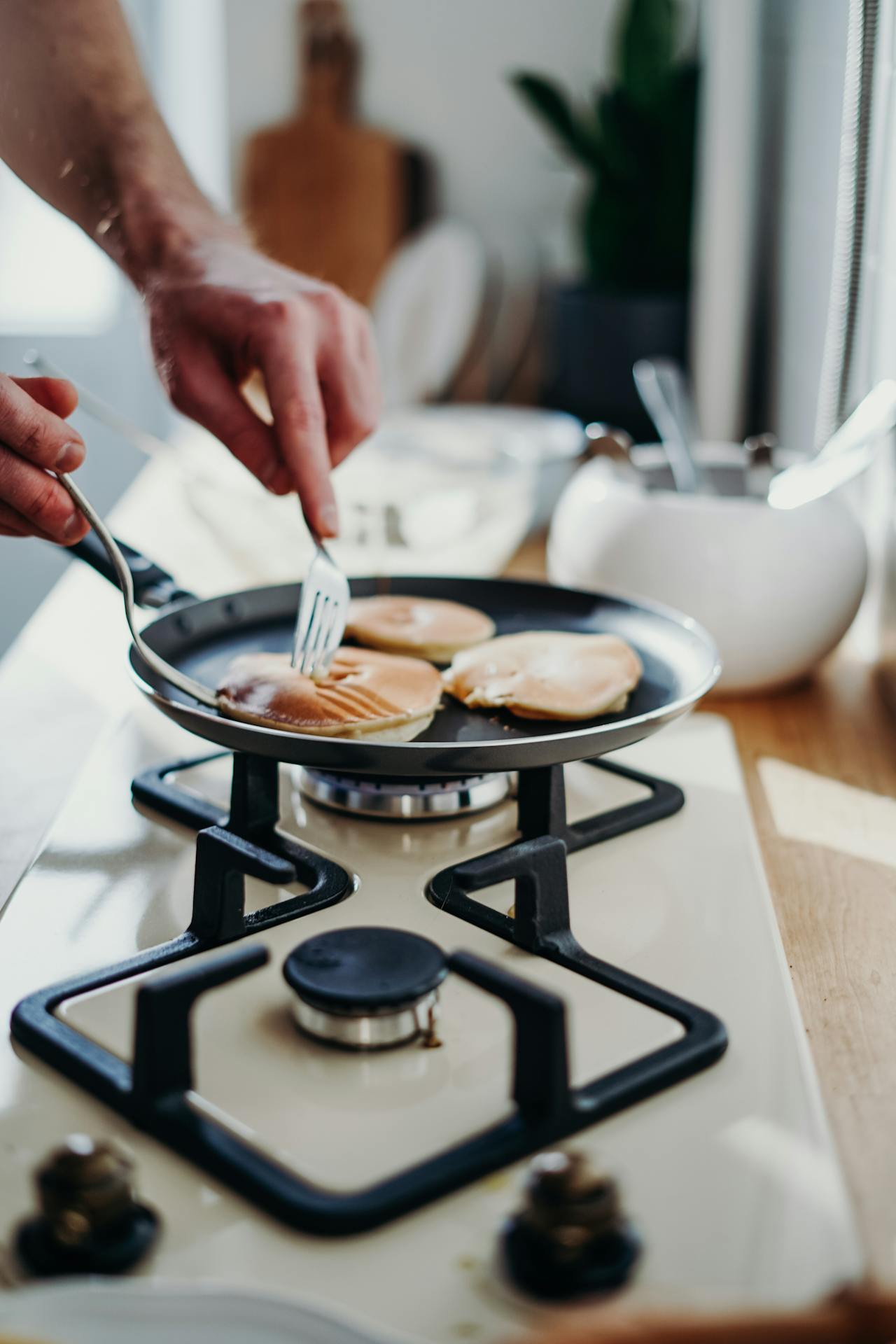
Choose a flat, non-stick pan or griddle for best results. Preheat the surface over medium heat. Add a small amount of butter or oil. Spread it evenly with a paper towel. For extra non-stick power, use cooking spray. Test the heat by sprinkling a few drops of water on the surface. If they sizzle and evaporate quickly, it's ready.
Pour batter in small circles. Leave space between pancakes for easy flipping. A 12-inch pan fits about three 3-inch pancakes.
Mastering the Flip
Wait for bubbles to form on the pancake's surface before flipping. The edges should look slightly dry. This usually takes 2-3 minutes. Slide a thin spatula under the pancake. Lift it slightly to check the color. It should be golden brown.
Flip the pancake in one swift motion. Cook the other side for 1-2 minutes until golden. Resist the urge to press down on the pancake with the spatula. Practice makes perfect. Don't worry if the first few flips aren't picture-perfect. The pancakes will still taste great!
Ensuring Even Cooking
Keep the heat at medium. Too high heat can burn the outside while leaving the inside raw. Too low heat makes pancakes tough and dry. Pour batter from the center and let it spread naturally. This helps create an even thickness.
Rotate the pan if you notice uneven browning. Some stoves have hot spots that can affect cooking. For thick pancakes, lower the heat slightly. This gives the inside time to cook without burning the outside.
Use a timer to ensure consistent cooking times for each batch. This helps achieve the same golden color for all pancakes.
Flavor Profile: Oil vs. Butter
Butter and oil impart different flavors to pancakes. Butter gives pancakes a rich, creamy taste that many people enjoy. Its flavor is more noticeable and adds depth to the pancakes. Oil has a neutral taste. It doesn't add much flavor to pancakes on its own. This can be good if you want the pancake batter ingredients to shine through.
Salted butter adds a slight salty note to pancakes. This can enhance the overall taste, especially if the batter isn't very sweet. Unsalted butter provides richness without extra salt. Some cooks use a mix of butter and oil. This combines butter's flavor with oil's higher smoke point. The result is tasty pancakes that don't burn as easily.
Flavor preferences are personal. Some people prefer the taste of butter, while others like the neutral flavor of oil. Trying both options can help you decide which you like best for your pancakes.
Dietary Considerations when Choosing Fats
When making pancakes, the choice between oil and butter can affect more than just taste. People with certain dietary needs may prefer one over the other. Those following a vegan diet should use oil instead of butter. Vegetable oils like canola, sunflower, or coconut oil work well for pancakes.
For people watching their cholesterol, plant-based oils are often a better choice. They contain less saturated fat than butter. Some individuals may have allergies to specific oils or dairy products. It's important to check ingredients carefully and choose accordingly.
Here's a quick comparison of common fats used for pancakes:
| Fat Type | Vegan | Cholesterol | Saturated Fat |
|---|---|---|---|
| Butter | No | Yes | High |
| Canola Oil | Yes | No | Low |
| Coconut Oil | Yes | No | High |
Those on low-fat diets might use non-stick cooking spray or a very small amount of oil. This can help reduce overall fat intake while still preventing sticking.
For people with no dietary restrictions, both oil and butter are fine choices. The decision can be based on personal taste preferences or the desired texture of the pancakes.
Exploring Pancake Varieties and Recipes
Pancakes come in many delicious forms. From classic buttermilk to creative new flavors, there's a pancake recipe for every taste.
Classic Buttermilk Pancakes
Buttermilk pancakes are a breakfast staple. The tangy buttermilk adds flavor and helps create a tender texture. Here's a simple recipe:
Ingredients:
- 2 cups all-purpose flour
- 2 tablespoons sugar
- 2 teaspoons baking powder
- 1/2 teaspoon salt
- 2 cups buttermilk
- 2 eggs
- 1/4 cup melted butter
Mix dry ingredients. Whisk wet ingredients separately. Combine and stir until just mixed. Cook on a hot griddle until golden brown.
For extra fluffy pancakes, separate the eggs. Beat the whites until stiff and fold them in last.
Innovative Pancake Recipes
Pancake recipes can go beyond the basics. Try these creative ideas:
- Banana Oat Pancakes: Blend oats, banana, eggs, and milk for a healthy twist.
- Savory Corn Pancakes: Add corn kernels and chives to the batter. Top with sour cream.
- Chocolate Chip Pancakes: Mix mini chocolate chips into the batter for a sweet treat.
- Pumpkin Spice Pancakes: Add canned pumpkin and warm spices for a fall favorite.
- Lemon Ricotta Pancakes: Mix in ricotta cheese and lemon zest for light, tangy pancakes.
These recipes offer new flavors while keeping the classic pancake texture people love.