How Waffles Became Synonymous With Belgian Cuisine
When you think of Belgian cuisine, waffles probably come to mind right away. But how did these treats become so famous? It all started in medieval Europe with simple gaufres. These early versions paved the way for the waffles we know today. During the Renaissance, eggs and milk were added, creating the distinct Brussels and Liège styles.
Their journey didn't stop there. In 1964, the World's Fair played a crucial role in making them a global sensation. Now, let's look at the regional variations and key ingredients that set them apart. Brussels waffles are light and crispy, made with yeast and egg whites. Liège waffles are denser and sweeter, with chunks of pearl sugar that caramelize during cooking. Both types are delicious but offer different textures and flavors.
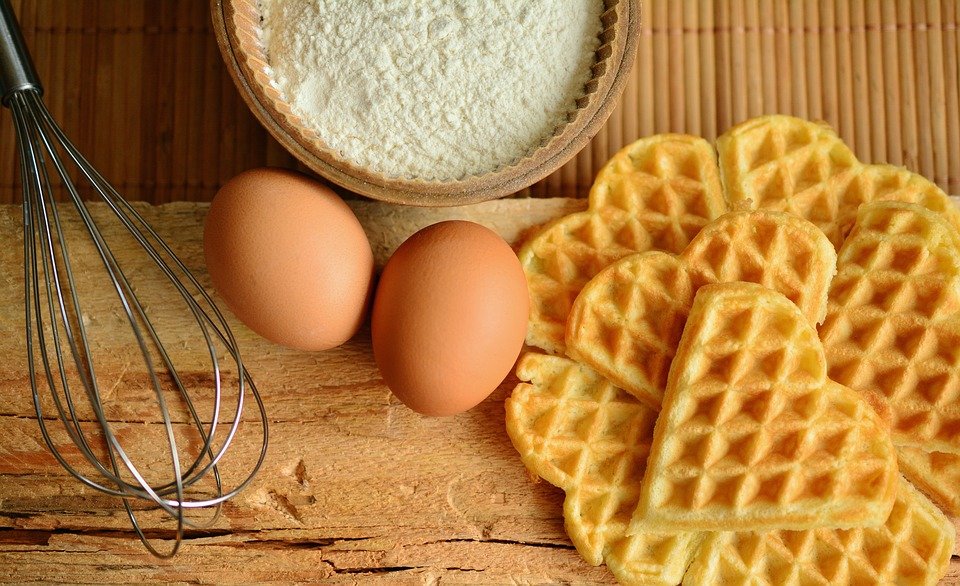
To make Brussels waffles, you'll need flour, milk, eggs, yeast, and sugar. For Liège waffles, you'll need these same ingredients plus pearl sugar. Follow these steps:
- Mix the dry ingredients.
- Add the wet ingredients and mix until smooth.
- Let the batter rest to allow the yeast to work.
- Cook in a hot waffle iron until golden brown.
By following these steps, you can enjoy authentic Belgian waffles at home.
Medieval Origins
Waffles originated in medieval Europe, around the 9th to 10th centuries, as simple "gaufres" cooked over an open fire. The batter was typically made from grain flour and water, often sweetened with honey and spices for religious celebrations. These early waffles were quite different from today's versions but set the stage for their evolution.
The unique appearance and texture of waffles came from waffle irons, known as gaufriers. These irons, primarily made in France and Belgium, allowed bakers to imprint intricate designs onto the batter. Heated over open flames, the gaufriers gave the waffles a distinctive crispness.
Belgium had a significant impact on the history of waffles. Although the basic recipe remained simple in the medieval period, Belgian bakers used waffle irons to create beautifully patterned waffles, making them popular. The origins of waffles in medieval times laid the groundwork for their future development, especially in Belgium, where they became a beloved culinary staple.
Renaissance Expansion
During the Renaissance, waffles in Belgium and the Netherlands became fluffier by adding eggs and milk. Street vendors helped popularize them by selling waffles at fairs and markets. This period also saw the creation of Brussels and Liège waffles, each with a unique texture and appeal.
Ingredients and Recipe Evolution
As the Renaissance began, waffles underwent a significant transformation with the addition of eggs, milk, and leavening agents. This new mix of ingredients resulted in a fluffier texture, paving the way for modern Belgian waffles. In Belgium, this change led to the creation of distinct styles such as Brussels waffles and Liège waffles.
Brussels waffles are known for their light, airy structure with deep pockets, ideal for a variety of toppings. In contrast, Liège waffles are denser and feature caramelized pearl sugar, which adds a sweet flavor. These regional variations highlight the diversity in Belgian cuisine and show the importance of ingredients and recipe evolution.
The availability of butter and sugar during this period further enhanced the flavor of these waffles, making them a staple in Belgian cuisine. The changes in ingredients and recipes during the Renaissance set the foundation for the Belgian waffles we enjoy today.
Street Vendor Popularity
The Renaissance not only changed the ingredients and texture of waffles but also brought them to the busy streets of Belgium. Street vendors quickly adopted this new favorite, selling waffles at fairs and markets. This made them accessible to everyone. Vendors offered both Brussels and Liège waffles. Brussels waffles were light and airy, while Liège waffles were denser and sweeter, appealing to different tastes.
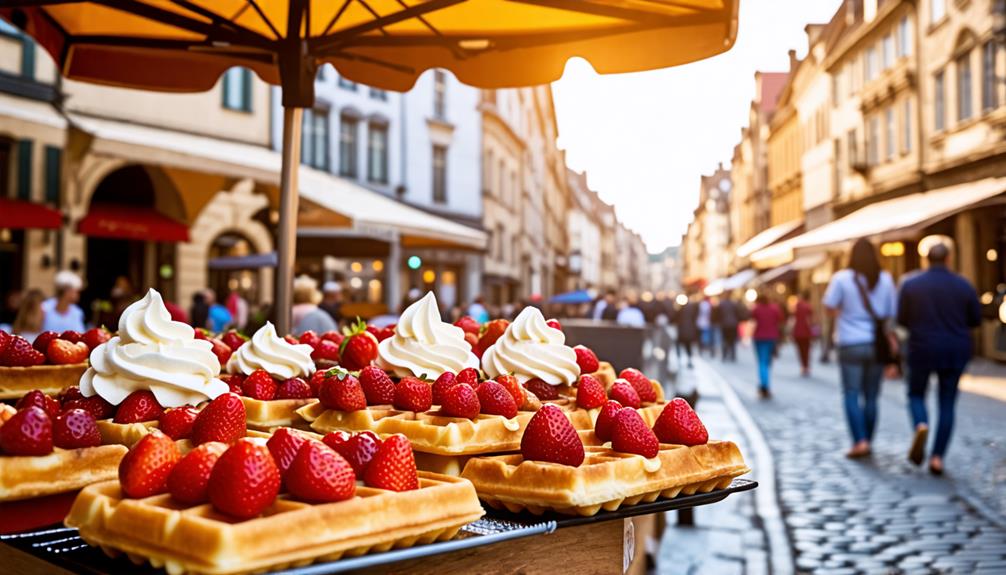
Street vendors didn't stop at plain waffles. They added various toppings, making waffles a customizable treat. Popular toppings included whipped cream, fresh fruits, and syrups. This increased the appeal of waffles for locals and tourists. You often saw people gathered around these vendors, enjoying their waffles and the lively market atmosphere. This shared experience helped embed waffles into Belgian culture.
By the 18th century, waffles had become a staple snack in Belgium, thanks to street vendors. Here's why they were important:
- Accessibility: Made waffles available to everyone.
- Variety: Offered both Brussels and Liège styles.
- Customization: Added diverse toppings.
- Community: Created a shared cultural experience.
These factors made waffles a key part of Belgian cuisine.
Distinct Belgian Styles
Waffle enthusiasts, exploring Belgian waffle styles from the Renaissance period will be a delightful experience. During that time, waffles in Belgium and the Netherlands advanced by adding eggs, milk, and leavening agents. These changes created a fluffier texture, distinguishing them from earlier versions.
Two main styles emerged: Brussels waffles and Liège waffles. Brussels waffles are known for their light texture and deep pockets, perfect for toppings like syrup or whipped cream. Typically rectangular and leavened with yeast or beaten egg whites, these waffles quickly became popular at fairs and markets.
In contrast, Liège waffles provide a denser, chewier consistency. Made from thicker, brioche-like dough and featuring caramelized pearl sugar, they offer a rich flavor that stands out even without toppings. This makes them ideal for enjoying plain, highlighting their natural sweetness.
The popularity of these Belgian waffle styles during the Renaissance elevated their status as culinary symbols and ensured their place at international cuisine events. Try these two styles to savor a piece of Belgian heritage.
Arrival in America
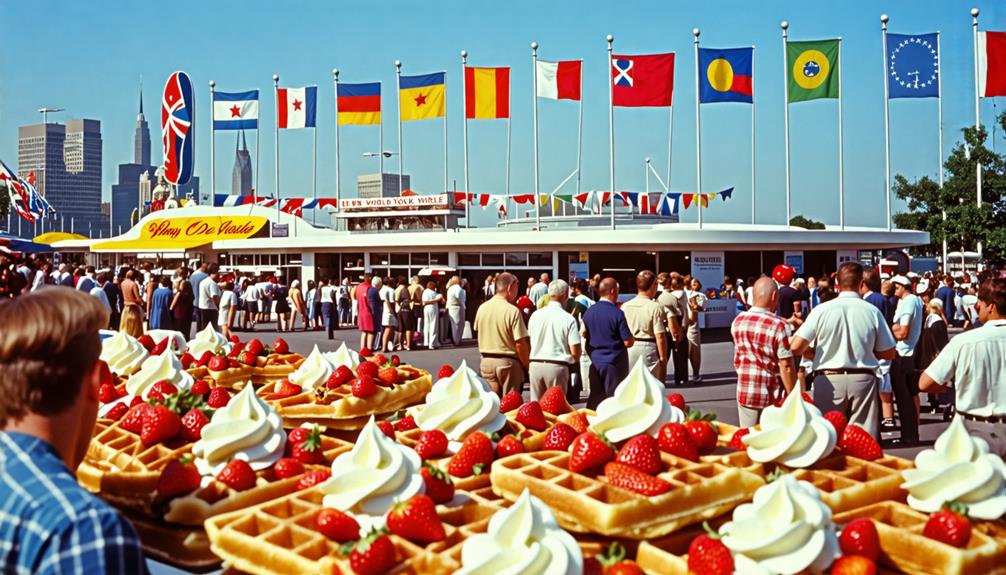
Imagine the smell of freshly cooked waffles filling the air. European immigrants brought these delicious treats to America in the 17th and 18th centuries. They came with recipes from Belgium and the Netherlands, introducing Americans to a new breakfast favorite. Waffles, known for their light and crispy texture, became linked with Belgian cuisine.
- Thomas Jefferson's Role: Thomas Jefferson showed off a French waffle iron at Monticello. This sparked interest in waffles across the United States.
- Early 20th Century Diners: The popularity of diners and electric waffle irons helped make waffles a common breakfast item nationwide.
- Maurice Vermersch's Impact: Maurice Vermersch introduced Brussels-style waffles at the 1964 World's Fair. Their unique texture and flavor won over American audiences.
- Popular Toppings: Whipped cream and strawberries on Brussels waffles quickly became a favorite, securing their place in American breakfast culture.
These points explain how waffles became popular in America and turned into a beloved breakfast food enjoyed by many today.
1964 World's Fair
At the 1964 World's Fair in New York City, Maurice Vermersch and his family introduced Belgian waffles to Americans. They marketed these lighter, crispier Brussels-style waffles as "Belgian waffles," quickly making them a gourmet sensation. This event popularized Belgian waffles in the U.S. and established them as a global symbol of Belgian cuisine.
Belgian Waffles Craze
The 1964 World's Fair in New York City was a pivotal moment for Belgian waffles. Maurice Vermersch and his family introduced Americans to Brussels-style waffles, which quickly gained popularity. These waffles had a light, crispy texture and were often served with whipped cream and strawberries. This combination appealed to many fair attendees, sparking a nationwide craze.
The success of these waffles at the fair demonstrated their versatility as a comfort food. They soon became a staple on breakfast and dessert menus across the country. People enjoyed their unique texture and taste, leading to increased demand over time.
Key Points:
- Introduction at the Fair: Maurice Vermersch introduced Brussels-style waffles.
- Marketing Success: The texture and toppings attracted attention.
- Nationwide Craze: Belgian waffles became popular on menus.
- Culinary Symbol: They represented Belgian cuisine internationally.
The World's Fair helped transform Belgian waffles from a local specialty into a globally beloved comfort food.
Cultural Impact Worldwide
Belgian waffles have made a significant global impact since their introduction at the 1964 World's Fair in New York City. Maurice Vermersch showcased these Brussels-style waffles, emphasizing their light, crispy texture and deep pockets, ideal for holding syrup or ice cream. This event not only created a national craze but also paved the way for Belgian waffles to become a beloved treat worldwide.
Following the fair, Belgian waffles became diner staples and popular street food, known for their comfort and indulgence. Their appeal spread rapidly beyond America, sparking interest in Belgian cuisine. Media coverage helped amplify their popularity, leading to the emergence of waffle-centric eateries globally. Today, Belgian waffles are an iconic symbol of Belgian gastronomy.
Here's a summary of their global journey:
| Country | Introduction Year | Popular Serving Style |
|---|---|---|
| USA | 1964 | Breakfast with syrup |
| Japan | 1970s | Street food with ice cream |
| Australia | 1980s | Dessert with fruits |
| Germany | 1990s | Café snack with chocolate |
| Brazil | 2000s | Festival treat with toppings |
The cultural impact of Belgian waffles is clear. They evolved from a World's Fair novelty to a global culinary phenomenon, forever linking them to the rich legacy of Belgian cuisine.
Regional Variations
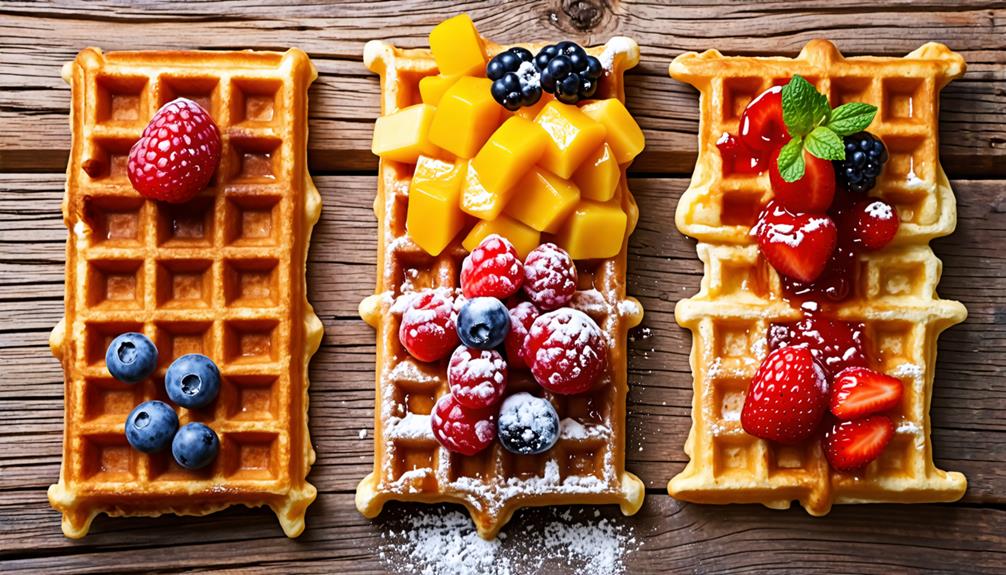
When exploring the regional variations of waffles in Belgium, you'll find two main types: Brussels waffles and Liège waffles. Each type has its own unique flavor and texture, reflecting the diverse culinary traditions of the regions. Brussels waffles are known for their light, airy texture and deep pockets. They are often served with toppings like whipped cream, fresh fruits, and syrups. Liège waffles are denser and sweeter. Made with a brioche-like dough and pearl sugar, they are typically enjoyed plain or with minimal toppings.
To appreciate these distinct styles, consider the following:
- Waffle Recipe: Brussels waffles use a batter-based recipe, while Liège waffles are made with a dough-based recipe.
- Texture: Brussels waffles are airy and crisp. Liège waffles are chewy and caramelized.
- Toppings: Brussels waffles pair well with a variety of toppings. Liège waffles shine on their own due to their rich, sweet flavor.
- Ingredients: Both types rely on high-quality ingredients. The inclusion of pearl sugar in Liège waffles gives them their signature caramelized crunch.
These regional variations highlight the rich culinary heritage that makes Belgian waffles a global favorite.
Key Ingredients
To make authentic Belgian waffles, you need a few key ingredients that define their distinct taste and texture. First, use wheat flour as the base. It gives structure to the batter. Yeast is crucial for making the waffles airy and light. This is particularly important for Brussels and Liège waffles, which have a fluffy interior and a crisp exterior.
Eggs add moisture and depth of flavor to the batter. Milk ensures the batter's consistency is perfect for cooking in waffle makers. Liège waffles are unique because they include pearl sugar. This sugar caramelizes during cooking, adding pockets of sweetness and a crunchy texture.
Here's a quick overview:
| Ingredient | Purpose |
|---|---|
| Wheat Flour | Provides structure |
| Yeast | Creates airy, leavened texture |
| Eggs | Adds richness and moisture |
| Milk | Ensures batter consistency and flavor |
| Pearl Sugar | Caramelizes for unique flavor/texture |
Popular Toppings
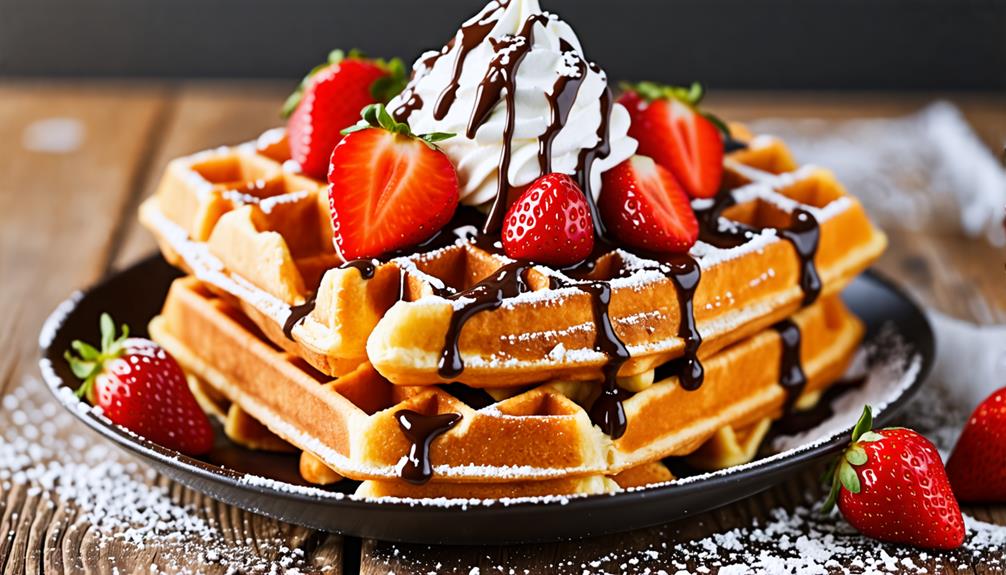
Waffles can be enhanced with the right toppings, improving both flavor and texture. Belgian waffles, with their deep pockets, are ideal for holding a variety of toppings. Traditional options are often straightforward yet enjoyable.
Consider these popular toppings:
- Powdered Sugar: Adds sweetness and a visual appeal.
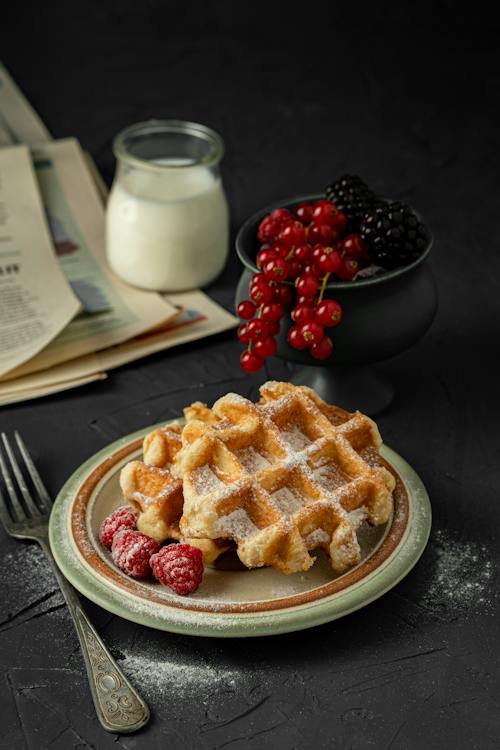
- Fresh Fruits: Strawberries, blueberries, and seasonal fruits like peaches and raspberries add fresh flavor and color.
- Whipped Cream: Complements the crispiness of the waffle with a creamy texture.
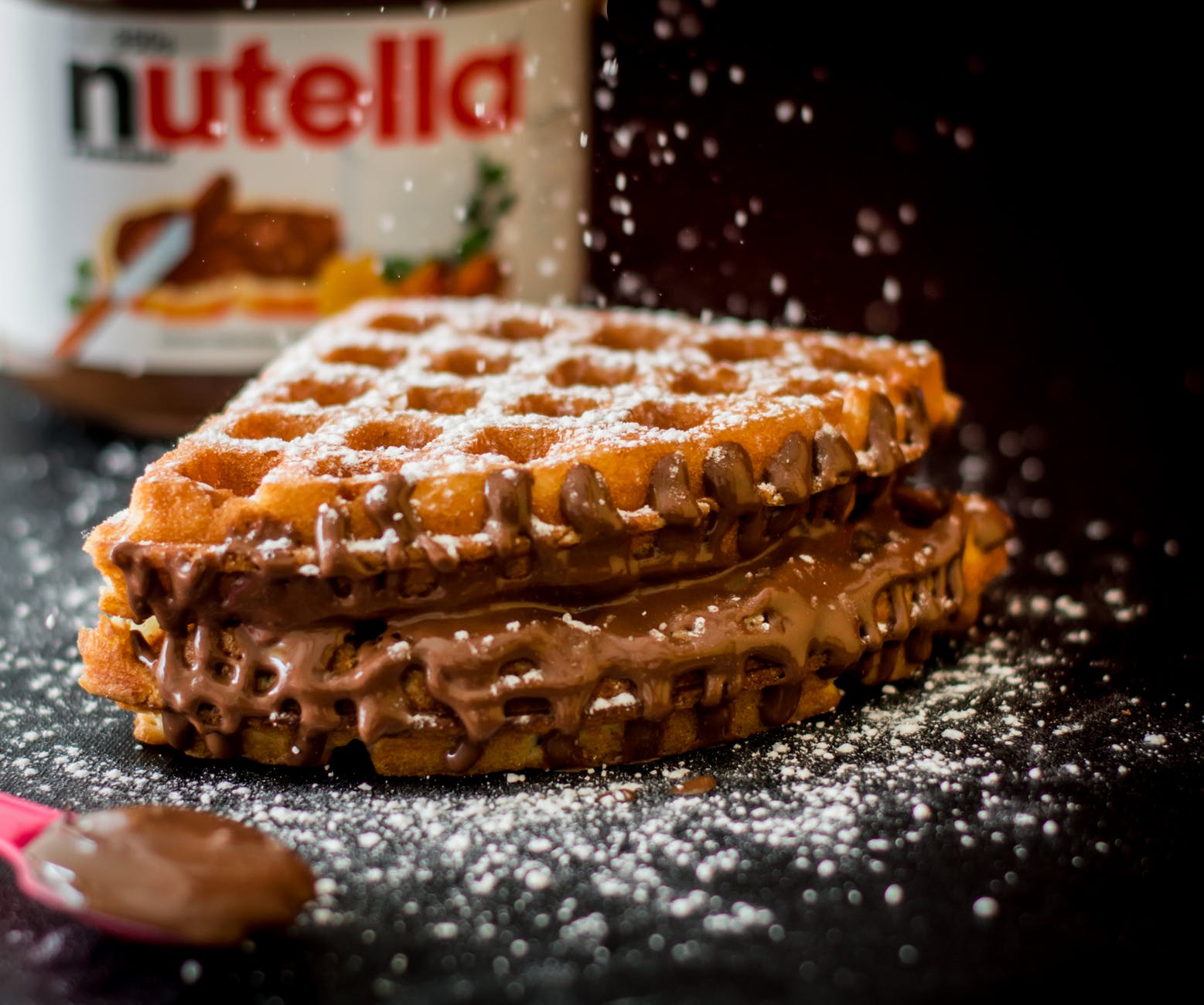
- Chocolate Sauce: Whether drizzled or poured, it turns your waffle into a decadent treat.
For a savory twist, try melted cheese, ham, or scrambled eggs. If you prefer something indulgent, add caramel drizzle or a scoop of ice cream with nuts and chocolate chips for extra texture. These variations offer numerous ways to enjoy waffles, making each bite a pleasant experience.
Modern Trends
Elevating your waffle experience starts with traditional toppings, but modern twists now cater to diverse tastes and dietary needs. In Chicago, innovative waffle options blend classic Belgian recipes with gluten-free and vegan alternatives, making it easier for everyone to enjoy this popular dish.
Savory waffles are gaining traction, featuring toppings like smoked salmon or pulled pork. These combinations offer a variety of flavors for those who prefer something beyond sweet. For those with a sweet tooth, dessert waffles such as waffle sundaes and layered cakes are trending, offering a new take on classic treats.
The rise of food trucks and street vendors specializing in waffles has made them more accessible. You can find these mobile eateries at local events and festivals, making it easy to enjoy a waffle on the go. Social media has also boosted this trend, showcasing creative toppings and unique presentations that inspire waffle enthusiasts worldwide.