Does milk instead of water make pancakes better? A culinary comparison
Making pancakes is a beloved breakfast tradition. Many people wonder if using milk instead of water can improve their pancakes. The answer is yes - milk can make your pancakes better in several ways.
Using milk instead of water in pancake batter creates fluffier, more flavorful pancakes with a richer texture. The proteins and fats in milk help form a more stable structure as the pancakes cook. This leads to lighter, airier pancakes compared to those made with just water.
Milk also adds nutrients like calcium to pancakes. It enhances browning, giving pancakes an appealing golden color. The slight sweetness of milk brings out more flavor in the pancakes too. While water can work in a pinch, milk is the best choice for tasty, tender pancakes that everyone will enjoy.
The Role of Liquids in Pancake Batter
Liquids play a key part in making pancake batter. They mix with dry ingredients to form the batter and affect how pancakes turn out.
Hydration of Flour
Liquids help flour absorb moisture. This process is called hydration. When liquid meets flour, it starts to form gluten. Gluten gives structure to pancakes. The type of liquid used impacts hydration. Water hydrates flour quickly. Milk takes longer but adds flavor and nutrients. The fat in milk also slows gluten formation. This can lead to more tender pancakes.
Proper hydration is vital. Too little liquid makes thick, dry batter. Too much creates runny batter that spreads too thin on the griddle.
Consistency and Texture
Liquids shape how thick or thin pancake batter becomes. They also affect the final texture of cooked pancakes. Water makes thinner batter. It results in flatter, crisper pancakes. Milk creates thicker batter and fluffier pancakes. The proteins in milk help trap air bubbles. This leads to a lighter texture.
Batter consistency impacts how pancakes cook. Thick batter makes tall, cake-like pancakes. Thin batter spreads more, creating wider, flatter pancakes. The choice of liquid can change pancake flavor too. Water is neutral. Milk adds a subtle richness. Some cooks use other liquids like buttermilk or plant-based milks for unique tastes and textures.
Comparing Milk and Water
Milk and water affect pancakes differently. They change how fluffy, nutritious, and tasty pancakes turn out. Let's look at how each liquid impacts the final product.
Effects on Pancake Fluffiness
Milk makes pancakes fluffier than water. The proteins in milk help trap air bubbles, creating a lighter texture. Milk also adds fat, which makes pancakes tender. Water-based pancakes are often thinner and less fluffy. They lack the extra proteins and fats that milk provides. This can lead to a denser pancake.
Some people mix milk and water to get the best of both worlds. This can create a balance between fluffiness and a lighter texture.
Nutritional Differences
Milk adds more nutrients to pancakes than water. It contains protein, calcium, and vitamins. These extras boost the nutritional value of the final product. Water doesn't add any nutrients. It just helps mix the dry ingredients. Pancakes made with water have fewer calories and less fat than those made with milk.
Here's a quick comparison:
| Nutrient | Milk | Water |
|---|---|---|
| Protein | Yes | No |
| Calcium | Yes | No |
| Calories | More | Less |
Taste and Flavor Profiles
Milk enhances the flavor of pancakes. It adds a rich, creamy taste that many people enjoy. The natural sugars in milk also bring out a slight sweetness. Water-based pancakes have a more neutral taste. They let other ingredients like vanilla or fruit stand out more. Some people prefer this lighter flavor.
Milk can mask subtle flavors in pancake batter. Water allows delicate tastes to shine through. The choice between milk and water often comes down to personal taste preferences.
Types of Milk in Pancakes
Milk plays a big role in making tasty pancakes. Different types of milk can change how pancakes taste and feel. Let's look at some milk options for pancakes.
Cow's Milk Variants
Whole milk gives pancakes a rich, creamy taste. It has fat that makes pancakes soft. Skim milk has less fat but still works well. It makes lighter pancakes. Some people like flavored milk in pancakes. Vanilla milk adds a sweet flavor. Chocolate milk makes chocolate pancakes. Strawberry milk creates pink, fruity pancakes.
Heavy cream is very thick. It makes extra rich pancakes. But it's high in fat, so many people use it sparingly.
Plant-Based Milk Alternatives
Almond milk is a popular choice for pancakes. It has a light, nutty flavor. Soy milk is another good option. It has protein that helps pancakes stay together. Other plant milks work too. Oat milk makes fluffy pancakes. Coconut milk adds a tropical taste. Rice milk is very light.
These milk alternatives are good for people who don't eat dairy. They often have calcium and vitamin D added.
Other Milk Derivatives
Yogurt can replace milk in pancakes. It makes them tangy and thick. Greek yogurt adds extra protein. Buttermilk is great for pancakes. It makes them light and fluffy. The acid in buttermilk helps pancakes rise. Kefir is like thin yogurt. It adds a slight sour taste to pancakes. It's full of good bacteria too.
These options can make pancakes more interesting. They add new flavors and textures to try.
Improving Pancake Taste and Texture
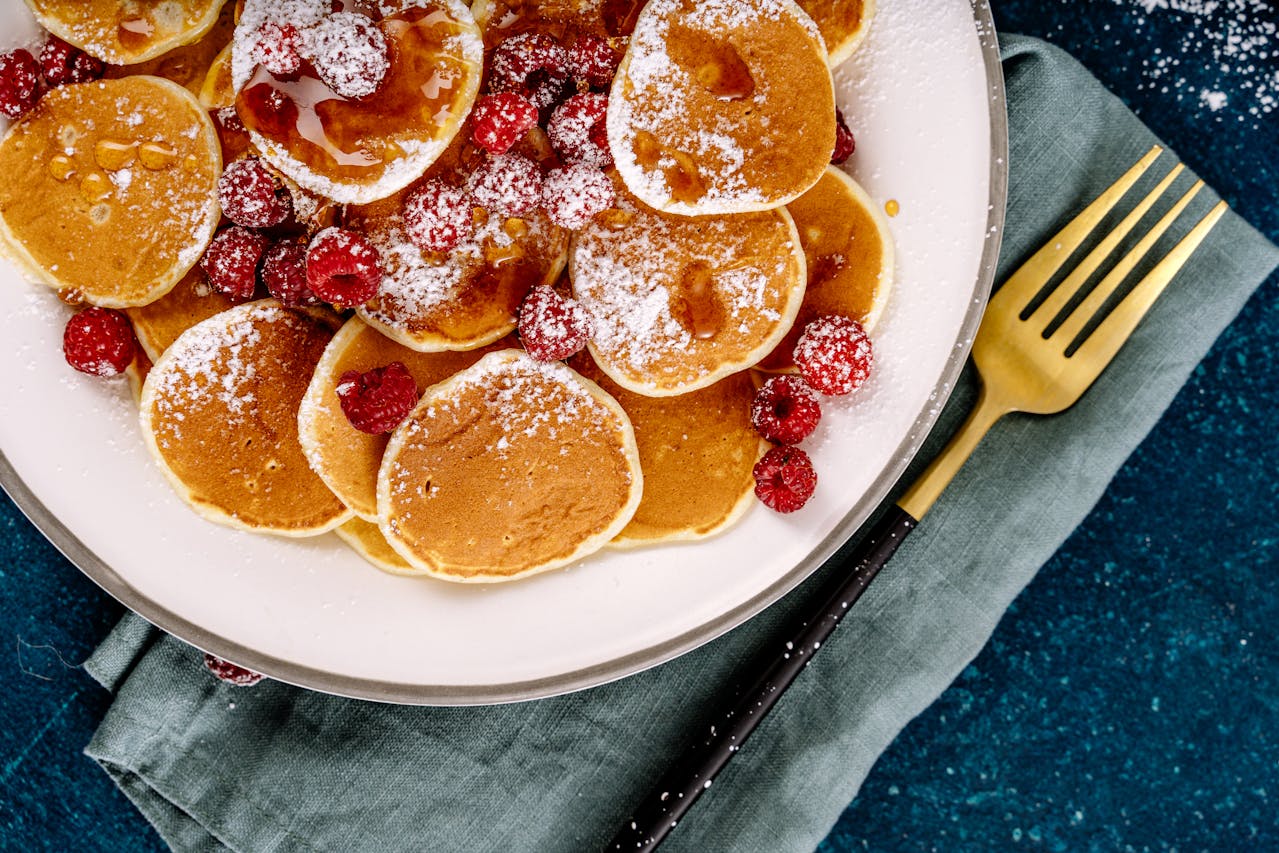
Milk can make pancakes taste better and have a nicer texture. It adds flavor and richness. There are a few key ways to make pancakes even yummier and fluffier.
Incorporating Sweetness
Adding sugar to pancake batter makes them tastier. Use about 1-2 tablespoons of sugar per cup of flour. Brown sugar gives a deeper flavor. You can also add vanilla extract or cinnamon for extra sweetness. Try putting fruit in the batter. Blueberries or sliced bananas work well. Chocolate chips are another tasty option for sweet pancakes.
Maple syrup isn't just for topping. Mix a little into the batter for added sweetness throughout.
Achieving Tender and Airy Pancakes
For soft, fluffy pancakes, don't overmix the batter. Stir just until the big lumps are gone. Some small lumps are okay. Let the batter rest for 5-10 minutes before cooking. This helps make the pancakes lighter.
Use buttermilk instead of regular milk. The acid makes pancakes more tender. If you don't have buttermilk, add a tablespoon of vinegar or lemon juice to regular milk. Separate the eggs and whip the whites. Fold them in gently at the end for extra fluffiness.
The Cooking Process
Use a non-stick pan or griddle. Heat it over medium heat. Put a little butter or oil on the cooking surface. Wipe off excess with a paper towel.
Pour about 1/4 cup of batter for each pancake. Cook until bubbles form on top. Flip once and cook until golden brown on both sides. Don't press down with the spatula.
Keep pancakes warm in a low oven while cooking the rest. This prevents them from getting cold and soggy.
Special Considerations
Pancake lovers with dietary restrictions or preferences have options beyond using regular milk. There are ways to make delicious pancakes for different needs and tastes.
Lactose Intolerance and Allergies
People who can't have dairy need to be careful when making pancakes. Lactose intolerance and milk allergies are common. Luckily, there are many milk substitutes that work well in pancake recipes.
Plant-based milks like almond, soy, oat, and coconut milk can replace regular milk. These options often have a similar texture to dairy milk. They also add unique flavors to pancakes.
For those with severe allergies, it's key to check all ingredients. Some pancake mixes may contain milk powder or other dairy products. Making pancakes from scratch allows for full control over ingredients.
Making Pancakes without Milk
It's possible to make tasty pancakes without any milk at all. Water can work as a basic substitute in many recipes. This results in lighter, less rich pancakes.
To add flavor without milk, try these tips:
- Use extra eggs for richness
- Add a bit more oil or melted butter
- Mix in mashed banana or applesauce for moisture
Homemade pancakes without milk can still be fluffy and delicious. The key is to adjust other ingredients to make up for the missing milk.
Alternative Liquids for Pancakes
Beyond milk and water, other liquids can make pancakes more interesting. Fruit juices can add natural sweetness and flavor. Apple or orange juice work well in many recipes.
Some unique options to try:
- Coconut water for tropical flair
- Coffee for a morning boost
- Tea for subtle flavor notes
When using alternative liquids, keep in mind they may change the pancake's texture and taste. It's best to start with small amounts and adjust as needed. Buttermilk is another popular choice. It makes pancakes tangy and tender. For a quick substitute, mix regular milk with a little lemon juice or vinegar.
Conclusion
Milk makes pancakes better than water in most cases. It adds richness, flavor, and a softer texture to this breakfast staple. The proteins in milk help create a golden-brown color.
Using milk also boosts the nutritional value of pancakes. It adds calcium and other nutrients not found in water. For extra tang, buttermilk is a great choice. It reacts with baking soda to make fluffy pancakes.
Most pancake recipes and mixes work well with milk instead of water. The fat content helps prevent tough, chewy pancakes. To achieve pancake perfection, milk is often the superior liquid. It enhances both taste and texture compared to plain water.
For those avoiding dairy, plant-based milks can provide similar benefits. They add flavor and richness like dairy milk. In the end, milk-based pancakes tend to be more delicious and satisfying. They offer a richer breakfast experience than water-based versions.