Crepes Trivia: Fun Facts You Didn’t Know About Pancakes Revealed

Did you know that in France, Candlemas Day, also known as La Chandeleur, is celebrated with the making and enjoying of crepes? This tradition symbolizes prosperity for the coming year, as the round and golden crepes resemble the sun and its returning warmth. Crepes are not just a French delight; they are loved and enjoyed worldwide, with both sweet and savory fillings.
Crepes, thin pancakes that originated in France, have become a favorite across the globe. Made from a simple batter of flour, eggs, milk, and a pinch of salt, these versatile treats can be tailored to suit any palate. Whether filled with Nutella and banana for a sweet treat or ham and cheese for a savory bite, crepes offer endless possibilities.
An interesting belief in France is that if your first crepe isn't perfect, tossing it or giving it to your pet ensures good luck and fortune for the year. Crepes also have cultural significance beyond just being a tasty dish; they embody traditions and superstitions that add to their charm. From their humble beginnings to the sophisticated Mille Crepe Cake, these delicate pancakes have a fascinating history worth exploring.
The Historical Ties of Crepes

Crepes boast an intriguing history that traces back to ancient times. They have been enjoyed by various cultures across the globe, each adding its unique twist.
Ancient Roots and Roman Origins
Crepes draw their earliest roots from ancient Rome. In Latin, they were known as "crispa," meaning curled. Roman cooks expertly prepared thin pancakes by pouring batter onto a hot griddle. They enjoyed these with honey or fruits.
As the Roman Empire expanded, this culinary tradition spread. Romans brought their pancake-making methods to Gaul (modern-day France). Over time, the local inhabitants adapted these techniques. This laid the groundwork for what would become the crepes we know today.
Crepes in French Culture
Crepes have become deeply embedded in French culture. Their introduction in Brittany, a region in northwest France, marked the beginning of widespread popularity. Traditionally, buckwheat flour was used to make savory crepes known as "galettes."
The French celebrate "La Chandeleur" on February 2nd, a day dedicated to crepes. Symbolically, it's linked to hope and fortune. French households believe flipping a crepe in a frying pan with a coin in the other hand ensures wealth.
Exporting Tradition: Crepes Around the World
Crepes have traveled far beyond French borders. In the United States, they have become a trendy brunch item, often filled with Nutella or fresh fruit.
In Russia, "blini" are similar to crepes and often feature in festive meals. South Africa enjoys them with cinnamon sugar, while India offers versions made with lentil and rice batter, such as "dosa." The British also indulge in "pancake day" celebrations, enjoying thin pancakes with lemon and sugar.
Crepes have cemented their place globally, evolving with each culture they touch.
Culinary Aspects of Crepes
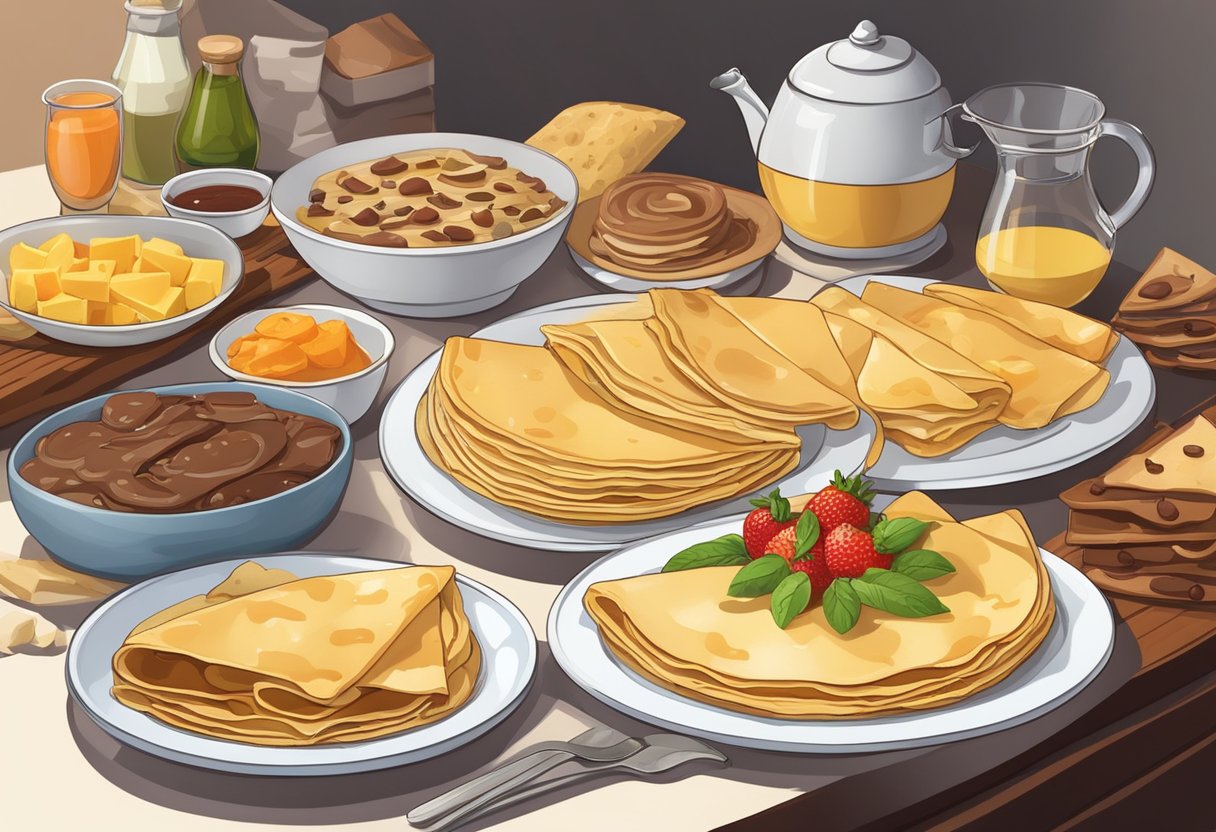
Crepes are thin, versatile pancakes with a rich culinary history. From their basic ingredients to their wide range of fillings, crepes are cherished by food lovers around the world. This section explores the essential elements that make crepes unique and delicious.
Basic Ingredients and Variants
A traditional crepe batter typically includes eggs, flour, milk, salt, and butter. The combination results in a smooth, thin consistency. For people with dietary restrictions, recipes can be adapted using gluten-free flours, such as buckwheat flour, which is often used in savory crepes.
Sweet crepes usually use wheat flour, while savory variations can feature buckwheat. There are also recipes for vegan crepes that replace eggs and milk with substitutes like flaxseed and almond milk.
Crepes vs Pancakes: The Texture Debate
Crepes and pancakes may seem similar, but their textures set them apart. Crepes are much thinner and more pliable compared to the fluffy and thicker texture of traditional pancakes. This thinness comes from the higher ratio of liquid to flour in the batter. The crepe's delicate texture makes it perfect for rolling or folding around various fillings. In contrast, pancakes are generally served stacked with toppings poured over them.
From Savory to Sweet: Versatile Fillings
Crepes can be filled with an endless array of ingredients, making them suitable for any meal. Sweet crepes are often filled with Nutella, jam, fruits, or chocolate. Popular toppings include powdered sugar, whipped cream, or a drizzle of syrup.
Savory crepes may include ingredients like cheese, ham, vegetables, or eggs. In France, savory crepes (also known as galettes) often feature buckwheat flour and fillings such as spinach, mushrooms, and goat cheese.
Art of Crepe Cooking
Making perfect crepes requires a bit of skill and practice. The batter should be poured into a hot, lightly oiled frying pan and spread evenly. A crepe pan or griddle, which has low sides, can be handy for this process.
The secret to thin crepes lies in quickly swirling the pan to spread the batter. Cooking usually takes about one to two minutes per side. Mastering the flip is a valued skill among crepe enthusiasts and chefs alike. Proper technique ensures an even cook and the delicate texture crepes are known for.
Understanding these key aspects can transform anyone into a crepe connoisseur, whether they prefer sweet or savory flavors.
Crepes in Cultural Celebrations
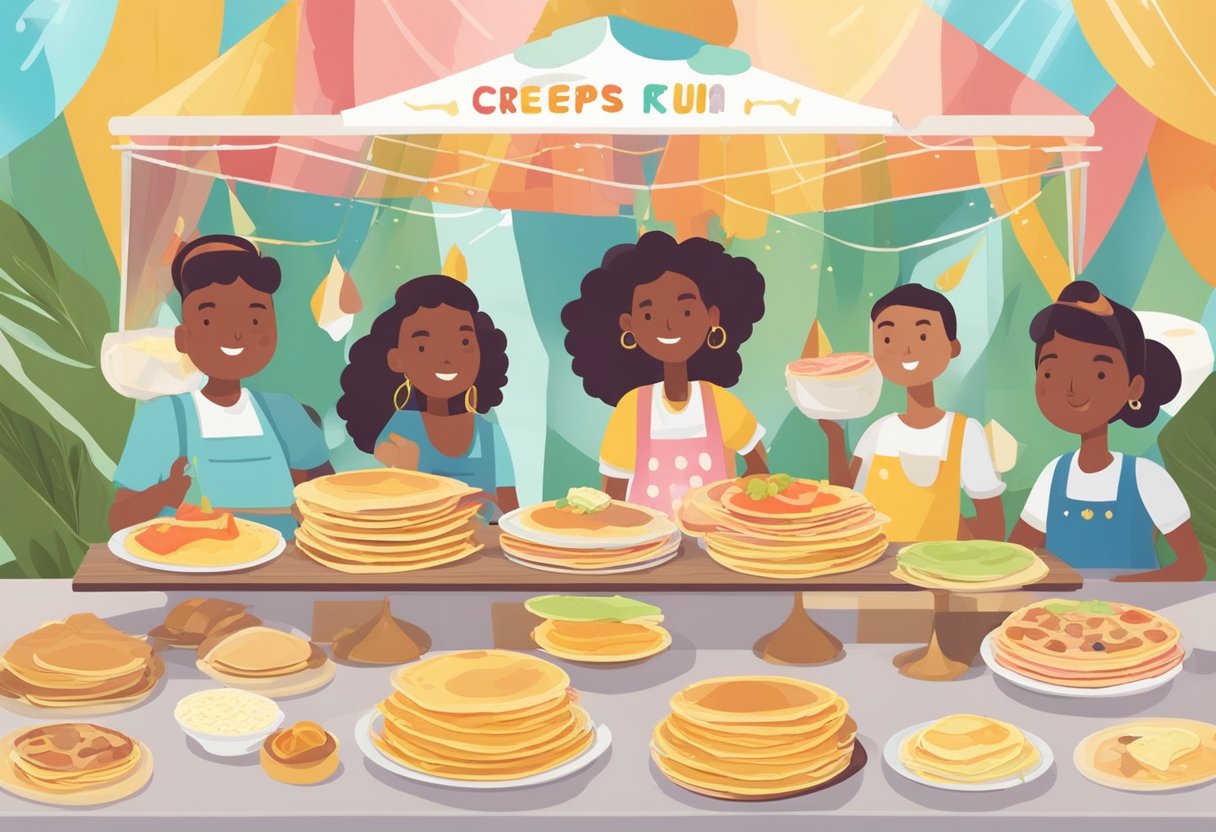
Crepes play a major role in French culture, especially during various festivals and celebrations. They are linked with religious events, superstitions, and traditions that mark the passage of seasons and important dates.
La Chandeleur and Mardi Gras: Crepes in Festivals
La Chandeleur, also known as Candlemas, is celebrated on February 2nd. On this day, it's a tradition in France to eat crepes. The practice is tied to pagan and Christian rituals celebrating the arrival of spring. Making crepes is believed to bring good luck and prosperity.
Mardi Gras, or Fat Tuesday, marks the day before Lent starts. In many cultures, this day is celebrated with feasts, and in France, crepes are a popular choice. Crepe stands pop up in cities, and people enjoy both sweet and savory varieties. The tradition involves finishing all rich foods, like oils and butter, before Lent's fasting period begins.
Crepe Day Traditions: From Religion to Superstition
During La Chandeleur, there are superstitions about flipping crepes. One popular belief is that if a person successfully flips a crepe while holding a coin in their other hand, they will be prosperous throughout the year. This blend of cooking and ritual adds a playful element to the celebration.
Crepes also appear in tales and legends. One legend suggests that if you do not eat crepes on February 2nd, your wheat will spoil. This highlights crepes’ important place in both food culture and agricultural superstitions. Such customs show how deeply rooted crepes are in traditions and daily life, extending beyond just a favorite dish to a symbol of fortune and festivity.
Serving and Enjoyment of Crepes
Crepes can be enjoyed in various ways, from basic presentations with simple toppings to more elaborate pairings that enhance their flavors. This section will explore how to serve crepes attractively and what complements best elevate their taste.
Setting the Plate: Presenting Crepes
Presentation plays a crucial role in the enjoyment of crepes. To create an appealing dish, start with a neatly folded or rolled crepe on a clean, flat plate. A folding method such as the classic triangle or the compact roll can keep the fillings tucked in neatly, whether they're sweet or savory.
Garnishing with a light dusting of powdered sugar or a drizzle of chocolate sauce can add visual appeal. Fruits like strawberries, bananas, and blueberries not only add color but also complement the flavors of the crepes. For a bit of elegance, consider adding a dollop of whipped cream or a scoop of ice cream on the side.
Pairings and Complements: Enhancing Crepe Flavors
The versatility of crepes allows for a range of pairings. For sweet crepes, popular fillings and toppings include Nutella, honey, maple syrup, and fresh fruits like berries. A sprinkle of vanilla extract or cinnamon can also enhance the flavor profile.
For savory options, fillings such as ham, cheese, and spinach provide a hearty meal. Traditional French galettes, which are savory buckwheat crepes, often pair well with cider. Adding a side salad or a glass of wine can make the meal more substantial. By paying attention to how crepes are presented and paired, one can make even the simplest crepe a delightful treat.
Modern Crepe Movements
Crepes have evolved significantly from their traditional roots, embracing modern health trends and gaining widespread popularity as accessible street food.
Health Trends: Crepes with a Nutritional Twist
In recent years, health-conscious consumers have driven new trends in crepe recipes. Traditional crepes made with white flour and sugar are now being reimagined with healthier ingredients.
Gluten-free and whole grain flours are increasingly used, making crepes suitable for those with dietary restrictions. Buckwheat crepes, or "galettes," are a popular gluten-free option stemming from Brittany, France.
Many recipes also incorporate low-fat and plant-based ingredients to cater to vegans and those looking to reduce their fat intake. Fresh fruits, nuts, and seeds are often added as wholesome fillings, enhancing both taste and nutritional value.
Crepes as Street Food: Accessibility and Popularity
Crepes have become beloved street food across the world, showcasing their versatility and accessibility. Creperies, small stands or restaurants specializing in crepes, are common in many cities. They offer various savory and sweet options, making crepes an ideal meal or snack for all tastes.
The thin pancakes are cooked quickly on a crepe pan or griddle, allowing vendors to serve customers efficiently. This speed and adaptability contribute to their popularity among busy urban dwellers. The flavors range from classic lemon and sugar to more adventurous combinations like ham and cheese or Nutella and banana, reflecting the diverse culinary culture.
Fun and Little-Known Facts About Crepes
Crepes are versatile and popular all over the world. They originated in Brittany, a region in northwestern France. Traditional Breton crepes, known as galettes, are made with buckwheat flour and are usually savory. Crepes can be sweet or savory, depending on the filling. The sweet ones, often made with white flour, are called crêpes sucrées.
In Eastern Europe, similar thin pancakes are known as blini. They’re often enjoyed with caviar and sour cream. Japan has its own twist on crepes, known as mille crepe. These are delicate, paper-thin pancakes layered to create a cake. Crepes can be made gluten-free. This makes them accessible to people with dietary restrictions.
Here's a quick breakdown of crepes:
| Type | Flour Used | Typical Fillings |
|---|---|---|
| Crêpe sucrée | White wheat flour | Fruits, chocolate, whipped cream |
| Galette | Buckwheat flour | Ham, cheese, eggs |
Crepe-making is an art. Mastering the perfect flip is an important skill. In some places, there's even a pancake race. Participants run while flipping a crepe in a pan. Crepes are great for gatherings. Friends and family can enjoy making and eating them together. Each crepe can be a blank canvas. The possibilities for fillings and toppings are endless.