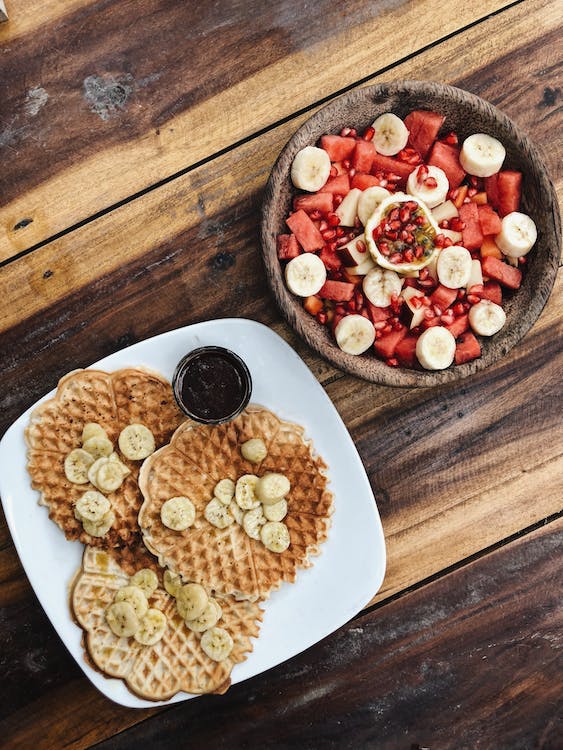
Are pancakes healthy or unhealthy? Examining their nutritional impact

Pancakes are a beloved breakfast food enjoyed by many, but their nutritional value is often debated. These fluffy, golden discs can be part of a balanced diet when made with wholesome ingredients and eaten in moderation. Typical pancakes made from store-bought mixes are not considered a healthy breakfast option due to their high calorie and sugar content.
Homemade pancakes offer more control over ingredients and can be a smarter choice. By using whole grain flour, adding fruits or nuts, and limiting sugary toppings, pancakes can become more nutritious. The key lies in portion control and mindful preparation methods.
Compared to other breakfast options like eggs, pancakes tend to be higher in carbohydrates and lower in protein. A serving of two medium pancakes contains about 27 grams of carbs and 8 grams of fat. To boost the nutritional profile, consider pairing pancakes with protein-rich sides or toppings.
Pancakes in a Nutritional Context
Pancakes are a popular breakfast food, but their nutritional value depends on ingredients and toppings. The traditional recipe and common additions can affect the overall health impact of this classic morning meal.
What Constitutes Traditional Pancakes?
Traditional pancakes are made with white flour, eggs, milk, and a leavening agent. They're often cooked on a griddle with butter or oil. This basic recipe is high in carbohydrates and calories, but low in fiber and protein.
White flour is refined, which means it lacks many nutrients found in whole grains. The batter may also contain added sugar, increasing the calorie content.
Toppings like butter and syrup add more calories and sugar. A typical serving of pancakes with syrup can have 500-600 calories.
The Role of Pancakes in Breakfast
Pancakes are often seen as a treat rather than an everyday breakfast. They provide quick energy from carbs but may not keep you full for long. The high sugar content from syrup can cause a rapid spike in blood sugar. This may lead to a crash later, making you feel hungry again soon after eating.
Pancakes alone don't offer a balanced breakfast. They lack protein and fiber, which are important for feeling full and steady energy. Adding fruit, nuts, or yogurt can improve their nutritional value.
For a healthier option, some people make pancakes with whole wheat flour or add oats. These changes increase fiber content and slow down digestion.
Assessing Nutritional Profile
Pancakes contain a mix of macronutrients and some micronutrients. Their nutritional value varies based on ingredients and preparation methods.
Macronutrient Breakdown
A medium 5-inch pancake has about 93 calories. It provides 15 grams of carbohydrates, 2 grams of protein, and 2 grams of fat. Carbs make up most of the calories in pancakes. They give quick energy but can cause blood sugar spikes.
Protein content is low. Adding eggs or milk to the batter can boost protein slightly. Fat content is also low, but toppings like butter increase it fast. Fiber is lacking in most pancake recipes. Whole grain flours can add some fiber. A large 7-inch pancake may have 1 gram of fiber.
Vitamin and Mineral Content
Pancakes offer some vitamins and minerals, but amounts are small. They contain B vitamins like thiamin and riboflavin. These help turn food into energy. Iron is present in small amounts. It helps carry oxygen in the blood. Calcium may be found if milk is used in the batter.
Sodium levels can be high, especially in premade mixes. Too much sodium may raise blood pressure in some people. Pancakes lack many key vitamins and minerals. Adding fruit toppings can boost nutrient content. Berries add vitamin C and antioxidants. Nuts provide healthy fats and minerals.
Health Implications of Pancake Ingredients
Pancake ingredients can have various effects on health. The type of flour, sugar content, and added fats all play a role in the nutritional value of pancakes.
Whole Grains vs. Refined Flour
Whole grain flour offers more nutrients than refined white flour. It has more fiber, vitamins, and minerals. Fiber helps with digestion and feeling full. Refined flour lacks these benefits. White flour is stripped of its bran and germ. This process removes many healthy parts. Whole wheat flour keeps all parts of the grain. This makes it a better choice for pancakes.
Pancakes made with whole grains may help control blood sugar. They can also lower the risk of heart disease. Refined flour can cause quick spikes in blood sugar levels.
Sugar and Fat Content Concerns
Many pancake recipes include added sugar and fats. These can increase calories without adding nutrients. Too much sugar can lead to weight gain and tooth decay.
Butter and eggs add fat to pancakes. Some fats are needed for health, but too much can be bad. Saturated fats from butter may raise cholesterol levels.
Here's a quick look at typical pancake ingredients:
- Sugar: Adds sweetness but no nutrients
- Butter: High in calories and saturated fat
- Eggs: Provide protein but also fat
- Milk: Offers calcium and protein
Using less sugar and choosing healthier fats can make pancakes better for you. Maple syrup and other toppings also add extra sugar and calories.
Additives and Preservatives
Store-bought pancake mixes often contain additives. These help the mix last longer on shelves. Some common additives include:
- Sodium aluminum phosphate
- Monocalcium phosphate
- Artificial flavors
These additives are safe in small amounts. But some people prefer to avoid them. Making pancakes from scratch lets you control what goes in them.
Preservatives keep mixes fresh longer. They're not always bad, but natural ingredients are often healthier. Reading labels can help you choose mixes with fewer additives.
Diet and Health Considerations
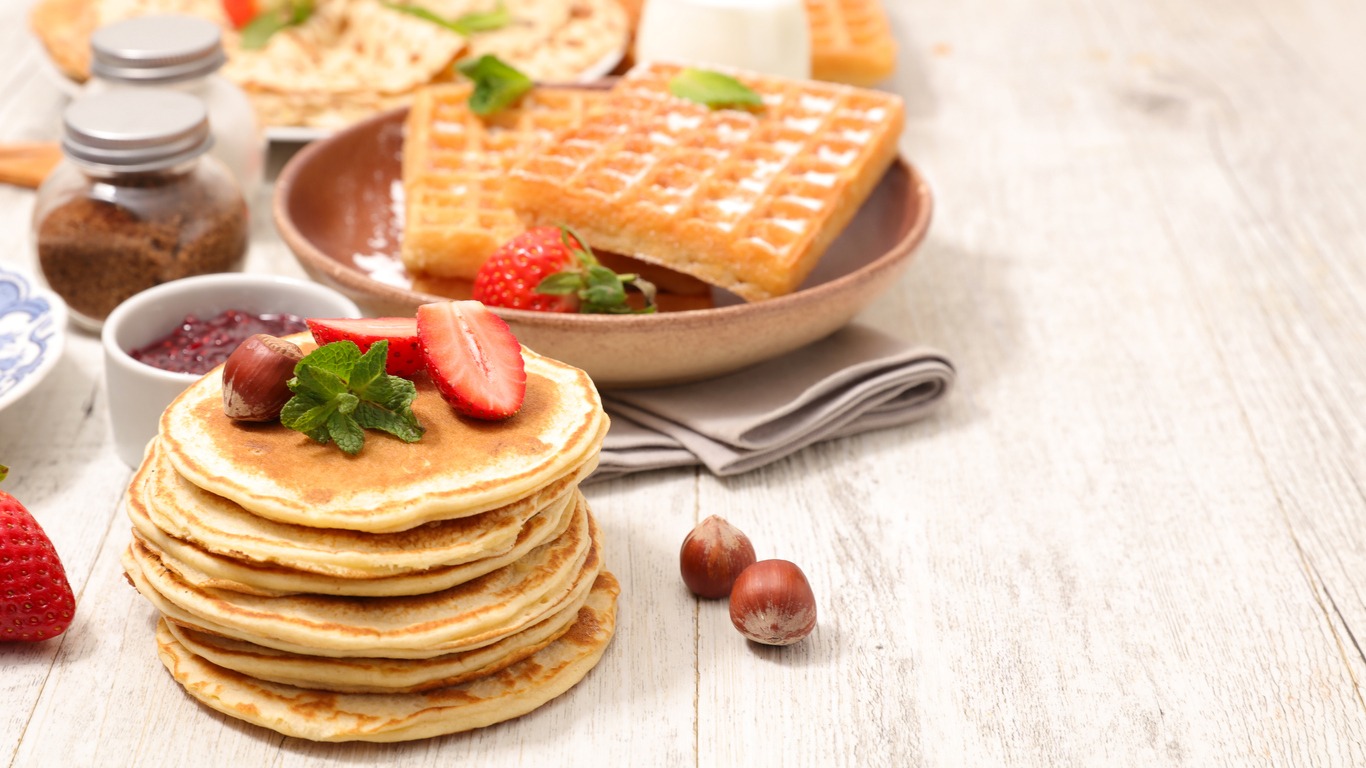
Pancakes can affect blood sugar levels and weight management. Their impact depends on ingredients, portion sizes, and how often they're eaten. Careful choices can make pancakes fit into a balanced diet.
Impact on Blood Sugar
Pancakes can cause rapid spikes in blood sugar. They're made with refined flour and often topped with sugary syrups. This quick rise in glucose can be risky for people with diabetes. Whole grain pancakes are a better option. They have more fiber, which slows down digestion. This leads to a more gradual rise in blood sugar.
Adding protein to pancakes can also help. Eggs or Greek yogurt in the batter will slow down sugar absorption. Topping pancakes with nuts or seeds instead of syrup is another good choice.
Correlation with Obesity and Cardiovascular Health
Eating pancakes often may raise the risk of obesity and heart problems. Many pancake recipes are high in calories, unhealthy fats, and added sugars. Extra weight from too many pancakes can strain the heart. It may lead to high blood pressure and cholesterol issues.
To make pancakes more heart-healthy:
- Use whole wheat flour
- Add fruits for natural sweetness
- Choose healthy toppings like berries or a small amount of pure maple syrup
- Cook with plant-based oils instead of butter
Portion and Serving Size Recommendations
Pancake portion control is key for a healthy diet. A serving is typically 2-3 medium pancakes (about 4-5 inches across).
Tips for sensible pancake servings:
- Use a smaller plate to make portions look bigger
- Fill half the plate with fruit
- Stick to one serving of pancakes per meal
For toppings, limit to 1-2 tablespoons of syrup or nut butter. This helps keep calories in check. Remember, pancakes should be an occasional treat, not a daily breakfast. Balance them with other nutritious meals throughout the week.
Enhancing Health Benefits
Pancakes can be made more nutritious by using wholesome ingredients and smart toppings. Simple swaps and additions can boost fiber, protein, and essential nutrients.
Using Healthier Ingredients
Whole-wheat flour is a great base for healthier pancakes. It adds fiber and nutrients like B vitamins and iron. Buckwheat flour is another good choice. It's gluten-free and rich in antioxidants.
Oats make pancakes filling and heart-healthy. They can be ground into flour or added whole for texture. Nut flours like almond or hazelnut boost protein and healthy fats.
Adding mashed banana or pumpkin puree to batter increases vitamins and natural sweetness. This lets you cut back on added sugar. Cinnamon not only adds flavor but may help control blood sugar.
Adding Nutrient-Dense Toppings
Fresh berries are packed with antioxidants and fiber. Blueberries, strawberries, and raspberries are tasty choices. Sliced bananas add potassium and natural sweetness.
Nuts like almonds, walnuts, and pecans provide protein, healthy fats, and crunch. They help keep you full longer. Seeds such as chia, flax, or pumpkin seeds add omega-3s and minerals.
Greek yogurt is a protein-rich topping that's lower in sugar than syrup. It also adds calcium and probiotics. For extra nutrition, try nut butters or a drizzle of honey instead of sugary syrups.
Recipe Modifications for Special Diets
For gluten-free pancakes, use rice flour, almond flour, or certified gluten-free oats. Xanthan gum helps bind ingredients. Coconut flour is another option, but requires more liquid.
Vegan pancakes can be made with plant-based milk and flax eggs (ground flaxseed mixed with water). Chia seeds also work as an egg substitute. For low-carb diets, try almond or coconut flour pancakes. Adding protein powder can boost nutrition and lower carbs. Stevia or monk fruit sweetener can replace sugar.
Keto pancakes often use cream cheese and eggs as a base. Almond flour or coconut flour keeps them low-carb. Berries in small amounts can add flavor without too many carbs.
Preparation Techniques for Healthier Pancakes
Making pancakes healthier starts with smart cooking methods and mindful serving. Small changes can boost nutrition while keeping the taste you love.
Cooking Methods to Reduce Unhealthy Fats
Use a non-stick pan or griddle to cut down on added fats. Spray the pan lightly with cooking spray instead of butter or oil. This keeps pancakes from sticking while reducing extra calories.
Choose whole grain flours like whole wheat or oat flour. These add fiber and nutrients. Mix in ground flaxseed, chia seeds, or hemp seeds for extra omega-3s. Add mashed banana or applesauce to replace some of the oil in your batter. This cuts fat while adding natural sweetness and moisture.
Cook pancakes on medium heat until bubbles form on top. Flip once to avoid overcooking and drying out.
Portion Control While Serving
Make smaller pancakes using 1/4 cup of batter per pancake. This helps control portions and cooking time. Stick to 2-3 pancakes per serving. Fill your plate with fresh fruit on the side for a balanced meal.
Skip sugary syrups. Top pancakes with fresh berries, sliced bananas, or a dollop of Greek yogurt. If you use syrup, choose pure maple syrup and limit it to 1-2 tablespoons. Spread nut butter on pancakes for protein and healthy fats. This makes the meal more filling without extra pancakes.
Alternatives to Traditional Pancakes
Pancake lovers can enjoy healthier versions of this breakfast favorite. These alternatives offer more nutrition and cater to different dietary needs.
Gluten-free and Vegan Variations
Gluten-free pancakes use flours like almond, coconut, or oat. These options are good for people with gluten sensitivities. Oat flour pancakes are easy to make and taste great. Vegan pancakes skip eggs and dairy. They use plant-based milk and flax eggs instead. These swaps make pancakes suitable for those following a vegan diet.
Both types can be just as fluffy and tasty as regular pancakes. They often have more fiber and nutrients too. Adding fruits or nuts can boost their health value even more.
Pancakes with Vegetable and Fruit Bases
Vegetable-based pancakes are a clever way to sneak in more nutrients. Pumpkin pancakes are popular in fall. They're packed with vitamin A and fiber. Zucchini or carrot pancakes add moisture and natural sweetness. They're a good way to use up extra veggies.
Fruit-based pancakes like banana or apple are naturally sweet. This means less added sugar is needed. Blueberry pancakes are a classic choice. They're full of antioxidants.
These pancakes often have less flour, making them lower in carbs. They're a tasty way to eat more fruits and veggies at breakfast.