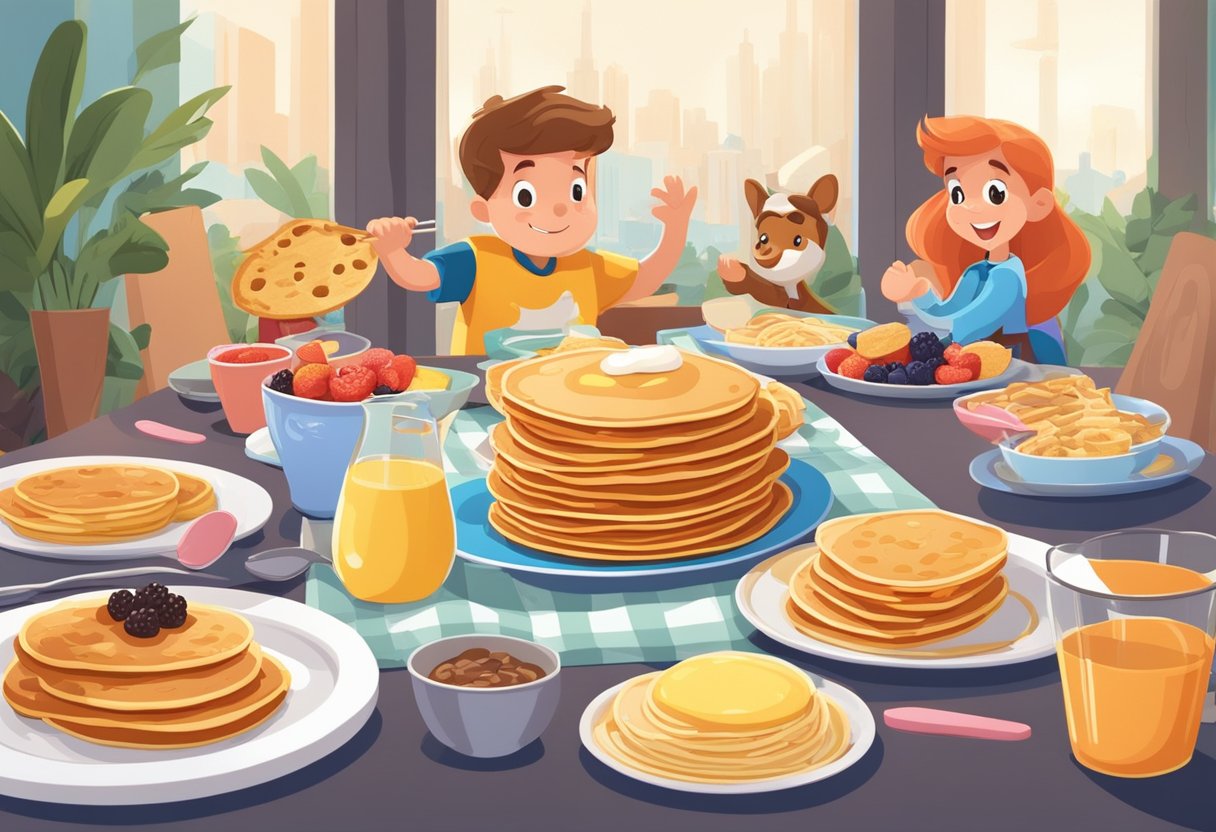
Are pancakes better than eggs? A nutritional and culinary comparison
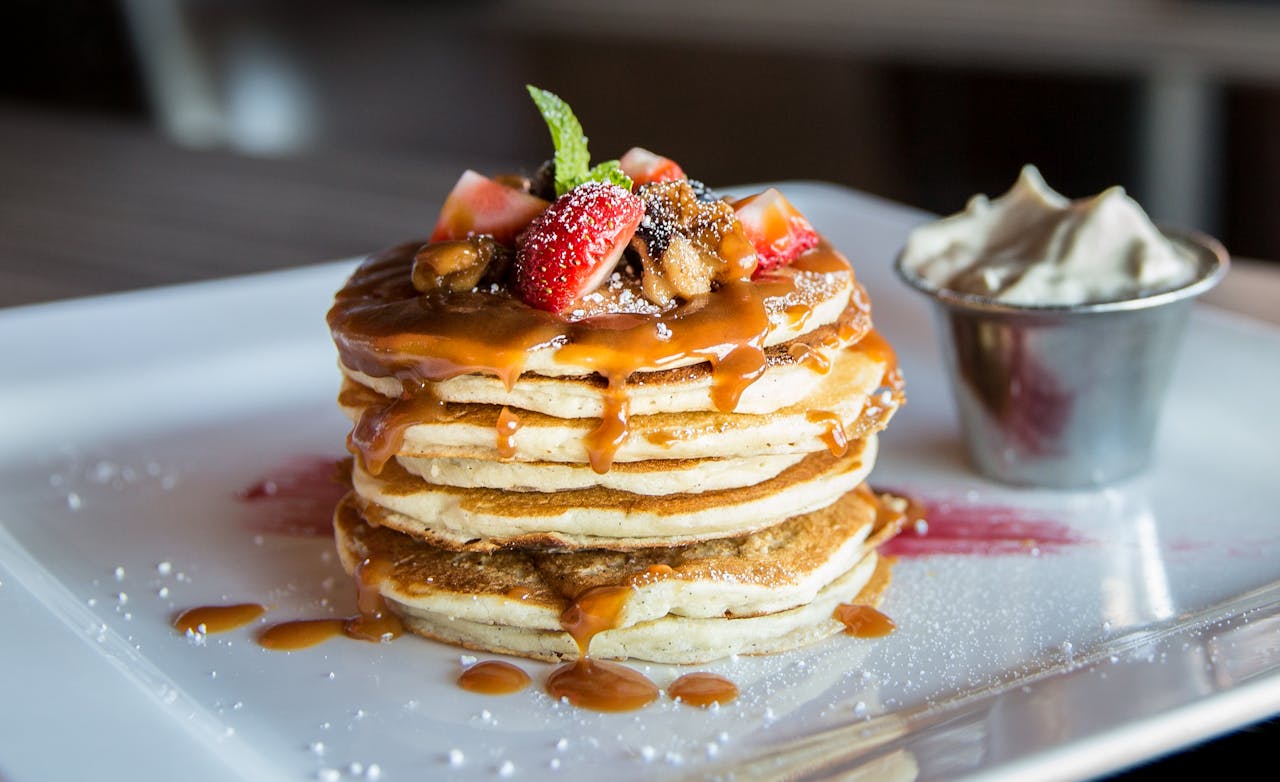
Pancakes and eggs are both popular breakfast choices, but they have different nutritional profiles. Eggs provide high-quality protein and essential nutrients like vitamin D and choline. Pancakes, on the other hand, are usually made with refined flour and sugar, which can cause blood sugar spikes.
While eggs are generally considered a healthier option than pancakes for breakfast, the overall nutritional value depends on how they're prepared and what toppings are added. Plain eggs cooked with minimal oil or butter are a nutrient-dense food. Pancakes can be made healthier by using whole grain flour and topping them with fresh fruit instead of syrup.
Both foods can fit into a balanced diet when eaten in moderation. The choice between pancakes and eggs often comes down to personal taste preferences and health goals. Adding protein and fiber to either option can help create a more filling and nutritious breakfast meal.
Comparative Nutrition
Pancakes and eggs have different nutritional profiles. They each offer unique benefits and drawbacks in terms of key nutrients.
Proteins and Minerals
Eggs are protein powerhouses. One large egg provides about 6 grams of high-quality protein. Pancakes contain less protein, with only 2 grams per pancake on average. Eggs are rich in minerals. They contain iron, zinc, and selenium. Eggs are especially high in selenium, with one egg providing about 22% of the daily value.
Pancakes have some minerals too. They contain more calcium than eggs. A serving of pancakes has about 219 mg of calcium, while an egg has 50 mg. Phosphorus is found in both foods. Eggs and pancakes each provide this important mineral for bone health.
Vitamins and Antioxidants
Eggs are packed with vitamins. They're a great source of B vitamins, especially B12, B2, and B5. Eggs also contain vitamin A and vitamin D. Pancakes have some vitamins too. They typically contain more vitamin B1 than eggs. But overall, eggs win in the vitamin category.
Both foods can provide antioxidants. Eggs contain selenium and vitamin E, which act as antioxidants in the body. Pancakes made with whole grains may offer some antioxidants as well. The vitamin content can change based on pancake ingredients. Adding fruits or nuts to pancakes can boost their vitamin and antioxidant levels.
Fats and Cholesterol
Eggs are higher in fat and cholesterol than pancakes. One large egg contains about 5 grams of fat and 187 mg of cholesterol. Pancakes are lower in these nutrients. A typical pancake has about 1-2 grams of fat and 30 mg of cholesterol. The type of fat matters too. Eggs contain healthy monounsaturated fats. Pancakes often have more saturated fat, especially if made with butter.
Cholesterol in eggs isn't as bad as once thought. Recent studies show dietary cholesterol doesn't greatly impact blood cholesterol in most people. Cooking methods affect fat content. Frying eggs in butter adds more fat. Using non-stick spray for pancakes keeps fat levels lower.
Fiber and Carbs
Pancakes win in the carb and fiber categories. A typical pancake contains about 18 grams of carbs and 1 gram of fiber. Eggs have almost no carbs or fiber. They're not a good source of these nutrients. The type of flour used in pancakes matters. Whole grain pancakes offer more fiber than those made with white flour.
Fiber is important for digestive health. It helps keep you feeling full and can aid in weight management. Carbs provide quick energy. This makes pancakes a good choice for active people who need fast fuel.
Health Considerations
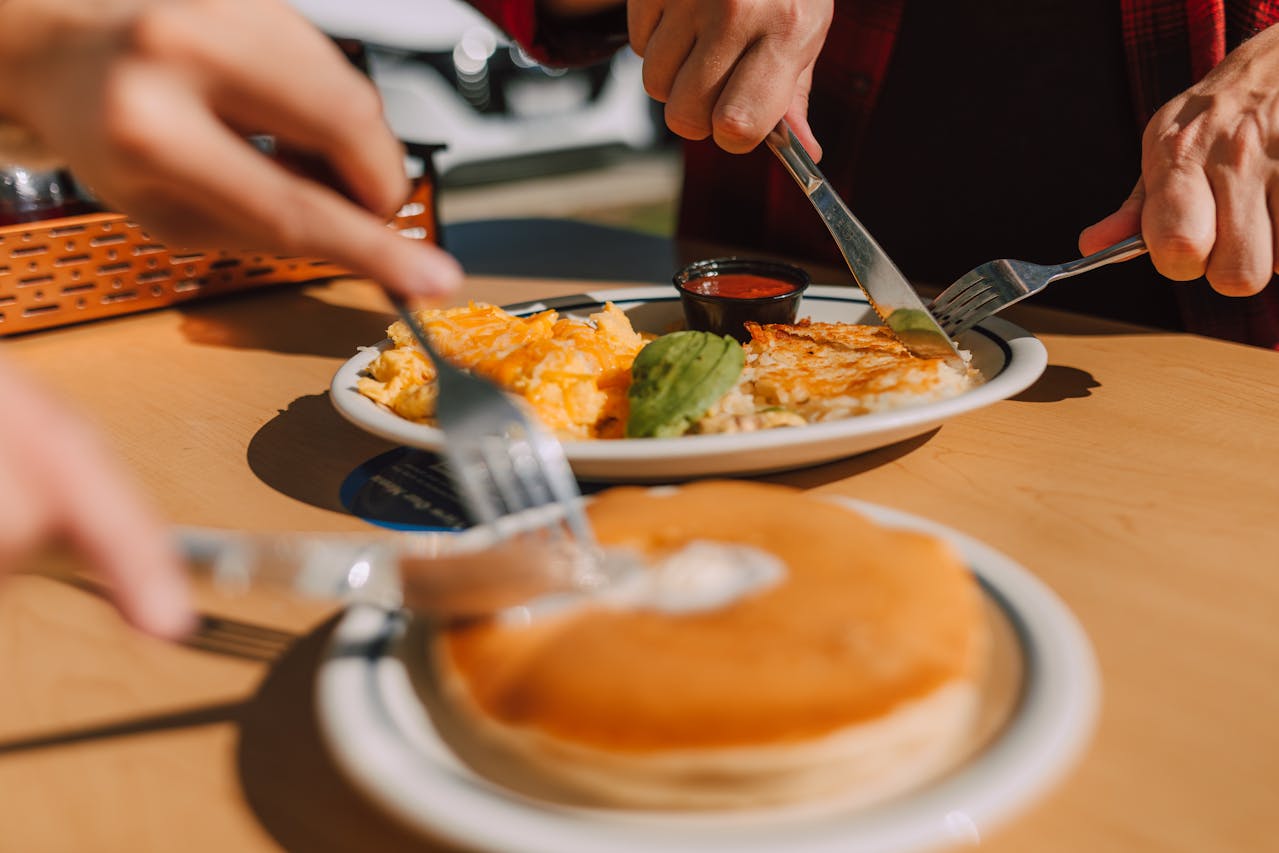
Pancakes and eggs have different effects on health. Their impacts on the heart, blood sugar, and overall diet are important to understand when choosing a breakfast.
Cardiovascular Effects
Eggs contain cholesterol and saturated fat, which may worry some people. One egg has about 2 grams of saturated fat. This is 9% of the daily limit in a 2,000-calorie diet. But eggs also have nutrients that can boost heart health. Pancakes often have less saturated fat per serving. Adding nuts to pancakes can improve their heart benefits. Nuts have healthy fats that may:
- Reduce inflammation
- Improve artery health
- Lower risk of blood clots
- Help control blood pressure
The cooking method matters too. Frying eggs in butter adds more saturated fat. Pancakes made with whole grains are a better choice for heart health than those made with refined flour.
Blood Sugar Impact
Pancakes can cause blood sugar to rise quickly. Most pancakes are made with refined flour and topped with sugary syrups. This combo leads to fast digestion and a rapid blood sugar spike. Eggs have a much smaller effect on blood sugar. They're high in protein and have no carbs. This makes eggs a good choice for steady blood sugar.
To make pancakes better for blood sugar:
- Use whole grain flour
- Add protein-rich toppings
- Choose fruit instead of syrup
Pairing pancakes with eggs can also help balance the meal's effect on blood sugar.
Dietary Balance
A balanced diet includes various nutrients. Eggs shine in this area. They're packed with:
- High-quality protein
- Vitamins (A, D, E, B12)
- Minerals (selenium, zinc)
Eggs have about 6 grams of protein each. Pancakes typically have only 2 grams per serving. Protein helps build muscle and keeps you full longer.
Pancakes can be part of a balanced diet when made with care. Adding fruits for vitamins and nuts for healthy fats improves their nutrition. Whole grain pancakes offer more fiber and nutrients than those made with white flour.
For a nutritious breakfast, consider:
- Combining eggs with a small serving of whole grain pancakes
- Adding veggies to eggs for extra nutrients
- Topping pancakes with Greek yogurt for protein
Variety and Versatility
Pancakes and eggs offer many options for breakfast. Both can be customized to suit different tastes and dietary needs.
Diverse Pancake Types
Pancakes come in many forms. Classic buttermilk pancakes are fluffy and tangy. Whole wheat pancakes provide extra fiber. Gluten-free pancakes use alternative flours like almond or rice.
Pancake batter can include fun mix-ins:
- Chocolate chips
- Blueberries
- Banana slices
- Nuts
Toppings add more variety:
- Maple syrup
- Fresh fruit
- Whipped cream
- Nut butters
Some cultures have unique pancake styles. French crepes are thin and delicate. Japanese soufflé pancakes are extra thick and jiggly.
Egg Variations
Eggs can be prepared in many ways:
- Scrambled
- Fried
- Poached
- Boiled
Scrambled eggs can be plain or mixed with cheese, veggies, or meats. Omelets fold fillings inside beaten eggs. Frittatas bake egg mixtures in a skillet.
Egg whites can be used alone for a lower-fat option. They make fluffy meringues when whipped.
Egg dishes from around the world add more choices:
- Mexican huevos rancheros
- Middle Eastern shakshuka
- Italian frittata
Accompaniments and Add-Ons
Pancakes can be customized with a variety of tasty toppings and sides. These extras turn a simple breakfast into a more filling and flavorful meal.
Savory Sides
Bacon is a classic pancake partner. Its salty, crispy texture balances the soft sweetness of pancakes. Scrambled eggs are another popular choice. They add protein and make the meal more filling.
For a healthier option, try sautéed spinach or other vegetables. These add nutrients and a fresh taste to your plate. Some people enjoy cheese or ham with their pancakes for extra savory flavor.
Sweet Enhancements
Maple syrup is the most common pancake topping. It adds sweetness and moisture to each bite. Fresh berries like strawberries, blueberries, or raspberries are great for color and natural sweetness. Sliced bananas or apples work well too. For crunch, sprinkle on some chopped nuts. Whipped cream is a fun treat for special occasions.
Healthy Alternatives
Greek yogurt is a protein-rich topping that's less sugary than syrup. It adds creaminess and tang to pancakes. Oatmeal or steel-cut oats can be mixed into pancake batter for extra fiber. Try making overnight oats as a side dish. They're easy to prepare and full of nutrients. Nut butters like almond or peanut butter add healthy fats and protein to your pancake meal.
Culinary Experience
Pancakes and eggs offer distinct flavor profiles and textures. Both can be enhanced with various toppings and spreads to create a personalized breakfast experience.
Flavor and Texture Profile
Pancakes have a light, fluffy texture with a slightly sweet taste. They're often made with flour, milk, eggs, and a leavening agent. The cooking process creates a golden-brown exterior and a soft interior. Pancakes can be customized with add-ins like chocolate chips or banana slices for extra flavor.
Eggs have a more savory profile. They can be prepared in many ways, each offering a unique texture. Scrambled eggs are soft and creamy, while fried eggs have a crispy edge and runny yolk. Boiled eggs provide a firm texture throughout.
Syrups and Spreads
Pancakes pair well with sweet toppings. Maple syrup is a classic choice, adding a rich sweetness. Other options include honey, fruit compotes, or chocolate sauce. Butter is often spread on top, melting into the warm pancakes.
For a healthier twist, try nut butters like peanut butter. They add protein and a creamy texture. Fresh fruit toppings can boost nutrition and flavor without excess sugar.
Eggs are often seasoned with salt and pepper. They can be served with savory spreads like avocado or salsa. Hot sauce is a popular addition for those who enjoy spice. Cheese can be melted on top or mixed in for added richness.
Practical Considerations
Choosing between pancakes and eggs involves more than just taste and nutrition. Time, storage, and cost play key roles in the decision.
Preparation Time
Pancakes take longer to make from scratch. Mixing batter and cooking each pancake can take 15-20 minutes. Eggs are quicker, with scrambled eggs ready in 5 minutes. Omelets need more time, about 10 minutes. Frozen waffles or toaster pancakes offer a fast option, ready in 2-3 minutes.
Pre-made pancake mix cuts prep time but may lack flavor. Bagels and toast are the fastest choices, needing only 1-2 minutes in a toaster. Smoothies vary in time based on ingredients and equipment.
Shelf Life and Storage
Eggs last 3-5 weeks in the fridge. Pancake mix stays good for months in a cool, dry place. Leftover pancakes keep 3-4 days in the fridge or up to 2 months frozen. Cooked eggs should be eaten within 3-4 days. Frozen waffles and pancakes last 6-8 months in the freezer.
Bread for toast stays fresh 5-7 days at room temp or 2-3 months frozen. Bagels keep 2-3 days on the counter or 4-6 months frozen. Smoothies are best consumed right away but can last 1-2 days in the fridge.
Cost Factors
Eggs are often cheaper than pancake ingredients. A dozen eggs costs $2-$4, while pancake mix, milk, and oil can total $5-$7 for multiple servings. Homemade smoothies vary in cost based on ingredients. Frozen fruit can be cheaper than fresh. Protein powders add to the expense.
Pre-made items like frozen waffles or bagels may cost more per serving than homemade versions. Toast is usually the cheapest option, with a loaf of bread providing many servings. Bulk pancake mix can be cost-effective for frequent use. Specialty egg options, like organic or free-range, increase costs significantly.
Related posts