What is the secret to good waffles? The key ingredients and techniques revealed
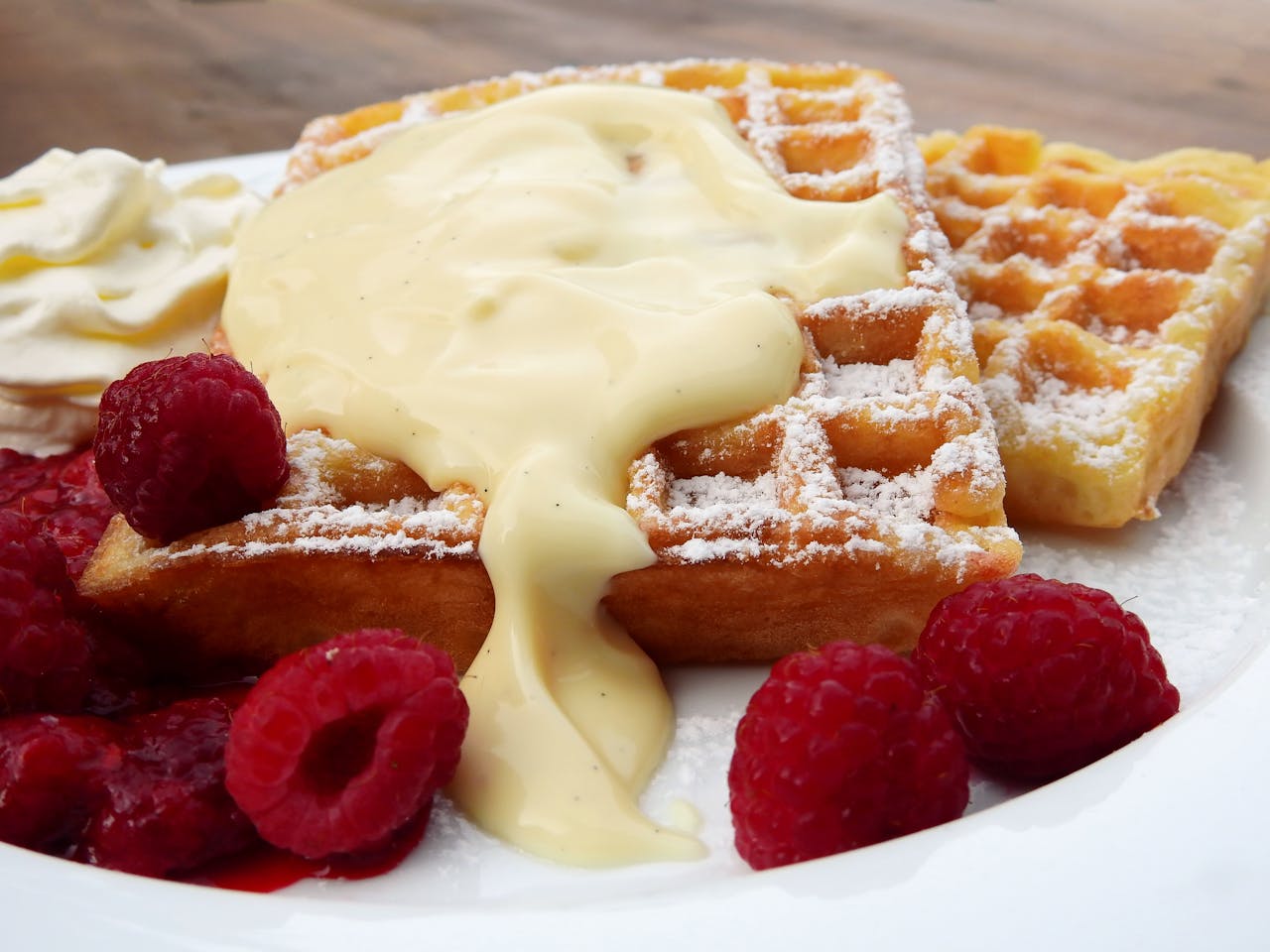
Waffles are a beloved breakfast treat enjoyed by many. Crispy on the outside and fluffy on the inside, they make for a perfect start to the day. But what sets apart an ordinary waffle from an extraordinary one?
The secret to good waffles lies in a combination of quality ingredients and proper technique. Using a mix of all-purpose flour and cornstarch creates a light, crispy texture. Adding carbonated water or club soda to the batter helps make waffles extra fluffy. The right cooking temperature is also key - a waffle iron set to 375-380 degrees Fahrenheit ensures golden-brown perfection.
Achieving waffle greatness doesn't end when they come off the iron. To keep waffles crispy, place them on a wire rack in a warm oven. This prevents them from getting soggy while waiting to be served. With these tips, anyone can make restaurant-quality waffles at home.
History and Significance of Waffles
Waffles have a long and tasty history. They started out as simple flatbreads in ancient Greece. Over time, they changed into the honeycomb-shaped treats we know today.
In medieval Europe, people cooked waffles between metal plates with designs. This gave waffles their famous grid pattern. Churches used these wafers in religious ceremonies.
Waffles became popular in Belgium during the 1800s. Belgian waffles are known for being thick, crispy, and covered in toppings. They spread to other parts of Europe and then to America.
In the U.S., waffles really took off in the 1900s. The Dorsa brothers created frozen waffles in 1953. This made waffles easy to eat at home any time. August 24 is National Waffle Day in America. It marks when Cornelius Swarthout got a patent for the first U.S. waffle iron in 1869.
Waffles have been important in many cultures:
- Religious symbols
- Street food
- Fancy desserts
- Breakfast staples
Today, people enjoy waffles in many ways. Some like them sweet with syrup. Others prefer savory toppings. Waffles have become a beloved food around the world.
Essential Waffle Ingredients

Great waffles start with the right ingredients. The quality and balance of these key components make all the difference in creating crispy, fluffy waffles.
Selecting Flour
All-purpose flour is the go-to choice for most waffle recipes. It provides the right structure and texture. For a lighter waffle, try mixing in some cake flour. This blend gives a more delicate crumb. Whole wheat flour can add nutrition and a nutty flavor. But use it sparingly. Too much can make waffles dense.
Measure flour carefully. Too much leads to dry, tough waffles. Too little results in soggy ones. Sifting flour helps remove lumps. It also adds air, making waffles lighter.
Using Real Butter
Real butter is key for rich, flavorful waffles. It adds a creamy taste and helps create a crispy exterior. Melted butter works best in waffle batter. It mixes in easily and evenly.
Unsalted butter lets you control the salt content. If using salted, reduce added salt in the recipe. Some recipes call for oil instead of butter. While this works, butter gives better flavor and texture.
For extra richness, try browning the butter before adding it to the batter.
Milk Vs. Buttermilk
Both milk and buttermilk can make great waffles. Each brings something different to the table. Regular milk produces a lighter, sweeter waffle. It's versatile and works in most recipes. Buttermilk adds tanginess and helps tenderize the batter. This results in softer, fluffier waffles.
If a recipe calls for buttermilk but you only have milk, add a tablespoon of lemon juice or vinegar to each cup of milk. Let it sit for 5 minutes before using. For extra richness, try using part milk and part cream.
The Importance of Egg Whites
Egg whites are crucial for light, airy waffles. They add structure and help create a crispy exterior. Separating eggs and whipping the whites creates even lighter waffles. Fold the whipped whites into the batter gently to keep the air bubbles intact.
Don't overbeat egg whites. Soft peaks are ideal. Overbeaten whites can make waffles dry. Egg yolks add richness and help bind the batter. They also contribute to the golden color of waffles.
For a protein boost, some recipes use extra egg whites. This can make waffles more filling.
The Perfect Batter
A great waffle starts with the right batter. The key is achieving the ideal consistency and incorporating key ingredients for flavor and texture.
Consistency Matters
Waffle batter should be smooth but not overmixed. Combine wet and dry ingredients until just blended. Small lumps are okay and will cook out. Overmixing activates gluten, making waffles tough. Aim for a thickness that coats the back of a spoon. Too thin, and waffles will be limp. Too thick, and they'll be dense. Add milk or flour as needed to adjust.
Let batter rest 5-10 minutes before cooking. This allows flour to absorb liquid and helps create a crisp exterior.
Incorporating Leavening Agents
Baking powder is crucial for light, fluffy waffles. Use 1-2 teaspoons per cup of flour. For extra lift, separate eggs and beat whites until stiff. Fold them in last. Some recipes call for both baking powder and baking soda. The combo creates more air bubbles and a golden-brown color.
For yeasted waffles, let batter rise overnight. This develops complex flavors and a crisp texture.
The Role of Sugar and Flavorings
Sugar does more than sweeten. It helps waffles brown and crisp. Use 1-2 tablespoons per cup of flour. For a deeper flavor, try brown sugar. Vanilla extract enhances sweetness. Add 1 teaspoon per batch. Other options include almond extract or citrus zest.
A pinch of salt balances flavors. For savory waffles, add herbs or cheese to the batter. Melted butter adds richness. Oil makes waffles crisp but can lack flavor. Try a combo for the best of both worlds.
Waffle Makers and Waffle Irons
Waffle makers transform batter into crispy, golden treats. These appliances come in different types and require proper care for the best results.
Choosing the Right Appliance
Vertical and horizontal waffle makers are the main types. Vertical models save space but can be tricky to fill. Horizontal ones are easier to use and often make larger waffles. Look for non-stick surfaces and adjustable heat settings. Some makers have lights or sounds to signal when waffles are done. This helps avoid burning.
Consider the shape and size of waffles you want. Belgian-style makers create deep pockets, while others make thinner, crispier waffles. Multi-use waffle irons let you cook other foods too. They're great for potatoes or even mac and cheese.
Maintenance and Care
Clean your waffle maker after each use. This keeps it in good shape and prevents odd flavors in future batches. Let the iron cool before cleaning. Wipe it with a damp cloth to remove crumbs and oil. Don't use harsh scrubbers on non-stick surfaces.
For stuck-on batter, use a soft brush. Some models have removable plates that make cleaning easier. Store your waffle maker in a dry place. If it folds, make sure it's fully dry before closing to prevent mold.
Regular care keeps your waffle maker working well. This means better waffles for a long time to come.
Cooking Techniques
Proper cooking techniques are crucial for creating delicious waffles. The right methods ensure crispy exteriors and fluffy interiors while avoiding common pitfalls like sogginess.
Achieving Crispiness
To make crispy waffles, preheat the waffle iron thoroughly. This helps create a golden-brown crust. Pour the batter into the center of the iron and spread it evenly. Don't overfill, as this can lead to overflow and uneven cooking.
Cook waffles at a high temperature, around 375-380°F. This quick cooking seals the outside while allowing the inside to steam and become fluffy. Some waffle irons have adjustable heat settings - experiment to find the ideal temperature for your recipe.
Let waffles cook until steam stops escaping from the sides of the iron. This usually takes 3-4 minutes. Resist the urge to open the iron too early, as this can disrupt the cooking process.
Prevention of Soggy Waffles
Soggy waffles are often caused by trapped steam. To prevent this, avoid stacking hot waffles directly on top of each other. Instead, place them in a single layer on a wire rack. This allows air to circulate and helps maintain crispiness.
If you need to keep waffles warm before serving, place them directly on the oven rack at a low temperature (around 250°F). This method reinforces their crispness without drying them out.
Avoid using too much oil or butter in your batter. Excess fat can make waffles greasy and soggy. Stick to the recipe measurements for best results.
Using a Thermometer
A thermometer is a valuable tool for making perfect waffles. Use it to check the temperature of your waffle iron. Many irons don't have accurate built-in thermostats, so an external thermometer can help ensure consistent results.
Aim for a surface temperature of 375-380°F. This range produces waffles with crispy exteriors and fully cooked interiors. If your iron runs too hot or cool, adjust the settings accordingly.
For recipes using yeast, a thermometer helps ensure the liquid ingredients are at the right temperature to activate the yeast without killing it. Aim for 105-110°F for optimal yeast activity.
Timing and Flipping
Proper timing is key to cooking waffles. Most waffles take 3-4 minutes to cook, but this can vary based on your iron and recipe. Look for visual cues like steam stopping or the indicator light on your waffle iron.
Don't flip waffles midway through cooking unless your recipe specifically calls for it. Most waffle irons are designed to cook both sides evenly without flipping. If your waffle iron doesn't have an indicator light, set a timer to avoid under or overcooking. Start checking at the 3-minute mark and adjust as needed.
Once cooked, remove waffles promptly to prevent overcooking. Use a fork or tongs to gently lift the waffle from the iron. Be careful not to scratch the cooking surface.
Toppings and Variations
Waffles offer a blank canvas for a variety of toppings and flavors. From sweet to savory, classic to creative, the options are endless.
Classic Maple Syrup
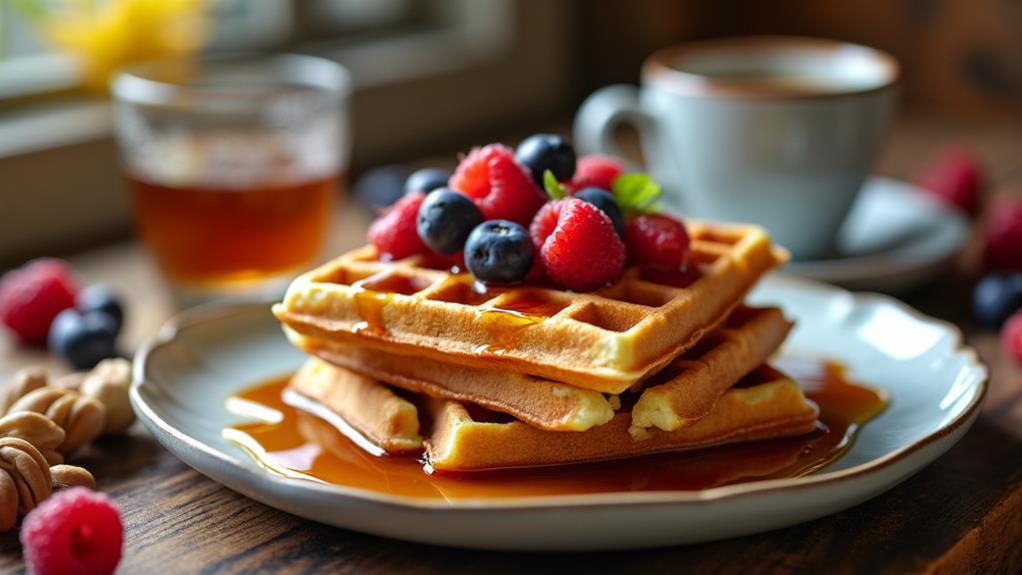
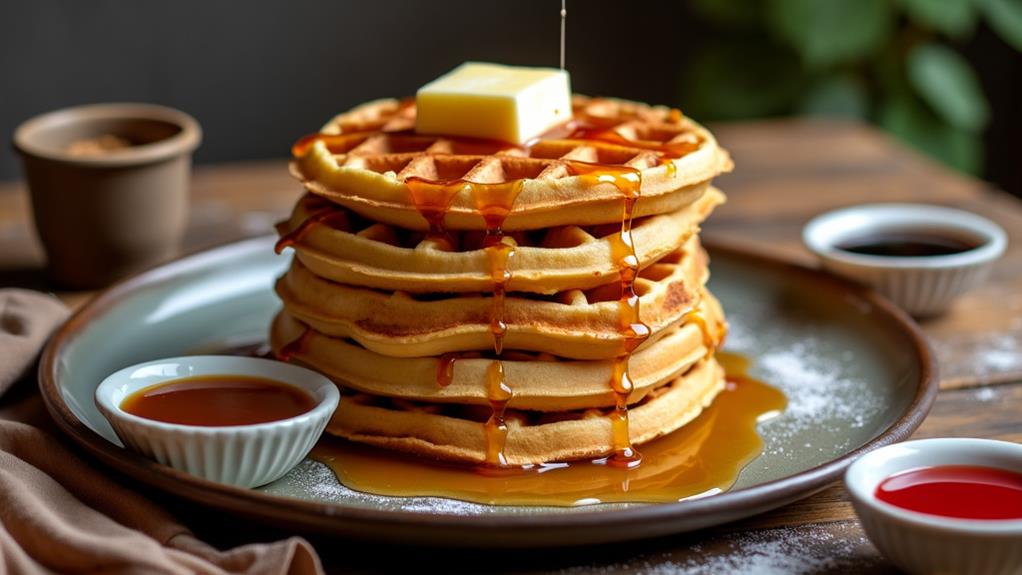
Maple syrup is the go-to topping for many waffle lovers. Its rich, sweet flavor pairs perfectly with the crispy texture of a well-made waffle. Pure maple syrup is best, as it has a more complex taste than artificial syrups.
For an extra touch, warm the syrup before pouring it over the waffle. This helps it spread evenly and soak into the waffle's nooks and crannies.
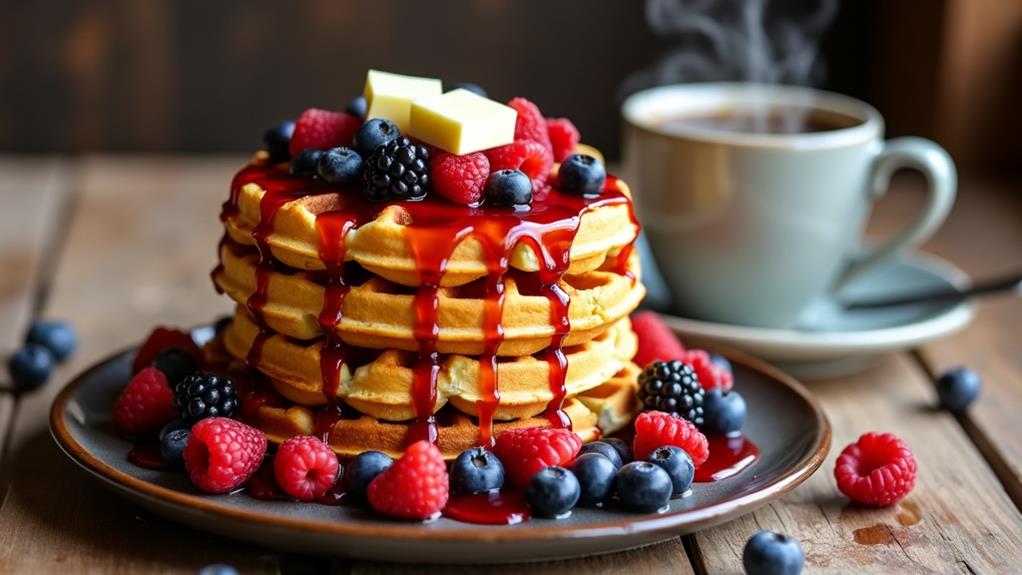
Some people like to add a pat of butter before the syrup. The butter melts into the waffle, creating a delicious blend of flavors.
Creative Toppings
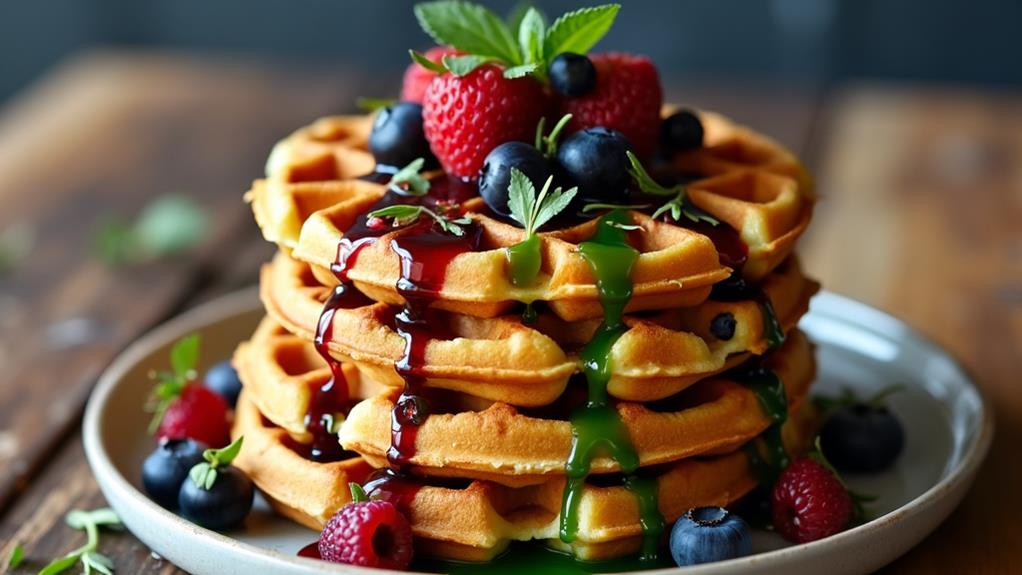
Waffles can be dressed up with many creative toppings. Fresh fruits like strawberries, blueberries, and bananas add natural sweetness and a pop of color.
Whipped cream is another popular choice. It adds a light, airy texture that contrasts nicely with the waffle's crispiness.
For chocolate lovers, a drizzle of chocolate sauce or a sprinkle of chocolate chips can turn a simple waffle into a decadent treat.
Here's a list of other creative toppings to try:
- Nutella or other nut butters
- Crushed nuts
- Coconut flakes
- Honey
- Fruit compotes or jams
Savory Options
Waffles aren't just for sweet toppings. They can be the base for savory meals too. Fried chicken and waffles is a classic combination that blends sweet and salty flavors.
Eggs and bacon are another popular savory option. The runny yolk from a fried egg soaks into the waffle, creating a delicious breakfast.
For a heartier meal, try topping waffles with chili and shredded cheese. The waffle's crispy texture holds up well to heavier toppings.
Other savory ideas include:
- Smoked salmon and cream cheese
- Avocado and tomato
- Ham and cheese
- Sausage gravy
Dessert Waffles
Waffles can easily become a dessert with the right toppings. Ice cream is a classic choice, turning a waffle into an ice cream sandwich. For a sundae-like treat, add hot fudge sauce, whipped cream, and a cherry on top. Sprinkles or candy pieces can add extra fun and crunch.
Fruit syrups or compotes work well for a fruity dessert waffle. Try warm apple compote with cinnamon for a fall-inspired treat. Here's a simple recipe for a quick dessert waffle:
- Top a warm waffle with a scoop of vanilla ice cream
- Drizzle with chocolate sauce
- Add sliced strawberries
- Finish with a dollop of whipped cream
Advanced Tips and Tricks
These techniques will take your waffle game to the next level. They focus on creating the perfect texture and flavor in every bite.
Whipped Egg Whites Technique
Whipped egg whites are a game-changer for waffle texture. Separate the eggs and beat the whites until stiff peaks form. Fold them gently into the batter at the end. This method traps air bubbles in the batter. The result is waffles with a light, airy interior and crispy exterior.
Be careful not to overmix when folding in the whites. Use a spatula and make gentle, sweeping motions. Stop when the whites are just incorporated.
The Cornstarch Secret
Adding cornstarch to waffle batter is a pro move. It creates a crispier exterior that stays crunchy longer. Mix 1/4 cup of cornstarch with every cup of flour in your recipe. This ratio gives the ideal crisp-to-fluffy balance. Cornstarch also helps prevent the waffles from getting soggy. It absorbs excess moisture, keeping the texture perfect even after they cool.
Making Waffles Fluffier
For extra fluffy waffles, try these tricks:
- Use buttermilk instead of regular milk
- Let the batter rest for 10-15 minutes before cooking
- Separate eggs and whip whites (as mentioned earlier)
Buttermilk's acidity reacts with baking soda, creating more lift. Resting the batter allows the flour to absorb liquid fully. This results in a smoother texture and helps the leavening agents work better.
Don't forget to preheat your waffle iron thoroughly. A hot iron is key to getting that crispy exterior and fluffy interior.
Storing and Reheating
Proper storage and reheating are key to enjoying waffles beyond their initial serving. These methods help keep homemade waffles fresh and tasty.
Freezing for Later
Freezing waffles is a great way to save time and have a quick breakfast ready. Let cooked waffles cool completely on a wire rack. Place waffles in a single layer on a baking sheet and freeze for 1-2 hours. Once frozen, transfer them to a freezer bag or airtight container. Put parchment paper between each waffle to prevent sticking. Label the bag with the date and use within 3 months for best quality.
Frozen waffles can go straight from the freezer to the toaster or oven for reheating. This method works well for both store-bought and homemade waffles.
Reheating Without Losing Quality
To reheat waffles and keep them crispy, avoid using the microwave. The toaster is the quickest and easiest method. Pop frozen or refrigerated waffles into the toaster on a medium setting. Toast until they're warm and crispy.
For oven reheating, preheat to 350°F (175°C). Place waffles directly on the oven rack or a baking sheet. Heat for 5-10 minutes, flipping halfway through. This method is great for reheating multiple waffles at once.
A toaster oven combines the speed of a toaster with the versatility of an oven. It's perfect for 1-2 waffles and gives them a nice crisp texture.
Homemade Vs. Store-bought
Homemade waffles often taste better than store-bought frozen ones. They're fresher and have no preservatives. You can control the ingredients and adjust flavors to your liking.
Store-bought waffles are convenient. They're quick to heat up in a toaster. But they may lack the crispy texture of freshly made waffles.
A good waffle recipe is key for homemade success. Many recipes use similar ingredients to pancakes, like flour, eggs, and milk. But waffles usually have more fat for a crispy outside.
Here's a simple comparison:
| Aspect | Homemade | Store-bought |
|---|---|---|
| Taste | Fresh, customizable | Can be bland |
| Texture | Crispy when fresh | Often softer |
| Time | Takes longer | Quick to heat |
| Cost | Can be cheaper | More expensive |
Making waffles at home lets you try different recipes. You can add fruits, nuts, or spices. Some people like to make extra and freeze them for later. Store-bought waffles come in many flavors. They're good for busy mornings. But they might not match the taste of fresh, homemade waffles hot off the iron.