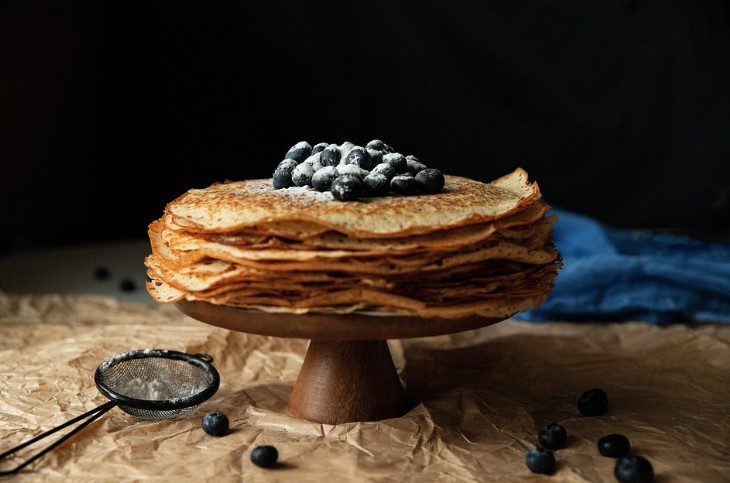
Pancakes and Charity: Leveraging Pancake Events for Effective Fundraising
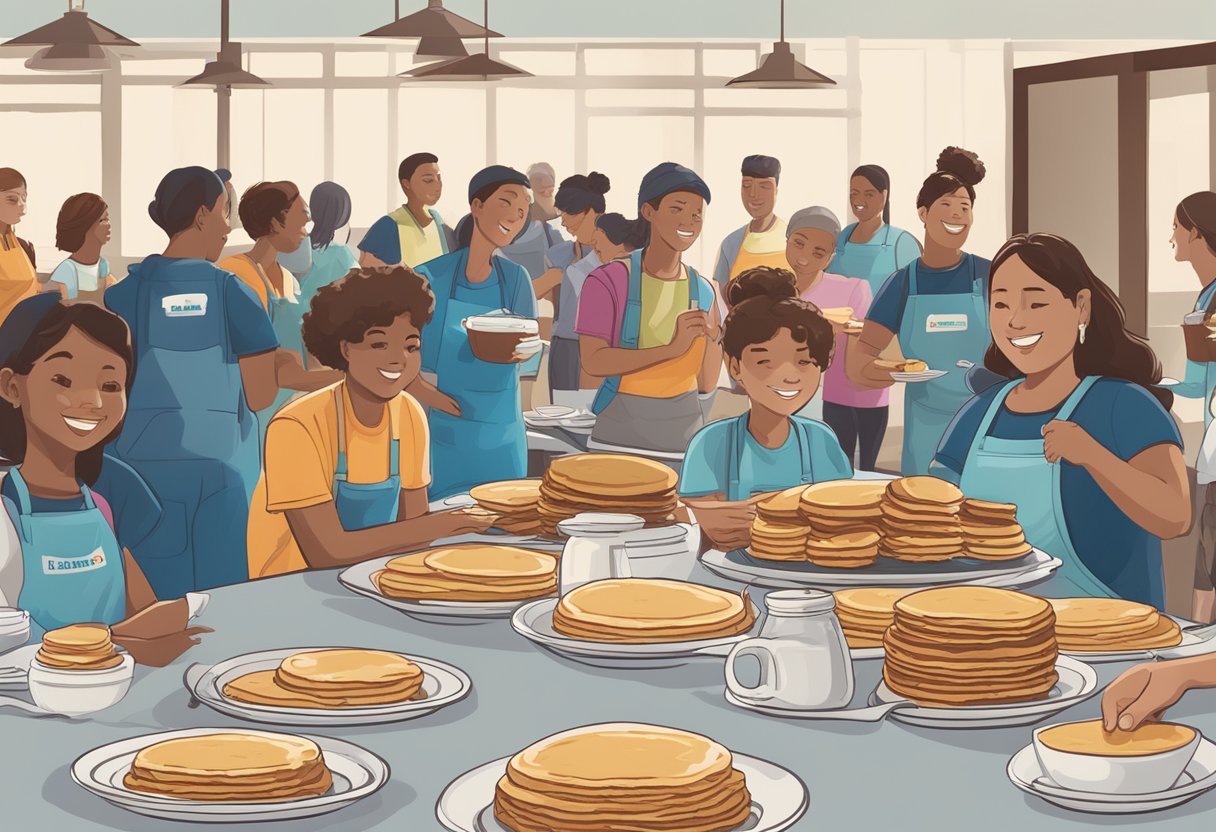
Pancake breakfasts have become a staple in community fundraising, combining the joy of a hearty morning meal with the spirit of charity. These events are not just a way to enjoy delicious pancakes; they serve as effective and accessible fundraising tools for schools, local clubs, and nonprofits. With simple planning and community involvement, pancake events can raise substantial funds while bringing people together.
Organizers find that pancake breakfasts appeal to a wide audience -- families, local businesses, and individuals all eager to support a good cause. The straightforward nature of the event, from flipping pancakes to serving them hot and fresh, makes it easy to organize and manage with volunteers. Moreover, the cost of ingredients is relatively low, enhancing the overall profitability of the fundraiser.
Marketing and outreach are crucial to the success of a pancake breakfast fundraiser. Utilizing local media, social platforms, and community bulletin boards can attract attention and increase attendance. When done right, these events not only meet fundraising goals but also strengthen community bonds and create lasting memories.
The Pancake Breakfast Fundraiser Concept
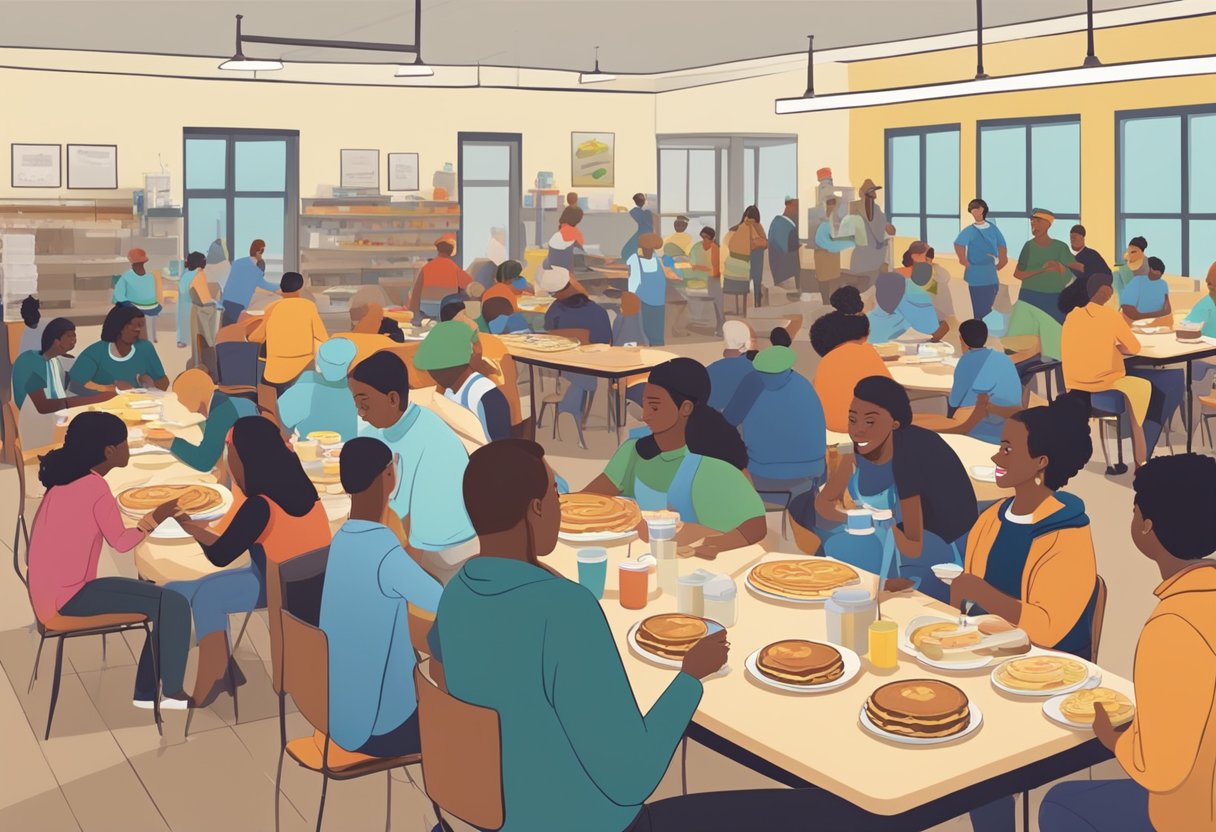
The pancake breakfast fundraiser brings communities together by offering a hearty meal while raising money for a cause. This concept integrates the love of breakfast with charity, creating fun and successful fundraising events.
Historical Context and Popularity
Pancake breakfast fundraisers have been popular for decades. They likely began in the mid-20th century, quickly becoming a staple for schools, churches, and community groups. This type of fundraiser grew in popularity because it is easy to organize and appeals to a wide audience. The simplicity of serving pancakes, which can be cooked in large batches, makes it efficient.
Events often attract all ages since breakfast foods are generally loved by everyone. The casual and family-friendly atmosphere helps build community spirit, making it a favored choice for many organizations seeking to raise funds.
Key Components of a Successful Event
Planning and Organization: Success starts with detailed planning. Organizers should set a date and secure a venue early. Recruiting volunteers is crucial, as they perform tasks from cooking to serving and cleanup.
Menu Selection: While pancakes are the star, including items like fruit, sausages, and beverages enhances the event. Offering a variety helps attract more participants.
Marketing and Ticket Sales: Effective marketing is essential. Promoting through social media, flyers, and word-of-mouth ensures good attendance. Selling tickets in advance can help estimate the number of attendees and cover costs.
Engaging Activities: Adding activities such as raffles or games can increase engagement and raise additional funds. These elements make the fundraiser more enjoyable, encouraging attendees to stay longer and participate actively.
By focusing on these components, any organization can host a successful pancake breakfast fundraiser that not only raises money but also strengthens community bonds.
Planning and Organization

Planning a pancake fundraising event involves setting clear goals, choosing the best location, and organizing a dedicated team. It is essential to also establish a budget, pick a suitable date and time, and design an event layout.
Setting Objectives and Goals
To start, define the main objectives and fundraising goals for the pancake event. Identify how much money you aim to raise and what the funds will be used for. Clear goals help in structuring the event and keeping everyone focused. Objectives might include community engagement, promotional efforts for your organization, or awareness for a cause. Establishing a timeline with specific milestones will keep the planning process on track.
Choosing the Ideal Location
Selecting the right venue is crucial for a successful pancake breakfast. Ideal locations include community centers, school cafeterias, church halls, or even local parks. Ensure the venue has kitchen facilities for cooking pancakes and enough space for tables and chairs. The venue should also be easily accessible and have adequate parking. If weather permits, outdoor venues can offer a pleasant atmosphere.
Date and Timing Selection
Choosing the appropriate date and time is vital. Weekends, especially Sundays, are often the best days as people have more free time. Coordinate around other community events to avoid conflicts. Morning hours are ideal since Pancakes are typically a breakfast item. Planning the event early in the day can attract families and early risers, increasing attendance and participation.
Creating a Budget and Financial Plan
A well-thought-out budget ensures the event remains cost-effective. Include costs like venue rental, ingredients for pancakes, beverages, utensils, and promotional materials. Don't forget to account for unexpected expenses. Calculate the expected revenue from ticket sales, donations, and any additional fundraising opportunities like raffles or silent auctions. Aim for a budget that maximizes profit while minimizing unnecessary expenditures.
Forming a Dedicated Team
Assembling a committed team is essential for smooth organization. Include volunteers from the community, members from your organization, and seek support from local businesses. Assign specific roles such as event coordinator, marketing lead, and kitchen manager. Having clear division of labor helps in efficient completion of tasks and ensures all aspects of the event are covered, from setup to cleanup.
Designing the Event Layout
Planning the physical setup of the event is critical. Arrange tables and chairs to facilitate easy movement and social interaction. Ensure there is a clear serving area for pancakes and other breakfast items. Having a designated area for beverages and utensils can streamline the food distribution. Consider a separate section for additional activities like raffles or informational booths about your organization. Proper layout design can enhance the overall experience for attendees.
Marketing and Promotion
Marketing and promotion are critical components for a successful pancake breakfast fundraiser. Effective strategies include a comprehensive marketing plan utilizing social media, engaging local businesses, and traditional advertising.
Developing an Effective Marketing Plan
An effective marketing plan is crucial for ensuring a high turnout at the pancake breakfast fundraiser. Start by identifying the target audience, which might include families, community members, and local businesses. Tailor marketing efforts to these groups to maximize engagement.
Create a timeline detailing when tickets will go on sale and when promotions should begin. Use spreadsheet tools to track progress and tasks. Assign roles to team members to manage different marketing channels such as social media, email, and print materials.
Utilizing Social Media and Online Platforms
Social media is a powerful tool for promoting the event. Platforms like Facebook, Instagram, and Twitter can reach a wide audience quickly.
- Create engaging posts that include details about the event, such as date, time, and ticket information.
- Use hashtags specific to the community or event theme.
- Consider paid promotions to boost visibility.
- Share regular updates and countdowns to keep the audience excited.
- Use email marketing tools to send newsletters and reminders to previous attendees and subscribers.
Engaging Local Businesses and Sponsors
Engaging local businesses and sponsors can provide additional support and exposure. Approach businesses to sponsor various aspects of the event, such as ingredients for pancakes, raffle prizes, or venue costs.
- Offer marketing benefits to sponsors, such as featuring their logos on flyers, posters, and social media.
- Send personalized letters or emails to potential sponsors, highlighting the community impact of the fundraiser.
- Encourage cross-promotion, where businesses promote the event on their platforms in exchange for advertising at the event.
Traditional Advertising Methods
Traditional advertising methods can still be effective for reaching certain segments of the community.
- Design and distribute flyers and posters in high-traffic areas like local shops, schools, and community centers.
- Use local newspapers and radio stations to advertise the event.
- Word of mouth can be powerful; encourage volunteers and supporters to spread the word within their networks.
- Ensure all materials feature clear information about the event, including date, time, location, and ticket sales.
These combined efforts in marketing and promotion can significantly enhance the visibility and success of a pancake breakfast fundraiser. Clear planning and diversified advertising methods are key to drawing a crowd and achieving fundraising goals.
Sales and Ticketing
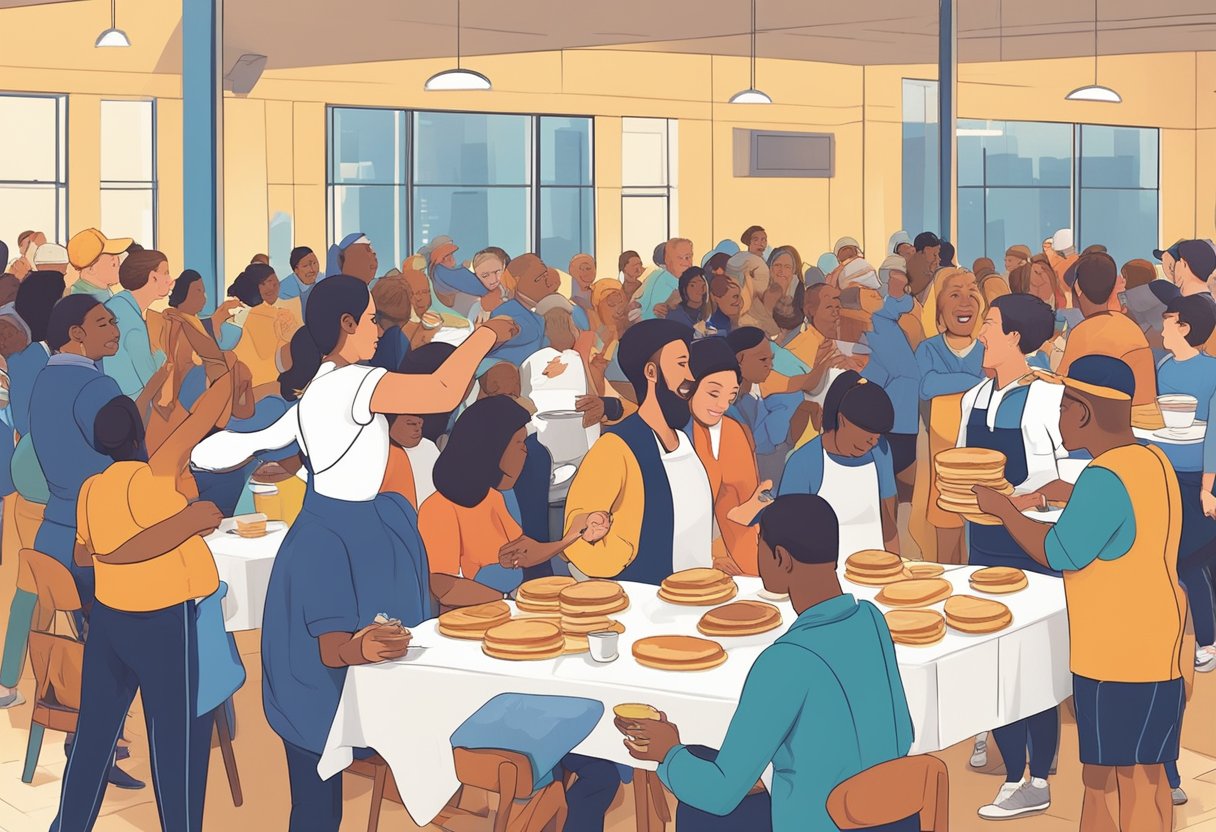
Proper management of ticketing and sales is central to the success of a pancake fundraising event. This involves setting the right ticket prices, promoting pre-event ticket sales, and efficiently handling on-site sales and donations.
Ticket Pricing Strategies
Setting the ticket price can greatly impact the success of the event. Start by determining a price that covers all costs while leaving room for profit. Consider the community's economic status; pricing too high might discourage attendance, while pricing too low limits fundraising potential.
Offering multiple ticket levels, such as individual and family packages, can attract different groups. An early-bird discount can encourage people to buy tickets early. Additionally, consider bundling tickets with raffle entries or including extra perks like a special seating area.
Pre-Event Ticket Sales
Pre-event ticket sales are crucial for planning and can help predict attendance. Utilize online platforms to sell tickets in advance, making use of social media and email campaigns to reach a broad audience. Partnering with local businesses to sell tickets at their locations can also expand reach.
Selling tickets early has several advantages, including generating upfront funds to cover initial expenses. Promotional strategies like "buy one, get one half-off" or offering group rates can boost pre-event sales. Keeping track of ticket sales in real-time helps adjust marketing strategies as needed.
On-Site Ticket and Donation Management
Managing on-site ticket sales and donations efficiently requires preparation. Set up multiple ticket booths to reduce wait times and ensure attendees can purchase tickets easily. Accepting various payment methods, including cash, credit cards, and even mobile payments, makes it convenient for attendees.
Volunteers play a critical role in managing ticket sales and handling donations during the event. Training volunteers to answer questions and process sales quickly is essential. Additionally, clear signage directing attendees to ticket booths and donation stations can enhance the experience.
Creating donation stations with visible, easy-to-read donation jars and QR codes for digital donations can increase contributions. Hosting a raffle during the event can also boost fundraising efforts, giving attendees another way to support the cause while enjoying the festivities.
Menu and Food Preparation
Planning a pancake breakfast fundraiser involves more than just cooking pancakes. Key elements include choosing a menu with fresh ingredients, organizing efficient kitchen operations, and adhering to health and safety protocols to ensure a successful event.
Selecting a Menu and Ingredients
Choosing the right menu and ingredients is crucial for a successful pancake breakfast fundraiser. Start with the main item: pancakes. Use high-quality pancake mix or prepare your own batter. Consider offering classic toppings like syrup, butter, and fresh fruit such as berries. Other popular options include whipped cream, chocolate chips, and nuts. Drinks like coffee, juice, and milk should also be available. Adding breakfast sides like bacon, sausage, and eggs can make the meal more satisfying and attract a larger crowd.
Organizing Kitchen Operations
Efficient kitchen operations are essential for handling the crowd and ensuring timely service. Set up different stations for various tasks: a mixing station for batter, a cooking station for pancakes, and a serving station for the final product.
Assign roles to your volunteers or staff: cooks for preparing pancakes, others for cooking breakfast sides, and some for refilling toppings and drinks. Clear communication and coordination can help avoid bottlenecks. Use lists to keep track of tasks and supplies to maintain smooth operations.
Health and Safety Protocols
Following strict health and safety protocols is vital. Ensure the kitchen is inspected and approved by local health officials. Food handling practices, such as regular hand washing and using gloves, should be enforced.
Keep raw ingredients stored properly to avoid contamination. Cooking equipment should be cleaned regularly. Monitor the temperature of food items to ensure they are cooked thoroughly and kept at safe temperatures. Make sure there's adequate ventilation and fire safety measures in place. Taking these steps can help prevent health issues and ensure everyone enjoys a safe and tasty meal.
Logistical Considerations
Hosting a successful pancake fundraiser involves careful planning and attention to detail. Key elements to consider are ensuring you have the necessary supplies and equipment, organizing the event space efficiently, and managing post-event cleanup and inventory.
Supplies and Equipment Acquisition
Gather necessary supplies like tables, chairs, and serving equipment. Ensure you have plenty of plates, cups, napkins, and utensils. Stock up on disposable plates and cups for easy cleanup. Don't forget essential cooking tools such as griddles, spatulas, and bowls for mixing batter.
Beverages like coffee, juice, and water should be available. Consider in-kind donations or bulk purchasing to reduce costs. Check local regulations to see if you need any specific kitchen equipment or permits for large-scale food preparation.
Arrangement and Flow of Event Space
Choosing the right venue is crucial. Aim for a location with a kitchen or a designated area for food preparation. Arrange tables and chairs to create an easy flow for guests. Set up separate stations for cooking, serving, and dining.
Ensure that food stations are accessible and that there’s enough space to avoid long lines. Display clear signs to guide attendees and prevent congestion. Adequate lighting and comfortable seating can enhance the overall experience.
Post-Event Cleanup and Inventory
Plan for cleanup by having trash bags, cleaning supplies, and recycling bins ready. Assign volunteers specific tasks such as clearing tables, washing dishes, and taking out trash. Disposable items like plates and cups can simplify the process.
After the event, do an inventory check to note what's leftover. This can help with planning future events and reducing waste. Ensure that the venue is left in good condition to avoid any additional charges or issues with future bookings.
Engaging the Community and Volunteers
In order to have a successful pancake breakfast fundraiser, it's crucial to involve the community and ensure committed volunteers. This section covers tips on recruiting and training volunteers, engaging the community, and creating a fun atmosphere for attendees.
Volunteer Recruitment and Training
Recruiting reliable volunteers is key to managing a smooth event. Start by reaching out to local organizations, schools, and community groups. An online sign-up sheet can help track volunteer availability and roles.
Training sessions are important. Ensure volunteers understand their tasks, such as cooking pancakes, serving food, or managing the ticket booth. Clear instructions and a quick rehearsal can make a huge difference. Recognition is also vital. Consider thank-you notes or a small appreciation event post-fundraiser to acknowledge volunteers' efforts.
Community Involvement and Participation
Boosting community participation begins with effective promotion. Utilize social media, local newspapers, and community bulletin boards to spread the word. Engage local businesses for sponsorships or donations, and mention them in promotional materials to give them visibility.
Selling tickets in advance helps gauge attendance and secure early funds. Offering early-bird discounts or family packages can attract more attendees. Partnering with local schools for flyer distribution can also reach a wider audience. Encouraging local talent to perform or adding a raffle with donated prizes can make the event more appealing. This approach also helps in bolstering community ties.
Creating an Enjoyable Atmosphere
A welcoming and fun environment can turn a simple event into an unforgettable experience. Set up decorations aligning with a theme, like a country-style breakfast or a spring festival.
Entertainment is a big draw. Consider live music, kids' activities, or pancake-flipping contests to keep everyone entertained. Ensure there are enough seating areas for families to sit and enjoy their meals comfortably.
Offering a variety of drinks and side items like coffee, fruit, and pastries ensures everyone has something they enjoy. Friendly interactions and a warm, inviting setup will make attendees feel part of the community, encouraging them to support future events.
Fundraising and Revenue Maximization
When hosting a pancake fundraising event, it is important to use various strategies to maximize the revenue. This section covers key methods to increase donations, engage attendees with raffles, and track the results effectively.
Donation Strategies
Encouraging donations can be straightforward with clear, direct methods. Start with suggested donation amounts at the entrance. For example, offering tiered pricing—$5 for children and $10 for adults—sets expectations and provides choices.
Implement online donation options before and after the event to reach those who can't attend. Use QR codes on promotional materials for easy access. Also, personal appeals made by event hosts during the breakfast can boost donations. Offering incentives for higher donations, like a special mention or a small gift, can encourage generosity.
Raffle and Ancillary Fundraising Activities
Raffles are a great way to add excitement and bring in additional funds. Sell raffle tickets both before and during the event. Pricing can vary, such as $1 per ticket or discounted bundles, like 6 tickets for $5. Choose appealing raffle prizes—gift baskets, local business vouchers, or themed items. Engaging with local businesses for prize donations can cut costs and create community ties. Consider ancillary activities such as a silent auction, bake sales, or pancake-eating contests. These activities not only raise extra funds but also enhance the experience for attendees.
Analyzing and Reporting Results
After the event, analyze the results to understand what worked best. Track all sources of income—including entrance fees, donations, raffle ticket sales, and any additional activities. Use a spreadsheet or a simple accounting tool to record and categorize earnings and expenses. Create a report summarizing the financial outcomes and attendee feedback. Sharing these results with your team and your donors builds transparency and can improve future fundraising efforts. By systematically reviewing the event, you can identify areas for improvement and optimize strategies for the next pancake fundraiser.
Case Studies and Success Stories
Pancake fundraising events have proven to be highly effective for schools, churches, and various community organizations. Here are some notable examples and insights.
Impactful Pancake Breakfast Fundraisers
Brighton Community Church hosted a pancake breakfast that attracted over 300 attendees. They sold tickets at $5 each and included unlimited pancakes. The event raised $2,000, with additional income from a silent auction and donations. Local businesses supported the event by donating supplies and prizes, making it a community effort.
Greenfield Elementary School organized a pancake breakfast to fund their new playground equipment. By engaging students and parents in ticket sales, they managed to raise $3,500. The school gym was transformed into a cozy dining area, creating a sense of community and collaboration. The event showed how involving students in the fundraising process can increase participation and excitement.
Lessons Learned and Best Practices
Starting promotions early is crucial. Events that began advertising four to six weeks ahead had higher attendance. Social media, emails, flyers, and local media should be leveraged for maximum visibility.
Offering additional attractions such as silent auctions, raffles, and local entertainment can significantly boost fundraising efforts. These elements keep attendees engaged and encourage higher donations. Selling tickets in advance helps gauge attendance and manage food preparation. It also ensures a steady cash flow before the event.
Involving the community, from local businesses to volunteers, fosters a collaborative atmosphere and often results in higher contributions. Ensuring that everyone involved understands their roles and responsibilities helps the event run smoothly.