French Crepes: The Art of Crafting Thin Delicacies
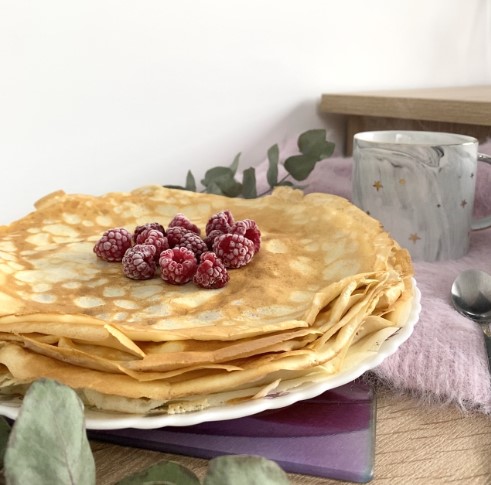
Crêpes, those ultra-thin French pancakes, have cemented their place in global cuisine. Whether sweet or savory, they are beloved for their versatility and delicate texture. These culinary delights are commonly enjoyed in crêperies, as street food, or even in upscale restaurants as decadent desserts like the iconic Crêpes Suzette.
Early Days and Cultural Roots
The creation of crêpes is entwined with both folklore and historical references. One popular tale suggests that in the 13th century, a housewife in Brittany stumbled upon the first crêpe when she accidentally spilled buckwheat porridge onto a flat cooking stone. Though apocryphal, this story underscores the serendipitous nature of culinary innovation. More historically grounded is the celebration known as Le Jour des Crêpes (the day of crêpes) on February 2nd, which dates back to 472 AD. Pope Gelasio I is said to have offered crêpes to French Catholic pilgrims visiting Rome for Candlemas, and this tradition continues to be a celebrated event in France and Belgium. Here, crêpes are often seen as symbols of the sun or coins, representing good fortune.
The Ingredients and Making of Crêpes
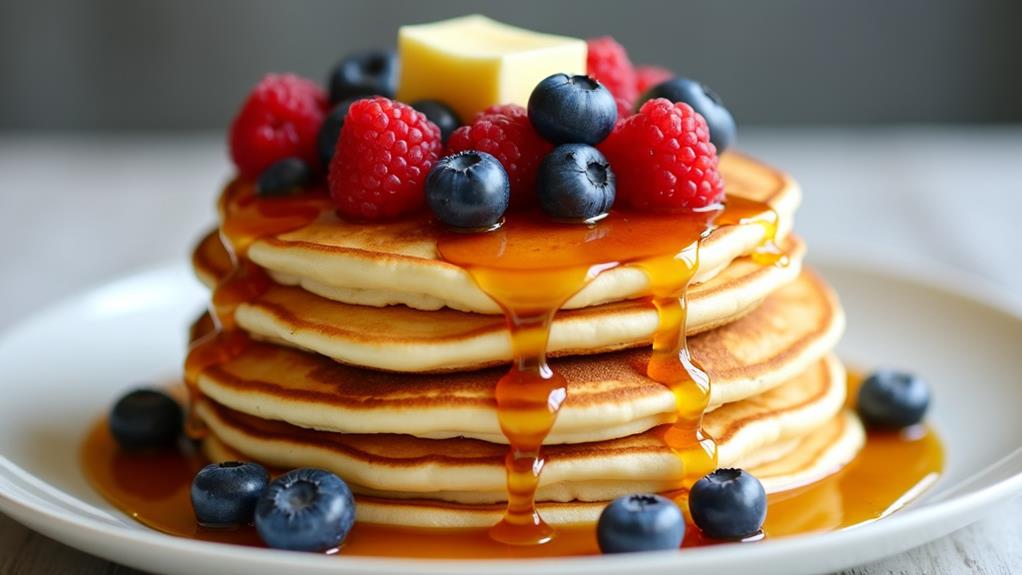
Traditional French crêpe batter is simple, usually comprising flour, eggs, and either milk or water. Butter, sugar, and salt are common additions, with variations including brown butter for a deeper flavor. Ensuring smooth batter through vigorous whisking to remove lumps is crucial, as is letting the batter rest to minimize air bubbles. Unlike American pancakes, crêpes do not use leavening agents, giving them their characteristic flatness.
Crêpes can be prepared using a crêpe pan or a nonstick skillet. Pour a thin layer of batter over a lightly buttered, hot surface and cook until golden brown. Flip and cook the other side briefly. The skill in making the perfect crêpe lies in achieving an even, thin layer of batter.
Varieties and Fillings
Crêpes can be categorized into two main types: sweet crêpes (crêpes sucrées) and savory crêpes (crêpes salées). Sweet crêpes, made with wheat flour, are often paired with fillings like fresh fruit, jam, Nutella, or whipped cream. Crêpes Suzette, a famous variant, are prepared with a sauce of caramelized sugar, butter, and orange juice.
Savory crêpes, often called galettes, typically use buckwheat flour, which is well-suited to Brittany's wet climate. Fillings can include cheese, ham, eggs, and even seafood. Classic French crêpes are inherently flexible, making them suitable for breakfast, lunch, or dinner, depending on the chosen fillings.
Crêpes Around the World
Crêpes haven't remained confined to France. They have counterparts in various cultures worldwide:
- Dutch poffertjes: Small, fluffy pancakes.
- Indian dosas: Savory crepes made from fermented rice and lentil batter.
- Russian blinis: Often served with caviar and sour cream.
- Japanese hirayachi: Thin pancakes filled with vegetables or meat.
- Chinese jianbing: A popular street food with a variety of fillings.
Though these may differ in ingredients and preparation methods, they share a fundamental kinship with French crêpes.
The Influence and Spread of Crêpes
French cultural influence has significantly contributed to the spread of crêpes, especially in regions once under French control. In Quebec, for instance, the French heritage has left a lasting mark on the local cuisine, including the prevalence of crêpes. This connection is evident in many North American city names and cultural practices, tracing back to a time when French territories extended through much of the continent.
Crêpes became a staple in the United States long before the establishment of crêperies. Family traditions often played a role, especially among those of French descent. Many American households embraced crêpe-making as a part of their culinary repertoire, passing down recipes through generations.
Emy Wada's Mille Crêpe Cake
In recent years, crêpes have seen renewed attention and innovation. A notable example is the mille crêpe cake by Emy Wada, a Japanese pastry chef. This cake, introduced at her New York City bakery, Lady M Boutique, consists of around 20 layers of crêpes, each separated by pastry cream. This elegant dessert has brought crêpes into the spotlight once again, highlighting their versatility and enduring appeal.
Making Crêpes at Home
Creating crêpes at home is a delightful undertaking, requiring just a few simple ingredients:
- 2 eggs
- 1 cup of all-purpose flour
- 1 cup of milk (whole milk for richer flavor)
- 2 tablespoons of melted butter
- 1 tablespoon of sugar (for sweet crêpes)
- A pinch of salt
Mix the flour, eggs, milk, butter, sugar, and salt until smooth. Rest the batter for about 30 minutes. Heat a lightly buttered crêpe pan or nonstick skillet over medium heat. Pour in a small amount of batter, tilting the pan to cover the surface evenly. Cook until the edges lift easily, then flip and cook the other side briefly.
Tips for Perfect Crêpes
- Temperature Control: Ensure the pan is adequately heated but not too hot to avoid burning.
- Batter Thickness: The batter should be thin enough to spread easily but not too watery.
- Resting the Batter: Allowing the batter to sit helps improve texture.
- Using Butter: Lightly butter the pan before each crêpe for flavor and to prevent sticking.
Popular Crêpe Fillings
- Nutella and banana slices
- Fresh berries and whipped cream
- Lemon juice and sugar
- Chocolate spread and strawberries
Savory Fillings:
- Ham and cheese
- Spinach and feta
- Smoked salmon and cream cheese
- Bacon and eggs
Crêpes offer endless possibilities, making them adaptable to various tastes and occasions.