A Brief History of Pancakes: From Ancient Griddles to Modern Breakfasts
Pancakes, one of humanity's earliest and most significant culinary achievements, trace their roots back to prehistoric times. Recent archaeological findings in Iraq's Shanidar Cave reveal that humans enjoyed proto-pancakes as early as 70,000 years ago. Early humans soaked and mashed seeds into a patty, a process indicating that this flat preparation was a vital foodstuff long before organized farming.
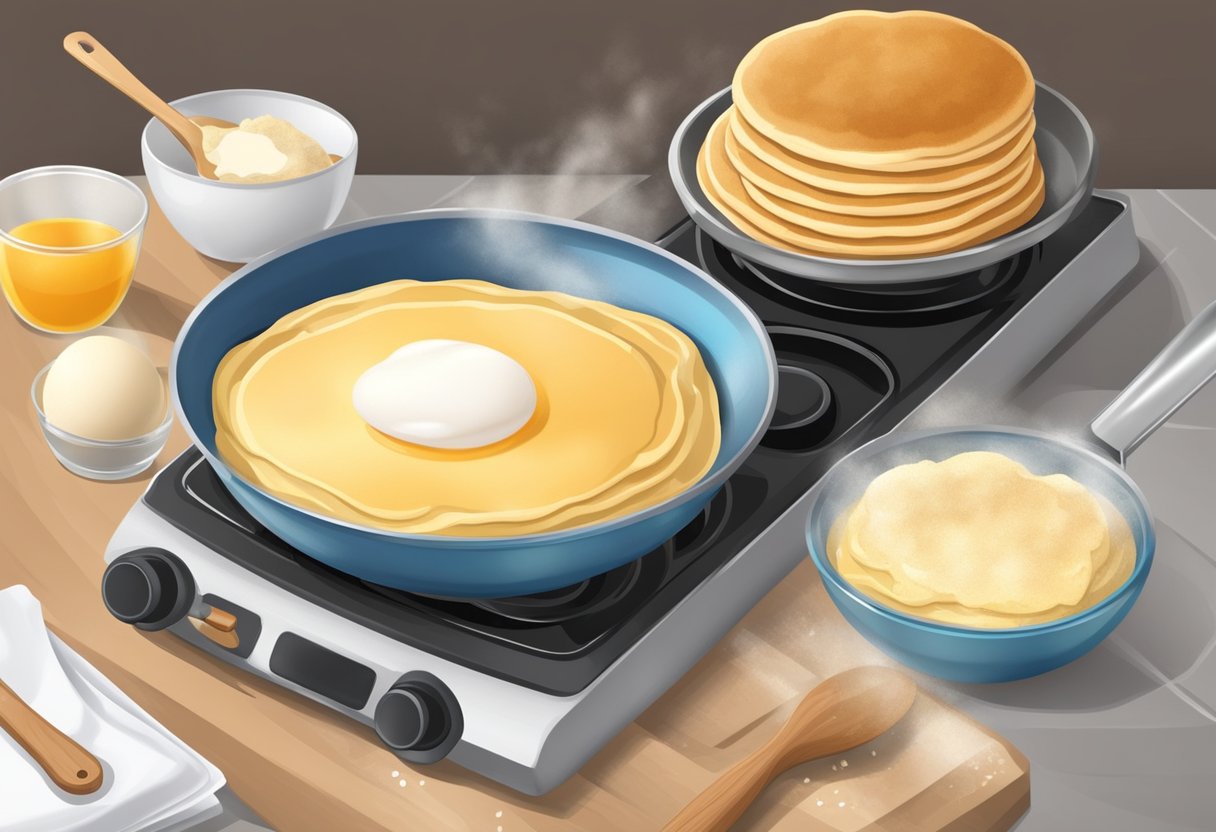
The simplicity of pancake preparation has transcended time and geography. Basic ingredients—such as flour, water or milk, and occasionally eggs—are combined and cooked on a hot surface, creating a versatile dish. Different cultures have adapted this straightforward recipe to their tastes, resulting in a wide array of pancakes worldwide. From fluffy, syrup-covered pancakes in the United States to delicate French crepes and savory Ethiopian injera, each version reflects the local ingredients and culinary traditions that shape it.
Early History of Pancakes
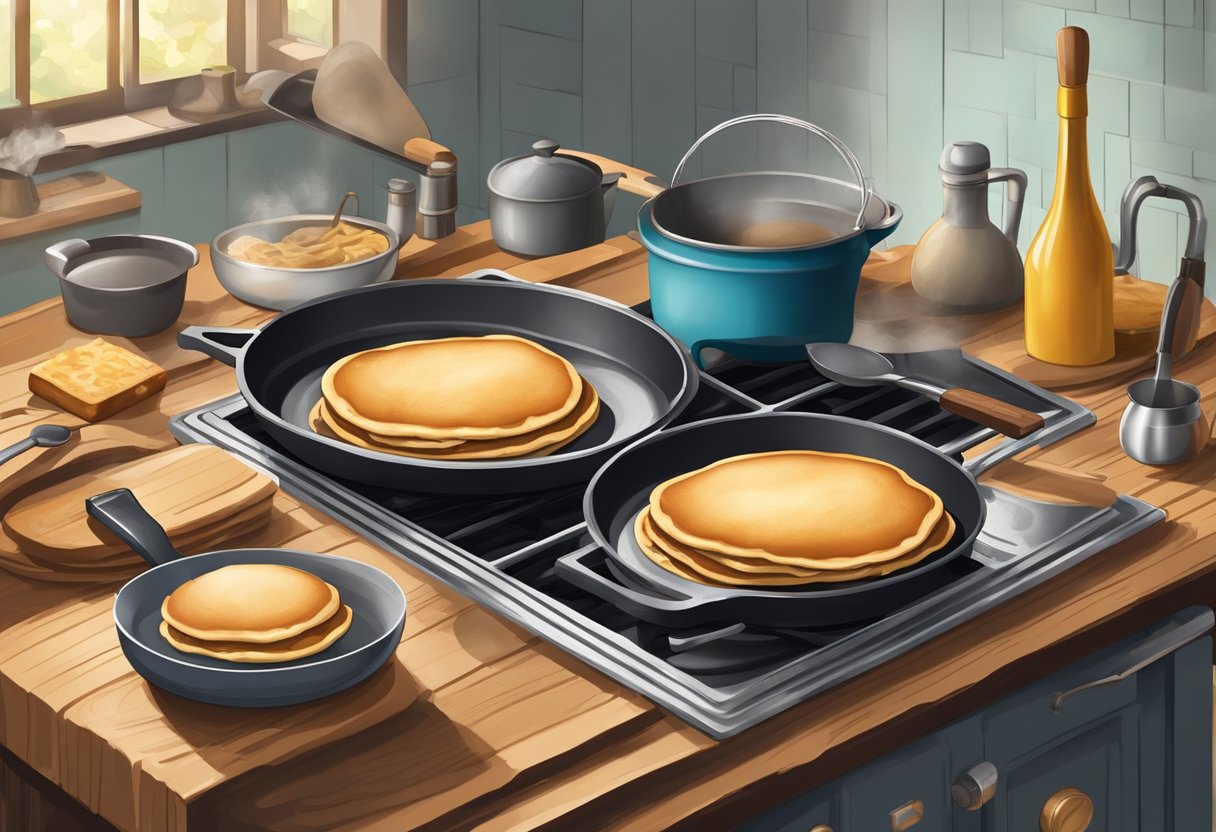
Pancakes have a long and interesting history. The earliest known records come from ancient Greece and Rome. Around 500 B.C.E., Cratinus, a Greek poet, described a flat cake that was hot and steaming. Moving forward to the late second century C.E., the Greek physician Galen provided a detailed recipe in his work On the Properties of Foodstuffs. He mentioned that these cakes, which were made by the Greeks and Romans, were prepared using olive oil and wheat flour. The batter was poured into a hot pan to make a sweet treat, often served with honey.
Additionally, evidence of pancakes has been found in other parts of the world. For example, archaeologists discovered millet pancakes in what is now Xinjiang, China. These finds date back to between 500 and 300 B.C.E., making them contemporaneous with the Greek poet Cratinus.
During the Neolithic Era, people ground grains like wheat and buckwheat into flour, mixed them with water, and cooked them on hot stones to make simple, early versions of pancakes. These early pancakes differed greatly from modern ones but were an essential part of ancient diets.
In medieval Europe, the term "pancake" started to appear. The word evolved from Middle English terms such as panecake or ponkake. Cookbooks from the 15th century, like Thomas Austin’s Two 15th-Century Cookery Books, included instructions for making pancakes by pouring batter into a hot pan.
Ingredients for these early pancakes were straightforward: grains like wheat flour or cornmeal, olive oil, and sometimes honey or sugar to add sweetness. The batter was simple but versatile, leading to many variations over the centuries. These early pancakes laid the foundation for the diverse and beloved pancake recipes enjoyed around the world today.
A Food of the People
Pancakes have long been considered a staple for the working class due to their simple ingredients and quick preparation time. Elizabeth David, in her comprehensive work English Bread and Yeast Cookery, highlighted how pancakes and griddle cakes effectively utilized less expensive flours such as barley, buckwheat, and oatmeal. These ingredients were unsuitable for traditional bread but perfect for pancake batter, a more liquid consistency that did not require kneading.
Historically, the affordability and availability of pancake ingredients made them an ideal meal for many families. William Ellis, in his 1750 cookbook Country Housewife’s Family Companion, described pancakes as one of the most practical and economical dishes for a farmer's family. Since the ingredients were typically produced on the farm, pancakes could be made quickly and frequently.
In times of scarcity, such as during the Prussian siege of Paris in 1870-1871, crepes became a crucial food source for lower-class Parisians as bread supplies dwindled. Despite their reputation as a humble fare, crepes helped feed many hungry families until flour became impossible to find. Creative solutions emerged, such as using rice instead of flour to make crepes, ensuring continued sustenance.
Historian Mary Pickering highlights that crepe vendors, who were mainly women, replaced chestnut sellers on Parisian streets. The loss of flour impacted their livelihood, forcing mothers to find new ways to feed their children. This necessity led to a shift in pancake and crepe preparation methods, demonstrating their adaptability and importance.
Pancakes served not just as a common meal but also as a practical travel food for miners, lumberjacks, cowboys, and urban workers. When meat and fish were costly, pancakes provided an affordable and filling alternative. According to Pancake: A Global History, the ease of making and the ability to produce large quantities quickly made pancakes a favorite in lumber camps, especially for breakfast, to fuel workers for a long day.
Despite their strong ties to the working class, pancakes crossed social boundaries. In February 1619, Anne Clifford, an English noblewoman, wrote about making pancakes with her women in her bedchamber. Cooking pancakes in this intimate setting served both as a bonding activity and a measure to control the use of expensive ingredients like sugar. Elite women of the time often cooked sweet treats in their private chambers to protect these precious commodities from being overused or stolen.
By the late Victorian era, English society enjoyed pancakes in more sophisticated forms, such as caviar pancakes, served as part of the savory course. These occasions marked a shift from the plain pancake to more elaborate versions, reflecting changing tastes and social practices.
Pancake Day and Traditions
Shrove Tuesday, also known as Pancake Day, plays a significant role in the tradition of making pancakes. This day, celebrated before the start of Lent, involves using up rich foods like eggs, milk, and butter before the fasting period begins. Pancakes became a convenient way to clear out the pantry, providing a delicious feast before the 40 days of abstention.
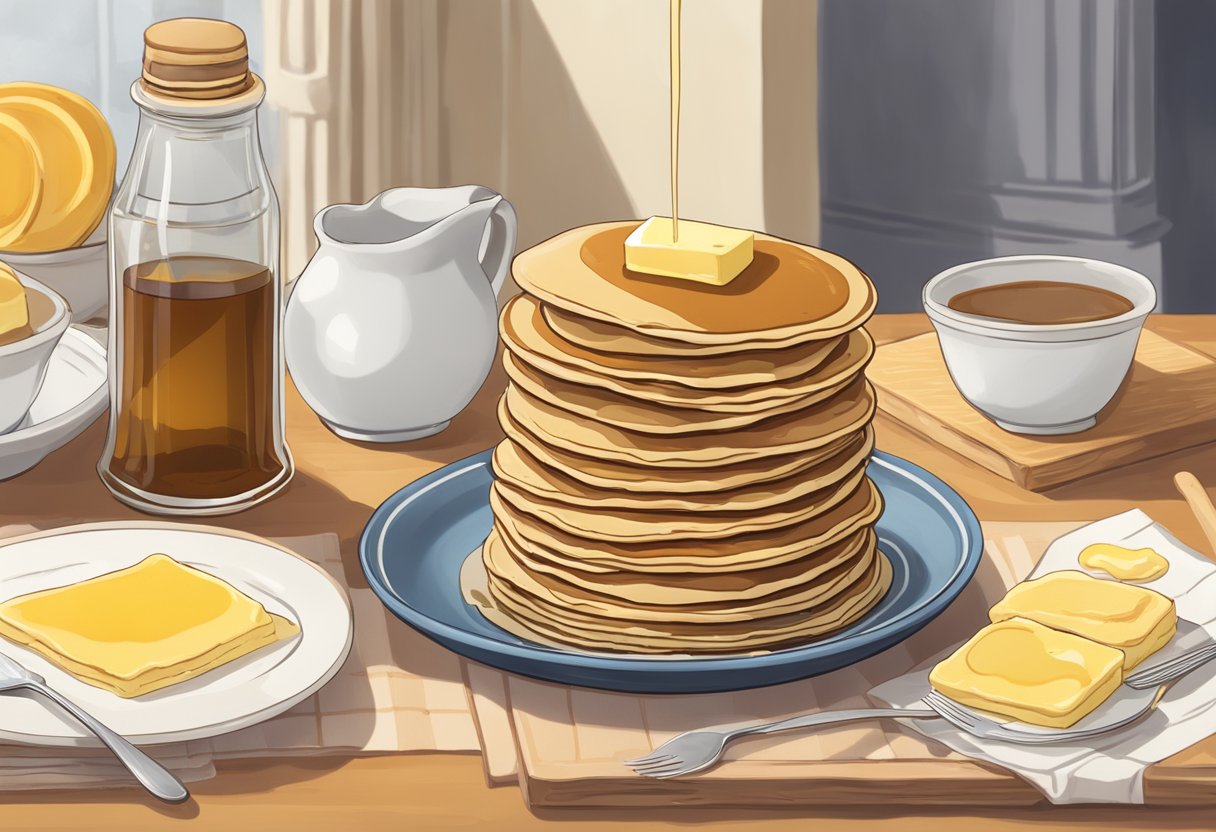
In the United States, Mardi Gras, similarly timed before Lent, features pancakes prominently in celebrations. This period of indulgence and festivity includes enjoying American-style pancakes—thick, fluffy, and often topped with butter and maple syrup.
Pancakes also find their place in various festive breakfasts, adorned with diverse toppings like blueberries, whipped cream, or chocolate chips. The versatility of pancakes ensures their enduring popularity across different cultures and social classes. Whether referred to as griddlecakes, crepes, or simply pancakes, this humble dish remains a beloved, essential part of culinary history.
Pancakes Around the World
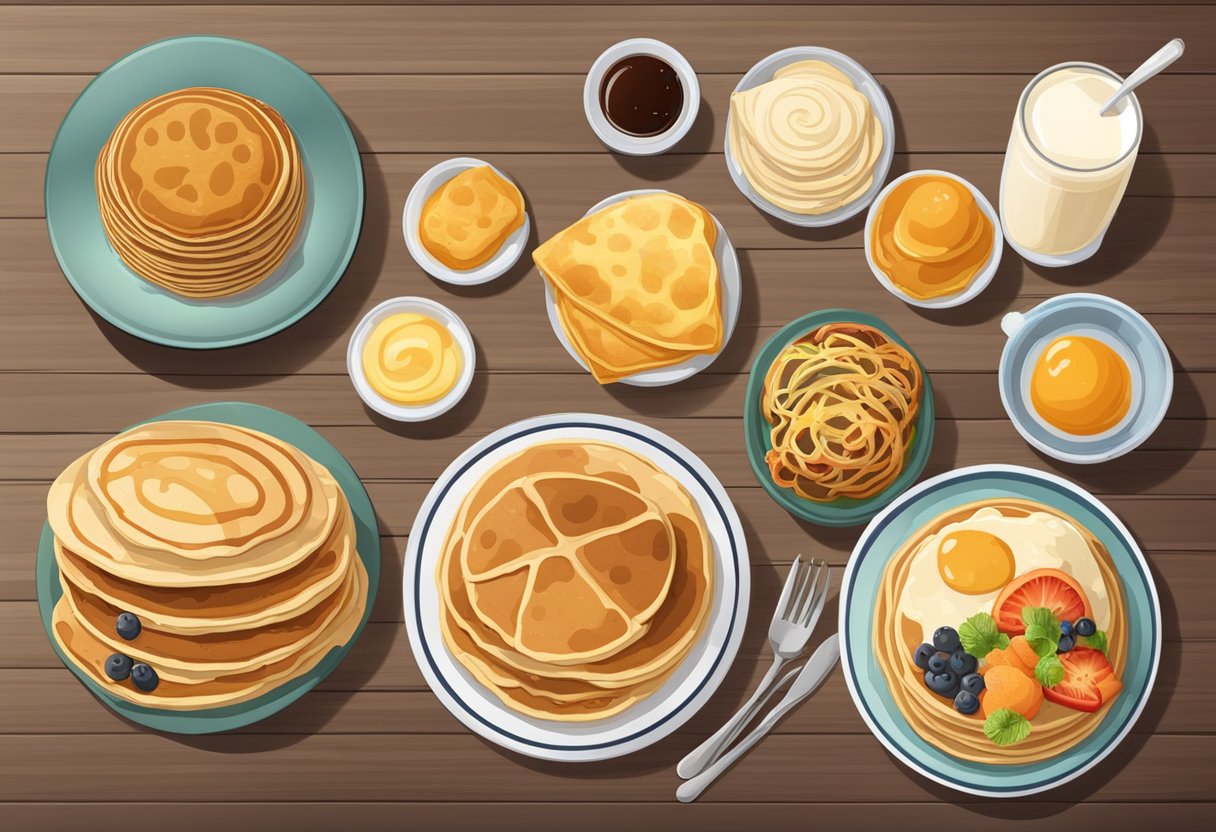
Pancakes have a fascinating global history, with different cultures putting their own unique spins on this beloved dish. From Japan to Ethiopia, pancakes come in many forms and are enjoyed in a variety of traditions.
Europe
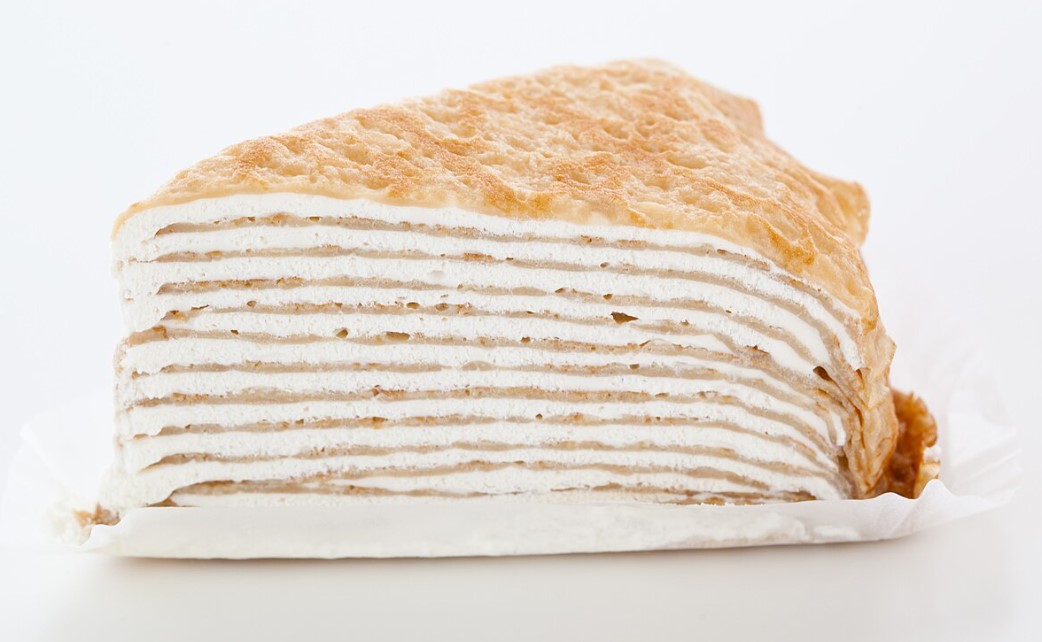
In France, crêpes are light, thin pancakes that can be either sweet or savory. They are often filled with ingredients like sugar, Nutella, ham, or cheese. French crêpes are a staple at street fairs and are celebrated on La Chandeleur, or Candlemas, when people traditionally eat crêpes.
In the Netherlands, pannenkoeken are larger and thicker than French crêpes but thinner than American pancakes. Pannenkoeken are often served for breakfast, lunch, or dinner and can be filled with anything from apples and cheese to bacon.
Blini in Russia are small, yeasted pancakes made from wheat or buckwheat flour. They are traditionally served with sour cream, caviar, or smoked salmon, often as a festive food during Maslenitsa, a Russian festival celebrating the end of winter.
North America
In the United States and Canada, pancakes are typically fluffy and served with maple syrup, butter, and sometimes fresh fruit. Popular breakfast dishes, they have also made their way into the culture as part of celebration meals. American pancakes, often referred to as hotcakes or griddlecakes, are a breakfast favorite.
Asia
In India, chilla is a savory pancake made from gram flour and spices. Chilla is commonly eaten for breakfast and at weddings. Another variant is dosa, a staple in South Indian cuisine, made with rice and black gram.
Injera is a sourdough flatbread from Ethiopia, Eritrea, and parts of Somalia. Made from teff flour, injera is central to communal meals, where it serves both as a plate and utensil, used to scoop up stews and salads.
In Japan, okonomiyaki is a savory pancake made with flour, eggs, shredded cabbage, and a variety of toppings like pork belly, shrimp, or octopus. It is often topped with a special sauce, mayonnaise, and bonito flakes, making it a popular street food.
Latin America
Arepas from Venezuela and Colombia are maize-based pancakes that can be grilled, baked, or fried. They are typically split and filled with cheese, meats, or avocado, serving as a versatile meal for any time of day.
Middle East and Mediterranean
In the Middle East, ataif or qatayef are small pancakes often filled with cream or nuts and served during the month of Ramadan. They are fried or baked, then drizzled with syrup. In Greece, tiganites are small, yeast-leavened pancakes made with flour, milk, and eggs. They are usually served with honey and nuts, often enjoyed as a dessert or a festive treat.
East Asia
In China, jianbing is a popular street food. This savory pancake is made from wheat and grain flour, cooked on a griddle, and filled with egg, scallions, cilantro, and sometimes additional ingredients like sausage or crispy wonton. Jianbing is typically folded and served hot.
Customizations and Innovations
Part of the pancake's universal appeal is its flexibility. Ingredients can range from sweet to savory, allowing for endless customization. In Indonesia, serabi kuah are green pancakes flavored with coconut milk and pandan. In Korea, buchimgae are savory pancakes filled with a variety of vegetables and seafood, often enjoyed as side dishes.
The tradition of eating pancakes spans cultural and religious boundaries. Jewish people make latkes during Hanukkah, a potato-based pancake fried in oil to celebrate the Festival of Lights. In Italy, farinata is a chickpea pancake known in France as socca.
Unique Traditions
Shrove Tuesday, also known as Pancake Day, is celebrated in many Western countries. This day marks the last opportunity to indulge before the Lenten fast. In England, the tradition includes pancake races where participants run while flipping pancakes in a pan. These customs highlight the community and festive spirit that pancakes often bring.
Modern Enjoyment
Today, the pancake continues to evolve. While some may stick to traditional recipes, others experiment with new flavors and ingredients. Food writers and chefs frequently explore different methods and ingredients, proving that despite its ancient origins, the humble pancake remains a beloved and adaptable dish around the world.
Related posts