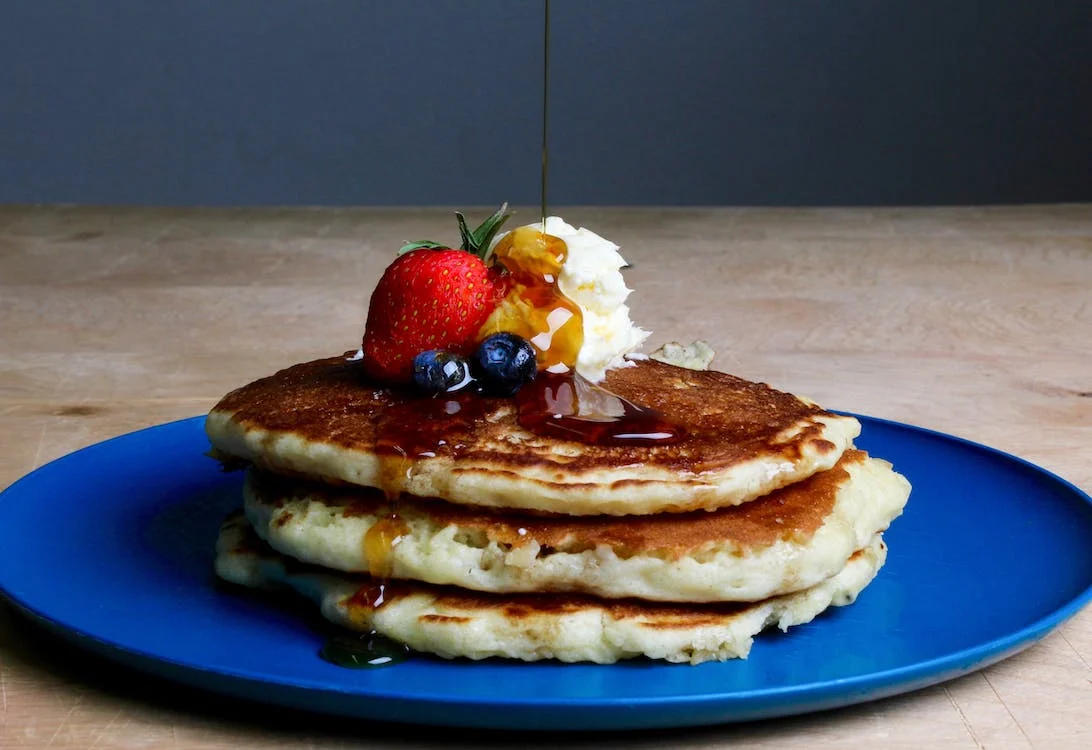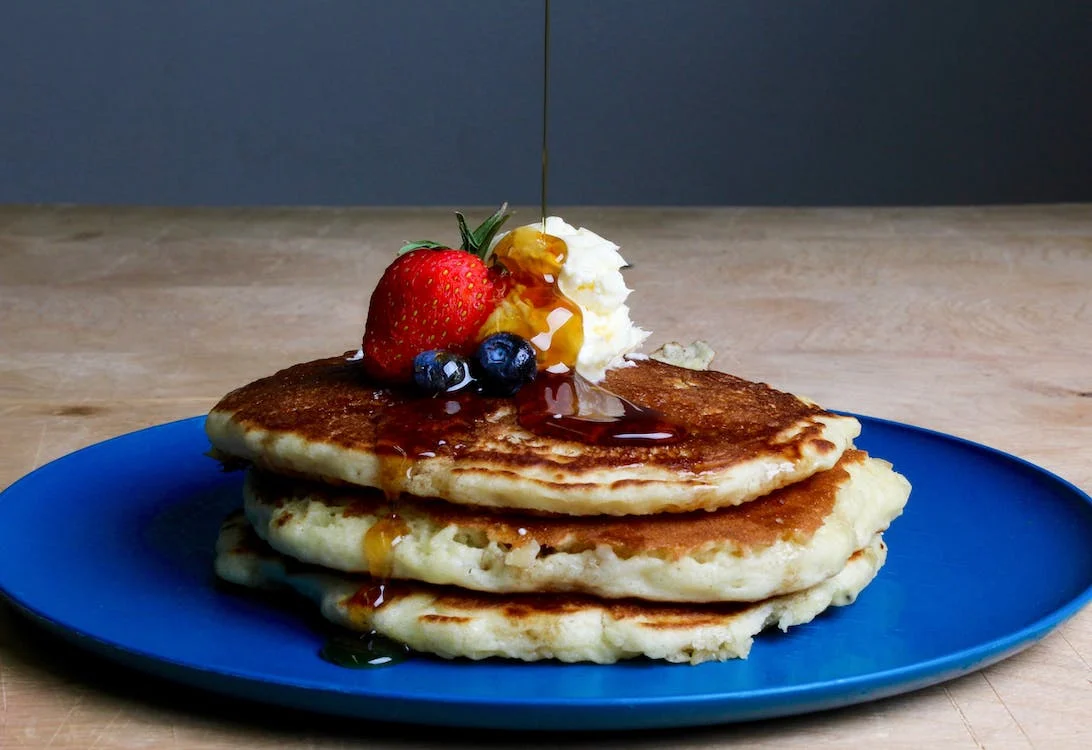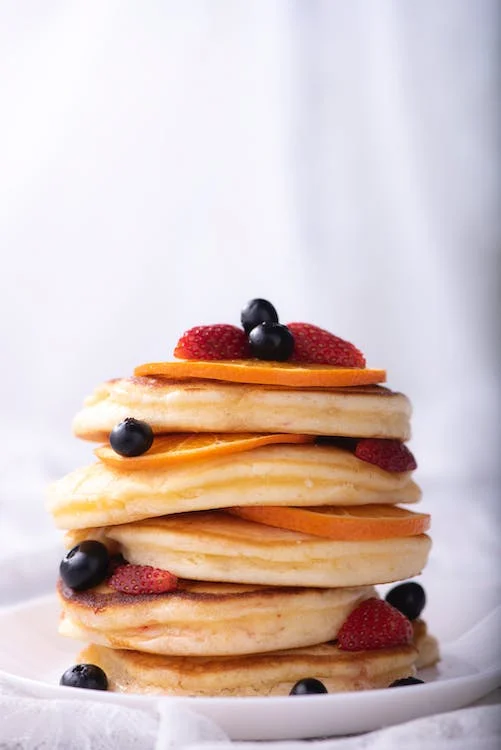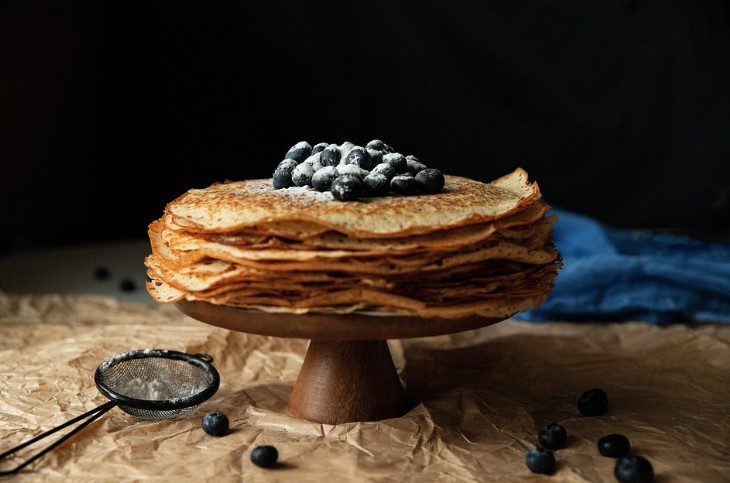
The Science of Pancake Texture: What Makes a Pancake Fluffy or Dense?
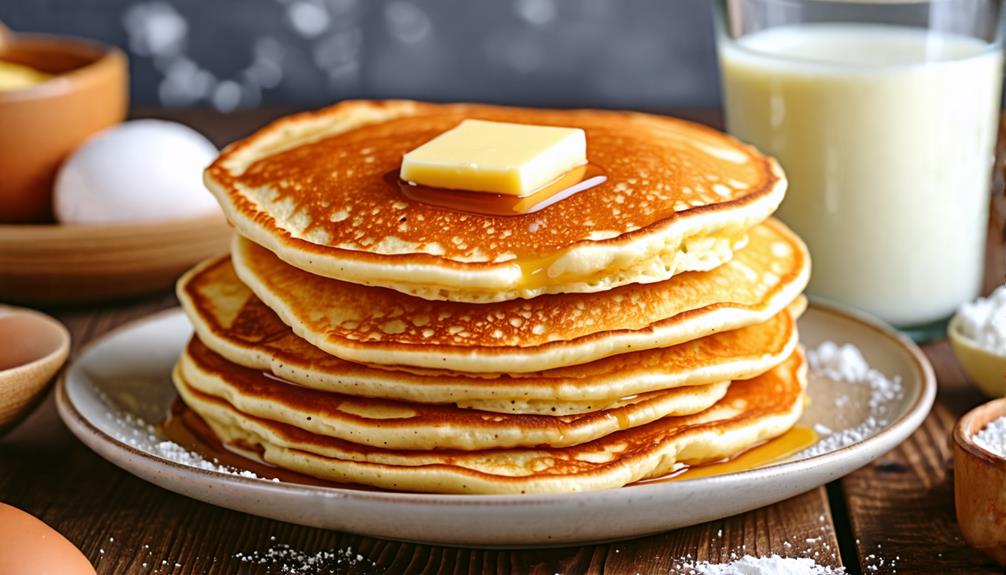
Have you ever wondered why some pancakes are light and airy while others are dense and heavy? The answer lies in the science of ingredients and techniques. The type of flour and leavening agents you use, as well as how you mix the batter, all play crucial roles in the final texture. But it's not just about the ingredients—cooking temperature and resting time also make a significant difference. Want to perfect your pancakes? Let's explore the key factors that can elevate your breakfast game.
- Choosing the Right Flour: Use all-purpose flour for a balanced texture. For fluffier pancakes, consider using cake flour.
- Leavening Agents: Baking powder and baking soda help the batter rise. Make sure they are fresh for the best results.
- Mixing the Batter: Mix until the ingredients are just combined. Overmixing can lead to dense pancakes.
- Resting Time: Let the batter rest for at least 10 minutes. This allows the flour to hydrate and the leavening agents to start working.
- Cooking Temperature: Cook pancakes on medium heat. Too hot, and they'll burn; too cool, and they'll be pale and undercooked.
By paying attention to these factors, you can consistently make pancakes that are light, fluffy, and delicious.
Key Ingredients
To craft the perfect pancake texture, the key ingredients are essential. Start with low-protein flour, like cake or pastry flour, for lighter, more tender pancakes compared to using all-purpose flour. Eggs are also crucial. Separate the egg whites and whip them before folding them into the batter to incorporate more air, resulting in fluffier pancakes.
Buttermilk is important, as it contains lactic acid, which tenderizes gluten, contributing to a lighter texture than regular milk. Baking powder acts as a leavening agent, creating bubbles that help pancakes rise and become fluffy. Sugar not only sweetens the batter but also slows down gluten development, making the pancakes softer and more tender.
Lastly, don't overlook the type and quality of fat. Butter adds richness and keeps pancakes moist. By carefully selecting and balancing these ingredients, you can make pancakes that are fluffy and delicious every time.
The Maillard Reaction
Ever wondered what gives pancakes their golden-brown color and mouth-watering aroma? It's the Maillard reaction, a chemical process occurring between amino acids and reducing sugars when you cook pancakes at 280-330°F (140-165°C). This reaction not only affects appearance but also creates complex flavors and enticing smells.
As you heat pancake batter, amino acids and sugars interact, forming hundreds of flavor compounds. These compounds contribute to the sweet, nutty, and slightly crispy texture on the pancake's surface. The golden-brown color is a direct result of the Maillard reaction.
To enhance this effect, you can add baking soda to your batter. Baking soda increases the pH level, making the Maillard reaction more effective. This results in deeper colors and richer flavors. Cooking at slightly higher temperatures can also promote caramelization, adding another layer of flavor complexity.
Leavening Agents
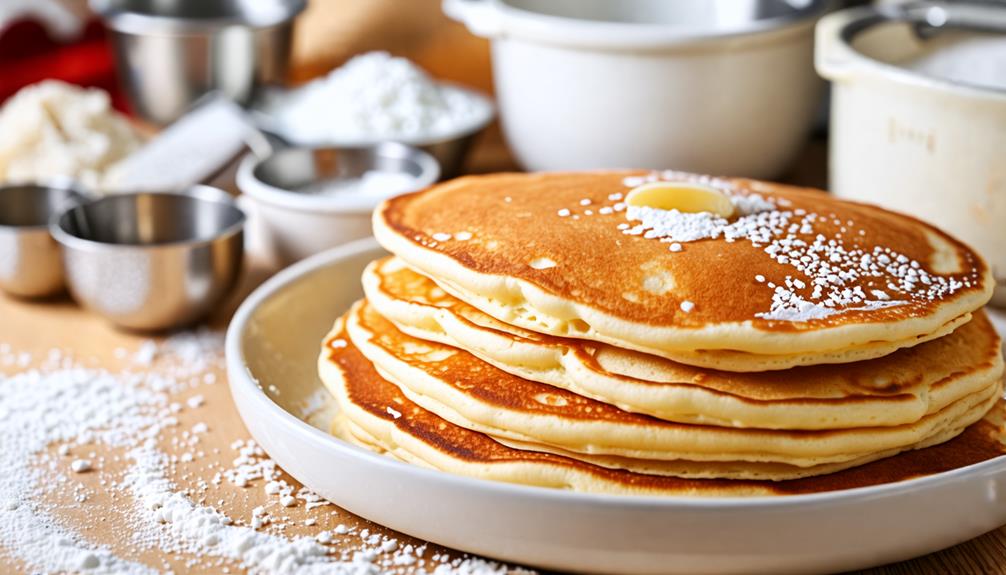
Leavening agents are essential for achieving that perfect fluffy texture in your pancakes. Baking powder and baking soda are key ingredients for creating the carbon dioxide gas that helps your pancakes rise. Baking powder is particularly effective because it contains both an acid and a base, enabling it to produce carbon dioxide when mixed with moisture. This reaction helps create light, fluffy pancakes.
Baking soda, on the other hand, needs an acidic ingredient like buttermilk to activate and produce the same gas. Combining baking powder with baking soda can enhance the leavening effects, ensuring your pancakes rise beautifully and become tender and airy.
Avoid a few common pitfalls to get the best results. Overmixing your pancake batter can reduce the effectiveness of these leavening agents. When you overmix, you lose the carbon dioxide bubbles needed for a fluffy texture, resulting in dense pancakes. Also, always check the freshness of your baking powder and baking soda. Expired leavening agents won't generate enough gas, leaving you with flat, dense pancakes. So, keep your leavening agents fresh and mix your batter wisely.
Mixing Techniques
Achieving the perfect pancake texture depends on your mixing techniques. First, mix the batter until just combined. Small lumps are acceptable and can actually make pancakes tender. Overmixing develops gluten, making pancakes dense.
Incorporate dry ingredients into wet ones using a gentle folding motion with a spatula. This helps prevent lumps and creates a light batter. Avoid vigorous stirring, which releases excess gluten, making pancakes tough and rubbery instead of fluffy. Your goal is to keep the air pockets in the batter, essential for fluffiness.
Monitoring the batter to ensure the ingredients are just combined is also key. This helps maintain air pockets needed for a fluffy texture. Sifting flour and other dry ingredients before mixing can prevent clumping and promote light mixing, contributing to airy and soft pancakes.
Here are some tips to remember:
- Mix batter until just combined.
- Use a gentle folding motion.
- Avoid vigorous stirring.
- Monitor batter to preserve air pockets.
- Sift dry ingredients before mixing.
Master these mixing techniques, and you're on your way to pancake perfection!
Cooking Temperature
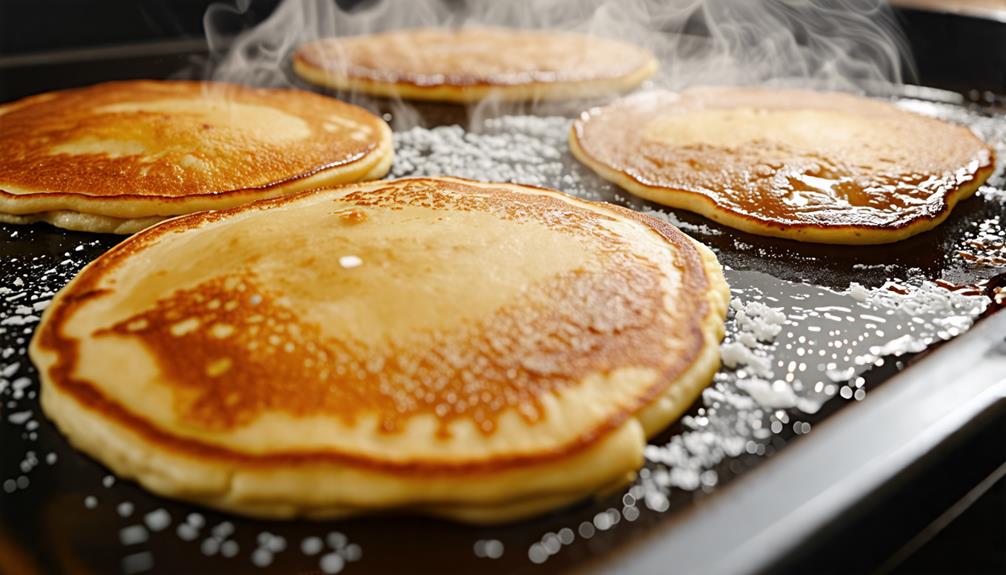
To make fluffy pancakes, set your cooking temperature to around 375°F (190°C). Preheat the griddle or pan to ensure even cooking and a perfect golden-brown color. Adjust the heat based on the pancake thickness to prevent burning the outside while leaving the inside raw.
Optimal Heat Level
To achieve perfectly textured pancakes, cook them at the ideal temperature of about 375°F (190°C). This heat level ensures your pancakes develop a golden-brown color and desirable flavor through the Maillard reaction. Medium heat allows the batter to rise properly, trapping gas bubbles crucial for fluffy pancakes.
Cooking at too low a temperature results in dense, under-browned pancakes. Too high a temperature can cause the outside to burn before the inside is fully cooked. Maintaining a steady medium heat ensures even cooking throughout.
Here's how to get it right:
- Temperature Check: Use a thermometer to confirm your griddle or pan is at 375°F (190°C).
- Medium Heat: Start at medium heat and adjust as needed to keep the correct temperature.
- Even Cooking: Consistent heat helps the batter rise and traps gas bubbles, making your pancakes fluffy.
- Surface Bubbles: Flip your pancakes when bubbles form on the surface, indicating the bottom is cooked.
- Golden-Brown Color: Aim for a golden-brown finish to ensure both flavor and texture are perfect.
Preheating Importance
Preheating your cooking surface is crucial for making perfect pancakes. Set your griddle to around 375°F (190°C). This temperature helps activate the leavening agents in your batter quickly. When preheated properly, the batter starts cooking right away, trapping the carbon dioxide gas produced during the baking reaction, which makes the pancakes fluffy.
If you skip or rush preheating, your pancakes will spread too much and cook unevenly. This results in a denser texture and a pale appearance. A preheated non-stick surface also improves browning and prevents sticking, giving your pancakes a perfect golden hue and texture.
Temperature Adjustments
To achieve the perfect pancake texture, you need to master cooking temperature adjustments. The ideal cooking temperature for fluffy pancakes is around 375°F (190°C). This heat level activates the leavening agents quickly, leading to maximum fluffiness. If the heat is too low, you won't get enough bubble formation, resulting in dense and flat pancakes.
If the heat is too high, your pancakes may brown too fast on the outside while staying undercooked inside. This imbalance affects both texture and taste. A moderate heat ensures even cooking, allowing the Maillard reaction to occur without burning, giving your pancakes a golden-brown color and delicious flavor.
Preheating your griddle or pan is also crucial. It ensures that the batter starts cooking immediately, trapping gas bubbles and promoting a light, airy texture.
Key points to remember:
- Ideal temperature: 375°F (190°C) for maximum fluffiness.
- Low heat: Results in dense, flat pancakes.
- High heat: Causes uneven cooking and poor texture.
- Moderate heat: Ensures even cooking and desirable browning.
- Proper preheating: Essential for trapping gas bubbles and achieving a light texture.
Master these temperature adjustments to consistently make perfect pancakes.
Resting the Batter
Resting the batter for at least 10 minutes lets the gluten relax, giving your pancakes a tender texture. During this time, the leavening agents activate, forming tiny bubbles that make your pancakes fluffy. However, don't let it sit too long, or you will lose those bubbles, resulting in denser pancakes.
Leavening Agents Activation
To make fluffier pancakes, let the batter rest for at least 10 minutes. This time allows the leavening agents, like baking powder and baking soda, to produce carbon dioxide (CO₂) bubbles. These bubbles are crucial for a light and airy texture. Buttermilk helps activate the baking soda due to its acidity, boosting the leavening process.
During the resting period, you'll see bubbles forming in the batter. These bubbles show that the leavening agents are working. They help your pancakes rise well when cooked. However, timing is important. If the batter rests too long, the gas escapes, leading to denser pancakes. Watch the clock to avoid this.
Why resting the batter works:
- Leavening agents need time to produce CO₂.
- Buttermilk helps activate baking soda, enhancing the rise.
- Bubbles formed during resting are essential for fluffiness.
- Gluten development slows, preventing tough pancakes.
- Optimal resting time ensures maximum rise without gas loss.
Follow these steps to get the best results with your pancakes.
Gluten Relaxation Time
To achieve tender and fluffy pancakes, let your batter rest for at least 10 minutes. This resting period allows the gluten strands in the flour to relax, which helps prevent your pancakes from becoming tough and rubbery. It also gives the leavening agents time to activate, creating carbon dioxide bubbles that make the batter rise.
Resting the batter fully hydrates the flour, leading to a smoother and more consistent mixture. This consistency is key for achieving a fluffy texture. If you skip this step and cook the batter immediately, the gluten strands stay tight, which hinders gas bubble retention and results in denser pancakes.
Flour Types
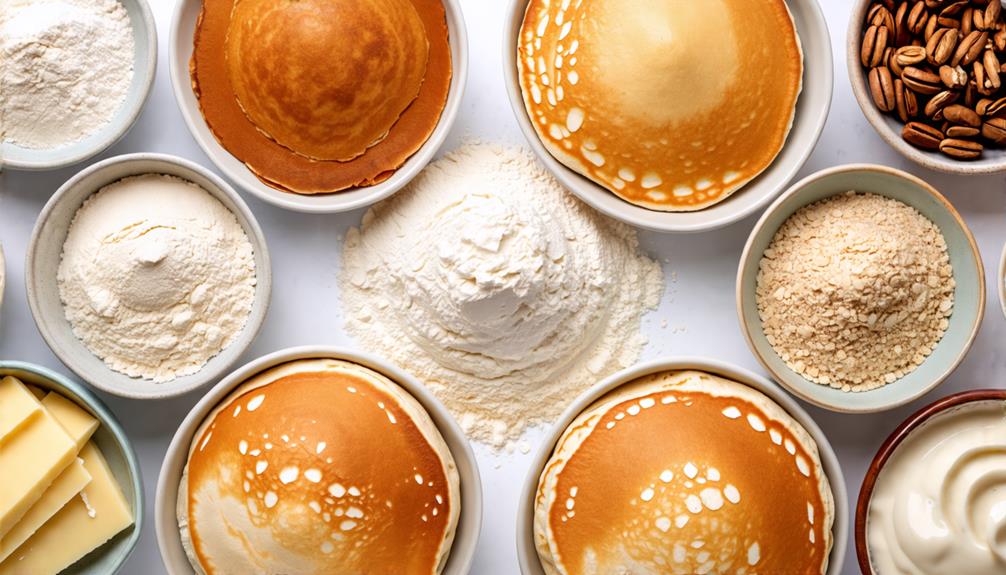
Choosing the right flour is crucial for perfect pancake texture. The protein level in different flours affects gluten content and the fluffiness of your pancakes. Low-protein flours, like cake flour and pastry flour, are ideal for light, tender, and fluffy pancakes. Their reduced gluten content means less chewiness and more softness.
If you don't have cake flour, you can mix all-purpose flour with cornstarch in a 1:1 ratio. This combination lowers the gluten content, giving you a lighter texture suitable for fluffy pancakes.
Key points to remember:
- Use fresh flour; expired flour can make pancakes dense.
- Low-protein flours (cake or pastry) are best for fluffy pancakes.
- Combine all-purpose flour and cornstarch for a lighter texture.
- Buttermilk can tenderize gluten, enhancing fluffiness.
- Experiment with different flours to find your perfect pancake.
Follow these tips for the best results.
Buttermilk Benefits
For the fluffiest pancakes, buttermilk is essential. The lactic acid in buttermilk tenderizes the gluten in your batter, making the texture lighter and fluffier.
When using buttermilk, the fermentation process turns lactose into lactic acid. This improves the reaction with baking soda, producing carbon dioxide gas. These bubbles give your pancakes their fluffiness. The acidity of buttermilk also balances the alkaline nature of baking soda, ensuring a proper rise and preventing a metallic taste.
Buttermilk also adds a subtle buttery flavor due to a compound called diacetyl. This makes your pancakes not only fluffy but also delicious. Additionally, buttermilk relaxes gluten formation, resulting in more tender pancakes. So, don't skip the buttermilk next time you make pancakes—it is the key to perfect, fluffy results.
Flipping Pancakes
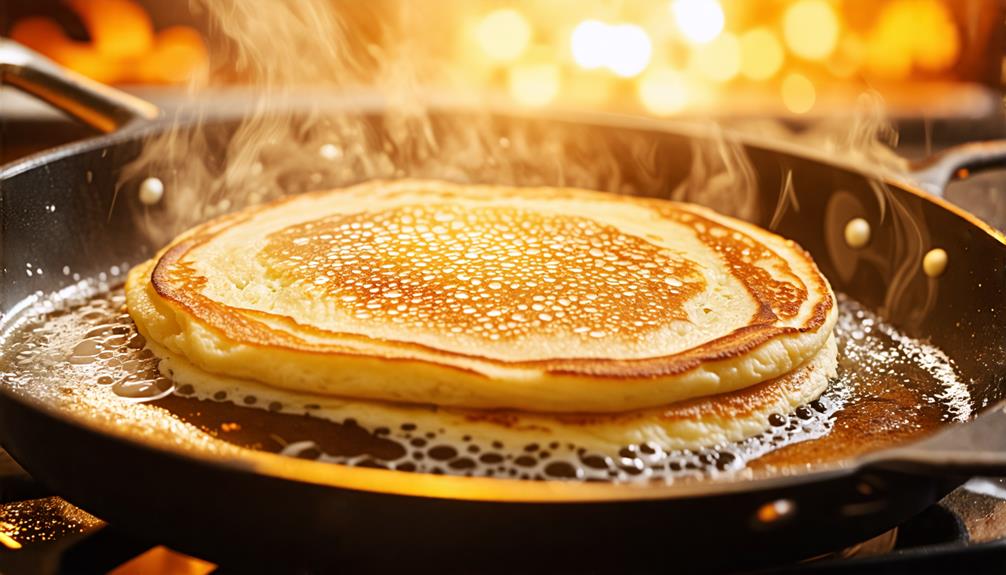
As bubbles form on the pancake's surface and the edges set, it's time to flip. Flipping pancakes is essential for cooking them evenly and keeping them fluffy.
Here's how to flip pancakes like a pro:
- Flip gently: A hard flip can deflate the bubbles, making pancakes flat. Use a gentle wrist motion.
- Use a non-stick spatula: This tool slides under the pancake smoothly, reducing the risk of breaking.
- Watch the timing: Wait for bubbles in the batter and set edges before flipping. Too early, and the centers will be undercooked; too late, and they will burn.
- Practice regularly: Perfecting the flip takes practice. The more you do it, the better your pancakes will be.
- Maintain even heat: Ensure your pan has even heat to cook the pancake uniformly, making the flip easier.
Follow these steps for fluffy, well-cooked pancakes every time.