
The Science of Eggshells: How They Protect Your Breakfast
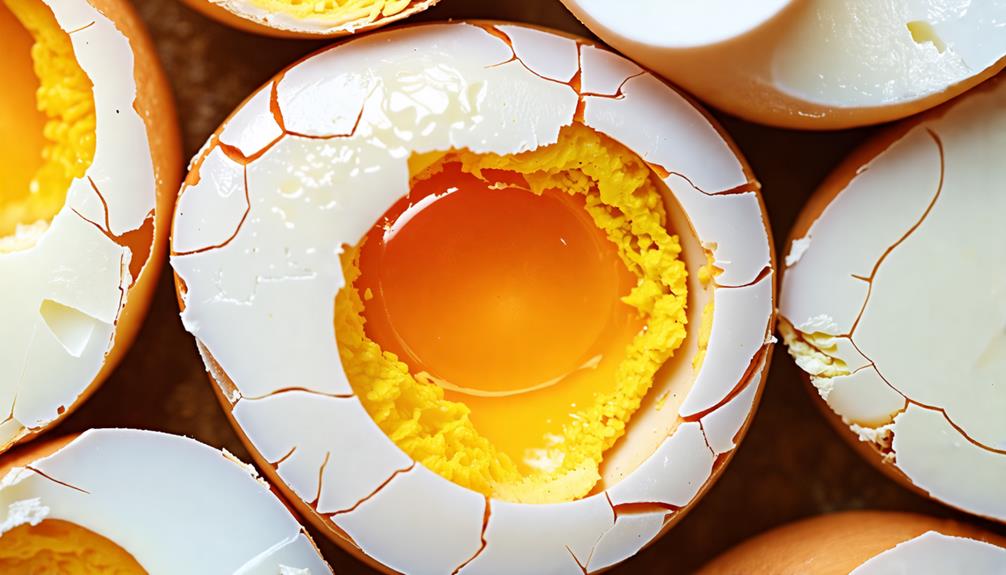
When you crack open an egg for breakfast, you might not think much about its shell. However, there's important science behind how it protects your meal. Eggshells are mainly made of calcium carbonate, which gives them the strength and rigidity to safeguard the egg's contents. The formation process, which takes about 20 hours, involves the secretion of a protective membrane inside the hen's oviduct.
But how do these shells balance being strong enough to protect the egg while porous enough to allow gas exchange? And what unexpected health benefits might they offer you? Let's explore further.
Eggshells need to be sturdy to keep the egg safe. Yet, they also have tiny pores that let gases like oxygen and carbon dioxide pass through. This is crucial for the developing chick inside. For you, the porous nature of the shell ensures that the egg remains fresh.
You might be surprised to learn that eggshells can offer health benefits for you too. They are a good source of calcium. You can clean and grind eggshells into a fine powder and add it to your food as a calcium supplement. Just make sure to sterilize the shells by boiling them first.
In summary, eggshells protect the egg through a combination of strength and porosity. They also offer potential health benefits as a calcium source. Next time you crack open an egg, you'll know a bit more about the science at work.
Composition of Eggshells
When you crack open an egg, you might not think much about its shell, but it's a remarkable structure. Eggshells are mainly made of calcium carbonate, which accounts for about 95% of their composition. This gives the shell a strong yet flexible barrier, protecting the egg's contents from minor impacts.
An average chicken eggshell contains about 2 grams of calcium. This helps maintain the shell's structure and can be a good source of calcium for both humans and animals. The calcium in eggshells is highly bioavailable, making it similar to the calcium found in food-grade supplements, which can be useful for dietary needs.
In addition to calcium carbonate, eggshells also have proteins, trace minerals, and collagen. These components can offer extra health benefits when consumed. The typical thickness of an eggshell ranges from 0.3 to 0.5 millimeters. This thickness balances strength and flexibility, allowing the shell to withstand minor impacts while being easy to crack open when needed.
Eggshell Formation Process
Think of a hen's oviduct as a factory where the eggshell is made. The process ensures your breakfast egg is well-protected. It starts with the secretion of a thin protein layer called the eggshell membrane. This layer gives the egg its initial structure and protection.
As the egg moves through the oviduct, calcium carbonate, an essential mineral, is added to the membrane. This process is detailed and takes about 20 hours. By the time the egg is laid, the eggshell is about 0.25 to 0.30 millimeters thick, forming a strong barrier against germs and damage.
Here's a summary of the process:
- Eggshell membrane secretion: The foundation layer is formed.
- Calcium carbonate deposition: Layers of calcium carbonate harden the shell.
- Completion: The shell reaches its final thickness and protective strength.
The color of the eggshell, from white to brown, depends on the hen's breed and the pigments added during shell formation.
Physical Properties
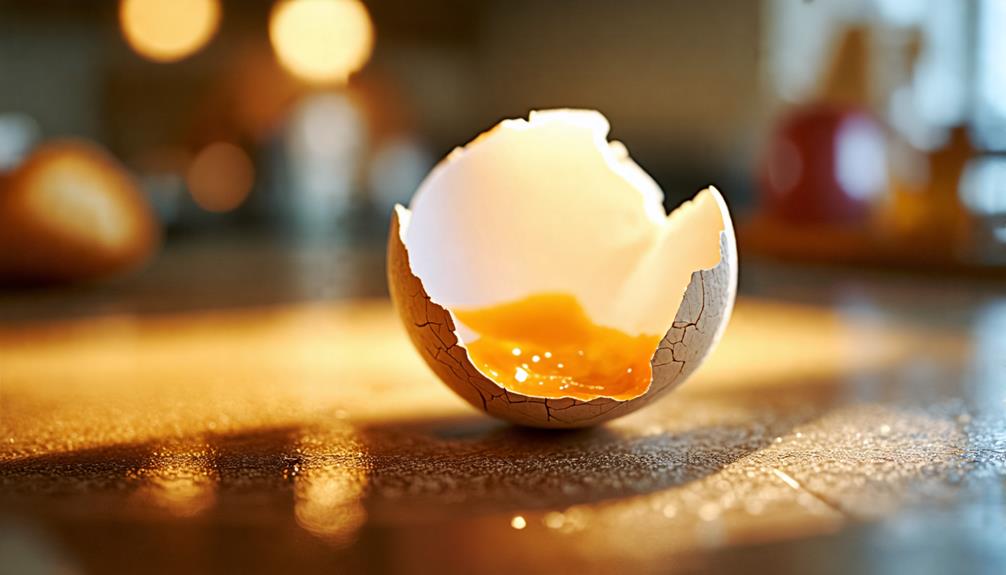
Eggshells have impressive physical properties that make them ideal for protecting their contents. They are primarily composed of calcium carbonate, which makes up about 95% of their structure. This high calcium carbonate content gives eggshells the rigidity needed to shield the egg from physical damage.
Despite being just 0.3 millimeters thick on average, eggshells provide a strong barrier against external threats. Their porous structure, with around 7,000 tiny pores, allows for vital gas exchange while keeping internal moisture and nutrients. This balance is crucial for the embryo's development and the egg's quality.
Inside the shell, you'll find an eggshell membrane with two layers. These layers add strength and create a defense against bacterial penetration, enhancing the eggshell's protective capabilities.
The color of an eggshell, ranging from white to brown, is determined by the breed of the hen and doesn't affect its nutritional value or structural integrity. Whether you crack open a white or brown egg, its calcium carbonate-rich shell is effectively protecting your breakfast.
Microbial Protection
Eggshells have a natural ability to protect against microbial invasion. The hard, calcium carbonate shell forms an effective barrier, keeping harmful bacteria out. But eggs have more layers of defense.
- Inner Membranes: These layers have antimicrobial properties that inhibit bacterial growth. They are effective against pathogens like Salmonella, helping keep your eggs safe to eat.
- pH Level: The egg white's slightly alkaline pH level deters microbial growth, working with the shell for added protection.
- Sanitation Practices: Proper washing and cooking of eggs improve microbial protection. These practices reduce the chance of contamination during storage and handling.
Studies show these mechanisms greatly reduce contamination risk. The eggshell and its membranes serve as the primary defense, while the egg white's pH level adds extra protection.
Nutritional Content
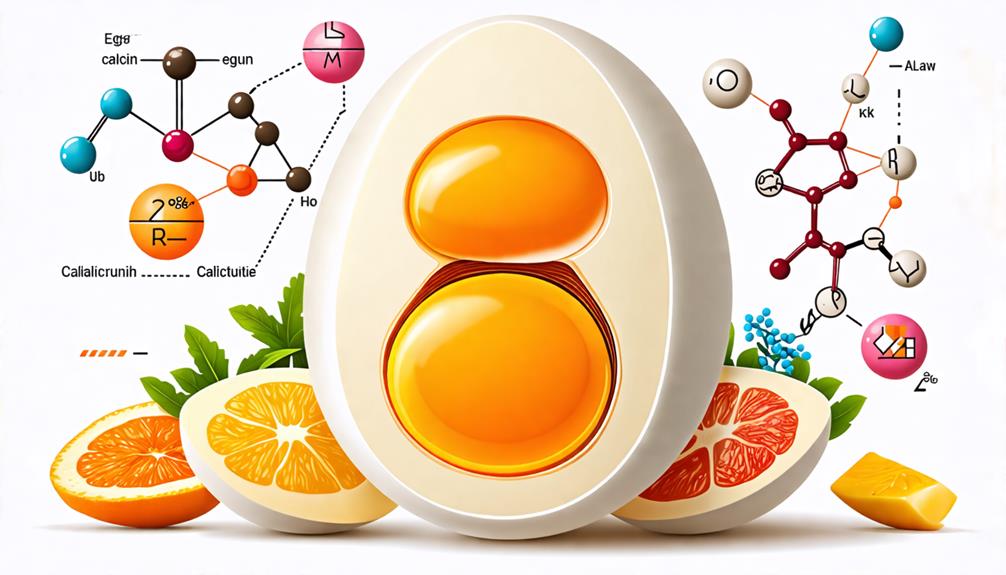
Eggshells are rich in nutritional benefits, especially calcium. Just one eggshell can provide around 2 grams of calcium, along with important trace minerals like magnesium, phosphorus, and sodium. Adding ground eggshells to your diet can support overall well-being.
To use eggshells as a supplement, follow these steps:
- Wash the eggshells thoroughly to remove any residue.
- Boil the eggshells for about 10 minutes to ensure they are clean and safe.
- Let the eggshells dry completely.
- Grind the dried eggshells into a fine powder using a coffee grinder or blender.
- Store the powder in an airtight container.
You can add this powder to smoothies, soups, or baked goods to boost your calcium intake. Be sure to start with small amounts, like half a teaspoon, and consult a healthcare provider if you have any concerns.
Calcium-Rich Composition
Ever wondered what makes the crunchy exterior of your breakfast egg so special? The secret lies in its calcium-rich composition. Eggshells are primarily made of calcium carbonate, a compound with significant nutritional benefits. About 40% of an eggshell is calcium, translating to roughly 2 grams per shell. Each gram of eggshell provides between 381-401 mg of calcium, making a single eggshell a potent source of this crucial mineral.
Here are three key facts about the calcium content in eggshells:
- High Calcium Content: One eggshell can supply about 1,500 mg of calcium, more than enough to meet your daily requirements.
- Effective Absorption: The calcium from eggshells is as bioavailable as food-grade calcium carbonate, ensuring it is effectively absorbed by your body.
- Bone Health Benefits: Adding eggshell powder to your diet can help prevent osteoporosis and improve bone density, especially when paired with vitamin D3 and magnesium.
To use eggshells in your diet, clean them thoroughly, bake them to kill any bacteria, and then grind them into a fine powder. You can add this powder to smoothies, soups, or baked goods for an easy calcium boost. Always consult with a healthcare provider before making significant changes to your diet.
Essential Trace Minerals
Eggshells are more than just a good source of calcium. They contain essential trace minerals like magnesium, phosphorus, sodium, and even strontium. These minerals are important for various body functions. For example, magnesium helps with muscle and nerve function, phosphorus is crucial for energy production, and sodium helps manage fluid balance. Strontium, although less known, works with calcium to support bone health.
Using eggshell powder is an effective way to add these minerals to your diet. The calcium in eggshell powder is as easily absorbed by the body as food-grade calcium carbonate. This helps support bone health and may prevent osteoporosis.
Eggshells also contain collagen, which is good for joint health and skin elasticity. Additionally, the fluorine in eggshells helps strengthen tooth enamel. By adding eggshell powder to your diet, you support not just your bones but also other important bodily functions.
Health Benefits
Eggshells offer a variety of health benefits beyond just protecting your breakfast. By adding eggshell powder to your diet, you access a rich source of calcium, about 2 grams per chicken eggshell. This calcium is crucial for strong bones and preventing osteoporosis. Notably, calcium from eggshells is as bioavailable as food-grade calcium carbonate, making it an effective supplement.
Research indicates that eggshell powder can improve bone density and mobility, especially in postmenopausal women and those with osteoporosis. Eggshells also provide trace minerals like magnesium and collagen, which support joint health and overall well-being.
Here are three key health benefits of consuming eggshells:
- Enhanced Bone Health: The calcium in eggshells helps maintain strong bones and prevents osteoporosis.
- Improved Joint Health: Magnesium and collagen in eggshells support joint function and reduce discomfort.
- Better Dental Health and Digestion: The alkaline properties of eggshells improve oral hygiene and digestive health.
Preparation Methods

Preparing eggshells for consumption is simple and ensures you can safely enjoy their benefits. Start by rinsing the eggshells thoroughly in cold water to remove any remaining egg white. This step is crucial for cleanliness. Next, bake the cleaned shells at 200°F for 10 minutes to kill any potential bacteria like salmonella. Baking also makes the shells easier to crush.
Once baked, crush the shells into a fine powder using a blender or food processor. This makes it easy to mix the powder into your food. Alternatively, you can boil the eggshells for about two minutes to kill bacteria. Just make sure they are completely dry before crushing.
After processing, store the eggshell powder in a ventilated container to prevent moisture buildup and maintain freshness. Avoid using dyed eggshells, as the dye can contaminate and spoil the powder.
Practical Applications
To make your own eggshell powder, start by cleaning the shells thoroughly. Next, toast them in the oven to kill any bacteria. Once toasted, grind the shells into a fine powder. This powder can be added to foods like bread and pasta without altering the flavor. Doing so will boost your calcium intake. This method not only helps prevent calcium deficiencies but also promotes sustainable practices by reusing kitchen waste.
Preparing Eggshell Powder
To turn discarded eggshells into a valuable calcium supplement, start by thoroughly rinsing and cleaning the shells to remove any egg white residue. Ensuring they are free from contaminants is essential. Once cleaned, follow these steps to prepare your own eggshell powder:
- Dry the Shells: Place the cleaned shells on a baking sheet and dry them in an oven at 200°F for 10 minutes. This step kills any potential bacteria like Salmonella.
- Grind to a Fine Powder: Use a blender or food processor to grind the dried shells into a fine powder. A typical eggshell can yield about 1,500 mg of calcium.
- Store Properly: Transfer the powder to an airtight container to keep it fresh and ready for use.
Incorporating eggshell powder into your daily routine is easy and beneficial. Consuming about 2.5 grams daily can meet your calcium needs, offering a sustainable source of nutrition. This powder can improve the nutritional value of meals without altering their flavor or texture. By making your own eggshell powder, you are reducing waste and increasing your dietary calcium intake effectively.
Incorporating Eggshells in Meals
Incorporating eggshell powder into your meals is a straightforward way to boost your calcium intake. You can prepare it at home by grinding clean, dried eggshells in a blender or food processor. Just 2.5 grams of eggshell powder can be added to foods like bread and pizza, providing essential calcium without changing the flavor or texture.
One ground eggshell provides about 1,500 mg of calcium, making it an effective way to meet your daily needs, especially if you need extra calcium. Research shows that the calcium in eggshell powder is as bioavailable as food-grade calcium carbonate, meaning your body can absorb it efficiently.
Using eggshell powder not only boosts calcium intake but also adds trace minerals like magnesium and collagen, which support overall health. Whether you mix it into dough or sprinkle it over dishes, eggshell powder is a versatile addition to your diet. Try it and enjoy the benefits of stronger bones and better health with minimal effort.
Ensuring Eggshell Safety
Ensuring the safety of eggshells when incorporating them into your meals is crucial. Properly sanitizing eggshells reduces the risk of bacterial contamination, particularly from Salmonella. Follow these steps to ensure eggshell safety:
- Boiling: Boil the eggshells for about two minutes. This step effectively eliminates bacteria, making the shells safe for consumption or use as bird feed.
- Toasting: Toast the eggshells at 200°F for 10 minutes. This process kills pathogens, ensuring the eggshells are safe to grind into a fine powder and consume.
- Grinding: After boiling or toasting, grind the eggshells into a fine powder. This helps enhance calcium absorption and minimize digestive issues.
Consult with a healthcare provider before adding eggshell powder to your diet, especially if you have potential allergies or concerns about excessive calcium intake. Proper preparation is essential for safety. By following these steps, you can safely enjoy the health benefits of eggshell powder without compromising your well-being.