The Science Behind the Perfect Pancake Batter
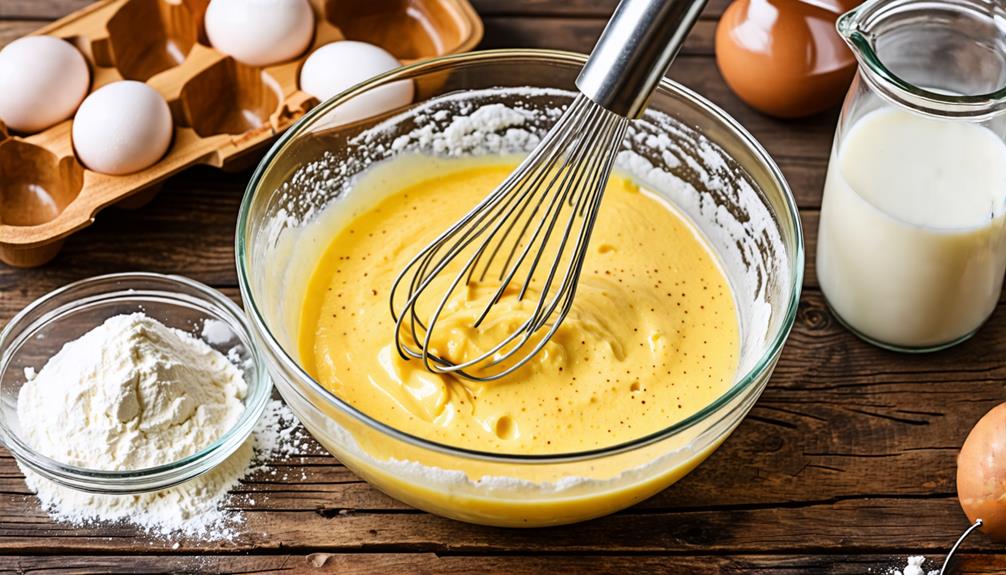
Creating the perfect pancake batter involves more than just combining ingredients; it's a precise process. Flour, for example, provides the gluten structure needed. Baking soda ensures the pancakes are fluffy, while sugar aids in browning, enhancing flavor through the Maillard reaction.
To achieve the right balance, pay attention to mixing and cooking techniques. Start by combining your dry ingredients—flour, baking soda, and sugar—in one bowl. In another bowl, mix your wet ingredients, like eggs, milk, and melted butter. Gradually add the wet mixture to the dry ingredients, stirring just until combined. Overmixing can lead to tough pancakes.
For cooking, heat a non-stick skillet over medium heat and lightly grease it. Pour batter onto the skillet and cook until bubbles form on the surface, then flip and cook until golden brown. Avoid pressing down on the pancakes, as this can make them dense.
By following these steps, you can make delicious, fluffy pancakes every time.
Key Ingredients
When making pancake batter, knowing the key ingredients is essential. Flour provides the base, offering gluten molecules that give pancakes structure and texture. These molecules form a network that supports the pancake as it cooks.
Baking soda helps make pancakes light and fluffy. It acts as a leavening agent, reacting with acidic components like buttermilk to produce carbon dioxide bubbles. These bubbles get trapped in the batter, causing it to rise. Sugar is also important, not just for sweetness but for the Maillard Reaction, which gives pancakes their golden-brown color and rich flavor.
Eggs add protein, helping to bind the ingredients into a cohesive mixture. This makes the batter hold together well and cook evenly. Lastly, fat, usually from butter or oil, enhances the flavor and tenderness of the pancakes, ensuring they are moist and delicious.
Gluten Formation
Mastering gluten formation is crucial for making perfect pancake batter. When you mix flour with liquid, proteins called glutenin and gliadin bond together, forming a network. This gluten network is essential for the structure of your pancakes. It traps carbon dioxide bubbles produced during the leavening process, which makes your pancakes fluffy.
Be careful not to overmix the batter. Too much stirring can cause excessive gluten development, leading to tough, rubbery pancakes. Aim for a batter that's lumpy but well-mixed. This balance allows for some gluten formation without overdoing it.
Different flours contain varying amounts of gluten-forming proteins. All-purpose flour generally provides a balanced structure for pancakes. Cake flour, which has lower gluten content, results in softer, more tender pancakes. Choosing the right flour is key to controlling gluten formation and achieving the perfect pancake batter.
Maillard Reaction

When you cook pancake batter, the Maillard reaction creates that golden-brown color and rich aroma. This chemical reaction happens between amino acids and reducing sugars as the batter heats up, usually starting at temperatures between 280-330°F (140-165°C). As the Maillard reaction continues, it forms complex flavors that make your pancakes taste better, giving them a depth similar to caramel and roasted foods.
To enhance this effect, you can adjust the pH of your batter by adding baking soda. This boosts the Maillard reaction, improving both the flavor and the golden-brown color of your pancakes. However, it's important to balance this carefully. While the Maillard reaction adds richness, too much can lead to burnt flavors, which can spoil your pancakes.
Cooking Techniques
To achieve the perfect pancake, you need to master a few essential cooking techniques. Start by setting your stovetop to moderate heat. This ensures even browning and prevents burning. Aim for a pan temperature of around 375°F (190°C). This heat activates the baking powder, creating gas bubbles that make the pancakes fluffy.
Using a non-stick pan is crucial. It helps keep the pancake's shape and prevents sticking, making the process easier. Pour a small amount of batter into the pan to form a circle. As it cooks, watch for gas bubbles on the surface. This indicates the leavening agents are working, and it's almost time to flip.
Perfect Flipping
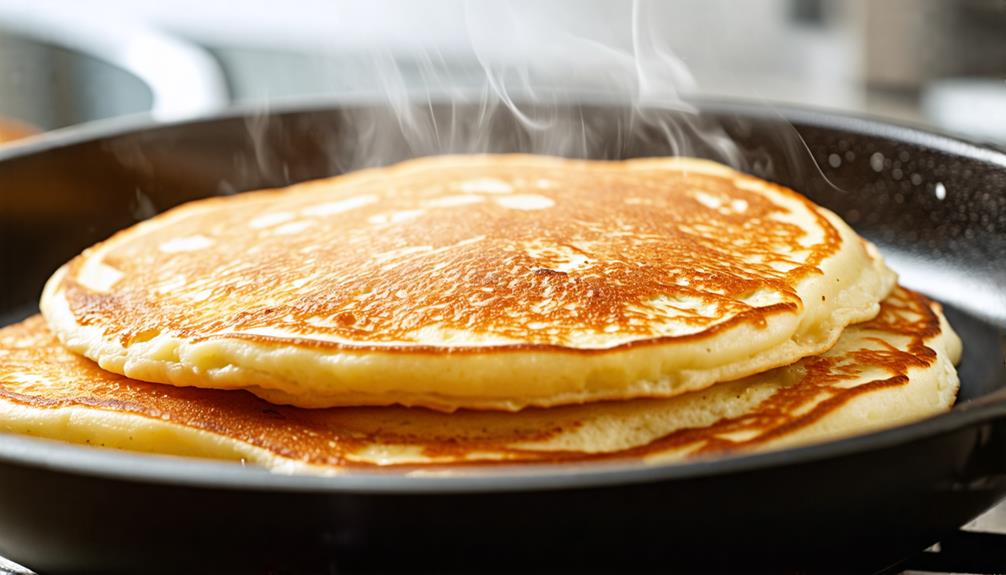
For perfect pancake flipping, timing and technique are crucial. Flip when bubbles form on the batter's surface. This indicates the batter has set enough to hold its structure during the flip. If you flip too early, you risk a wet, undercooked center. Flip too late, and you might get an over-browned or burnt pancake.
When bubbles appear, use a gentle flip. A harsh movement can burst the gas bubbles, making the pancake denser and flatter. The batter setting and bubble formation is delicate, so handle it with care.
Using the right spatula is also important. Choose one that slides easily under the pancake for a smooth, controlled flip. This reduces the risk of damaging the pancake's structure. Remember, the second side cooks faster due to retained heat, so monitor it closely to achieve a perfect golden-brown crust. By mastering timing and technique, you can consistently create delicious, fluffy pancakes every time.