The Role of Pancakes in Comfort Food Culture
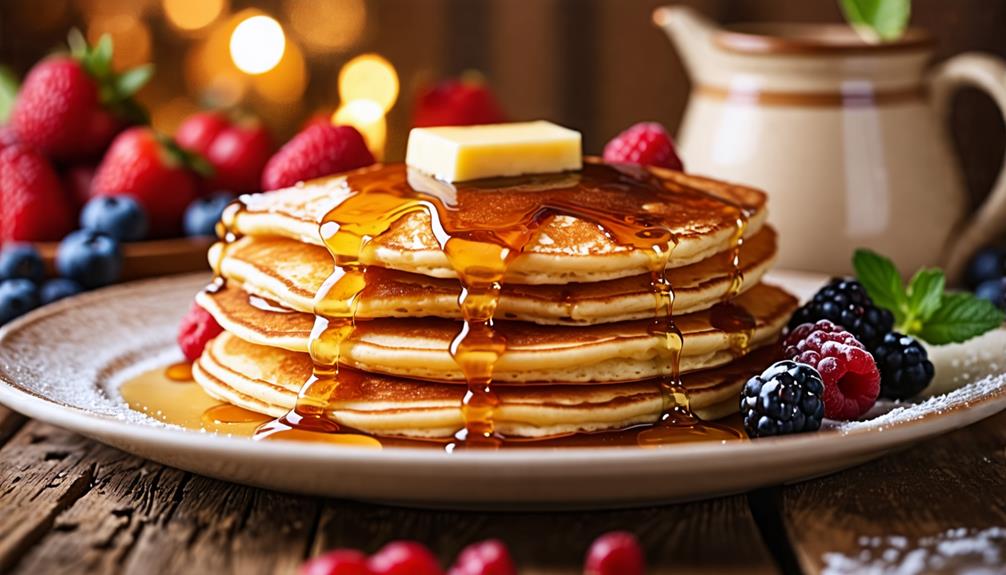
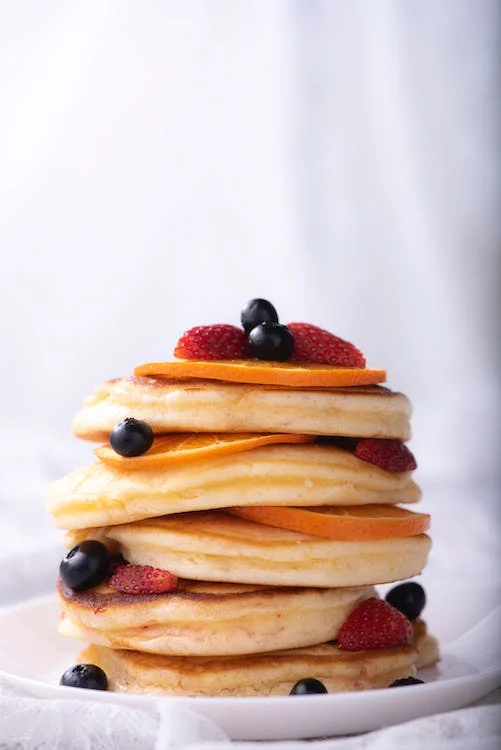
Pancakes are a common comfort food that many people associate with warmth and nostalgia. They're not just a breakfast item; they help connect generations and create family traditions. With simple ingredients and many customization options, pancakes meet diverse tastes and dietary needs. But why do pancakes hold a special place in so many cultures worldwide? Understanding their historical origins and cultural significance can explain why pancakes are a global comfort food favorite.
To appreciate pancakes fully, consider their basic recipe: flour, eggs, milk, and a leavening agent. These ingredients are usually available in most homes, making pancakes easy to prepare. Additionally, you can adapt the recipe to suit various dietary preferences, such as gluten-free or vegan diets.
Historically, pancakes have been a part of many cultures for centuries. In ancient Rome, people ate pancakes sweetened with honey. In medieval Europe, pancakes were made to use up perishable ingredients before Lent. Today, different countries have their versions, like crepes in France or blinis in Russia.
To make pancakes a part of your comfort food routine, follow these steps:
- Gather basic ingredients: flour, eggs, milk, baking powder, and salt.
- Mix the dry ingredients in one bowl and the wet ingredients in another.
- Combine the wet and dry ingredients until just mixed, avoiding over-mixing.
- Heat a non-stick pan over medium heat and add a small amount of butter or oil.
- Pour batter onto the pan, forming circles of your desired size.
- Cook until bubbles form on the surface, then flip and cook until golden brown.
Pancakes can be customized with various toppings like fruits, nuts, syrups, and even savory options. This versatility makes them a favorite in many households.
By appreciating the history and simplicity of pancakes, you can understand why they remain a beloved comfort food across the globe.
Historical Origins
The historical origins of pancakes are rooted in indigenous and colonial culinary traditions. Southern-style pancakes, in particular, owe much to Native American methods. Originally, they were made with cornmeal, water, and salt. These simple ingredients were often seasonal, reflecting agricultural rhythms.
When European settlers arrived, they introduced new cooking techniques and ingredients. This blend of methods led to more complex pancake recipes. By the 1780s, thin pancakes began to evolve into thicker, fluffier versions. This change was due to better ingredients and improved preparation methods.
In the 19th century, innovations like buttermilk and baking powder transformed pancake-making. These additions improved texture and consistency, making pancakes more popular. Southern-style pancakes became a breakfast staple.
Throughout their history, pancakes have been tied to comfort and nourishment. Their roots in seasonal ingredients and diverse culinary influences make them a timeless dish. They continue to bring warmth and satisfaction to many.
Cultural Significance
Pancakes are significant across many cultures, often evoking feelings of nostalgia and warmth. They bring families together for breakfast and symbolize shared moments and traditions.
Pancakes are simple and resourceful, typically made from limited ingredients. This makes them a staple in various festivities and family gatherings. For example, on Shrove Tuesday, pancakes are made to use up perishable ingredients before Lent, reflecting their historical and cultural importance.
Pancakes also unite people, bridging social gaps and strengthening community bonds. Whether it's French crêpes or Russian blini, the variety of pancakes worldwide shows their adaptability and cultural relevance.
Here's a comparison of pancake traditions across different cultures:
| Culture | Pancake Type | Significance |
|---|---|---|
| American | Fluffy Pancakes | Family breakfast, Sunday morning tradition |
| French | Crêpes | Versatile, used in both sweet and savory dishes |
| Russian | Blini | Celebratory, especially during Maslenitsa |
| Chinese | Jianbing | Popular street food, eaten for breakfast |
| Ethiopian | Injera | Staple food, crucial for communal meals |
These traditions show how pancakes foster togetherness and celebrate cultural diversity.
Ingredients and Techniques
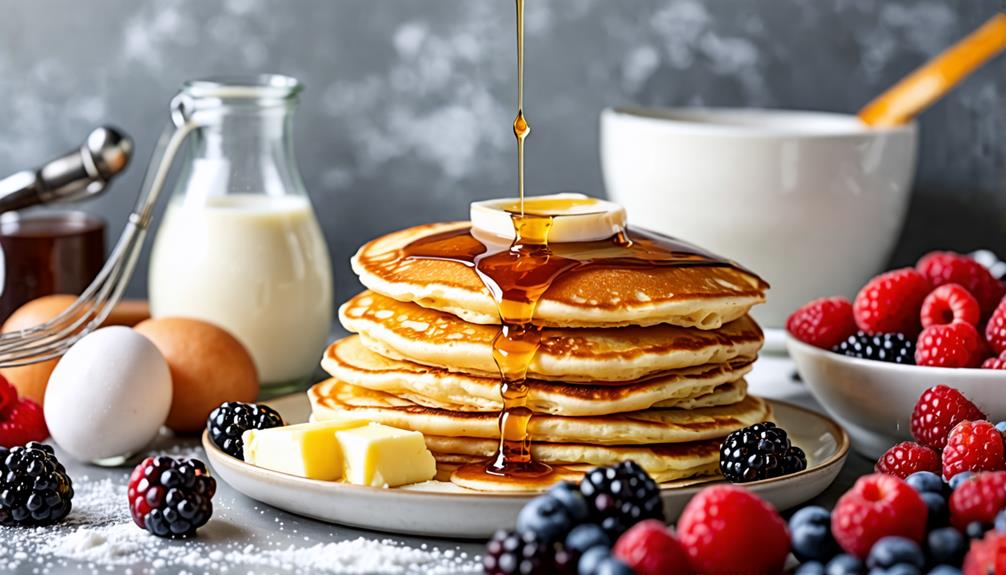
Creating the perfect pancake begins with choosing the right ingredients and mastering essential techniques. Traditional southern-style pancakes often use buttermilk, which adds a tangy flavor and tender texture. If you don't have buttermilk, you can mix milk with a bit of vinegar to achieve a similar effect.
Fluffy pancakes became more accessible in the 19th century with the introduction of baking powder. This ingredient makes the batter rise, resulting in consistently light and airy pancakes. One key technique is to let the batter rest before pouring it onto a hot griddle. This resting period allows the gluten to relax, leading to a lighter texture.
For added flavor, consider using seasonal ingredients like sweet potatoes or fresh berries. These additions provide a unique twist while maintaining the comforting essence of pancakes. You can also make healthier adaptations by including high-fiber ingredients like oats or flaxseed.
Steps to Improve Your Pancakes:
- Use buttermilk or a substitute for tanginess.
- Incorporate baking powder for fluffiness.
- Allow the batter to rest before cooking.
- Add seasonal ingredients for unique flavors.
Mastering these elements will enhance your pancake-making skills, making each bite a comforting delight.
Modern Variations
Many modern variations of pancakes have emerged, offering new twists on this comfort food. You can explore pancake innovations that reflect local agricultural history and flavors, especially in the southern United States. Try sweet potato pancakes, cornmeal pancakes, or pecan pancakes for a taste of tradition with a contemporary flair.
Incorporate flavor fusions by experimenting with seasonal ingredients like pumpkin or fresh berries. These options add flavor and improve the nutritional value of your pancakes. For healthier choices, consider using whole grains, oats, or flaxseed. These ingredients make your breakfast both delicious and nourishing.
Dietary adaptations now make pancakes more inclusive. Gluten-free, vegan, and high-fiber versions cater to diverse dietary needs and preferences. Customizable recipes allow you to enjoy pancakes without compromising on health or ethical choices.
Expand your pancake experience by trying unique toppings and fillings. Ricotta cheese, chocolate chips, and savory herbs can transform your pancake stack into a gourmet meal. With these modern variations, pancakes offer endless possibilities for culinary creativity.
Serving Suggestions
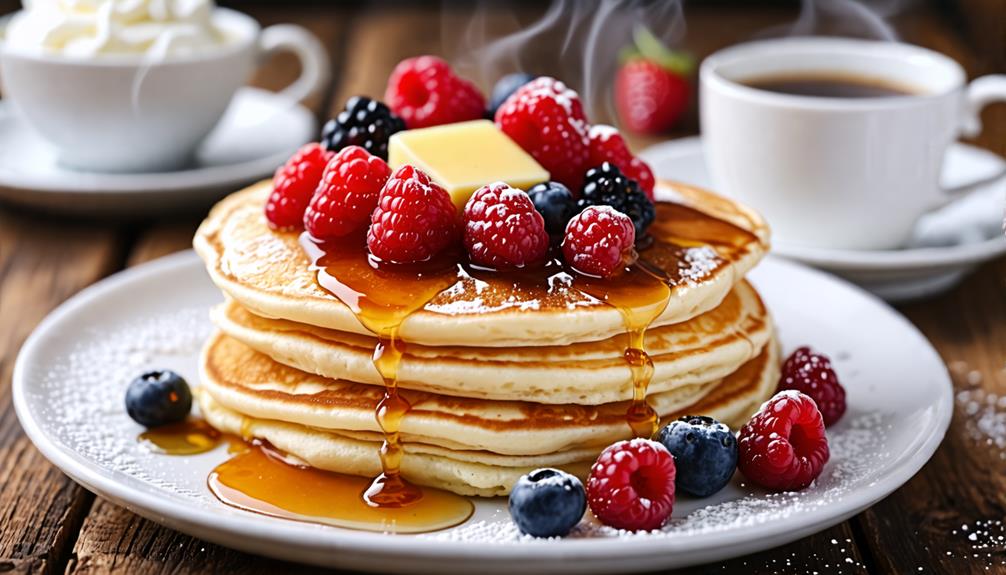
When serving pancakes, you have several tasty options to consider. You can use classic toppings like maple syrup and fresh berries. Another option is to try seasonal ingredients for a new flavor. You can also get creative with your plate presentation. Each choice can improve your pancake experience and make it unique to you.
Classic Topping Combinations
Pancakes serve as a versatile base for various toppings that enhance their comforting simplicity. While trends in toppings may change, some combinations remain timeless. Maple syrup is a popular choice, adding sweetness that pairs well with the fluffy texture of pancakes. Fresh berries like strawberries, blueberries, or raspberries provide a burst of flavor and add a nutritious element to your breakfast.
Here are some classic topping combinations to consider:
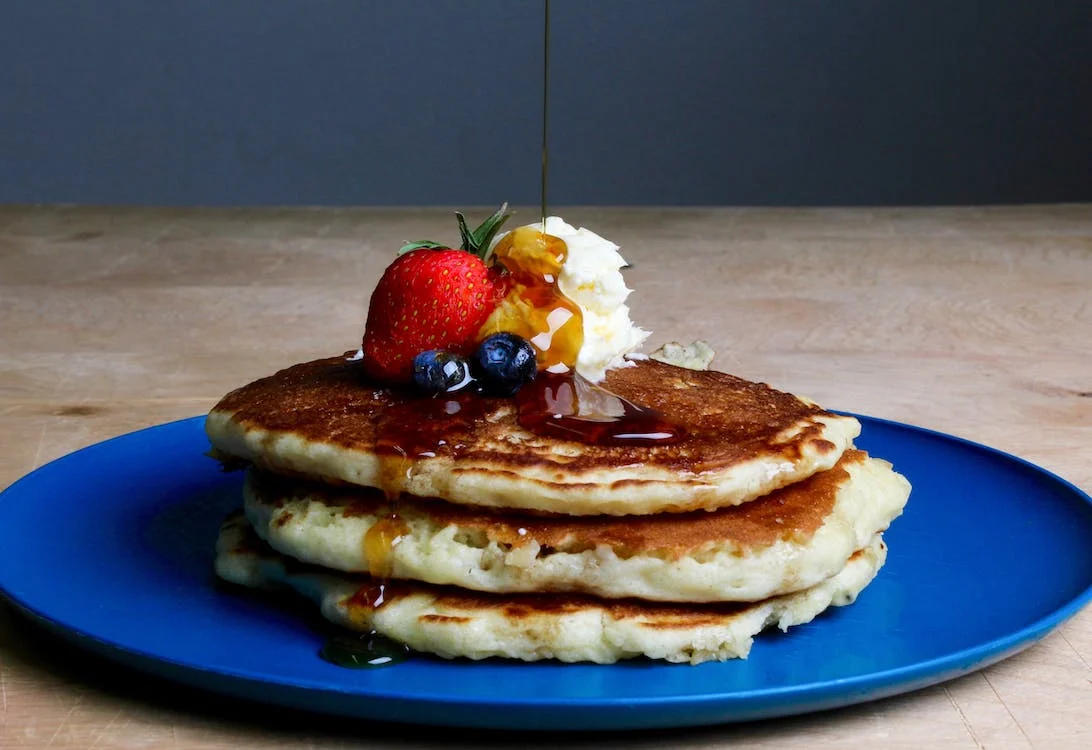
- Maple Syrup and Fresh Berries: This combination is sweet, tangy, and health-conscious.
- Whipped Cream and Strawberries: This option is decadent yet light, striking a perfect balance.
- Crispy Bacon with Sautéed Spinach: This savory twist showcases adaptability.
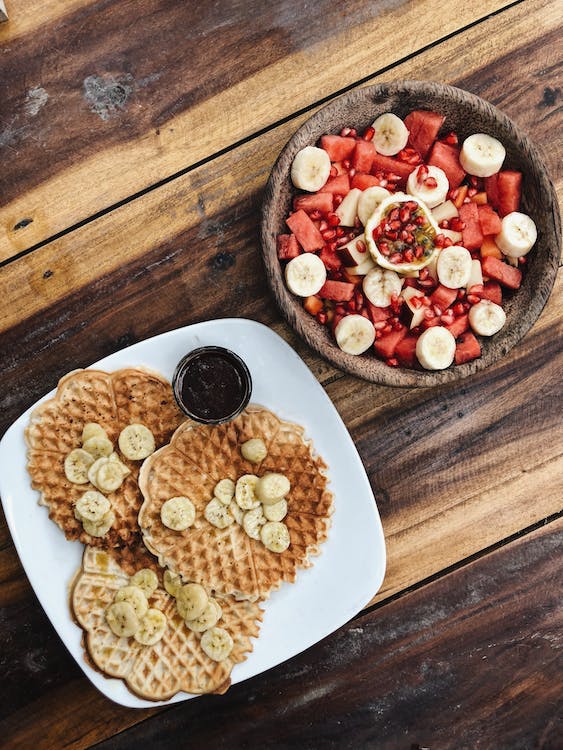
- Nut Butter and Banana Slices: This pairing is protein-packed and energy-boosting.
These classic toppings offer delightful flavors that cater to different tastes and dietary needs. For a touch of indulgence, whipped cream provides a light, airy contrast to pancakes. On the savory side, crispy bacon or sautéed spinach can transform your meal, showing that pancakes aren't just for sweet cravings. By trying these combinations, you can enjoy a delicious, comforting breakfast that aligns with both traditional tastes and modern health adaptations.
Seasonal Ingredient Pairings
Classic toppings can make pancakes delightful, but using seasonal ingredients can elevate your breakfast. In spring, top your pancakes with fresh berries. In fall, try crisp apples and pears. These fruit pairings not only taste great but also highlight local harvests.
During colder months, add seasonal spices like cinnamon or nutmeg to your batter. These spices add warmth and depth, enhancing the seasonal feel of your pancakes. Don't limit yourself to sweet toppings; use savory options like sautéed greens or roasted vegetables in winter. These make your pancakes more nutritious and satisfying.
Consider using seasonal syrups to enhance your pancakes. Drizzle maple syrup in late winter or honey in spring to match the season's flavors. For a festive touch, use whipped cream flavored with seasonal spices, like pumpkin spice in autumn or peppermint in winter. By using these seasonal ingredients, you improve your pancakes' flavor and create memorable, season-specific dishes.
Creative Plate Presentations
Enhancing your pancake presentation can turn a simple breakfast into a delightful experience. Start your day with a stack of well-arranged pancakes, decorated with colorful garnishes and unique toppings that please both the palate and the eyes.
Here are some practical tips to make your pancake presentations stand out:
- Pancake Stacking: Layer your pancakes with fillings like fresh berries, Nutella, or cream cheese. This adds flavor and creates a visually appealing effect.
- Colorful Garnishes: Use edible flowers, fresh mint leaves, or vibrant fruit slices to add color. These small touches can make a big difference.
- Unique Toppings: Experiment with seasonal ingredients like pumpkin puree or apple slices. For a savory option, try cheese, herbs, or sautéed vegetables.
- Creative Plating: Serve your pancakes on colorful plates or wooden boards for a rustic and attractive look.
Community Engagement
Pancake traditions are excellent for fostering community engagement. Hosting community breakfasts or participating in events like the Kiwanis Pancake Karnival can bring people together. Local businesses can also take part during National Pancake Month, boosting both community spirit and local commerce. On social media, sharing pancake recipes and experiences can create a virtual community united by a love for this dish. These activities promote interaction and support among community members.
Celebrating Pancake Traditions Together
Embracing community warmth, pancake breakfasts are a cherished tradition that unites people, fostering social connections and celebrating local culinary heritage. These events are more than meals; they are gatherings that strengthen community ties. By sharing family recipes at events like National Pancake Month or the Kiwanis Pancake Karnival, you participate in a tradition that enriches hearts and souls.
Consider the benefits of these shared experiences:
- Community Bonding: Local businesses and residents come together, boosting community pride.
- Charitable Support: Fundraising events for children's charities show how pancakes can be both enjoyable and a way to give back.
- Culinary Heritage: Family recipes passed down through generations are showcased, celebrating cultural and regional culinary practices.
- Digital Connection: Social media allows you to share and discover pancake recipes, creating a virtual community united by a love for this comfort food.
Celebrating pancake traditions is not just about the food; it's about forging connections and creating memories. Each gathering becomes a cherished part of your community's fabric.
Pancake Events and Gatherings
Pancake events and gatherings do more than just provide a meal; they support children's charities and foster community unity. When you attend a pancake breakfast organized by groups like Kiwanis, you're contributing to these causes. These events uplift community spirit, especially during National Pancake Month in February.
At pancake festivals and carnivals, you can enjoy pancake competitions and see intricate pancake art. These gatherings celebrate the cultural significance of pancakes, promoting local pride.
Here's what you might experience:
| Event | Emotion |
|---|---|
| Pancake Breakfast | Warmth and Generosity |
| Pancake Festivals | Excitement and Pride |
| Pancake Competitions | Fun and Laughter |
| Pancake Art Displays | Awe and Inspiration |
These events offer a platform for social interaction and highlight the role of pancakes in community traditions. Sharing pancake recipes and enjoying comfort food together strengthens bonds among diverse groups. So, when you're invited to a pancake event, remember it's about more than just the food.
Social Media Recipe Sharing
Social media platforms are a dynamic space for sharing pancake recipes, bringing people together through their shared love of comfort food and cultural traditions. Hashtags like #PancakeRecipes and #PancakeArt create a vibrant community where users post photos and tutorials, inspiring culinary creativity. These platforms encourage you to engage in viral trends, try new recipes, and participate in online challenges.
Here are some ways these elements can enhance your pancake-making experience:
- Viral Trends: Explore trending recipes to discover unique pancake variations, expanding your culinary horizons.
- Recipe Evolution: Observe how traditional recipes adapt with modern twists, combining old techniques with new ingredients.
- Online Challenges: Join challenges like "Pancake Month" to showcase your creativity and find new topping combinations.
- Community Engagement: Share your own pancake stories and memories, building connections with others.
Influencers and food bloggers often contribute to this community by sharing innovative recipes that reach a broad audience. By posting your own videos or stories, you can add to the collective knowledge and enjoyment of pancakes.
Comfort Food Psychology
When you think about comfort foods like pancakes, you're not just recalling a meal; you're tapping into emotions and memories that make you feel safe and nostalgic. Pancakes create strong emotional connections, often tied to personal experiences from childhood breakfasts to cozy weekend brunches. These connections are more than sentimental; they offer stress relief. During tough times, familiar dishes like pancakes help you regain a sense of control and comfort.
Eating comfort foods triggers the release of dopamine, a neurotransmitter linked to pleasure and reward. This dopamine release improves your mood, providing temporary emotional relief and making you feel happier. Pancakes, with their adaptable nature, can be modified with different toppings, making them a personalized comfort food that suits your taste and dietary needs.
Understanding the psychology behind comfort foods can help you address unhealthy eating patterns. Recognizing your emotional triggers enables you to make healthier choices and practice mindful eating. This way, you can enjoy your pancakes and other comfort foods in a manner that supports both your emotional and physical well-being.
Family Traditions
Family traditions involving pancakes can create strong emotional bonds and lasting memories. When you gather in the kitchen to mix batter and flip pancakes, you're not just making breakfast; you're fostering family connections. These rituals can turn an ordinary Sunday morning into a cherished event.
Consider incorporating these pancake traditions:
- Sunday Breakfasts: The smell of pancakes can bring everyone to the table for a shared meal.
- Holiday Gatherings: Special pancake recipes can make holidays sweeter and add tradition to your celebrations.
- Recipe Sharing: Passing down a family pancake recipe ensures culinary skills and heritage are preserved through generations.
- Unique Toppings: Adding ingredients like fresh berries or maple syrup makes each pancake unique and personal.
These traditions are more than just about food; they're about the moments you create together. Every flip of the pancake and every shared bite contribute to family bonding. So, next time you make pancakes, remember you're creating more than just a meal; you're making lasting memories.
Regional Pancake Events
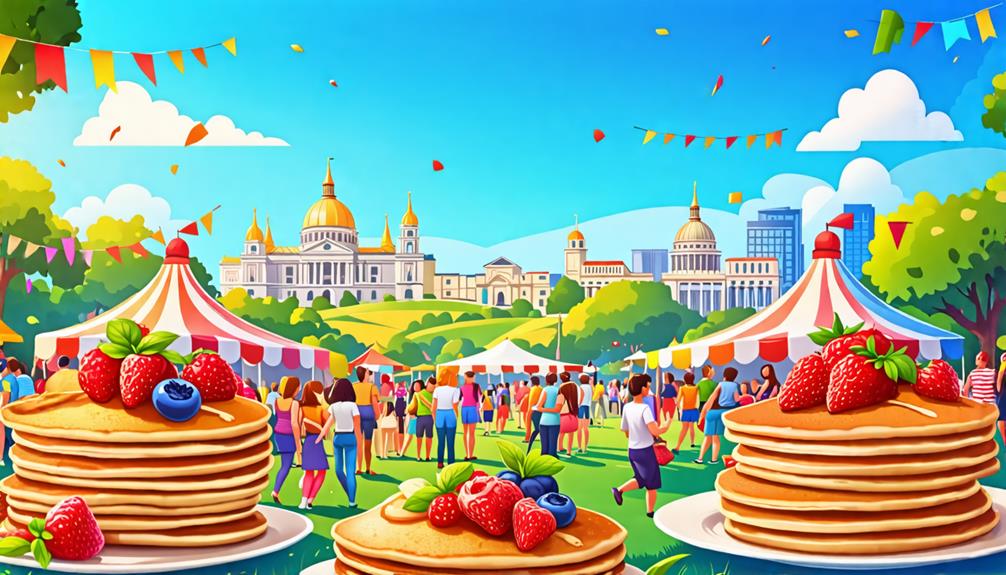
Regional pancake events unite communities in meaningful ways. These gatherings, such as the Kiwanis Pancake Karnival in Fargo, serve as fundraisers for children's charities and highlight community spirit through food. You'll often see pancake competitions where local recipes are showcased, and participants compete for the title of best pancake chef. These events usually occur during community festivals, adding culinary excitement to the celebrations.
| Event Name | Location | Highlights |
|---|---|---|
| Kiwanis Pancake Karnival | Fargo, ND | Fundraiser, 7,000 attendees |
| Annual Pancake Breakfast | Different towns | Seasonal, Lenten tradition |
| Local Pancake Competition | Small towns/cities | Showcases local recipes, community pride |
| Community Pancake Festival | Diverse regions | Social interaction, charitable causes |
Many regional pancake events, including breakfast gatherings, foster local pride and identity while promoting social interaction. For example, during the Lenten season, pancake breakfasts become a cherished tradition, encouraging community participation. Charitable pancake breakfasts combine fundraising with community involvement, helping to strengthen connections between attendees and local causes. By attending these events, you support your community and celebrate unique culinary traditions while enjoying delicious food.