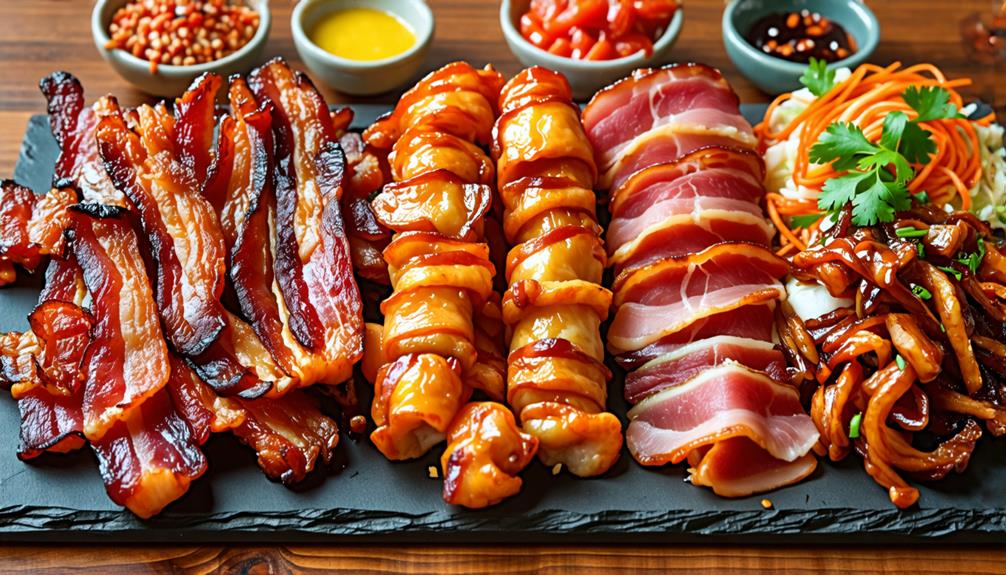
The Role of Bacon in Comfort Food Culture
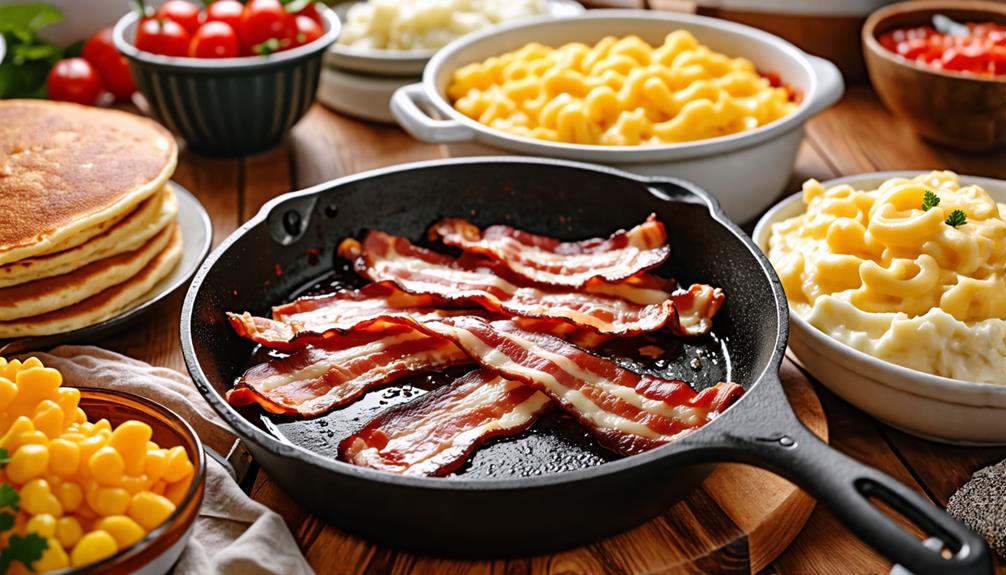
Bacon is a common comfort food known for its distinctive aroma and savory taste. It's not just for breakfast; it can enhance a variety of dishes. The smell of bacon often brings back memories of weekend mornings or family events. But why is bacon such a universal comfort food? How does it evoke strong emotions and fit into both traditional and modern recipes? Let's explore these questions.
First, bacon is versatile. You can add it to salads, sandwiches, and even desserts. It pairs well with both sweet and savory flavors. Second, bacon is easy to cook. You can fry, bake, or microwave it. Each method offers a slightly different texture and taste. Third, bacon has a unique combination of fat, salt, and umami, which makes it particularly satisfying.
To use bacon effectively, follow these steps:
- Choose the right type. There are various kinds of bacon, such as thick-cut, turkey, and Canadian. Pick one that suits your dish.
- Cook it properly. For crispy bacon, fry it in a pan over medium heat. For a softer texture, bake it in the oven at 400°F for about 15 minutes.
- Add it to your dish. Crumble bacon over salads, wrap it around vegetables, or mix it into casseroles.
In summary, bacon's versatility and ease of preparation make it a staple in comfort food. By choosing the right type and cooking it correctly, you can elevate your recipes and enjoy the comforting taste of bacon.
The Universal Appeal of Bacon
When you think about comfort food, bacon likely comes to mind due to its widespread appeal. It's not just popular in the United States; bacon products are enjoyed around the world, crossing cultural boundaries and bringing people together. You can find it in many recipes, from breakfast staples to gourmet dishes, showing its versatility and ability to enhance any meal.
Bacon's charm is in its ability to evoke positive memories and family bonding moments. Many people remember their childhood kitchens filled with the aroma of sizzling bacon on a Sunday morning. That distinctive sizzle and scent can transport you back to those nostalgic times.
The unique flavor of bacon comes from the Maillard reaction and aroma compounds, creating a taste that many find irresistible. The average American consumes 18 pounds of bacon per year, highlighting its significance in modern comfort food culture.
Whether it's crispy strips on your breakfast plate or bits sprinkled over a salad, bacon products fit into different culinary traditions, making every dish better and every meal more comforting.
Bacon's Sensory Experience
Bacon's universal appeal goes beyond its taste; it's rooted in the sensory experience it offers. When you cook bacon, the sizzling sound can evoke nostalgic moments, often reminding you of family breakfasts. This sound alone can create a feeling of comfort and warmth.
The aroma of bacon is unmistakable. It's a savory scent that can make your mouth water. This smell is a key reason why bacon is so irresistible and why it's a staple in comfort food. When you take a bite, the crispy texture provides a satisfying crunch, followed by a rich, savory flavor.
The combination of fats and proteins in bacon creates a unique taste and mouthfeel. Bacon's versatility enhances its appeal. Whether it's sprinkled on a salad, wrapped around a date, or featured in a BLT, bacon adds depth and flavor to many dishes.
The Maillard Reaction
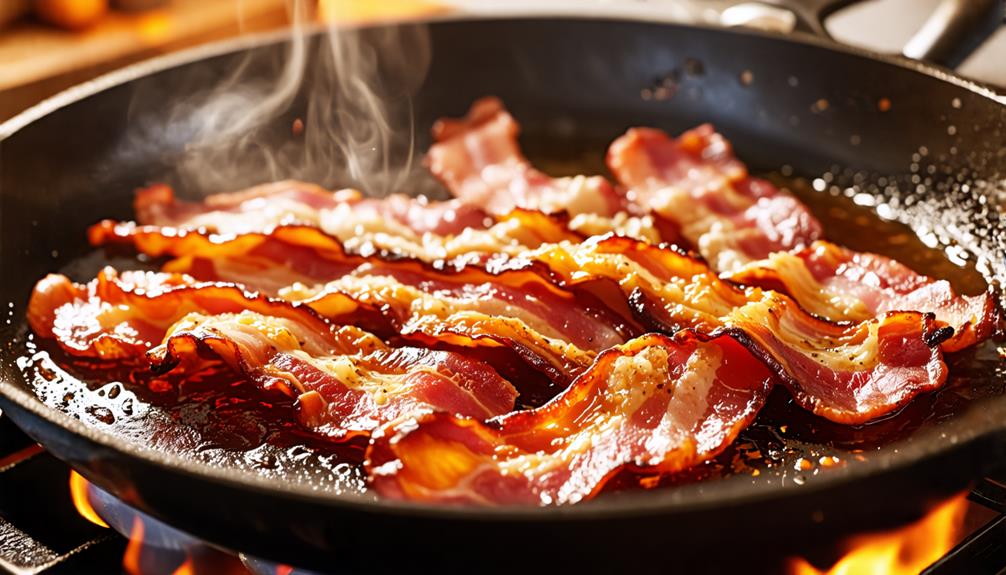
Understanding the Maillard reaction is key to making delicious bacon. This chemical process happens when amino acids and sugars in pork belly react at temperatures above 140°C (284°F). As the pork heats up, the Maillard reaction creates the brown color and rich flavor that make bacon so tasty.
| Compound | Source | Flavor Contribution |
|---|---|---|
| Aldehydes | Muscle tissue | Sweet, fruity notes |
| Furans | Fatty acids | Nutty, caramel tones |
| Ketones | Maillard reaction | Buttery, savory taste |
When you cook bacon, muscle tissue and fatty acids break down, producing flavorful compounds like aldehydes, furans, and ketones. These compounds contribute to bacon's complex taste. Specifically, ketones add buttery notes that enhance the savory flavor.
As you cook bacon, aroma compounds are released, creating feelings of comfort. This is why bacon is a staple in many households.
Chemistry Behind Bacon's Flavor
When you cook bacon, the Maillard reaction transforms amino acids and sugars into its crispy texture and rich flavor. This process creates compounds like aldehydes, furans, and ketones. Ketones add buttery notes that enhance the savory taste. The combination of these compounds, along with the breakdown of fats and proteins, results in the distinctive aroma and taste of bacon. This is why bacon is a comfort food favorite.
Maillard Reaction Magic
When bacon sizzles in the pan, the Maillard reaction transforms raw pork belly into a crispy, golden treat. This chemical process occurs between amino acids and sugars, creating compounds that enhance bacon's taste. You'll notice the aroma and savory flavor from this reaction, giving bacon its iconic texture and appeal.
During cooking, key flavor compounds like aldehydes, furans, and ketones are produced. Ketones add buttery notes that enrich your savory experience. As the Maillard reaction continues, the breakdown of muscle tissue and fatty acids generates even more flavor compounds. This interplay of fats and proteins develops the deep taste you love in bacon.
The Maillard reaction also gives bacon its crunch. As the exterior crisps up, it provides a satisfying texture that complements its robust taste. So, next time you cook bacon, remember the Maillard reaction is responsible for that golden-brown crust and mouthwatering aroma, making every bite a comforting experience.
Flavor Compound Synergy
Understanding the Maillard reaction helps explain the chemistry behind bacon's flavor. When you cook bacon, amino acids and sugars interact to produce compounds like aldehydes, furans, and ketones. These compounds create the distinctive taste that makes bacon popular in comfort food.
Ketones are significant. They form during the breakdown of fatty acids and add buttery notes that enhance bacon's savory profile. This change is crucial because the interaction of fats and proteins in bacon is key to flavor development. As fatty acids melt during cooking, they enrich the overall taste, making each bite memorable.
Your cooking method also affects the aroma compounds released. The sound and smell of bacon evoke nostalgia, making you feel cozy. This sensory experience reinforces bacon's status in comfort food culture.
The combination of these chemical reactions and sensory experiences creates a unique and memorable taste. That's why bacon is universally appealing. It's not just food; it's an experience that lies at the heart of comfort food culture.
Bacon in Modern Dishes
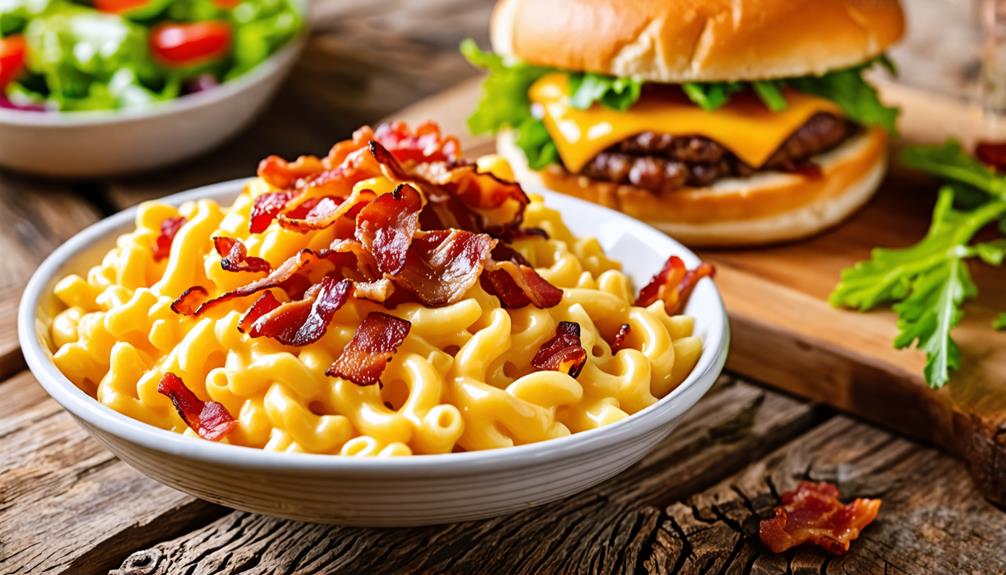
How has bacon transformed from a simple breakfast staple to a key ingredient in modern dishes? It's all about its smoky flavor and versatility. Bacon is no longer just for breakfast; it's now in many contemporary recipes, both savory and sweet. You can find bacon topping salads, adding depth to soups, and even in desserts. Its smoky undertones and complex flavor make it essential in gourmet cooking.
Over 75% of restaurants now feature bacon-infused dishes on their menus, showing its wide appeal. This trend highlights bacon's ability to enhance simple dishes and impress diners. Here are a few ways bacon shines in modern cuisine:
- Salads: Crispy bacon bits add crunch and flavor.
- Soups: Bacon enriches the broth with a smoky taste.
- Appetizers: Bacon-wrapped vegetables are popular.
- Desserts: Bacon pairs well with sweets like chocolate.
Bacon's cultural significance is also clear at culinary events and festivals, cementing its role in comfort food culture.
Versatile Cooking Techniques
When cooking bacon, there are several techniques to bring out its best qualities and match your taste. Skillet frying is the most popular method among home cooks. It lets you control the temperature, helping you render the fat properly for a perfect balance between crispy and chewy textures. For a fuss-free approach, baking bacon in the oven is an excellent option. It allows for even cooking and reduces splatter.
Grilling bacon adds a smoky flavor that enhances your dishes. Be sure to keep an eye on it to prevent charring. For a quick fix, microwaving is an option, though it may not deliver the same level of crispiness as other methods.
Don't forget about bacon drippings. These flavorful fats can be used to sauté vegetables, making them richer and more savory. Adding a spoonful to sauces can elevate a simple meal. Small amounts of bacon can provide a burst of flavor without adding too many calories, making it a versatile ingredient in various culinary applications.
Popular Bacon Recipes
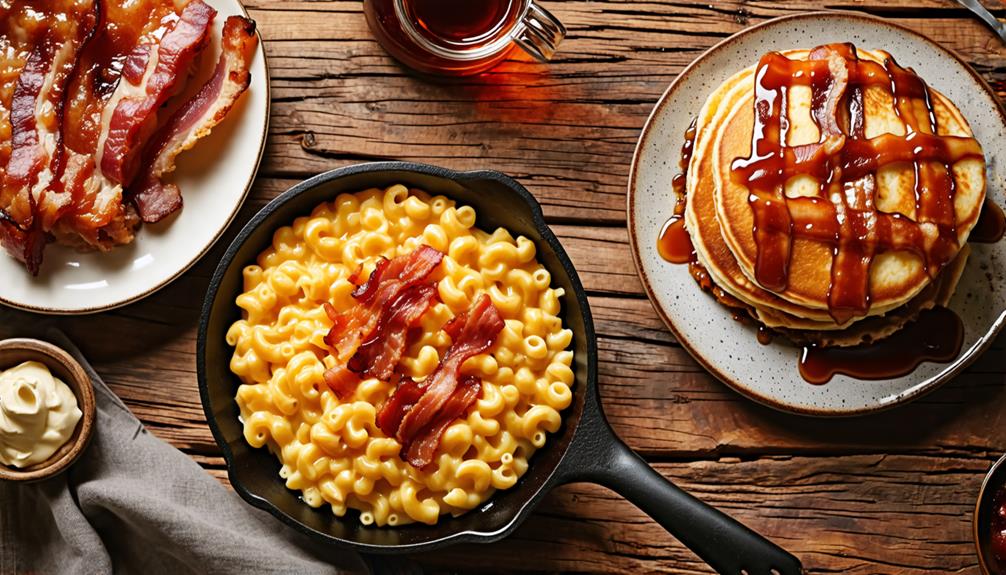
When considering popular bacon recipes, classic breakfast options like bacon and eggs or a breakfast sandwich likely come to mind. However, bacon isn't just for mornings. Creative dishes such as bacon-wrapped jalapeño poppers and bacon-infused desserts show its versatility. Whether you're enhancing a salad with crispy bits or adding depth to a creamy soup, bacon's rich flavor and texture make it a valuable ingredient in many recipes.
To incorporate bacon effectively:
- For breakfast, cook bacon until crispy and pair it with eggs or include it in a sandwich.
- For appetizers, try wrapping bacon around jalapeños or dates and bake until the bacon is crispy.
- In salads, sprinkle cooked bacon bits to add a crunchy texture.
- For soups, cook bacon first, then use the rendered fat to sauté other ingredients before adding the broth.
These methods ensure that bacon enhances your dishes with its unique flavor and texture.
Classic Breakfast Staples
Every morning, the sizzle and aroma of bacon cooking can elevate an ordinary breakfast. Bacon is not just a side dish; it's the highlight of many classic breakfast staples. Its versatility makes it a key ingredient in various popular recipes.
Consider these popular breakfast items:
- Bacon and Eggs: The mix of crispy bacon and fluffy eggs is a timeless favorite for any morning.
- Bacon-Stuffed Pancakes: Pancakes with savory bacon inside offer a unique breakfast experience.
- Breakfast Burritos: Filled with bacon, eggs, cheese, and other ingredients, these burritos provide a hearty start to the day.
- Quiches and Frittatas: Bacon enhances the flavor of these baked egg dishes, adding a savory depth.
The scent of bacon cooking often brings back memories of family gatherings and weekend brunches. More than 60% of Americans have named bacon their favorite breakfast meat, highlighting its status as a breakfast staple. With its ability to enhance traditional dishes, bacon remains a popular part of morning meals, ensuring each bite is satisfying.
Innovative Bacon Dishes
Bacon is often associated with breakfast, but its culinary potential extends far beyond morning meals. Modern cuisine showcases bacon's versatility in many innovative dishes. You've likely seen bacon in desserts, salads, and even cocktails. A notable recipe to try is Orecchiette with Bacon, White Beans, and Spinach. This dish combines crisp bacon with hearty ingredients, creating a comforting and satisfying meal.
Bacon-wrapped vegetables and appetizers are also popular, adding savory flavors and a satisfying crunch to simple dishes. For instance, bacon-wrapped asparagus or jalapeño poppers offer a spectacular combination. Many restaurants now feature unique bacon dishes, highlighting its rise as a gourmet ingredient. Examples include bacon-heavy burgers bursting with flavor and bacon-infused desserts that provide a surprising twist.
Social media has significantly popularized these innovative bacon dishes. Millions of users share creative bacon recipes and cooking methods, making it easy to find inspiration. From bacon in cocktails to bacon in pasta, the possibilities are endless. So, explore and experiment with cutting-edge bacon dishes in your kitchen.
Nutritional Considerations
Bacon is a popular comfort food, but it's important to consider its nutritional impact. While bacon is high in protein and essential nutrients, it also contains significant amounts of fat and sodium. Moderation is crucial for a balanced diet.
The way you prepare bacon can influence its nutritional value. Frying is common, but baking can be a healthier option, particularly if you choose leaner cuts. The average American eats about 18 pounds of bacon per year, making it essential to monitor your intake.
Nutritional considerations are especially important if you have dietary restrictions. Health-conscious cooking methods can help make bacon a better fit for your meals.
- Protein and Nutrients: Bacon is a good source of protein and essential nutrients.
- High Fat and Sodium: Be mindful of its high fat and sodium content.
- Preparation Methods: Baking and using lean cuts can reduce negative impacts.
- Caloric Density: Use small amounts to enhance flavor without adding excessive calories.
Bacon's Cultural Impact
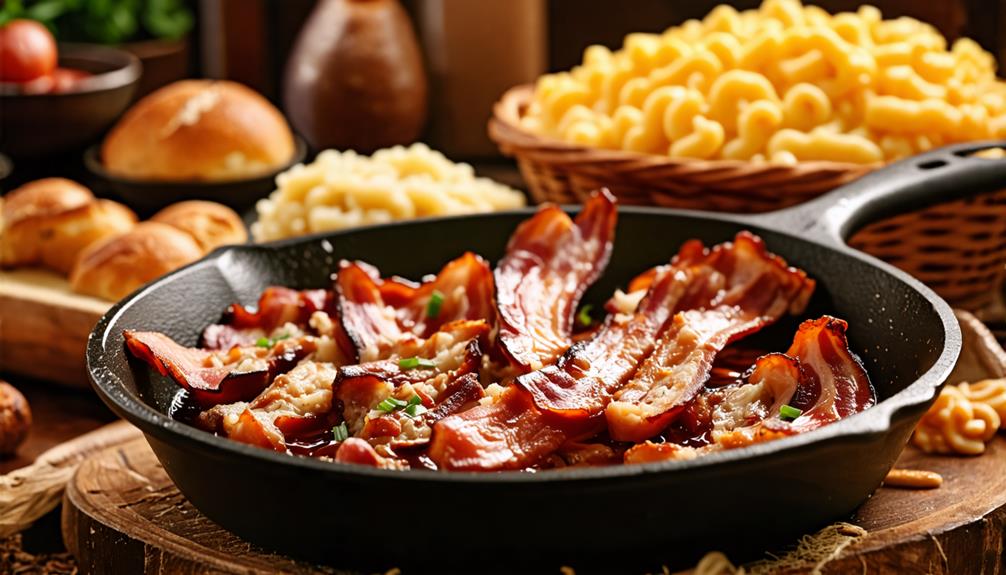
Bacon has become much more than just a breakfast food in American culinary culture. Its journey from a simple staple to an iconic symbol is noteworthy. When Oscar Mayer introduced pre-sliced bacon in 1924, it quickly became essential in American kitchens, solidifying its place in comfort food.
In recent years, bacon's popularity has surged, summed up by the phrase, "Everything tastes better with bacon." This trend has led to many bacon-infused products and creative dishes, capturing culinary interest. Bacon's cultural impact is clear, appearing in art and literature as a symbol of comfort and indulgence, often challenging dietary norms.
Bacon's significance is also celebrated through various bacon-themed events and festivals. These gatherings attract people from all backgrounds, highlighting bacon's versatility and lasting appeal.
Key Aspects of Bacon's Cultural Impact:
| Aspect | Description |
|---|---|
| Iconic Symbol | Represents American culinary identity and classic diner culture |
| Culinary Innovations | Increase in bacon-infused products and creative dishes |
| Media Presence | Featured in art and literature as a symbol of comfort |
| Festivals and Events | Many events celebrate bacon's versatility and cultural relevance |
Bacon continues to be popular, appealing to those seeking comfort and culinary pleasure.