
The Environmental Impact of Bacon Production

When considering bacon, it's easy to focus on its taste rather than its environmental impact. However, bacon production has significant effects, particularly concerning carbon emissions and animal welfare. Each year, the U.S. pork industry slaughters around 130 million pigs, generating about 30,000 metric tons of CO2. Additionally, there are ethical concerns regarding the methods used in these processes. So, what can be done to address these issues while still enjoying bacon?
- Reduce Consumption: Eating bacon less frequently can lower demand, which may, in turn, reduce production and its associated environmental impact.
- Choose Sustainable Options: Look for bacon labeled as organic or pasture-raised. These products often have better animal welfare standards and a lower environmental footprint.
- Support Local Farmers: Purchasing bacon from local farmers can help reduce transportation emissions and support more humane farming practices.
- Opt for Plant-Based Alternatives: Consider trying plant-based bacon alternatives. These products can offer similar flavors with a much smaller environmental impact.
By taking these steps, you can enjoy bacon while being mindful of its environmental and ethical implications.
Carbon Emissions From Slaughtering
The U.S. pork industry significantly contributes to carbon emissions, mainly from slaughtering. Each year, around 130 million pigs are slaughtered, with about 90% stunned using carbon dioxide (CO2) gas. Each pig needs 200 to 300 grams of CO2 for effective stunning, resulting in about 30,000 metric tons of CO2 emissions annually from this process alone.
To understand the impact, these emissions are similar to those from around 6,500 cars each year, based on estimates from the Environmental Protection Agency (EPA). This shows how much the slaughtering process affects the environment.
The source of CO2 used in slaughter plants also matters. If the CO2 comes from green sources or by-products, the overall emissions could be lower. However, transparency in emissions reporting is an issue, since many pigs are gassed in chambers without inspectors overseeing the process, even though federal laws require humane inspection.
Understanding the carbon emissions from pork production is crucial for finding more sustainable practices. Addressing these environmental challenges is necessary for the industry.
Animal Welfare Concerns
Carbon emissions from slaughtering pigs raise environmental concerns, but animal welfare issues are another major challenge in bacon production. One particularly troubling practice is the use of carbon dioxide (CO2) stunning. During this process, pigs often experience respiratory distress and panic, leading to prolonged suffering. Undercover footage has shown pigs displaying signs of pain and terror while being gassed, raising serious concerns about current methods in pork production.
The CO2 stunning process can take over a minute, extending the time pigs are subjected to distress before death. Federal laws mandate humane inspection of slaughter practices, but pigs in gas chambers often go unnoticed by inspectors. This lack of oversight reveals a significant gap in enforcement and further exacerbates animal welfare issues in the industry.
Advocacy groups are pushing for the installation of cameras in gas chambers to improve oversight and ensure the humane treatment of pigs during slaughter. Addressing these animal welfare concerns can help pork production move towards more ethical practices. It's vital to recognize and act on these issues to enhance the welfare of pigs and align production methods with humane standards.
Environmental Impact of Pork
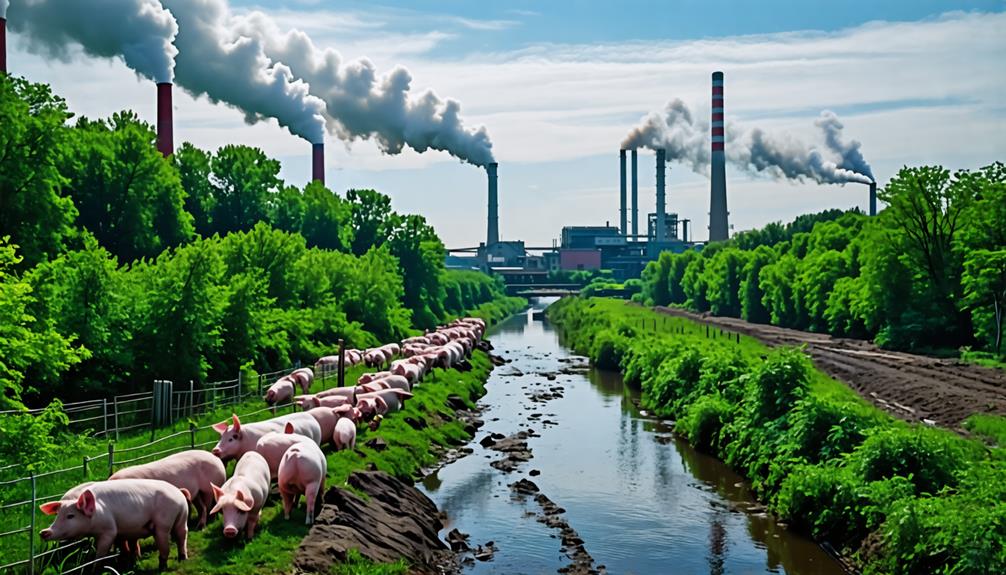
The environmental impact of pork production is significant and requires attention. The pork industry accounts for about 0.3% of total U.S. greenhouse gas emissions. Despite a 76% reduction in land use per pound of pork over the last 55 years, the carbon footprint remains notable.
Here are four key areas to consider:
- Greenhouse Gas Emissions: The U.S. pork industry processes around 130 million pigs each year. Using carbon dioxide gas to stun 90% of these pigs produces emissions equal to those from 6,500 cars annually.
- Land Use: Although land use per pound of pork has decreased, current farming practices may overlook the potential for animal feed crop land to act as carbon reserves if rewilded.
- Corn Ethanol: Corn ethanol production, tied to the pork industry, has been criticized for its environmental impact. It may contribute more to global warming than gasoline.
- Environmental Racism: Industrial pork production is linked to environmental racism, especially in Eastern North Carolina, where CAFOs have caused health and environmental issues for local communities.
Understanding these points helps in grasping the broader environmental effects of pork production.
Alternatives to Current Practices
You can make a difference by switching to a plant-rich diet. This benefits both your health and the environment. Try creative plant-based food products as a tasty alternative to traditional bacon. These choices also help reduce your carbon footprint. Additionally, support sustainable farming practices to lessen the environmental impact of pork production.
Plant-Rich Diet Benefits
Switching to a plant-rich diet can significantly reduce greenhouse gas emissions. Livestock farming is a major source of food-related emissions, contributing about 30% of these emissions, mostly from meat and dairy. Reducing meat consumption not only helps the planet but also benefits your health. The EAT Lancet Commission supports this shift, noting that a plant-based diet can lessen climate change impacts.
Here are four key benefits of adopting a plant-rich diet:
- Lower Greenhouse Gas Emissions: Cutting down on meat, especially resource-heavy products like bacon, can greatly reduce your carbon footprint.
- Health Improvements: Diets rich in fruits, vegetables, and whole grains align with sustainable dietary guidelines and can lower total caloric intake, improving overall health.
- Biodiversity Support: Eating more plant-based foods helps sustain ecosystems by promoting biodiversity and reducing land used for agriculture.
- Environmental Conservation: Moving from livestock farming to plant-based foods decreases environmental harm, preserving natural resources for future generations.
Making this dietary change supports both your health and the planet. Your food choices have a powerful impact.
Innovative Food Products
New food products are now available as alternatives to traditional meat, especially bacon. These plant-based proteins are designed to mimic the taste and texture of bacon, offering a similar experience without the high environmental impact of pork production.
The EAT Lancet Commission suggests a shift toward plant-rich diets. Plant-based proteins use fewer resources and produce less waste, making them a more sustainable choice. By choosing these innovative food products, you help reduce your carbon footprint and support a more eco-friendly food industry.
Research indicates that switching to plant-based proteins can significantly lower greenhouse gas emissions compared to conventional meat. As more people choose these alternatives, the food industry will likely develop even more sustainable and tasty options.
Incorporating plant-based bacon into your diet is an easy way to contribute to environmental sustainability. Next time you're shopping, consider trying these innovative food products.
Sustainable Farming Practices
Sustainable farming practices are essential for reducing the environmental impact of pork production. You can make a difference by advocating for and implementing these practices. By focusing on resource efficiency, you can significantly reduce land use, water consumption, and carbon footprints. Here are four ways to contribute to more sustainable farming:
- Shift to Plant-Rich Diets: Promote plant-rich diets. Reducing meat consumption benefits both public health and the environment, as shown by the EAT Lancet Commission.
- Innovate with Plant-Based Products: Support and invest in plant-based food innovations. These alternatives have a lower environmental impact than traditional pork, reducing reliance on meat.
- Enhance Transparency and Humane Practices: Advocate for humane slaughtering methods and increased transparency in farming. These steps align with sustainability goals and meet consumer expectations.
- Implement Sustainable Feeding Strategies: Use feeding strategies and biosecurity protocols that optimize animal health and efficiency while minimizing environmental harm. This ensures that practices are both ethical and sustainable.
Industry Accountability
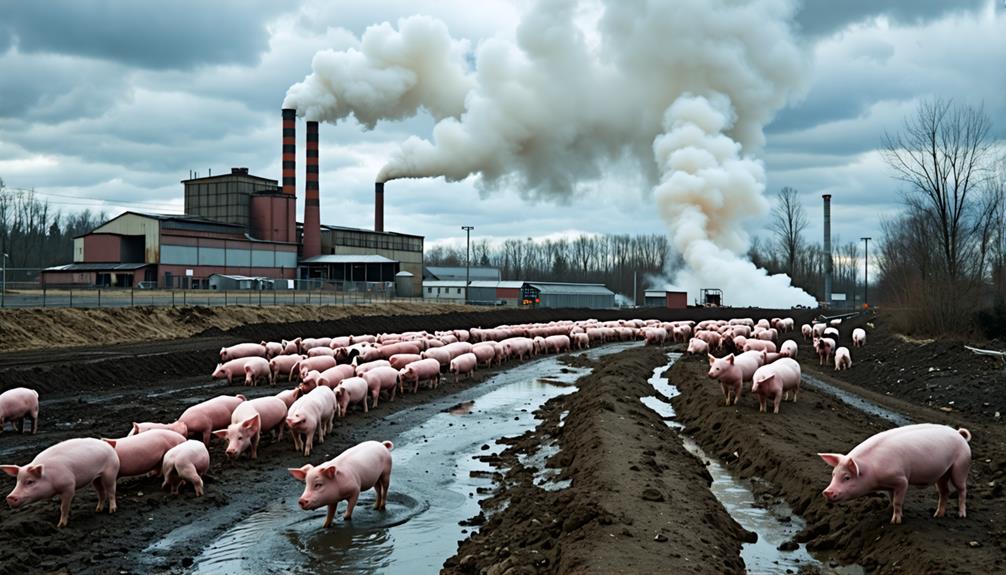
When it comes to industry accountability in bacon production, there is a noticeable lack of transparency, especially regarding the pork industry's use of carbon dioxide for stunning processes. Federal laws require humane slaughter, but enforcement and transparency are often lacking. This creates significant regulatory challenges.
To address these issues:
- Increase Public Awareness: Educate yourself and others about the industry's practices. Use social media and community platforms to spread information.
- Advocate for Better Regulations: Contact local and federal representatives to push for stricter enforcement of existing laws. Support legislation that promotes humane and transparent practices.
- Support Ethical Producers: Buy products from companies that are transparent about their practices and committed to humane slaughter methods. Look for certifications and reviews that verify these claims.
- Engage with Industry Groups: Participate in forums, attend meetings, and join groups that advocate for industry accountability. Your voice can help push for change.
Lack of Transparency
The pork industry's lack of transparency about its CO2 sourcing for slaughtering methods raises significant environmental concerns. The industry often fails to provide clear, verified information about their carbon dioxide emissions, leaving many questions unanswered.
The Federal Meat Inspection Act mandates humane slaughter oversight, but verifying compliance can be difficult due to the industry's secrecy. This lack of transparency raises both ethical and environmental issues. While companies often highlight transparency in their sustainability reports, the reality is often less clear.
To understand these issues better, consider these points:
- Sourcing Uncertainty: The origins of the CO2 gas used are rarely disclosed, making it hard to assess its environmental footprint.
- Manufacturers' Silence: Gas chamber manufacturers often do not provide details about their emissions and practices.
- Regulatory Gaps: Ensuring compliance with humane treatment and environmental standards is difficult due to insufficient transparency.
- Public Advocacy: Greater public awareness and advocacy are essential for pushing the industry towards more transparent and accountable practices.
For those concerned, here are some practical steps:
- Ask Questions: Contact industry representatives and gas chamber manufacturers to ask for detailed information about their CO2 sourcing and emissions.
- Research: Look for independent studies or reports that may provide insights into industry practices.
- Advocate: Support policies and organizations that push for greater transparency and environmental accountability in the pork industry.
- Stay Informed: Keep up-to-date with news and developments related to humane slaughter practices and environmental standards.
Regulatory Challenges
Addressing regulatory challenges in the pork industry highlights several accountability issues. The EPA mainly targets large Concentrated Animal Feeding Operations (CAFOs), often ignoring smaller farms that also contribute to pollution. This selective regulation leads to unchecked environmental damage.
The enforcement of the Clean Water Act is weak, allowing harmful waste management practices to continue. Despite anti-pollution laws, the pork industry still affects water quality negatively. Political ties to the meat industry further complicate matters. Over $5.6 million in political contributions in North Carolina since 2000 have created a cycle of influence that favors industry interests over community health and environmental protection.
State agencies also face regulatory challenges. They often lack the resources and political will to effectively monitor and address pollution. This oversight gap allows ongoing environmental harm. However, community advocacy is emerging as a force for change. Legal battles against CAFOs reveal financial barriers and intimidation tactics that residents face when seeking accountability. These challenges highlight the need for stronger and fairer regulatory frameworks to protect both the environment and public health.
Here are some practical steps to tackle these issues:
- Strengthen EPA Oversight: Advocate for the EPA to include smaller farms in their regulations.
- Enforce Existing Laws: Push for stricter enforcement of the Clean Water Act.
- Increase Transparency: Support measures that make political contributions from the meat industry more transparent.
- Boost State Agency Resources: Lobby for more funding and resources for state agencies to monitor pollution.
- Empower Communities: Provide legal and financial support for community advocacy groups.
Taking these steps can help create a more accountable and environmentally friendly pork industry.
Sustainability Commitment
The U.S. pork industry is strongly committed to sustainability, as shown in their "Commit and Improve" report. This report follows the We Care ethical principles, focusing on key areas like animal welfare, environmental care, and food safety. You might be surprised to learn that agriculture only contributes 9% of U.S. greenhouse gas emissions, with pork production making up less than 0.3% of this total. This shows the industry's efforts to reduce its environmental impact.
Over the past 55 years, the pork industry has made great strides in using resources efficiently. Here are some major achievements:
- Land Use: They have reduced land use by 76% per pound of pork produced.
- Water Use: They have cut water use by 25%.
- Carbon Footprint: They have decreased the carbon footprint of pork farming by more than 7%.
- Transparency: They continue to improve sustainability through clear reporting and engaging with stakeholders on platforms like porkcares.org.
These accomplishments show the pork industry's dedication to environmental sustainability. By focusing on these areas, they are working towards a more sustainable food production system.
Resource Efficiency
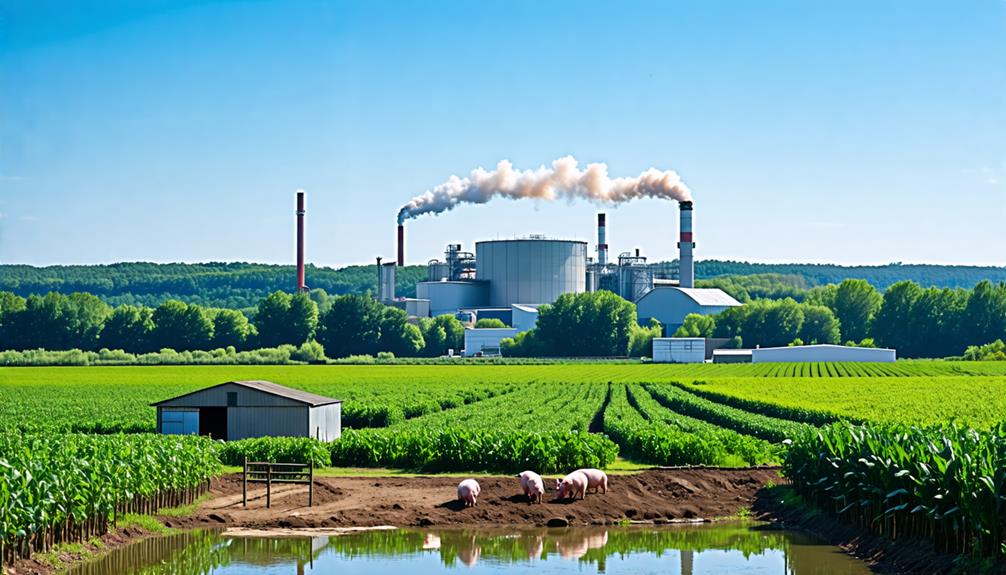
Building on the pork industry's commitment to sustainability, let's examine their strides in resource efficiency. In the past 55 years, the industry has made major advancements, cutting land use by 76% per pound of pork produced. This not only boosts resource efficiency but also lessens environmental impact.
Water usage in pork production has dropped by 25% due to smart water management practices. These efforts ensure that water, a critical resource, is used more sustainably. Additionally, energy consumption in pork farming has decreased by 7%, showing improvements in operational efficiency. By optimizing energy use, the industry lowers costs and reduces its carbon footprint.
Here's a summary of these advancements:
| Resource | Reduction Achieved |
|---|---|
| Land Use | 76% |
| Water Usage | 25% |
| Energy Consumption | 7% |
| Carbon Footprint | 7% |
These reductions highlight the pork industry's dedication to sustainable practices. By focusing on resource efficiency, the industry shows a clear commitment to reducing its carbon footprint and conserving vital resources while meeting the demand for pork products.
Animal Nutrition and Health
To ensure the health and productivity of pigs, focus on providing balanced and appropriate diets for their development. Work with nutritionists to create feeding strategies that support pig health and efficiency. Prioritize sustainable feeding practices to enhance animal health while minimizing resource use in pork production.
Balanced Pig Diets
Ensuring the health and productivity of pigs begins with a balanced diet, created with input from nutritionists. A proper diet is essential for pig health and growth, tailored to their developmental stage and rich in necessary nutrients. By collaborating with nutritionists, you can ensure pigs get all the nutrients they need for optimal growth and well-being.
A balanced diet for pigs includes:
- Proteins and Amino Acids: Essential for muscle development and overall growth.
- Vitamins and Minerals: Important for metabolism, immunity, and bone health.
- Energy Sources: Carbohydrates and fats provide energy for daily activities and growth.
- Fiber: Aids digestion and promotes gut health.
In addition to proper nutrition, feed processing and biosecurity protocols are crucial. These practices prevent disease spread and maintain herd health. Modern housing practices also help control disease and support better nutrition outcomes, improving animal welfare.
The pork industry has also improved sustainability, reducing water and energy use. Prioritizing sustainable feeding strategies not only boosts pig health but also supports environmentally friendly production.
Sustainable Feeding Strategies
Adopting sustainable feeding strategies for pigs benefits both the animals and the environment. By providing balanced diets suited to different life stages, you can enhance animal health and production efficiency while using fewer resources. Working with nutritionists ensures pigs get the right nutrition, which is crucial for their health and reduces the environmental impact of pork production.
Sustainable feeding strategies use modern feed processing techniques and biosecurity measures to prevent disease. Healthy diets improve growth rates and feed conversion efficiencies, which lowers the environmental footprint.
The pork industry has significantly cut resource use. Land utilization per pound of pork has decreased by 76% over the past 55 years. This shows how effective these feeding strategies are in making pork production more sustainable.
Key benefits of sustainable feeding strategies include:
| Benefit | Impact |
|---|---|
| Balanced diets | Improved animal health |
| Collaboration with nutritionists | Ideal nutrition |
| Modern feed processing | Disease prevention |
| Improved growth rates | Lower environmental footprint |
These steps offer practical ways to make pork production more sustainable while ensuring the health and efficiency of your livestock.
Transparency in Practices
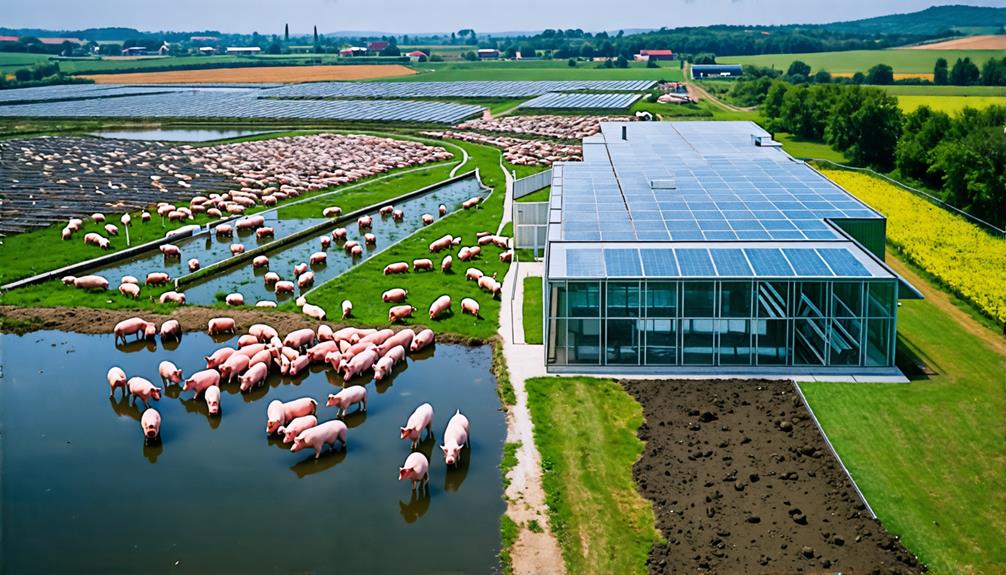
Transparency is key to the pork industry's sustainability efforts, helping to build trust and accountability with consumers. By focusing on transparent practices, the industry ensures you are informed about the ethical standards and sustainability measures in bacon production. Sustainability reports, often with detailed infographics, are regularly published to show improvements in animal welfare and production methods.
Industry leaders, such as Brett Kaysen, advocate for transparency to meet your expectations and ethical standards. You can find information on platforms like porkcares.org, which highlights efforts toward humane treatment and environmental responsibility. However, more clarity is needed in areas like sourcing CO2 for gassing pigs, which raises environmental concerns.
Here are key points about transparency in the pork industry:
- Sustainability Reports: These regular publications provide insights into animal welfare and production methods.
- Stakeholder Advocacy: Industry leaders promote transparency to keep you informed.
- Accessible Information: Websites like porkcares.org offer easy access to information on ethical practices.
- Environmental Accountability: Clearer disclosure on CO2 sourcing for gassing pigs is necessary for environmental responsibility.
Study Overview on Bacon
A recent study from Carnegie Mellon University has sparked debate by claiming that bacon has a lower environmental impact than lettuce. The study suggests that increasing vegetable consumption could raise energy use by 38% and carbon emissions by 6%. Critics argue that the study's methodology is flawed because it focuses on carbon intensity per calorie rather than per pound. This focus can lead to misleading conclusions about the environmental effects of pork production versus growing lettuce.
According to the study, a pound of bacon has six times the carbon intensity of a pound of lettuce, which contradicts common beliefs. Critics point out that the assumption—that calories from bacon would be replaced by an equal number of calories from lettuce—overlooks the difference in volume and nutritional value needed to meet dietary needs.
While the findings might seem to downplay the environmental impact of pork production, they also show the complexity of evaluating food production impacts. Despite the study's claims, shifting towards more plant-based diets may still be important for sustainability. Understanding carbon emissions and energy use in food production is crucial for making informed dietary choices.
For practical advice, consider the following:
- Evaluate the carbon footprint of your food choices, focusing on both the type and the amount of food you consume.
- Incorporate a variety of foods into your diet to balance nutritional needs and environmental impact.
- Stay informed about the latest research on food production and its environmental effects.